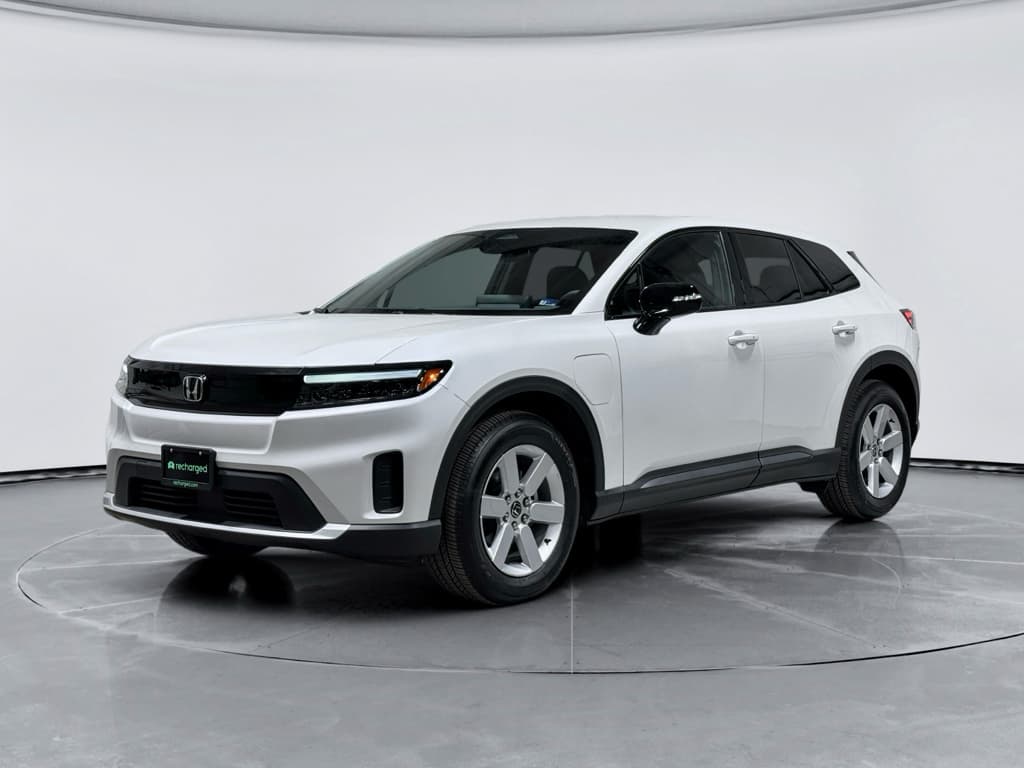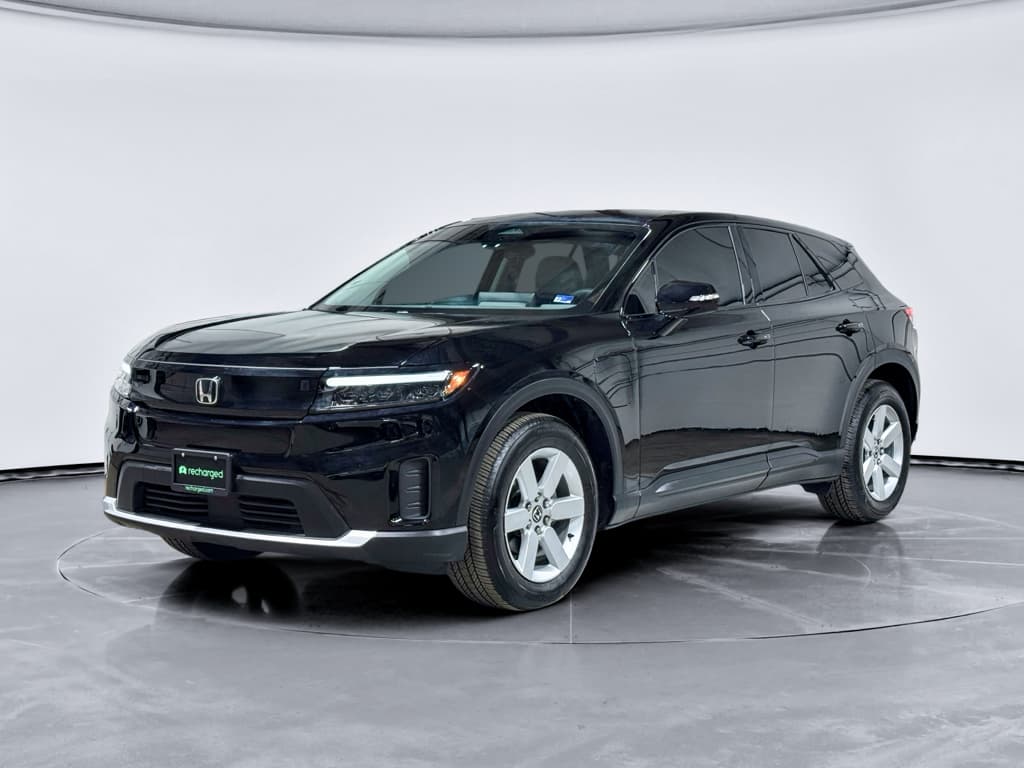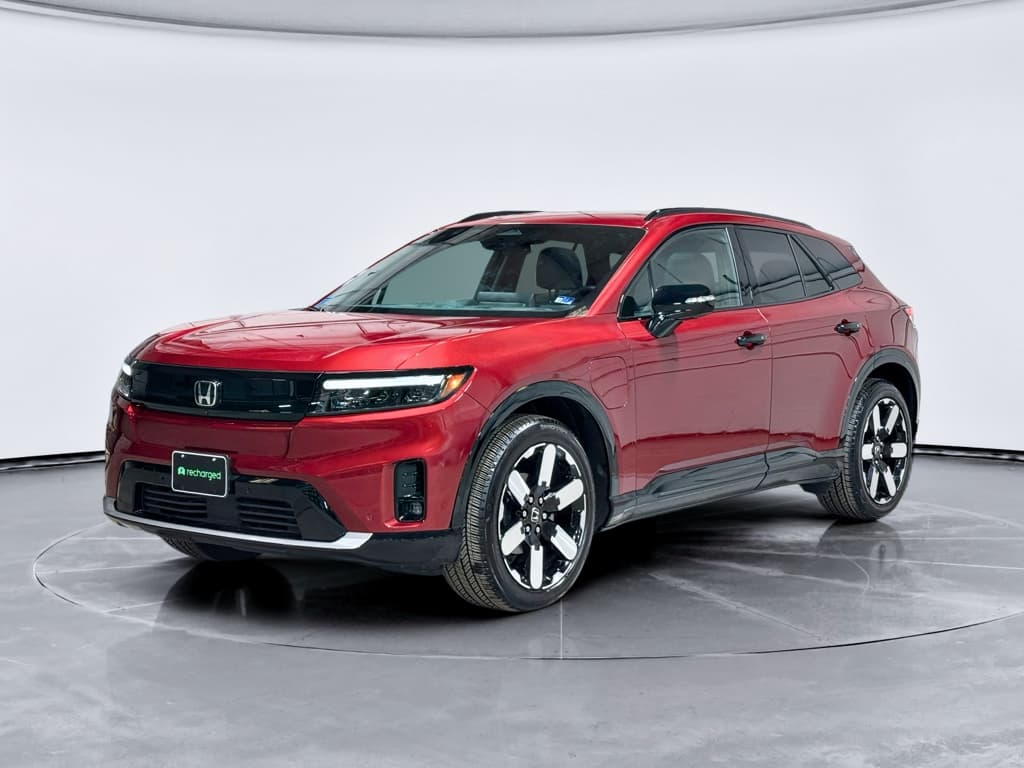
If you’re cross-shopping electric SUVs in 2026, the Honda Prologue is probably on your radar. Built on GM’s Ultium platform but tuned and styled by Honda, it sits in an interesting middle ground: less flashy than a Tesla Model Y, more conventional than a Hyundai Ioniq 5, and closely related to the Chevy Blazer EV. This guide breaks down the Honda Prologue pros and cons in 2026 so you can decide if it deserves a spot in your driveway, or if a different used EV SUV is a better fit.
Model years covered
Honda Prologue at a glance in 2026
Honda Prologue key specs (2024–2026)
Under the skin the Honda Prologue rides on GM’s Ultium BEV3 platform, shared with the Chevy Blazer EV and Acura ZDX. Most U.S. models pair an ~85 kWh battery with either front-wheel drive or dual-motor all‑wheel drive, plus an 11.5 kW onboard charger for home Level 2 charging and up to about 155 kW on DC fast charging. In practice, that means comfortable daily range for most commuters and competitive road-trip performance, though not segment‑leading.
Who the Honda Prologue fits best
Think about your use case before you zero in on specs
Honda loyalist
If you like the understated, "normal car" feel of a CR‑V or Passport but want to go electric, the Prologue will feel familiar.
Family hauler
Two-row seating, generous rear legroom, and a big cargo area make it a solid pick for families that don’t need a third row.
Mixed driving
Drivers who alternate between weekday commuting and occasional road trips will appreciate the balance of comfort, range, and DC fast‑charging speed.
Key pros of the Honda Prologue
1. Comfortable, familiar driving experience
Honda tuned the Prologue to feel like a traditional Honda SUV, not a science project. Steering is light, the ride skews soft and composed rather than sporty, and the cabin prioritizes visibility and ease of use over flashy gimmicks. Owners who have migrated from CR‑V and Passport models often call out how normal the Prologue feels, in a good way.
If you’re wary of EVs that feel overly digitized or stiff-riding, this is a meaningful advantage over sharper, more performance‑oriented rivals.
2. Strong real‑world range and efficiency
On paper the Prologue’s FWD trims land just under 300 miles of EPA range, with AWD versions in the high‑200s depending on wheels and tires. That’s competitive with other mid‑size EV SUVs. In owner reports, it tends to hold its efficiency well at highway speeds compared with boxier rivals.
As with any EV, cold weather can shave a big chunk off those numbers, but drivers who manage climate settings and precondition the cabin generally report confident day‑to‑day range.
Pro tip: FWD vs AWD for range
- Ultium hardware supports 11.5 kW AC charging, so a 48‑amp Level 2 home charger can add roughly 30–35 miles of range per hour.
- Peak DC fast‑charge rates around 155 kW are not class‑leading but, with a good charging curve, can still deliver 10–80% in a bit over half an hour under ideal conditions.
- Battery preconditioning, accessible through the charging menu, helps the car get closer to its peak DC charge rate when you arrive at a fast charger.
3. Straightforward tech with Google built‑in and smartphone mirroring
Unlike some GM‑branded Ultium SUVs that delete Apple CarPlay and Android Auto, the Prologue keeps them, alongside Google built‑in services. That means you can:
- Use native Google Maps with EV‑aware routing, or just mirror your preferred nav app.
- Rely on Google Assistant voice control, or stick with your phone’s assistant.
- Enjoy an interface that’s modern without being overcomplicated.
If you hate the idea of being locked into one software ecosystem, this is a quiet but meaningful pro for the Honda‑badged version of this platform.
4. Spacious, practical interior
The Prologue sits in the sweet spot for many households: bigger than compact crossovers like the Hyundai Kona Electric, but easier to park than three‑row behemoths. Highlights include:
- Generous rear legroom for adults and child seats.
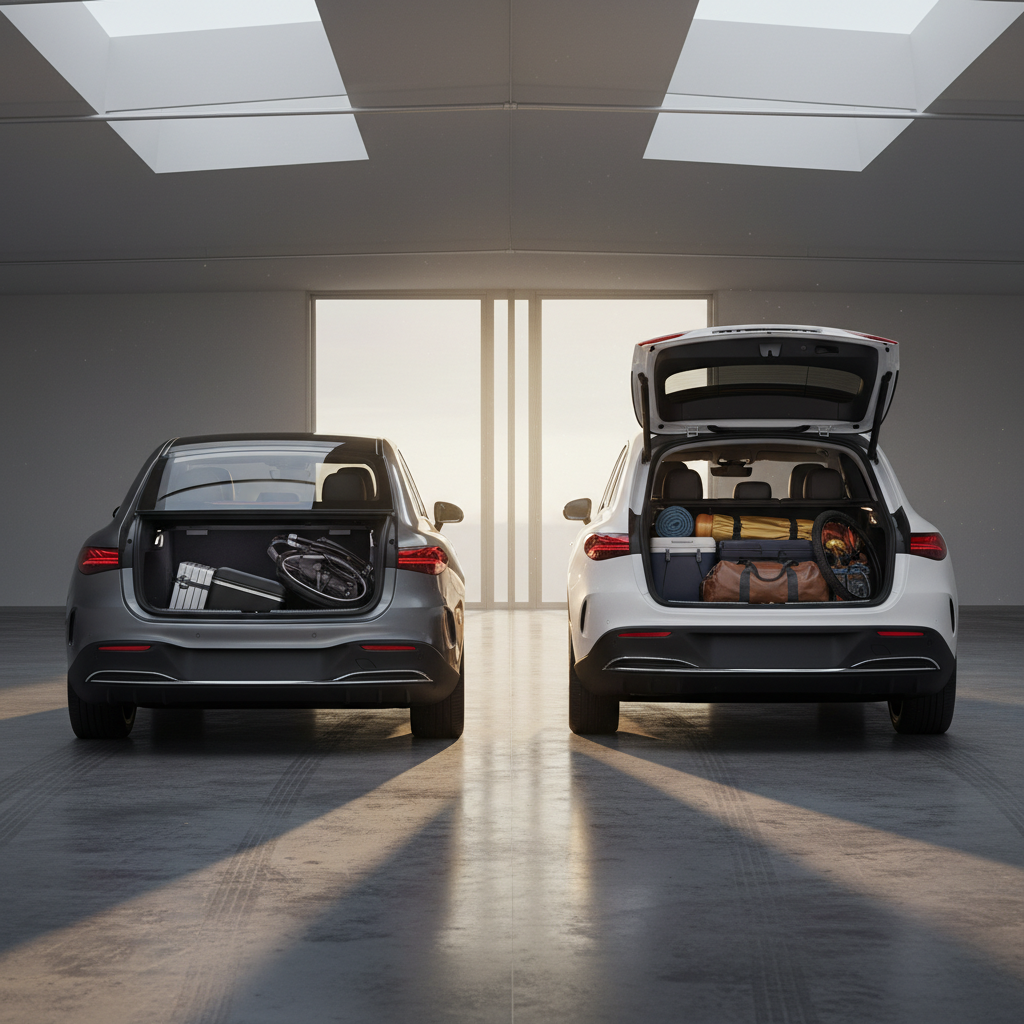
- A wide, usable cargo area with a relatively low lift‑over height.
- Plenty of small‑item storage for phones, bags, and kids’ gear.
It’s not a design‑show interior, but it does the daily‑life fundamentals very well.
Honda safety and driver assistance
Biggest cons and complaints
No EV is without trade‑offs, and because the Prologue shares hardware with the Chevy Blazer EV, it inherits both some strengths and some headaches. By 2026, a clearer pattern has emerged from early owners, shop data, and comparison tests.
1. DC fast‑charging that’s “good enough,” not great
The Prologue’s 155 kW peak DC rating lands in the middle of the pack. In practice, the shape of the charging curve matters more than the headline number, and owner reports suggest that while speeds are acceptable, they’re not in the same league as the fastest‑charging Korean EVs.
On a typical highway stop you might be looking at 30–40 minutes from low state of charge back to an 80% buffer, depending on conditions and charger performance. That’s fine if you build it into your routine, but worth noting if you’re coming from a car that can sustain 200–250 kW on a good network.
2. Heavily dependent on public charging quality
Because the Prologue uses the North American CCS standard on early model years (with NACS support evolving through adapters and future updates), your long‑trip experience is tied to the reliability of mixed‑network charging, Electrify America, EVgo, local co‑ops, and so on.
Owners in regions with patchy infrastructure report frustration with broken or derated chargers. That’s not a uniquely Honda problem, but it impacts how you’ll perceive the car’s capabilities on road trips.
Watch for software and charging bugs
3. Interior quality and design are more functional than premium
If you step directly from a Hyundai Ioniq 5, Kia EV6, or a top‑trim Tesla Model Y into a Prologue, the Honda can feel a bit plain. Materials are perfectly acceptable, but the vibe is "nice mainstream crossover" rather than aspirational EV future.
For some shoppers this is actually a plus, it feels familiar and less fussy. But if you’re hoping your EV will wow you every time you climb in, the Prologue’s interior may underwhelm relative to similarly priced rivals.
4. Pricing vs. perceived value
Honda positioned the Prologue competitively at launch, especially compared with the Chevy Blazer EV, but by 2026 the EV market has softened and discounts are common. That means:
- Brand‑new Prologues can look pricey next to aggressive deals on competing EVs.
- Used Prologues may depreciate more quickly than traditional Honda SUVs, especially if incentives and discounting remain heavy on new inventory.
If you’re value‑driven, you’ll want to compare total cost of ownership, including potential tax credits and dealer discounts, against other EV SUVs, not just MSRP.
Platform‑wide reliability perception
Honda Prologue vs. Chevy Blazer EV and other rivals
Given the shared Ultium underpinnings, it’s natural to compare the Prologue directly to the Chevy Blazer EV, plus usual suspects like the Tesla Model Y and Hyundai Ioniq 5. The table below focuses on the themes that matter most in 2026: charging, comfort, tech, and ownership experience.
Honda Prologue vs key EV SUV rivals (high level)
High‑level comparison only; exact specs, trims, and pricing vary by model year and configuration.
| Model | Platform/Drive | Range ballpark | DC fast‑charge strength | Ride & comfort | Tech & UX | Ownership vibe |
|---|---|---|---|---|---|---|
| Honda Prologue | GM Ultium / FWD or AWD | High‑200s mi | Mid‑pack, ~155 kW peak | Soft, comfortable, easygoing | Google built‑in + CarPlay/Android Auto | Conventional Honda SUV, low‑drama |
| Chevy Blazer EV | GM Ultium / FWD, RWD, AWD | Similar to Prologue | Similar peak rates, more performance variants | Slightly firmer, sportier | Google built‑in, no phone mirroring on some trims | Sportier, more expressive but more polarizing |
| Tesla Model Y | Tesla proprietary / RWD, AWD | Mid‑ to high‑200s | Very strong on Supercharger network | Firm, efficient, less isolation | Tesla UI only, frequent OTA updates | Tech‑forward, ecosystem‑centric |
| Hyundai Ioniq 5 | Hyundai E‑GMP / RWD, AWD | Mid‑ to high‑200s | Often class‑leading 800V architecture | Comfortable but a bit firmer | Good UX, robust safety tech | Design‑forward, strong value when discounted |
Use this as a directional guide, then compare specific trims you’re actually considering.
How to read this comparison
Is the Honda Prologue right for you?
Quick self‑check: does a Prologue make sense for you?
1. You prioritize comfort over outright performance
You’d rather have a smooth, quiet commute than a stiff, sporty EV with launch‑control bragging rights. The Prologue’s softer tuning will likely appeal.
2. You like Honda’s no‑nonsense approach
If you’re used to Hondas that just work, without trying to reinvent the car entirely, the Prologue’s layout and driving manners will feel reassuringly normal.
3. You have (or can get) reliable home charging
With an 11.5 kW onboard charger, the Prologue shines when it can refill overnight on Level 2. If you’re 100% dependent on public charging, you’ll need to think harder about local network quality.
4. You don’t need a third row
The Prologue is a two‑row SUV. If you routinely haul six or seven people, you’ll want to look at larger EVs or plug‑in hybrids with three rows.
5. You’re okay being in the EV mid‑pack
You’re not chasing the absolute fastest charging or wildest styling. You want a solid, well‑rounded EV SUV from a brand you recognize, even if it’s not the flashiest choice.
Buying a used Honda Prologue: what to look for
By 2026, the earliest 2024 Prologues are already hitting the used market in meaningful numbers, often coming off short leases or early adopters trading into newer tech. That creates opportunity, if you approach it with a clear checklist.
Why used Prologues can be interesting deals
Used Honda Prologue pre‑purchase checklist
Confirm software and recall status
Ask the seller or dealer for a printout showing completed software updates and any recall or service campaign work. On an Ultium‑based vehicle, up‑to‑date software is not optional, it directly affects charging and reliability.
Review battery health, not just range estimates
A Prologue’s range estimate can swing with temperature and recent driving. Whenever possible, get a <strong>battery health assessment</strong> or diagnostic report that shows actual pack capacity relative to new, rather than guessing from the guess‑o‑meter.
Inspect charging behavior
If you can, test both Level 2 and DC fast charging. Watch for hand‑shake failures, stuck connectors, or unusually slow ramp‑up. Even a 10–15 minute DC plug‑in session can reveal a lot about how that particular car behaves.
Check tires, brakes, and suspension
EVs are heavy, and tire and suspension wear tells you how a previous owner drove and maintained the car. Uneven tire wear or clunks over bumps may hint at alignment or bushing issues that aren’t cheap to ignore.
Scan interior for wear and build issues
Look for rattles, misaligned trim, or water leaks around doors and liftgate. Because the Prologue rides quietly, even small build issues can become annoying over time.
Verify warranty coverage
Make sure you know what remains of Honda’s bumper‑to‑bumper and battery warranties, and whether any transferable extended coverage was purchased. Warranty peace of mind matters more on first‑generation EVs than on mature gas models.
How Recharged can help with a used Prologue or rival
If you’re EV‑curious but wary of being an automaker’s beta tester, buying used with transparency is one of the smartest ways to de‑risk the leap. That’s exactly what Recharged is built for.
Why shop a Prologue or rival through Recharged
Lower uncertainty, more signal, less noise.
Verified battery health
Every EV on Recharged comes with a Recharged Score Report that includes battery diagnostics, so you’re not guessing how much usable capacity is left in a Prologue, or any rival you’re comparing.
Transparent pricing & financing
Recharged benchmarks listings against fair‑market EV pricing and offers financing and trade‑in options, so you can see your real cost to switch out of a gas SUV and into an electric one.
Nationwide, EV‑savvy support
Whether you’re near the Richmond, VA Experience Center or shopping fully online, Recharged’s EV specialists can help you weigh a Prologue against alternatives, arrange nationwide delivery, and talk through home‑charging plans.
Ready to find your next EV?
Browse VehiclesHonda Prologue pros and cons 2026: FAQ
Frequently asked questions about the Honda Prologue in 2026
Bottom line on the Honda Prologue in 2026
In 2026, the Honda Prologue is neither the flashiest nor the most headline‑grabbing EV SUV, and that’s exactly what some buyers want. Its pros are clear: a comfortable, familiar drive, solid range, straightforward tech, and practical space, all wearing a badge many Americans already trust. Its cons are equally worth taking seriously: mid‑pack fast‑charging, heavy reliance on imperfect public networks, and pricing that can feel steep next to aggressively discounted competition.
If those trade‑offs match your priorities, and especially if you can find a well‑priced used Prologue with documented battery health and up‑to‑date software, it can be a smart way into EV ownership. If not, the good news is that 2026 offers more credible alternatives than ever. Either way, taking a data‑driven, battery‑health‑first approach, and leaning on tools like the Recharged Score Report, will put you in a far better position than simply chasing the latest badge on the newest charging standard.