If you’re hunting for the best used electric sedan in 2026, you’re in a sweet spot. New-EV demand has cooled, prices on many pre-owned models have softened, and range and charging tech from just a few years ago still feel very current. The trick is cutting through hype, understanding battery health, and matching the right sedan to the way you actually drive.
Why used electric sedans are so attractive right now
How to choose the best used electric sedan
Before you zoom in on a specific model, get clear about how you’ll use the car. A 40‑mile suburban commute and occasional road trips call for a different sedan than an urban runabout that rarely leaves the city. The best used electric sedan for you balances range, charging speed, interior space, and price, not just brand cachet.
Key decision factors for a used electric sedan
Focus on these six areas before you shop listings
Real-world range
Ignore only the original EPA rating. Look at:
- Battery size and age
- Owner reports of typical highway range
- Cold-weather performance in your region
Charging access
Ask yourself:
- Will you charge at home most nights?
- Do you have reliable DC fast charging nearby?
- Is Tesla Supercharger access important?
Battery health
On a used EV, the battery is the car’s value. Seek:
- Verified state-of-health testing
- Warranty coverage details
- Evidence of fast-charging habits
Space & practicality
Compare:
- Rear headroom and legroom
- Trunk vs hatchback utility
- Car-seat friendliness, if needed
Total cost
Consider more than the sticker:
- Insurance premiums
- Expected maintenance
- Local electricity vs gas prices
Reliability & recalls
Look for:
- High-mileage owner reports
- Major recalls (and proof of completion)
- Brand service network strength
Leverage Recharged’s battery-first inspections
Best used electric sedans: quick ranking
Here’s a high-level look at some of the best used electric sedans you’ll find in the U.S. market in 2026. Exact pricing will vary by mileage, trim, and region, but these ballpark numbers reflect what many shoppers are seeing for clean-title cars with reasonable miles.
Top used electric sedans in 2026
Approximate 2026 U.S. used-market pricing and headline stats for popular electric sedans.
| Model | Typical used price* | EPA range (new) | Strengths | Watch-outs |
|---|---|---|---|---|
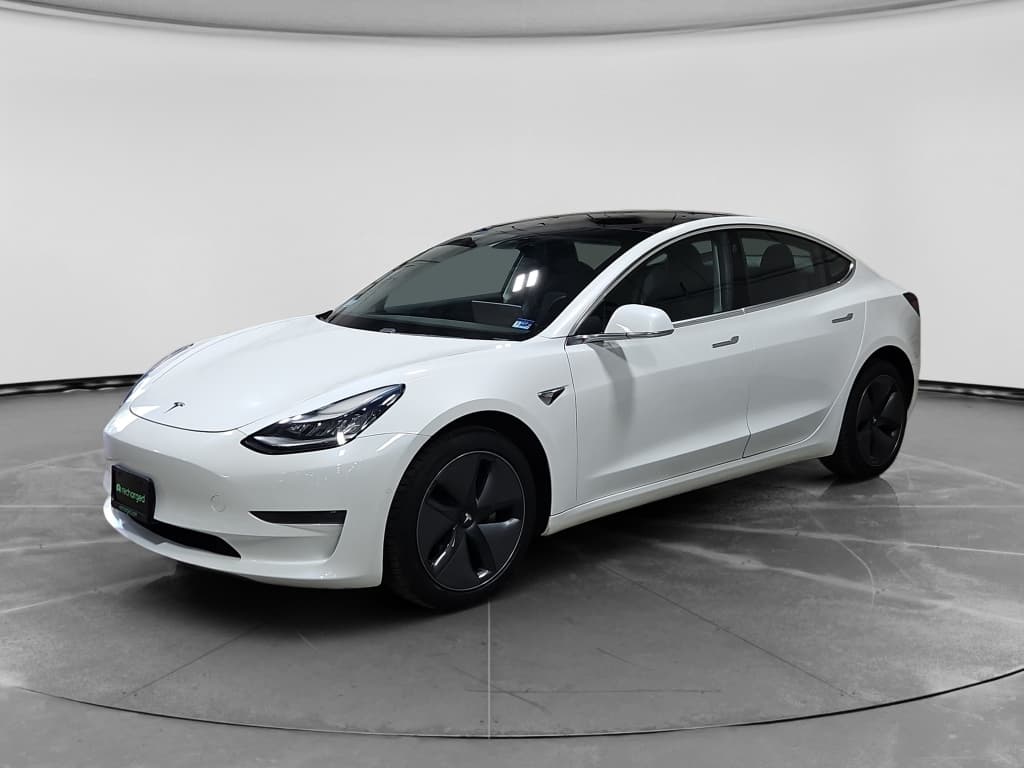
| Tesla Model 3 (2018–2023) | $18,000–$32,000 | 220–358 mi | Supercharger access, software features, efficiency | Build-quality nitpicks, warranty status |
| Hyundai Ioniq 6 (2023–2025) | $28,000–$38,000 | 240–361 mi | Excellent efficiency, modern tech, warranty | Tight rear headroom, young used inventory |
| Hyundai Ioniq Electric (2017–2021) | $12,000–$20,000 | 124–170 mi | Super efficient commuter, value pricing | Shorter range, limited DC fast-charging speed |
| BMW i4 (2022–2025) | $34,000–$48,000 | 256–307 mi | Premium cabin, strong performance | Higher repair costs, firm ride on big wheels |
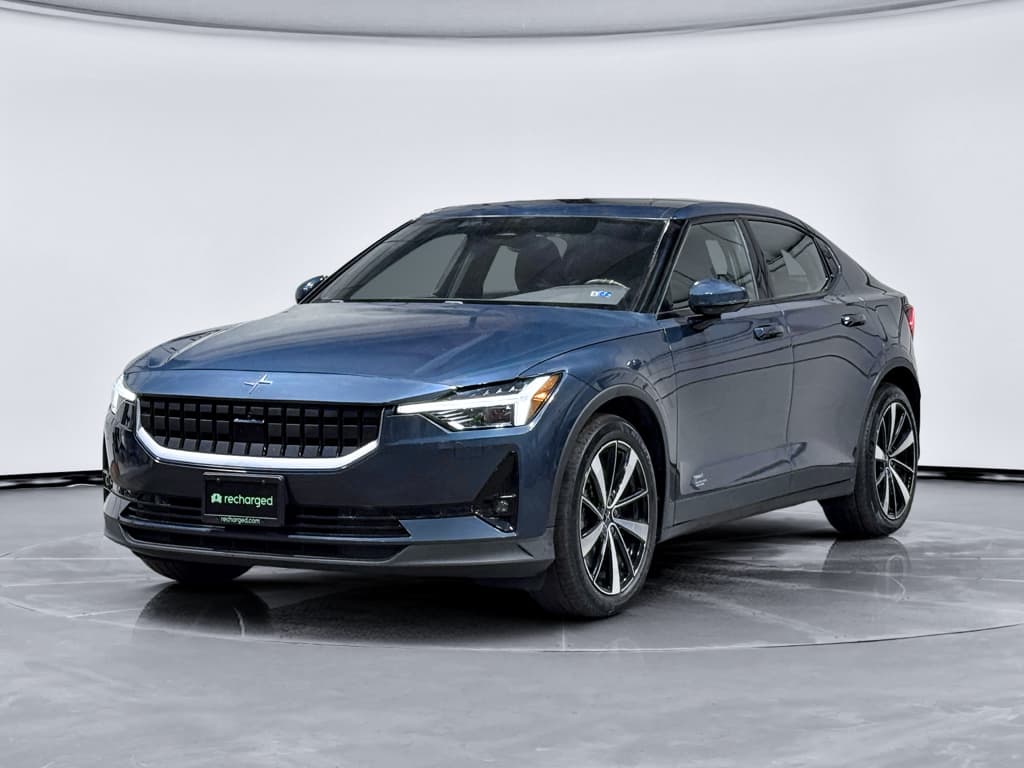
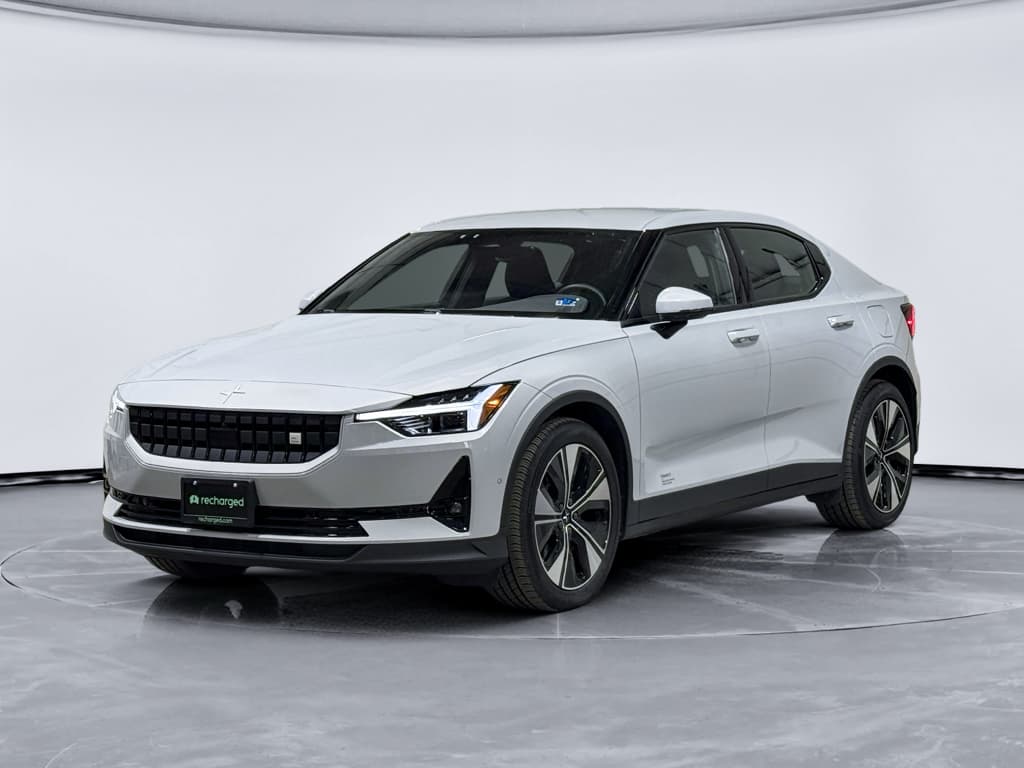
| Polestar 2 (2021–2024) | $28,000–$40,000 | 233–320 mi | Distinctive design, Google-based infotainment | Smaller rear seat, evolving dealer network |
| Nissan Leaf (plus trims, 2018–2023) | $8,000–$18,000 | 150–226 mi | Low entry price, easy to drive | Older CHAdeMO fast charging, early-pack degradation |
| Chevy Bolt EV / EUV (2017–2023) | $13,000–$22,000 | 238–259 mi | Great value, decent range | Battery-recall history, modest DC fast speeds |
Pricing is directional, assuming mainstream trims and moderate mileage. Always check your local market and condition-specific pricing.
Read used prices in context
Tesla Model 3: the benchmark used electric sedan
If you ask a dozen EV insiders to name the best used electric sedan overall, most will at least start with the Tesla Model 3. It’s not perfect, but it changed the segment, and the used market reflects that. A well-bought Model 3 still offers class-leading efficiency, excellent DC fast‑charging access, and software that ages better than most in-car tech.
Why a used Model 3 still makes sense
- Charging advantage: Native access to Tesla’s Supercharger network, which remains the most reliable fast‑charging infrastructure in North America.
- Software & over‑the‑air updates: Continuous software updates keep features and user experience relatively fresh, even on older cars.
- Driving experience: Quick, quiet, and efficient with solid highway manners.
- Body styles and variants: Rear‑wheel drive, Long Range dual‑motor, and Performance trims give you real choice in speed and range.
Where to be cautious
- Build quality: Panel gaps and interior wear on early cars (2017–2019) can be below typical German or Japanese standards. Inspect carefully.
- Warranty status: Many early Model 3s are now out of basic warranty; only the battery and drive unit may still be covered, depending on age and miles.
- High‑use rideshare cars: Some have very high fast‑charge counts and mileage, battery health checks are essential.
- Price spikes: Used Tesla prices can move quickly with policy changes and new-model discounts. Make sure you’re not buying at the top of a mini-peak.
Smart Model 3 buys
Hyundai Ioniq 6 & Ioniq Electric: efficiency champs
If you care more about efficiency and value than badges, Hyundai’s electric sedans deserve a close look. The original Ioniq Electric is one of the most efficient EVs ever sold in the U.S., while the newer Ioniq 6 brings long‑range highway comfort and ultra‑modern styling.
Hyundai Ioniq sedans: which used one fits you?
Both are efficient; they just solve different problems.
Hyundai Ioniq Electric (2017–2021)
- Best for: City and suburban commuting with home charging.
- Range: Roughly 124–170 miles when new; expect less today depending on age and use.
- Pros: Superb efficiency, compact size, relatively low used prices.
- Cons: Limited highway range, modest DC fast‑charging, smaller back seat.
Hyundai Ioniq 6 (2023–2025)
- Best for: Drivers who want modern tech, longer trips, and a style-forward sedan.
- Range: Up to the mid‑300‑mile range when new, depending on battery and drivetrain.
- Pros: Great efficiency, strong warranty coverage on younger cars, competitive DC fast‑charging speeds.
- Cons: Rear headroom is tighter under that sleek roofline; as a newer model, used examples still command more money.
Check for recalls and software updates
BMW i4 & Polestar 2: premium used electric sedans
If you’re coming out of a German sport sedan or a Scandinavian luxury hatchback, the BMW i4 and Polestar 2 are the used electric sedans that will feel most familiar. Both deliver strong performance, upscale cabins, and solid highway range, but they play slightly different roles.
Premium doesn’t always mean longer range
Budget-friendly used electric sedans worth a look
Not everyone needs 300 miles of range or a luxury badge. If you mostly drive in town, shorter‑range and earlier‑generation EV sedans can be outstanding values, as long as you understand their limits.
- Nissan Leaf (plus models): Later “Plus” trims with the larger battery are the most compelling, but they still use the older CHAdeMO fast‑charging standard. That’s increasingly marginalized compared with CCS and NACS, making them less flexible for road trips.
- Chevy Bolt EV / EUV: A hatchback rather than a pure sedan, but worth mentioning because used prices are attractive and range is strong. Just make sure any battery-recall work was completed and check DC fast‑charging speeds if you plan frequent long drives.
- Older compliance sedans: Cars like the original Fiat 500e or early small-batch EV sedans may be cheap, but parts availability and range limitations usually make them niche city cars today. Only consider them if you truly understand those trade‑offs.
Avoid cars with unclear battery history
Used EV battery health & range: reality check
For used electric sedans, battery health is the single biggest variable. Two seemingly identical cars on a listing site, a 2019 sedan with 60,000 miles and the same trim, can have very different remaining useful life depending on how they were charged, where they lived, and how they were driven.
Battery health basics for used electric sedans
How Recharged measures battery health
Battery checks you should insist on
1. Get an objective battery health report
Ask for a third‑party or platform-provided report (like the Recharged Score) that estimates state-of-health and expected range at typical highway speeds.
2. Review charging history when possible
Frequent DC fast charging and regular 100% charges aren’t automatically deal‑breakers, but they do change how you should value the car.
3. Consider climate history
Cars that spent their lives in very hot or very cold regions often show different degradation patterns than those from milder climates.
4. Understand warranty cutoffs
Know the age and mileage limits for the battery and drive-unit warranty for your specific model. A car just inside that window is more valuable than one just outside it.
Ownership costs: insurance, maintenance & depreciation
One reason used electric sedans are gaining traction is that their ongoing costs are relatively predictable. You’re trading engine oil, spark plugs, and exhaust systems for simpler drivetrains and cheaper fuel, but you still need to plan for tires, brakes, and, eventually, out‑of‑warranty repairs.
Where you’ll likely save
- Fuel: Even at rising electricity prices, cost-per-mile is typically far below an equivalent gas sedan, especially if you can charge at home overnight.
- Routine maintenance: No oil changes, far fewer moving parts, and regenerative braking that can extend brake life.
- Depreciation opportunities: Because the new-EV market has been choppy, some used sedans have fallen faster than their real utility has. Savvy shoppers can capture that gap.
Where costs can surprise you
- Insurance: Some EVs, especially premium ones, carry higher comprehensive and collision rates due to expensive bodywork and electronics.
- Out‑of‑warranty repairs: On luxury brands, body repairs and electronic modules can be pricey, even if the powertrain is simple.
- Rapid market swings: When new-vehicle pricing or incentives move quickly, used EV values can shift more abruptly than traditional sedans.
Leaning on market data, not gut feel
Ready to find your next EV?
Browse VehiclesChecklist: what to do before you buy
If you remember nothing else, use this short checklist before you commit to any used electric sedan, whether it’s a Tesla, Hyundai, BMW, Polestar, or something more obscure.
Pre‑purchase checklist for a used electric sedan
1. Match the car to your real range needs
Add up your typical daily miles and your longest regular trips. If you rarely exceed 120 miles in a day, you have more flexibility than you think.
2. Verify battery health with data
Do not rely on the seller’s guess. Get a diagnostic report or buy through a platform, like Recharged, that provides a standardized battery health score.
3. Inspect for crash damage and water exposure
EVs can hide expensive underbody and battery‑pack damage. Look for clean Carfax‑style histories, alignment issues, and signs of flood exposure.
4. Check charging hardware and cables
Confirm that the included charge cable works, ask about adapters (especially for Teslas vs CCS/NACS), and price in any hardware you may need at home.
5. Confirm software and recall status
Make sure the car is on current software and that all safety and battery-related recalls have been completed. Ask for documentation.
6. Test drive in your real-world scenario
If you do a lot of highway driving, test the car on the highway. Evaluate noise, seat comfort, and driver-assistance behavior at the speeds you’ll actually use.
FAQ: best used electric sedan
Frequently asked questions about used electric sedans
Bottom line: which used electric sedan is best for you?
There isn’t one universally “best” used electric sedan, there’s the one that best fits your driving reality and risk tolerance. If you want the most proven ecosystem and road‑trip flexibility, a well‑vetted Tesla Model 3 is still hard to beat. If you prize efficiency and long warranties, the Hyundai Ioniq 6 and earlier Ioniq Electric are compelling. Drivers moving up from premium gas sedans may feel most at home in a BMW i4 or Polestar 2.
Whichever direction you go, treat battery health, charging access, and total ownership cost as first‑order questions, not afterthoughts. And if you’d rather not play detective on your own, buying through Recharged gives you objective battery diagnostics, market‑aligned pricing, and EV‑savvy support from first search to delivery, so your next electric sedan feels like an upgrade in every sense.