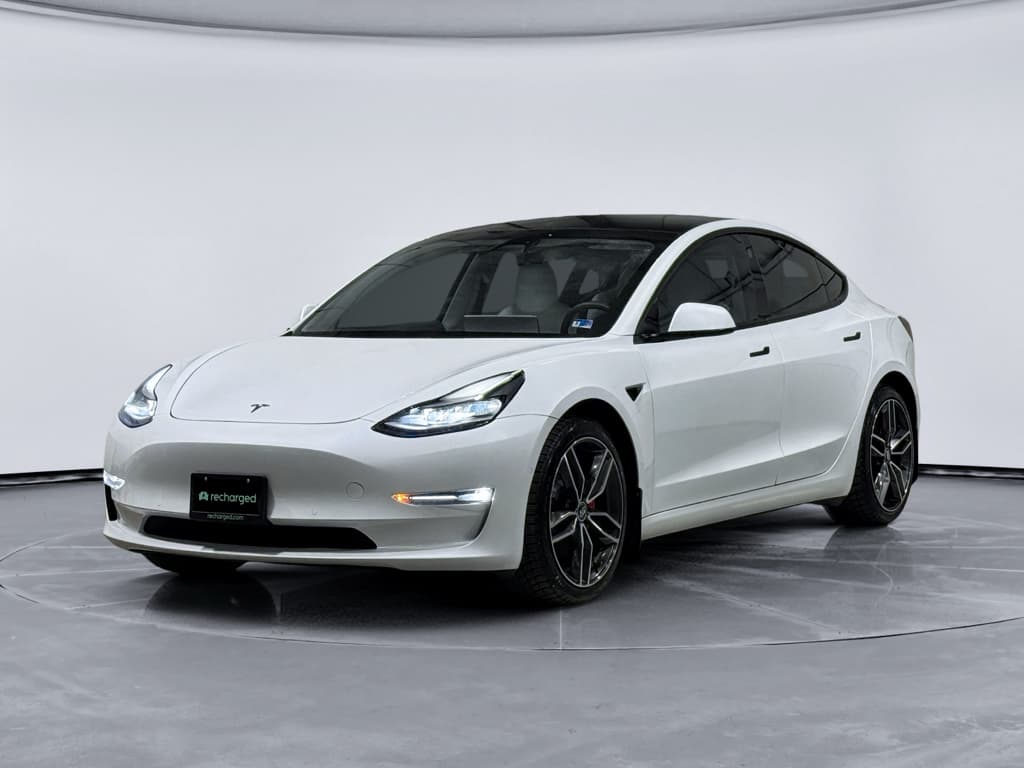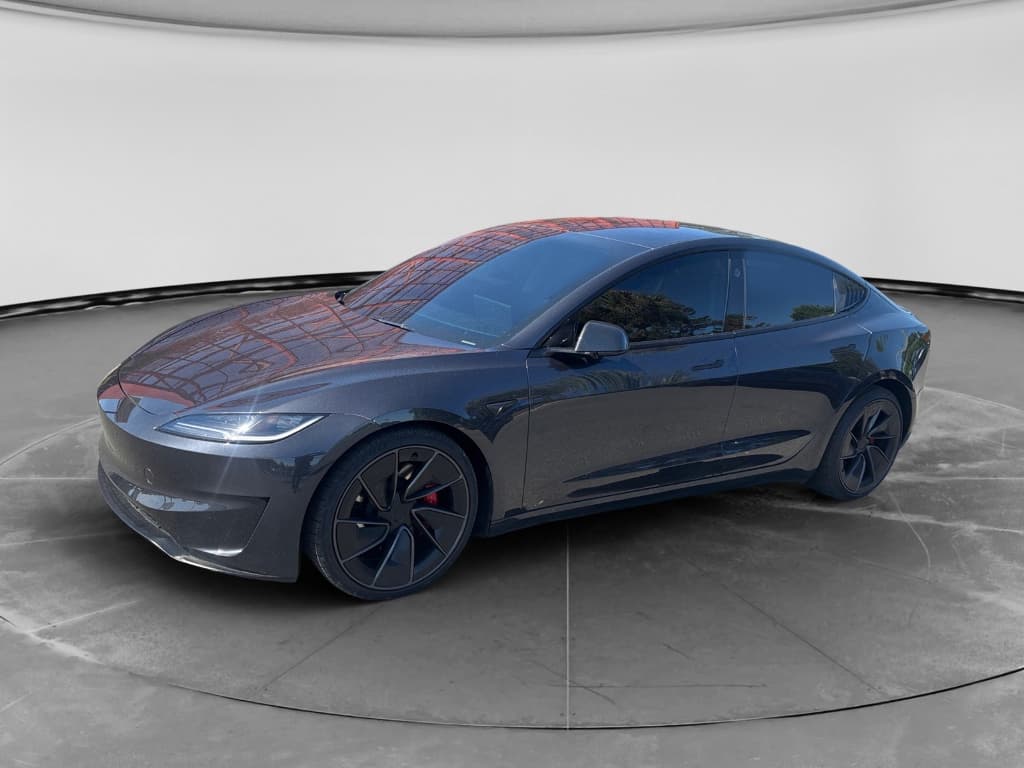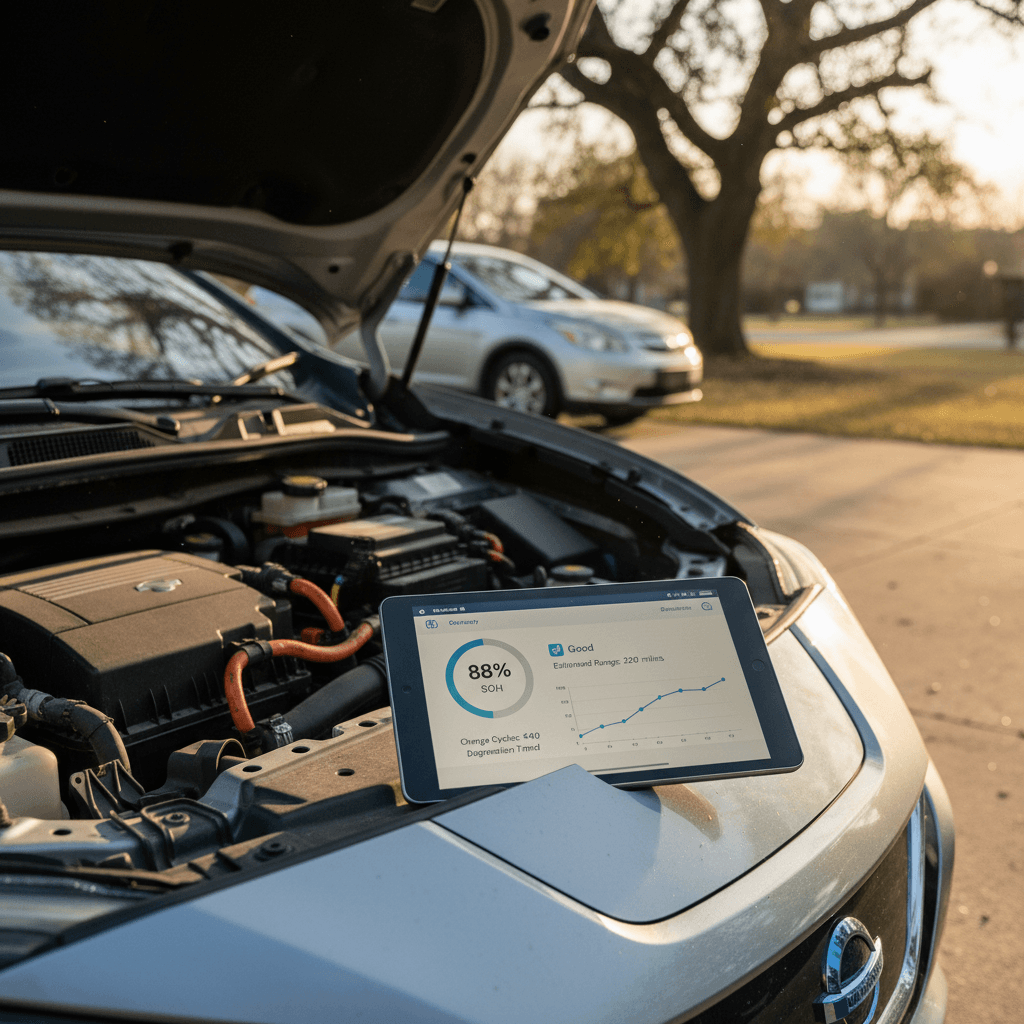
If you’ve been waiting for the right moment to go electric, 2025 might be it. Thanks to falling used EV prices and improving battery tech, some of the best used electric cars now cost less than comparable gas models, often with lower running costs and a smoother drive to boot.
Why this moment matters
Why used EVs are so attractive in 2025
Used EV market at a glance (2025)
For years, the knock on new EVs was simple: too expensive up front. The used market is changing that story. Price drops on models like the Kia Niro EV, Tesla Model 3, Hyundai Ioniq 5, and Chevrolet Bolt EV mean you can often get a low‑mileage, well‑equipped EV for the price of an average used compact SUV.
Tip: Let depreciation work for you
How to choose the best used electric car for you
Step 1: Be honest about your daily driving
Most drivers cover far less than 100 miles per day. That means a used EV with a real‑world range of 180–220 miles is more than enough for commuting, errands, and school runs.
- City/commuter: Prioritize efficiency, compact size, and easy parking.
- Suburban family: Look for a crossover or SUV with space and DC fast‑charging.
- Road‑trip regular: Focus on range and fast‑charge speed, plus network coverage.
Step 2: Prioritize battery and charging over gadgets
Fancy trim and big wheels are nice, but the heart of any used EV purchase is the battery and how you’ll charge it.
- Battery health: Fewer rapid‑charge cycles and milder climates are a plus.
- Charging access: Know whether you’ll rely on home Level 2, workplace charging, or public DC fast‑charging.
- Connector type: Newer used EVs increasingly support NACS, but adapters can bridge the gap for older CCS models.
From there, you can narrow in on specific models. In this guide we’ll group the best used electric cars by common use cases, affordable commuter, family crossover, long‑range all‑rounder, and more, then highlight what to watch for with each.
Best used electric cars by category
Top used EV picks for different buyers
Start with the category that fits your life, then zero in on a model
Affordable commuter EVs
Best for: Budget‑minded buyers, city driving, second cars.
- Kia Niro EV (2019–2022)
- Chevrolet Bolt EV / EUV (2017–2023)
- Nissan Leaf (2018+ with 40–62 kWh battery)
Compact crossovers & small SUVs
Best for: Young families, all‑weather commuters.
- Hyundai Kona Electric
- Volkswagen ID.4
- Kia Niro EV & Kia EV6
Long‑range & highway all‑rounders
Best for: Mixed city/highway use, occasional road trips.
- Tesla Model 3 (Standard & Long Range)
- Tesla Model Y
- Hyundai Ioniq 5
- Ford Mustang Mach‑E
Family haulers, luxury EVs, and work trucks
When you need more space, comfort, or capability
Family SUVs & 3‑row options
Best for: Growing families, car‑seat duty, road trips.
- Kia EV9
- Volkswagen ID.4 (rear seat space)
- Tesla Model Y
Luxury & performance EVs
Best for: Enthusiasts who want EV torque and upscale interiors.
- Porsche Taycan
- BMW i4
- Lucid Air (where available)
Trucks & adventure vehicles
Best for: Weekend towing, gear, or off‑pavement trips.
- Ford F‑150 Lightning
- Rivian R1T
A closer look at the top used EV picks
Core used EVs to short‑list
Approximate figures for typical U.S. used‑market examples in late 2025. Actual prices and ranges vary by year, battery size, and trim.
| Model | Typical used price range | EPA range (new) | Strengths | Things to watch |
|---|---|---|---|---|
| Kia Niro EV (2019–2022) | ~$12,000–$18,000 | 239–253 mi | Outstanding value, efficient, practical hatchback packaging. | Basic DC fast‑charging speeds; check for completed recalls. |
| Tesla Model 3 (2018–2023) | ~$18,000–$30,000+ | 220–358+ mi | Excellent fast‑charging access, strong range, over‑the‑air updates. | Higher build‑quality variability; inspect interior wear and alignment. |
| Hyundai Ioniq 5 (2022–2024) | ~$20,000–$32,000 | 220–303 mi | Ultra‑fast charging, roomy cabin, comfortable ride. | Big wheels can reduce range; confirm software updates. |
| Chevrolet Bolt EV/EUV (2019–2023) | ~$13,000–$20,000 | 238–259 mi | Compact size, strong efficiency, bargain pricing. | Battery recall history, verify replacement and warranty paperwork. |
| Volkswagen ID.4 (2021–2023) | ~$20,000–$28,000 | 209–291 mi | Comfortable ride, good space, familiar SUV feel. | Early software quirks; ensure updates and warranty coverage. |
| Kia EV9 (2024) | >$40,000 (early used) | ~300 mi (varies) | Three rows, rapid charging, modern tech. | Still near‑new pricing; confirm warranty transfers and options. |
| Porsche Taycan (2020–2023) | >$60,000 (heavily variable) | ~200–300 mi | Thrilling performance, high‑end interior, big depreciation savings. | Shorter range than some rivals; higher maintenance and tire costs. |
Use this table as a starting point, then verify exact specs for the model year and trim you’re considering.
Always check the exact trim
Battery health: what matters most on a used EV
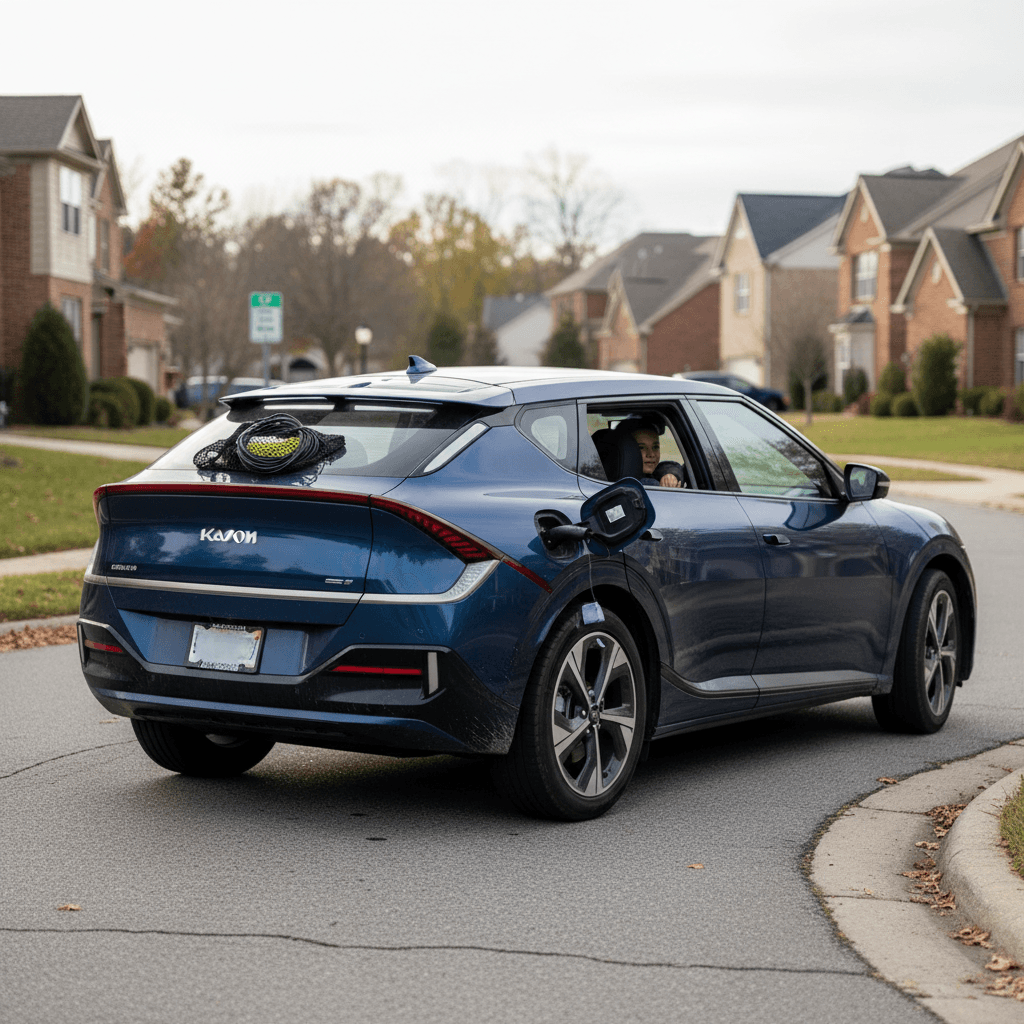
With gas cars, you worry about engines and transmissions. With used EVs, the traction battery is the main story. Modern packs are holding up better than many people expected, but their condition still varies by how the car was used, charged, and stored.
Four pillars of used EV battery health
Ask about all four before you sign anything
Age
Battery chemistry improves over time, but age still matters. A 3‑year‑old pack will typically have more remaining capacity than a similar 8‑year‑old pack.
Mileage
High mileage isn’t a deal‑breaker on its own, but it often correlates with more fast‑charging and more cycles. Consider miles and age together.
Charging habits
Frequent DC fast‑charging and constant 100% charges can accelerate wear. Mostly home Level 2 charging is kinder to the pack.
Climate
EVs living in very hot climates, especially without active thermal management, may show more degradation than those from milder regions.
How Recharged helps you see the battery clearly
Used EV pricing: what to expect in 2025
The headline for 2025 is simple: used EVs have gotten cheaper, especially compared with a year or two ago. Rising supply of off‑lease Teslas, early adopters trading out of first‑generation models, and slower growth in new‑EV demand have all pushed prices down.
Sample used‑EV price ranges in late 2025
These are rough U.S. retail asking‑price bands for typical, clean‑title, non‑salvage vehicles. Local markets and specs vary.
| Segment / model | Approx. used price band | What you generally get |
|---|---|---|
| Budget commuter (Leaf, early Bolt EV, older Niro EV) | ~$10,000–$18,000 | Shorter‑range or earlier EVs, great for city and short‑hop suburban use. |
| Mainstream compact crossover (Kona Electric, ID.4, later Niro EV) | ~$18,000–$28,000 | 200+ mile real‑world range, modern safety tech, DC fast‑charging. |
| Long‑range sedan/crossover (Model 3, Model Y, Ioniq 5, Mach‑E) | ~$20,000–$35,000+ | Stronger highway range, robust fast‑charging, more power and features. |
| Family 3‑row (early EV9, some premium SUVs) | ~$40,000+ | Newer vehicles with limited used supply; still close to new‑car pricing. |
| Luxury/performance (Taycan, Lucid Air, high‑spec i4) | From mid‑$50,000s upward | Heavy early depreciation, but still premium running costs and insurance. |
Use this to sanity‑check asking prices, then lean on tools like the Recharged Score Report for a fair‑market view.
Mind the incentives and tax credits
Financing, trade-ins and buying online with Recharged
One underrated advantage of shopping used EVs today is that you don’t have to navigate the process alone, or in person. Platforms like Recharged are built from the ground up around EV ownership, with tools and support that traditional dealerships often lack.
How Recharged simplifies buying the best used electric cars
From appraisal to delivery, the process is designed around EV shoppers
Fair pricing & financing
See transparent pricing backed by market data, plus financing options tailored to used EVs, so you can compare monthly payments and total cost of ownership.
Trade‑in & instant offers
Get an instant offer for your current vehicle or explore consignment options. You can roll equity into your next EV or simply cash out.
Nationwide delivery & EV expertise
Complete the process fully online or visit the Recharged Experience Center in Richmond, VA. Either way, you get EV‑specialist guidance and the option of nationwide delivery.
Ready to find your next EV?
Browse VehiclesPre‑qualify with confidence
Used EV buying checklist
Nine steps to a smart used‑EV purchase
1. Confirm your real range needs
Log your daily miles for a week or two, including weekend errands. Add a comfortable buffer, then target a used EV whose <strong>real‑world range</strong> exceeds that number, not just its original EPA rating.
2. Short‑list models by category
Decide whether you need a compact car, crossover, SUV, or truck. Start with well‑known, well‑supported models like the Niro EV, Model 3, Kona Electric, Ioniq 5, or ID.4 before exploring niche options.
3. Review battery health data
Never guess about the battery. Ask for a recent <strong>battery‑health report</strong> or an independent diagnostic. On Recharged, every car includes this as part of the Recharged Score Report.
4. Check charging history and usage
Ask how the previous owner charged the car (mostly home Level 2 vs frequent DC fast‑charging), whether it lived in extreme heat, and if it spent long periods at 100% or 0% state of charge.
5. Verify recalls, software, and service history
Search for open recalls by VIN, confirm that key software updates were completed, and look for documented maintenance, especially tire replacements, brake checks, and cooling‑system service on higher‑performance EVs.
6. Inspect tires, brakes, and suspension
EVs are heavy and can be hard on tires and suspension components. Check for uneven tire wear, worn shocks, and noisy suspension over bumps, especially on heavier SUVs and trucks.
7. Test‑drive for noise and feel
On the test‑drive, listen for wind noise, drivetrain whine, or clunks, and pay attention to how smoothly the car transitions between regenerative and friction braking.
8. Evaluate charging options at home and nearby
Confirm you can install, or already have, a Level 2 charger at home, and map out nearby DC fast‑charging for road trips. Consider whether you’ll use Tesla’s Supercharger network, other public networks, or workplace charging.
9. Compare total cost, not just price
Look beyond the sticker. Compare insurance, energy cost per mile, expected maintenance, and any remaining battery or drivetrain warranties. A slightly higher price EV can be cheaper to own over 5–7 years.
Don’t skip the battery and title checks
Frequently asked questions about the best used electric cars
Best used electric cars: FAQ
Key takeaways: choosing the best used electric car
If you’re shopping in 2025, the used market is where electric vehicles make the most financial sense. Rapid early depreciation means you can step into a Niro EV, Model 3, Ioniq 5, Kona Electric, ID.4, or similar model for far less than its original sticker price, often with plenty of range and warranty life left.
Focus first on how you drive, then on battery health and charging, and only then on paint colors or wheels. Use tools like battery‑health reports, fair‑market pricing analysis, and EV‑savvy support, exactly what you get with every vehicle on Recharged, to cut through the noise. Do that, and the question isn’t whether there are good used electric cars out there; it’s which one you’ll be happiest to see in your driveway every morning.