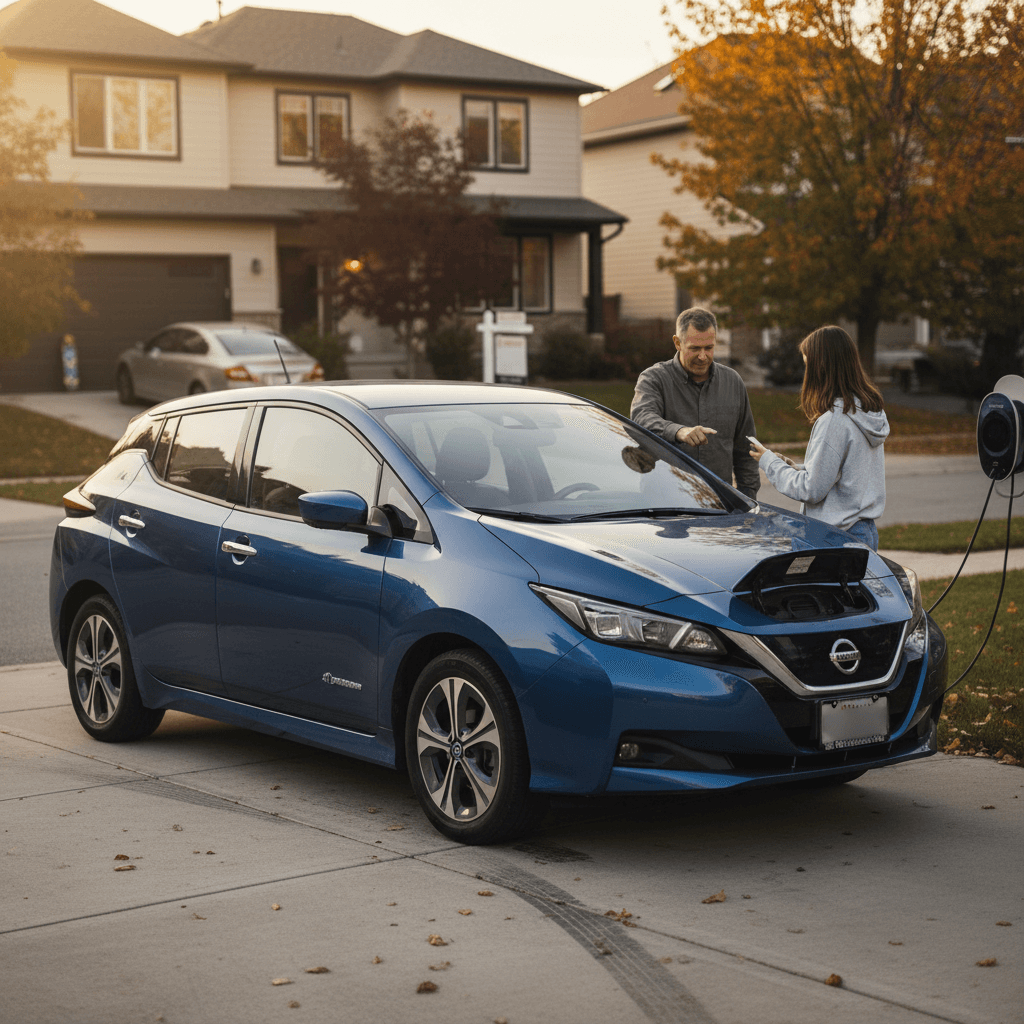
Choosing the best used electric car for teenagers is a balancing act. You want something safe and predictable, with enough range and tech for daily life, but not a 0–60 rocket that tempts your new driver to show off. The good news is that the current used EV market finally offers several models that fit that brief very well.
Safety first, speed second
Why a used electric car can be great for teenagers
Key advantages of a used EV for teen drivers
Why many safety experts now include EVs on teen-car shortlists
Lower speed temptation
Predictable daily driving
Modern safety tech as standard
Watch the weight and power
What makes a good used electric car for teenagers?
- Strong crash-test performance (IIHS Top Safety Pick or NHTSA 5-star overall when possible).
- Moderate power, no high-performance dual‑motor or “Performance” packs for new drivers.
- Good visibility and simple, intuitive controls (less screen fiddling, more eyes on the road).
- Standard active safety tech: automatic emergency braking, stability control, and, ideally, blind‑spot monitoring.
- A reasonable battery size and real‑world range of at least 120–150 miles for around‑town use.
- Solid reliability record and available service network in your area.
- Affordable insurance and repair costs relative to your budget.
Use this rule of thumb
Best used electric cars for teenagers: quick shortlist
Best used electric cars for teen drivers: core picks
Safety vs. budget vs. performance
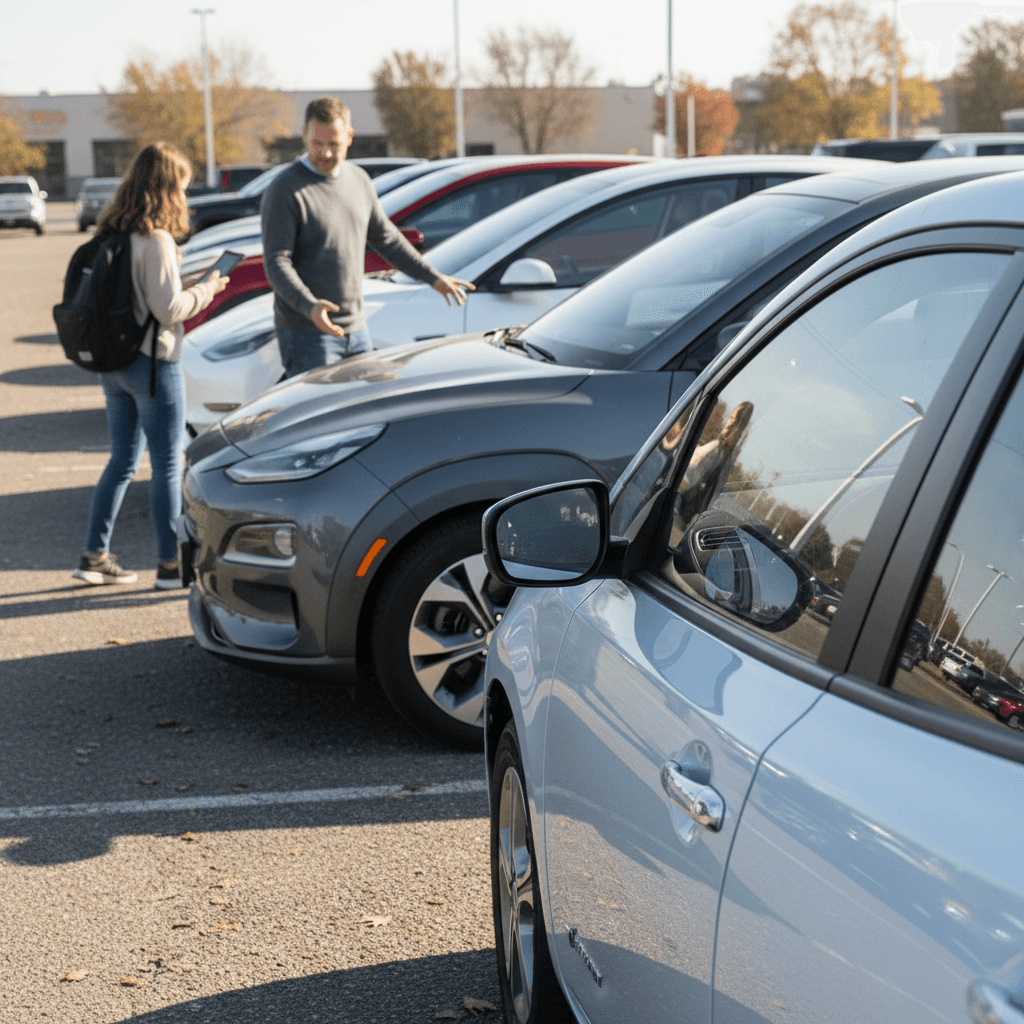
Best used electric hatchbacks for teen drivers
Chevrolet Bolt EV (2017–2023)
The Chevy Bolt EV routinely shows up in lists of good starter EVs for younger drivers. It’s small on the outside but surprisingly roomy, with a big-for-its-size battery and strong efficiency.
- Why it works for teens: Easy to park, good outward visibility, and peppy but not outrageous acceleration.
- Range: Roughly 230–259 miles EPA depending on year and trim.
- Safety: Strong crash-test performance; automatic emergency braking and lane-keeping on many later models.
- Gotchas: Earlier Bolts had battery recall campaigns, verify that all recall work has been completed and check real battery health rather than just trusting the dash readout.
Nissan Leaf (2nd gen, 2018+)
The second-generation Nissan Leaf is one of the most affordable used EVs in the U.S. It’s not glamorous and its CHAdeMO fast‑charging port is a dead‑end standard, but for a teen who rarely leaves town, that may not matter.
- Why it works for teens: Soft power delivery, very simple controls, and comfortable seats make it less overwhelming for a new driver.
- Range: Around 150 miles for the 40 kWh pack; ~215 miles for the Plus models.
- Safety: Good crash scores and available ProPILOT Assist driver aids on some trims.
- Gotchas: Air‑cooled batteries can degrade faster in very hot climates; check a third‑party battery report before you buy.
Other used hatchbacks to consider
Good options if you find a clean, well‑priced example
BMW i3 (with caution)
Hyundai Ioniq Electric
Chevy Volt (plug‑in hybrid)
Think twice about ultra-small city EVs
Best used electric small SUVs for teens
Small electric SUVs hit a great middle ground for teen drivers: more mass and ride height than hatchbacks, but still manageable size and often excellent crash performance. Several of the safest EVs on the road today are small SUVs that are just starting to appear in the used market at more attainable prices.
Used electric small SUVs that work well for teen drivers
Focus on safety, drivability, and everyday usability, not max performance.
| Model | Typical Used Price Range* | EPA Range (approx.) | Safety & Teen Notes |
|---|---|---|---|
| Hyundai Kona Electric | $17k–$26k | ~250 mi | Small footprint, strong safety performance in recent tests, efficient and easy to park. |
| Volkswagen ID.4 | $22k–$32k | ~240–275 mi | Spacious cabin and cargo area, calm driving manners; good fit for bigger teens or shared family use. |
| Kia Niro EV (1st gen) | $18k–$28k | ~230 mi | Compact crossover size, efficient; feels more like a car than an SUV, which can be less intimidating. |
| Tesla Model Y (if budget allows) | $30k+ | ~250–330 mi | Excellent crash performance and active safety tech; more power and higher insurance costs, so better for more mature teen drivers. |
Specifications and notes are approximate and vary by year and trim; always verify for a specific vehicle.
Skip the big wheels and sport packages
Used EVs for teens to avoid or treat with caution
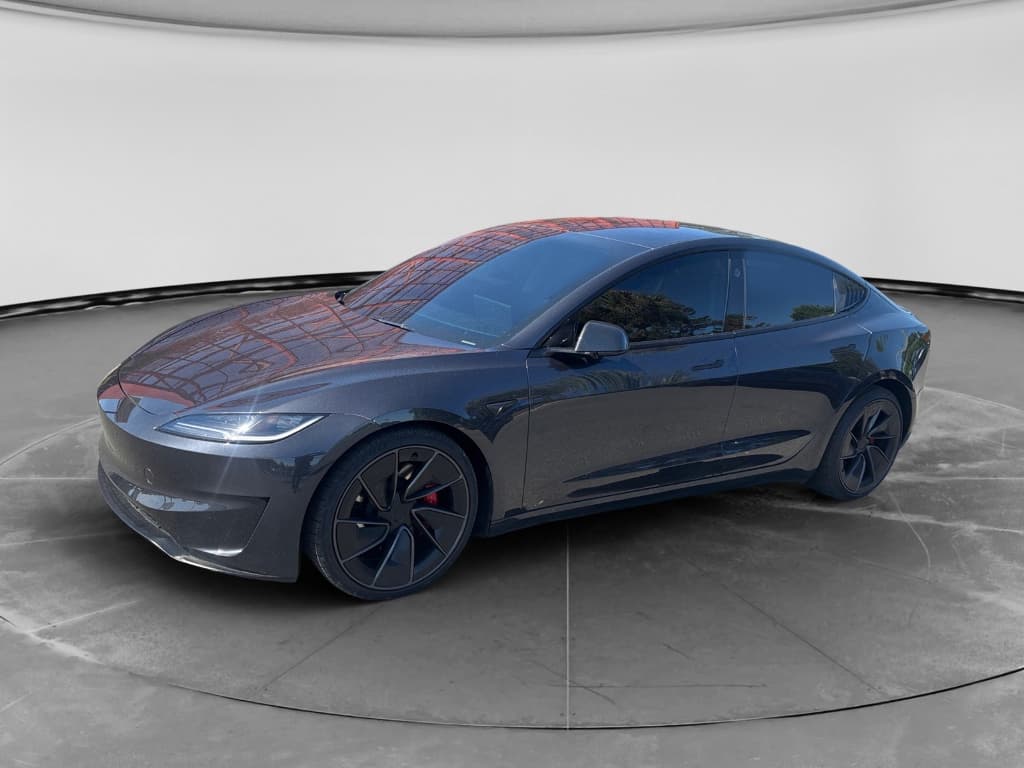
- High‑performance versions of otherwise good cars, like dual‑motor Performance trims with sub‑4‑second 0–60 times. These are entertaining for experienced drivers but unnecessary risk for teens.
- Very early EVs with minimal range (under ~80 miles real‑world) and no modern crash‑avoidance tech. The range limitations can lead to risky “stretching it” behavior.
- Models with unresolved battery or recall issues. Some EVs have had serious recalls around batteries, wheels, or braking. Always confirm recall completion through the VIN.
- Huge, heavy luxury SUVs with complex driver‑assist systems your teen may not understand. Weight helps in a crash, but size and complexity can work against an inexperienced driver.
Beware of “it has every option” cars
Battery health and range: how much does a teen really need?
Parents often overestimate the range their teen actually needs. Most American teenagers drive relatively short, repeatable routes, a few dozen miles per day. That means many can thrive in a used EV with 120–200 miles of real‑world range, as long as home or reliable workplace charging is available.
Battery and range checklist for a teen’s EV
Know your teen’s real daily mileage
Add up school, work, activities, and social trips on a typical busy day. Double that number, then aim for a car that can comfortably cover it even in bad weather.
Check verified battery health
Don’t rely solely on the dash guess‑o‑meter. Look for third‑party battery diagnostics or tools like the <strong>Recharged Score</strong>, which test actual usable capacity and fast‑charge performance.
Consider climate and winters
Cold weather can temporarily cut range by 20–40%. If you live in a northern state, build that into your range target and encourage your teen to pre‑condition while plugged in.
Plan the charging routine
For teens at home, overnight Level 2 charging is ideal. If you only have 120V, make sure the car’s slower charging still fits their schedule, and set expectations around plugging in consistently.
Avoid pushing to 0%
Teach your teen that “empty” for an EV should be 10–15%, not 0%. Running batteries to the bottom regularly is stressful for the pack and stressful for a new driver.
How Recharged handles battery health
Insurance, repairs, and total cost for a teen’s EV
Insurance considerations
Insuring a teen is expensive no matter what they drive, and EVs add a few twists.
- Repair costs: EVs often have fewer moving parts, but when crashes happen, bodywork and battery‑adjacent repairs can be costly, especially on Teslas and premium brands.
- Performance trims cost more: Insurers know which versions are quickest. A base Model 3 or Kona Electric will usually be cheaper to insure than a Performance or dual‑motor variant.
- Safety tech can help: Some insurers offer discounts for automatic emergency braking, lane‑keeping, and telematics programs that monitor driving behavior.
Running costs beyond insurance
Once you’re past the premium for teen coverage, the day‑to‑day economics of EVs are good for families.
- Fuel savings: Charging at home is usually far cheaper than gas, especially if you can use off‑peak rates.
- Maintenance: No oil changes, fewer fluids, and simpler drivetrains. Brakes can last longer thanks to regenerative braking if your teen doesn’t drive aggressively.
- Tires: EVs are heavy; budget for decent all‑season tires and rotate them on schedule. Good tires are a safety feature for new drivers.
Talk to your insurer before you shop
How to safely test-drive used EVs with your teenager
Test‑drive game plan for new teen drivers
Start in a quiet neighborhood
Let your teen experience instant EV torque and one‑pedal driving without traffic pressure. Practice gentle starts and stops before hitting main roads.
Test visibility and parking
Have them parallel park, back into a space, and navigate a tight lot. You’ll quickly see if blind spots or camera views are manageable for them.
Try emergency braking and lane‑keeping (carefully)
On an empty road, demonstrate how automatic emergency braking or lane‑keeping works, but emphasize that these are backups, not autopilot.
Simulate their real routine
Drive a sample of their daily route, school, job, activities. They should feel comfortable with merging, lane changes, and freeway speeds in that specific environment.
Debrief together afterward
Ask what felt easy, what felt stressful, and whether they were tempted to play with the screen or acceleration. Their answers will often point you to the right car.
How Recharged helps parents shopping for teen drivers
Putting a teen in a used EV isn’t just a product decision, it’s a trust decision. Recharged was built around making that easier. Because we focus entirely on electric vehicles, our inspection, pricing, and support are tuned to the details that matter for families, not just enthusiasts.
Why families use Recharged for a teen’s first EV
More clarity, less guesswork when safety and battery health matter most
Recharged Score battery diagnostics
EV‑specific inspections
Digital buying + real support
Ready to find your next EV?
Browse VehiclesTrade‑ins and financing made simple
FAQ: Best used electric car for teenagers
Common questions about used EVs for teen drivers
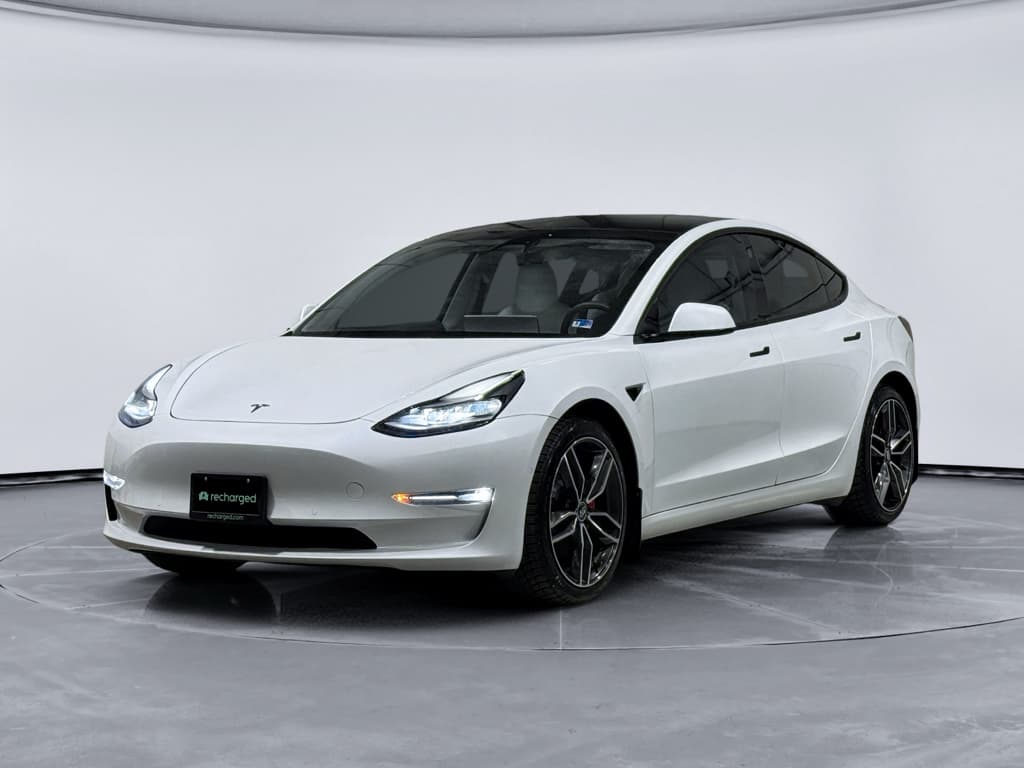
A used electric car can be a fantastic first vehicle for a teenager, quiet, cheap to run, packed with safety tech, and less mechanically intimidating than an aging gas sedan. The key is to resist the temptation to chase the flashiest badge or fastest 0–60 time and instead focus on crash performance, battery health, and how your teen will actually use the car. Models like the Chevy Bolt EV, Hyundai Kona Electric, second‑gen Nissan Leaf, and, for higher budgets, Tesla Model 3 and Volkswagen ID.4 give you very different ways to hit that target.
If you’d like to shortcut some of the risk, Recharged can help you compare verified‑battery used EVs side by side, line up financing and trade‑ins, and even deliver the right car to your driveway. That way, when you finally hand over the keys (or the key card), you’re not just hoping you chose well, you know you did.