If you care as much about software and screens as you do about 0–60 times, the best used electric car for tech enthusiasts is probably not the same one your neighbor recommends. Modern EVs are rolling computers, and on the used market that can be a huge advantage, if you know which brands nailed the tech and which ones just bolted an iPad to the dash.
Tech-first used EV shopping
Why tech-focused buyers love used EVs
Why the used EV market is a playground for tech fans
Because EVs are so software-driven, a three-year-old electric car can feel far more modern than a three-year-old gas car. OTA updates, app-based keys, native navigation with live charger data, advanced driver-assistance, and even app ecosystems mean the best used EVs still feel cutting-edge today. And thanks to steeper depreciation, you can often get flagship-level tech for compact-car money.
How to think about tech in a used electric car
1. Core software & UX
For a tech enthusiast, the operating system and user interface matter as much as horsepower. Look for:
- Fast, responsive touchscreens with minimal lag.
- OTA updates that add features over time.
- Clean UI design, sensible menus, and good voice control.
- Native navigation that understands EV routing and chargers.
2. Driver assistance & sensors
Modern EVs are packed with cameras, radar, and sometimes lidar. Tech-focused shoppers should pay attention to:
- Adaptive cruise and lane centering that feel natural, not twitchy.
- Hands-free highway systems (on select models and routes).
- High-resolution 360° cameras for parking.
- How easily you can tweak alerts and steering assist.
- Connectivity stack: wired or wireless Apple CarPlay/Android Auto, built-in apps, Spotify/YouTube Music, and robust Bluetooth.
- Ecosystem: mobile app quality, phone-as-key support, remote preconditioning, charging control, and integration with smart-home platforms.
- Hardware headroom: sufficient compute and sensor suite so the car doesn’t feel obsolete after a few software updates.
Think like a laptop buyer
Quick picks: best used EVs for tech enthusiasts
Shortlist: best used electric cars for tech lovers
These models consistently stand out for in-car tech, software, and driver assistance on the U.S. used market in 2025–2026.
| Model | Used price ballpark | Range (EPA approx.) | Tech personality |
|---|---|---|---|
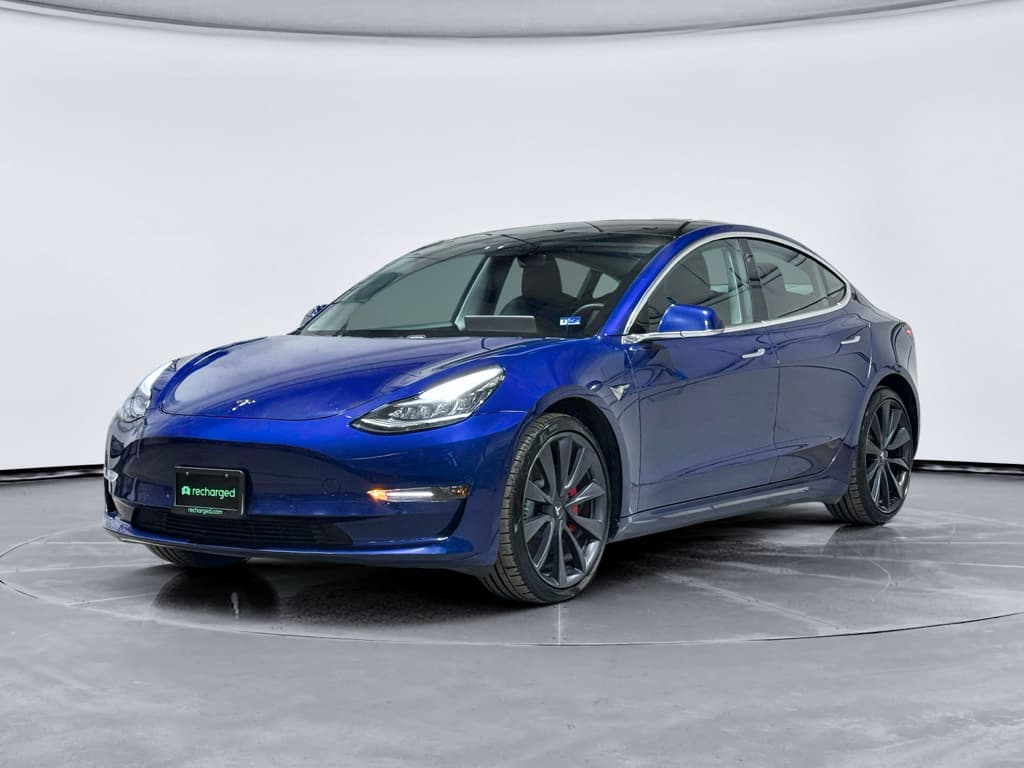
| Tesla Model 3 (2018–2023) | $18,000–$35,000 | 220–358 miles | Benchmark software, strong OTA updates, powerful app ecosystem. |
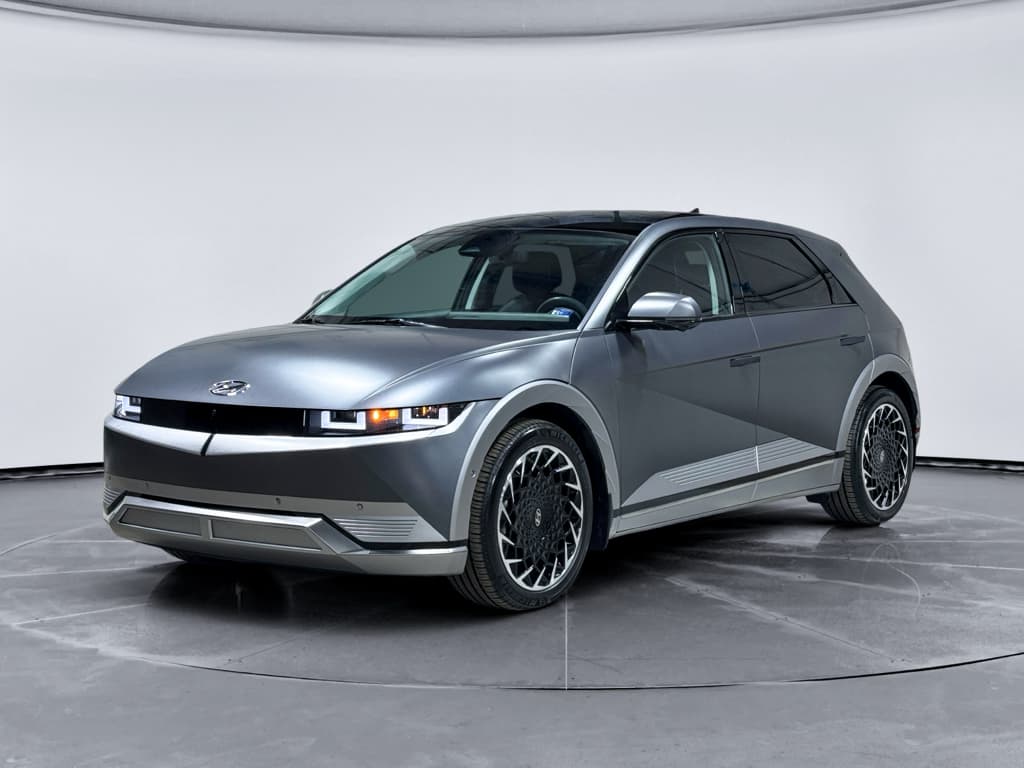
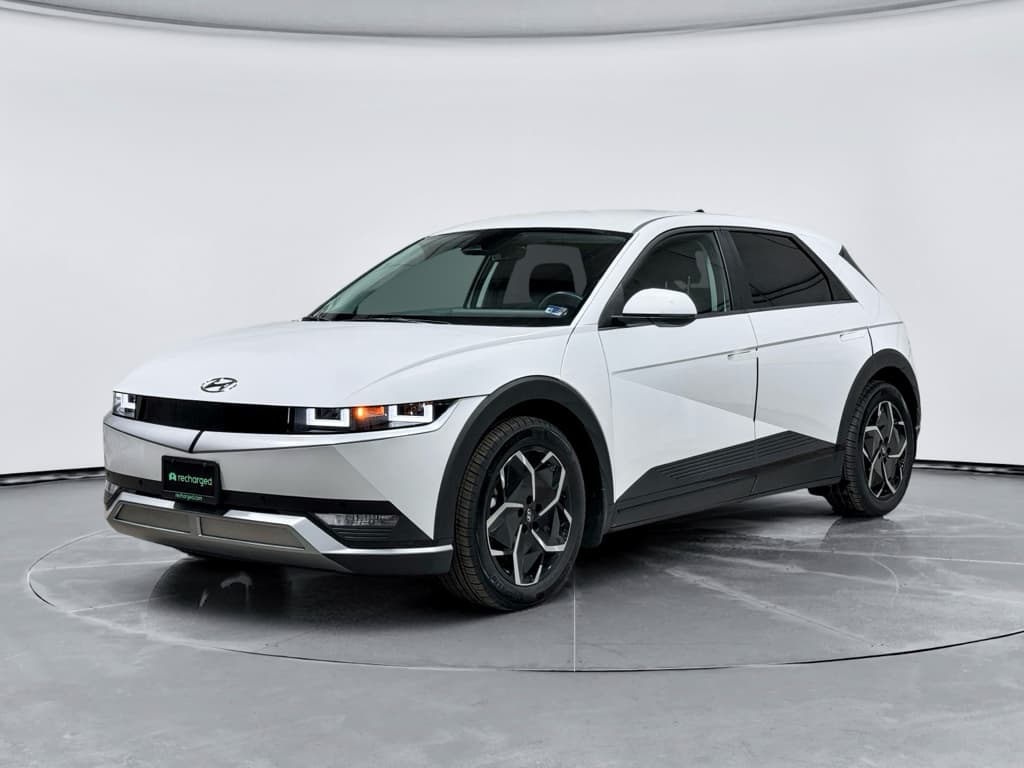
| Hyundai Ioniq 5 (2022–2024) | $28,000–$40,000 | 220–303 miles | Retro-futuristic design, fast charging, feature-rich driver aids. |
| Kia EV6 (2022–2024) | $27,000–$40,000 | 225–310 miles | Sporty feel, advanced safety tech, gamer-friendly cockpit. |
| Volvo EX30 (2025–) & Polestar 2 (2021–2024) | $30,000–$45,000 | 265–320 miles | Android Automotive with Google built-in, minimalist Scandinavian UX. |
| Lucid Air (2022–2024) | $45,000–$70,000 | 410–500+ miles | Ultra-high-end screens, powerful hardware, bleeding-edge features. |
Pricing bands are approximate U.S. used-market ranges for typical mileage and trims as of early 2026.
Don’t shop by range alone
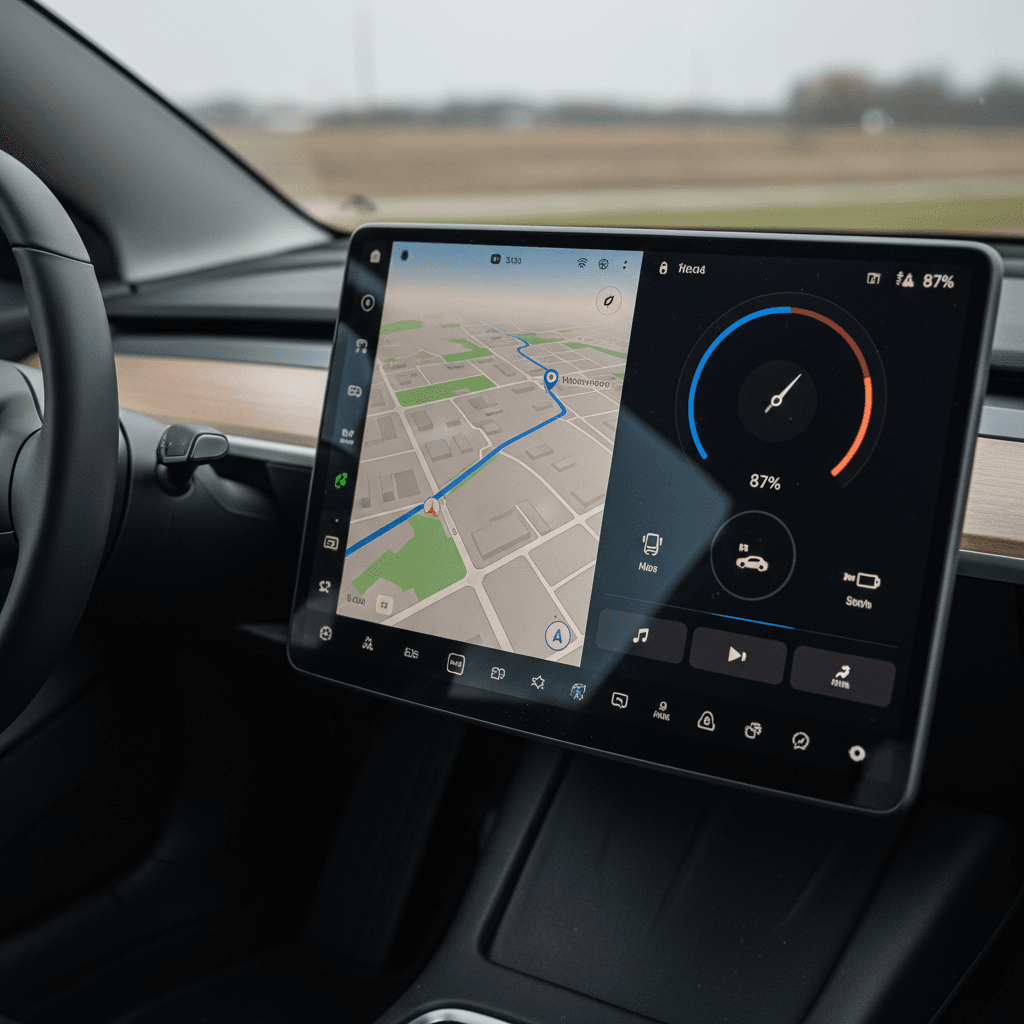
Tesla Model 3: The default choice for software nerds
If your definition of the best used electric car for tech enthusiasts starts with software, it’s hard to ignore the Tesla Model 3. Early examples (2018–2020) have dropped well under $25,000 in many markets, yet you still get constant OTA updates, one of the best EV routing systems, and a mature mobile app that controls almost everything.
Why tech fans still flock to used Model 3s
Strengths, weak spots, and who it’s best for
Best-in-class software
- OTA updates that meaningfully change the car over time.
- Clean, fast UI that feels like a big tablet.
- Native EV routing and live Supercharger data.
Ecosystem & app
- Phone-as-key that actually works smoothly.
- Remote climate control, charging, and location tracking.
- Deep integration with Tesla’s Supercharger network.
Driver assistance options
- Standard Autopilot on most used cars (traffic-aware cruise + lane centering).
- Some cars have Enhanced Autopilot or Full Self-Driving capability unlocked.
- Continuous refinement via OTA, sometimes for better, occasionally for worse.
Things to watch on a used Model 3
Used Tesla Model 3 tech checklist
Confirm included driver-assist package
In the car’s settings, check exactly which Autopilot features are enabled. A listing might say "FSD capable" when only basic Autopilot is active.
Inspect camera clarity and calibration
Take a test drive on a divided highway and see how well the car maintains lane position and handles curves. Excessive ping-ponging could indicate calibration or hardware issues.
Test every app feature
Pair your phone, set up phone-as-key, try remote climate, and make sure notifications and live data work reliably. This is the heart of the Tesla experience.
Check infotainment hardware generation
Earlier cars used MCU1 hardware; later cars have MCU2, which is snappier and supports more features. A Recharged specialist can help you decode the VIN and feature set.
Hyundai Ioniq 5: Retro style, cutting-edge hardware
If the Model 3 is Silicon Valley minimalism, the Hyundai Ioniq 5 is pixel-art futurism. It rides on Hyundai’s E-GMP platform with 800‑volt architecture, meaning very fast DC charging when you find a capable station, and its cabin feels like a lounge crossed with a gaming setup.
What tech enthusiasts will love
- Dual 12.3‑inch screens with a sharp, configurable digital cluster.
- High-speed 800V DC fast charging on compatible stations.
- Available Vehicle-to-Load (V2L) outlets to power laptops, camping gear, or even another EV in a pinch.
- Comprehensive driver-assist suite with Highway Driving Assist, blind-spot view monitor, and smart parking features on higher trims.
What to check on a used Ioniq 5
- Ensure all over-the-air update campaigns have been done; some early cars relied heavily on dealer updates.
- Test DC fast charging on a public charger if possible, verifying that peak speeds are in a healthy range.
- Check for any infotainment lag, freezes, or random reboots; a good test drive includes lots of screen poking.
- Confirm which driver-assist features are present, lower trims can be more basic than the press photos suggest.
Why the Ioniq 5 makes this list
Kia EV6: Sporty EV with serious tech
Under the skin, the Kia EV6 shares a lot with the Ioniq 5, but it wraps that tech in a sleeker, more driver-focused package. If you’re the kind of enthusiast who actually cares about steering feel and seats as much as screen resolution, the EV6 deserves a long look.
Kia EV6 tech and enthusiast highlights
For drivers who love hardware and software equally
Driver-focused cockpit
- Curved dual-screen setup canted toward the driver.
- Supportive seats and a low, sporty driving position.
- Strong performance trims that put power down cleanly.
Advanced safety & assist
- Highway Driving Assist with lane centering and adaptive cruise.
- Available blind-spot cameras and cross-traffic assist.
- Smart cruise that adapts to posted speed limits on many roads.
Future-ready charging & V2L
- 800V architecture for very fast DC charging.
- Available V2L adapter to power external devices.
- Well-integrated charging info in the native nav system.
Mind the trim levels
Volvo EX30 & Polestar 2: Minimalist design, Android Automotive
If your dream car interior looks more like a Scandinavian apartment than a spaceship, the Volvo EX30 and Polestar 2 pair restrained design with serious software. Many trims run Android Automotive OS with Google built-in, so apps like Google Maps, Assistant, and Spotify live directly in the car, no phone mirroring required.
What Android Automotive brings to used EVs
Why software people gravitate to Volvo and Polestar
Native Google ecosystem
- Full Google Maps with EV routing and live traffic built into the dash.
- Assistant voice control that understands natural language well.
- Play Store for car-optimized apps, expanding over time.
Flexible, update-friendly platform
- Updates can bring new apps and features without a phone upgrade.
- Clean UI that feels familiar to Android users.
- Car makers can add their own layers without reinventing the core OS.
Check the exact software stack
Lucid Air and other outliers for true gadget geeks
At the high end of the used market sit cars like the Lucid Air, higher-trim Porsche Taycans, and premium versions of the Mercedes EQ lineup. These are for the tech enthusiast who thinks in terms of compute power, pixel density, and motor control algorithms, and has the budget to back it up.
- Lucid Air: giant curved displays, an elegant UI, blistering performance, and some of the best efficiency numbers in the game.
- Porsche Taycan: obsessively tuned driving dynamics paired with a sophisticated, multi-screen cockpit and deep performance telemetry.
- Mercedes EQ models: elaborate ambient lighting, augmented-reality navigation overlays, and huge screens that make every drive feel like a tech demo.
Flagship tech vs. complexity
Tech checklist: what to inspect on a used EV
Hands-on tech inspection for any used EV
1. Screen performance and responsiveness
Spend a few minutes dragging maps, switching menus, and changing settings. A modern EV’s UI should feel closer to a current tablet than to an old ATM.
2. Driver-assist behavior in the real world
On a test drive that includes highway and city, try adaptive cruise and lane centering. Note how naturally the car accelerates, brakes, and tracks lanes.
3. Camera quality and night visibility
Check backup and 360° cameras in daylight and, if possible, at dusk. Blurry or grainy feeds can make parking systems far less useful.
4. Connectivity and app ecosystem
Pair your phone with Bluetooth and test CarPlay/Android Auto if equipped. Download and sign into the manufacturer’s app, verify remote lock/unlock and preconditioning work.
5. Update history and software version
In the settings menu, look for a software version page and any notes about recent updates. Ask the seller if OTA updates have been accepted regularly, or if the car’s been ignored.
6. Tech-related warning messages
Scan for intermittent alerts about sensors, cameras, or driver-assist systems. A car that frequently throws warnings may have hidden damage or calibration issues.
Don’t forget the battery
Software updates, maps, and apps: what stays smart over time
With tech-heavy EVs, you’re not just buying what’s on the car today, you’re buying into its update future. Some automakers have committed to multi-year OTA support, new features, and app ecosystems. Others treat OTA like a patch mechanism and leave major feature upgrades for new models.
Questions to ask about software support
- How long does the brand typically support major software updates?
- Are features added over time, or are updates mostly bug fixes?
- Does navigation get regular map and charger-location updates?
- Are any features locked behind subscriptions you’ll need to budget for?
Brands with strong software reputations
As of mid‑2020s, brands like Tesla, Polestar, Volvo, and many Hyundai/Kia models have shown real commitment to OTA updates, feature rollouts, and app improvements. Others are catching up, but their track records can be spottier, especially on earlier EV generations.
Do a software walk-through with the seller
How Recharged helps tech enthusiasts buy used EVs smarter
If you’re the tech person in your friend group, you’re probably used to doing all the homework yourself. Recharged is built to be the teammate you usually wish you had in the passenger seat, especially when the car you’re buying is basically a rolling gadget.
Why tech-focused buyers like shopping with Recharged
Less guessing, more data
Recharged Score battery & tech report
Every vehicle on Recharged comes with a Recharged Score Report that includes verified battery health, charge behavior, and pricing benchmarked against the market, so you know how the most expensive component is aging.
EV-specialist guidance
Our EV specialists live and breathe this tech. They can walk you through Autopilot vs. Highway Driving Assist, Android Automotive vs. CarPlay, and help you decide which stack fits your digital life.
Digital-first, nationwide
Browse, finance, trade in, and arrange delivery entirely online, or visit our Experience Center in Richmond, VA. Either way, you get a consistent, EV-focused experience, not a gas-car dealership dabbling in EVs.
Ready to find your next EV?
Browse VehiclesBuilt for gadget people
FAQ: best used electric car for tech enthusiasts
Frequently asked questions
Bottom line: choosing the right tech-forward used EV
If you’re a tech enthusiast, the good news is that the used EV market is finally full of cars built for people like you. A Tesla Model 3 still offers the cleanest end-to-end software story, but cars like the Hyundai Ioniq 5, Kia EV6, Volvo EX30, Polestar 2, and even a used Lucid Air bring their own flavor of gadget joy. The key is to drive and use them the way you actually live: screens tapped, voice commands flying, driver-assist engaged.
Start by deciding which software ecosystem you want to live in, then layer on range, budget, and style. Use a structured tech checklist, insist on clear battery-health data, and don’t be shy about walking away from a car that feels sluggish or half-baked behind the glass. When you’re ready, Recharged can help you compare options, understand the tech trade-offs, and get a used EV whose brains excite you just as much as its electric torque.