If you’re driving for Uber, Lyft, or local delivery platforms, the **best used electric car for rideshare drivers** isn’t the flashiest EV on Instagram. It’s the one that lets you stack the most profitable hours on the road while keeping your energy, repair, and financing costs brutally low. This guide breaks down the best used EVs for rideshare by budget and use case, plus the battery, charging, and financing details that actually matter when you depend on your car for income.
Why this guide is different
Why used EVs make sense for rideshare in 2026
On a typical 30,000‑mile rideshare year, a frugal gasoline car might burn $3,000–$3,500 in fuel. A compact used EV on mostly home Level 2 charging can often cover that same distance on **$900–$1,600 of electricity**, even if you sprinkle in some DC fast‑charging. Add in lower brake wear and fewer moving parts to fail, and the math starts to tilt in favor of battery power, especially when you’re buying used and letting the first owner eat the steepest depreciation.
Look beyond the sticker price
What rideshare drivers actually need from an EV
Must‑haves
- DC fast charging with at least ~50 kW peak, faster if you do airport runs between sessions.
- Active safety features like automatic emergency braking and blind‑spot monitoring.
- Heat pump or efficient HVAC if you drive in very cold or very hot climates, climate control hits both comfort and range.
- Stable, predictable range at highway speeds; lots of rideshare income comes from airport and suburb trips.
Nice‑to‑haves
- Built‑in nav that understands charging stops (or a good smartphone mount and apps).
- Adaptive cruise control for long freeway legs between pickups.
- Wireless Android Auto or Apple CarPlay for less cable clutter.
- Upgraded sound deadening and seats, your back and ears will notice after hour six.
Avoid this common mistake
Best used electric cars for rideshare by budget
The **best used electric car for rideshare drivers** depends heavily on your budget, how many hours you drive, and what markets and tiers you’re targeting. Below are model families that keep bubbling up in fleet data, owner reports, and marketplace pricing as strong bets for U.S. rideshare work in 2026.
Under $18,000: Entry-level workhorses
Ideal for part‑time drivers or full‑timers in dense, short‑trip markets.
Chevrolet Bolt EV / Bolt EUV (2017–2023)
Why it works: The Bolt has quietly become the "Civic" of used EVs, cheap to buy, frugal to run, and easy to park.
- Real‑world range: ~200 miles usable on most pre‑refresh cars, more on newer EUVs.
- DC fast charging: ~55 kW peak, adequate for topping up between rides.
- Interior: Tight but acceptable for city rides; EUV adds rear legroom.
Watch for: Completed recall battery replacements, and test for smooth DC fast‑charge behavior. Seating comfort can be a weak spot on very long days.
Nissan Leaf Plus (2019–2022, 62 kWh) – with caveats
Why it works: In some markets the Leaf Plus is one of the cheapest ways into a long‑range EV with a hatchback form factor.
- Real‑world range: ~180–200 miles usable when the battery is healthy.
- Comfort: Soft ride and simple controls work well for city slogging.
Watch for: Older Leafs lack liquid battery cooling, which makes heavy DC fast‑charging a concern. For high‑mileage, high‑fast‑charge usage, we generally prefer other options unless you know the car’s history in detail.
$18,000–$27,000: Sweet‑spot all‑rounders
Best for full‑time Uber/Lyft drivers who need range and comfort without luxury‑car payments.
Tesla Model 3 RWD / Long Range (2018–2023)
Why it works: The Model 3 is the default answer for many rideshare drivers for a reason: range, efficiency, and access to the Supercharger network.
- Real‑world range: ~220–260 miles usable for early RWDs; more for Long Range trims in good health.
- Charging: Fast, predictable DC charging; increasingly critical as more networks open to non‑Tesla EVs.
- Rider appeal: Feels "premium" to many riders; helps with tips and ratings.
Watch for: High‑mileage examples with cosmetic wear, and mismatched tires or suspension noises from curb hits. Cabin can be noisy on rough pavement, test on the kind of roads you actually drive.
Hyundai Kona Electric & Kia Niro EV (2019–2023)
Why they work: These Korean compact crossovers bring strong range and efficiency in an unpretentious package.
- Real‑world range: ~220–250 miles usable when the pack is healthy.
- Comfort: Taller seating position than a sedan, which many drivers prefer for long days.
- Warranty: Hyundai and Kia battery warranties are among the strongest, which matters on a used workhorse.
Watch for: Some early build‑quality quirks and limited DC fast‑charge speeds on certain model years. Confirm charge speeds and check for software updates.
Hyundai Ioniq Electric (not Ioniq 5)
Why it works: An efficiency champ that sips electrons, making it ideal for lower‑speed, dense urban driving where range per kWh really matters.
- Real‑world range: Modest on paper, but efficiency means you squeeze a lot of trips out of each kWh.
- Operating cost: Extremely low energy consumption makes every kWh count.
Watch for: Limited rear seat and cargo space; best for city and short‑trip duty, not airport‑to‑suburb marathons.
$27,000–$40,000: Long-range comfort for power users
For drivers who live on airport runs and long suburban legs.
Tesla Model Y (2020–2024)
Why it works: If your market rewards larger vehicles or airport trips with luggage, the Model Y is the logical step up from the Model 3.
- Real‑world range: ~240–280 miles usable depending on trim and conditions.
- Interior: More rear headroom and cargo space than Model 3; easier in/out for taller passengers.
- Charging: Same strong Supercharger access and DC performance as other Teslas.
Watch for: Early build quality issues (panel gaps, rattles). Make sure you’re not overbuying; if your trips are entirely urban, a cheaper hatchback may pencil out better.
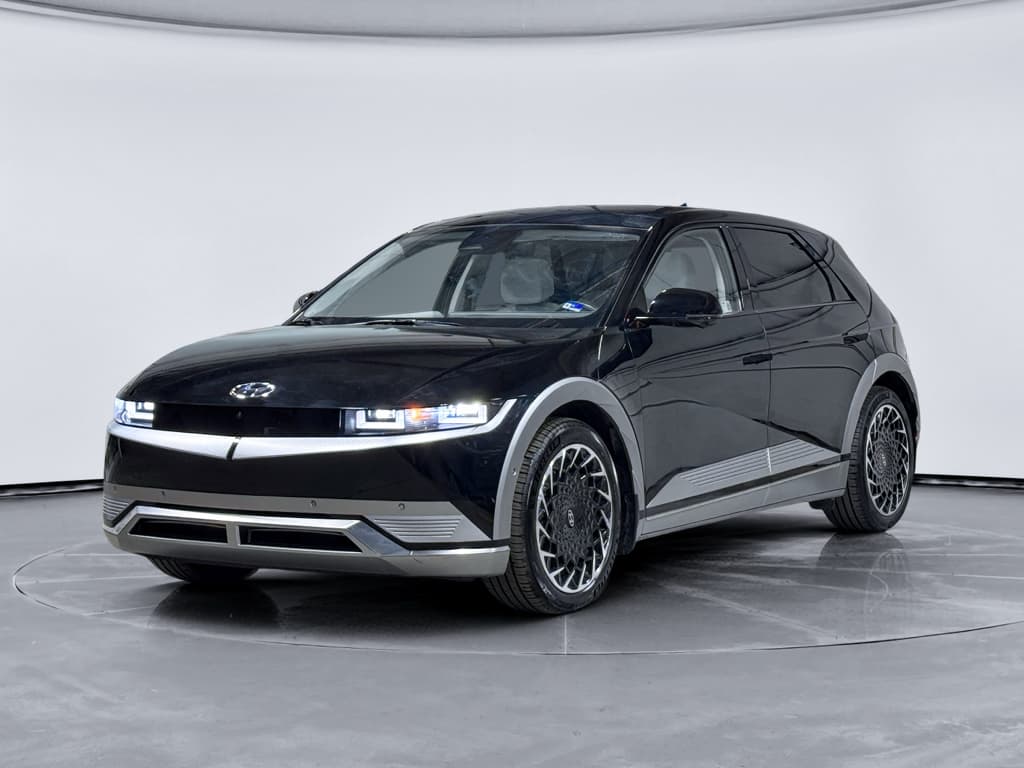
Hyundai Ioniq 5 / Kia EV6 (early model years)
Why they work: 800V architectures, strong DC fast‑charging, and generous interior space make these compelling if you can find an early example at the right price.
- Real‑world range: ~230–270 miles usable on common trims.
- Charging: Very fast DC charging on the right stations, good for quick top‑ups between peaks.
Watch for: Wheel and tire sizes; big wheels hurt range and replacement tire costs. Check for software updates that optimize charging behavior.
"Stretch" options: Polestar 2, BMW i4
Why they can work: For drivers chasing premium tiers or who want a genuinely upscale cabin, used Polestar 2s and BMW i4s are starting to slide into the upper‑$30k range.
- Strong highway manners and comfort.
- Enough range for most shifts if you plan your charging.
Watch for: Higher insurance costs and more expensive tires. These are only smart if your earnings per mile (or per hour) justify the upgrade.
Quick recommendation by driver type
Comparison table: top used EVs for rideshare
Battery health and high-mileage EVs for Uber and Lyft
If you’re clocking 25,000–40,000 miles per year, it’s natural to worry that you’ll "use up" an EV battery too quickly. In practice, real‑world data from taxi and fleet studies shows that modern packs age more slowly than early fears suggested, especially in liquid‑cooled EVs like Teslas, Bolts, and most Korean models. Many high‑mileage cars still retain well over 80% of original capacity deep into six‑figure mileage, provided they’re charged and driven sensibly.
What really hurts EV batteries

Battery health checklist for a used rideshare EV
1. Review real battery health data
Look for objective battery diagnostics rather than relying on a simple dash‑displayed range estimate. Recharged includes a <strong>Recharged Score Report</strong> on every vehicle, with pack health, fast‑charge history indicators, and range projections based on real data.
2. Prefer liquid‑cooled packs
For heavy, mixed use with DC fast‑charging, prioritize EVs with modern liquid‑cooled batteries (Teslas, most GM and Hyundai/Kia EVs). They tend to handle high‑mileage duty and repeated DC sessions more gracefully than older air‑cooled designs.
3. Check remaining battery warranty
Calculate how much of the original battery warranty remains in <strong>years and miles</strong>. If you expect to drive 30,000 miles per year, an extra 40,000 miles of warranty is only about 16 months of coverage.
4. Test real-world range before buying
If possible, do an extended test drive or rental that mimics your shift: similar speeds, climate control use, and a mix of city/highway. Compare the distance covered with the drop in state of charge to sanity‑check the claimed range.
5. Inspect for fast-charging behavior
On a pre‑purchase inspection, do a short DC fast‑charge session. Watch how quickly the car ramps to peak power and whether it throttles aggressively at moderate state of charge; unexpected slowdowns can indicate thermal or software issues.
Charging strategy: time, money, and rider experience
Home or depot charging: your profit engine
If you can plug in at home on a Level 2 charger or at a shared depot overnight, your per‑mile energy cost will usually be dramatically lower than public fast‑charging. One of the biggest levers you control is simply how much of your charging you can shift off of DC and into cheap overnight kWh.
- Use a 240V Level 2 charger where possible.
- Set a daily charge limit (often 70–85%) rather than 100%.
- Schedule charging to finish near the start of your shift, not hours before.
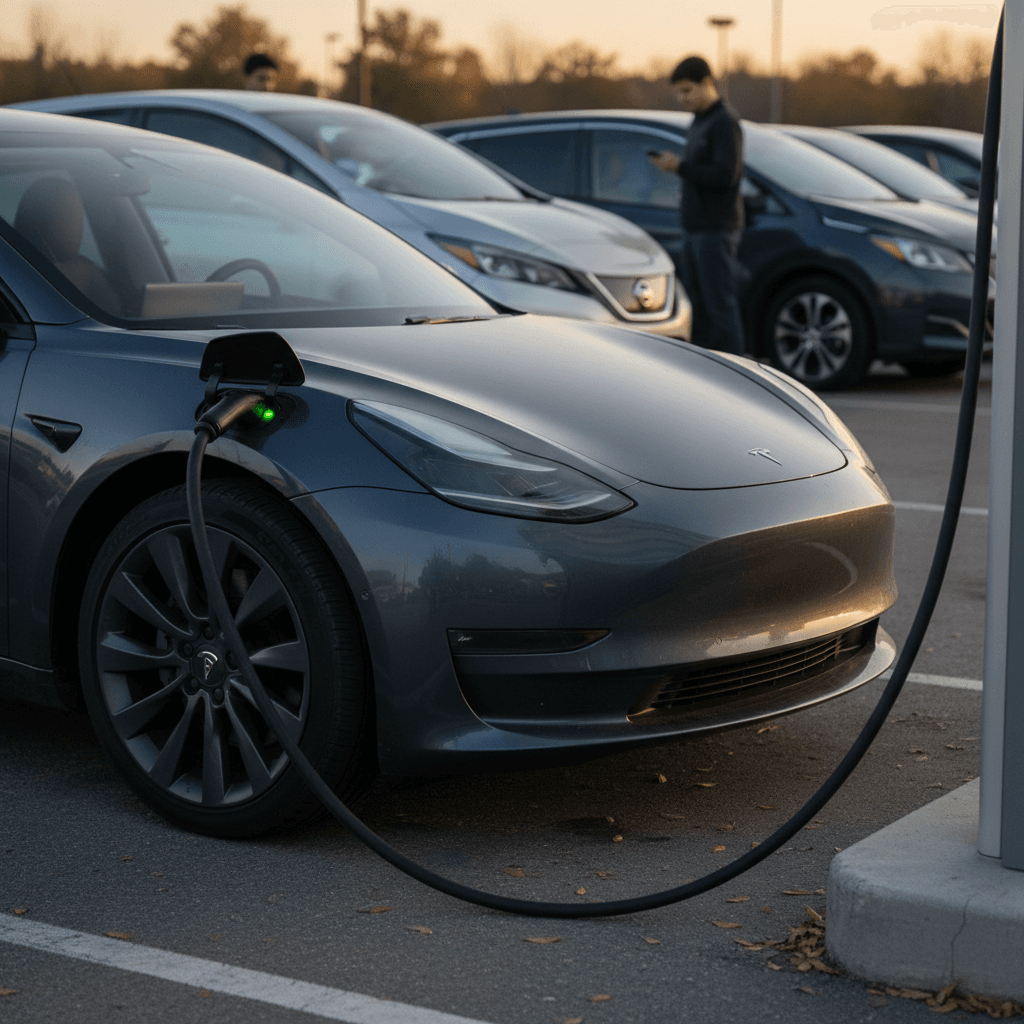
Fast-charging during the workday
DC fast‑charging is your safety valve, it keeps you online, but it’s also more expensive and harder on the battery. The trick is to treat it like a scalpel, not a hammer.
- Top up from ~10–20% to ~60–70% instead of going to 100%.
- Align charging breaks with slow demand windows (mid‑afternoon, mid‑morning).
- Favor stations with predictable speeds and amenities so you can eat or rest while you charge.
Beware all-fast-charge workflows
Financing and total cost of ownership
When you drive for a living, it’s not enough to find the right car; you also have to structure the right deal. A slightly higher monthly payment on a more durable, efficient EV can easily beat a rock‑bottom payment on a car that spends one week a quarter out of service or burns through expensive public charging.
Four levers that matter more than the sticker price
Think like a small business, not just a shopper.
Financing terms
Look beyond the monthly payment. Shorter terms reduce total interest but raise the payment; longer terms lower the payment but can trap you in negative equity if your usage changes.
Insurance & downtime
EVs with expensive glass roofs and cameras can cost more to insure and repair. A claim that sidelines a car for weeks can erase months of fuel savings.
Energy cost structure
Model out your mix of home/destination charging vs. public DC. A car that lets you stay on cheap overnight kWh is worth more to your bottom line than it looks on paper.
Resale and exit plan
Ask yourself: How many years and miles do I plan to keep this car? Will I sell, trade, or consign it? Planning your exit up front helps you choose the right mileage and price band today.
Use pre-qualification to protect your time
How Recharged helps rideshare drivers pick the right EV
Buying a used EV as a rideshare driver isn’t just about finding any electric car; it’s about matching battery health, range, comfort, and financing to your specific income pattern. That’s where a specialized used‑EV retailer can tilt the odds in your favor.
- Every vehicle on Recharged comes with a Recharged Score Report, which includes verified battery health and range projections, critical for high‑mileage professional drivers.
- You can get expert EV guidance from specialists who understand rideshare use, not just weekend commuting.
- Recharged offers financing tailored to used EVs, plus trade‑in and consignment options if you’re exiting a gasoline car or an older EV.
- Nationwide delivery and a digital‑first process mean you don’t have to spend days bouncing between traditional dealerships to find a car that fits your route and budget.
A realistic upgrade path
Ready to find your next EV?
Browse VehiclesFAQ: best used electric car for rideshare drivers
The **best used electric car for rideshare drivers** isn’t just a spec-sheet champion, it’s the car whose range, charging behavior, comfort, and financing align with how you actually earn. Whether that’s a bargain Bolt, a workhorse Model 3, or a long-legged crossover like a Niro EV or Model Y, the goal is the same: maximize paid miles, minimize dead time and energy cost, and protect your battery so the car keeps earning as long as you do. With transparent battery data, expert guidance, and flexible financing, Recharged is built to help you make that decision with eyes wide open instead of relying on guesses and hype.