If you’re retired, you probably want a car that’s **easy to live with**, inexpensive to run, and safe, without feeling like you’re piloting a spaceship. The best used electric cars for retirees deliver all of that: simple driving, low maintenance, and quiet comfort, while keeping your budget (and stress level) in check.
Why focus on used EVs, not new?
Why retirees are looking at used electric cars
- Lower running costs: Electricity is usually cheaper per mile than gasoline, and EVs have fewer moving parts to service.
- Smoother, quieter driving: Instant torque but no shifting, idling, or engine noise makes for relaxed driving, especially around town.
- Shorter daily trips: Many retirees drive less than 40–50 miles a day, which fits perfectly with typical EV ranges.
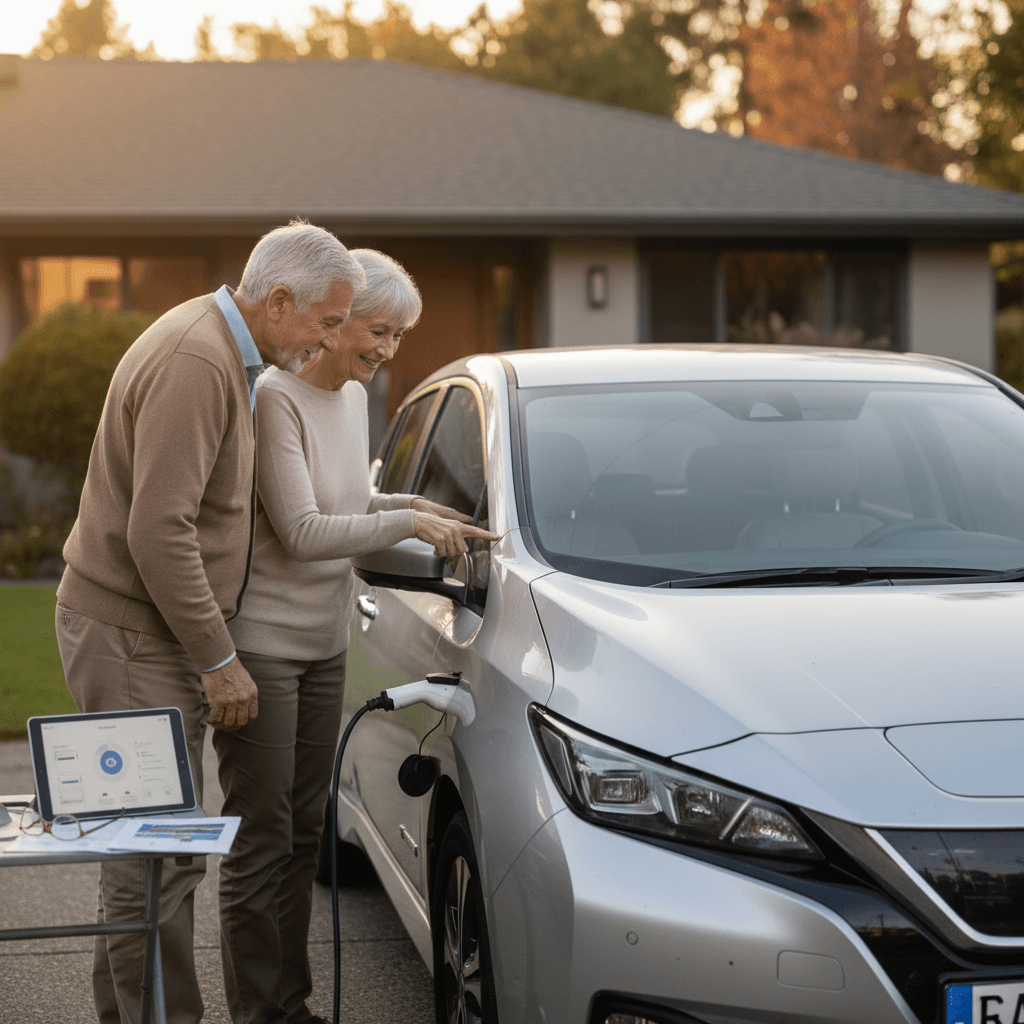
- Home charging convenience: Plug in at night instead of stopping at stations, ideal if you’re not in a rush anymore.
- Stronger safety tech: Even older EVs often come with features like automatic emergency braking, blind‑spot monitoring, and lane‑keeping assist.
A good fit for “second car” duty
What makes the best used electric car for retirees?
When you’re evaluating the best used electric car for retirees, raw horsepower matters a lot less than **comfort, simplicity, and peace of mind**. Use this as your short list of must‑haves.
Retiree-friendly EV checklist
Easy to get in and out of
Look for a higher seating position, wide‑opening doors, and seats that don’t sit too low to the ground so you’re not “climbing up” or “dropping down” every time.
Simple, not overwhelming, technology
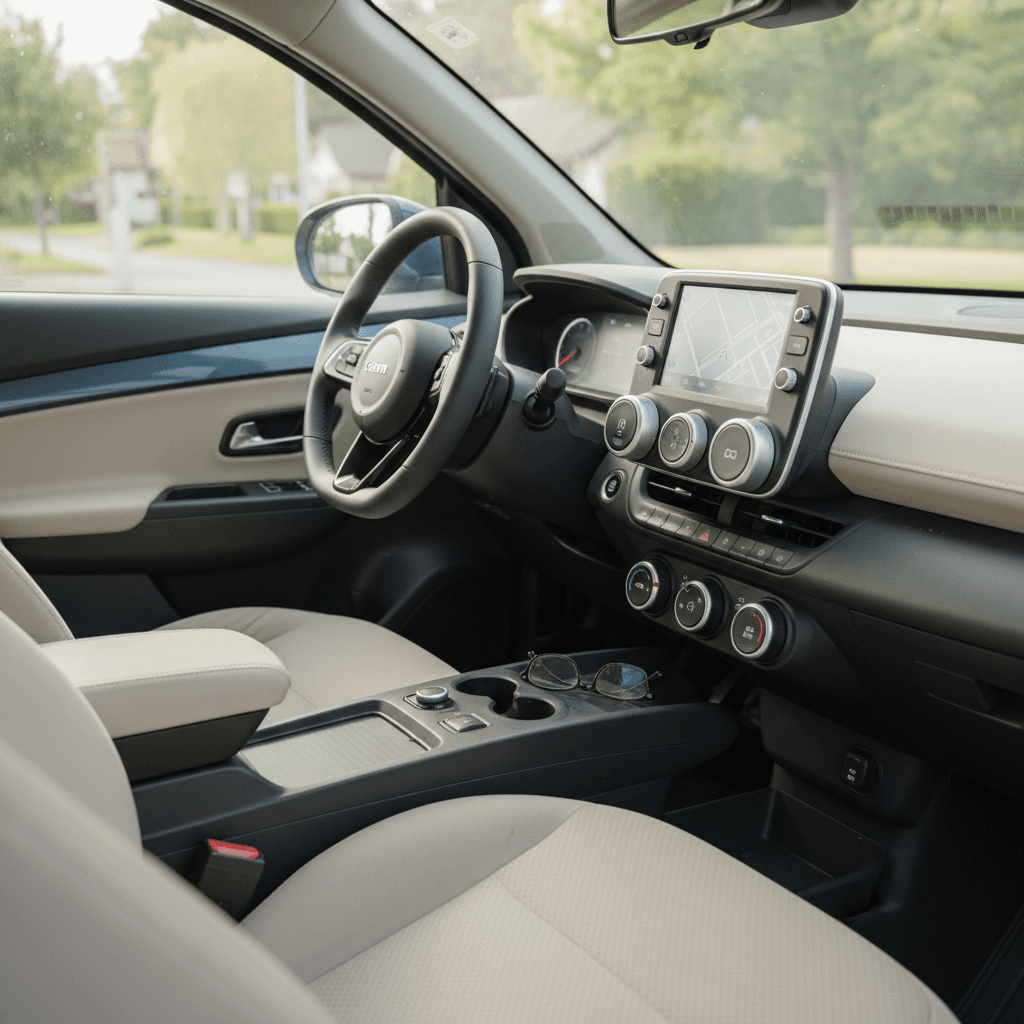
You want clear gauges, big icons, and physical knobs for basics like volume and climate. Overly complex touchscreens can be frustrating.
Strong safety scores
Check for top crash ratings plus features like automatic emergency braking, blind‑spot monitoring, and rear cross‑traffic alert to help in parking lots.
Comfortable ride and quiet cabin
Soft suspension, supportive seats, and good sound insulation reduce fatigue, especially if you have back, hip, or hearing concerns.
Adequate real-world range
For purely local driving, 120–150 miles of **true** usable range is typically enough. If you visit family further away, 200+ miles is more comfortable.
Low, predictable running costs
Battery warranty coverage, affordable tires, and solid reliability data matter more than fancy performance numbers when you’re on a fixed income.
Watch the touchscreen size
Top used electric cars for retirees in 2025
Below are used EVs that tend to score well on comfort, ease of use, and ownership costs, key priorities for retirees. We’ll focus on mainstream models that are widely available on the U.S. used market.
Best all-around used EVs for retirees
Comfortable, easy to drive, and budget-conscious options
Chevrolet Bolt EV / EUV
Best for value-conscious retirees
- Compact size, easy to park, with hatchback practicality.
- Later models (after battery recall) have fresh packs and solid range (around 240–259 miles when new).
- Simple controls and a fairly traditional dashboard layout.
Perfect if you mostly drive locally, want to minimize costs, and don’t need a big SUV.
Kia Niro EV
Best “normal car” feel
- Crossover‑style seating height that’s easier to get in and out of than a low sedan.
- Comfortable ride and roomy back seat for grandkids.
- Good reliability reputation and well‑rounded real‑world range.
A great choice if you want an EV that just feels like a straightforward, practical small SUV.
Hyundai Kona Electric
Best small crossover on a budget
- Compact footprint but tall seating position helps visibility.
- Respectable range and snappy around‑town acceleration.
- Later model years address early‑battery recall concerns.
Ideal if you like the high‑seating view but still want a small, easy‑to‑park vehicle.
Additional retiree-friendly EV options
Great if you prioritize simplicity, comfort, or road‑trip ability
Nissan Leaf (2nd generation, 2018+)
Best simple, city-focused EV
- Comfortable seats and very simple controls with minimal learning curve.
- Great for shorter trips and errands; smaller battery versions suit low‑mileage drivers.
- Earlier models may have more battery degradation, so range varies. Always confirm health.
A sensible choice for retirees who drive locally and value straightforward operation over maximum range.
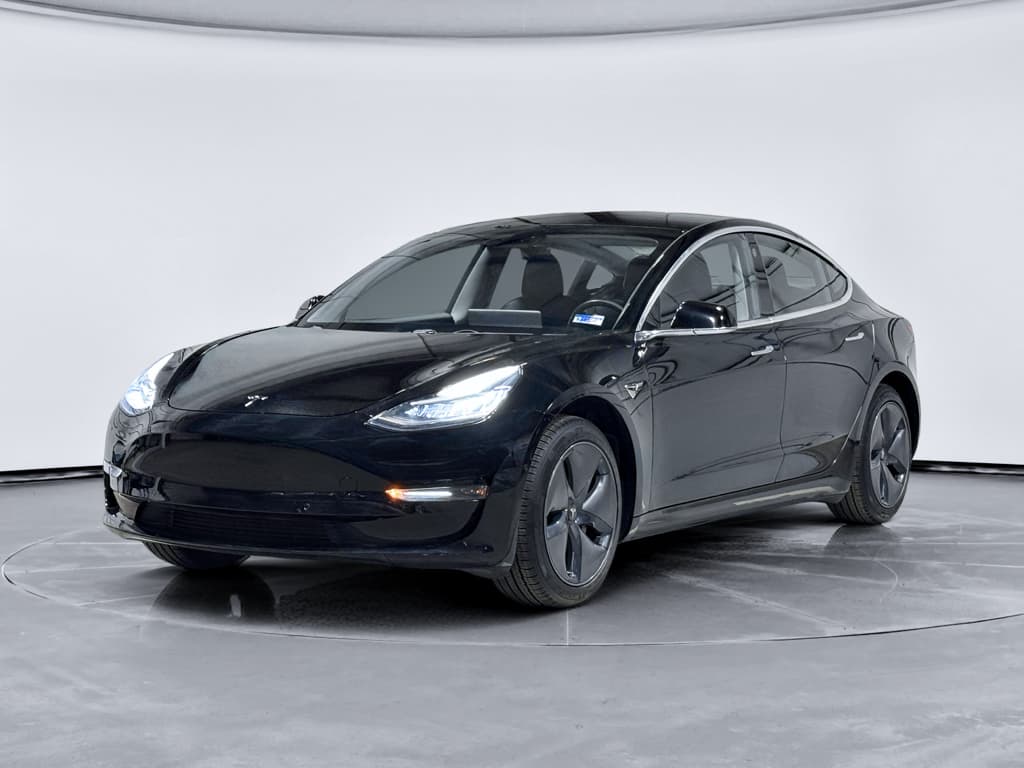
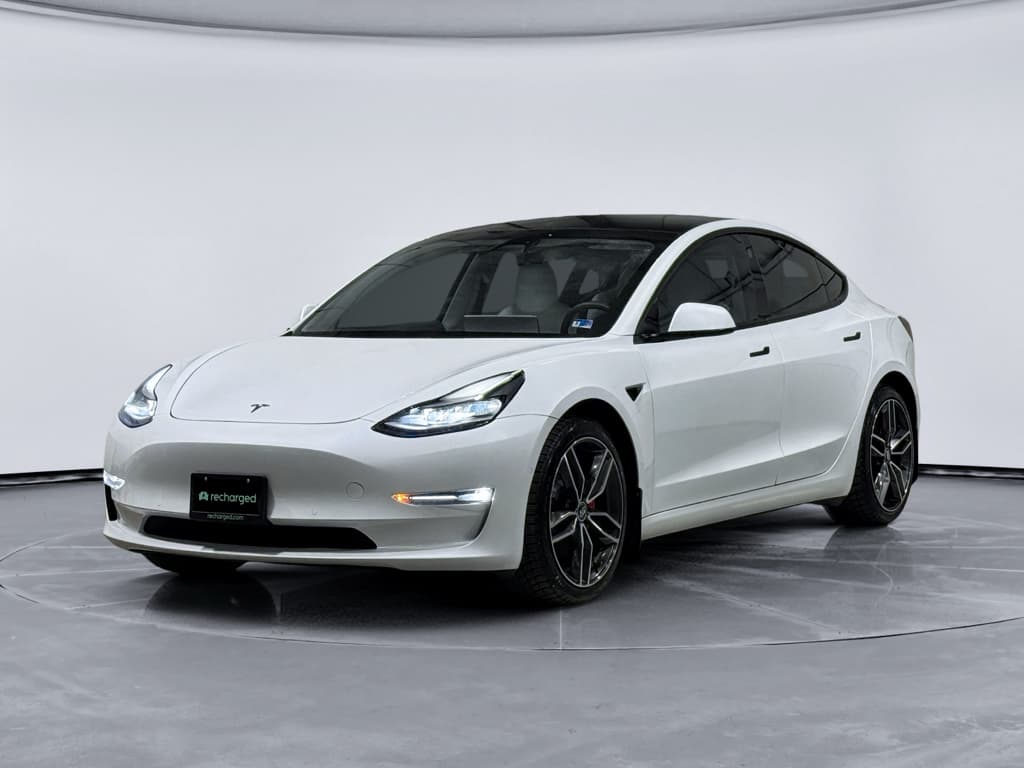
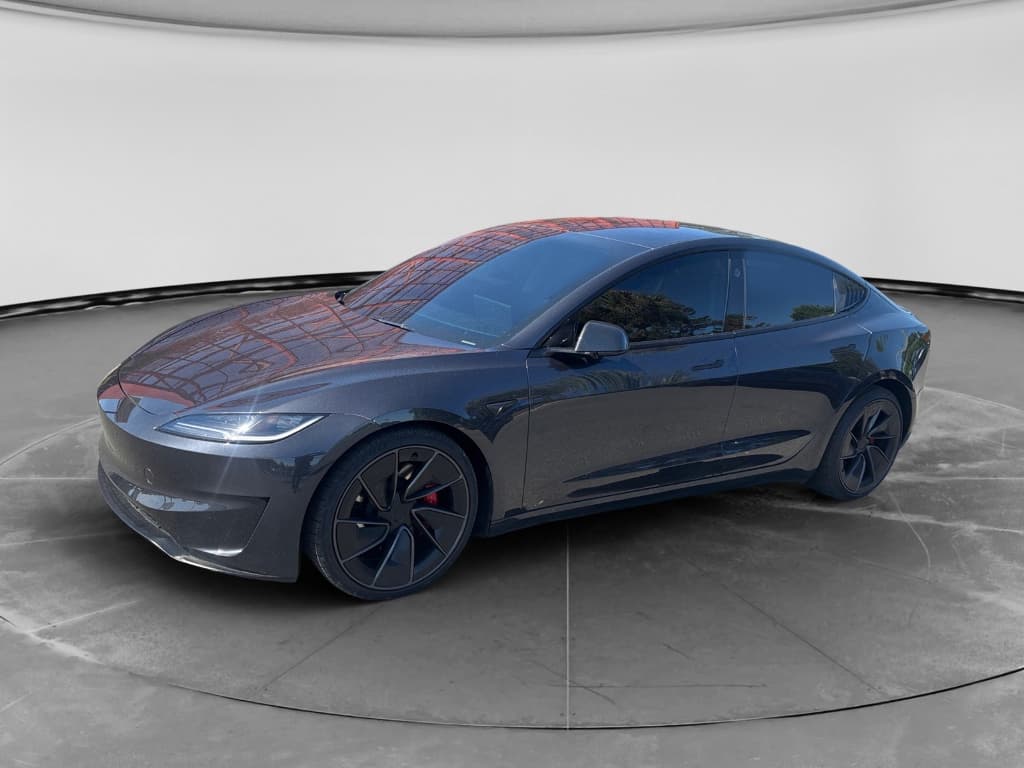
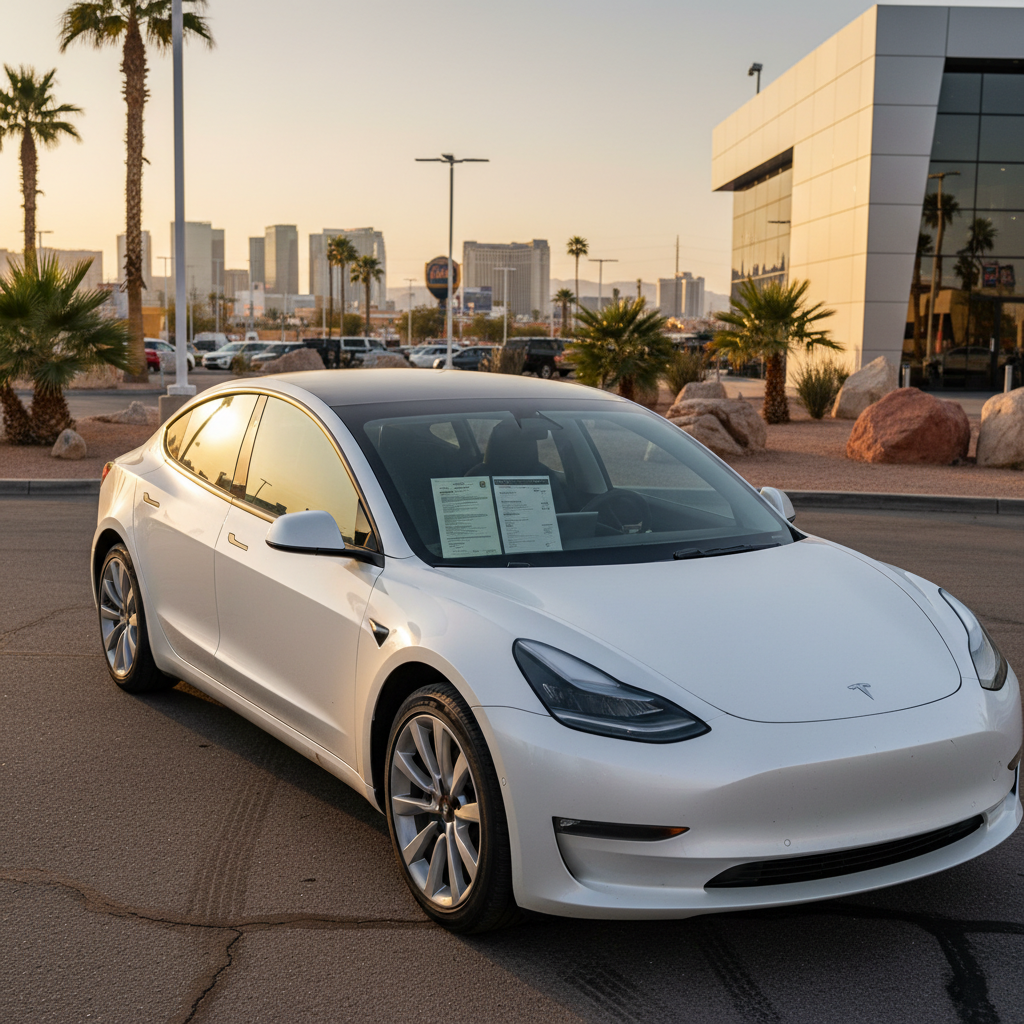
Tesla Model 3 (Standard Range, newer years)
Best for confident highway cruisers
- Efficient, long‑range sedan with access to Tesla’s Supercharger network (especially newer models).
- Smooth, quiet, and very secure on the highway.
- Touchscreen‑heavy interface can be a love‑it or hate‑it factor for retirees.
Good match if you’re tech‑comfortable and plan semi‑regular road trips to see family.
Volkswagen ID.4
Best for space and comfort
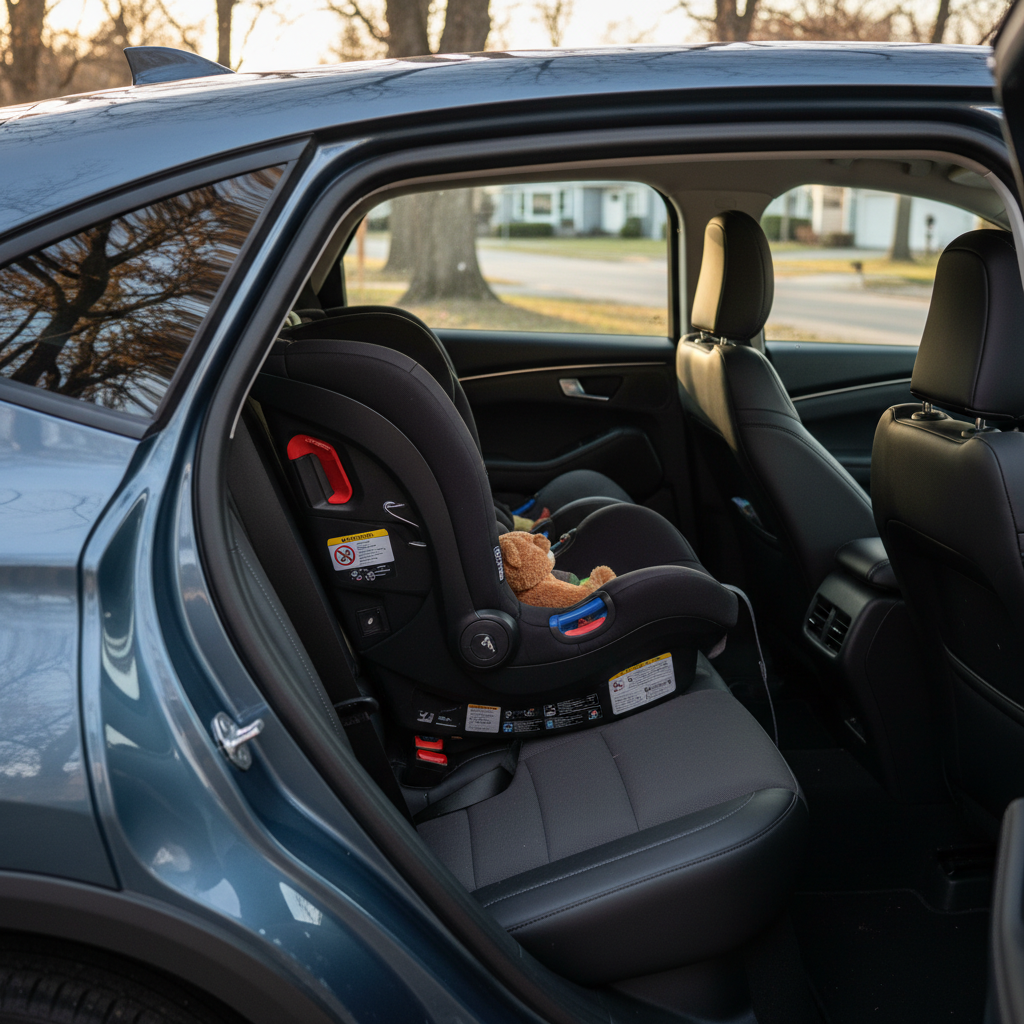
- Spacious cabin, generous cargo area, and a calm, soft ride.
- Higher driving position with large windows improves visibility.
- Infotainment takes some learning, but once set up it’s a relaxed cruiser.
Works well if you want a roomy, comfortable EV for everyday life plus occasional longer drives.
Shortlist if you don’t want to overthink it
Comparison table: best used EVs for retirees
At-a-glance comparison for retiree priorities
Approximate figures and typical impressions for common used EVs retirees consider. Always verify exact specs for the specific year and trim you’re shopping.
| Model | Typical Used Price* | EPA Range (new) | Seating Height | Ease of Use | Best For |
|---|---|---|---|---|---|
| Chevy Bolt EV/EUV | $15k–$25k | ~240–259 mi | Low‑medium | Simple, familiar | Budget-minded retirees driving mostly locally |
| Kia Niro EV | $22k–$32k | ~239 mi | Medium | Very straightforward | Retirees wanting a “normal” small SUV feel |
| Hyundai Kona Electric | $20k–$30k | ~258 mi | Medium | Fairly simple | Those who want a small crossover with solid range |
| Nissan Leaf (2018+) | $12k–$22k | ~150–226 mi | Medium | Very easy | Short‑trip city and suburb driving |
| Tesla Model 3 SR+ | $23k–$35k | ~240–272 mi | Low | Tech‑heavy | Tech‑comfortable retirees and frequent highway trips |
| VW ID.4 | $24k–$34k | ~209–275 mi | Medium‑high | Moderate learning | Retirees who prioritize space and comfort |
Approximate range numbers refer to original EPA ratings when new; real-world used range will depend on age, battery health, climate, and driving style.
About prices and range
How much should retirees spend on a used EV?
For many retirees, the right budget for a used EV is the number that **doesn’t keep you up at night**. Here’s a rough guide to help frame the decision.
Under $20,000
- Older Nissan Leaf, early Chevy Bolt EV, and some compact compliance EVs.
- Best if your driving is truly local and you don’t mind less range.
- Focus hard on battery health and remaining warranty coverage.
Great for retirees who want a simple, low‑payment runabout for errands and appointments.
$20,000–$30,000
- Later‑model Bolt EV/EUV, Kia Niro EV, Hyundai Kona Electric, and some VW ID.4.
- Often the sweet spot for **range, comfort, and safety tech** without premium pricing.
- Many cars in this range still have meaningful battery warranty remaining.
This is where many retirees find the best balance of cost and confidence.
If your finances allow, going slightly newer (and spending a bit more) can be wise: you get **more years of battery warranty, fresher safety tech, and fewer unknowns.** Just be sure the payment, if any, fits comfortably within your retirement budget.
Don’t forget fuel and maintenance savings
Battery health & range confidence for retirement driving
Battery health is the number‑one concern many retirees have about used EVs, and it should be **checked, not feared**. A solid battery in a modestly ranged EV is more useful than a big pack that’s been heavily degraded.
Battery and range realities retirees should know
Never guess at battery health
At Recharged, every vehicle comes with a **Recharged Score Report**, which includes verified battery health so you know how much usable range you’re actually buying, not just what the window sticker claimed when the car was new. That’s especially valuable if you’re planning to keep the vehicle deep into retirement.
Comfort, safety and tech features to prioritize
Many retirees care more about **seat comfort, visibility, and stress‑reducing safety tech** than about 0–60 mph times. Here’s what to look for when you’re behind the wheel.
Key comfort and safety features for older drivers
These features can make daily driving less tiring and more secure
Supportive, power-adjustable seats
Look for height adjustment, lumbar support, and easy‑to‑reach seat controls. If you have arthritis or back issues, seat comfort is non‑negotiable.
Excellent visibility
Large windows, thin pillars, and good mirrors reduce blind spots. A clear view over the hood can make parking lots and tight streets less stressful.
Cameras and parking sensors
Backup cameras are mandatory on newer cars; a surround‑view camera and parking sensors make tight spaces much easier, especially if neck mobility is limited.
Advanced driver assistance
Features like automatic emergency braking, blind‑spot monitoring, lane‑keeping assist, and adaptive cruise control take some workload off on longer drives.
Easy climate controls
Big knobs or clear buttons for temperature and fan speed beat tiny icons buried in menus. Heated seats and steering wheels can be very helpful for joint stiffness.
Clear, simple audio & phone integration
Bluetooth phone calling, large on‑screen fonts, and straightforward volume controls reduce distraction. Test that you can comfortably see and use everything.
Watch wheel size and tire cost
Buying a used EV as a retiree: step-by-step
A methodical approach helps you avoid surprises and keeps the process low‑stress. Here’s a straightforward path retirees can follow.
Step-by-step used EV buying plan
1. Clarify how you’ll use the car
Write down your typical weekly driving, grocery runs, appointments, grandkids, hobbies, and how often you take 100+ mile trips. This will determine how much range you truly need.
2. Decide where you’ll charge
If you have a driveway or garage, plan for home charging using at least a 120V outlet to start. If you live in a condo or apartment, investigate on‑site chargers or nearby public options before you buy.
3. Set a firm budget
Include purchase price, taxes, registration, potential home charging upgrades, and a cushion for tires and brakes. If you’re considering financing, keep payments well within your monthly comfort zone.
4. Shortlist retiree-friendly models
Use the model list above as a starting point. Focus on 2–3 vehicles that fit your budget, seating preference, and technology comfort level.
5. Check battery health and history
Request a battery health report (or buy from a source that includes one), confirm recall work has been completed, and review service records for any repeated issues.
6. Test drive for comfort first
On the test drive, pay extra attention to seat comfort, visibility, ride quality, and how intuitive the controls feel. If you step out more tired than when you got in, keep looking.
7. Compare total cost of ownership
Look at insurance quotes, expected electricity costs, and any EV incentives you may qualify for, some retirees still qualify for used‑EV rebates depending on income and vehicle price.
Consider trade-in or consignment
How Recharged helps retirees shop confidently
Shopping for a used EV doesn’t have to feel like a science project. Recharged is built to make **EV ownership simple and transparent**, which is especially important if you’re protecting retirement savings.
- Each vehicle includes a Recharged Score Report with verified battery health, so you know how much range you’re really getting.
- Fair market pricing based on data, not haggling, so you don’t have to worry whether you overpaid.
- EV‑specialist support to walk you through model choices, charging, and what ownership will look like day‑to‑day.
- Flexible options like financing, trade‑in or consignment, and nationwide delivery if visiting the Richmond, VA Experience Center isn’t convenient.
- A fully digital retail experience if you’d rather shop from your living room instead of spending hours at a dealership.
Making EV ownership retiree-friendly
Ready to find your next EV?
Browse VehiclesFAQs: best used electric cars for retirees
Frequently asked questions from retirees
Bottom line: the best used EV for your retirement
The best used electric car for retirees isn’t the flashiest one, it’s the one that fits your life quietly and reliably in the background. If you want a simple, affordable runabout for local driving, a **Chevy Bolt EV/EUV, Nissan Leaf, Hyundai Kona Electric, or Kia Niro EV** belongs at the top of your list. If you’re tech‑comfortable and planning regular highway trips, a **Tesla Model 3 or Volkswagen ID.4** can add range and comfort without overwhelming your budget.
Start with how you actually drive, then prioritize **comfort, visibility, safety tech, and verified battery health** over raw performance numbers. With that mindset, and a transparent report like the Recharged Score to back up what you’re buying, a used EV can be one of the most low‑stress, low‑maintenance vehicles you’ll ever own in retirement.