If you drive for Lyft (or you’re thinking about it), the best used electric car for Lyft drivers isn’t just the one with the biggest screen or fanciest badge. It’s the one that lets you earn more per hour by cutting fuel and maintenance costs while still keeping passengers comfortable and your sanity intact on long days.
Why this matters in 2026
Why used EVs make so much sense for Lyft drivers
If you’re driving full‑time, you can easily put 1,500–3,000 miles per month on your car. In a typical compact gas sedan that returns 28–32 mpg in mixed driving, that fuel bill adds up fast. A well‑chosen used EV turns a big chunk of that expense into profit, especially if you have access to inexpensive home or off‑peak charging.
Think in cents per mile, not miles per gallon
How to choose the right used electric car for Lyft
The 4 things that matter most for Lyft EVs
If a used EV nails these, it’s probably a strong candidate.
Real‑world range
Ignore brochure numbers and think in full workdays:
- City/suburban drivers: at least 180–220 real miles
- Airport/long trip drivers: 230+ real miles
Passenger space
Rear seat room is non‑negotiable. Look for:
- Comfortable seating for 3 adults in back
- Easy entry/exit for older riders
- Usable trunk with luggage
Running costs
Factor in:
- Energy cost per mile
- Tire and brake wear
- Insurance and depreciation
Battery health
On a used EV, this is your new “engine condition.” A healthy pack means:
- Stable range
- Less downtime for charging
- Stronger resale value
On top of those four pillars, you’ll also want to think about Lyft service tiers in your city (Lyft, Lyft XL, Comfort, Lux, etc.), because some EVs can qualify you for higher‑paying categories if they meet Lyft’s age, size, and comfort requirements.
Always check your local Lyft requirements

Top used electric cars for Lyft drivers in 2026
Let’s get into specific models. Below are the used EVs that consistently float to the top for Lyft and Uber drivers when you balance purchase price, range, comfort, and reliability.
Quick comparison: Top used EVs for Lyft
Approximate figures for commonly available used model years in 2026. Actual numbers will vary by battery health, climate, and how you drive.
| Model | Typical used price* | EPA range (mi) | Realistic Lyft day | Strengths for Lyft |
|---|---|---|---|---|
| Chevrolet Bolt EV (2019–2023) | $12k–$18k | 238–259 | 180–220 miles | Ultra‑low cost per mile, easy to park, qualifies for basic Lyft/Green in most markets |
| Chevrolet Bolt EUV (2022–2023) | $16k–$22k | 247 | 190–230 miles | More rear legroom than Bolt EV, smoother ride, still very efficient |
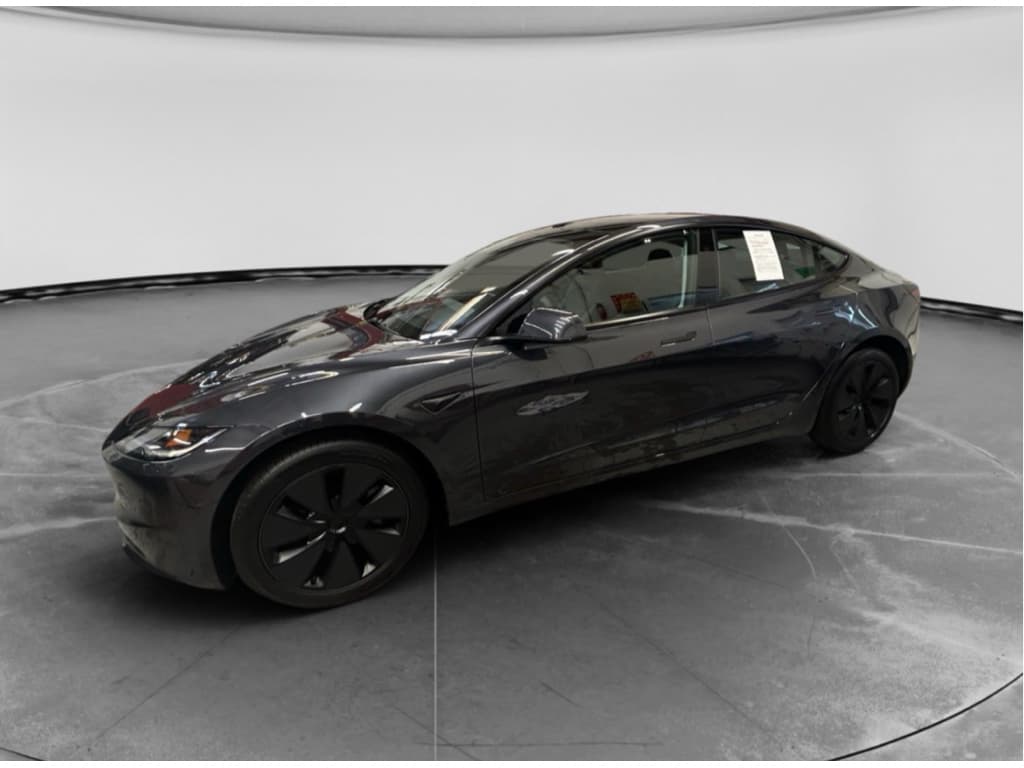
| Tesla Model 3 RWD/AWD (2018–2022) | $20k–$30k+ | 220–358 | 200–260 miles | Strong passenger appeal, access to Superchargers, can qualify for Comfort in some markets |
| Hyundai Kona Electric (2019–2022) | $16k–$23k | 258 | 190–230 miles | Great efficiency, compact exterior with decent range, good warranty history |
| Kia Niro EV (2019–2022) | $18k–$25k | 239–253 | 190–230 miles | More upright seating, better cargo space, proven as a taxi/private‑hire car |
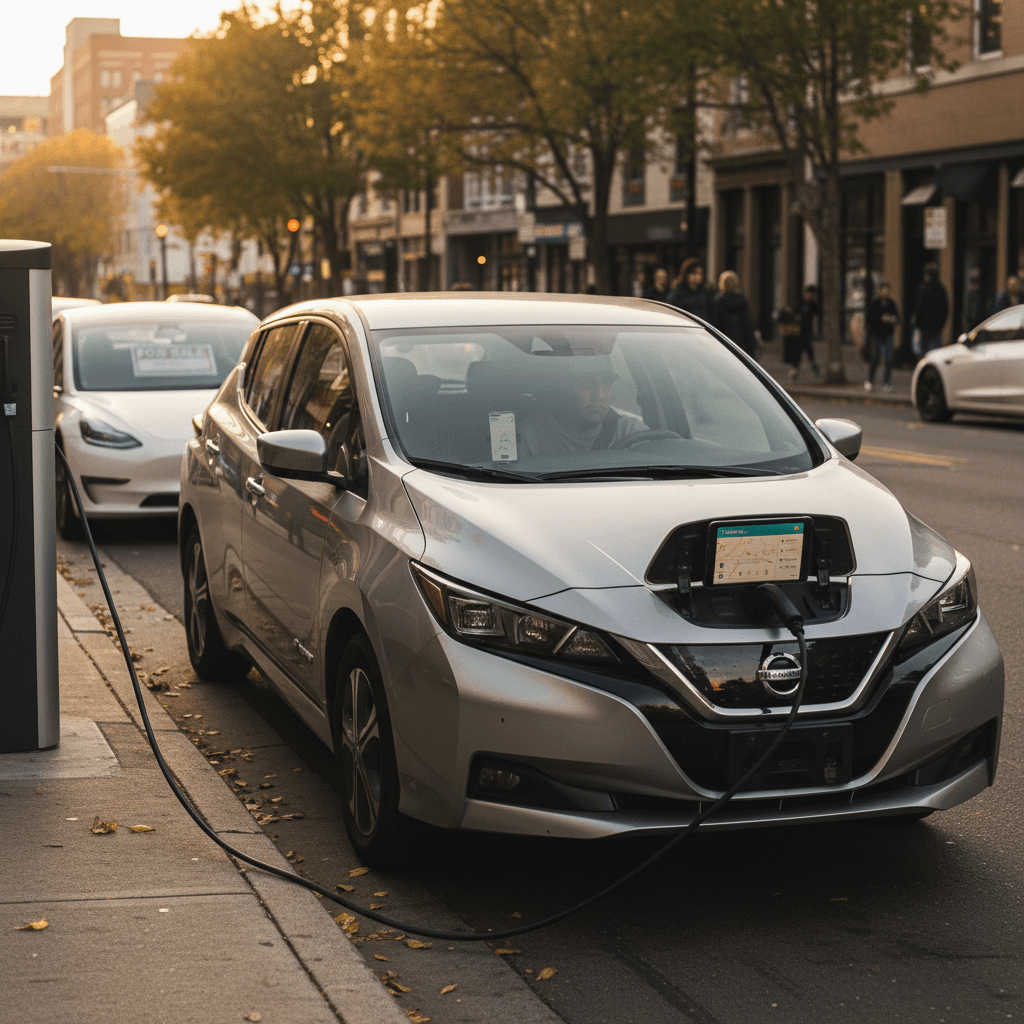
| Nissan Leaf 40/62 kWh (2018–2022) | $10k–$17k | 149–226 | 110–170 miles | Very cheap to buy, excellent for city‑only driving, simple interior that’s easy to clean |
| VW ID.4 (2021–2023) | $22k–$30k | 250–275 | 200–240 miles | Roomy back seat and cargo, good for airport/luggage‑heavy markets |
Use this as a starting point; your exact cost per mile will depend on your electricity rates, financing, and insurance.
About the price ranges
Best budget used EVs for Lyft (lowest upfront cost)
Chevrolet Bolt EV: The rideshare workhorse
If someone told me they wanted the best used electric car for Lyft drivers on a tight budget, I’d start with the Chevy Bolt EV.
- Typical used price (2019–2022): often $12,000–$18,000 depending on miles and condition
- EPA range: around 238–259 miles when new
- Realistically: 180–220 Lyft miles per day with normal charging habits
The Bolt’s upright hatchback body is easy to maneuver in dense city cores and tight pickup lanes. Rear legroom is only "good enough" for three adults, but the tall roof helps. The interior is more functional than fancy, exactly what you want for easy cleanup and low stress when things inevitably get scuffed.
What about the Bolt battery recall?
GM’s well‑publicized Bolt battery recall scared away plenty of buyers, which is one reason these cars are such bargains now. The upside is that many used Bolts on the market have new or remanufactured battery packs, or updated software that protects the cells.
That’s where a detailed battery health report matters. On a platform like Recharged, every Bolt gets a Recharged Score with verified pack condition and estimated usable range so you know if you’re getting a post‑recall gem or something to skip.
Why so many rideshare drivers love the Bolt
If you mostly run short‑to‑medium trips in dense areas, downtown bar rush, commuter corridors, food delivery between Lyft rides, the Bolt EV is hard to beat. The biggest trade‑offs are modest rear seat space and a ride quality that’s more "solid economy car" than "premium shuttle."
For a bit more money, the Bolt EUV stretches rear legroom and adds more comfort features. If your market has a lot of taller riders or frequent airport trips, the EUV is usually a better choice than the standard Bolt EV.
Best comfort and premium used EVs for Lyft
Comfort or premium tiers can change the math
Battery health when you’re putting on Lyft miles
For a rideshare driver, a used EV’s battery isn’t an abstract technical spec, it’s your fuel tank, range extender, and future resale value all rolled into one component. You might add 30,000–40,000 miles per year if you’re driving full‑time. That makes it crucial to understand how the pack has aged before you buy.
Battery checks every Lyft driver should do before buying a used EV
1. Verify usable range today
Don’t assume the original EPA number still applies. Compare the seller’s real‑world full‑charge estimate to the original spec and ask to see recent trip data if possible.
2. Look for fast‑charging history
Lots of DC fast charging isn’t automatically bad, but extreme fast‑charge use can accelerate wear. If logs are available, prefer cars with a mix of home Level 2 and occasional DC fast charging.
3. Check for battery warranty coverage
Many EVs carry 8‑year / 100,000‑mile (or more) battery warranties from new. A 5‑ or 6‑year‑old car with moderate miles may still have meaningful coverage left.
4. Ask about software updates & recalls
For cars like the Chevy Bolt, confirmed recall completion and current software are must‑haves. They affect safety, usable capacity, and resale value.
5. Get an independent battery health report
A general pre‑purchase inspection won’t tell you much about state of health. You want data. Recharged’s Score Report includes verified battery diagnostics and range estimates based on real measurements, not guesses.
6. Consider climate history
EV batteries age faster in very hot climates, especially if parked outside. A used EV from a temperate region that lived in a garage usually has an easier past.
Don’t buy a used EV blind
Charging strategy: keep the wheels turning, not the cord plugged in
The right used EV can save you thousands of dollars a year, but only if you pair it with a charging strategy that fits the way you work. Do you have home charging? Are there inexpensive overnight public chargers nearby? Will you rely heavily on DC fast charging between airport runs?
If you have home charging
- Install or use a Level 2 (240V) charger where you park overnight.
- Set your EV to charge during off‑peak hours when electricity is cheapest.
- Plan on starting every Lyft shift near 80–90% state of charge so you rarely need paid DC fast charging during the day.
This is the ideal scenario: your cost per mile is lowest and you control your schedule.
If you rely on public charging
- Map out a few reliable DC fast chargers near your busiest pickup zones.
- Favor EVs with faster DC speeds (many newer Bolts, Model 3, ID.4, etc.).
- Use 20–40 minute charging breaks to eat, stretch, or manage your business instead of dead time in parking lots.
Your effective hourly earnings will depend heavily on how efficiently you combine charging stops with downtime you’d take anyway.
Beware of peak‑rate fast charging
Financing and total cost per mile for used EV rideshare
Lyft drivers think in weekly payouts, but your car choice plays out over years. A slightly higher monthly payment for a more efficient, more comfortable EV can be a smart trade if it reduces your fuel spend and keeps you eligible for better‑paying ride categories.
Illustrative cost‑per‑mile comparison: gas vs. used EV
Assumes 2,000 miles per month and simplified averages. Your exact numbers will vary by state, financing terms, and electricity rates.
| Vehicle type | Energy cost per mile | Maintenance per mile | Payment & insurance per mile | Approx. total cost per mile |
|---|---|---|---|---|
| Older gas compact sedan | $0.13 | $0.04 | $0.20 | ≈ $0.37 |
| Used Chevy Bolt EV | $0.04 | $0.02 | $0.20 | ≈ $0.26 |
| Used Tesla Model 3 | $0.05 | $0.02 | $0.24 | ≈ $0.31 |
Use this to frame your own math using real quotes for insurance, electricity, and financing in your area.
Why this matters to your bottom line
If you’re financing, shopping used through Recharged lets you see clear pricing, competitive loan options, and estimated monthly payments up front. Pair that with a realistic estimate of your rideshare miles per week and you can quickly tell whether the Bolt, Model 3, Niro EV or another candidate is the smarter financial tool for you.
How Recharged helps Lyft drivers pick the right used EV
Why a rideshare driver might want to start with Recharged
Buying used EVs is what Recharged does all day, and that helps you avoid expensive mistakes.
Battery‑first inspections
Every EV listed on Recharged comes with a Recharged Score Report that includes verified battery health, range estimates, and pack history where available. That’s critical when you plan to pile on Lyft miles.
Transparent pricing & financing
Listings show fair market pricing based on real data. You can compare loan terms, estimate payments, and see how different down payments affect your monthly cost.
Nationwide EV expertise & delivery
Recharged EV specialists can help you narrow options, say, Bolt vs. Leaf vs. Model 3, for your market and driving style, then arrange nationwide delivery or a visit to the Richmond, VA Experience Center.
Ready to find your next EV?
Browse VehiclesTurn your car into a business tool
FAQ: Best used electric car for Lyft drivers
Frequently asked questions about used EVs for Lyft
As a Lyft driver, your car is the cornerstone of your business. The right used EV, whether it’s a budget‑friendly Chevy Bolt, a passenger‑pleasing Tesla Model 3, or a practical Kia Niro EV, can turn volatile fuel prices and high maintenance costs into predictable, low per‑mile expenses. Take the time to run the numbers, verify battery health, and match the car’s strengths to your local Lyft tiers and routes. Do that, and your next used electric car won’t just be cheaper to run, it’ll be a competitive advantage every time you go online.