Choosing the best used electric car for a first-time driver isn’t just a question of finding the cheapest battery on wheels. For a new driver, or nervous parent, you’re looking for a car that’s slow to surprise: predictable handling, top-tier safety, honest range, and technology that helps rather than distracts. The good news is that the used EV market in 2026 is full of exactly that kind of car, if you know where to look and what to avoid.
Good news for new EV drivers
Why used EVs make sense for first-time drivers
Four reasons a used EV is a smart first car
Especially for teens, students, and urban commuters
Built-in speed control
Low maintenance
Home fueling
Quiet & calm
For a brand-new driver, fewer mechanical surprises are a gift. EVs deliver power smoothly, have strong regenerative braking to help them slow predictably, and usually come loaded with modern driver-assistance features that were optional or unavailable on older gas cars. On top of that, depreciation has been unkind to early EVs, which is rough for first owners but excellent for you: strong safety ratings and big batteries at compact-car money.
What matters most in a first used electric car
First-time driver priorities checklist
1. Top-tier safety ratings
Look for 5-star NHTSA scores and strong IIHS crash-test ratings where available. Lane-keep assist, automatic emergency braking, and blind-spot monitoring are must-haves for new drivers.
2. Predictable real-world range
You don’t need 350 miles of range, but you do need <strong>honest, repeatable range</strong>. For most first-time drivers, 120–200 miles of real-world range is a sweet spot.
3. Calm performance, not crazy power
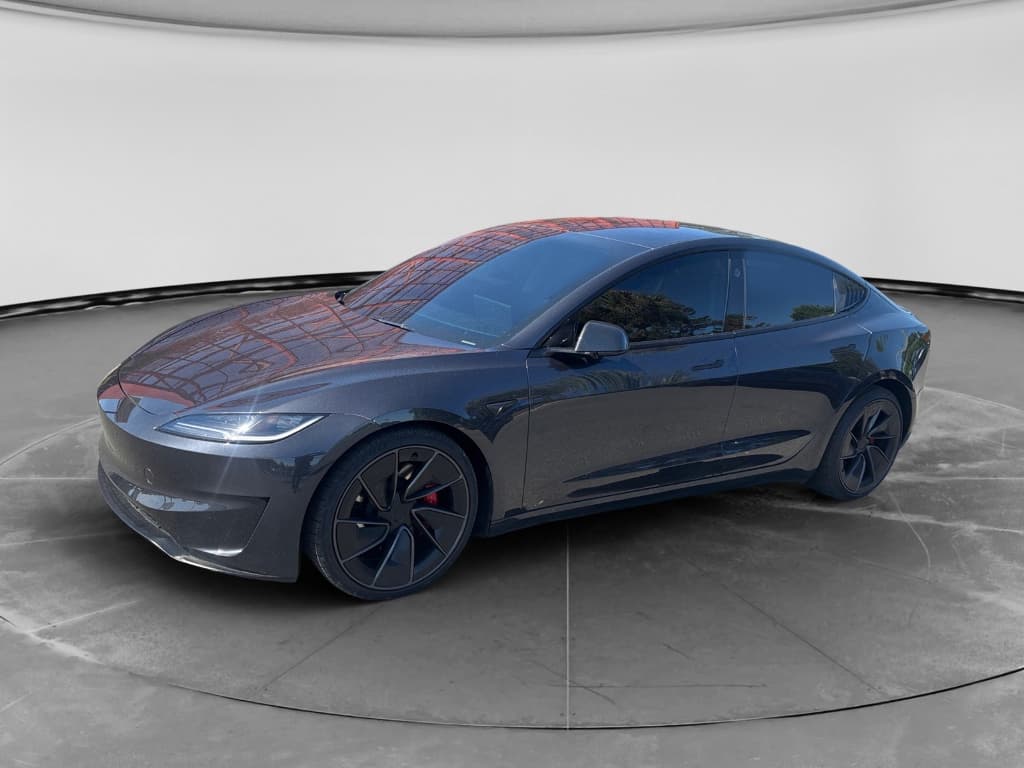
Instant EV torque can get a young driver into trouble. Favor trims with modest power over hot-rod variants; think “confident” rather than “drag race.”
4. Battery health transparency
Two identical EVs can have very different remaining battery health. A verified battery report, like the <strong>Recharged Score</strong>, beats guessing from mileage alone.
5. Simple, intuitive tech
Touchscreens and driver aids should be easy to understand. Overly complex interfaces and distracting gimmicks are not your friend during Year One of driving.
6. Affordable insurance and repairs
Some EVs cost more to insure based on repair complexity and parts pricing. Check insurance quotes by VIN before you fall in love.
Watch out for early compliance cars
Best used electric cars for first-time drivers
There’s no single “best used electric car for first-time drivers,” but a small group of models shows up again and again in safety data, battery health studies, and real-world owner reports. Below is a short list of standouts that balance value, safety, and everyday usability for U.S. buyers in 2026.
Top used EV picks for first-time drivers (2026)
Approximate U.S. used-market numbers as of early 2026. Actual pricing and range will vary by condition and climate.
| Model & Years | Typical Price Range | Real-World Range (mi) | Best For First-Time Drivers |
|---|---|---|---|
| Chevrolet Bolt EV (2019–2023) | $13,000–$20,000 | 200–240 | Budget-conscious commuters who want big range in a small footprint. |
| Kia Niro EV (2019–2022) | $16,000–$24,000 | 210–240 | Drivers who want a small crossover shape and more cargo room. |
| Hyundai Kona Electric (2019–2023) | $15,000–$22,000 | 200–240 | Urban drivers who want compact size with highway capability. |
| Nissan Leaf 40 kWh (2018–2022) | $9,000–$13,000 | 120–150 | Short-range city and suburban driving, tight budgets. |
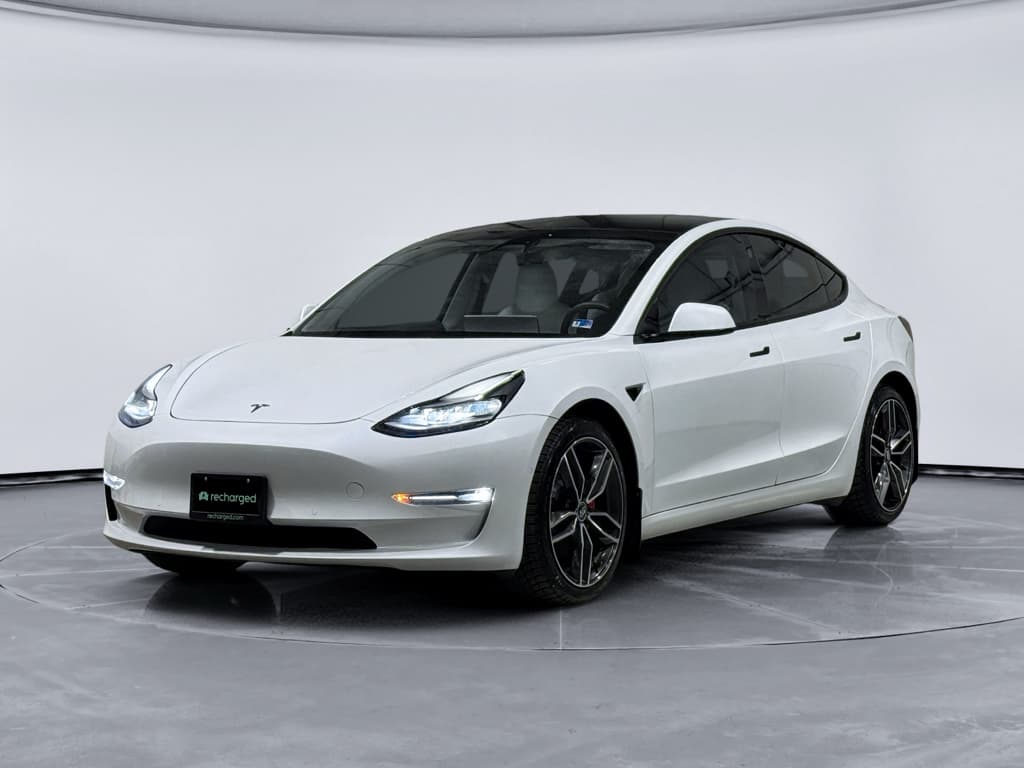
| Tesla Model 3 RWD (2018–2021) | $18,000–$26,000 | 200–260 | Tech-forward drivers, longer highway commutes, Supercharger access with NACS. |
| BMW i3 (2017–2019, 94–120 Ah) | $13,000–$19,000 | 90–130 (EV only) | Style-conscious city drivers, occasional freeway trips. Look for later, larger-battery cars. |
Focus on trims with full active-safety suites and, where possible, liquid-cooled batteries.
An easy short list
Chevrolet Bolt EV (2019–2023)
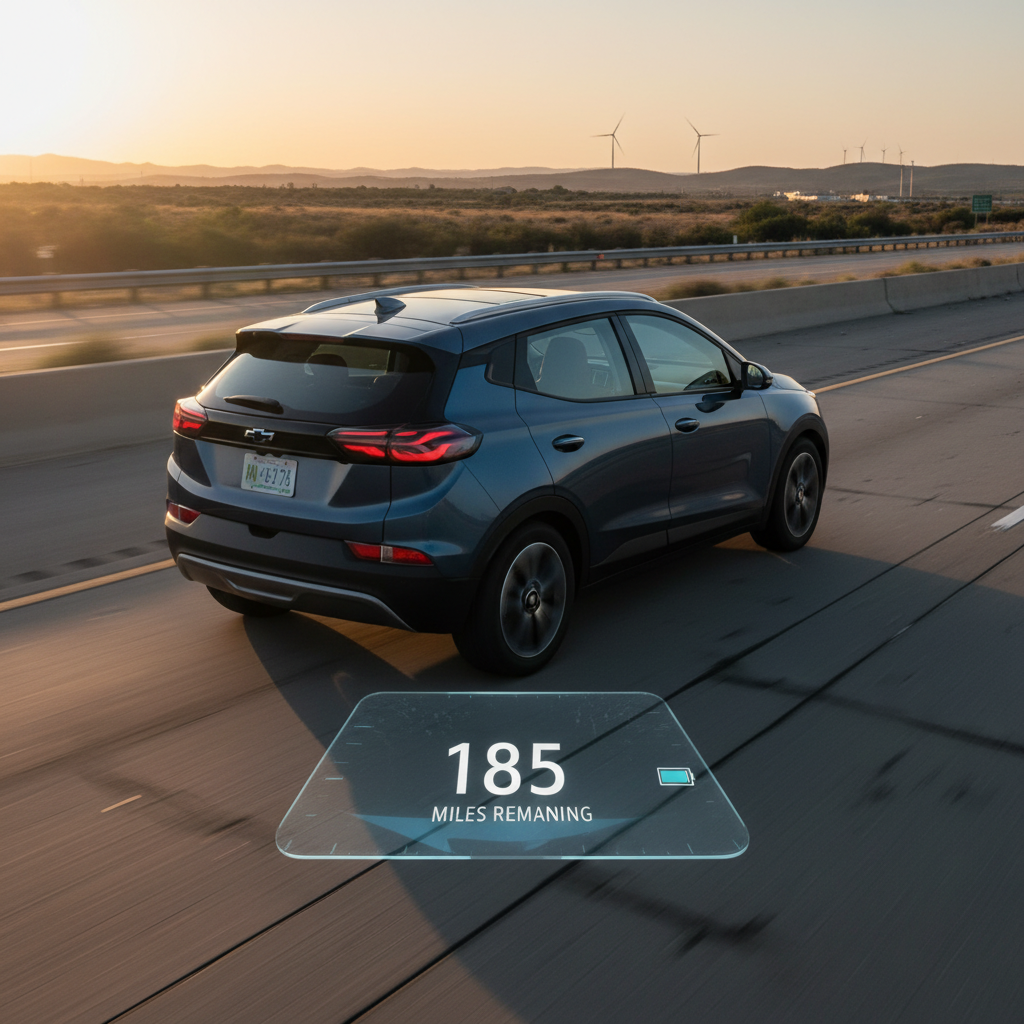
The Bolt EV is the Swiss Army knife of first-time EVs: compact on the outside, big on the inside, and capable of genuine road-trip range with around 200–240 miles in the real world when the battery is healthy.
- Pros: Excellent efficiency, strong battery durability when recalls are addressed, simple cabin, lots of safety tech from later years.
- Cons: Upright seating and firm ride can feel a bit busy on broken pavement; make sure recall battery work has been performed.
Kia Niro EV & Hyundai Kona Electric
These Korean cousins are terrific for new drivers: easy to place in traffic, gentle to drive, and surprisingly efficient. The Niro EV offers more cargo space and a "mini SUV" feel, while the Kona Electric feels like a classic small hatch.
- Pros: Strong DC fast-charging capability, good safety tech, well-tuned stability control that flatters inexperienced drivers.
- Cons: Earlier infotainment can feel a little dated; verify battery and high-voltage warranty terms by year.
Safest used electric cars for teen drivers
For a teen or very new driver, safety isn’t negotiable. You want a structure that has already proved itself in crash tests, plus electronic driver aids that work invisibly in the background. In practice, that means choosing from a handful of EVs where active safety was standard or commonly optioned and where repairability and parts availability are still strong.
Used EVs that shine for teen-driver safety
Prioritizing crash protection and driver-assistance tech
Kia Niro EV
Hyundai Kona Electric
Tesla Model 3 RWD
Don’t spec more speed than you need
Battery health and range: what beginners should know
Why you shouldn’t fear a used EV battery
Battery health is where a used EV becomes either a brilliant buy or a rolling anxiety machine. Two identical cars on paper can have wildly different usable range because of how they were charged, stored, and driven. That’s why you want data, not vibes.
- Prefer EVs with liquid-cooled batteries (Bolt EV, Kona Electric, Niro EV, Model 3) over early air-cooled designs if you live in very hot climates.
- Look for a battery health or state-of-health report based on real diagnostics, not just the dashboard guess at range.
- Remember that cold weather will temporarily shrink range. Build that into your expectations if the car will live through harsh winters.
- If your daily driving is under 40–50 miles, even a modest 120-mile real-world EV can work beautifully, as long as you can charge most nights.
Where Recharged comes in
Ownership costs, insurance and financing
The sticker price is just Act One. For a first-time driver, monthly costs, insurance, charging, maintenance, and financing, matter just as much. The encouraging part is that EVs tend to win on fuel and maintenance while sometimes costing a bit more to insure, depending on the model.
Where you’ll likely save
- Fuel: Charging at home is usually dramatically cheaper per mile than gasoline, especially on off-peak electric rates.
- Maintenance: No oil changes, fewer fluids, and minimal brake wear thanks to regenerative braking.
- Depreciation upside: Because early EVs already took a big value hit, you’re arriving after the steepest part of the curve.
Where costs can creep up
- Insurance: Some EVs cost more to insure because body repairs and electronics can be pricey. Get quotes by VIN before signing.
- Fast charging: Public DC fast charging can be more expensive than home charging. For a first-time driver, it should be the exception, not the rule.
- Financing: Loan terms and rates vary widely on used EVs. A slightly higher price on a safer car can still make sense if the payment fits your budget.
Financing a first EV with Recharged
How to test-drive and inspect a used EV
Gas-car instincts only get you halfway with a used EV. You still care about squeaks, rattles, and crash repairs, but you also need to interrogate batteries, software, and charging behavior. Use this short test-drive and inspection playbook for a first-time driver.
Test-drive steps for a first EV
1. Start with a cold car
Range estimates are most honest when the pack and cabin are cold. Check the estimated range at 80–100% charge and compare it to the original EPA rating for a rough sanity check.
2. Try full-throttle safely once
On a clear, straight road, briefly floor the accelerator. You’re not doing this for fun, you’re feeling for any hesitation, warning lights, or strange noises from the drivetrain.
3. Test regenerative braking modes
Cycle through the different regen levels. A first-time driver will usually be happiest with a middle setting or gentle one-pedal driving that feels natural, not grabby.
4. Use all the driver aids
Engage lane-keep assist, adaptive cruise, and parking sensors if equipped. Make sure they behave predictably and don’t feel overly intrusive to the new driver.
5. Check charging behavior
If possible, plug into a Level 2 charger and confirm the car charges normally, without error messages. Ask for a recent fast-charging session receipt or app screenshot if available.
6. Review software and apps
Make sure the EV’s smartphone app and on-board navigation work properly. A glitchy system is extra mental overhead a first-time driver doesn’t need.
Don’t skip a professional inspection
How Recharged makes first-time EV ownership easier
If this is your first car, or your first EV, it helps to have someone in your corner who has already seen the movie. Recharged was built around used electric vehicles, not gas cars with a battery option, so the entire experience is tuned to the questions you actually have.
Why first-time drivers like shopping used EVs with Recharged
Less guessing, more transparency
Recharged Score battery report
Digital-first, human-backed
Nationwide delivery
Financing, trade-ins & consignment
Ready to find your next EV?
Browse VehiclesFAQ: Picking your first used electric car
Frequently asked questions about first-time EVs
Bottom line: Which used EV is best for your first car?
The best used electric car for a first-time driver isn’t the one with the flashiest screen or the longest spec-sheet range. It’s the one that shrinks the learning curve: calm to drive, predictable in bad weather, honest about range, and forgiving when a new driver inevitably makes a mistake.
If you want simple, affordable, and easy to live with, start your search with a Chevy Bolt EV, Kia Niro EV, Hyundai Kona Electric, or Nissan Leaf 40 kWh. If you value tech and plan lots of highway miles, a Tesla Model 3 RWD rises to the top of the list, as long as you resist the temptation to overbuy on performance.
Whichever way you lean, don’t shop in the dark. Use verified battery data, real-world range expectations, and safety scores as your compass. And if you’d rather have an expert in the passenger seat for the whole journey, Recharged is built to walk first-time EV drivers and their families from research to keys with as few surprises as possible.