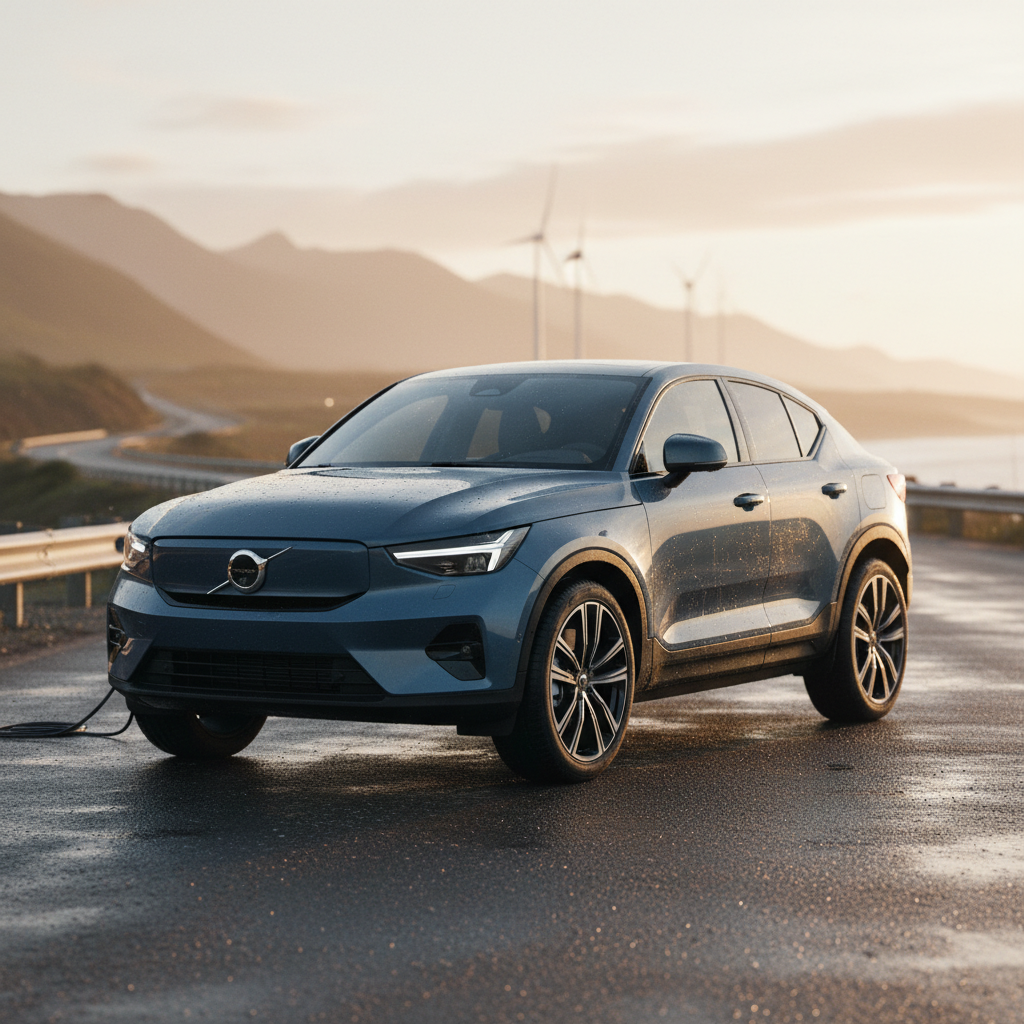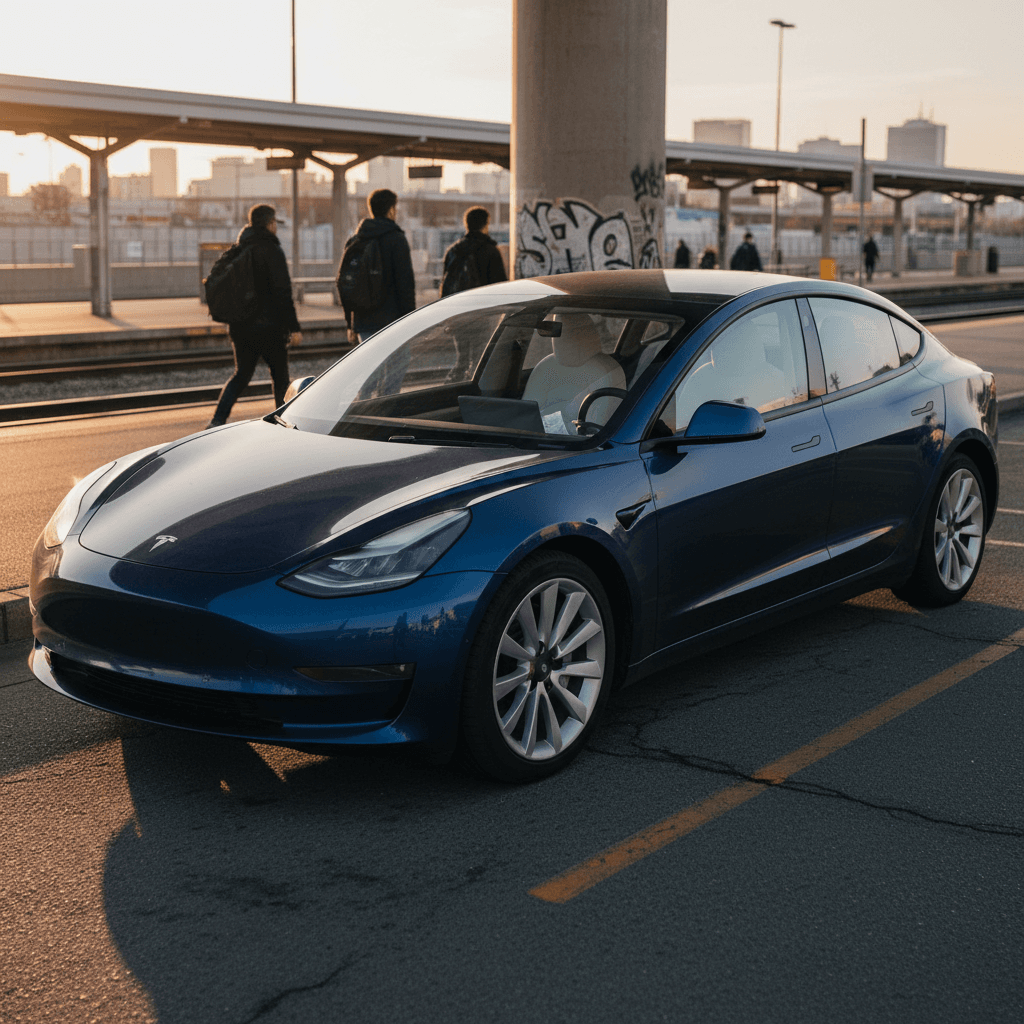
If you spend a lot of time in traffic, the best used electric car for commuters can cut your fuel bills to pennies per mile, slash maintenance, and make the daily grind a lot less noisy. The sweet spot in 2025–2026 is that many efficient EVs have already taken their steepest depreciation hit, if you choose carefully, a used EV can be the lowest-cost way to commute you’ll find.
Used EVs are now a commuter bargain
Why used EVs make great commuter cars
Commuting with a used EV by the numbers
For commuting, you don’t need a 400‑mile luxury EV. You need a car that starts every morning, handles your round trip with margin, and keeps costs predictable. Used EVs excel here: electricity is stable compared with gas prices, there’s no idling in traffic, and one‑pedal driving makes stop‑and‑go far less stressful.
- Lower fuel cost per mile than almost any gas or hybrid car, especially if you charge at home off‑peak.
- Less maintenance: no oil changes and fewer fluids, and brake wear is reduced by regenerative braking.
- Preconditioning and heated seats make cold starts more comfortable without idling in the driveway.
- Many models now sell used for a fraction of their original MSRP, yet still have years of battery warranty left.
Think “total monthly cost,” not just purchase price
Step 1: Define your commute before picking a used EV
Short-hop city commuter (under 40 miles/day)
If you mainly do school runs, errands, and a short office trip, you can comfortably drive an older, lower‑range EV and save serious money.
- Realistic minimum range: 100–130 miles
- Best fits: early Nissan Leaf, BMW i3, Fiat 500e, Chevy Spark EV (where available)
- Key priority: battery health more than total range on paper
Suburban or regional commuter (40–90 miles/day)
Here you want more buffer for detours, weather, and occasional longer days.
- Realistic minimum range: 180–220 miles
- Best fits: Chevy Bolt EV/EUV, Hyundai Kona Electric, Kia Niro EV, Tesla Model 3
- Key priority: comfortable seats, driver aids, and DC fast‑charge access for trips
Don’t buy the range you use, buy the range you need on a bad day
Best used EVs for budget commuters
If you’re mainly chasing the lowest possible commuting cost, a handful of models stand out because they combine low purchase price with reasonable range and proven reliability. These are the cars that show up again and again in used‑EV deal analyses and value‑for‑money surveys.
Top budget used EVs for commuting
Approximate price ranges and realistic ranges as of early 2026 in the U.S. market. Actual pricing will vary by mileage, trim, and region.
| Model & years | Typical used price | Realistic range (mi) | Best for |
|---|---|---|---|
| Chevrolet Bolt EV (2017–2021) | $12,000–$18,000 | 210–240 | Best overall cheap commuter: efficient, roomy for size, 50 kW DC fast charge. |
| Chevrolet Bolt EUV (2022–2023) | $16,000–$22,000 | 210–240 | Same efficiency with more rear legroom and available Super Cruise. |
| Nissan Leaf Plus (2019–2022) | $10,000–$17,000 | 160–200 | Affordable, simple to drive; great if CHAdeMO fast charging still works in your area. |
| Standard Nissan Leaf (2016–2018) | $7,000–$11,000 | 80–110 | Short‑range city commuter where you can charge at home every night. |
| Fiat 500e / BMW i3 (where available) | $9,000–$16,000 | 80–120 | Fun, compact city cars for short, dense commutes and easy parking. |
For most urban commuters, these models offer the cheapest path into electric commuting, if the battery checks out.
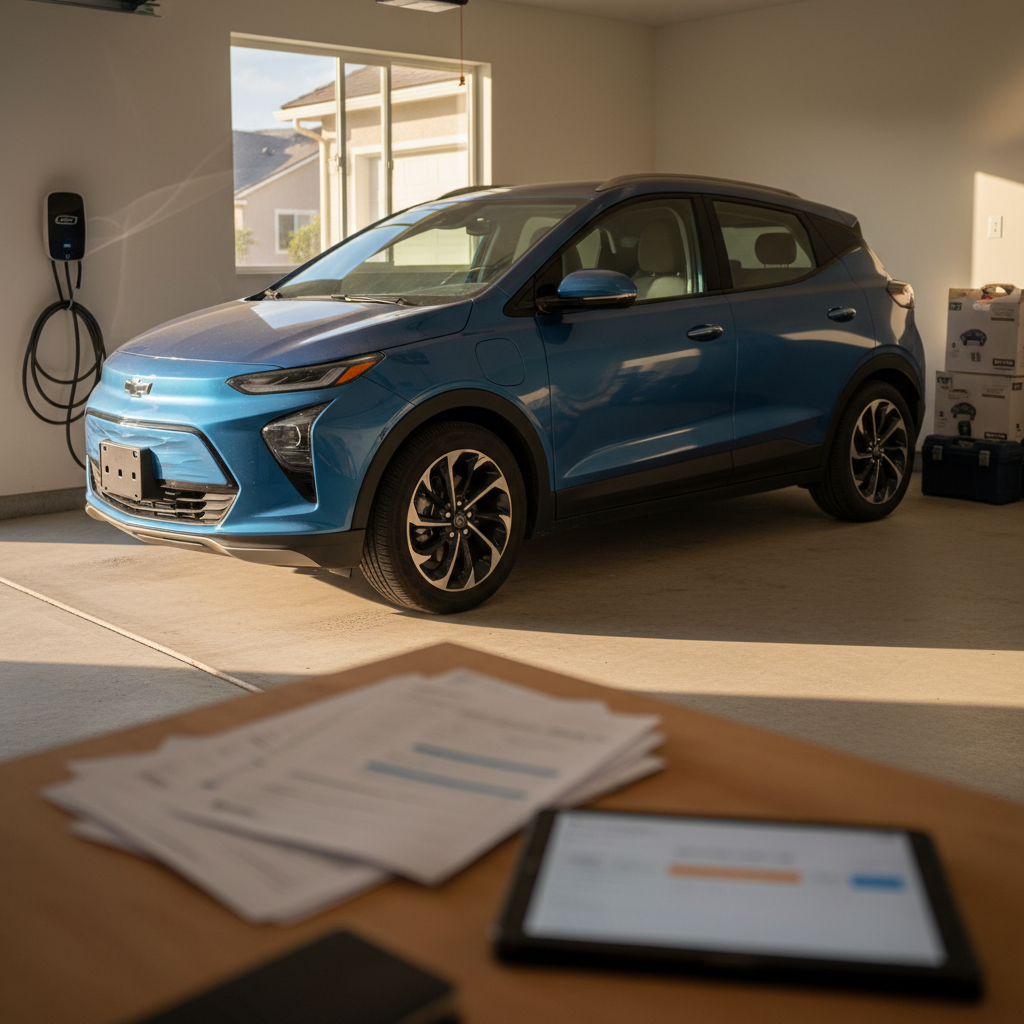
Best value pick: Chevy Bolt EV/EUV
Best all-around used EVs for longer commutes
If your commute pushes toward the high end, say 60–90 miles a day, or you often tack on after‑work activities, you’ll appreciate more range and creature comforts. Here, compact crossovers and sedans with 230–300 miles of EPA range shine on the used market.
Top used EVs for 60–90 mile daily commutes
Models that balance range, comfort, and price for serious commuters
Hyundai Kona Electric (2019–2022)
One of the most efficient EVs you can buy used, with EPA range around 258 miles and real‑world reports that often exceed that in mixed commuting.
- Compact crossover feel; easy to park.
- Excellent efficiency keeps electricity bills low.
- Often still under factory battery warranty.
Kia Niro EV (2019–2022)
A top choice in many “best used EV” rankings because it does everything well: range, ride quality, cargo space, and efficiency.
- Realistic range: about 230–250 miles.
- Comfortable for longer highway stretches.
- Boxier cargo area works well for gear and groceries.
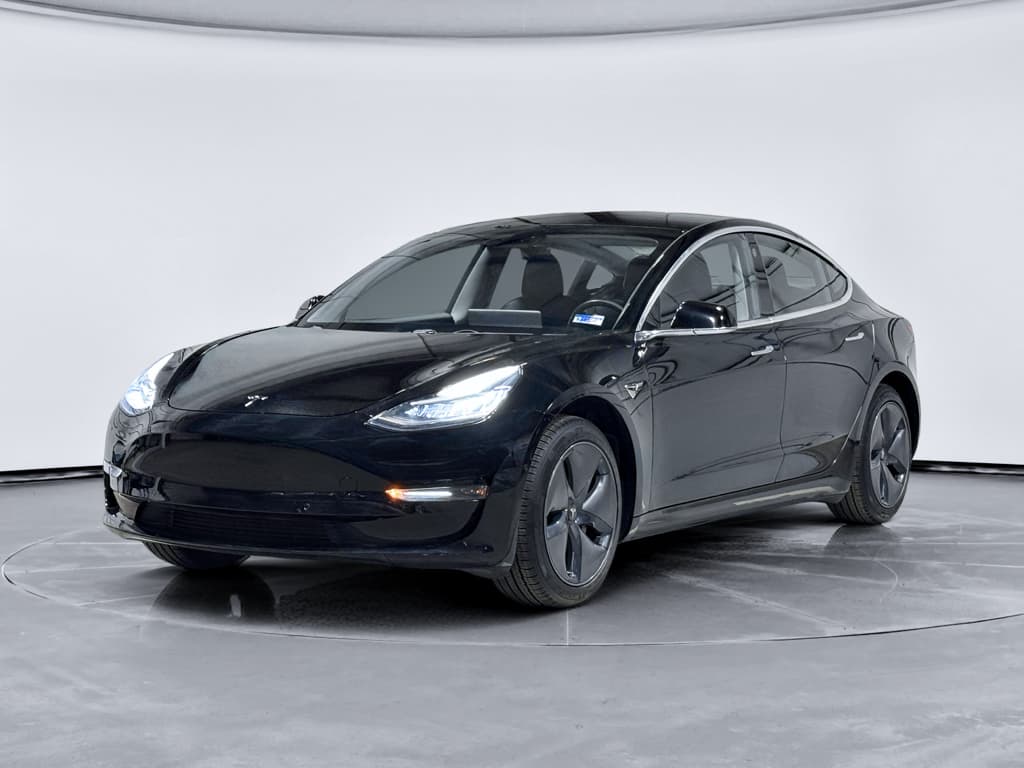
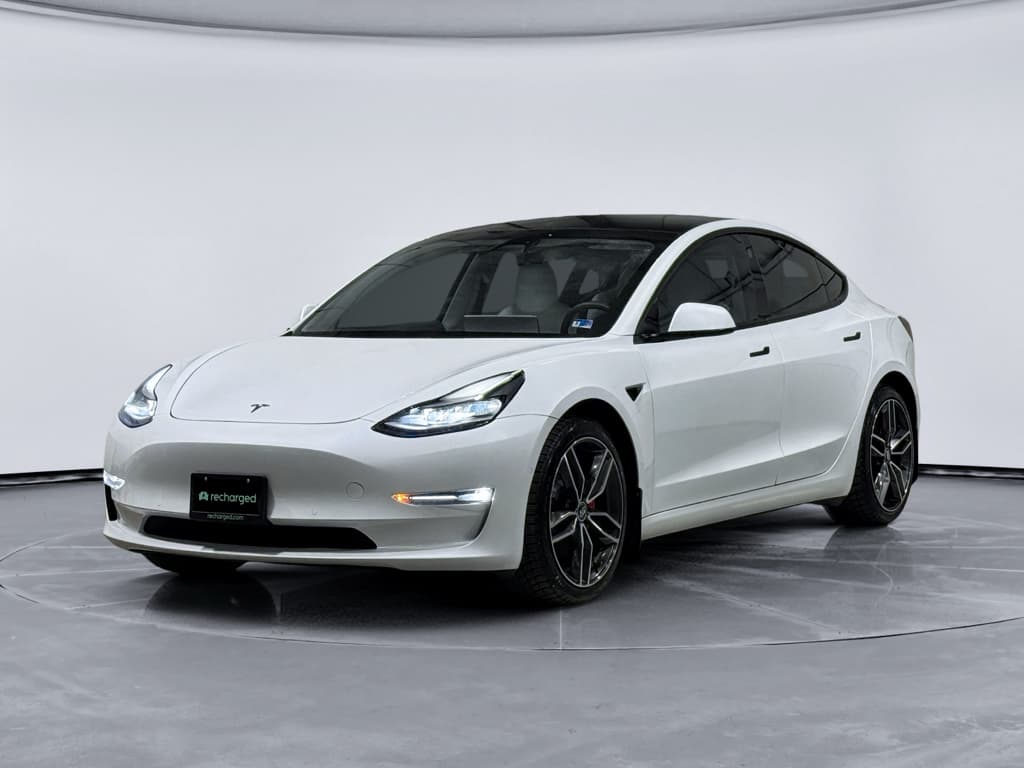
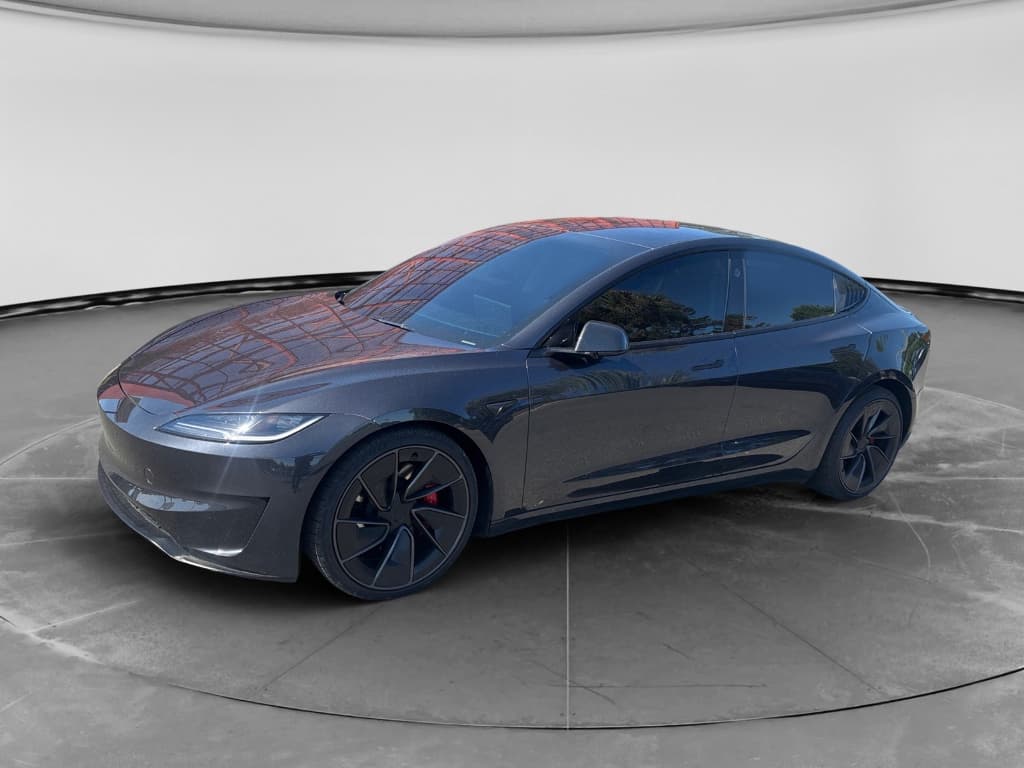
Tesla Model 3 RWD / Long Range (2018–2022)
On the used market, the Model 3 has become a mainstream commuter: strong range, robust fast‑charging access, and over‑the‑air updates.
- Realistic range: roughly 220–300+ miles depending on trim and age.
- Excellent Supercharger access for occasional road trips.
- Autopilot driver‑assist can ease long highway slogs.
Watch for software and trim differences on used Teslas
Crossovers and SUVs for family commuters
If your “commute car” also handles daycare drop‑offs, weekend Costco runs, and family road trips, a slightly larger EV can still make financial sense. Many early‑generation electric crossovers have dropped sharply in price but remain comfortable, quiet, and practical.
Used crossovers and SUVs that work as family commuters
These options suit drivers who combine daily commuting with kid duty and highway travel.
| Model & years | Typical used price | Realistic range (mi) | Best for |
|---|---|---|---|
| Kia Niro EV (2019–2022) | $16,000–$24,000 | 230–250 | One‑car households that need efficiency plus hatchback practicality. |
| Hyundai Kona Electric (2019–2022) | $18,000–$26,000 | 240–270 | Commuters who want small‑SUV seating height with compact‑car running costs. |
| Volkswagen ID.4 (2021–2023) | $22,000–$30,000 | 210–240 | Roomy, comfortable crossover for families with moderate commutes. |
| Audi e‑tron (2019–2022) | $28,000–$38,000 | 180–210 | Luxury feel and quiet cabin; better for shorter daily drives and frequent home charging. |
Expect to pay more than for a Bolt or Leaf, but you gain space, ride height, and often all‑wheel drive.
Big, heavy EVs can be overkill for pure commuting
Key specs that actually matter for commuting
4 specs that should drive your commuter EV choice
Look past the marketing, these numbers tell you how the car will feel every day
1. Realistic range, not just EPA number
EPA range is a good starting point, but real‑world commuting includes HVAC use, cold mornings, and higher highway speeds.
- For short commutes under 40 miles/day, aim for at least 120 real miles.
- For 40–90 miles/day, aim for 180–230+ real miles.
- Look for owner reports or independent tests that match your climate and driving style.
2. Efficiency (mi/kWh)
Two EVs with the same battery size can have very different costs per mile. Efficient compacts like the Kona Electric regularly show 4+ mi/kWh in testing, while bigger SUVs may sit closer to 2.5–3 mi/kWh.
Over thousands of commuting miles, that difference really shows up on your utility bill.
3. Comfort and noise
A car that’s merely “OK” for 15 minutes might be annoying for 90 minutes a day. When you test‑drive:
- Check seat support and driving position.
- Listen for wind and tire noise at 65–70 mph.
- Try adaptive cruise and lane‑keeping in traffic if equipped.
4. Charging speed and connector
For pure commuting, home Level 2 charging (240V) is the real game changer. But DC fast‑charging matters if you’ll road trip.
- Confirm whether the car uses CCS, CHAdeMO, or NACS in your region.
- Older Leafs with CHAdeMO can be fine for commuting but less future‑proof for long trips.
- Faster DC rates (like 100–150 kW) mostly help on road‑trip days, not day‑to‑day commuting.
Battery health and warranty: what commuters must check
For a commuter EV, battery health is everything. Most modern packs hold up well, but range loss over time is real. The good news: you can verify a lot before you buy, and you should.
Battery checks before you buy a used commuter EV
1. Get an objective battery health report
Ask for a recent battery health report from the seller. At Recharged, every vehicle includes a <strong>Recharged Score Report</strong> with verified battery diagnostics so you know how much real‑world range to expect on your commute.
2. Confirm remaining battery warranty
Many EVs carry 8‑year/100,000‑mile (or more) battery warranties from new. Check the in‑service date and mileage to see how much protection you have left, and whether any prior battery work has been done under warranty.
3. Compare displayed range to EPA when fully charged
On a test drive or inspection, charge the car close to 100% and compare the indicated range to the original EPA figure. Some drop is normal, but a huge gap can signal heavy degradation or a calibration issue that needs investigation.
4. Look for fast-charging throttling or heat issues
For commuters who occasionally road‑trip, ask whether the car’s DC fast‑charging speeds have changed over time or if it limits power after multiple sessions. This matters less for daily charging, but it hints at pack health and thermal management.
5. Inspect charging history and usage patterns
If possible, ask how the previous owner charged: mostly DC fast charging or home Level 2. A car that lived mostly on gentle home charging typically shows healthier long‑term behavior than one fast‑charged daily.
Red flag: No battery data, no deal
Charging strategy for commuters: home, work, and public
A great commuter EV paired with a bad charging situation will feel like the wrong car. Before you shop, sketch out where the electrons will come from and how often you’ll plug in.
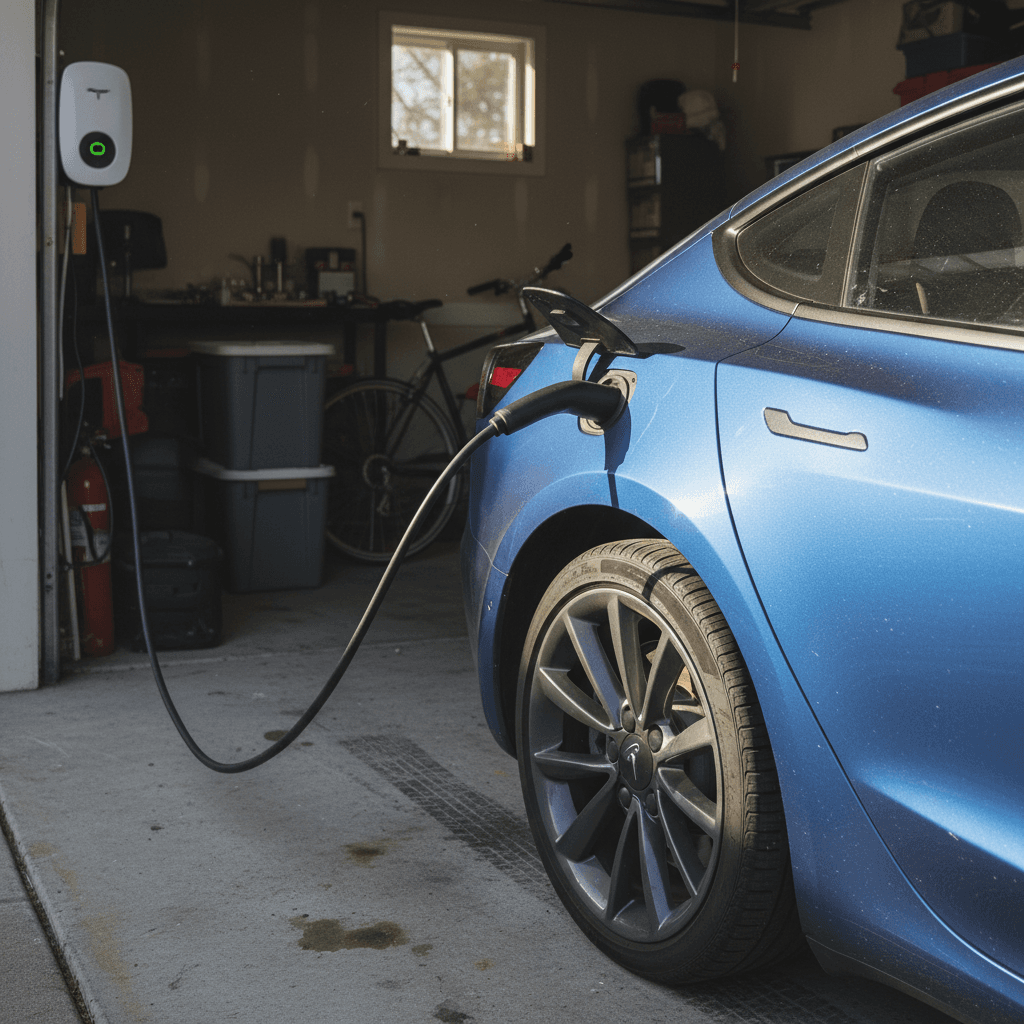
1. Home Level 2 (ideal)
For most commuters, a 240V Level 2 charger at home is the gold standard.
- Refills 25–35 miles of range per hour on many EVs.
- Overnight, even a low‑range EV wakes up 100% every morning.
- Time‑of‑use rates can cut charging costs further.
If you own and park off‑street, installing a Level 2 charger usually pays back quickly in convenience.
2. Workplace charging
If your employer offers free or low‑cost charging, it can change what “works” as a commuter.
- Commute twice your car’s comfortable round‑trip range by topping up at work.
- Even Level 1 (120V) at work can add 30–40 miles over an 8‑hour day.
- Confirms that lower‑range EVs like early Leafs or BMW i3s stay viable longer.
3. Public-only charging
It’s possible, but you need to be honest with yourself.
- Relying on public DC fast charging for daily commuting can be inconvenient and more expensive.
- Better if you can combine errands with Level 2 at grocery stores or gyms.
- In this scenario, favor EVs with fast, reliable DC charging and common connector standards.
Match the car to the charging, not the other way around
How to shop smart for a used commuter EV
Step-by-step roadmap to your ideal commuter EV
1. Map your real commute
Use a week or two of driving to log your actual mileage, including detours and errands. Take the biggest day and multiply by at least 2 to set your target real‑world range.
2. Set a total monthly budget
Decide what you can afford monthly including payment, insurance, and anticipated charging. Compare that to your current gas and maintenance spend so you know how much room you have.
3. Shortlist 3–5 models by use case
Pair your commute and family needs to categories: <strong>short‑range city EV</strong> (Leaf, i3), <strong>budget long‑range hatch</strong> (Bolt), <strong>compact crossover</strong> (Kona, Niro), or <strong>sedan with road‑trip chops</strong> (Model 3).
4. Research common issues by model year
Every EV family has quirks: infotainment bugs, early‑build quirks, or charging‑port preferences. Read owner forums, recall databases, and used‑EV guides so nothing surprises you after purchase.
5. Demand battery and pricing transparency
Ask for a battery report, clear accident history, and a breakdown of how the dealer priced the car vs. market averages. At Recharged, every car includes a <strong>Recharged Score</strong> with battery health and fair‑market value so you can see whether a commuter EV is truly a deal.
6. Test the car the way you’ll actually use it
On a test drive, run your normal commute route if possible. Use highway speeds, local traffic, HVAC, and your typical driving style. Watch how quickly the range estimate drops relative to miles driven.
How Recharged can simplify the process
Ready to find your next EV?
Browse VehiclesFAQ: best used electric car for commuters
Frequently asked questions about used commuter EVs
Bottom line: which used EV commuter is best for you?
There’s no single “best used electric car for commuters,” but there is a clear pattern. If you want the cheapest path to electric commuting, short‑range city cars and older Leafs shine, assuming great battery health and home charging. If you need longer‑range suburban flexibility, the Chevy Bolt EV/EUV, Hyundai Kona Electric, Kia Niro EV, and Tesla Model 3 are the workhorses most likely to fit your life and your budget.
Start with your commute math, then pick a segment, budget hatch, practical crossover, or sedan, and focus on battery reports and charging fit. If you’d rather skip the detective work, Recharged can help you compare used EVs side‑by‑side, see verified battery data through the Recharged Score Report, arrange financing or trade‑in, and deliver your next commuter right to your driveway. A quieter, cheaper, and cleaner daily drive is closer than you think.