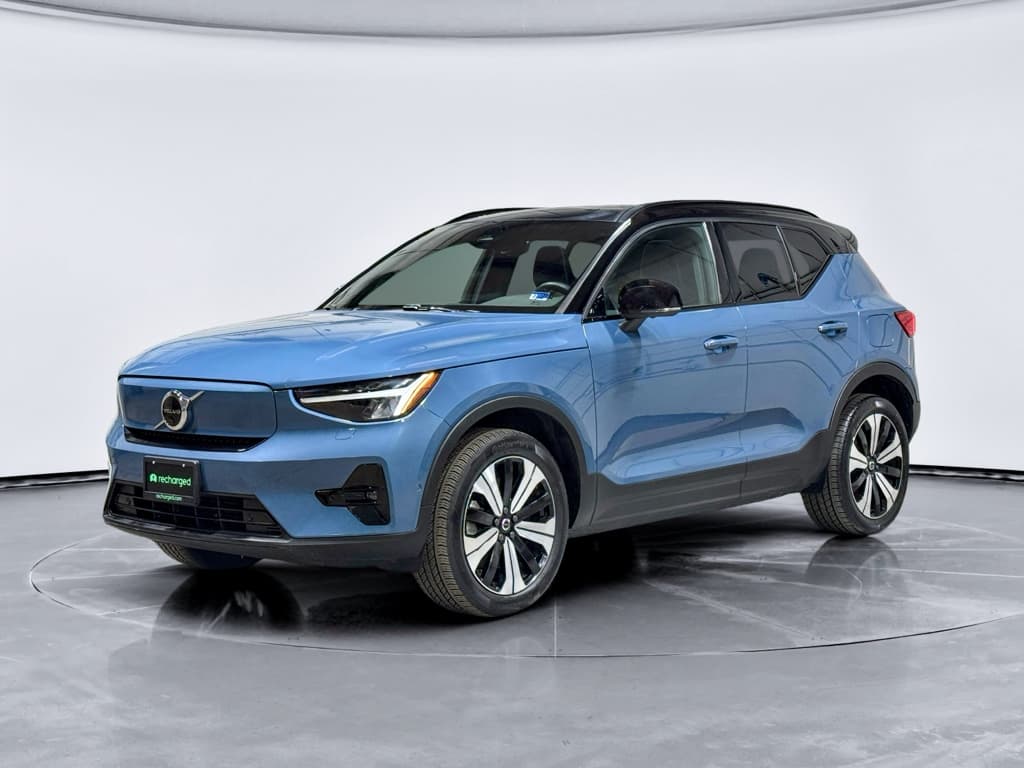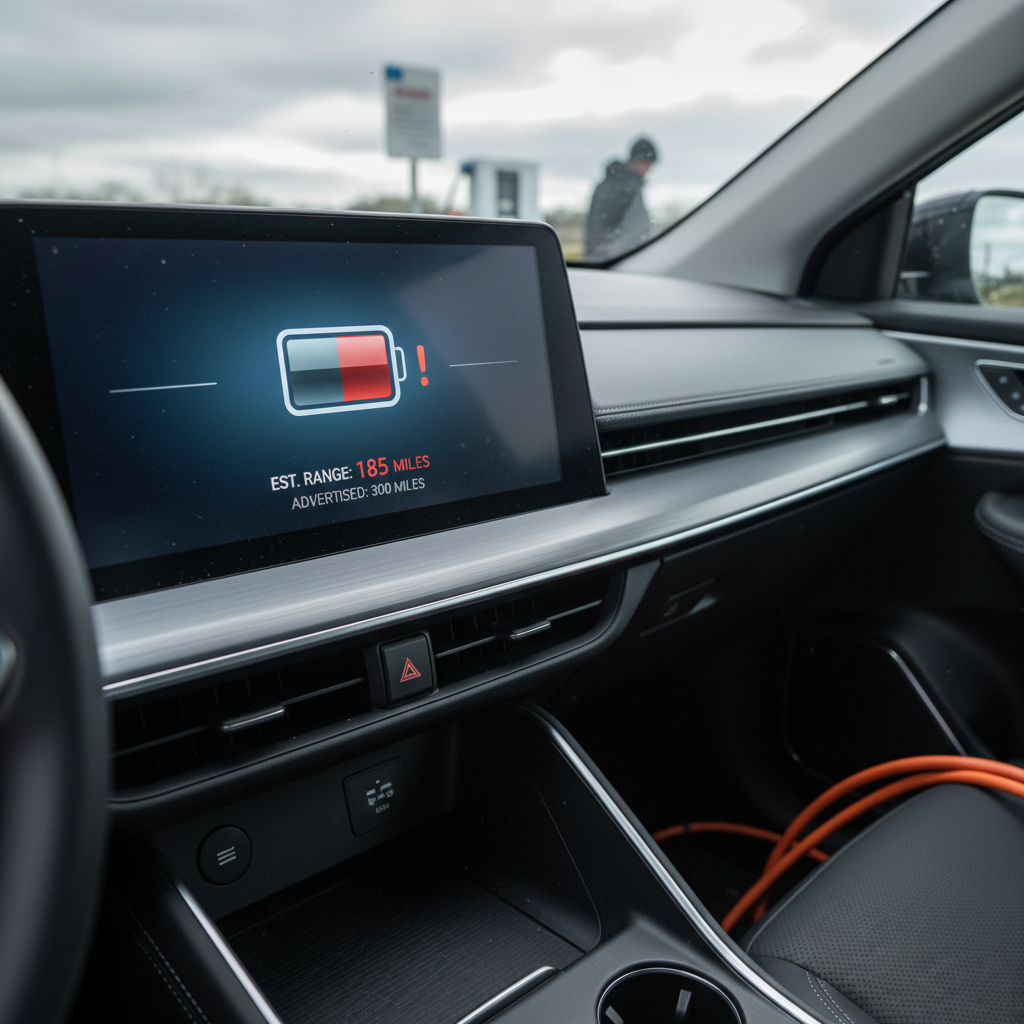
If the sleek, coupe-style Volvo C40 Recharge is on your shortlist, a structured buying checklist will save you time, stress, and money. Whether you’re comparing new inventory or shopping the used market, this Volvo C40 Recharge buying checklist walks you step by step through trims, range, charging, battery health, options, and red flags, so you can buy confidently, not hopefully.
Quick take on the Volvo C40 Recharge
Step 1: Clarify how you’ll use your Volvo C40 Recharge
Before you dive into specs, get clear on what problem you want a C40 Recharge to solve. That decision will drive which battery, drivetrain, and options actually matter, and which are just expensive temptations.
Match the C40 Recharge to your real-world use
Your use case should guide trim, range, and feature choices
Daily commuter & city driver
If you mostly run local errands and commute under 50–60 miles a day, any C40 Recharge trim is likely sufficient on range.
- Prioritize comfort, driver-assist tech, and visibility.
- Single‑motor RWD trims can be ideal: more efficient and generally less expensive.
Weekend road‑tripper
If you regularly drive 150–250 miles in a day, range and fast‑charge speed move to the top of your list.
- Look for newer RWD or Extended Range trims with the larger usable battery and ~10–80% DC charge in ~25–30 minutes when conditions are ideal.
- Confirm CCS fast‑charging stations on your typical routes.
Household second car
If the C40 will share duty with a gas car, you get more flexibility.
- Shorter‑range AWD versions may still work fine.
- In this case, focus on pricing, condition, and battery health over maximum range.
Pro tip: Start with your longest regular trip
Step 2: Pick the right C40 Recharge trim, range, and performance
The C40 Recharge lineup has evolved quickly. Early U.S. models launched with dual‑motor all‑wheel drive only; later years added single‑motor rear‑wheel‑drive and larger battery options that significantly increased range and charging performance. When you’re shopping, always confirm the exact model year and trim, those details matter more than on many gas SUVs.
Volvo C40 Recharge fast facts
Key Volvo C40 Recharge specs at a glance
Representative Volvo C40 Recharge configurations (U.S. market)
Exact specs vary slightly by model year and trim, but this gives you a realistic comparison framework as you shop.
| Config | Drivetrain | Usable Battery (kWh) | EPA Range (mi) | Peak DC Fast Charge | 0–60 mph (sec) |
|---|---|---|---|---|---|
| Single‑Motor RWD (recent years) | RWD | ~79 | Up to ~297 | Up to ~200 kW | ~6.9 |
| Single‑Motor Extended Range* | RWD | ~79 | Mid‑ to high‑200s | Up to ~200 kW | ~7.3 |
| Twin‑Motor AWD | AWD | ~75–79 | ~226–260+ | Up to ~150–200 kW | ~4.6–4.7 |
Always confirm specs for the specific VIN you’re considering; online listings are often wrong or incomplete.
Don’t shop by badge alone
- Model year
- Single vs. twin motor
- EPA range shown on the window sticker or Volvo’s site
- Battery size and maximum DC charge rate
Trim & spec checklist for your C40 Recharge
1. Confirm model year and drivetrain
Is it an earlier dual‑motor AWD car or a newer single‑motor RWD configuration? Ask the seller for the original window sticker or build sheet, or use the VIN to decode it.
2. Validate EPA range for that exact trim
Don’t rely on generic advertising. Look up the range for the exact year, battery, and drivetrain. Compare that against your real‑world driving needs with a 20–30% buffer.
3. Check battery size and charge speed
Ask for the battery kWh rating and maximum DC fast‑charge rate. Newer C40s with up to ~82 kWh packs and 200 kW peak DC charging are more road‑trip friendly.
4. Decide if AWD is worth the tradeoffs
Twin‑motor AWD adds traction and acceleration but usually sacrifices a chunk of range and costs more to buy. If you don’t truly need AWD, a single‑motor RWD may be the smarter choice.
Step 3: Evaluate battery health and charging fit
In any used EV, and especially a relatively premium one like the C40 Recharge, battery health and charging compatibility are where the biggest surprises hide. The good news: Volvo’s battery packs have robust thermal management and an 8‑year/100,000‑mile battery warranty on new cars, and most used examples are still well within that window. Still, you want data, not guesses.
Battery health questions to ask
- Current battery State of Health (SoH): What percentage of original capacity remains?
- Fast‑charging history: Has the car been DC‑fast‑charged constantly, or mostly AC home charged?
- Climate exposure: Did it live in very hot or very cold regions? Extreme heat can accelerate degradation.
- Warranty status: Is the high‑voltage battery still under Volvo’s 8‑year/100,000‑mile warranty based on the in‑service date?
Charging fit with your life
- Home charging: Do you have (or can you add) a 240‑volt outlet or wallbox to take advantage of the C40’s ~11 kW onboard charger?
- Connector type: U.S. C40 Recharge models currently use the CCS1 connector for DC fast charging, confirm that matches the networks you’ll use.
- Charge curve expectations: Peak numbers like 150–200 kW are helpful, but what matters is how quickly it charges from 10–80% in real‑world conditions.
How Recharged handles battery health
Charging & battery checklist for your C40 Recharge
1. Get a recent battery health report
Ask the seller for a recent battery diagnostic or SoH reading. If they can’t provide one, plan on getting an independent test, or look for a vehicle (or marketplace) that already includes this data.
2. Match range to your winter reality
At highway speeds in cold weather, practical range can drop significantly versus the EPA number. If you live in a cold climate, build in extra margin when choosing a trim.
3. Confirm DC fast‑charging behavior
On a thorough test drive, charge at a DC fast charger from ~20% and watch the charging curve. It should ramp up quickly and hold respectable speeds instead of dropping off immediately.
4. Plan your home charging setup
Ask your electrician about installing a 240‑volt circuit (often 40–60 amps) near your parking spot. The C40’s 11 kW Level 2 capability can comfortably refill the pack overnight if your wiring supports it.
Step 4: Tech, safety, and comfort features to verify
One of the C40 Recharge’s biggest strengths is its tech, safety, and design. But not every car on the lot has the same package content, and over‑the‑air updates can create differences even among seemingly identical vehicles. Take a systematic approach so you don’t discover a missing feature after you’ve signed.
Core feature areas to check on a C40 Recharge
Make sure the car you’re buying actually has, and still supports, the tech you care about.
Safety & driver assistance
- Adaptive cruise control & Pilot Assist (lane centering)
- Automatic emergency braking & blind‑spot monitoring
- 360º camera or at least rear camera with parking sensors
- Recent safety recalls or campaigns fully addressed
Infotainment & connectivity
- Google‑based infotainment functioning correctly
- Smartphone integration (Apple CarPlay availability by year)
- EV routing and charging‑station search working
- All software updates applied; no lingering error messages
Comfort & practicality
- Seat comfort and adjustability for your body size
- Rear headroom and legroom, especially with the sloping roof
- Cargo space with rear seats up and down
- Panoramic roof shades and heat load in sunny climates
Bring a feature checklist on your phone
Step 5: Used Volvo C40 Recharge inspection checklist
If you’re buying used, and especially if you’re buying from a non‑Volvo dealer or a private seller, you need to look beyond shiny paint and a full detail. EVs wear differently than gas cars; you’re less likely to worry about oil leaks and more likely to care about software, charging hardware, and battery health.
Physical & digital inspection checklist for a used C40 Recharge
1. Exterior, wheels, and tires
Check for mismatched paint, panel gaps, or obvious body repairs that might indicate an accident. Inspect wheels for curb rash and tires for uneven wear; replace‑soon tires can add $800+ to your real cost.
2. Interior wear and water intrusion
Look for unusual seat wear for the mileage, damaged trim, or any sign of water leaks around the panoramic roof or rear hatch. Moisture and electronics don’t mix well in an EV.
3. Charging equipment and port
Confirm the car comes with the correct charge cable, and test it on a Level 2 source if possible. Inspect the CCS port for bent pins or corrosion, and verify the charge port door opens and closes smoothly.
4. Software, profiles, and keys
Verify you get all available physical keys. Make sure you can add your driver profile, connect the car to the Volvo app, and that there are no lingering alerts about connectivity, OTA updates, or security.
5. Recall and campaign status
Ask for a Volvo dealer printout (or screenshot) showing all open recalls and software campaigns addressed, particularly important given recent software‑related brake and regenerative‑braking advisories on some Volvo EVs. Make sure anything applicable to that VIN has been completed.
6. Independent EV‑focused inspection
If you’re new to EVs, consider an inspection from a shop that routinely works on electrics. They can spot subtle issues with high‑voltage components, cooling systems, or charge behavior you might miss.
Safety first: software and braking campaigns
Step 6: Understand total cost, warranty, and resale
Sticker price is just the opening bid. A C40 Recharge’s true cost of ownership includes home charging setup, insurance, potential software subscription costs, tires, and eventual resale value. The upside: EVs typically have lower routine maintenance costs than comparable gas SUVs, and Volvo’s warranty coverage is competitive.
Warranty coverage to confirm
- New‑car limited warranty: Typically 4 years/50,000 miles on most Volvo models; confirm in the owner’s literature for the specific year.
- Battery & high‑voltage components: Commonly 8 years/100,000 miles from original in‑service date.
- Complimentary maintenance: Many Volvos include 3 years/36,000 miles of scheduled maintenance when new, ask if it transfers on a CPO or lightly used car.
- Extended coverage: If buying from a dealer, evaluate extended plans carefully; prioritize ones that explicitly cover EV‑specific components and electronics.
Budgeting for real‑world running costs
- Home charging: Level 2 installation can run from a few hundred dollars upward, depending on electrical work required.
- Insurance: Get quotes using the exact VIN; EV repairs and advanced safety tech can influence premiums.
- Tires: The C40’s instant torque and weight can shorten tire life compared with a gas compact SUV, budget accordingly.
- Depreciation & resale: Well‑documented battery health, clean history, and up‑to‑date software/recalls meaningfully support resale value.
How Recharged simplifies the money side
Ready to find your next EV?
Browse VehiclesStep 7: Test-drive checklist and common red flags
Your test drive is where you validate everything you’ve learned on paper. Because EVs feel so smooth, it’s easy to gloss over subtle issues; use a checklist so you come away with more than “it felt quick.”
On‑road test checklist for a Volvo C40 Recharge
1. Low‑speed smoothness
At parking‑lot speeds, listen for clunks, squeaks, or groans from the suspension. Lightly apply the brakes to feel for pulsation, grinding, or inconsistent pedal feel.
2. One‑pedal and regenerative braking behavior
Enable strong regen or one‑pedal mode (if equipped) and test it at various speeds. The transition between regen and friction brakes should feel predictable, with no sudden changes or warning lights.
3. Highway stability and noise
At 65–75 mph, the C40 should track straight with minimal steering correction and realistic wind/road noise for a compact SUV. Excessive wind roar around the frameless doors or panoramic roof can get old fast.
4. Real‑world efficiency snapshot
Reset the trip computer at the start of the drive and check energy consumption (kWh/100 mi or mi/kWh) at the end. Compare to what other owners report for similar conditions; big outliers may warrant more investigation.
5. DC fast‑charge spot check (if possible)
If the seller agrees and you have a nearby station, briefly plug into a DC fast charger when the battery is between ~20–60%. You’re looking for normal connection/handshake, correct network recognition, and a charge rate that matches expectations for that trim.
6. Software glitches or warnings
Watch for any persistent warnings on the cluster or central screen. Glitches like frozen apps, random reboots, or missing OTA updates can be more than just annoyances on a modern EV.
Red flags that justify walking away
- Inconsistent braking feel or any warning lights tied to brakes, stability control, or powertrain.
- Evidence that a major recall or software campaign is still outstanding and the seller isn’t eager to fix it.
- Unwillingness to share service history or battery health information.
- Multiple missing keys or profiles locked to previous owners with no clear path to reset.
Volvo C40 Recharge buying checklist: FAQs
Frequently asked questions about buying a Volvo C40 Recharge
Wrap-up: How Recharged can simplify your C40 purchase
The Volvo C40 Recharge is one of the more distinctive compact electric SUVs on the road, quiet, quick, and packed with safety tech. But like any modern EV, the difference between a great buy and a problematic one comes down to details: the exact trim and battery, real‑world range, software history, and the state of its high‑voltage components.
Use this Volvo C40 Recharge buying checklist as your roadmap: start with how you drive, lock in the right trim and range, verify battery health and charging behavior, then dig into features, recalls, and total cost of ownership. If you’d rather not assemble all those puzzle pieces yourself, browsing C40 Recharges on Recharged gives you transparent battery diagnostics, fair‑market pricing, financing options, and EV‑specialist guidance from first click to final delivery.