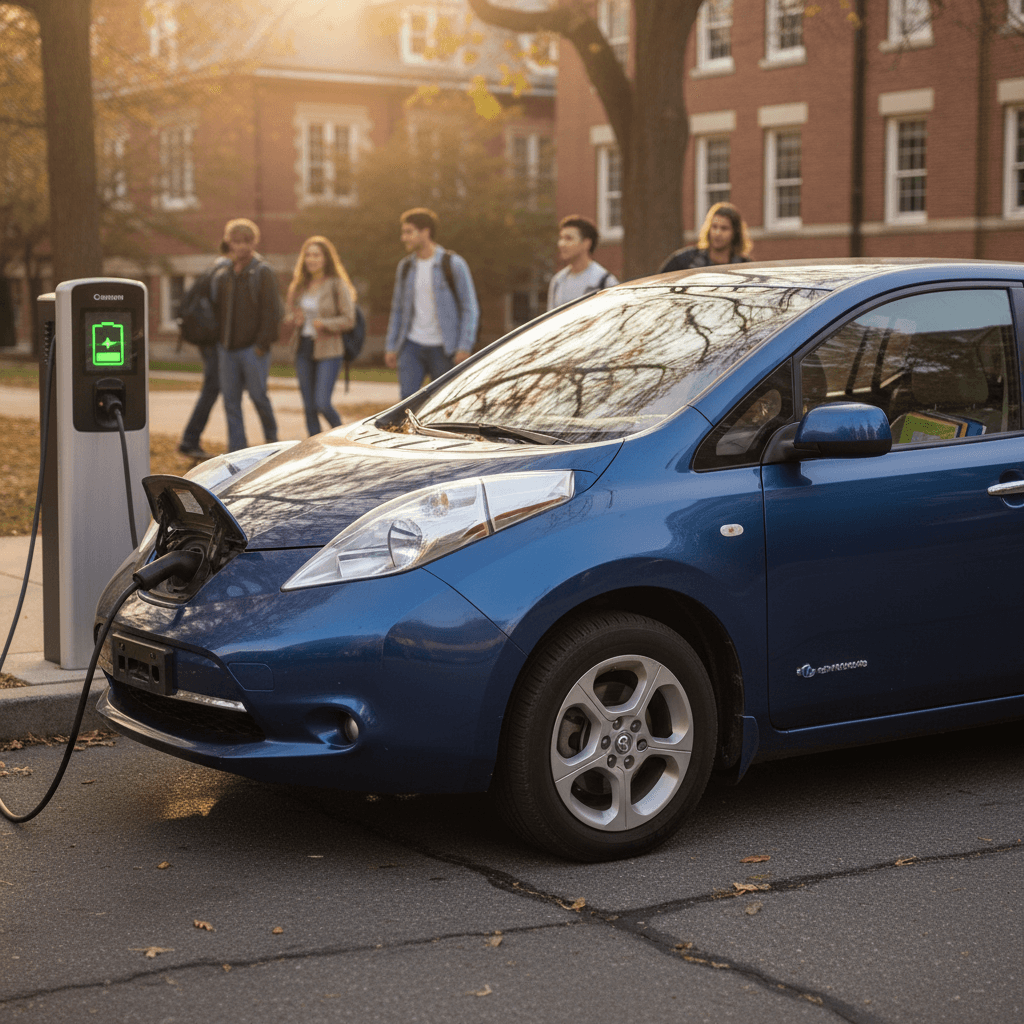
If you’re hunting for the best used electric car for college students, you’re probably juggling a tight budget, campus parking headaches, and parents who just want you in something safe and reliable. The good news: in 2026, used EV prices have finally come back down to earth, and several models now make more sense for college life than the usual old gas sedan.
Who this guide is for
Why a used EV actually makes sense for college
Why EVs fit the college-budget equation
College driving is mostly short hops: campus to apartment, grocery run, part‑time job, occasional weekend trip. That’s exactly the use‑case EVs handle well. You avoid high gas prices, stop worrying about surprise oil‑change weekends, and, if you can charge at home or on campus, your day‑to‑day fueling becomes as simple as plugging in overnight.
Think total cost, not purchase price
Quick answer: Best used electric cars for college students
Best used electric cars for college students in 2026
Data‑backed picks that balance price, range, and practicality
Chevrolet Bolt EV / EUV (2017–2023)
Best overall for most students. Compact hatchback with ~230–250 miles of range when new, surprisingly fun to drive, and widely available under roughly $15,000–$22,000 in 2026. Many 2022–2023 cars have replacement batteries from GM’s recall campaign, effectively giving you a newer pack.
Nissan Leaf (2018+ 40–62 kWh)
Best budget pick if you don’t need long‑distance road trips. Realistically 120–170 miles of usable range depending on battery size and climate, and some 2019–2020 cars fall near or even below $12,000. Great for city and suburban campuses, less ideal in very hot regions or for frequent highway travel.
Hyundai Kona Electric & Kia Niro EV
Best all‑rounders if you want a crossover body style. Similar range to the Bolt with a more traditional feel and strong efficiency. Used prices in 2026 often land between the Bolt and a Tesla Model 3.
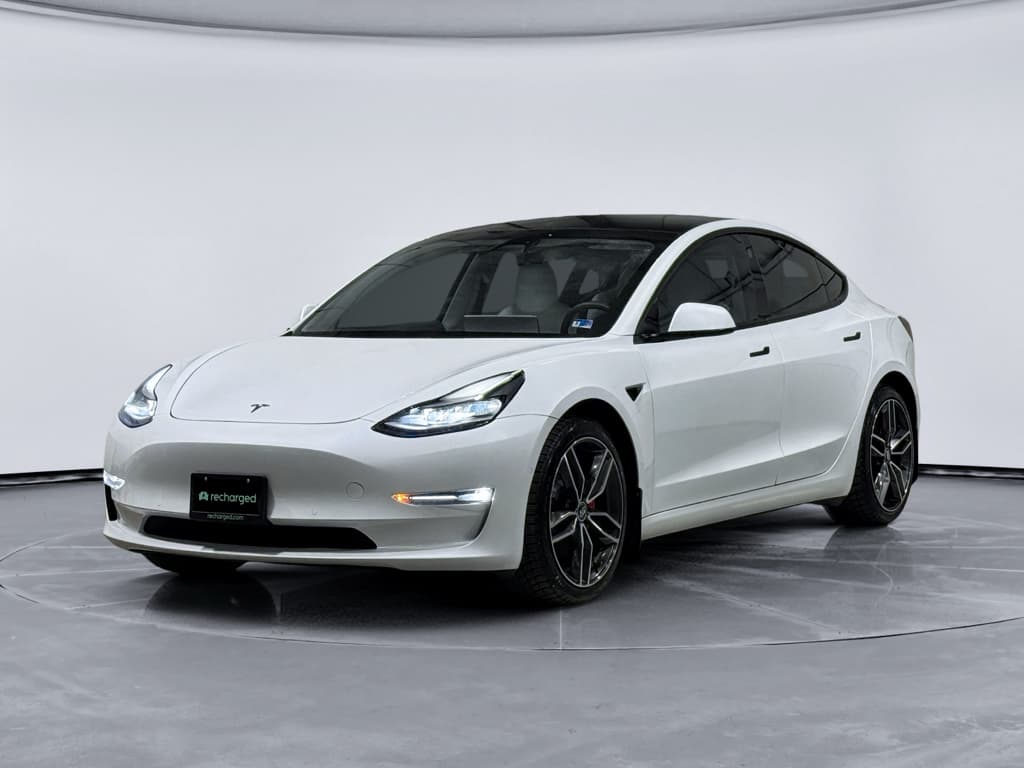
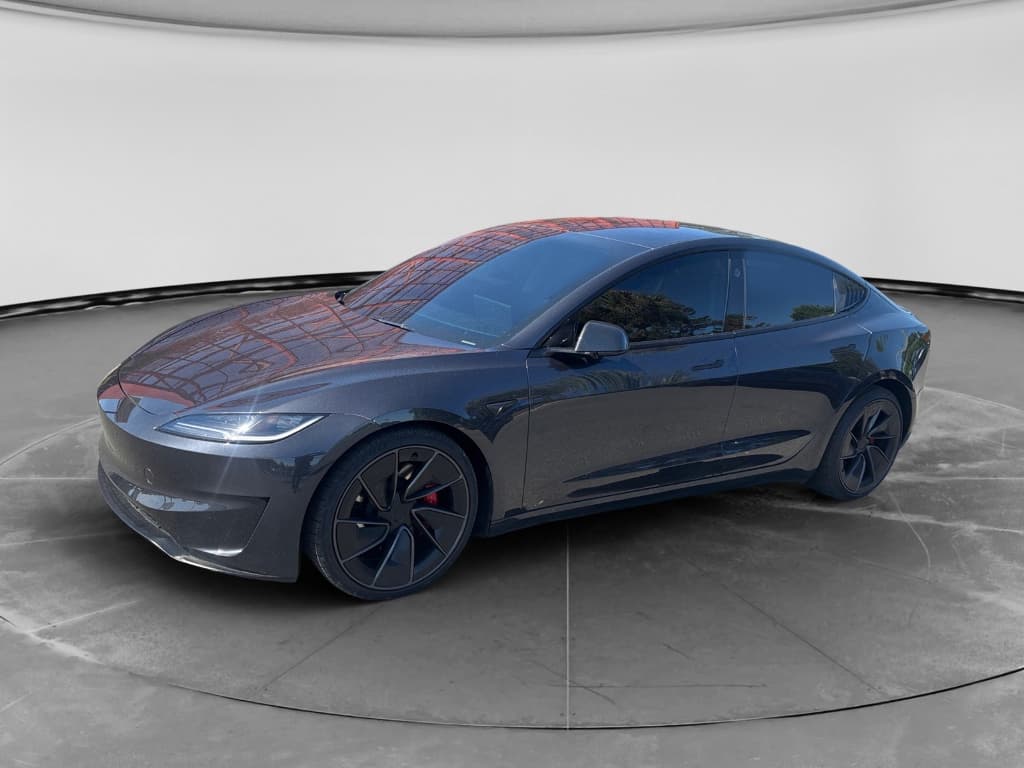
Tesla Model 3 (2018–2021 SR/Long Range)
Aspirational but realistic now. Early Model 3s have dropped into the low‑$20,000s in many U.S. markets. Excellent Supercharger access, strong efficiency, and tech your friends will envy, just watch insurance and repair costs.
Beware ultra‑cheap oddballs
How much should a college student spend on a used EV?
Typical used EV price bands for students in 2026
Approximate U.S. used‑market pricing based on Recharged data and broader market listings as of early 2026.
| Budget band (USD) | What you typically get | Example models |
|---|---|---|
| Under $12,000 | Older, shorter‑range EVs; may have more battery wear | 2017–2018 Leaf 30–40 kWh, older compliance EVs |
| $12,000–$17,000 | Clean compact EVs with enough range for most commutes | 2019–2020 Leaf 40 kWh, early Bolt EV, some Kona Electric |
| $17,000–$22,000 | Stronger range, newer safety tech, more crossovers | 2019–2022 Bolt EV/EUV, Kona Electric, Niro EV, 2021+ Leaf Plus |
| $22,000–$27,000 | Late‑model crossovers and early Teslas | VW ID.4, Kia EV6 Light (high‑miles), 2018–2020 Tesla Model 3 SR+ |
Use this as a starting point, actual prices vary by region, mileage, and condition.
For most students, the sweet spot is around $15,000–$22,000. Below that, you’ll see more battery‑health compromises and niche models; above that, you’re paying for nicer tech and badges that don’t materially change your day‑to‑day campus life.
Parents co‑signing or buying?
Top pick: Chevrolet Bolt EV & EUV
Why the Bolt fits college life
- Range that kills range anxiety: Around 238–259 miles when new for most trims, so even with normal degradation you’re usually well above 180–200 miles.
- Small outside, big inside: Easy to park on tight campuses, with hatchback practicality for moving bins and IKEA runs.
- Great value in 2026: Depreciation and GM’s battery recall have pushed many Bolts into student territory while batteries stay relatively healthy.
- DC fast‑charging capable: Not record‑setting speed, but fast enough for weekend trips between home and campus.
What to watch for on a used Bolt
- Battery recall status: Make sure the pack was replaced or had final software applied. Ask for documentation.
- Charging habits: A car that lived at 100% charge every day may have more battery wear than one usually charged to ~80%.
- Rear‑seat space (EV vs EUV): The EUV has a bit more rear room; taller friends may appreciate it on rideshares.
- Insurance costs: Still generally cheaper to insure than a Tesla, but get quotes, it varies a lot by ZIP and driver record.
When the Bolt is the best used EV for a student
Budget hero: Nissan Leaf (with the right battery)
The Nissan Leaf is the archetypal student EV: affordable, easy to drive, and widely available. But because early Leafs used an air‑cooled battery that can degrade faster in heat, you have to shop carefully.
- Focus on 2018+ Leafs with the 40 kWh or 62 kWh “Plus” battery; they offer more range and improved thermal management compared with the earliest cars.
- If you’re in a hot climate (Arizona, Nevada, inland California, Texas), prioritize newer, lower‑mileage cars and strong battery‑health documentation.
- For mostly urban driving and on‑campus charging, even a ~120‑mile real‑world Leaf can be completely adequate.
- DC fast‑charging speed is modest, so the Leaf is less ideal if you’re doing frequent 300‑mile interstate trips.
Leaf + heat + highway = pay attention
Balanced all‑rounders: Hyundai Kona Electric & Kia Niro EV
If you want something that looks and feels more like a conventional compact crossover, the Hyundai Kona Electric and Kia Niro EV are excellent student cars. They combine strong range, comfortable cabins, and practical cargo space in a footprint that still works for city parking.
Kona Electric vs. Niro EV at a glance
Very similar under the skin; choose based on space and style.
Hyundai Kona Electric
- Compact crossover with ~250+ miles of original range on many trims.
- Slightly tighter rear seat but nimble around town.
- Often a bit cheaper than a Niro EV for similar year/mileage.
Kia Niro EV
- Boxier shape and more rear‑seat and cargo space.
- Appeals if you’re hauling friends and gear frequently.
- Used prices in 2026 generally a notch above the Kona but still reasonable.
Campus vs. home trade‑offs
Aspirational choice: Tesla Model 3
The Tesla Model 3 has gone from unobtainable to plausible for some students. Early 2018–2020 cars now trade at prices overlapping well‑equipped Bolts, Konas, and Niros. You get an efficient sedan with strong range, access to Tesla’s Supercharger network, and software that still feels ahead of much of the market.
Why students want a Model 3
- Road‑trip friendly: Long range and fast Supercharging make it ideal if you’re often driving several hundred miles between home and school.
- Tech and UX: Simple interior, big screen, and over‑the‑air updates feel familiar if you grew up on smartphones.
- Resale value: Historically stronger than many peers, which matters if you’ll sell after graduation.
Costs to budget for
- Insurance: Often higher than a Leaf or Bolt, especially for young drivers; always get quotes before you fall in love.
- Repair costs: Out‑of‑warranty body and glass work can be expensive and sometimes slow.
- Purchase price: Even with price drops, you’re generally looking at the top end of student budgets.
Model 3 vs. mainstream EVs for students
Key features college students should prioritize
What actually matters in a student EV
Skip the gimmicks and focus on these fundamentals.
Realistic usable range
Look for at least 140–160 miles of real‑world range if you can. That gives margin for winter, detours, and days you forget to plug in. Campus‑only drivers in dense cities can get away with less, but long‑range cars are easier to resell.
Charging access that fits your life
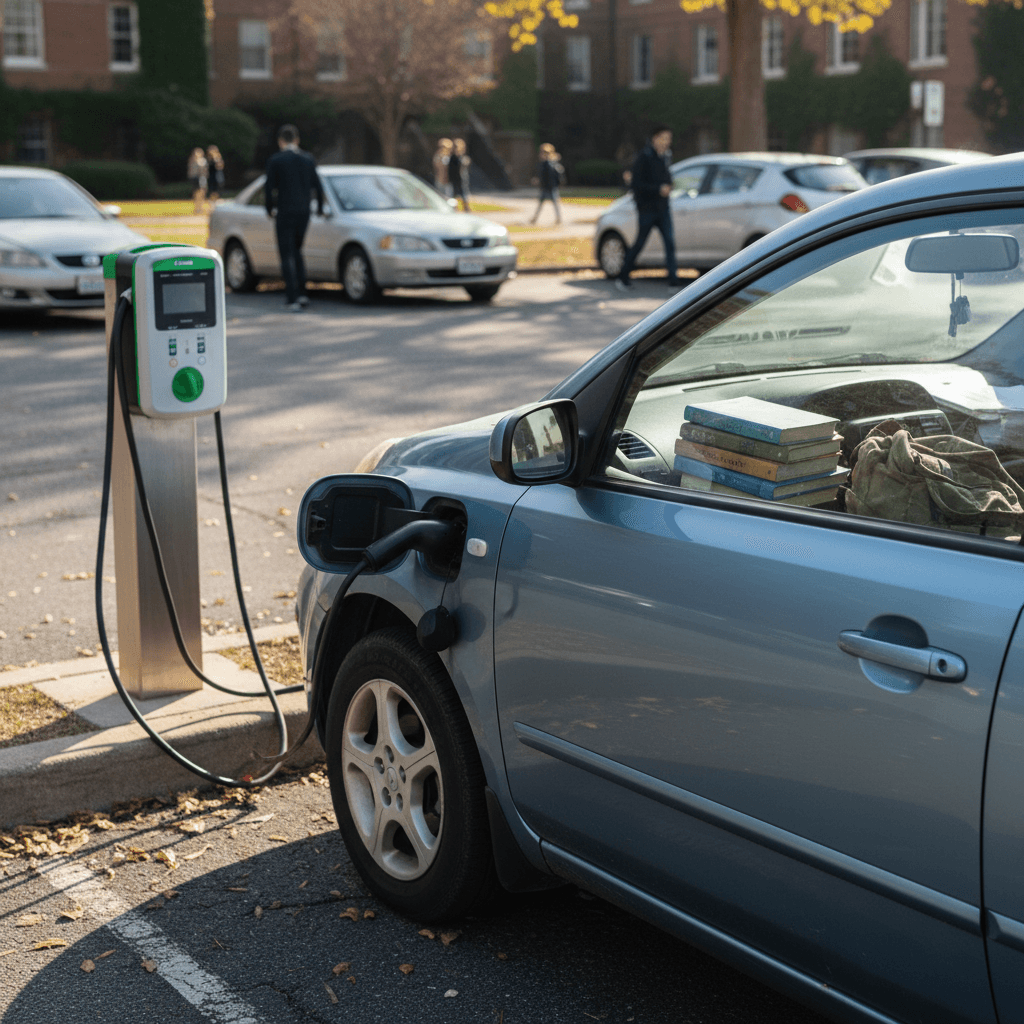
Do you have on‑campus chargers, a driveway at home, or only street parking? Your answer determines whether Level 1 (120 V) overnight charging is enough or if you really need faster Level 2 or reliable public stations nearby.
Safety & driver‑assist tech
College means lots of night driving, unfamiliar roads, and sometimes tired drivers. Prioritize solid crash scores, automatic emergency braking, and blind‑spot monitoring over fancy ambient lighting or giant wheels.
- Don’t overpay for performance trims you’ll never use between dorm and grocery store.
- Prioritize cars with modern infotainment (CarPlay/Android Auto) if you use navigation and music apps heavily.
- Check seat and cargo space with roommates and their stuff in mind, not just a solo test drive.
Hidden costs: Insurance, charging, and parking
Test your real charging routine before you buy
How to check battery health on a used EV
Battery health is the one thing you can’t judge just by looking at shiny paint. Modern EV packs generally hold up better than early skeptics expected, but there are big differences between models, climates, and how previous owners charged.
Smart ways to assess EV battery health
1. Look for third‑party battery diagnostics
A dedicated battery health report is far more informative than a dash guess. Every used EV on Recharged includes a <strong>Recharged Score Report</strong> with independent battery data, so you know how much usable capacity is likely left.
2. Check remaining factory battery warranty
Many EVs carry 8‑year/100,000‑mile (or more) battery warranties. A 5‑year‑old car with 40,000 miles may still have several years of coverage, which dramatically lowers your downside risk.
3. Compare estimated range to original spec
Check what the car shows at 100% charge versus what it was rated for when new. A modest drop (5–15%) after several years is normal; huge gaps deserve follow‑up questions and possibly a lower price.
4. Ask about previous charging patterns
Frequent fast‑charging, constant 100% parking in heat, or long storage at 0% aren’t ideal. A seller who mostly charged at home and rarely fast‑charged is a positive sign.
5. Consider climate history
A Leaf that lived its life in Seattle is likely in better battery shape than one in Phoenix. For liquid‑cooled cars like the Bolt, Kona, Niro, and Model 3, climate still matters but is less dramatic.
Don’t buy blind on battery health
Step‑by‑step buying checklist for students
From first search to move‑in day: your EV plan
1. Define your real use‑case and budget
List your weekly driving (class, work, home), climate, and whether you’ll road‑trip often. Then set a hard budget range, including tax, registration, insurance, and an emergency fund for unexpected costs.
2. Confirm how and where you’ll charge
Talk to roommates, parents, or the housing office about outlets and parking rules. If you can plug in at home or on campus at least a few times a week, most EVs in this guide will work smoothly.
3. Shortlist 2–3 models that fit your life
Use this article to pick a few candidates, for example, “Bolt or Leaf under $18k,” or “Kona/Niro or early Model 3 under $24k”, instead of chasing every cheap EV listing you see.
4. Compare real cars, not just listings
Look at individual vehicle history reports, accident records, tire/brake condition, and especially battery health. Recharged’s <strong>Recharged Score Report</strong> bundles these into one clear snapshot, so you’re not guessing.
5. Get realistic monthly payment and insurance quotes
Before test‑driving, plug numbers into an auto loan calculator and call your insurer with specific VINs. A car that “seems cheap” can get expensive quickly once premiums are added.
6. Test drive with college life in mind
Bring a friend, a backpack, and maybe a crate or instrument. Check visibility pulling out of packed lots, nose‑in charging spots, and whether you can actually see over piles of laundry in the back.
7. Close the deal with protections that matter
Ask about return windows, battery guarantees, and included chargers or adapters. Buying digitally through Recharged means transparent pricing, expert EV support, and nationwide delivery, handy when the right car isn’t in your college town.
FAQ: Used EVs for college students
Frequently asked questions
Bottom line: Choosing the best used EV for college
For most students in 2026, the best used electric car for college is a mainstream, long‑range compact like the Chevy Bolt EV/EUV or a well‑chosen Hyundai Kona Electric or Kia Niro EV. If you’re on a stricter budget and mostly stay near campus, a carefully vetted Nissan Leaf can be a brilliant bargain. And if you can absorb higher insurance and repair costs, an early Tesla Model 3 adds road‑trip capability and tech that may carry you well beyond graduation.
Whichever path you choose, don’t let the alphabet soup of kilowatts and tax rules scare you off. Focus on your daily miles, your charging reality, and verified battery health. If you want a shortcut, starting your search on Recharged means every car comes with a Recharged Score battery report, EV‑savvy financing options, and nationwide delivery, so you can spend more time preparing for finals and less time worrying about whether the car will make it to class.