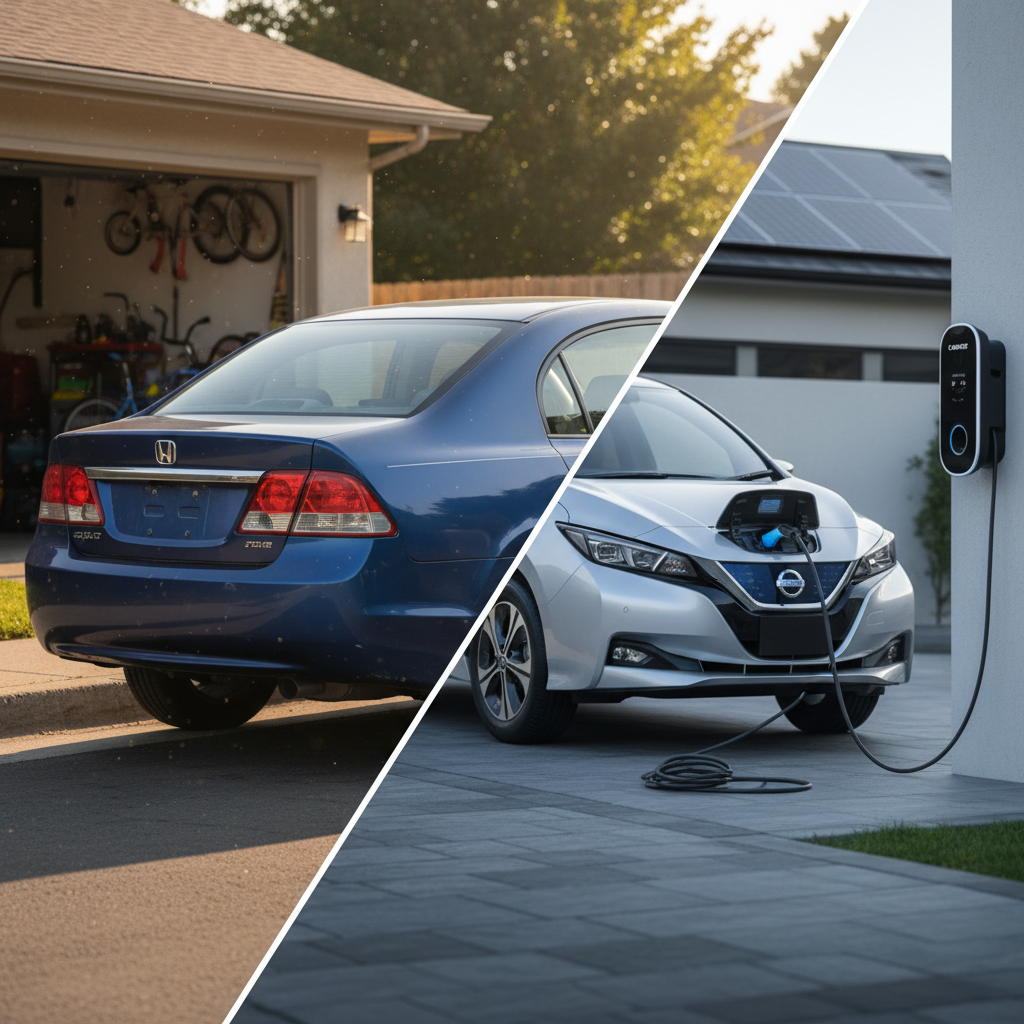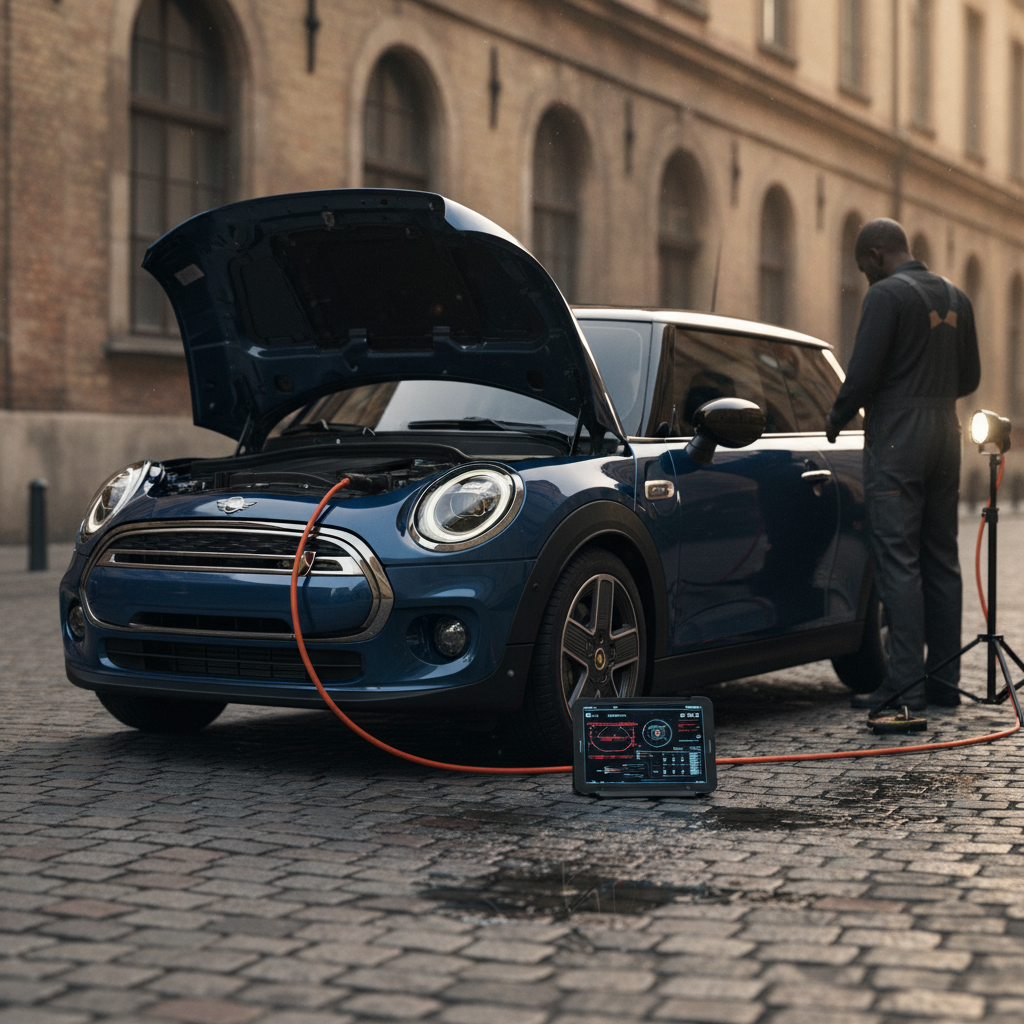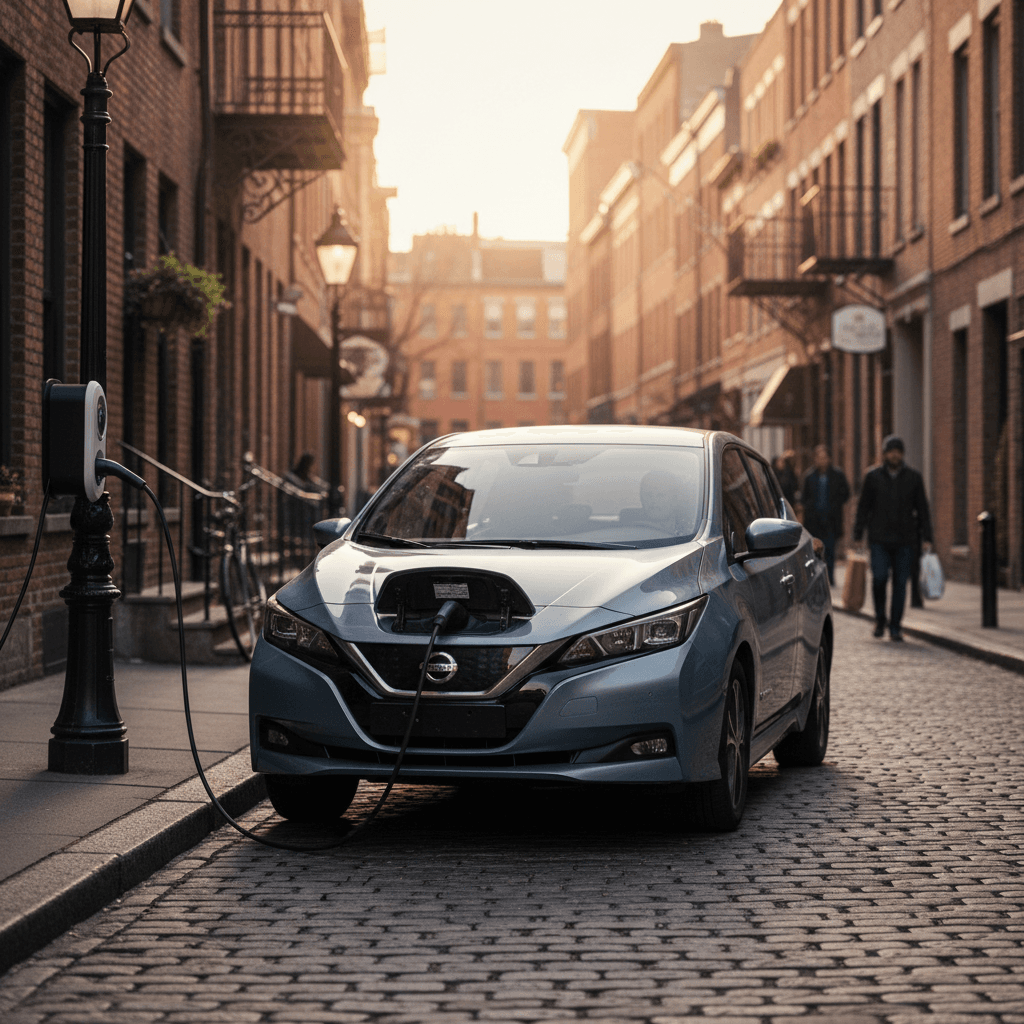
If you live in a city, the **best used electric car for city dwellers** doesn’t need to conquer a 400‑mile road trip. It needs to thread through tight streets, squeeze into sketchy parallel‑parking spots, survive potholes, and sip electricity while you do short hops across town. The right used EV can make that grind calmer, cheaper, and surprisingly fun, if you know what to look for.
Urban EV reality check
Why city dwellers are perfect candidates for used EVs
Electric cars are happiest doing exactly what cities demand: **short trips, frequent stops, and low‑speed traffic**. Regenerative braking scavenges energy every time you lift off the pedal, so stop‑and‑go traffic that punishes gas cars actually helps many EVs. And because you’re not pounding out hundreds of highway miles, you can shop for something smaller, cheaper, and more maneuverable on the used market.
Why a used EV makes extra sense in the city
Urban driving plays to an electric car’s strengths
Efficiency in traffic
EVs are most efficient at lower speeds, where regenerative braking can recapture energy. Your stoplights are doing you a favor.
Small footprint
Short wheelbases and tall roofs (think BMW i3 or Fiat 500e) make tight streets and tiny parking spaces far less stressful.
Lower running costs
Electricity is usually cheaper per mile than gas, and used EVs often undercut comparable gas cars on maintenance.
Think "second car" first
What actually makes a used EV great for city driving?
Before we name names, it helps to define the **traits that matter most for city dwellers**. Range still matters, but it’s not the only game in town. Here’s what to prioritize when you’re scanning used‑EV listings.
Key traits of a great city-focused used EV
1. Compact size and visibility
Short overall length, a tight turning circle, and big windows make it easier to snake through alleys, attack parking garages, and shoulder‑check in dense traffic.
2. Real-world range that matches your routine
If your longest typical day is 40–50 miles, a car with 120–150 miles of honest range gives you plenty of buffer. You don’t need 300 miles for city use, but you do need enough not to sweat detours.
3. Efficient heating and cooling
In cold or very hot cities, cabin climate can eat into range. Heat pumps or efficient climate systems help keep winter range drops in check.
4. Easy charging options
Look for a car that can use the public networks near you and, ideally, Level 2 charging where you park. For apartment dwellers, DC fast‑charge capability can be a big plus.
5. Simple, durable interiors
City cars work hard: coffee, kids, rideshare duty, dog hair. Durable seat fabrics, easy‑to‑clean materials, and good storage matter more than glowing ambient lighting.
6. Proven reliability and support
Stick to models with solid reliability records and ongoing support from the brand. That’s especially important for older compliance cars with limited parts support.
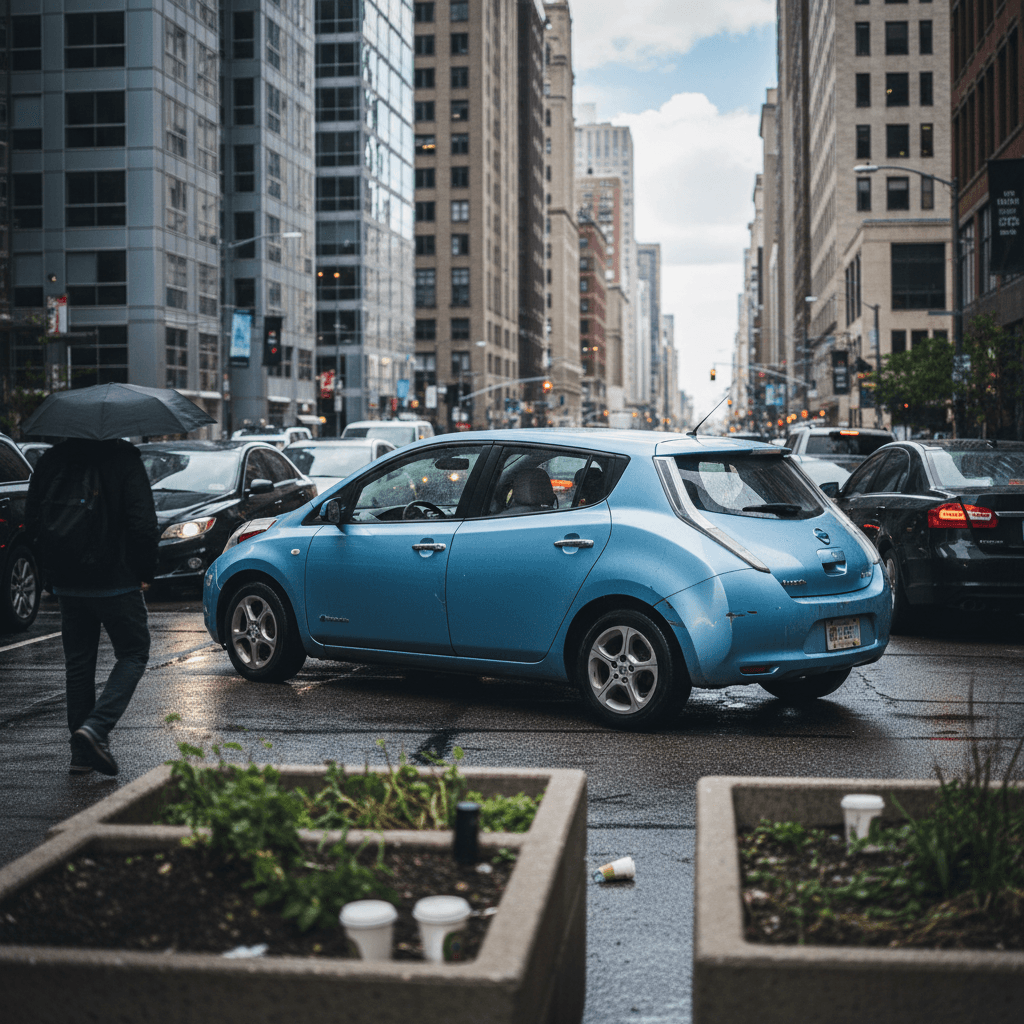
City driving and used EVs by the numbers
Top used electric car picks for city dwellers
So which **used electric cars work best for city dwellers** right now? Let’s walk through stand‑out models you’ll actually find on the U.S. used market, focusing on real‑world range, maneuverability, and value. Prices are typical 2025 asking prices; actual listings vary by mileage and condition.
BMW i3 (2017–2021): The premium city specialist
If you sketched a purpose‑built city EV on a napkin, you’d get something a lot like the **BMW i3**. It’s short, tall, and exceptionally easy to place in traffic, with a tight turning circle that makes U‑turns and parking‑garage corkscrews easy. Inside, it feels like a modern loft: airy glass, slim seats, sustainable materials.
- Typical used price (2025): about **$10,000–$18,000** depending on year and battery size
- Best for: Style‑conscious city drivers who value parking agility and a high‑quality cabin
- Strengths: Tiny footprint, great visibility, rear‑wheel drive fun, upscale interior
- Watch for: Limited range on early 60 Ah cars; check for battery and motor warranty coverage
REx vs BEV for city drivers
Chevrolet Bolt EV / EUV (2017–2023): The small‑car workhorse
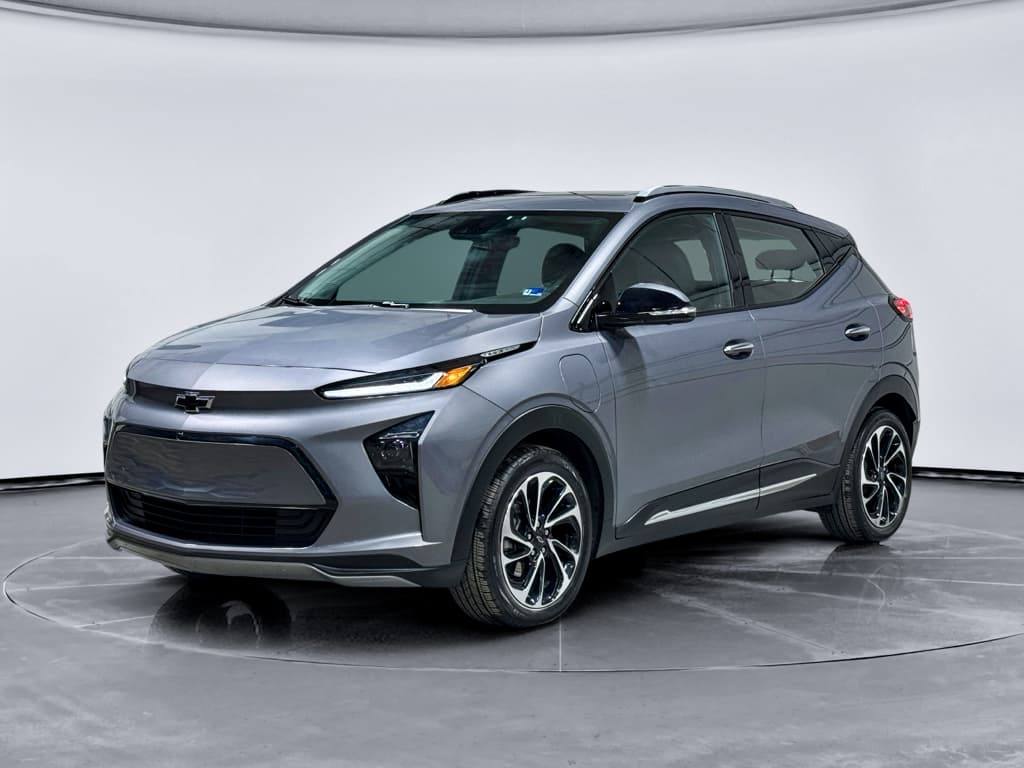
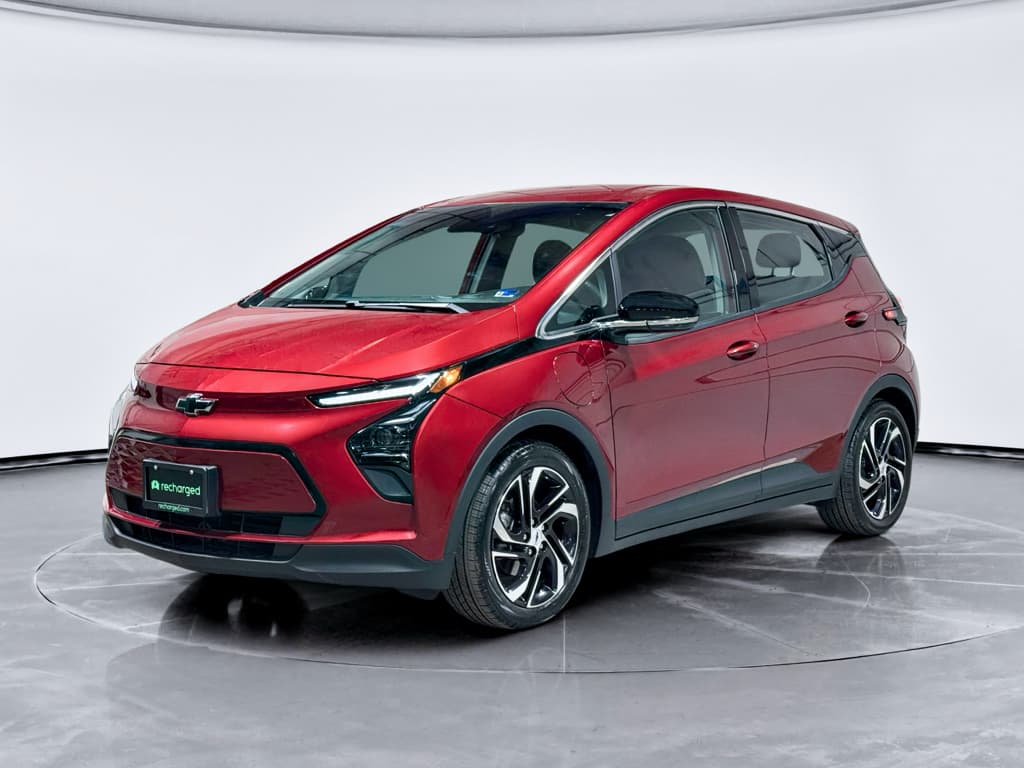
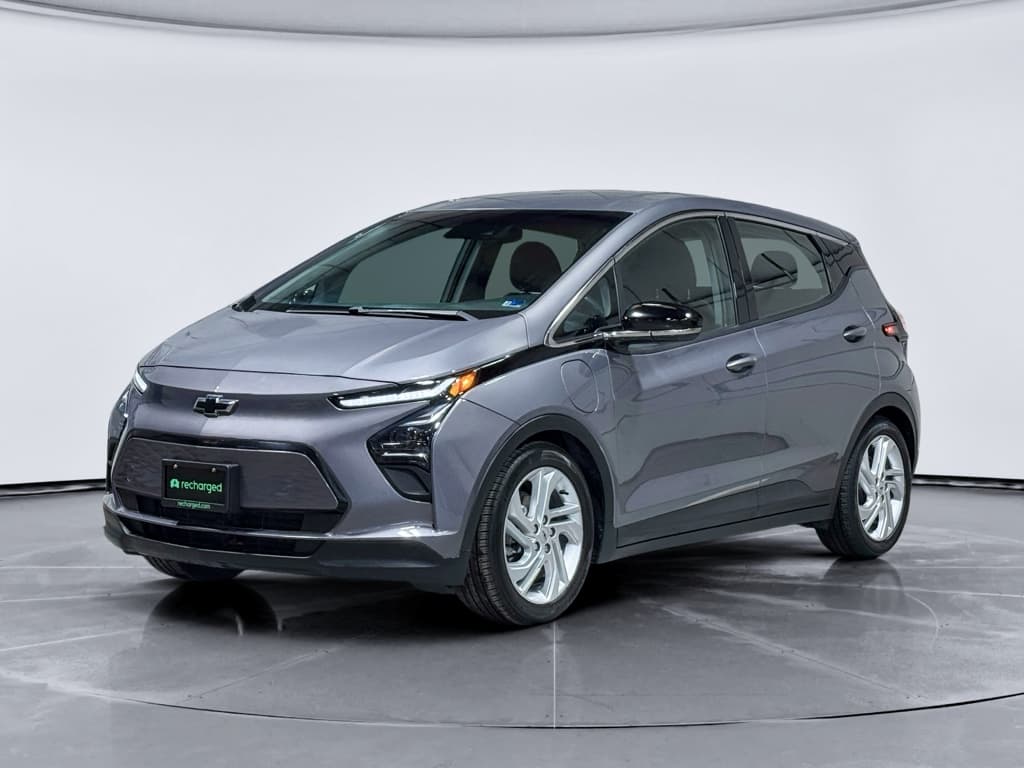
If you want **one used electric car that nails city commuting and still feels at home on the freeway**, the Chevrolet Bolt EV and slightly larger Bolt EUV are hard to beat. They’re compact on the outside, roomy on the inside, and far more efficient than most gas hatchbacks. Later model years deliver around 250+ miles of rated range, massive overkill for city errands, but fantastic for weekend escapes.
- Typical used price (2025): about **$13,000–$24,000** depending on year and trim
- Best for: Urbanites who want one car to do it all, commute, Costco, and the occasional road trip
- Strengths: Excellent efficiency, long range, easy to park, familiar hatchback shape
- Watch for: Battery recall work (most cars have had packs replaced or reconditioned), firm ride on rough streets
Why the Bolt is a sweet spot
Ready to find your next EV?
Browse VehiclesHyundai Kona Electric (2019–2025): City-sized, highway-capable
The **Hyundai Kona Electric** is a compact crossover that feels right at home in the city. It’s one of the most efficient EVs tested in recent years, and reviewers routinely see strong real‑world range, even better around town than at steady highway speeds. Think of it as a small, tall hatchback with extra ground clearance for chewed‑up pavement and steep driveways.
- Typical used price (2025): roughly **$18,000–$28,000**
- Best for: City dwellers who want a small footprint but like a crossover seating position
- Strengths: Excellent efficiency, solid range, comfortable ride, generous feature set
- Watch for: Limited rear legroom, slightly firmer suspension in some trims
Fiat 500e (2024–present, plus earlier compliance cars): Tiny urban runabout
If your life is dense, urban, and mostly under 50 miles a day, the **Fiat 500e** is a charming solution. Early compliance‑car versions (sold in limited states) had modest range, but they’re feather‑light, hilariously easy to park, and often inexpensive on the used market. The reborn 500e brings more modern range and tech, but still leans hard into the city‑car mission.
- Typical used price (older models): often **well under $15,000** in EV‑heavy regions
- Best for: Short‑hop city dwellers who can charge at home or a regular garage
- Strengths: Ultra‑small footprint, stylish design, great for narrow streets and tight garages
- Watch for: Earlier cars’ limited range; make sure the charging connector and infotainment fit your needs
Nissan Leaf (2018+ with 40–62 kWh packs): Budget-friendly city commuter
The **Nissan Leaf** has been the quiet workhorse of EV adoption. For city use, a second‑generation Leaf (2018 or newer) with the larger 40 or 62 kWh battery can be a bargain. It’s easy to drive, easy to park, and widely available on the used market. For a mostly urban life, its weaker highway fast‑charging performance is less of a deal breaker.
- Typical used price (2025): often **$9,000–$20,000** depending on battery size
- Best for: Budget‑minded commuters who stick mostly to local driving
- Strengths: Smooth, quiet, straightforward to operate, plenty of cars to choose from
- Watch for: Battery degradation in hot‑climate cars, CHAdeMO fast‑charging standard (less future‑proof than CCS/NACS)
Honorable mentions for U.S. city dwellers
- **Kia Niro EV (2019–2025):** Slightly larger than a Kona, with a practical wagon‑ish shape and good efficiency, great if you haul friends, dogs, or gear.
- **Mini Cooper SE:** Short range, big personality. Perfect if your daily loop is tiny and you want the most fun you can pack into a parallel‑parking space.
- **Tesla Model 3 (Standard or RWD):** Not a dedicated city car, but used prices are falling, and it’s compact enough for urban life if you want access to the Supercharger network and strong range.
Comparison table: best used EVs for city driving
Here’s a high‑level comparison of some of the **best used electric cars for city dwellers**. Ranges are approximate EPA ratings for popular trims; your real‑world numbers will depend on climate, driving style, and battery health.
Used city EV comparison at a glance
Compact, maneuverable electric cars that shine in urban driving.
| Model | Typical 2025 used price | Approx. EPA range (mi) | Size / class | City strengths | Best for |
|---|---|---|---|---|---|
| BMW i3 (BEV) | $10k–$18k | ≈80–153 | Subcompact hatchback | Ultra‑tight turning circle, easy parking, premium cabin | Short commutes, style‑minded urbanites |
| Chevy Bolt EV / EUV | $13k–$24k | ≈230–259 | Compact hatchback / small crossover | Long range, small footprint, versatile cargo space | One‑car households in the city |
| Hyundai Kona Electric | $18k–$28k | ≈258 | Subcompact crossover | Strong efficiency, good ride, easy to park | City drivers who still do weekend trips |
| Fiat 500e (older models) | Under $15k in some markets | ≈80–120 (older) | City car | Tiny size, huge charm, easy street parking | Short‑hop errands, second‑car duty |
| Nissan Leaf (2018+, 40–62 kWh) | $9k–$20k | ≈150–226 | Compact hatchback | Simple to drive, widely available, budget‑friendly | Budget commuters with reliable local charging |
Use this table to narrow your short list before you start shopping specific cars and VINs.
How to choose the right city EV for your lifestyle
Step 1: Map your real life, not your fears
Before you fall in love with a specific used EV, take one week and **track your actual driving**. Longest round‑trip? Average day? How often do you really leave the city? Most people discover their worst day looks nothing like the apocalypse they’d imagined.
Step 2: Match car to parking and charging
If you street‑park or share a garage, your life will be simpler in a **shorter, narrower EV** with good visibility. If you have guaranteed home charging, you can be more relaxed about DC fast‑charging performance and even consider shorter‑range cars.
Your city EV decision checklist
Clarify your max daily range need
Take your longest typical day (say 45 miles), add a generous buffer, and aim for a used EV whose **degraded range still comfortably covers that**. That’s your target, not whatever the biggest number on the internet happens to be.
Audit your parking situation
Can you reliably park near a charger at home or work? Do you have access to an outlet in your building? Your charging reality will steer you toward (or away from) shorter‑range city cars.
Check public chargers on your routes
Open PlugShare, ChargePoint, or your preferred app and drop pins on your weekly haunts: gym, grocery, work, friends’ neighborhoods. If you see Level 2 and DC fast chargers where you already go, you can live happily with a wider range of used EVs.
Set a realistic budget (including charging gear)
Beyond the purchase price, budget for a home Level 2 install if you have a dedicated spot, or plan on a portable Level 2 solution if your building allows it. Recharged can help you estimate total ownership costs for specific used EVs.
Prioritize battery health over leather seats
On a used EV, the **battery pack is the star of the show**. A healthy pack in a base‑trim car is a smarter buy than a loaded model with more degradation.
Beware of over‑buying range
Battery health, range, and why city drivers can think differently
Battery health is where used EV shopping diverges from gasoline. A car that looks spotless and drives beautifully can still have a tired pack that delivers far less range than it did when new. For city dwellers, that’s not necessarily a deal breaker, but you need to go in with your eyes open.
How city driving changes the range equation
Short hops give you more flexibility, if you understand the trade‑offs
Lower absolute range needs
If your world is 5‑mile hops around a dense core, a car that now does 110–130 miles on a charge can still work beautifully.
Climate matters more
Cold winters and hot summers impact usable range. Look for EVs with a good track record in your climate, or a battery warm‑up feature.
Verified data beats guesses
Odometer readings and in‑car guesses aren’t enough. A proper battery test, like the Recharged Score, shows real health in an easy‑to‑compare way.
How Recharged handles battery health
Charging a used EV when you don’t have a driveway
The biggest mental hurdle for many city dwellers isn’t range, it’s **where the electrons actually come from**. If you don’t have a private driveway or garage, can a used EV still work? In many cities, yes, but it takes some planning and a clear understanding of your options.
Apartment and shared garage charging
If your building offers Level 2 charging, you’re golden. Treat it like your personal fuel station in the basement. If it doesn’t, talk to your landlord or HOA; many utilities and cities now offer incentives for adding shared EV chargers.
In the meantime, look for **public Level 2 chargers near places you linger**, gyms, grocery stores, co‑working spaces, so your car charges while life happens.
Living with public fast charging
Relying entirely on DC fast charging isn’t ideal for battery longevity or your schedule, but plenty of urban drivers do fine topping up once or twice a week. If this might be you, prioritize used EVs with **reliable fast‑charging support** (Bolt, Kona, Niro, Model 3), and scout stations on your normal routes before you buy.
Street-corner outlet? Not so fast
Buying a used city EV with confidence
Once you’ve narrowed the field to a few city‑friendly models, the fun part begins: finding **the right car, not just the right nameplate**. Here’s how to turn a promising listing into a smart purchase.
Used city EV buying checklist
Pull the vehicle history report
Accidents, floods, and title issues matter just as much on an EV as on a gas car. Walk away from cars with murky histories, there are plenty of clean options.
Verify battery health and remaining warranty
Ask for documentation of any battery replacement or recall work. Confirm whether the main battery warranty is still in effect and how many years or miles remain.
Confirm charging standards and adapters
Make sure the used EV uses a charging standard that plays nicely with your local infrastructure (CCS, CHAdeMO, NACS) and factor in any necessary adapters.
Inspect tires, brakes, and suspension
City duty is hard on pothole‑catching parts. Uneven tire wear or thumps over bumps can point to curb impacts or worn suspension components.
Test-drive your actual commute
If possible, drive the car on **your streets**, including parking garages, tight alleys, and your most annoying intersection. This is where visibility, turning circle, and ride quality really show up.
Consider buying through a specialist
Marketplaces like Recharged focus on electric vehicles, offer battery diagnostics through the Recharged Score, and can bundle financing, trade‑ins, and delivery, which simplifies the whole process.
A great city EV isn’t the one with the biggest battery. It’s the one that disappears into your daily routine so completely you forget how irritating driving used to be.
FAQ: Best used electric car for city dwellers
Common questions about used EVs for city life
Bottom line: the best used electric car for city dwellers
The best used electric car for city dwellers isn’t a single magic model, it’s the one that fits your streets, your parking situation, and your daily rhythm. For a lot of urban drivers, that means a **Chevy Bolt EV/EUV** or **Hyundai Kona Electric** as a do‑it‑all compact workhorse, or a **BMW i3, Fiat 500e, or Nissan Leaf** if your life happens in a smaller radius and you prioritize maneuverability and price.
Focus on **size, real‑world range, charging access, and verified battery health**, and you’ll end up with an EV that turns city driving from a chore into something quietly satisfying. And if you’d like expert help along the way, Recharged can pair you with a used EV that includes a **Recharged Score battery report, fair pricing, financing, trade‑in options, and nationwide delivery**, so your next city car shows up ready for its new life in your neighborhood.