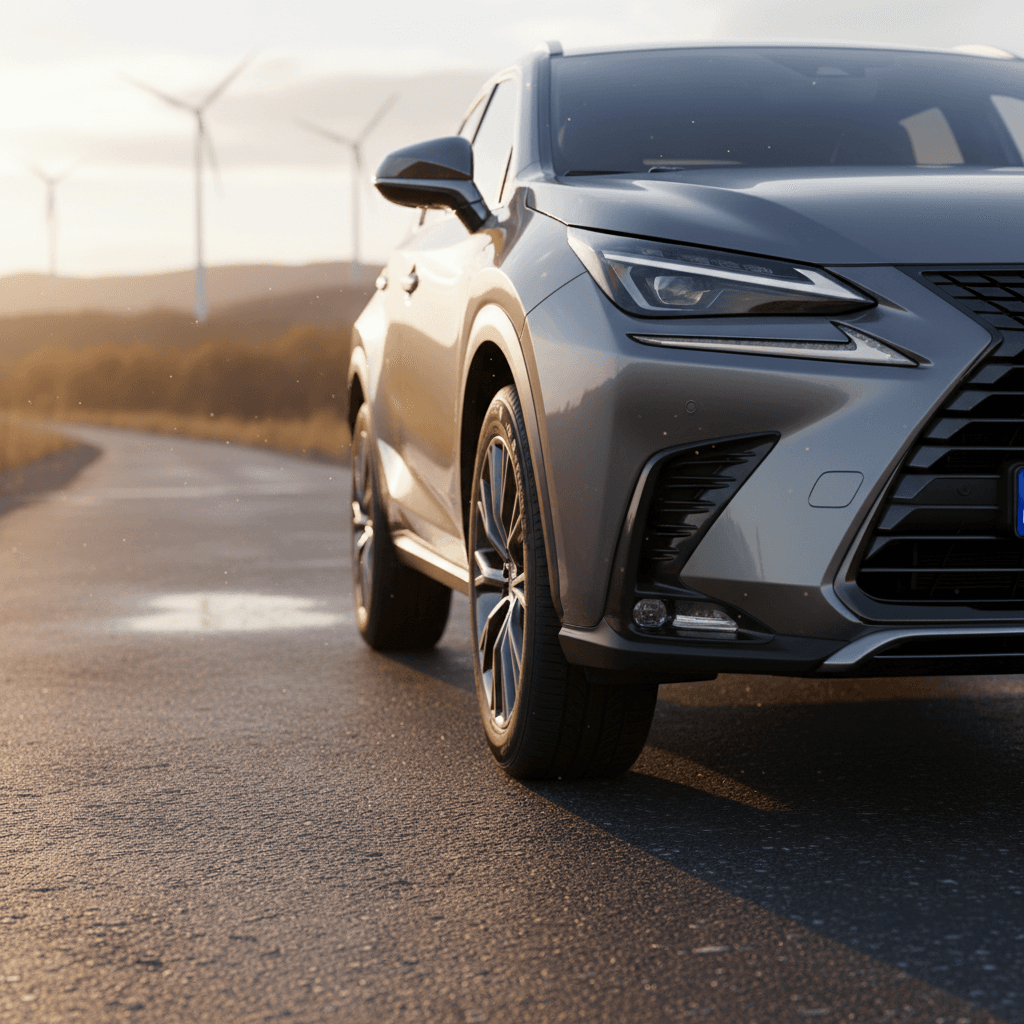
If you drive a hybrid, your tires aren’t just black circles that keep you off the pavement, they’re a big part of why you bought a hybrid in the first place. The best tires for hybrid cars can quietly add a few extra miles per gallon, make your cabin calmer at highway speed, and keep all that heavy battery weight under control in an emergency stop.
Hybrid tires in one sentence
Why the right tires matter more on a hybrid
On any car, tires handle grip, comfort, and a big chunk of fuel use. On a hybrid, that role gets amplified. Hybrids are heavier than comparable gas cars because of the battery pack, and their powertrains are tuned to squeeze efficiency from every rotation of the wheel. According to research on low rolling resistance tires, cutting rolling resistance by just a few percent can trim fuel use by roughly 2–4% in typical driving, enough to notice over a year of commuting.
- More weight: batteries and electric motors add mass, increasing demands on tire grip and braking.
- Stop‑and‑go driving: hybrids often live in city traffic, where good wet and dry braking is critical.
- Electric mode silence: in EV mode you can hear every bit of tire roar, so quiet tread design matters more.
- Efficiency tuning: low rolling resistance compounds help the hybrid system deliver the MPG it was designed for.
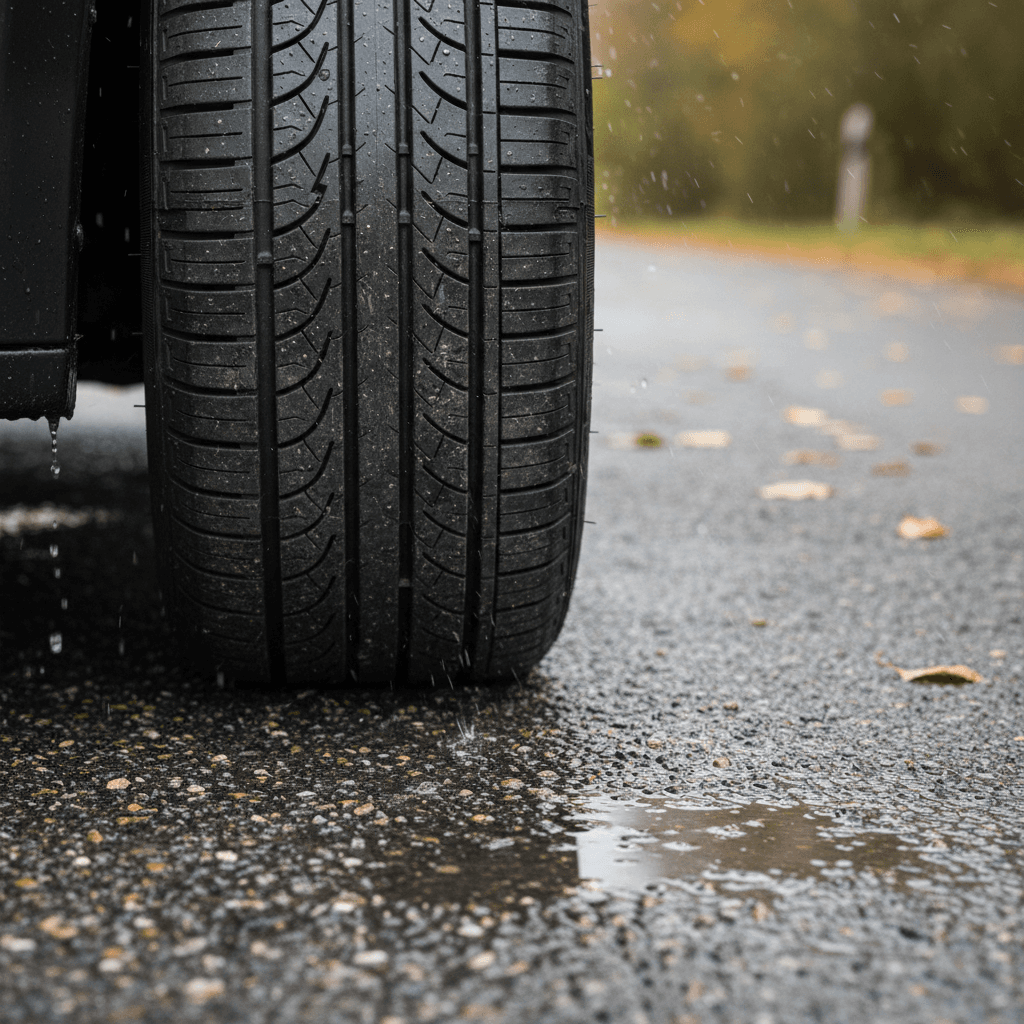
Hybrid tire basics: what’s different from gas cars
You don’t need a special “hybrid‑only” tire, but many popular models are tuned for electrified cars and carry efficiency‑oriented branding like Energy Saver, Ecopia, or Fuel Max. What sets these apart is how they balance three competing goals: low rolling resistance, grip, and tread life.
The three‑way balancing act of hybrid tires
You can’t maximize everything at once, but you can get close.
Efficiency (Rolling Resistance)
Low rolling resistance tires reduce the energy lost as the tire rolls. That means better MPG and EV range, but if pushed too far it can hurt wet grip.
Safety (Grip & Braking)
Hybrids are heavy. You need strong wet and dry braking, especially in panic stops. Quality compounds and modern siping patterns are key.
Longevity & Comfort
Touring tires built for hybrids aim for 60,000–85,000 miles of tread life while keeping road noise and harshness in check.
Don’t chase efficiency at any cost
Key factors when choosing the best tires for hybrid cars
Hybrid tire buying checklist
1. Rolling resistance & fuel economy
Look for words like <strong>Eco</strong>, <strong>Energy</strong>, <strong>Ecopia</strong>, or <strong>Fuel Max</strong> and check independent tests or retailer scores that mention MPG or range improvements.
2. Wet braking and hydroplaning resistance
Hybrids carry extra weight; that’s more momentum to stop. Prioritize tires with strong wet braking ratings, wide circumferential grooves, and dense siping.
3. Noise level and ride comfort
Electric and hybrid powertrains highlight road noise. Touring or grand touring all‑season tires usually ride quieter than aggressive performance options.
4. Tread life warranty
For daily commuting, look for <strong>60,000 miles or more</strong>. Some 2025 touring tires now advertise up to 85,000‑mile treadwear warranties.
5. Climate and winter needs
In mild climates, all‑season is fine. In areas with frequent snow or ice, consider <strong>3‑Peak Mountain Snowflake</strong> all‑weather tires or dedicated winter tires.
6. Load index & speed rating
Make sure the load index meets or exceeds your OEM spec. Hybrids often use higher load ratings to account for battery weight.
Quick Prius‑style rule of thumb
Best all‑season tires for hybrid cars in 2025
Here are standout all‑season options widely recommended for hybrids in 2025. They’re available in common sizes for cars like the Toyota Prius, Honda Accord Hybrid, Hyundai Ioniq, and similar models. Always confirm the exact size and load rating for your specific trim.
Top all‑season tires for hybrid cars (2025)
Representative models that blend efficiency, safety, and comfort. Warranties and prices are approximate and may vary by size and retailer.
| Tire model | Category | Key strengths for hybrids | Typical treadwear warranty | Good match for |
|---|---|---|---|---|
| Michelin Energy Saver A/S | Touring all‑season, low rolling resistance | Excellent fuel economy focus, refined ride, solid wet performance when properly maintained | Up to ~65,000 miles | Prius, Accord Hybrid, Camry Hybrid |
| Bridgestone Ecopia EP422 Plus | Eco‑focused touring all‑season | Low rolling resistance with good comfort; designed to boost MPG and range | Around 70,000 miles | Prius, Ioniq, Corolla Hybrid, Civic Hybrid |
| Continental TrueContact Tour | Touring all‑season | Outstanding tread life and wet grip; tuned for quiet ride and efficiency | Up to ~70,000+ miles depending on size | Midsize hybrids and compact hybrids that rack up highway miles |
| Goodyear Assurance MaxLife / MaxLife 2 | Long‑life touring all‑season | Very long tread life (up to ~85,000‑mile warranty on MaxLife 2), good all‑around traction | Up to 85,000 miles (MaxLife 2, size‑dependent) | High‑mileage commuters in compact and midsize hybrids |
| Goodyear Assurance Fuel Max | Eco touring all‑season | Affordable low‑rolling‑resistance option; decent wet traction and tread life | Often ~65,000 miles | Older hybrids where value is a priority |
| Toyo Extensa A/S II | Value touring all‑season | Good balance of cost, fuel economy, and comfort; popular OE replacement on recent Prius models | Around 65,000 miles | Budget‑conscious Prius and compact hybrid owners |
All tires listed are all‑season; consider winter or all‑weather tires for severe winter climates.
Want the quietest ride?
Best tires for hybrid SUVs and crossovers
Hybrid SUVs like the RAV4 Hybrid, CR‑V Hybrid, Tucson Hybrid, or Highlander Hybrid add height and weight to the mix. You’re now balancing fuel economy with stability, cargo loads, and sometimes light off‑road use.
Recommended tire types for hybrid SUVs
Match the tire to how you really drive, not how the ad photos look.
Highway commuters
Look for touring all‑season tires with low rolling resistance, good wet braking, and long treadwear warranties. Think Ecopia, TrueContact, Assurance MaxLife, or similar lines in SUV sizes.
Mixed city & gravel roads
A mild all‑terrain or CUV all‑terrain tire with an efficiency‑oriented design (like some BFGoodrich or Pirelli hybrid‑oriented models) can add grip on dirt while staying quiet on pavement.
Snowbelt drivers
Pair efficient all‑seasons for the warm months with a dedicated 3‑PMSF winter tire for winter. That’s still the safest solution for frequent snow and ice.
Hybrid SUV owners, watch your load rating
Best winter and all‑weather tires for hybrids
All‑season tires are a compromise. If you regularly face snow and ice, that compromise gets uncomfortable fast, especially in a heavier hybrid. You have two smart options: true winter tires or all‑weather tires with the 3‑Peak Mountain Snowflake (3PMSF) symbol.
Winter and all‑weather tire options for hybrids
Representative models that work well on popular hybrids like the Prius, Ioniq, and small hybrid SUVs when sized correctly.
| Tire model | Type | Strengths | Best for |
|---|---|---|---|
| Michelin X‑Ice Snow | Studless winter | Outstanding ice and packed‑snow traction with a relatively quiet ride for a winter tire. | Snowbelt hybrids that spend winters on slick roads. |
| Firestone WeatherGrip | All‑weather (3PMSF) | Year‑round usability with real winter capability; good fit for compact hybrids. | Drivers who want one tire for all four seasons and see regular snow. |
| Kumho Solus 4S HA32 | All‑weather (3PMSF) | Solid balance of price, snow traction, and daily comfort. | Budget‑minded hybrid owners in variable winter climates. |
| Nordman North 9 (studded) | Studded winter | Serious ice and deep‑snow traction where laws permit studs. | Rural or mountainous areas with long, severe winters. |
Use dedicated winter tires only during the cold season; swap back to your efficient all‑seasons for spring through fall.
Don’t run winter tires year‑round
How much do hybrid tires actually improve MPG?
If you’re switching from a worn, generic touring tire to a modern low‑rolling‑resistance tire designed for hybrids, you can realistically see a modest but real gain in efficiency. In independent testing and real‑world reports, that often looks like 2–4% better fuel economy, maybe 1–2 extra MPG on a Prius‑class car, or a few extra miles of EV range on a plug‑in hybrid.
Where the gains come from
- Rolling resistance: More efficient tread compounds and construction waste less energy as the tire deforms.
- Tread pattern: Optimized blocks and sipes reduce squirm and friction.
- Weight: Some eco‑oriented tires use lighter materials to reduce rotating mass.
What can erase those gains
- Under‑inflation: Just a few PSI low can wipe out efficiency improvements and hurt safety.
- Misalignment: Toe or camber out of spec increases drag and uneven wear.
- Driving style: Aggressive acceleration and high speeds dwarf any tire advantage.
Track your own results
Sizing, load ratings, and OEM vs. upgrade choices
Every hybrid leaves the factory with a carefully chosen tire size, load rating, and speed rating. You can usually see this on the driver’s door jamb sticker and in your owner’s manual. Staying with that spec, or extremely close to it, is the safest move for everyday drivers.
- Size: Stick with the OEM diameter and width unless you fully understand the impact on speedometer accuracy and clearance.
- Load index: Match or exceed the original tire’s load rating to handle hybrid battery weight and passengers.
- Speed rating: H or V ratings are common on hybrids; don’t downgrade without understanding the tradeoffs.
- Plus‑sizing wheels: Bigger wheels with lower‑profile tires can look sharp but usually hurt ride quality and efficiency.
Be careful copying flashy builds
Maintenance tips to keep your hybrid tires efficient
Once you’ve spent the money on good tires, a little care keeps them efficient and safe for years. The payoff is especially noticeable on hybrids, where the car is constantly trying to coast, glide, and regenerate energy.
Simple habits that extend tire life and save fuel
Check pressures monthly
Use a quality gauge and set pressures to the door‑jamb spec when tires are cold. Low pressures waste energy and increase stopping distances.
Rotate every 5,000–7,500 miles
Follow your owner’s manual or service schedule. Regular rotations keep wear even, which maintains handling and extends tire life.
Get an alignment check annually
A slight misalignment scrubs off tread and raises rolling resistance. Ask for a printout of before/after specs.
Inspect tread depth and age
Most touring tires are getting tired around 4/32" of tread, even if they’re not bald. Replace older tires (6–8+ years) regardless of remaining depth.
Mind your driving style
Smooth acceleration, gentle braking, and easing off above 70 mph all help your tires, and your hybrid’s MPG or range.
How tires quietly shape your driving experience
Frequently asked questions about hybrid car tires
Hybrid tire FAQ
Conclusion: smart next steps for hybrid owners
The best tires for hybrid cars aren’t a single brand or model, they’re the set that fits your climate, driving style, and load needs while preserving the efficiency that drew you to a hybrid in the first place. Look for reputable low‑rolling‑resistance touring tires with strong wet‑braking scores, the right load rating, and a treadwear warranty that matches how many miles you drive every year.
If you’re already in a used hybrid or plug‑in, or considering one, matching the right tires to the car is just one piece of long‑term ownership. At Recharged, every used EV or plug‑in hybrid comes with a Recharged Score Report that verifies battery health, checks fair market pricing, and gives you expert guidance from search to delivery. Once you’ve found the right car, use this tire guide as your playbook to keep it efficient, quiet, and safe for years of commuting and road‑tripping.