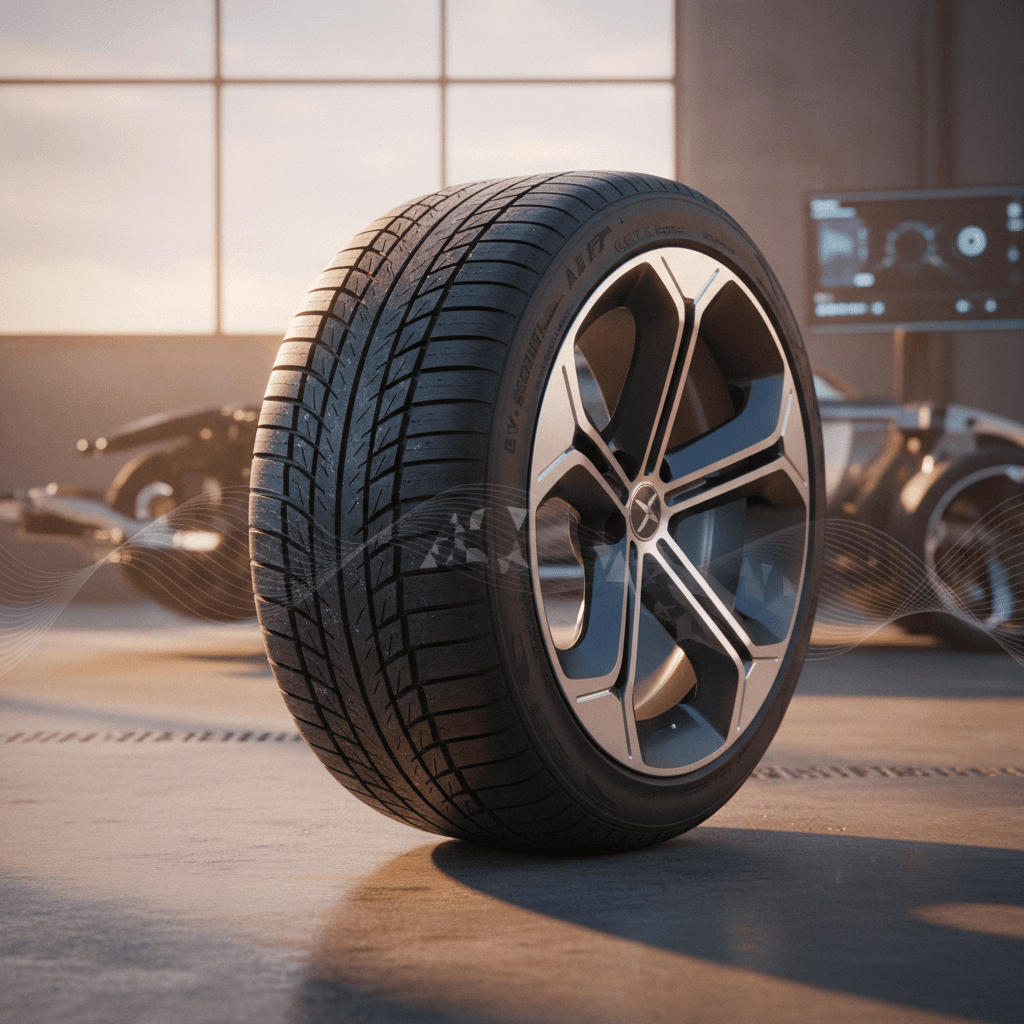
If you’ve recently bought an EV, or you’re shopping for a used one, the question comes up fast: what are the best tires for electric cars? With extra weight, instant torque, and ultra‑quiet cabins, EVs ask a lot more from their tires than a typical gas car. The right set can add real-world range, reduce road noise, and handle that punchy acceleration; the wrong set can make your car feel harsh, loud, and less efficient.
Quick take
Why electric cars need different tires
Heavier cars, more stress on rubber
EVs carry a large battery pack low in the chassis, which makes them hundreds of pounds heavier than comparable gas models. That extra mass sits directly on your tires, especially during braking and cornering. It’s why many modern EVs use XL (extra‑load) or even HL (high‑load) tires and why using an under‑rated tire on an EV is a safety and wear problem.
Instant torque and quiet cabins
Electric motors deliver full torque from a standstill, so the tire’s contact patch takes more abuse off the line than in a conventional car. At the same time, there’s no engine noise to mask road roar, so cheap or mismatched tires can make an EV feel loud and coarse. The best EV tires combine strong traction for launches with advanced tread patterns and sound‑absorbing tech to keep the cabin quiet.
Don’t downsize load rating
Key features to look for in the best EV tires
What makes a tire “EV-ready”?
You don’t have to buy a tire with EV in the name, but it needs these traits.
Low rolling resistance
Rolling resistance is the energy lost as a tire rolls. On an EV, that drag can account for a meaningful share of your total energy use. The best tires for electric cars use advanced compounds and construction to reduce rolling resistance without sacrificing safety, which directly helps preserve range.
High load rating & strong construction
Look for XL or HL markings and follow the load index in your owner’s manual or door‑jamb label. Reinforced sidewalls and internal structure keep the tire stable under heavy EV weight, during hard braking, and on fast highway sweepers.
Noise-optimized tread design
In a quiet EV, tire roar is suddenly obvious. Many top EV tires add noise‑canceling foam or special tread blocks that break up sound waves, giving you a calmer cabin on coarse pavement.
Good traction for instant torque
EVs can spin tires easily, especially in the wet. A good EV tire uses a high‑grip tread compound and smart siping for wet and winter traction, so your traction control system doesn’t have to work overtime.
Mileage & wear performance
Because EVs are heavier, they often wear tires 10–20% faster than similar gas cars. Choosing a model with a solid treadwear record, and rotating on schedule, can save hundreds of dollars over the life of the vehicle.
Efficiency vs. performance balance
Ultra‑sticky performance tires feel amazing but can noticeably cut range. The sweet spot for most EV drivers is an all‑season or grand‑touring tire tuned for both efficiency and confident everyday handling.
Check the symbols on the sidewall
Best tires for electric cars by category (2025 picks)
There is no single “best” tire for every electric car. Climate, driving style, and wheel size all matter. Below are widely available 2024–2025 options that test well on efficiency, comfort, and grip, and that are commonly used on popular EVs like the Tesla Model 3/Y, Hyundai Ioniq 5/Kia EV6, and Chevy Bolt. Always confirm that any tire you choose fits your exact size and load rating.
Representative EV-friendly tire models for 2025
Examples of tire lines that pair well with many electric cars. Not every size fits every EV, use this as a starting point, not a final fitment list.
| Category | Example tire line | Best for | Key strengths |
|---|---|---|---|
| All-season EV focus | Michelin e.Primacy / Pilot Sport EV | Daily drivers in mild climates | Low rolling resistance, strong wet grip, quiet ride |
| Comfort touring | Bridgestone Turanza Eco | Commuters, highway cruisers | Efficiency, comfort, good mileage |
| Eco summer | Continental EcoContact 6 | Warm‑weather regions | Low rolling resistance, responsive steering |
| Performance EV | Pirelli P Zero Elect | Sporty EVs, bigger wheels | High grip, tuned for EV weight and torque |
| All-weather (light snow) | Michelin CrossClimate 2 | Mixed climates, no dedicated winter set | Year‑round traction including light snow |
| Dedicated winter EV | Nokian Hakkapeliitta 10 EV, Michelin X‑Ice Snow | Snow‑belt drivers | Excellent ice/snow traction, EV‑tuned versions available |
Check your owner’s manual, door‑jamb sticker, or your current tire sidewall before ordering anything.
Good news for shoppers
EV tires and range: what really changes?
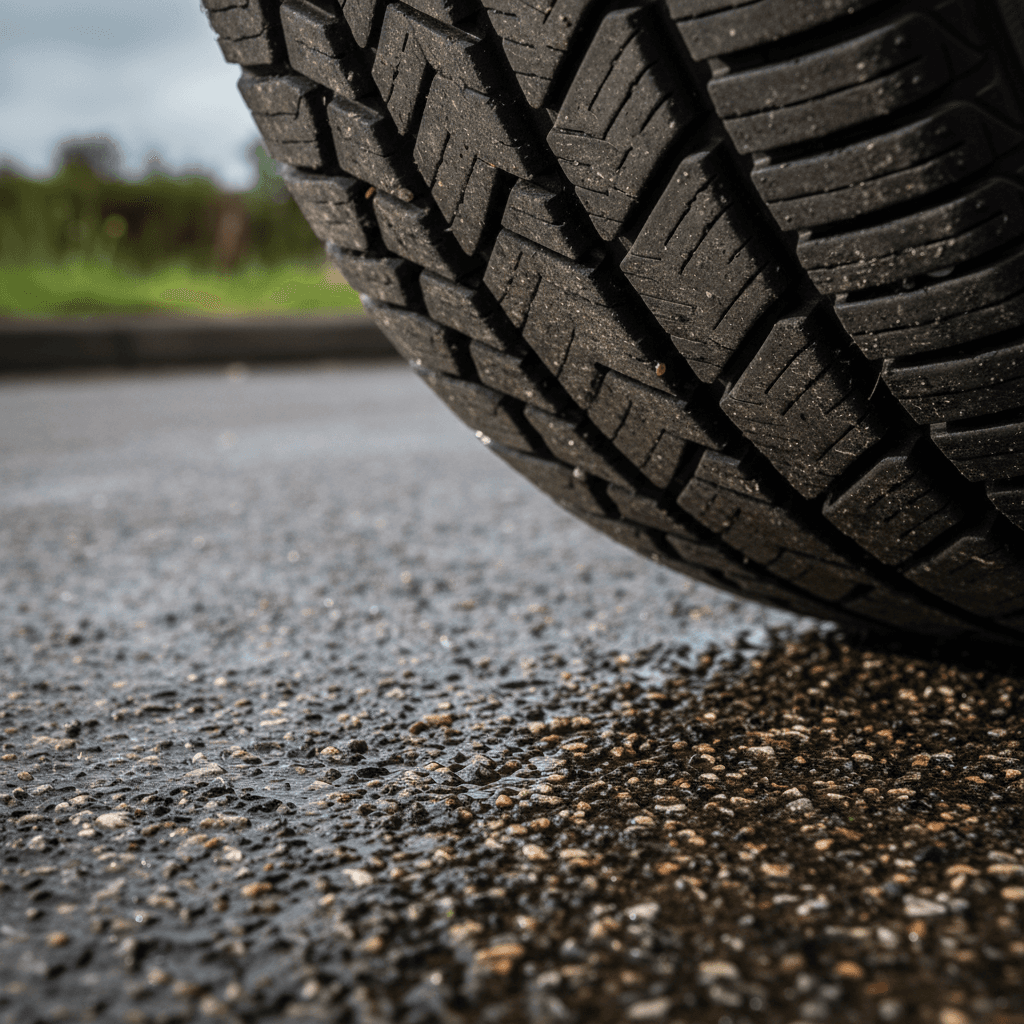
Range is always top of mind, but tire choice is only one part of the story. The best tires for electric cars are designed to keep rolling resistance low, which can help preserve real‑world range, especially at highway speeds.
- Switching from a low‑rolling‑resistance tire to an aggressive performance model can noticeably reduce range, particularly at 65–75 mph.
- Underinflated tires increase rolling resistance, sometimes cutting range by several percent and making your EV feel sluggish.
- On the flip side, an ultra‑efficient eco tire might improve range but feel less sharp in cornering or emergency maneuvers.
How much range can tires affect?
How long EV tires last, and what you’ll pay
EV tire wear and cost snapshot
Tire prices vary dramatically by size and brand, but late‑model EVs on 18–20‑inch wheels commonly see $250–$350 per tire at dealer service centers, and often a bit less at independent shops or warehouse clubs. Performance trims with 20–22‑inch wheels can easily go higher. When you’re evaluating a used EV, worn tires can represent a four‑figure expense in the near term, so it’s worth checking tread carefully.
Save without cutting corners
How to choose the right EV tires: step-by-step
Step-by-step EV tire buying guide
1. Confirm size and load rating
Check the sticker in your driver’s door jamb or your owner’s manual. For most EVs you’ll see XL or HL load markings. Write down the full size (for example, 235/45R18 98Y XL).
2. Decide what matters most
Rank your priorities: range, comfort, performance, winter traction, or longevity. The “best tires for electric cars” for you will be different if you prioritize quiet commuting versus canyon carving.
3. Filter for EV-friendly models
On retailer sites, look for tires labeled EV, Elect, or “low rolling resistance.” Cross‑check reviews from EV owners, not just gas‑car drivers, because the same tire can behave differently on a heavier electric car.
4. Match climate to category
In mild climates, an all‑season or grand‑touring tire works well. In snow‑belt states, consider a dedicated winter set or an all‑weather tire with the three‑peak mountain snowflake symbol.
5. Compare total installed cost
Get quotes from a dealer, a national tire chain, and at least one local shop. Include mounting, balancing, disposal fees, and any road‑hazard warranty coverage. The cheapest sticker price isn’t always the best value.
6. Plan an alignment check
Whenever you install a new set on an EV, especially a used one, budget for an alignment if the old tires show uneven wear. A slightly out‑of‑spec alignment can chew through expensive EV tires quickly.
Maintenance tips to make EV tires last longer
- Check tire pressure at least once a month and before long road trips. Many EVs have built‑in tire‑pressure monitoring, don’t ignore the warning light.
- Rotate tires every 5,000–7,500 miles, or as recommended in your manual. This is especially important for EVs with strong rear‑ or all‑wheel‑drive torque.
- Avoid full‑throttle launches when the tires are cold or roads are wet, instant torque can scrub off rubber quickly.
- Watch for cupping or feathering on tread blocks, which can signal worn suspension components or misalignment.
- Have your wheels re‑torqued after tire installation if recommended by the shop, especially on vehicles with large, heavy wheels.
Don’t ignore tire-pressure warnings
How tires factor into a used EV purchase
Tires are one of the easiest ways to sanity‑check how a used electric car has been driven and maintained. Uneven wear, mismatched brands, or very cheap replacement tires on a high‑performance EV can be a red flag, and a future expense. When you shop through Recharged, every vehicle gets a Recharged Score Report that includes battery health diagnostics plus a detailed look at consumables like tires and brakes, so you’re not guessing what’s left.
What to look for on a test drive
- Listen for roaring or humming that changes with speed, it can indicate cupped or worn tires.
- Note any pulling to one side, vibration, or steering‑wheel shimmy at highway speeds, which might signal alignment or balance issues.
- Pay attention to harsh impacts over potholes; low‑profile tires on big wheels are easier to damage.
How Recharged can help
Buying a used EV through Recharged means you get expert guidance on expected tire life and replacement cost alongside battery health. Our specialists can walk you through which tire categories make sense for your driving and budget, and we can factor upcoming tire replacement into your financing conversation so there are fewer surprises after delivery.
EV tire FAQ
Frequently asked questions about EV tires
Choosing the best tires for your electric car isn’t about chasing a single “EV” label, it’s about matching the right construction, compound, and tread design to your car and your driving. If you keep an eye on load rating, efficiency, noise, and climate, you’ll end up with a set that keeps your EV feeling quick, quiet, and confidence‑inspiring for tens of thousands of miles. And if you’re still shopping for a used EV, working with a partner like Recharged, where battery health and tire condition are part of a transparent Recharged Score Report, can help you budget accurately and enjoy the drive from day one.