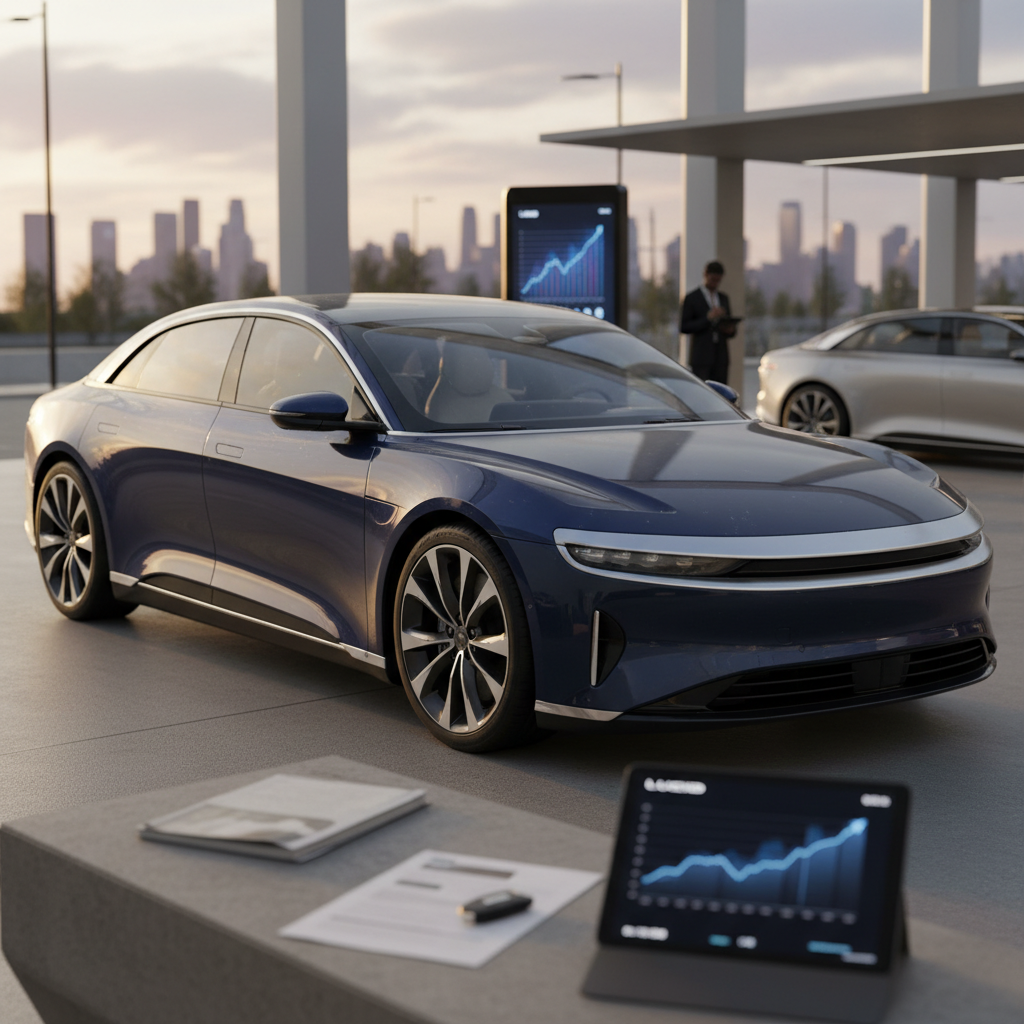
If you own a used electric vehicle, **2025 was a pivotal year** for deciding when to sell. Prices swung, federal tax credits for buyers ended on September 30, 2025, and new EV discounts from automakers reshaped what shoppers are willing to pay. Knowing the *best time to sell a used EV in 2025*, and into early 2026, can easily mean thousands of dollars in your pocket, or left on the table.
Why timing matters more for EVs
How 2025 Changed the Rules for Used EV Sellers
To understand when to sell, you first need to understand what made 2025 unusual. Early in the year, used EV prices were still digesting big drops from 2023–2024, when many models fell **15% or more year-over-year**. At the same time, federal **Clean Vehicle** credits for both new and used EV buyers were scheduled to end for vehicles **acquired after September 30, 2025**. That created a short-lived **rush of buyers before the deadline**, followed by more uncertainty once the credits disappeared.
Used EV Market Snapshot Heading Into Late 2025
For you as a seller, that cocktail of **high depreciation**, **expiring incentives**, and **growing used EV demand** means you need to think about timing on three levels: the calendar, your car’s age, and what’s happening in the broader market.
Key Factors That Determine the Best Time to Sell
Four Levers That Control Your EV’s Sale Price
The "right" time to sell is where these factors line up in your favor.
1. Depreciation curve
EVs tend to lose value fastest in the **first 3–4 years**, then level off. Selling too early means you eat the worst depreciation. Selling too late may put you beyond most buyers’ comfort zone for battery age.
2. Policy & incentives
In 2025, the **end of federal EV purchase credits on September 30** changed buyer math. Before that, a qualifying buyer could use up to **$4,000** of used EV tax credit toward your car, effectively supporting your asking price.
3. Supply & demand
As more 3–5‑year‑old EVs come off lease, **supply will rise**. When inventory is lean, you can hold firmer on price. When there’s a flood of similar EVs, you may need to price more aggressively or offer perks like including a home charger.
4. Battery health & warranty
Most buyers care less about model year and more about **battery health** and remaining **high‑voltage warranty**. If your pack still tests strong and you’ve got warranty mileage left, that’s a prime window to list the car.
A quick rule of thumb
How EV Depreciation Works, and Why Years 3–5 Matter
Study after study shows that **EVs depreciate faster than comparable gas vehicles** over the first five years, with some analyses putting 5‑year EV depreciation near **60% of original MSRP**. A big chunk of that loss happens early, especially when newer models arrive with better range or lower prices.
Years 0–3: The steep drop
- Biggest percentage losses typically happen here.
- Newer tech and longer‑range versions of your model undercut your used price.
- Buyers worry about being the second owner through the sharpest depreciation.
Years 3–7: The "value sweet spot"
- Depreciation often slows to a more predictable pace.
- Battery health becomes the key differentiator between similar cars.
- Many shoppers actively seek 3–5‑year‑old EVs as the best value.
If you bought a new EV in 2020–2022 and drove it normally, **2024–2026 are exactly those 3–6‑year windows**. In other words, **right now** is likely the best balance between still‑healthy value and avoiding the next wave of depreciation as newer, cheaper EVs arrive.

Don’t wait for the battery to become the story
Tax Credits, Deadlines, and What Sept. 30, 2025 Meant
From 2023 through most of 2025, qualifying buyers of a used EV could claim up to a **$4,000 Used Clean Vehicle Credit** on vehicles priced at $25,000 or less, bought from a dealer, and meeting income and eligibility rules. That credit applied to **vehicles acquired on or before September 30, 2025**. After that date, **no new purchases qualify for the federal used EV credit**, although buyers who purchased before the deadline can still claim it on their 2025 tax return.
- Before September 30, 2025: Buyers could factor in up to **$4,000** of federal credit (if the car and buyer qualified), making your asking price easier to swallow.
- After September 30, 2025: Federal purchase credits for both new and used EVs ended, so buyers became more price‑sensitive overnight.
- Into 2026: State and utility incentives still help on the **new EV** side in some areas, but there’s no longer a federal sweetener for most used EV shoppers.
How this affects your timing now
Seasonal and Short-Term Timing Strategies
Beyond big policy deadlines, when you list your EV **within the year** can nudge your sale price up or down. While seasonality is milder for EVs than for sports cars or convertibles, there are still patterns worth paying attention to.
Best Seasons to Sell a Used EV
Think in terms of buyer mindset and cash flow, not just weather.
Late Q1–Spring
Tax refunds hit, and buyers who postponed a purchase over the holidays start shopping again. Listings often pick up, but so does demand.
Early Summer
Road‑trip season. Shoppers thinking about long drives may finally act on the idea of **“fuel‑free” vacations**, boosting EV interest.
Fall–Early Winter
Deal‑seeker season. Buyers who watched the market all year start looking for value. In cold climates, showcase your EV’s **winter range performance** clearly.
Watch interest rates and gas prices
Timing Your Sale by Vehicle Age and Type
Two 2021 EVs can have very different resale stories depending on battery chemistry, brand reputation, and range. Still, a few age‑based rules apply fairly consistently across the used EV market.
When to Consider Selling, By EV Age
Use this as a starting point; your exact timing will depend on mileage, battery health, and local market conditions.
| EV Age | Typical Buyer Perception | Timing Guidance | If You Own This Today… |
|---|---|---|---|
| 0–2 years | "Almost new" with steep depreciation ahead | Only sell if you must or if your model has held value unusually well. | Consider waiting unless a new model makes yours suddenly less desirable. |
| 3–5 years | Value sweet spot: modern tech, warranty left, better pricing | Prime time to sell, especially if your battery health is strong. | Strong candidate to list in 2025–2026. |
| 6–8 years | Out of basic warranty; buyers scrutinize battery health | Sell if your battery still tests well and you have documentation. | Good time to sell before the next owner starts worrying about pack replacement. |
| 9+ years | High uncertainty about long‑term battery life | Expect a smaller buyer pool; niche shoppers only. | Sell based on condition and price realism, not perfect timing. |
These ranges reflect typical U.S. used EV buyer preferences going into 2026.
Models that buck the trend
Reading the 2025–2026 Used EV Market
Going into 2026, **new EV sales have cooled**, but **used EV sales have grown**, in some reports by low double‑digit percentages. At the same time, average used EV prices have drifted down toward **parity with used gas cars**, often around the mid‑$30,000 range for relatively new models. That’s created a more balanced, less speculative market than in the pandemic years.
Tailwinds for selling
- More shoppers now understand **EV ownership costs** and see used EVs as smart buys.
- Charging networks and home charging options are better than they were even 2–3 years ago.
- Plenty of buyers prefer avoiding the steep depreciation on brand‑new EVs.
Headwinds for selling
- Heavily discounted new EVs from some brands cap what buyers will pay used.
- End of federal purchase credits makes monthly payment the main hurdle again.
- Growing supply of off‑lease EVs gives buyers more alternatives.
Your timing sweet spot is when the **tailwinds outweigh the headwinds** for *your specific model* in *your local market*. That’s where a specialist marketplace like Recharged helps, our pricing tools and Recharged Score battery diagnostics are built specifically around used EV behavior, not gas‑car rules of thumb.
How to Know Your EV Is Ready to Sell
You don’t have to watch the market every day to make a smart move. Instead, keep an eye on a few simple signals that your EV is entering an ideal selling window.
6 Signs It’s the Right Time to Sell Your EV
1. You’re inside the 3–6 year window
If your EV is roughly **3–6 years old**, you’re likely past the nastiest early depreciation but still early enough that buyers feel confident about the battery and tech.
2. Battery health is strong, on paper
You’ve had a recent battery health report (for example, a **Recharged Score** assessment) showing capacity in line with or better than typical degradation for your model and mileage.
3. Warranty coverage still has breathing room
You still have **at least 1–2 years and tens of thousands of miles** remaining on the high‑voltage battery warranty, which reassures second owners.
4. A major new version just launched or is about to
If a new generation of your EV model offers dramatically more range or a much lower sticker price, values for older versions may slide. **Selling shortly before or soon after** that launch can be smarter than waiting years.
5. Your needs have changed
Your commute got shorter, your family grew, or you now have access to workplace charging. If your EV no longer fits, don’t hold it just because you “already took the depreciation.”
6. Local listings for your model look tight
You see **few similar EVs listed near you**, or the ones that are listed seem ambitiously priced and still moving. That’s often a green light to test the market.
Use real listings, not just book values
Getting Top Dollar: Pricing and Prep Checklist
Even perfect timing only gets you so far if the car doesn’t present well. Before you list your used EV in 2025 or 2026, run through this practical checklist to stack the deck in your favor.
Pre-Listing Checklist for Selling a Used EV
Document battery health clearly
Get a recent battery health report, ideally from a trusted third party like a **Recharged Score**. Buyers will pay more when they can see concrete data instead of guessing.
Highlight warranty and charging details
Make it easy for buyers to see **how much battery and powertrain warranty is left**, what charging port it uses (NACS, CCS, or both), and whether you’re including a home Level 2 charger.
Price against real comps, not hopes
Search for at least **5–10 comparable listings** (same model, similar mileage and options) and aim to be realistically competitive. If you list on Recharged, our pricing tools lean on current EV‑specific market data, not generic used‑car curves.
Time your listing launch
Post your listing mid‑week so it’s fresh for weekend shoppers, and avoid major holidays when attention is elsewhere. If gas prices just jumped in your area, consider listing **within a week** to ride the wave.
Clean, detail, and fix obvious flaws
A professional detail, fresh windshield wipers, and fixing curb‑rashed wheels or minor interior damage can shift buyer perception from “used” to “well cared for”, which supports a stronger price.
Choose the right selling path
Decide whether you prefer **maximum convenience or maximum dollars**. Recharged offers instant offers, trade‑ins, and a consignment‑style marketplace that balances a higher sale price with expert handling of test drives, paperwork, and delivery.
“The biggest mistake I see EV owners make is waiting until their car feels old to them. By the time you’re emotionally done with it, the market’s often moved on, too.”
FAQ: Best Time to Sell a Used EV
Frequently Asked Questions About Timing Your Used EV Sale
Bottom Line: When to Sell Your Used EV
The **best time to sell a used EV in 2025 and early 2026** is usually when three things line up: your car is in the **3–6 year age range**, its **battery health and warranty still inspire confidence**, and local demand for your model looks solid. The federal tax‑credit rush up to **September 30, 2025** has passed, but the used EV market has matured into something more predictable, where informed sellers can do very well.
If you’re on the fence, start by **getting a clear picture of your EV’s battery health and fair market value**, then watch listings for your model for 30 days. When the numbers look right, don’t overthink it, list confidently, present the car honestly, and choose a selling path that matches your priorities. With tools like the **Recharged Score**, transparent pricing, financing, trade‑in, and nationwide delivery support, Recharged can help you turn your EV into cash or your next electric upgrade at the right time, and on your terms.