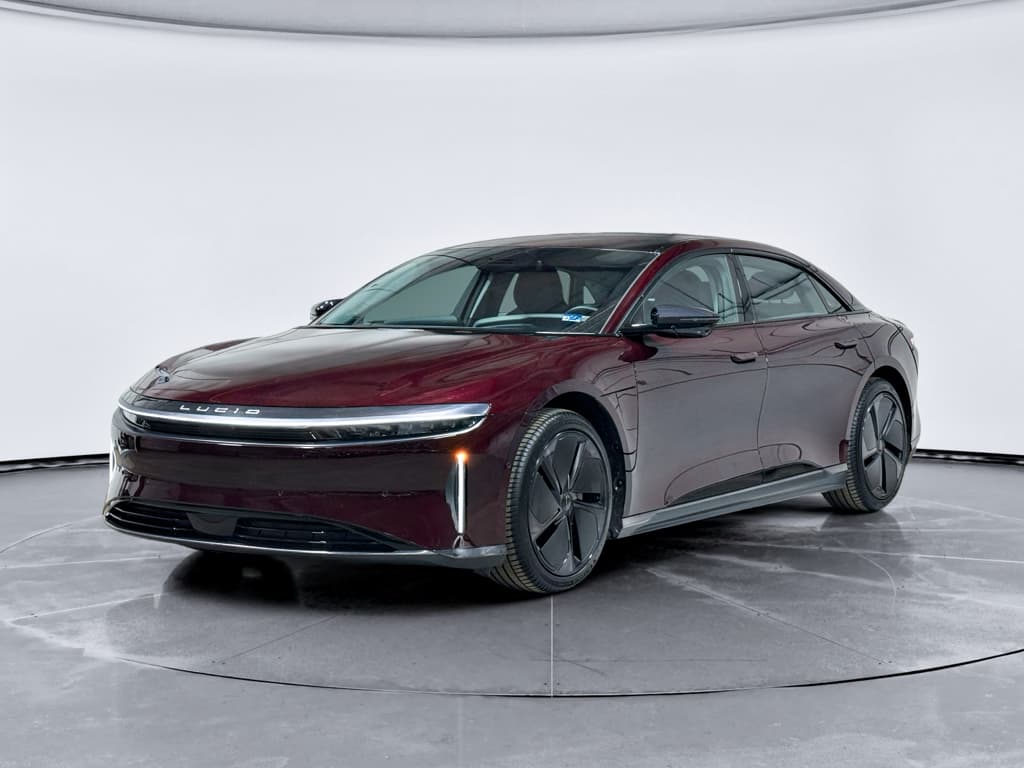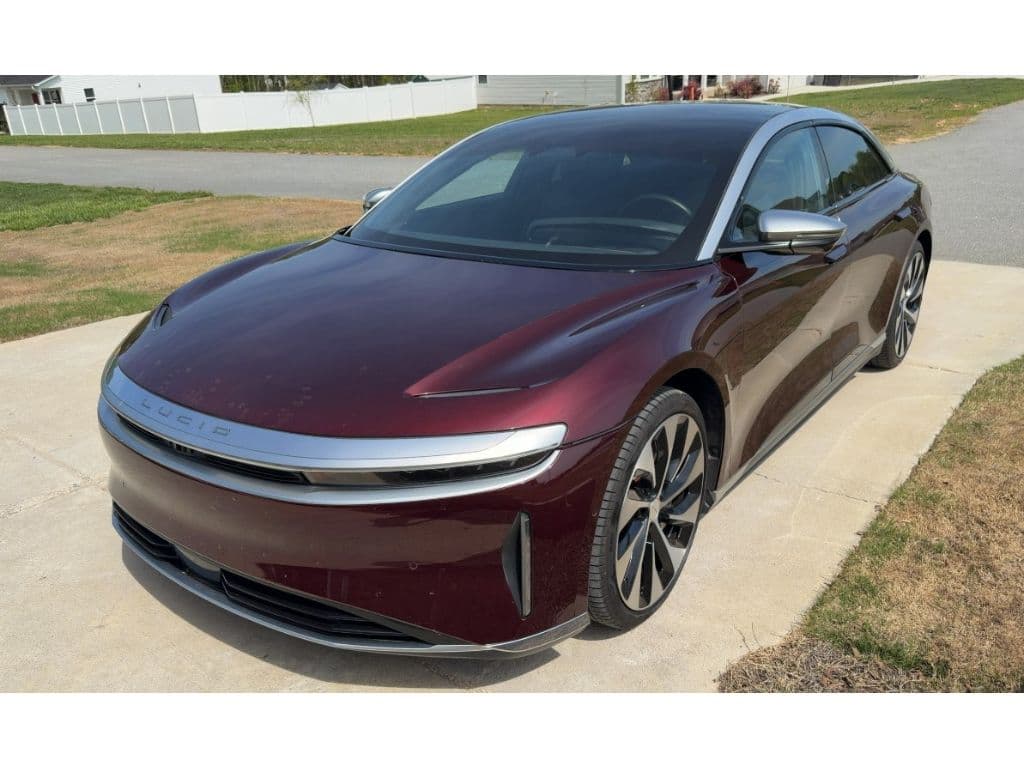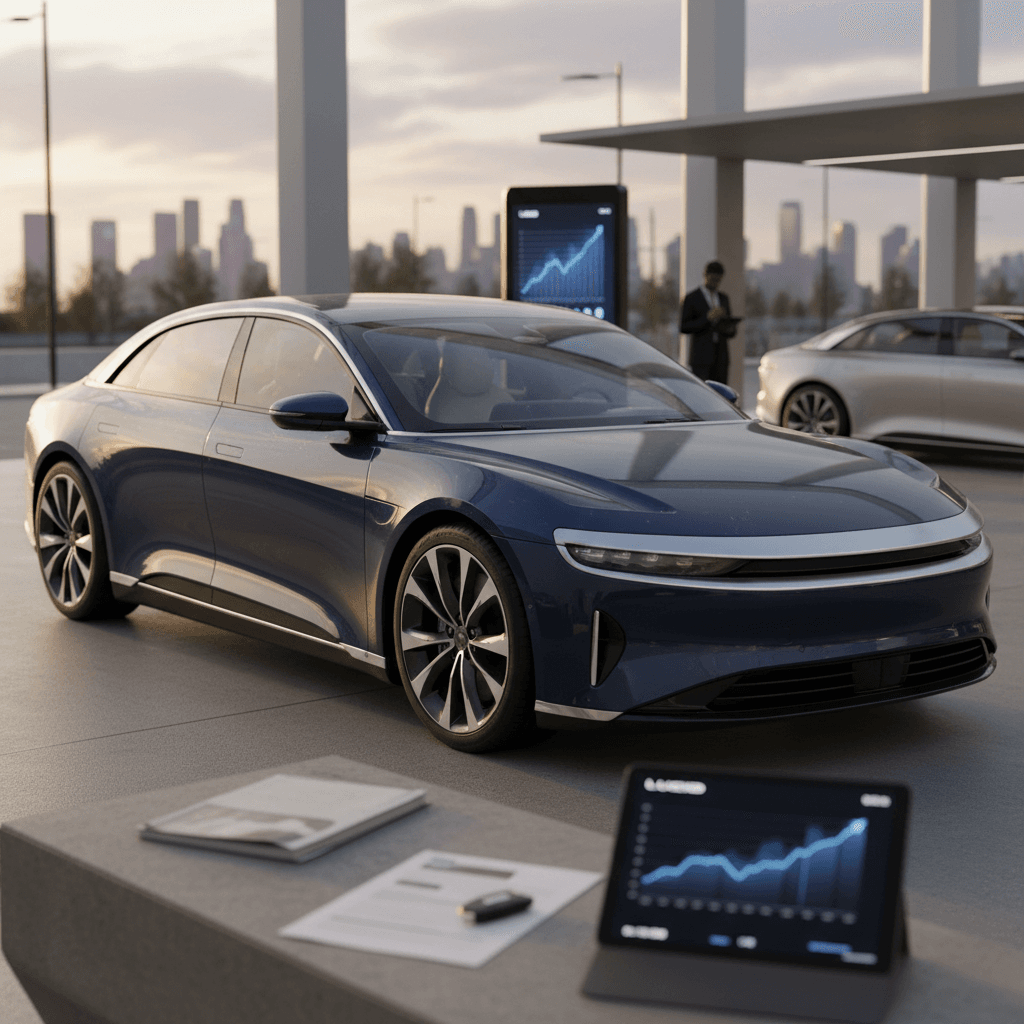
If you’ve looked at used listings lately, you’ve probably noticed something striking: the Lucid Air resale value looks surprisingly soft for such a high‑end EV. Deep discounts on new cars, volatile EV demand, and Lucid’s own growing pains have combined to push used prices down faster than many early buyers expected. The flip side is that 2026 may be an unusually good time to buy a used Lucid Air, if you know what you’re getting into.
Quick take
Lucid Air resale value at a glance
Lucid’s growing but still-small footprint
Important context
How the Lucid Air got here: production and pricing history
Resale values never exist in a vacuum. To understand where Lucid Air prices are likely headed, you have to start with how Lucid scaled production and positioned pricing over the last few years.
- Slow initial ramp (2021–2023): Lucid began Air production in late 2021 and delivered only a few thousand units per year at six‑figure price points. That created exclusivity but left very little real‑world resale data.
- Real volume starts in 2024–2025: By 2024, Lucid produced just over 9,000 vehicles and delivered about 10,000 globally. In 2025, deliveries jumped again to roughly 16,000 as the company leaned on incentives and added the Gravity SUV.
- Big sticker, bigger discounts: Early Air Dream and Grand Touring trims often stickered well north of $120,000. As the market cooled, Lucid rolled out lower‑priced Pure and Touring trims and cut MSRPs on existing models, undercutting residual assumptions baked into early leases and loans.
- Competitive landscape shifted: When the Air launched, the luxury EV sedan segment was relatively uncrowded. Since then, the Tesla Model S has been repeatedly repriced, and high‑end EV crossovers from Mercedes, BMW, Porsche, and others have siphoned demand away from big sedans.
Production matters for resale
What’s hurting Lucid Air resale values today
On paper, the Air should be a resale star: huge range, stunning performance, and a genuinely premium interior. Yet in the real world, used values are coming under pressure from several directions at once.
Key headwinds for Lucid Air resale
Why used prices look softer than many owners expected
Factory price cuts
Lucid has repeatedly lowered MSRPs and layered on incentives to stimulate demand. When a new Air Pure that once cost close to six figures can now be bought new for far less, used examples have to follow those prices down.
EV demand reset
Across the market, EV resale values have cooled as interest rates rose and some shoppers reverted to hybrids. Lucid is experiencing this same macro pressure, without the shelter of a huge, established owner base.
Brand & service anxiety
Many buyers still worry about Lucid’s long‑term survival, service coverage, and parts availability. Those perceived risks get priced into used values through lower bids and higher financing costs.
Unknown long‑term durability
The Air’s drivetrain and battery tech look excellent on paper, but there simply aren’t 8–10 years of high‑mileage data yet. Until there are, some conservative buyers will discount the car accordingly.
OTA & software lock‑in
Over‑the‑air updates can keep an Air fresh, but they also mean buyers worry about features changing or being paywalled later. That uncertainty can weigh slightly on resale compared with simpler, less software‑defined cars.
Sedan vs SUV trend
Market preference has shifted heavily toward SUVs and crossovers. Even fantastic sedans like the Air have to work harder to hold value when family buyers are shopping Gravitys, Model Ys, and EQE SUVs instead.
The lease residual problem
Lucid Air resale value forecast: 2026–2030
Forecasting resale values always involves a dose of humility, especially for a young brand. That said, there are enough Lucid Airs in the wild now to sketch some reasonable scenarios. Think of the following as directional guidance, not a guarantee.
Approximate Lucid Air depreciation curve (US, 2026 market)
Very rough illustrative view for well‑optioned Air Pure/Touring/Grand Touring models used primarily as daily drivers.
| Age of vehicle | Odometer range | Typical value vs original MSRP | What it looks like in dollars* |
|---|---|---|---|
| 1 year | 10k–15k miles | ~75–80% | $80k Air ≈ $60k–$64k |
| 3 years | 25k–40k miles | ~60–65% | $90k Air ≈ $54k–$58k |
| 5 years | 50k–70k miles | ~45–55% | $90k Air ≈ $40k–$50k |
| 8+ years | 80k–110k miles | ~30–40% | $90k Air ≈ $27k–$36k |
Actual resale values will vary widely by trim, mileage, condition, incentives at time of first sale, and timing of Lucid’s future price changes.
How this compares to peers
Upside scenario (values improve)
- Lucid’s Gravity SUV succeeds, the company grows deliveries and service coverage, and a stronger brand halo pulls used demand for the Air up with it.
- US EV incentives and charging infrastructure continue to improve, expanding the pool of confident used‑EV buyers.
- Underpriced early used Airs attract savvy buyers, normalizing demand and tightening the discount versus Tesla over time.
Downside scenario (values stay weak)
- Lucid continues to rely on deeper incentives and price cuts to move new metal, repeatedly dragging down the used price ceiling.
- Macro EV demand remains choppy and interest rates stay elevated, forcing used prices lower to clear inventory.
- Any major reliability or parts‑availability stories could quickly push resale values down further, especially for out‑of‑warranty cars.
What this means for you
Lucid Air vs Tesla Model S: resale comparison
The natural comparison for Lucid Air resale value is the Tesla Model S. Both are premium long‑range electric sedans, and both appeal to buyers who value tech and performance. But they sit at very different points in their product and brand life cycles.
Lucid Air vs Tesla Model S: resale drivers
Why the Model S still holds a resale edge, for now
Brand maturity
Tesla: More than a decade of Model S history, millions of vehicles on the road, and a deeply established service and charging ecosystem.
Lucid: Technically impressive but still perceived as a startup. That startup risk gets embedded into used pricing.
Charging ecosystem
Tesla: Direct, native access to the Supercharger network, still the gold standard for long‑distance EV travel.
Lucid: CCS/NACS access via partner networks and emerging NACS adoption; excellent in practice but less familiar to mainstream shoppers.
Performance & efficiency
Lucid: Often beats the Model S on range and efficiency at comparable performance levels, which *should* support values long‑term.
Tesla: Still competitive, and the brand recognition means some buyers don’t dig into the specs at all.
Observed depreciation
Tesla: Late‑model Model S examples typically retain a bit more value today, helped by a much deeper buyer pool.
Lucid: Air values are catching a discount both for being a sedan and for being less proven in the eyes of lenders and buyers.
Where Lucid can close the gap
Battery health and range: how much do they matter?
For any used EV, the battery is the asset that matters most. Lucid’s entire pitch has been built around efficiency and long range, so buyers naturally worry about how those strengths age over time.
- Lucid’s technical foundation is strong: The Air uses a high‑efficiency drive unit, sophisticated thermal management, and a large pack, ingredients that typically correlate with slower degradation when the software is tuned conservatively.
- Real‑world degradation data is still limited: We simply don’t have a large population of 150,000‑mile Lucid Airs yet. Early owners report modest loss of range, but the sample size is small and skewed toward enthusiasts.
- Usage pattern is critical: Frequent DC fast charging, daily 100% charges, and very hot climates are all risk factors for faster degradation in *any* EV, including the Air.
- Battery warranties help but don’t eliminate risk: Warranty coverage provides a floor for catastrophic failures, but it doesn’t guarantee that a 10‑year‑old Air will still have the road‑trip range you’re hoping for.
Use objective battery health data
Should you buy a used Lucid Air now?
So is the Lucid Air a bargain or a trap on the used market in 2026? The honest answer is that it can be either, depending on your priorities and time horizon.
Who a used Lucid Air makes sense for
You value comfort and range over badge cachet
If you care more about a quiet cabin, huge cruising range, and a great driver’s car than impressing people at a Supercharger, the Air is compelling at today’s used prices.
You’re comfortable with some startup risk
Lucid is better capitalized than many EV startups, but it’s not a 100‑year‑old OEM. If the idea of a younger brand with a growing service network makes you anxious, factor that into your decision.
You can keep the car for 7–10 years
The more years you spread depreciation over, the less resale volatility hurts. The Lucid Air feels most rational as a long‑term keeper rather than a short‑cycle flip.
You have access to good service options
If you live reasonably close to a Lucid service center or a metro area where mobile service is robust, ownership gets much easier. Remote buyers should be more conservative on price.
You care about total cost of ownership
Between falling used prices, lower energy costs versus gas, and reduced maintenance, a fairly priced used Air can offer a strong overall value, even if resale percentages lag a bit.
Who should be cautious
How to shop smart for a used Lucid Air
If you decide the Air fits your needs, the way you shop will have a bigger impact on your long‑term satisfaction than any single forecasted depreciation curve. Here’s how to stack the odds in your favor.
Step‑by‑step used Lucid Air buying checklist
1. Prioritize battery health over options
A clean bill of health on the high‑voltage battery is worth far more than a fancy interior package. Ask for third‑party battery diagnostics or a <strong>Recharged Score</strong> report rather than relying on a dashboard percentage alone.
2. Compare against new incentives
Lucid’s new‑car incentives can shift quickly. Before committing to any used deal, compare your out‑the‑door price against current factory offers on new Airs so you’re not overpaying for a two‑year‑old car.
3. Verify software and feature status
Make sure all driver‑assist features, connectivity services, and OTA update eligibility are clearly documented. Ask whether the seller has any subscription add‑ons that won’t transfer with the car.
4. Confirm warranty start date and coverage
Get the in‑service date, mileage, and a clear picture of what’s left on both the basic and battery/drive‑unit warranties. This dramatically affects resale value and your cost of ownership.
5. Inspect for panel alignment & water leaks
Like many early EV startups, Lucid has had some panel‑fit and trim complaints. A careful inspection for wind noise, water leaks, and rattles is essential, ideally on a test drive that includes highway speeds and rough pavement.
6. Stress‑test your charging routine
Before you buy, map your home and public charging options. A used Air with excellent range still isn’t a good fit if you can’t conveniently keep it charged in your real life.
How Recharged can help
Ready to find your next EV?
Browse VehiclesFAQ: Lucid Air resale value & used buying tips
Common questions about Lucid Air resale value
Bottom line: where Lucid Air values go from here
Lucid’s story is still being written, and so is the Lucid Air’s resale curve. What we can say confidently in 2026 is that the Air is depreciating faster than established rivals today, but that same dynamic is creating some of the most compelling used‑EV values in the luxury segment. If you approach the purchase with clear eyes about startup risk, lean heavily on verified battery health, and buy at a price that already reflects the headwinds, a used Lucid Air can deliver an outsized amount of comfort, performance, and range for the money.
Whether you ultimately decide on a Lucid Air or another EV, take the time to ground your decision in data rather than hype. Tools like the Recharged Score, transparent pricing, and EV‑savvy guidance are there precisely so you don’t have to guess about resale value. In a market this dynamic, that kind of clarity is worth as much as any extra 50 miles of range on the spec sheet.