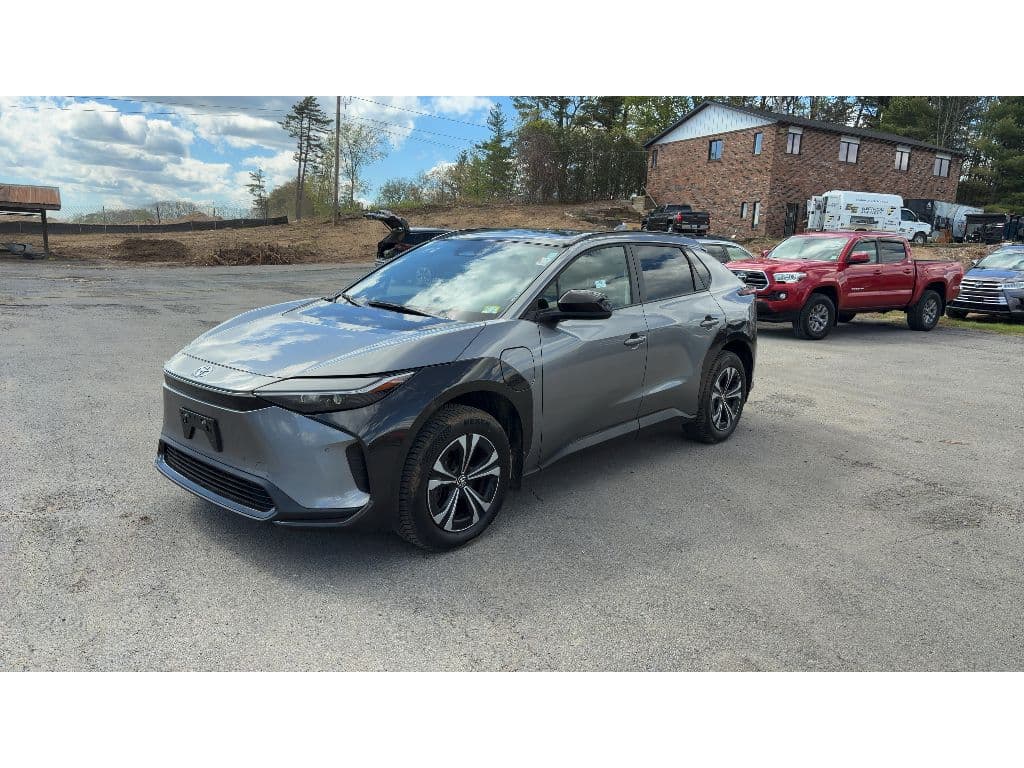
If you own a Toyota bZ4X, you’re probably watching resale values and wondering when the best time to sell really is. Early bZ4Xs took a hit from price cuts, heavy incentives, and fast‑moving EV tech, but that also means there’s a sweet spot where you can exit before the next big drop. This guide breaks down exactly when to sell a Toyota bZ4X, how mileage and battery health affect your price, and how to use today’s 2026 market to your advantage.
Big picture
Why timing matters for Toyota bZ4X sellers
The bZ4X entered the EV market just as incentives, tax rules, and battery tech began to shift under everyone’s feet. Toyota has since cut pricing on new models by up to about $6,000, and stacked on lease cash and 0% APR offers in many regions. Those great deals for new shoppers put direct pressure on used values, especially for early‑build 2023–2024 models.
At the same time, EV shoppers are more educated than they were in 2022–2023. They’re comparing range, charging speeds, tax‑credit eligibility, and battery warranties across several brands. That means your timing has to consider: - How far your bZ4X has already depreciated - Where you sit in the battery warranty window - What Toyota is doing with new‑car pricing and incentives - Seasonal demand for EVs in your region When these factors line up, you can still get solid money for a bZ4X, even in a crowded EV market.
How the Toyota bZ4X is depreciating right now
What current data says about bZ4X value
In plain English: the bZ4X has already done a lot of its worst depreciating. Many owners have seen day‑one and year‑one value drops that would make a Corolla owner spit out their coffee. The flip side is that the curve tends to flatten after those early hits. If you bought new in 2023 or 2024, you’re probably already past the steepest part of the slope.
What this means for you
Mileage and age: the best window to sell a bZ4X
For most owners, the best time to sell a Toyota bZ4X is when the car is between 2 and 5 years old and has roughly 20,000–60,000 miles on the odometer, assuming you’ve kept up maintenance and avoided accidents. That’s the stretch where buyers still see your car as “new enough,” but you’ve already ridden out the brutal first‑year depreciation.
- Under 15,000 miles: You’ll get strong pricing, but you’re competing directly with heavily discounted new inventory and low‑mileage demos.
- 20,000–40,000 miles: Sweet spot. The car still feels fresh, with plenty of battery warranty left. Most buyers are comfortable with this mileage range.
- 40,000–60,000 miles: Still sellable at a good price if condition and battery health are strong. After 60,000 miles, pricing tends to soften faster.
- Over 80,000 miles: You’re selling primarily on price. Condition and a documented battery‑health report become absolutely critical.
Rule of thumb
Battery warranty and health checkpoints
Battery health is the beating heart of any used EV sale. On paper, the bZ4X comes with an 8‑year/100,000‑mile (in some markets 10‑year/150,000‑mile) battery warranty against excessive capacity loss. Many buyers don’t know the details, but they absolutely respond to clear proof that the pack is healthy and still under coverage.
Key battery milestones for bZ4X resale
Why these ages and mileages move your price
Year 2–3
Why it matters: Shoppers assume almost no real degradation yet.
Good time to sell if: You’re switching brands or want out before your warranty clock feels "used."
Year 4–5
Why it matters: Still well within warranty, but buyers begin asking about range loss and charging habits.
Best combo: Clean service history + third‑party battery report.
Year 7–8+
Why it matters: You’re getting close to the warranty limit.
To sell well: You’ll need proof the pack is healthy and a more aggressive price.
From a buyer’s point of view, the ideal used bZ4X still has years of battery warranty left. That’s why many sellers see their strongest offers between years 3 and 6, especially if they can hand over a recent battery‑health report instead of guesswork.
How Recharged helps here
Market factors that make 2026 a strong selling year
Timing isn’t just about your odometer, it’s about what the overall EV market is doing. In early 2026, several trends affect when to sell a Toyota bZ4X:
- New‑car discounts: Toyota has already slashed MSRPs on the bZ4X and offered hefty lease cash. Deep discounts on remaining 2024–2025 inventory pressure used prices, especially for 2023–2024 models.
- Next‑gen Toyota EVs: As Toyota rolls out newer electric SUVs with better range, charging, and interiors, older bZ4Xs look dated faster. When a new model is formally announced or hits showrooms, expect another softening in used values.
- Tax‑credit landscape: Federal EV tax incentives have shifted more toward leases and specific models. Many used EVs, including the bZ4X in some years, don’t reliably qualify for used credits, which means buyers lean harder on simple price and condition.
- Brand perception and recalls: The bZ4X has weathered a few growing pains, including recalls. Once fixes are documented and daily reliability feels boringly Toyota again, used shoppers relax and pricing stabilizes.
Owners who should sell sooner (2026–early 2027)
- 2023–2024 buyers sitting on high original MSRPs.
- Drivers who plan to upgrade to the next Toyota or another brand’s EV.
- Owners whose cars are under 60,000 miles and still have several years of battery warranty.
- Anyone worried about competing with the next‑gen Toyota EV hitting lots.
Owners who can justify holding a bit longer
- Low‑mileage garage queens that barely get driven.
- Buyers who got large discounts or lease cash and aren’t upside‑down.
- Drivers planning to “run it into the ground” and ignore resale after year 8.
- Owners in markets with strong demand for affordable used EVs.
Bottom line for 2026
Seasonal timing: when during the year to sell
Just like any car, EVs have seasonal demand swings. The difference is that EV shoppers often plan bigger purchases around tax season, utility‑rebate calendars, and weather.
Best seasons to sell a Toyota bZ4X
How different parts of the year affect used‑EV demand in the U.S.
| Season | Demand for used EVs | Why it matters for bZ4X sellers | Our recommendation |
|---|---|---|---|
| Late winter – early spring | High | Tax refunds, utility rebates, and new budgets make buyers more willing to shop. | List in February–April if possible; aim to have your car serviced and photographed before peak season. |
| Late spring – summer | Moderate to high | Road‑trip and commute planning; shoppers care more about range than cold‑weather performance. | Great for highlighting range and driver‑assist tech, especially for families and commuters. |
| Fall | Moderate | Back‑to‑school expenses compete with car budgets; EV shoppers become more price‑sensitive. | Price competitively and lean into total cost of ownership and low fuel costs. |
| Mid‑winter (cold climates) | Mixed | Range drop in cold weather makes some first‑time EV buyers nervous. | If you’re in a snow belt, sell before the first big cold snap or wait until late winter tax‑refund season. |
You can sell anytime, but leaning into natural demand spikes helps your bottom line.
Seasonal selling tip
Lease vs. finance owners: when to bail out
The “best time to sell” looks different if you’re in a lease versus a traditional loan. The bZ4X was often leased with hefty manufacturer cash and low money factors, which can change your strategy.
Timing your exit based on how you pay
If you leased your bZ4X
- Check your buyout price against real‑world market value, especially if you signed before the biggest price cuts.
- In many cases, walking away at lease end (and letting the bank absorb depreciation) makes more sense than buying out.
- If market value is higher than your residual (rare, but possible on very discounted leases), you may be able to buy out and flip the car.
If you financed or paid cash
- Figure out your break‑even point: when what you still owe roughly equals what the car will sell for.
- For high‑MSRP 2023–2024 purchases, that may be around years 4–6 with typical mileage.
- If you’re already in positive equity and planning to change cars in the next 18 months, selling sooner can protect you from the next wave of depreciation.
Watch your equity
Should you wait for the next Toyota EV before selling?
Toyota has been clear that more electric SUVs are coming, with better range, performance, and charging speed than the first‑generation bZ4X. From a resale perspective, that creates a classic timing dilemma: sell now before the shiny new model dents your value, or wait and trade into the newer tech?
Reasons to wait
- You got your bZ4X at a very deep discount (big lease cash or price cut) and aren’t upside‑down.
- Your mileage is low and your battery is in excellent health.
- You’re happy with the car and don’t need more space, range, or charging speed today.
- You want to see real‑world reviews of Toyota’s next EV before committing.
Reasons to sell before the next model hits
- You bought early at a high MSRP and are watching used values soften.
- You’re craving faster DC fast‑charging or more range.
- You live in a market where buyers are brand‑agnostic and compare your bZ4X to new rivals and newer Toyotas.
- You want the flexibility to shop used EVs from other brands without carrying negative equity.
In many cases, the best move is to start collecting quotes and trade‑in offers as rumors firm up and order banks open for the next Toyota EV. That way you’re ready to move while your bZ4X is still competitive on range and tech.
How to position your bZ4X for top dollar
Whatever month or year you choose, the difference between an average sale and a great one comes down to preparation. With EVs in particular, buyers are terrified of getting stuck with a weak battery or hidden software problems. Your job is to remove mystery.
Pre‑sale checklist for a stronger bZ4X price
1. Get a professional battery‑health report
A third‑party diagnostic (or a Recharged Score Report) that shows usable capacity and pack health is the single best reassurance you can give a used‑EV buyer.
2. Resolve open recalls and software updates
Make sure all recall work and ECU updates, including HVAC and defroster issues, are documented. Buyers want to know their car is fully up to date.
3. Detail inside and out
EV shoppers notice everything: wheel rash, pet hair, screen smudges. A high‑quality detail and clean charge port say more than a price drop ever will.
4. Gather all charging gear
Include the original charge cable, any adapters, and wall‑mount hardware if you’re not using it. Replacements are expensive, and buyers will pay more when everything is in the trunk.
5. Print your service and charging history
Oil changes aren’t a thing here, but tire rotations, brake service, and any high‑voltage system checks should be documented. If you’ve mostly DC fast‑charged, be honest and let the battery report do the talking.
6. Price with the market, not your emotions
Check multiple valuation tools and real listings, not just what you paid. High MSRPs and later price cuts mean many early bZ4X owners will never see their original money back, and that’s okay if you plan around it.
Avoid this common mistake
Selling through Recharged: what actually changes for you
You can sell your bZ4X privately, trade it at a dealer, or use a marketplace that understands EVs. Recharged was built specifically for used EVs, which changes the experience in a few important ways.
How Recharged can help you time and maximize your bZ4X sale
Data‑driven pricing
Recharged uses real‑world EV transaction data, not just generic SUV curves, to help you price your bZ4X realistically while still protecting your upside.
Recharged Score diagnostics
Every vehicle listed includes a Recharged Score Report that verifies battery health, range performance, and overall condition, giving buyers the confidence to pay more for a well‑cared‑for bZ4X.
Flexible selling options
Choose from an instant offer, a higher‑return consignment listing, or a trade‑in toward another EV, all with nationwide delivery and EV‑specialist support.
Ready to find your next EV?
Browse VehiclesIf you’re within that 2–5‑year, 20,000–60,000‑mile sweet spot and your battery looks healthy, Recharged’s audience of EV‑savvy shoppers can be the difference between “wholesale money” and a sale you actually feel good about.
FAQ: Best time to sell a Toyota bZ4X
Frequently asked questions about selling a Toyota bZ4X
The Toyota bZ4X may not hold value like a classic Toyota SUV, but that doesn’t mean you’re destined to lose. If you pay attention to age, mileage, battery warranty, and what Toyota is doing with new‑car pricing, you can still choose a moment that works in your favor. For many owners, that moment falls in the next few years, right in the window when your bZ4X still feels fresh, the battery is strong, and the next generation hasn’t completely changed the game. If you’re ready to explore numbers, Recharged can help you get a data‑driven valuation, verify your battery health, and choose the selling path that fits how you like to drive, and how you like to do business.