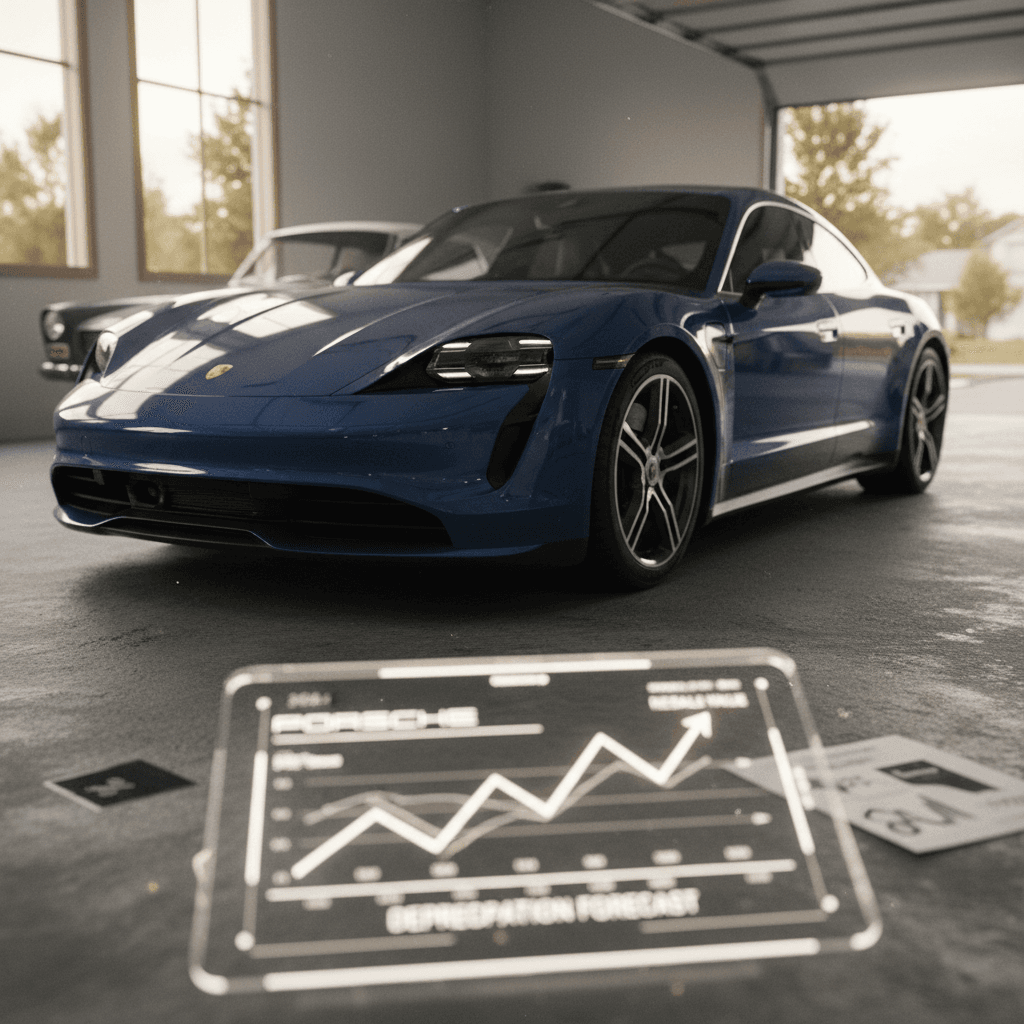
If you own a Porsche Taycan, you already know it isn’t just an EV, it’s a four‑door torque event with a leather‑wrapped conscience. But the market has turned on early electric flagships, and the Taycan has been hit harder than most. Picking the best time to sell a Porsche Taycan in 2026 can mean saving, or losing, tens of thousands of dollars in depreciation.
In one sentence
Why timing matters for Porsche Taycan sellers
The Taycan has become a case study in how quickly first‑wave EV luxury can fall from grace on the used market. Used examples in both Europe and the U.S. have seen unusually steep depreciation compared with Porsche’s own Panamera and 911, with some early cars losing close to half their value within a year after a high‑MSRP spec. That hurts on paper, but it also creates a narrow window where you, as a seller, can still command strong money by getting ahead of the curve.
Three forces that hit Taycan values
- Rapid tech updates: Big range and efficiency gains on the 2025+ Taycan make earlier cars look out‑of‑date overnight.
- EV market fatigue: A softer global appetite for expensive EVs has pushed prices down across the board.
- Battery anxiety: Shoppers obsess over real‑world range and pack health, especially as mileage climbs.
Why you still have leverage
- Porsche badge: Brand equity and build quality still put Taycan above most EV peers.
- Limited supply locally: In many U.S. markets, clean, low‑mile Taycans are rare, which supports pricing.
- Improved fast‑charging access: Recent access to Tesla’s Supercharger network and NACS adapters makes Taycan ownership easier, boosting appeal.
Reality check
How the Taycan is depreciating right now
Taycan vs other Porsche models: resale snapshot
Globally, Taycan deliveries have softened while Porsche’s SUV lineup does the volume lifting. That cooling demand shows up in used listings: high inventory, longer time‑on‑market, and aggressive discounts from dealers trying to clear stock. For an individual seller, it means the car is still desirable, but buyers have options and know the numbers. Your protection is timing, presentation, and a brutally realistic understanding of where the curve is headed, not where you wish it were.
Best years and mileage to sell a Taycan
The sweet spots for selling a Taycan
Think in years, not emotions, and in miles, not memories.
Years 3–4: Prime exit
For original owners, this is usually the best blend of retained value and buyer confidence. The car still feels "new," major software and hardware are current enough, and you’re well within the battery warranty.
Years 5–6: Act before the cliff
Still very sellable, but the market will start to price in looming warranty expirations and next‑gen EV competition. If you’re here in 2026, you should be actively planning your exit, not daydreaming about keeping it forever.
Under 40–50k miles: Strongest demand
Most Taycan shoppers expect a low‑mileage, pampered car. Once you cross into the 50k+ range, every additional 10k miles tends to hurt more than it would on a comparable gas Porsche.
In the real world, the best time to sell a Porsche Taycan is usually when you can offer a car that feels like a lightly used tech product, not a high‑mileage appliance. That tends to be in the 3–6 year, sub‑50,000‑mile window. Outside that band, you’re bargaining more on price than on desirability.
Questions to decide if it’s your moment to sell
1. How far are you from 50,000 miles?
If you’re sitting in the 35–45k mile range, you’re in the sweet spot. Buyers see it as "nicely broken in" but not "used up." Waiting to roll past 60k usually pushes you into a different, more price‑sensitive buyer pool.
2. Are you still inside the primary battery warranty?
If your car is approaching a key warranty milestone, plan to list and sell several months before that date. The psychological impact on buyers is larger than the legal fine print.
3. Has a big model refresh just launched?
If the revised Taycan with better range and efficiency is already on dealer lots in your area, your current car just got older overnight. Speed becomes your friend, sell quickly before prices fully reset.
4. Do you have a clear next car in mind?
If you’re just vaguely thinking of "something new someday," you’re more likely to drift past optimal timing. If your replacement plan is concrete, it’s easier to act decisively while the numbers still work.
Battery health, warranty, and when buyers start to worry
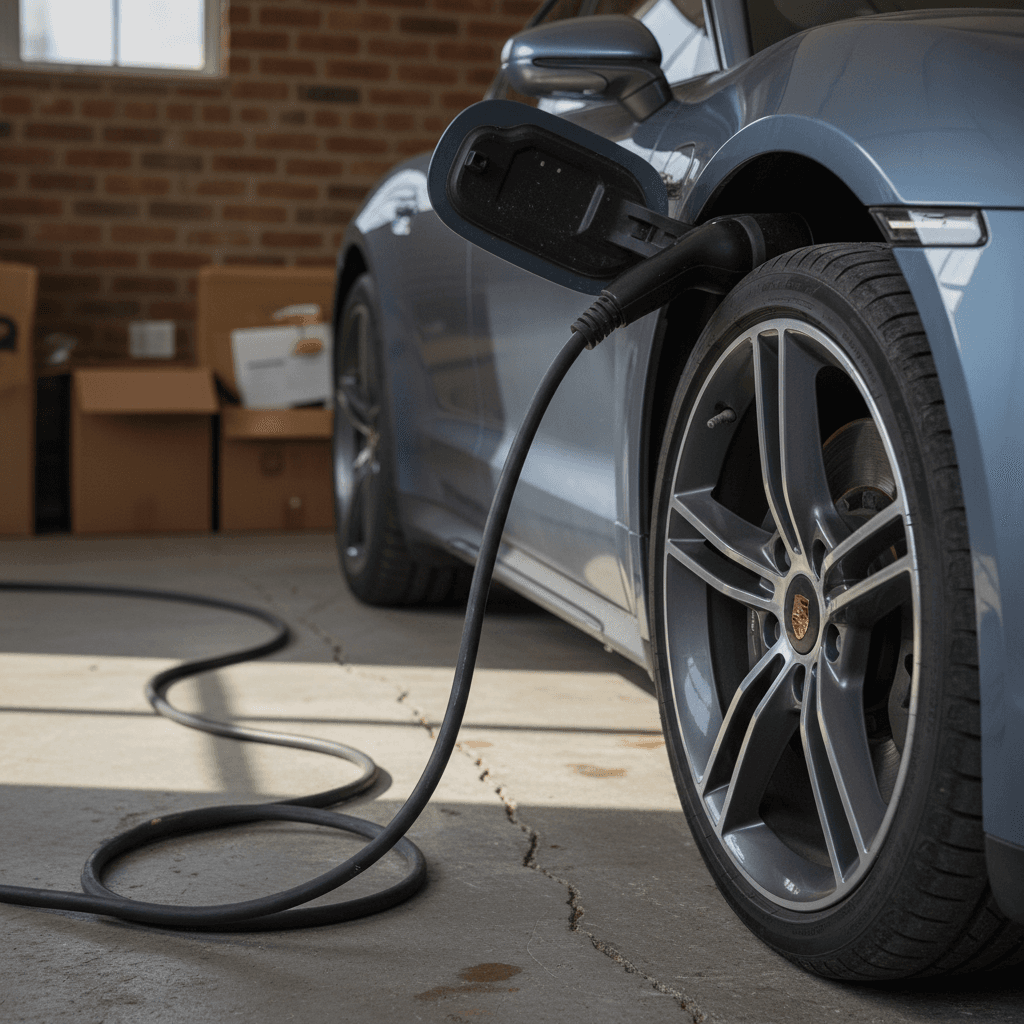
On a Taycan, the battery pack is both the beating heart and the giant question mark. Sophisticated buyers don’t just ask "How many miles?", they ask, "How healthy is the pack?" This is where you can either command a premium or get dragged into discount territory.
How battery health shapes Taycan buyer confidence
Use this as a mental model, exact warranty terms vary by region and model year, but the psychology is the same.
| Battery situation | Buyer perception | Pricing impact |
|---|---|---|
| 80–90%+ state of health, warranty comfortably remaining | "This pack has lived an easy life. I can keep it for years." | Strong pricing power, faster sale |
| Mid‑70s to low‑80s state of health, warranty ticking down | "It’s fine now, but I might be the one stuck with a big bill." | Expect negotiation and more shopping around |
| Unknown or unverified health, heavy DC fast‑charge use | "Too many unknowns. I’ll look at a different car." | Steep discounts or long time‑on‑market |
| Warranty nearly expired or already over | "I need a real deal to take this risk." | Smaller buyer pool, larger price concessions |
The closer you are to a strong battery health report and solid remaining warranty coverage, the easier the sale.
Make battery health your headline, not a footnote
If you’re selling privately, come armed with service records, charging habits (home vs DC fast charging), and any software updates that improved efficiency. If you list or sell through Recharged, the Recharged Score puts objective battery‑health diagnostics and fair‑market pricing in one report, which is exactly the sort of documentation Taycan shoppers are desperate to see.
Market calendar: the best seasons to sell a Taycan
Beyond age and miles, there’s the simple question of when the market is actually awake. EV shoppers are not evenly distributed across the calendar, and luxury‑EV shoppers least of all.
Seasonal timing for Taycan sellers in the U.S.
You can’t move the market, but you can surf the swells.
Late winter to early summer
Best overall. Tax‑refund money, bonus season, and brighter weather all converge. Shoppers are planning summer road trips and are more willing to consider a big EV purchase. Listing your Taycan from February through June typically gives you a larger, more confident buyer pool.
Late fall and deep winter
More challenging. Holiday spending, weather worries, and EV range fears in cold climates can all dampen enthusiasm. If you must sell in November–January, sharper pricing and stellar presentation matter more.
Fall shoulder season
Decent, but competitive. People are back from summer, kids are in school, and attention turns to year‑end finances. Good time to sell if you price smartly and highlight winter‑prep (tires, recent service).
Around big EV news cycles
Watch for news. A major Taycan update, new rival launch, or big charging‑network announcement can either pull demand toward your car, or away from it. If Porsche drops a big range or tech upgrade, you want your listing live before buyers re‑anchor their expectations.
Model updates, charging access, and how they shift demand
The Taycan is aging in dog‑years. The 2025 update brought meaningful jumps in range and efficiency, and 2026 ushers in easier access to fast‑charging thanks to Tesla Supercharger and NACS integration. All of that creates clear "have" and "have‑not" dividing lines in the used market.
If you own a pre‑2025 Taycan
- Range gap: The new car goes farther on a charge, and buyers know it. Waiting another year won’t close that gap, it will just make your car feel older.
- Sell before the next update: If you’re already feeling FOMO about the new car’s range, buyers are too. Listing early keeps you out in front of the next price step‑down.
- Highlight any updates: If your car has had recent software or optional hardware updates (e.g., improved charging), make those front‑and‑center in your listing.
If you own a 2025+ Taycan
- Stronger story: You can honestly pitch "latest generation" range and efficiency, which supports higher pricing.
- Leverage charging access: Access to the Tesla Supercharger network and included NACS adapters make long‑distance ownership less stressful, play that up to range‑anxious buyers.
- Act before everyone else: As leases on newer cars end, more 2025+ examples will flood the market. A clean, early sale usually beats waiting for the herd.
A simple rule of thumb
Mileage and usage patterns that help your sale
A Taycan that’s been a weekend car in a warm‑weather zip code is a different animal from one that’s been a high‑mileage commuter in deep‑freeze country. Buyers know this, and they read between the lines of your listing quickly.
- Low annual mileage (under ~10,000 miles per year) signals careful use and gentler battery cycling.
- Predominantly home Level 2 charging is seen as softer on the pack than constant DC fast charging.
- Garaged storage and mild climates are selling points, both for the battery and the interior.
- Consistent dealer or specialist service history reassures buyers the car’s complex systems have been cared for.
Tell the story buyers want to hear, truthfully
Pricing strategy: how not to leave money on the table
The Taycan used market moves fast, and online shoppers are staring at the same listings you are. Price too high and you become a cautionary tale. Price too low and you’ve tipped a five‑figure chip to the buyer for free. You want to be aggressively realistic: slightly under the bloated dreamers, slightly above the sketchy outliers.
Positioning your Taycan against the market
Start with data, then adjust for condition, spec, and timing.
| Listing type | Typical strategy | Pros | Cons |
|---|---|---|---|
| Dealer retail | Highest asking, heavy fees baked in | "Turn‑key" experience for buyers, financing easy | You net less; buyers assume room to negotiate hard |
| Private sale premium | Slightly under top‑tier dealer prices, but with better story, records, and battery data | Maximizes your return if you’re patient and detail‑oriented | You handle marketing, screening, and paperwork |
| Quick‑sale pricing | Firm price closer to wholesale, clearly justified by speed or condition | Fast exit, less haggling, fewer tire‑kickers | You sacrifice some upside for certainty |
| Recharged marketplace | Data‑driven pricing based on live EV market, with verified battery health | Balanced between strong seller returns and realistic time‑to‑sale; EV‑savvy buyers | Still subject to broader EV market trends |
| Auction platforms | Low reserve or no reserve; let the crowd decide | Can work well for rare specs or perfect cars | Volatile; if the right buyers don’t show up that week, you’re stuck with a disappointing hammer price |
Think of pricing as a band, not a single magic number.
The biggest mistake Taycan sellers make
How Recharged helps you sell a Taycan smarter
Selling a Taycan isn’t like moving a used crossover. It’s part sports car, part rolling software, part chemistry experiment. That’s why Recharged was built specifically for used EVs, to take the guesswork out of exactly this kind of transaction.
What you get when you sell through Recharged
Data, diagnostics, and an EV‑savvy buyer base.
Recharged Score battery diagnostics
Every vehicle on Recharged gets a Recharged Score Report with verified battery health and pack diagnostics. For Taycan shoppers, that’s the difference between "maybe" and "send me the paperwork."
Fair‑market EV pricing
Our pricing models are tuned to EVs, not just generic used cars. They account for battery health, local incentives, charging access, and real‑time demand so you’re not relying on gas‑car depreciation curves that don’t fit.
Flexible ways to sell
Choose instant offer, trade‑in, or consignment. You can sell fully online, lean on EV‑specialist support, and use our nationwide delivery network to reach the right Taycan buyer, not just whoever happens to live nearby.
Ready to find your next EV?
Browse VehiclesIf you’re sitting on the fence about timing, talking to an EV‑focused marketplace like Recharged can ground your decision in actual data: real offers, real buyer interest, and a clear, current view of what your Taycan is worth today, not what a generic pricing site says it "should" be worth.
FAQ: best time to sell a Porsche Taycan
Frequently asked questions about selling a Taycan
Key takeaways: when to sell your Taycan
- Aim to sell in the 3–6 year, sub‑50,000‑mile window, when your Taycan still feels current and confidence‑inspiring.
- Watch for major model updates and charging‑access news; you want to list before, not after, big leaps in tech and range.
- Treat battery health and warranty as headline features, not fine print, buyers will.
- Use the calendar to your advantage, favoring late winter through early summer for the widest, most motivated buyer pool.
- Price ambitiously but realistically, using EV‑specific data (not just generic book values) to set your ask.
- Consider selling through Recharged to leverage the Recharged Score, expert EV pricing, and nationwide exposure to Taycan‑savvy buyers.
The Taycan is one of the great electric cars of its era: fast, gorgeous, and deeply satisfying to drive. The trick is not letting its resale story undo the joy you’ve already had. If you time your exit, on the right side of the tech curve, ahead of key warranty cliffs, and in a season when buyers are actually shopping, you can hand the keys to the next owner with a clear conscience and a healthier bank balance. And if you’d rather not navigate that alone, Recharged exists precisely to make that leap from "incredible EV" to "smart sale" as painless as possible.