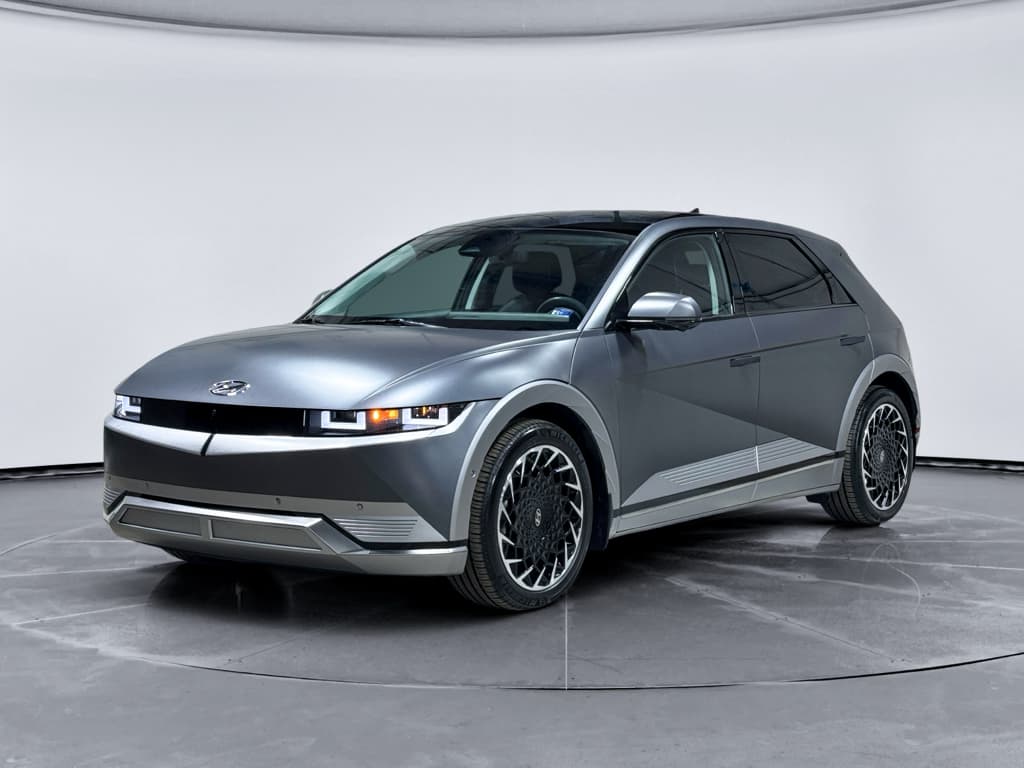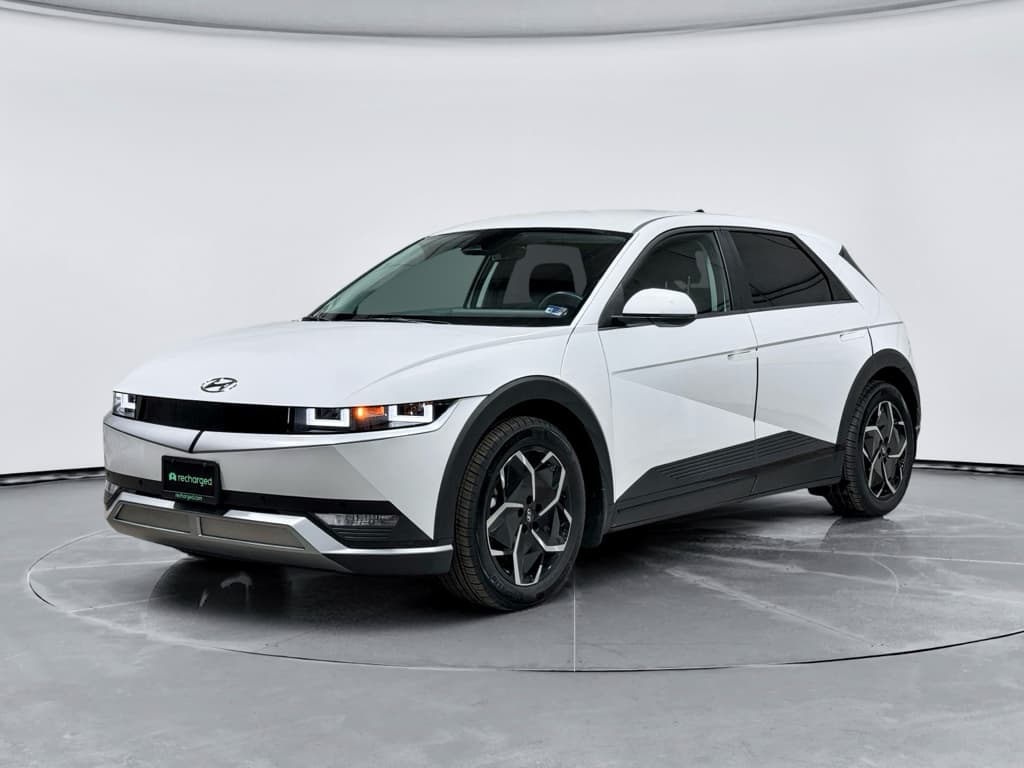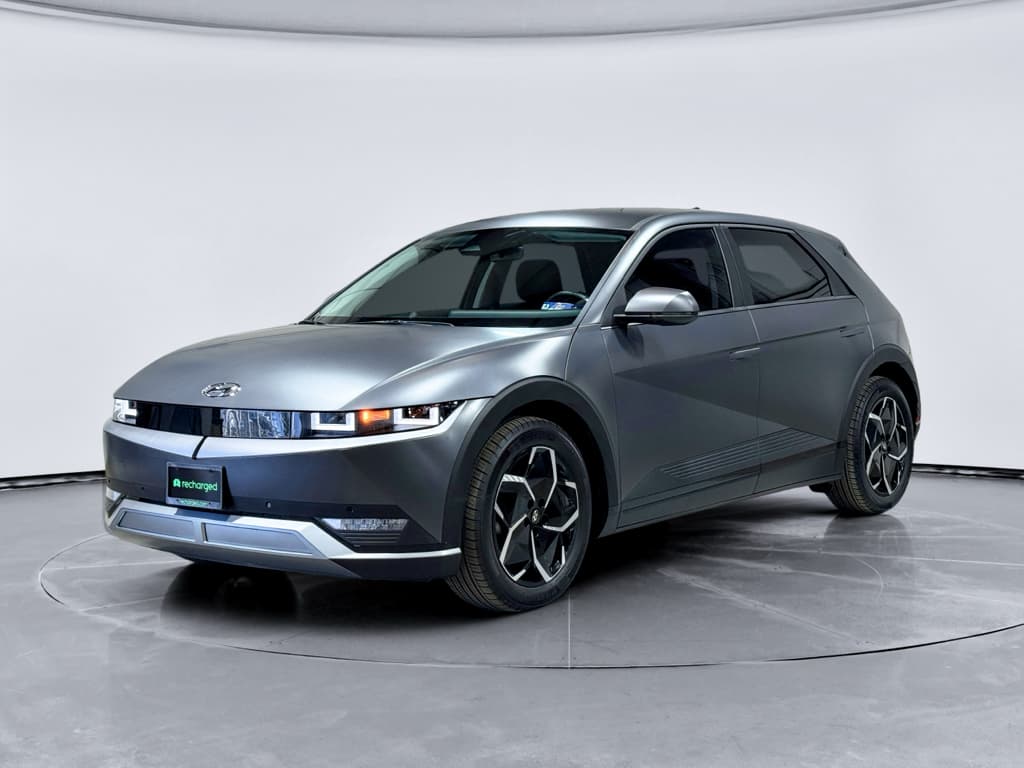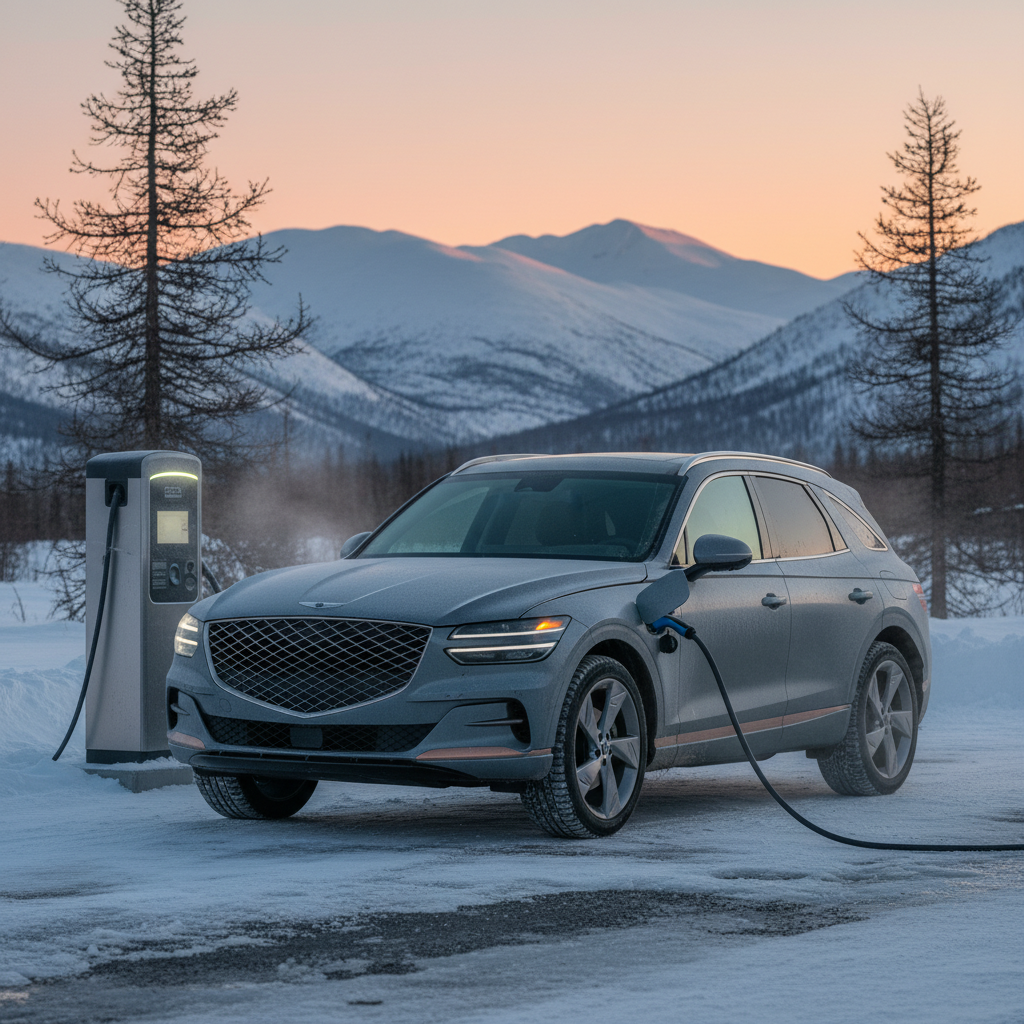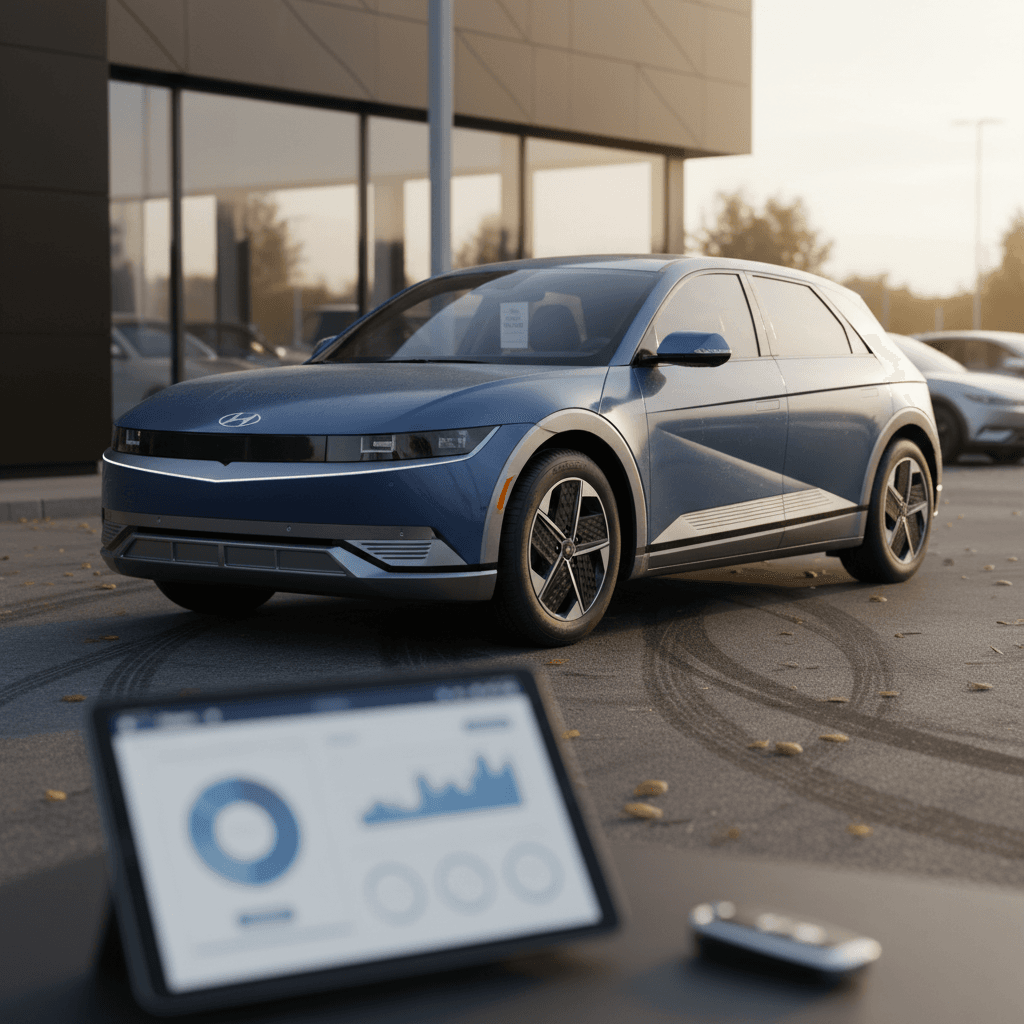
If you’re cross-shopping a used Tesla Model 3 vs a new Hyundai IONIQ 5, you’re not alone. Many U.S. shoppers in 2026 are torn between Tesla’s efficient sedan, with Supercharger access and proven resale value, and Hyundai’s spacious, tech-forward electric crossover that still carries a full factory warranty. This guide walks through real-world pricing, range, charging, space, warranty and ownership costs so you can pick the EV that fits your life, not just the spec sheet.
What this comparison covers
Overview: The used Model 3 vs new IONIQ 5 decision
At a glance: strengths of each
Both are excellent EVs, but they solve different problems.
Used Tesla Model 3
- Lower upfront price than a new IONIQ 5 in most cases.
- Excellent efficiency and range for the money.
- Seamless access to the Tesla Supercharger network.
- Sedan dynamics: lower, sportier, easier to park.
New Hyundai IONIQ 5
- Full new-car warranty, including 10-year/100,000-mile EV battery coverage.
- Roomy crossover body with more cargo and rear-seat space.
- Ultra-fast 800-volt charging on compatible DC fast chargers.
- Traditional dealer network plus strong safety and driver-assist suite.
In simple terms, a used Model 3 usually wins on price-to-range and charging convenience, while a new IONIQ 5 wins on space, warranty coverage and family-friendly practicality. The right answer depends on how much you drive, how many people you haul, and how comfortable you are buying used.
Pricing & value: What you’ll actually pay
Typical 2026 U.S. price landscape
Used Tesla Model 3 vs new Hyundai IONIQ 5: Price examples
Illustrative U.S. pricing examples in early 2026. Your local market, mileage and trim will move these numbers up or down.
| Vehicle & trim example | Model years considered | Typical asking price (2026) | Notes |
|---|---|---|---|
| Used Tesla Model 3 Standard/Standard Range Plus | 2018–2020 | $18,000–$23,000 | Lower range than Long Range trims but still attractive for commuters. |
| Used Tesla Model 3 Long Range AWD | 2018–2021 | $22,000–$27,000 | More range and traction; usually priced at the top of used Model 3 market. |
| New Hyundai IONIQ 5 SE Standard Range (RWD) | 2026 | About $36,600 MSRP | Hyundai has slashed 2026 pricing, making entry trims far more competitive. |
| New Hyundai IONIQ 5 SE/SEL RWD (long-range pack) | 2026 | Low–mid $40,000s | Larger battery and more equipment, still below many comparable EV crossovers. |
| New Hyundai IONIQ 5 SEL/Limited AWD | 2026 | Mid–high $40,000s to low $50,000s | Adds dual motors, more features and better traction. |
Always compare out-the-door pricing, including destination, dealer fees and taxes.
Don’t compare MSRP to asking price
If your top priority is minimizing upfront cost, a used Model 3, especially a 2018–2020 car, will almost always be cheaper than a brand-new IONIQ 5. But once you factor in warranty coverage, potential repair risk, and possible new-EV incentives or low-rate financing, the value equation gets closer than the sticker prices suggest.
Range & performance: How far and how fast
Typical range and performance comparison
EPA-rated range for popular trims; real-world results vary with temperature, speed and driving style.
| Model & configuration | Battery (approx.) | EPA range when new | 0–60 mph (approx.) | Real-world notes |
|---|---|---|---|---|
| Tesla Model 3 RWD (Standard Range/Plus) | 50–54 kWh | ~240–272 mi | 5.3–5.8 s | Excellent efficiency; many owners see 200+ miles even after years of use. |
| Tesla Model 3 Long Range AWD | 75–82 kWh | ~310–333 mi | 4.2 s | One of the best range-per-dollar EVs on the used market. |
| Hyundai IONIQ 5 SE Standard Range (RWD) | 58 kWh | ~220 mi | ~7.3 s | Best for city/short-commute drivers who DC fast-charge on trips. |
| Hyundai IONIQ 5 RWD (large pack) | ~77–84 kWh | ~300–320 mi | ~7.0 s | Competitive range with a more upright, crossover body style. |
| Hyundai IONIQ 5 AWD (large pack) | ~77–84 kWh | ~260–290 mi | ~5.1 s | Stronger performance and traction with a modest range penalty. |
Used vehicles may show modest range loss compared to original EPA numbers.
EPA vs real-world range
In pure efficiency terms, the Model 3 is hard to beat. Later-model cars are rated roughly 270–340 miles, and even older Long Range examples still give most drivers more than 200 miles on a charge after several years. The IONIQ 5’s range is highly competitive, especially the bigger-battery RWD trims, but its less aerodynamic crossover shape and wider tires mean you’ll typically consume more energy per mile than a Model 3.
Where the Hyundai claws back ground is flexibility: the AWD IONIQ 5 accelerates briskly, and its higher seating position inspires confidence on rough roads and in bad weather. If you care most about highway efficiency and long legs between charges, advantage Tesla. If you want a quick, comfortable family hauler, the IONIQ 5 makes a strong case.
Charging access: Superchargers vs ultra-fast DC
Tesla Model 3 charging experience
- Network: Native access to Tesla’s Supercharger network, still the gold standard for reliability and density in much of the U.S.
- Speed: Many trims charge up to ~250 kW on DC fast chargers.
- Home charging: 32–48A Level 2 provides 25–40 miles of range per hour at home.
- Non-Tesla DC networks: With the right adapter, you can use CCS fast chargers, though the experience is more app- and card-juggling.
Hyundai IONIQ 5 charging experience
- 800-volt architecture: On a 250 kW DC fast charger, the IONIQ 5 can go roughly 10–80% in about 20 minutes when conditions are right.
- Networks: Uses CCS fast charging today and increasingly supports the Tesla-based NACS plug on newer models.
- Home charging: About 7–11 kW on Level 2 (roughly 25–35 miles of range per hour).
- Perk: Some new IONIQ 5s include free DC fast charging credits or discounted public charging for a limited period.
NACS and adapter reality check
If you road-trip often, native access to Superchargers in a Tesla still feels nearly effortless: pull in, plug in, walk away. The IONIQ 5’s 800-volt system is brilliant when you find a healthy 250 kW CCS charger, but public networks remain more fragmented. For a lot of suburban and urban drivers who mostly charge at home, both cars will feel equally convenient day-to-day.
Space & practicality: Sedan vs crossover
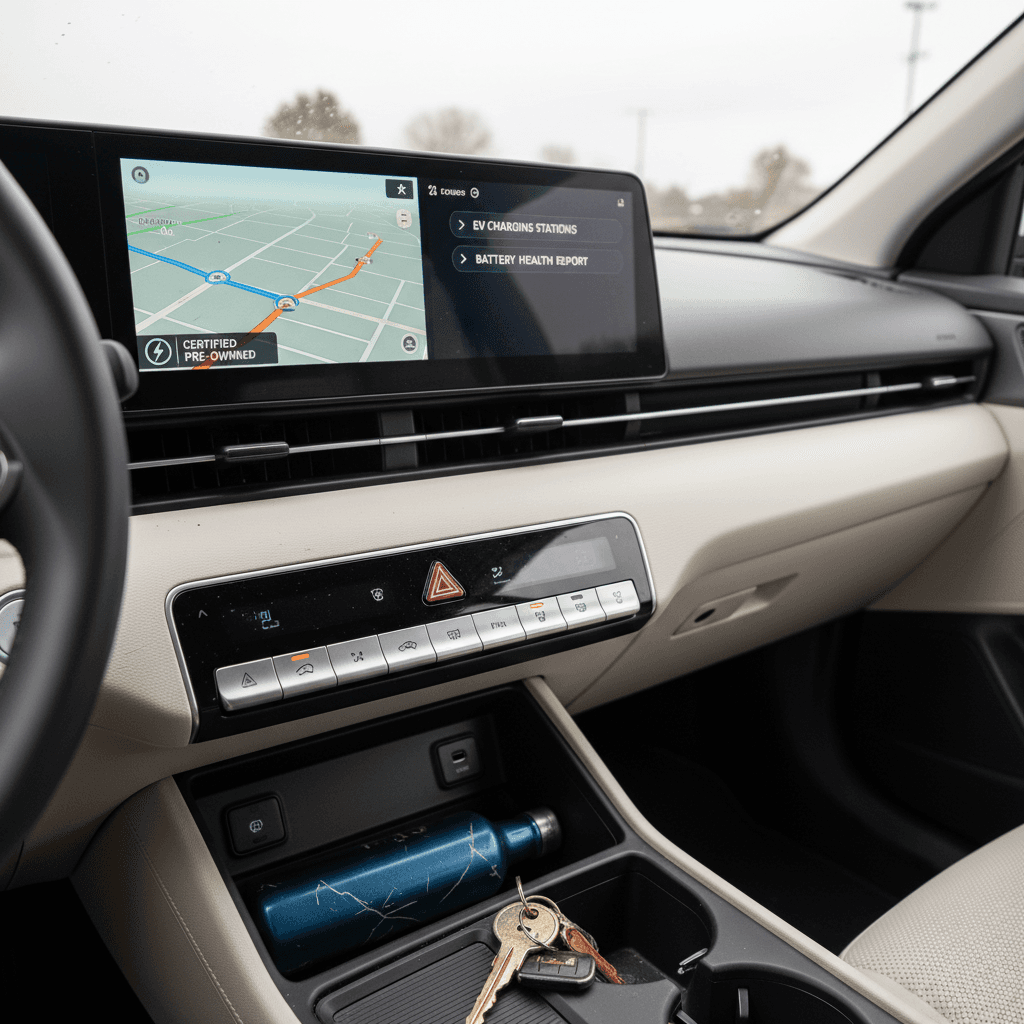
Practicality comparison: Who each EV fits best
Think about people, pets and cargo, not just range.
Tesla Model 3 practicality
- Comfortable for four adults; fifth passenger is tight.
- Trunk plus small front trunk, but narrow opening for bulkier items.
- Rear headroom is limited for tall passengers.
- Lower ride height makes loading kids and car seats a bit more awkward.
Hyundai IONIQ 5 practicality
- Compact crossover body with generous rear legroom and headroom.
- Large hatch opening and flat load floor for strollers, bikes and gear.
- Sliding rear seats and reclining backrests add flexibility.
- Higher seating position improves visibility and ease of entry.
For singles and couples who don’t routinely haul bikes, big dogs or a stroller, the Model 3 offers enough space with the bonus of tidy exterior dimensions. Families and outdoor-oriented buyers usually find the IONIQ 5’s cargo hold, hatchback access and upright seating more livable. It feels like a small SUV inside, even though its footprint isn’t huge.
Tech, safety and driving experience
Inside the Tesla Model 3
- Minimalist interface: Nearly everything runs through a large central touchscreen.
- Software updates: Frequent over-the-air updates can add features, adjust range estimates and improve driver-assistance.
- Autopilot/Full Self-Driving (FSD): Many used cars include Autopilot; some have paid FSD, which may add value but is not a must-have.
- Safety: Strong crash-test scores historically, with a firm, sporty ride.
Inside the Hyundai IONIQ 5
- Dual screens: Two 12.3-inch displays with a more traditional gauge layout plus a central touchscreen.
- Buttons where they matter: Physical controls for key climate and drive functions.
- Hyundai SmartSense: Modern driver-assist features like adaptive cruise, lane centering and blind-spot monitoring come standard or widely available.
- Ride & noise: Comfortable, quiet and tuned more like a family crossover than a sports sedan.
Who will like which cabin?
Battery health, warranty and longevity
This is where the “used vs new” part of a used Tesla Model 3 vs new Hyundai IONIQ 5 comparison really matters. You’re not just buying a powertrain; you’re buying years of remaining battery life and warranty.
Battery and warranty comparison
High-level look at how battery health and warranties stack up between a used Tesla and a brand-new Hyundai IONIQ 5.
| Item | Used Tesla Model 3 (typical 2018–2021) | New Hyundai IONIQ 5 (2025–2026) |
|---|---|---|
| Battery degradation pattern | Roughly ~10% loss by ~100,000 miles is common when cared for; most packs last well over 200,000–300,000 miles. | Too new for long-term data, but Hyundai’s battery tech has aged well in hybrids and earlier EVs; degradation is generally modest so far. |
| Original battery warranty | Usually 8 years / 100,000–120,000 miles (varies by trim and year) from original in-service date. | Typically 10 years / 100,000 miles on the EV battery, starting when you buy the car new. |
| What you actually get | Remaining portion of Tesla’s battery and drive unit warranty, which may be partially or fully expired on older, higher-mileage cars. | Full battery warranty plus 5-year/60,000-mile limited powertrain and 3-year/36,000-mile bumper-to-bumper coverage on a new purchase. |
| Battery replacement cost | Model 3 pack replacement can run roughly in the mid–four to low–five figures, depending on source and labor; failures are rare but expensive. | Few out-of-warranty failures reported so far; long battery warranty is designed to cover early-life defects. Replacement costs will be significant once out of warranty. |
Always confirm exact warranty terms by VIN and in writing before you sign.
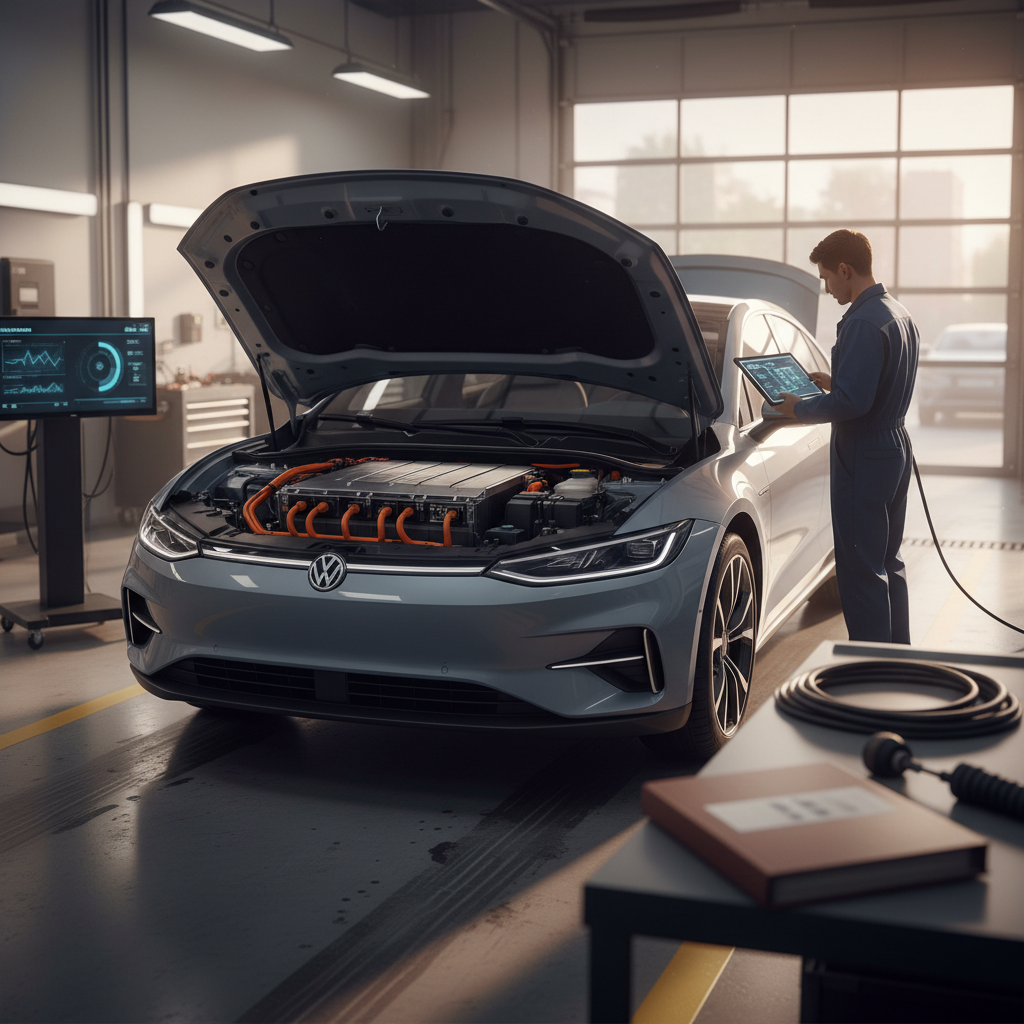
Why a third-party battery report matters
If you’re risk-averse, the IONIQ 5’s long battery and powertrain coverage offers peace of mind that a used Tesla simply can’t match once the factory clock is ticking down. On the other hand, real-world data shows Model 3 batteries aging slowly when they’re not abused, which is why a clean history and a strong diagnostic report can make a used Tesla a very rational long-term bet.
Ownership costs: Insurance, maintenance and depreciation
Key ownership cost factors to compare
1. Insurance premiums
New vehicles like the IONIQ 5 often cost more to insure than older used cars, but this varies heavily by ZIP code and driver profile. Get quotes on the specific VINs you’re considering.
2. Maintenance & repairs
Both EVs avoid oil changes and many wear items. Tesla parts and body repairs can be pricier, while Hyundai benefits from a large dealer network and familiarity in traditional shops.
3. Tires & brakes
The IONIQ 5’s weight and wider tires may mean higher tire costs over time. Both cars benefit from regenerative braking, which extends brake pad life.
4. Depreciation curve
Used Model 3s have already absorbed the steepest years of depreciation. A new IONIQ 5 will lose value faster in the first 3–5 years, especially if incentives and price cuts keep coming.
5. Charging costs
Assuming similar electricity rates, the Model 3’s higher efficiency can trim your per-mile energy costs. But the gap is smaller if most of your charging is at home on off-peak rates.
6. Unexpected repairs
Out-of-warranty electronics or body work on a used EV can be expensive. A new IONIQ 5’s bumper-to-bumper coverage shields you from many surprises during the first years of ownership.
Watch out for false economy
Which should you buy? Key buyer scenarios
Real-world scenarios: Where each EV shines
Budget-conscious commuter
Drive mostly solo or with one passenger.
Want to minimize total purchase price and monthly payment.
Comfortable with a sedan and smaller trunk opening.
Plan to charge mostly at home and occasionally on road trips.
Growing family or frequent hauler
Need to fit car seats, pets or bulky cargo regularly.
Prefer a higher seating position and easy entry/exit.
Value a long factory warranty for the next decade.
Plan to use public DC fast charging several times a year.
Road-trip warrior
Do long highway drives several times a year.
Prioritize simple, reliable charging access on major routes.
Appreciate efficient highway range to minimize stops.
Comfortable planning routes around major charging networks.
Tech-savvy early adopter
Love cutting-edge software and OTA updates.
Interested in advanced driver-assist features and rapid feature changes.
Okay with evolving interfaces and occasional quirks.
Want a vehicle that feels more like a rolling smartphone.
If you see yourself in the commuter or road-trip profiles, a well-vetted used Model 3 often delivers more range and charging convenience per dollar, especially when paired with a strong battery health report. If you’re in the family or "I never want surprise repairs" camp, the new IONIQ 5’s space and warranty package are hard to overlook.
Checklist: How to compare your specific cars
Step-by-step: Compare your shortlist Model 3 and IONIQ 5
1. Lock in real pricing
Get written out-the-door quotes (price, fees, taxes) on the exact VINs. Don’t rely on website estimates alone.
2. Check battery health & warranty dates
For the used Model 3, review a professional battery health report and confirm remaining battery and drive unit warranties. For the IONIQ 5, confirm the start dates and terms of all factory warranties.
3. Map your daily and longest trips
List your typical weekday miles and your longest regular trip. Compare how many stops each EV would need based on conservative range assumptions, not the headline EPA number.
4. Sit in both, with your stuff
Load a stroller, dog crate or sports gear into each. Install a car seat. Check headroom and ease of entry for everyone in your household.
5. Test-drive back-to-back
Drive both cars on the same day over the same route. Pay attention to ride comfort, noise, visibility, parking and how intuitive the controls feel.
6. Run total-cost-of-ownership math
Estimate 5-year fuel (electricity), insurance, maintenance and depreciation. A used Model 3 may win on depreciation, while a new IONIQ 5 wins on warranty and predictability.
FAQ: Used Tesla Model 3 vs new Hyundai IONIQ 5
Frequently asked questions
Bottom line & how Recharged can help
Choosing between a used Tesla Model 3 vs a new Hyundai IONIQ 5 is really choosing between a value-packed, efficient sedan with unrivaled charging access and a spacious, warranty-rich crossover built for families. The used Model 3 tends to win on upfront price, efficiency and Supercharger convenience, while the new IONIQ 5 shines on interior space, comfort and long-term peace of mind.
If you lean toward the Tesla, make sure you’re getting a car with verified battery health, transparent pricing and clean history. Recharged was built specifically to make that easier, every vehicle includes a Recharged Score battery report, expert EV guidance and nationwide delivery. If you’re on the fence, you can even pre-qualify for financing online with no impact to your credit, then compare real monthly payments for both options side by side.
Run through the checklist in this guide, test-drive both vehicles if you can, and be honest about how much space and warranty coverage you’ll actually use. Either way, you’re stepping into a capable, modern EV. The goal now is to pick the one that fits your life, at a price and risk level you’re comfortable with.