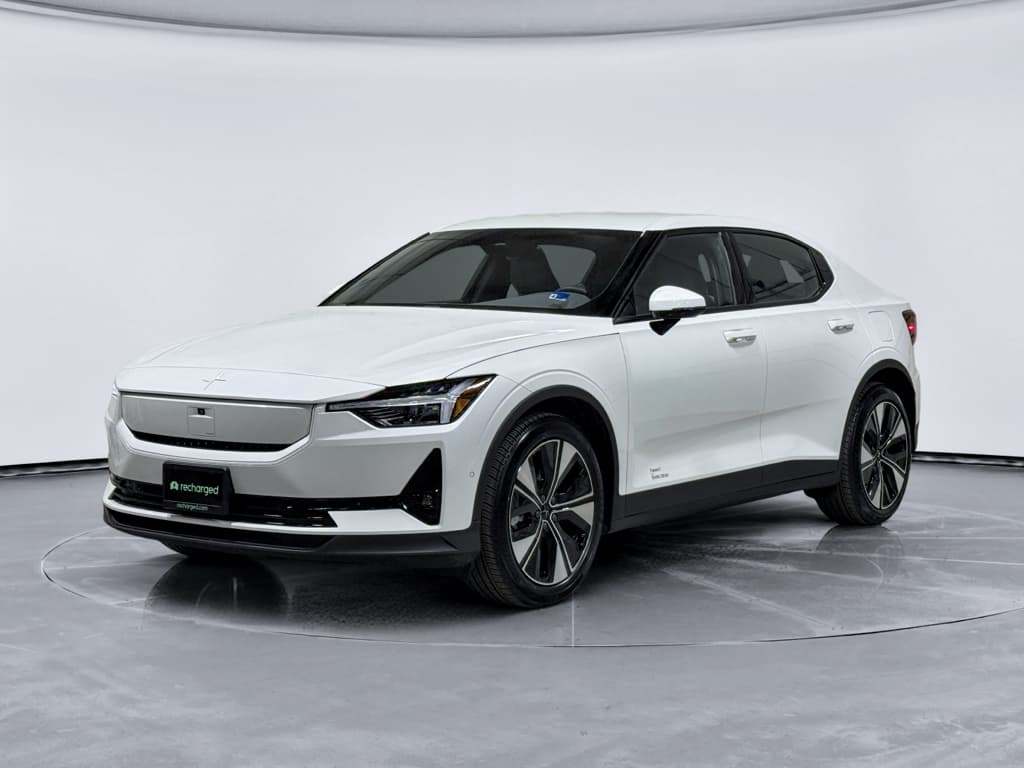
If you bought into the Polestar 3 early, you’re now watching a young used market form around a fast‑depreciating luxury EV SUV. Knowing the best time to sell a Polestar 3 isn’t about guessing; it’s about understanding how EV depreciation, incentives, and battery health interact so you can exit before the next value drop.
Quick answer
Why timing matters for Polestar 3 sellers
Polestar launched the 3 into one of the toughest segments in the market: premium two‑row electric SUVs that start around $70,000–$80,000 and quickly pile on options. New‑car incentives, aggressive leasing, and rapid tech updates all push down used values faster than many owners expect, especially in the first few years.
Polestar 3 & EV resale context (2025–2026)
That backdrop is why timing matters so much. Sell too early and you simply crystallize the worst of the first‑year depreciation. Wait too long, especially if the market shifts or newer, longer‑range competitors arrive, and you risk chasing the price curve down.
Luxury EVs amplify timing mistakes
How Polestar 3 depreciation works vs other EVs
The Polestar 3 is still relatively new, so we don’t have decade‑long resale histories. But we can triangulate from a few things: how the Polestar 2 behaved, how premium EVs like the Tesla Model Y or Audi Q8 e‑tron depreciate, and what the broader 2025–2026 EV market is doing.
- Steep early‑years drop: Across the EV market, the first 3 years often see a 45–55% value decline from original MSRP, especially for non‑Tesla brands and models with big launch incentives.
- Polestar brand pattern: The Polestar 2 built a reputation for aggressive lease deals and deep used‑market discounts. Many shoppers now expect similar value drops from the 3, which anchors buyer expectations lower.
- Luxury EV dynamic: Tech‑forward luxury EVs age like smartphones. Each new model year brings more range, better driver‑assist systems, or bigger screens, pushing older builds down in the pecking order faster than equivalent gas SUVs.
- Limited but growing used supply: Early in the cycle, there are few used Polestar 3s. That can support stronger prices, but as lease returns hit (usually 24–36 months out), supply builds and resale prices face pressure.
Think in dollar terms, not just percentages
Best time to sell a Polestar 3 by age and mileage
The right time to sell your Polestar 3 depends on where you are in its life cycle. Here’s how the timing usually shakes out for U.S. owners, assuming typical driving of about 10,000–12,000 miles per year.
Polestar 3 resale timing by age and mileage
How age and odometer readings usually affect your decision to sell or hold.
| Vehicle age | Typical mileage | What buyers see | What it means for you |
|---|---|---|---|
| 0–12 months | Under 12,000 mi | Basically new, but competing directly with factory incentives and demo units. | You’re still in the steepest depreciation window. Selling now can make sense only if you must exit or can capture unusual demand. |
| 12–24 months | 12,000–24,000 mi | Lightly used, still fully in the “new‑tech” window with fresh warranty coverage. | This is often the first good window to sell, especially if new‑car incentives aren’t too aggressive when you list. |
| 24–36 months | 24,000–36,000 mi | Prime used age: most software is still current, and battery warranties feel ample. | For most owners, this is the sweet spot, you’ve amortized some depreciation but exit before heavy supply of lease returns floods the market. |
| 36–60 months | 36,000–60,000+ mi | Questions start to shift to long‑term battery health and how quickly the tech feels old. | If your Polestar 3 is in excellent condition with strong battery health, you can still do well, but buyer expectations become more price‑sensitive. |
| 60+ months | 60,000+ mi | Older tech, used‑car shoppers focus on durability, repairs, and battery warranty remaining. | At this point, you’re on the flattest part of the depreciation curve. Selling is less about timing and more about condition, history, and pricing. |
Use this as a directional guide; real‑world values still depend on condition, options, and market news at the time you sell.
Rule of thumb for most owners
Seasonality: best months to sell a Polestar 3
Even within a given year, some months are simply better for selling a high‑end electric SUV. Seasonality isn’t everything, but it’s a tiebreaker if you’re flexible by a few months.
How the calendar affects Polestar 3 demand
If you can choose when to list, use the calendar to your advantage.
Late winter to early spring
February–April is often a strong window. Tax refunds land, buyers plan for spring and summer travel, and winter range anxiety headlines fade a bit.
Late summer
August–September can work for families eyeing a new daily driver before school routines lock in, especially in mild‑climate states.
Year‑end nuance
November–December can be mixed. New‑car dealers chase year‑end quotas and advertise huge deals, great if you’re buying, but those discounts can undercut your private‑sale price.
Cold‑weather effect
Market factors that can shift your timing
The EV market in 2025–2026 has been unusually volatile. That means your ideal timing isn’t just about your odometer; it’s also about what’s happening around you.
Signals that you should consider selling your Polestar 3 sooner
1. Big price cuts or incentives on new Polestar 3s
If Polestar slashes MSRPs or rolls out larger lease incentives, used buyers immediately anchor to those lower numbers. Selling just before a widely advertised price cut usually yields a better outcome than selling right after.
2. New, higher‑range competitors launch
When a fresh wave of luxury EV SUVs arrives with more range or faster charging, older models often take a resale hit. If your Polestar 3 is about to look “one generation old,” that’s a nudge to move earlier.
3. Policy or tax credit changes
Changes in federal or state EV incentives can reshape demand in weeks. If a credit that helps your next purchase is about to expire, or a new one is coming, aligning your sale around that timeline can improve your net cost to switch.
4. Your warranty milestones
Many shoppers care about where the car sits relative to its basic and battery warranties. Listing your Polestar 3 before you cross a big mileage or year threshold keeps buyer anxiety (and lowball offers) in check.
5. You notice used listings stacking up
If you suddenly see many similar Polestar 3s in your region sitting on marketplaces for weeks with constant price cuts, you may be at the front end of a supply‑driven price slide.
Don’t ignore a deteriorating local market
Battery health and range: how buyers evaluate your Polestar 3
For used EV buyers, the battery is the whole ballgame. A clean Carfax helps, but they’re ultimately paying for usable range and peace of mind. That’s especially true for a heavy, powerful SUV like the Polestar 3, where any noticeable range loss stands out.
What buyers worry about
- State of health (SoH): How much capacity the pack retains versus new.
- Real‑world range: Does it still comfortably cover their commute or trips at highway speeds?
- Fast‑charging behavior: Has the car been DC‑fast‑charged heavily, and does it still charge at expected speeds?
- Software updates: Whether the car has stayed current on updates that affect thermal management and efficiency.
How to put them at ease
- Provide a trusted battery report: A third‑party diagnostic like the Recharged Score quantifies pack health instead of leaving it to guesswork.
- Show recent range data: Screenshots of typical commuting range and road‑trip consumption help buyers visualize how the car behaves.
- Document charging habits: If you mostly used home Level 2 and only occasional DC fast charging, say so and, if possible, show logs.

Why a Recharged Score matters
Pricing strategy: getting top dollar for your Polestar 3
Once you’ve decided when to sell, how you price your Polestar 3 is the next make‑or‑break decision. List too high and you chase the market down. List too low and you leave thousands on the table.
3 steps to a smart Polestar 3 asking price
Ground your number in data, then adjust for how you want to sell.
1. Start with real comparables
Search multiple marketplaces for Polestar 3s with similar year, trim, mileage, and options. Pay attention to what actually sells, not just sky‑high listings that relist every week.
2. Adjust for condition & battery
Factor in accident history, cosmetic issues, tire wear, and battery health. A clean, well‑documented car can justify pricing at the upper end of the range.
3. Decide speed vs. money
If you want a quick sale, price about 3–7% under similar listings. If you’re willing to wait, price near the middle of the pack, but be ready to adjust within 2–3 weeks.
Use dealer offers as a floor, not a target
Example: translating market data into a Polestar 3 asking price
Illustrative only, but this is how you might move from raw data to a list price.
| Step | Market info | Your move |
|---|---|---|
| 1. Research | Comparable listings around $52,000–$58,000 depending on options and miles. | You identify 4–5 truly similar cars clustering near $55,000. |
| 2. Condition check | Your car has new tires, no accidents, recent service, plus a third‑party battery report. | You justify aiming near the upper middle of the $55k cluster. |
| 3. Your objective | You’d like to sell within 2–3 weeks, not months. | You list at $54,000–$54,500, then plan a small reduction if there’s no strong interest in 10–14 days. |
Assumes a dual‑motor Polestar 3, ~24,000 miles, clean history, and strong battery health in a normal market.
Lease vs finance: when does selling actually make sense?
With the Polestar 3, many buyers went the lease route because of manufacturer incentives and pass‑through federal tax credits. That changes the math on when, and whether, it even makes sense to “sell” in the traditional sense.
If you leased your Polestar 3
- Check your buyout vs market: Compare your contractual buyout price to current real‑world values. If the car is worth less than buyout, you likely have no equity, handing it back at lease end may be your best move.
- Equity opportunity: If the market value is higher than your buyout, you can potentially buy then resell or work with a marketplace that can help you capture that spread.
- Timing “sale” around mileage limits: If you’re on track to blow past your mileage cap and pay penalties, evaluating a buy‑and‑sell move 6–9 months before lease end can make sense.
If you financed or paid cash
- You own the timing: You’re free to sell whenever, but your loan balance matters. Check that your projected sale price covers payoff plus transaction costs.
- Equity more likely later: Because depreciation front‑loads, you’re more likely to have solid equity after year 3 than in year 1, especially if you put little down.
- Refi vs sell: If payments are the issue, sometimes refinancing at a better rate or term beats selling into a soft market.
Don’t assume you have equity just because your payment is high
How Recharged helps you time and sell your Polestar 3
You don’t have to be a full‑time market analyst to pick a smart exit point for your Polestar 3. Recharged is built around taking the guesswork out of used EV values and making the process more transparent for both seller and buyer.
What Recharged can do for Polestar 3 owners
From valuation to sale, with EV specialists in your corner.
Data‑driven valuation
Recharged tracks real‑world used EV pricing and demand so you’re not just guessing. You’ll see fair market value ranges that account for your Polestar 3’s age, mileage, options, and location.
Recharged Score battery diagnostics
Every vehicle sold through Recharged includes a Recharged Score Report with verified battery health and condition. That makes it easier to justify your asking price compared with less‑transparent listings.
Flexible selling paths
Whether you want an instant offer, consignment‑style listing, or to roll your Polestar 3 into a trade‑in on another EV, Recharged can help, including nationwide delivery and support from EV specialists.
Ready to find your next EV?
Browse VehiclesVisit the Richmond Experience Center or sell fully online
FAQ: best time to sell a Polestar 3
Frequently asked questions
Key takeaways for Polestar 3 owners
Owning a Polestar 3 means owning a cutting‑edge electric SUV in a segment where the market moves fast and timing matters. In most cases, you’ll want to plan your exit around the 18–36‑month mark, pay close attention to new‑car incentives and competing launches, and back up your asking price with transparent battery‑health data. If you’d rather not decode all of that yourself, Recharged can help you understand what your Polestar 3 is worth today, whether now is the right time to sell, and how to get it in front of serious EV shoppers nationwide.