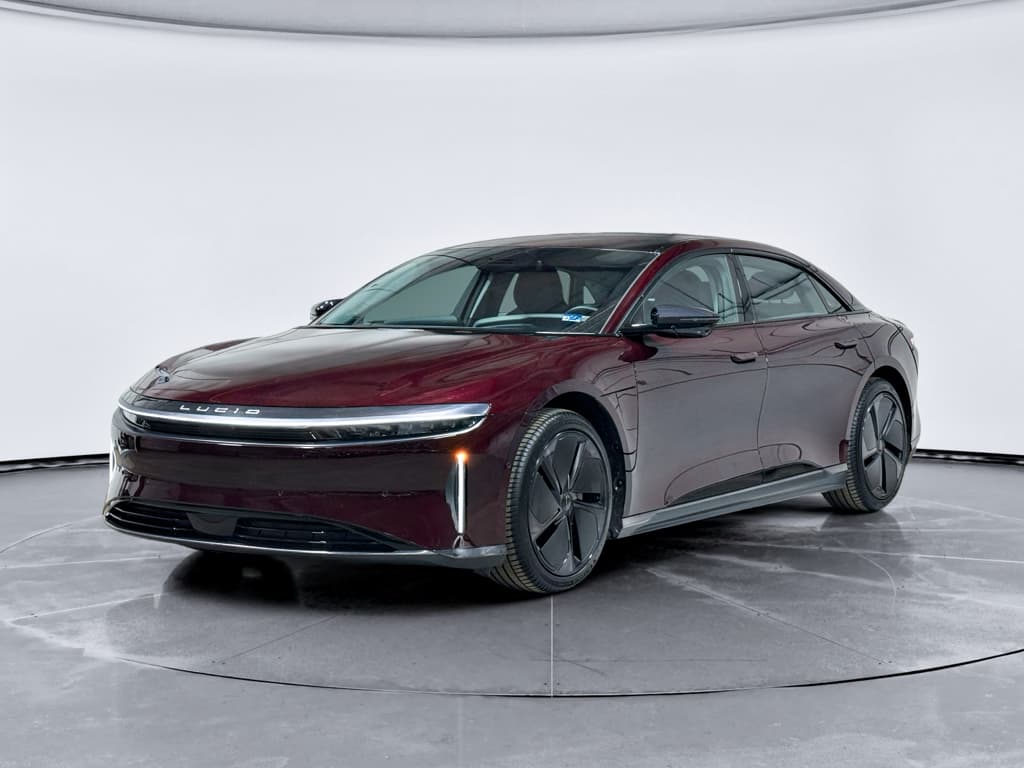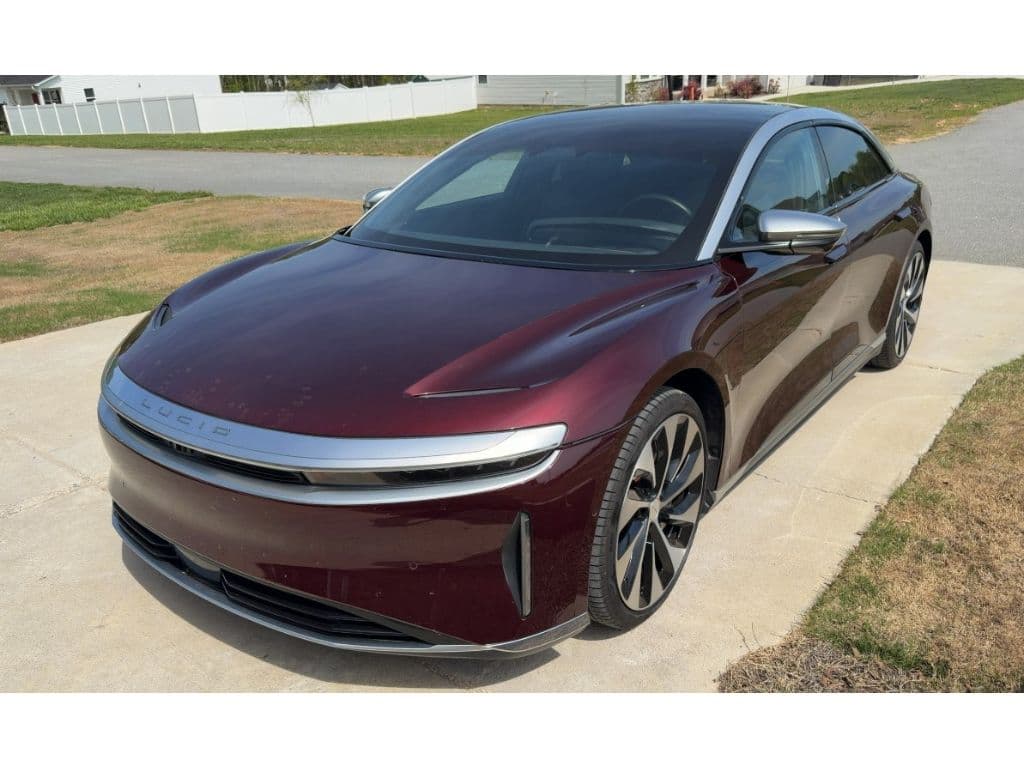
You don’t cross-shop the Lucid Air vs Porsche Taycan by accident. These are the haute-couture EV sedans: six-figure statements about how you like to go fast, spend money, and maybe save the planet along the way. Underneath the drama, though, they take very different approaches to luxury, performance, and efficiency, and those differences matter a lot once you’re living with one every day.
Two Very Different Flavors of Fast
Lucid Air vs Porsche Taycan: Who Is Each Car For?
Lucid Air: Long-Haul Luxury Nerd Rocket
- You care about maximum range and efficiency.
- You do frequent highway miles or long road trips.
- You want a spacious back seat and trunk that actually work for adults.
- You prefer a calm, almost Scandinavian luxury vibe over flashy badges.
Porsche Taycan: Electric Sports Sedan for True Believers
- You put driving feel and chassis balance above all else.
- You want something that behaves like a 911 on your favorite back road.
- You’re okay trading range for glorious steering and brakes.
- You care about brand heritage and dealer network polish.
If your life is mostly interstate miles and airport runs, the Lucid is a rational choice with an irrational amount of range. If you measure commuting time in corners rather than minutes, the Taycan will feel like money well spent every time you merge onto an on-ramp.
Key Specs at a Glance
Lucid Air vs Porsche Taycan: Core Specs (U.S. Market, 2025 Model Year)
Representative specs for popular trims. Exact figures vary by wheels, options, and test cycle.
| Model / Trim | Powertrain | EPA Range (approx) | 0–60 mph (approx) | Max DC Fast Charge | Base MSRP (new) |
|---|---|---|---|---|---|
| Lucid Air Pure (RWD) | Single-motor RWD, ~430 hp | ~419 miles | ~4.5 sec | Up to ~250 kW | ≈ $78k |
| Lucid Air Touring | Dual-motor AWD, ~620 hp | ~411 miles | ~3.4 sec | Up to ~300 kW | ≈ $88k |
| Lucid Air Grand Touring | Dual-motor AWD, 819 hp | Up to ~516 miles | ~3.0 sec | Up to ~300 kW | ≈ $111k |
| Porsche Taycan (base) | Single-motor RWD, 402 hp (overboost) | High‑200s to low‑300s mi* | ~4.5 sec | Up to 320 kW | ≈ $100k+ |
| Taycan 4S | Dual-motor AWD, 536 hp (overboost) | Mid‑200s to ~300 mi* | ~3.5 sec | Up to 320 kW | ≈ $120k+ |
| Taycan Turbo / Turbo S | Dual-motor AWD, up to ~1,000+ hp (Turbo GT) | ~260–318 mi* | As quick as ~1.9 sec | Up to 320 kW | ≈ $170k–210k+ |
Lucid leans into range and efficiency, Porsche leans into handling and brand polish.
A Note on Numbers
Range and Efficiency: Lucid’s Knockout Punch
In the range wars, Lucid doesn’t just win; it wins with cruelty. The Air was engineered around aerodynamic efficiency and a hyper‑optimized in‑house powertrain, and it shows. Properly optioned, an Air Grand Touring can top 500+ miles of EPA range on a single charge, and hypermiling records have pushed a Grand Touring over 700 miles in controlled conditions. That’s diesel‑wagon territory in a 5,000‑pound luxury EV.
- Most Air trims comfortably clear 400 miles of rated range if you avoid the flashiest wheels.
- Highway efficiency is outstanding; think Model 3‑like miles per kWh in a much larger, richer car.
- Lucid’s software is biased toward sipping electrons, not doing parlor tricks with acceleration every time you tap the pedal.
The Taycan, especially in updated 2025 form, has made huge strides. Porsche quotes up to the low‑300s miles of EPA range depending on trim and battery, which is a meaningful improvement over early cars that could struggle to crack 225–240 miles in real use. But fundamentally, the Taycan’s gearing, aero, and calibration favor response and repeatable performance over brutal efficiency.
When Lucid Air Makes More Sense
- You routinely drive 250–300 miles in a day and don’t want to stop.
- You do cold‑weather highway commuting where efficiency penalties stack up.
- You’re planning cross‑country road trips where fewer stops = less stress.
When Taycan’s Range Is Enough
- Your daily driving is under 150 miles, even on busy days.
- You have home Level 2 charging and easy access to DC fast charging.
- You’d trade 100 miles of range for steering feel and chassis magic.
Real‑World Shopping Tip
Performance and Driving Feel: GT Cruiser vs Track Athlete
Both cars are absurdly quick in a straight line, this is the easy part of EV performance now. The question is *how* they go fast and what that does to you over time.
How They Feel From Behind the Wheel
Both are quick. Only one feels like a Porsche.
Lucid Air
Even in "lesser" trims, the Air is shockingly rapid. The power comes on in a smooth, turbine‑like swell rather than a gut punch.
Best described as a silent, effortless GT car, point it down an interstate and time dissolves.
Porsche Taycan
Everything you touch feels like a Porsche: steering weight, brake response, body control. The car eagerly rotates into corners like a shrunken Panamera with sports‑car reflexes.
If your favorite road has a name, not a number, this is your car.
Silly Fast Trims
Lucid Air Sapphire and Taycan Turbo GT live in a different universe: 0–60 mph in the ~2‑second bracket, power figures deep into four digits.
At this point you’re buying an experience, not transportation.
The Air’s chassis tuning is clearly done by people who commute on imperfect pavement. It glides, isolates, and settles. You can hustle it, but you’re always aware you’re in a long, wide car. The Taycan rides beautifully as well, especially with the latest Active Ride suspension, but its priorities are different: body control first, isolation second.
Enthusiast Verdict
Charging: Speed, Networks, and Real-World Road Trips
Charging Capabilities Snapshot
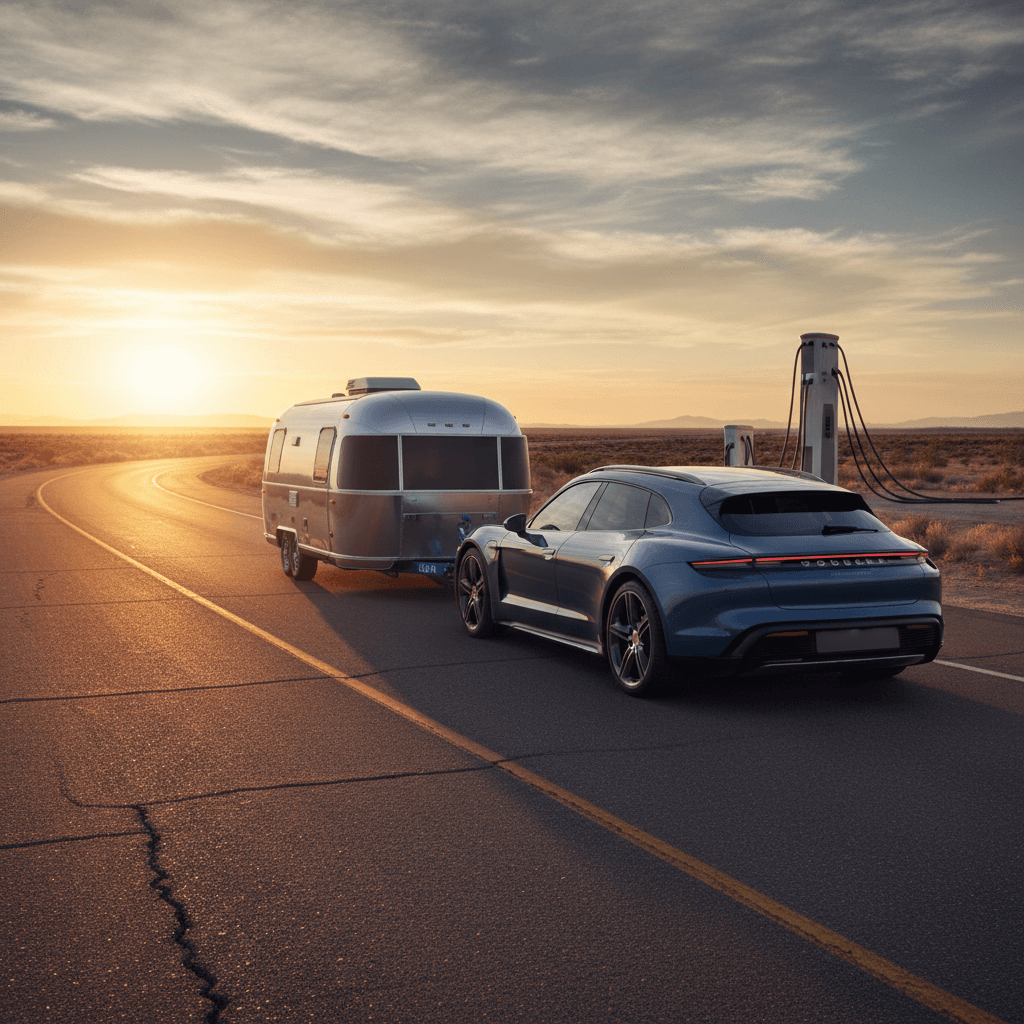
On paper, both cars are monsters at a DC fast charger. The updated Taycan can pull up to around 320 kW on an 800‑volt station, while Lucid peaks near 300 kW. In the real world, the story is less about peak numbers and more about how big the battery is and how long each car can stay in its “fast” window.
- The Taycan’s newer Performance Battery Plus (~100+ kWh gross) and improved thermal management make repeat fast charges far more efficient than early cars.
- Lucid’s pack and software are optimized for sustained high charging speeds, especially from 10–60% state of charge, which pairs nicely with its big range buffer.
- Both use CCS for now but are part of a world that’s rapidly migrating to the North American Charging Standard (NACS) and expanding access to Tesla’s Supercharger network.
Road-Trip Reality
For home charging, the Air quietly wins: its 19.2‑kW AC capability lets you fully refill even big packs overnight if you have a high‑amp 240‑V circuit. The Taycan’s onboard charger is more typical for the segment. In daily life this is a “nice to have,” not a deal breaker, but if you’re considering a used example with a huge battery, it’s worth noting.
Home-Charging Tip
Interior Space, Comfort, and Tech UX
Lucid Air: Lounge on Wheels
- Huge cabin with limo‑like rear legroom and an airy glasshouse feel.
- Minimalist design, rich materials in upper trims, and a focus on calm rather than drama.
- Infotainment is ambitious, large screens, sliding lower display, but early cars had some software rough edges that updates are steadily cleaning up.
Porsche Taycan: Cockpit for Grown-Ups
- More traditional sports‑sedan seating position; you sit low, with a high, businesslike beltline.
- Front seats are fabulous, especially in 18‑way adjustable and sport designs; rear space is fine, but tighter than the Lucid.
- Infotainment is fast and logical by modern standards, with good CarPlay integration and cleaner software after the 2025 refresh.
If you regularly carry adults in the back seat or have rear‑facing child seats, the Lucid Air’s packaging advantage is glaring. There’s simply more space, more storage, and a bigger trunk. The Taycan is usable, especially in Cross Turismo guise with the wagon‑like roofline, but it feels more like a big sports car than a family sedan.
Family-Use Watch-Out
Pricing, Depreciation, and Used-Market Reality
New, there’s daylight between these cars. A 2025 Taycan sedan now starts around the low six figures and shoots deep into the $200k‑plus range for Turbo and Turbo S models. The Lucid Air lineup starts noticeably lower and tops out in the mid–low six figures unless you’re shopping the ultra‑exotic Sapphire.
New and Used Pricing Snapshot (2025–2026 U.S. Market)
Approximate transaction ranges to illustrate where each car sits in the market. Real prices vary by trim, options, and region.
| Model Year | Model | Approx. New Price Range | Approx. Used Price Range | Depreciation Character |
|---|---|---|---|---|
| 2025 | Lucid Air | ≈ $76k–$110k+ | ≈ $30k–$100k+ | Drops faster; good value for second owners. |
| 2025 | Porsche Taycan | ≈ $100k–$210k+ | ≈ $95k–$210k+ | Stronger brand pull; slightly better value retention. |
| 2021–2023 | Lucid Air | Launched higher in early years | Often found well under original MSRP | Early adopters took the big hit. |
| 2020–2023 | Porsche Taycan | Varied by trim; generally high | Significant drops but still Porsche‑strong | Performance variants can swing wildly. |
Lucid is cheaper to buy, but tends to depreciate harder than the Taycan so far.
How This Plays Out for You
Ownership Experience: Warranty, Reliability, and Daily Living
Living With a Lucid Air vs a Porsche Taycan
Beyond specs: service, reliability, and peace of mind.
Warranty & Support
Both brands offer competitive EV warranties, with 8‑year/100k‑mile‑ish coverage on high‑voltage components depending on market specifics.
Porsche has the advantage of an established dealer and service network; Lucid’s footprint is growing but still relatively small and urban‑focused.
Reliability & Quirks
Early Lucids have had typical start‑up teething issues, software glitches, trim niggles, but Lucid has been active with over‑the‑air updates.
Early Taycans also struggled with range expectations and some electrical gremlins, but the brand’s service infrastructure and continuous updates have improved the story by 2025.
Day to day, the Air is easier to live with if you don’t live near a Porsche dealership but do have access to a Lucid Service Center or mobile service. If you’re in a market saturated with Porsches, the Taycan feels like a known quantity: loaner cars, experienced techs, and a dealer who’s been explaining complicated options lists since the 1990s.
High-End EV Reality Check
Which Should You Buy: Lucid Air or Porsche Taycan?
Quick Decision Checklist
1. How Important Is Range, Really?
If you feel a knot in your stomach at the idea of 260–300 miles of range, the Lucid Air is the obvious answer. If your real daily use is 80–120 miles and you road‑trip only a couple of times a year, a Taycan’s range is plenty.
2. Do You Value Handling Over Comfort?
Choose the Taycan if you care deeply about steering feel, brake modulation, and chassis nuance. Choose the Air if you want near‑S‑Class comfort with effortless straight‑line performance.
3. How Many People and How Much Stuff?
If you routinely carry adults, teenagers, or bulky gear, the Lucid’s interior and cargo space make it the better choice. The Taycan Cross Turismo helps, but still can’t match the Air’s sheer volume.
4. What’s Your Service Landscape?
Live near a strong Porsche dealer but hours from a Lucid facility? That matters. On the flip side, if there’s a Lucid Studio or Service Center in your metro area and you prefer a smaller‑brand experience, the Air can work beautifully.
5. New vs Used Budget
If you’re buying used and want maximum bang for the buck, a gently used Lucid Air with a clean battery-health report can be a steal. If you’re spending real 911 money either way and want the safest residuals, the Taycan is the safer badge.
Boiling it down: the Lucid Air is the better electric car in the lowercase‑e sense, range, efficiency, packaging. The Porsche Taycan is the better Porsche, alive in your hands, over‑engineered, emotionally coherent. Your choice says less about numbers and more about what you want your daily drive to feel like.
Buying a Used Lucid Air or Taycan with Confidence
On the used market, the story gets more interesting. Lucid’s heavier early depreciation means you can sometimes step into an Air with supercar‑grade performance and record‑setting range for the price of a new midsize German crossover. Taycans hold onto their value a bit better, but there are still opportunities, especially for earlier model years or cars without the biggest battery.
Used Lucid Air vs Used Porsche Taycan: What to Check
Four things every used buyer should verify before signing.
Battery Health & Fast Charging History
Look for a quantified battery‑health report, not just “feels fine.” Frequent DC fast‑charging and high‑mileage use don’t automatically kill a pack, but they make data more important.
Recharged’s Recharged Score Report includes independently verified battery diagnostics so you’re not guessing about the most expensive component in the car.
Service Records & Software Updates
Confirm that recall work, major software updates, and common early fixes have been done. For both brands, OTA updates have meaningfully changed range estimates, charging behavior, and infotainment stability.
A well‑documented car is almost always a better bet than a mysteriously "clean" one with no paperwork.
Test Drive With Purpose
On a Lucid, focus on ride quality, software responsiveness, and any squeaks/rattles that suggest build issues. On a Taycan, pay attention to brake feel, steering response, and suspension noises, especially on rough pavement.
Total Cost of Ownership
Insurance, tires, and brakes are not cheap on either car, and wheel/tires on 21" setups are particularly vulnerable. Get quotes and budget realistically.
On Recharged, you’ll see transparent pricing and can compare vehicles side by side, with expert EV specialists to walk you through long‑term costs.
How Recharged Fits In
Ready to find your next EV?
Browse VehiclesLucid Air vs Porsche Taycan: FAQ
Frequently Asked Questions
Choosing between the Lucid Air and Porsche Taycan isn’t really about which car is “better”, they’re both extraordinary. It’s about which kind of extraordinary fits your life. If you want to erase distance, haul people and luggage in quiet comfort, and spend less time at chargers, the Lucid Air is your car. If you want every commute to feel like a carefully choreographed drive, where the steering wheel might as well be wired directly to your synapses, the Taycan is the one that will make you smile ten years from now. Whichever direction you lean, buying used through a trusted EV‑focused marketplace like Recharged lets you enjoy the upside of these halo cars, range, performance, design, without guessing about battery health or overpaying in a confusing market. The cars are special. The experience of getting into the right one should be, too.