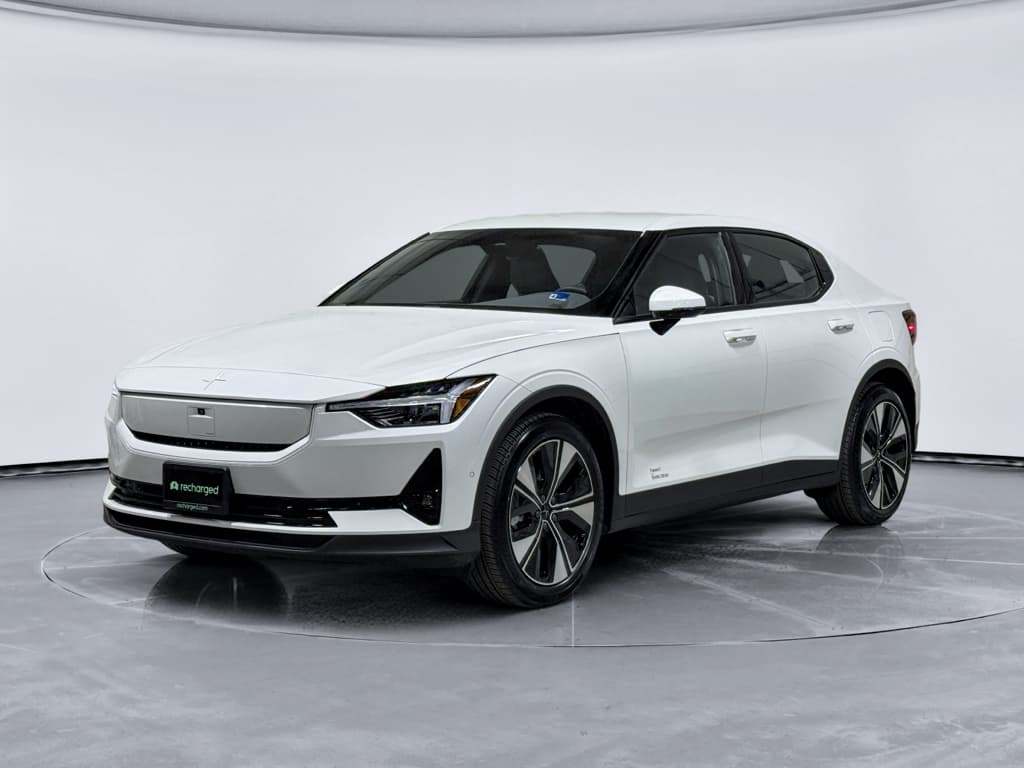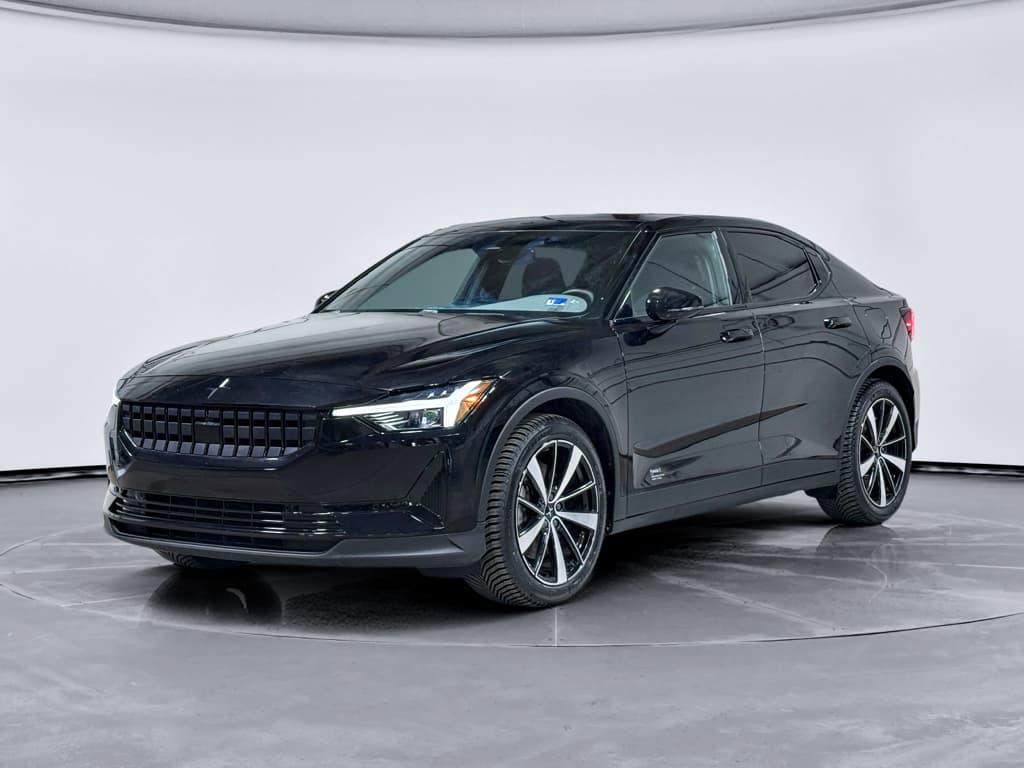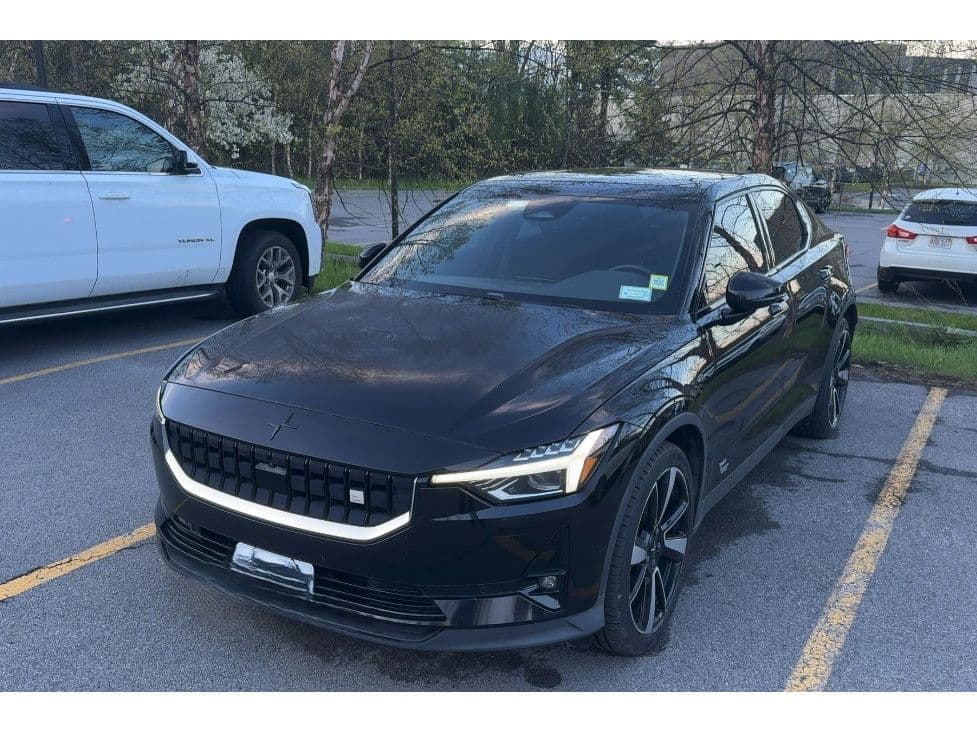
If you own a Polestar 2, you’re sitting on an interesting piece of the EV story: a stylish Scandinavian sedan from a niche brand that’s no longer selling new 2s in the U.S., but is still building a loyal following. That mix makes timing crucial. Pick the best time to sell a Polestar 2, and you capture real money; get it wrong, and you watch buyers use every headline about EV prices and recalls against you.
Quick answer
Why timing matters for your Polestar 2 sale
Every car depreciates, but EVs like the Polestar 2 do it with more drama. Technology moves quickly, new incentives flicker on and off, and headlines about battery health or recalls can shift buyer sentiment in a week. Your goal isn’t to beat the market forever; it’s to **intercept it at a favorable moment**, when demand for clean, stylish used EVs is high and supply is just tight enough that buyers have to pay attention.
Used EV market signals sellers should watch
The point of all this: you can’t control macroeconomics, but you can control **when** your car hits the market. Let’s break that down into depreciation, seasonality, mileage, and Polestar‑specific triggers.
Polestar 2 depreciation: when value falls fastest
Unlike a collectible Porsche, the Polestar 2 is not headed for Barrett‑Jackson any time soon. It follows a fairly normal EV curve: **steep losses early, then a slower glide path**. Recent pricing snapshots show early U.S. cars losing roughly half their MSRP in about four years, with annual depreciation across model years averaging in the **17–22%** range.
Illustrative Polestar 2 value retention by model year
Approximate U.S. market figures based on recent asking prices and original MSRPs. Your specific car may vary by trim, condition, incentives and region.
| Model year | Age in 2026 | Launch MSRP* | Typical asking price* | Approx. value retained |
|---|---|---|---|---|
| 2021 | 5 years | $60k+ | High-$20ks | ~45–50% |
| 2022 | 4 years | Low-$50ks | Around $30k | ~55–60% |
| 2023 | 3 years | Low/mid-$50ks | Low/mid-$30ks | ~60–65% |
| 2024 | 2 years | Mid-$50ks | Low/mid-$40ks | ~75–80% |
| 2025 | 1 year | Mid/high-$60ks (well‑equipped) | High‑$50ks/low‑$60ks | ~85–95% |
Value drops hardest in the first 3 years, then moderates as the car finds its "true" market price.
Depreciation sweet spot
If you sell **too early**, say, unloading a nearly new 2025 after 12 months, you’re competing with aggressive manufacturer finance offers and likely taking a disproportionate first‑year hit. Sell **too late**, once the car is 6–7 years old and out of warranty, and you’re in budget‑EV territory, where buyers are skeptical and price‑sensitive.
Best time of year to sell a Polestar 2
Seasonality still matters in 2026. The same buyer who shrugs at your listing in January suddenly feels flush with a tax refund in April and starts dreaming about a silent summer road trip. The trick is aligning your Polestar 2 sale with **when buyers are most motivated** and competition is manageable.
How each season affects Polestar 2 resale
What it means if you need to sell in winter, spring, summer or fall
Spring (March–June) – Best overall
Why it’s ideal: Tax refunds hit, weather improves, and buyers plan summer moves and road trips. Data from recent years shows used cars listed in spring generally achieve higher sale prices and faster turn times than those posted in winter.
What to do: Aim to list your Polestar 2 between late March and late May. If you’re selling privately, target a weekday launch (Tuesday or Wednesday) so you can stack interest into the first weekend.
Summer (July–August) – Still good, more competition
Why it works: Families are still in road‑trip mode, graduates are job‑hunting, and the weather favors test drives. EV demand stays healthy.
Catch: New‑car incentives and model‑year closeouts can start to pull some buyers away, especially if Polestar or competitors discount new inventory.
Fall (September–November) – Mixed bag
Why it’s tricky: Back‑to‑school spending and tightening household budgets can cool demand. New model announcements in the fall often push prices on older EVs down as shoppers wait for refreshed tech.
Best move: If you must sell in the fall, list before major announcements from Polestar and direct rivals like Tesla Model 3 or Hyundai Ioniq 6, and price assertively from day one.
Winter (December–February) – Worst for price, good for patience
Why it’s tough: Buyers are distracted by holidays and year‑end bills. In many regions, test drives are less appealing. Dealers discount older stock; private buyers expect deals.
When it makes sense: If you’re trading in to simplify life, winter can be fine, just recognize you’re likely giving up a few percentage points of value versus a spring sale.
If you can choose your month…
Mileage and age: the sweet spot to sell
For Polestar 2 buyers, **miles and battery health** are the twin obsessions. They’re reading about EV battery degradation, wondering about DC fast‑charging habits, and trying to triangulate that against your odometer reading. Your goal is to show the car as "lived‑in but not used up."
Where your Polestar 2 sits on the curve
1. Under 15,000 miles
Your car is effectively nearly new. You’ll get strong offers, but you’re still absorbing the steepest early‑year depreciation. Selling now may only make sense if you’re upside‑down on usage, like a garage queen you never drive, or you’re moving to a vehicle that fits your life much better.
2. 20,000–45,000 miles (ideal)
This is the <strong>sweet spot</strong>. The car has proven reliable, the infotainment and driver‑assist systems still feel modern, and buyers aren’t yet worrying about high‑mileage EV unknowns. If you’re in this band, seriously consider timing your sale for the upcoming spring.
3. 50,000–70,000 miles
Here, you’re trading value for use. A well‑documented service history and a verified battery‑health report become critical. Price expectations should soften, but the right marketing, especially emphasizing highway versus city use, can still attract confident buyers.
4. 80,000+ miles
Now you’re in bargain‑hunter territory. Many mainstream buyers will simply filter you out in search results. You can still sell, but expect more questions about warranty coverage, prior fast‑charging habits, and long‑term reliability.
How Recharged helps here
Watch these market triggers for better offers
Beyond calendar seasons and odometer readings, there are a few **market shocks** that can temporarily improve what your Polestar 2 is worth. If you can line up your listing with one or two of these, you’re effectively surfing a small wave of demand instead of paddling against it.
- Fuel price spikes: When gas prices jump sharply, EV search interest typically rises within days. Listing your Polestar 2 within a week of a fuel‑price headline can draw more eyeballs, and more urgency, from shoppers.
- Local policy changes: New HOV‑lane access rules, congestion pricing, or local EV rebates can suddenly make your car more attractive in specific metros.
- New charging infrastructure announcements: Big expansions from major DC fast‑charging networks can nudge fence‑sitters in your area; they feel better about living with an EV.
- Competitor pricing moves: Aggressive incentives on new rivals (like a discounted Tesla Model 3) can hurt your value; positive press or awards for the Polestar 2 can help. Timing your listing for when the news cycle favors Polestar instead of its rivals is worth considering.
Avoid these timing potholes
- a big price cut on new models that directly compete with it;
- a wave of negative EV headlines (battery fires, infrastructure failures);
- or late‑year discount blitzes when buyers expect deep cuts.
Model years, updates and recalls: when to sell or hold
The Polestar 2 hasn’t changed dramatically every year, but the **2024 update** brought more efficient rear‑wheel‑drive single‑motor versions and powertrain revisions, and 2025 cars stretched prices upward with well‑equipped trims. In 2025, Polestar also announced a recall affecting the rearview camera system on 2021–2025 Polestar 2s, addressed via a software fix. Events like these matter to resale.
When a recall hits
If you’re in the middle of a recall cycle, most buyers will have seen the headlines. Selling before the fix is applied invites lowball offers and tedious questions.
- Get the official software or hardware remedy done.
- Keep documentation from the dealer or service center.
- Mention in your listing that the recall has been completed.
This simple step can neutralize a concern that might otherwise knock thousands off your asking price.
Model‑year updates
Major tech or range updates typically compress values of older cars. The Polestar 2’s shift to more efficient powertrains and its exit from new U.S. sales both influence buyer psychology.
- If a big refresh or successor is rumored, selling before the official reveal usually preserves more value.
- If your car is the updated spec (for example, a 2024+ RWD model with improved range), play that up. You’re on the “right side” of the technology line.
Polestar‑specific timing angle
Should you sell privately or trade in your Polestar 2?
“Best time” isn’t just about the calendar; it’s also about **where** you sell. The same Polestar 2 will fetch different numbers as a private‑party sale, a traditional dealer trade‑in, or through a specialist EV marketplace like Recharged.
Where to sell your Polestar 2
What you gain, and give up, with each option
Private sale
Upside: Typically the highest possible price if you’re patient and savvy with marketing. You control the listing, the narrative, and the negotiation.
Downside: Time‑consuming. You’re handling test drives, payment risk, and paperwork. EV‑specific questions about range, recalls, and charging can spook some buyers if you’re not prepared with answers.
Traditional dealer trade‑in
Upside: Fast and easy. You offload the Polestar 2 in one shot when you buy your next vehicle.
Downside: Generally the lowest dollar amount; some franchise dealers still misunderstand used‑EV value and may underprice your car to hedge risk.
EV specialist / Recharged
Upside: You get **EV‑savvy pricing**, battery‑health diagnostics, and buyers who specifically want electric. Recharged can give you an instant offer, take your Polestar 2 on consignment, or help you trade into another used EV, with nationwide delivery and a fully digital process.
Downside: Still won’t match an unrealistic private‑sale moonshot price, but you’re more likely to get a fair number that reflects real EV demand.
A simple rule of thumb
How to prepare your Polestar 2 before listing
You can’t move the seasons, but you can absolutely control how your Polestar 2 looks and reads when buyers encounter it. A well‑timed sale still falls flat if the car feels neglected or mysterious.
Pre‑sale checklist for a faster, higher‑value Polestar 2 sale
1. Pull service and software records
Buyers want proof that your car has had over‑the‑air updates and recall fixes. Gather dealership invoices, Polestar app screenshots, and any documentation of the rear‑camera recall being completed.
2. Document battery and charging habits
If possible, include a recent battery‑health report, Recharged can provide this as part of the Recharged Score. Also note that you mostly charged at home, rarely fast‑charged to 100%, etc. This reassures range‑sensitive buyers.
3. Detail the car (inside and out)
The Polestar 2’s minimalist interior and clean surfacing look fantastic when they’re clean and tired when they’re not. A professional detail before photos is almost always worth it.
4. Photograph like a pro
Shoot at golden hour, with the car clean and unplugged for most shots, then include a few photos that show it actively charging. Capture the Google‑based infotainment, driver display, wheels, and any options like the Performance Pack.
5. Price with intent
Study comparable listings in your region, then price slightly above the middle of the pack if your car is low‑mileage and fully documented. Plan a schedule for reductions (for example, after 10 and 21 days) rather than panicking after the first weekend.
6. Write a listing that answers EV‑specific fears
Address range, warranty status, recall completion, and charging in the ad text. The more you can say up front, the fewer skeptical messages you’ll have to answer later.
Common mistakes that cost Polestar 2 sellers money
- Waiting until mileage is high and warranties are nearly over before even considering a sale.
- Listing in December or deep winter just to "see what happens," then accepting the first low offer out of frustration.
- Ignoring recalls or software updates, then acting surprised when buyers use them as negotiation weapons.
- Under‑explaining charging and battery health in the listing, leaving buyers to assume the worst.
- Trading in at a non‑EV‑savvy dealer who quietly discounts your car because they don’t understand used EV demand.
The most expensive mistake
FAQ: best time to sell a Polestar 2
Frequently asked questions about selling a Polestar 2
Key takeaways: when to sell your Polestar 2
Selling a Polestar 2 isn’t roulette; it’s closer to card counting. The deck is stacked by depreciation, seasons, and headlines, but if you know what to look for you can tilt the odds dramatically in your favor.
- Aim to sell in the **2–4 year, 20,000–45,000‑mile window**, before warranties and buyer confidence begin to fade.
- Target a **spring sale (late March–June)** whenever you can; avoid listing in the dead of winter unless you truly have to move the car.
- Watch for **market triggers**, fuel price spikes, new incentives, or infrastructure announcements, that briefly increase EV demand.
- Handle **recalls and software updates before listing**, and be ready to talk about battery health and charging habits.
- Choose the right sales channel: private sale or consignment for top dollar, or an EV‑savvy trade‑in partner like Recharged if you want an easier, guided process.
Do those things, and your Polestar 2 doesn’t just leave your driveway, it leaves on good terms, having paid you back properly for the time you spent together.