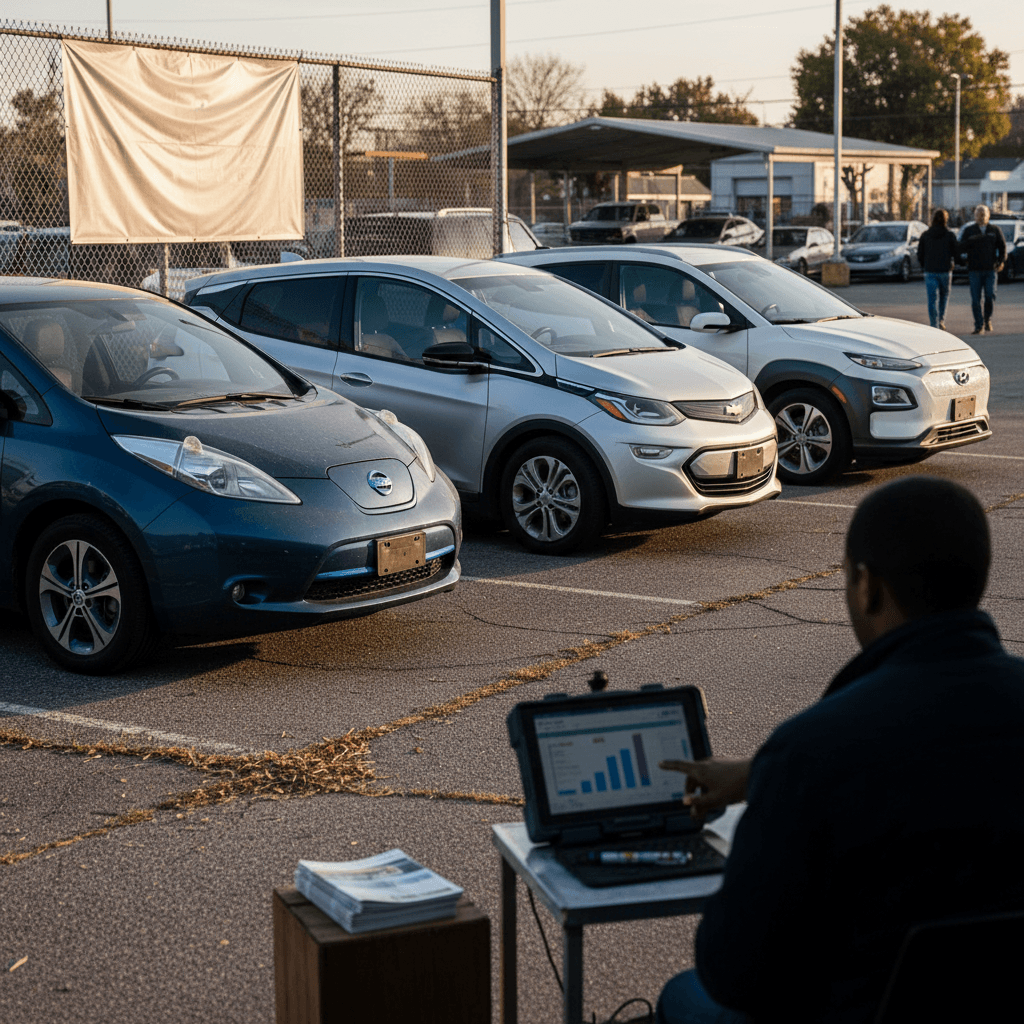
If you’re hunting for the best used electric car under $30,000, 2026 is a very good year to be shopping. Early EVs have already taken their biggest depreciation hit, more mainstream models are coming off lease, and many still have strong batteries and factory warranties. The trick is separating the real deals from the cars that look cheap because their range has quietly slipped away.
Used beats new for value
Why a used EV under $30K often beats a new one
The average new vehicle in the U.S. now runs well north of $45,000, and many new EVs start in the mid‑$30,000s before taxes and fees. By contrast, the sweet spot for value‑oriented EV shoppers is a 3–5‑year‑old used model priced under $30K. Those cars have already taken the bulk of their depreciation but still offer modern range, safety, and tech.
Why used EVs are compelling in 2026
Think "range per dollar"
What $30,000 really buys you in a used EV today
In the $18K–$22K range
- Early Tesla Model 3 Standard Range cars with higher miles.
- Plenty of Chevy Bolt EV and Bolt EUV examples with 240–260 miles of EPA range.
- Nissan Leaf and Fiat 500e city cars, often under $20K, but range varies a lot.
This is where you’ll find the largest supply of used EVs. Battery condition and local pricing can swing value dramatically.
In the $22K–$30K range
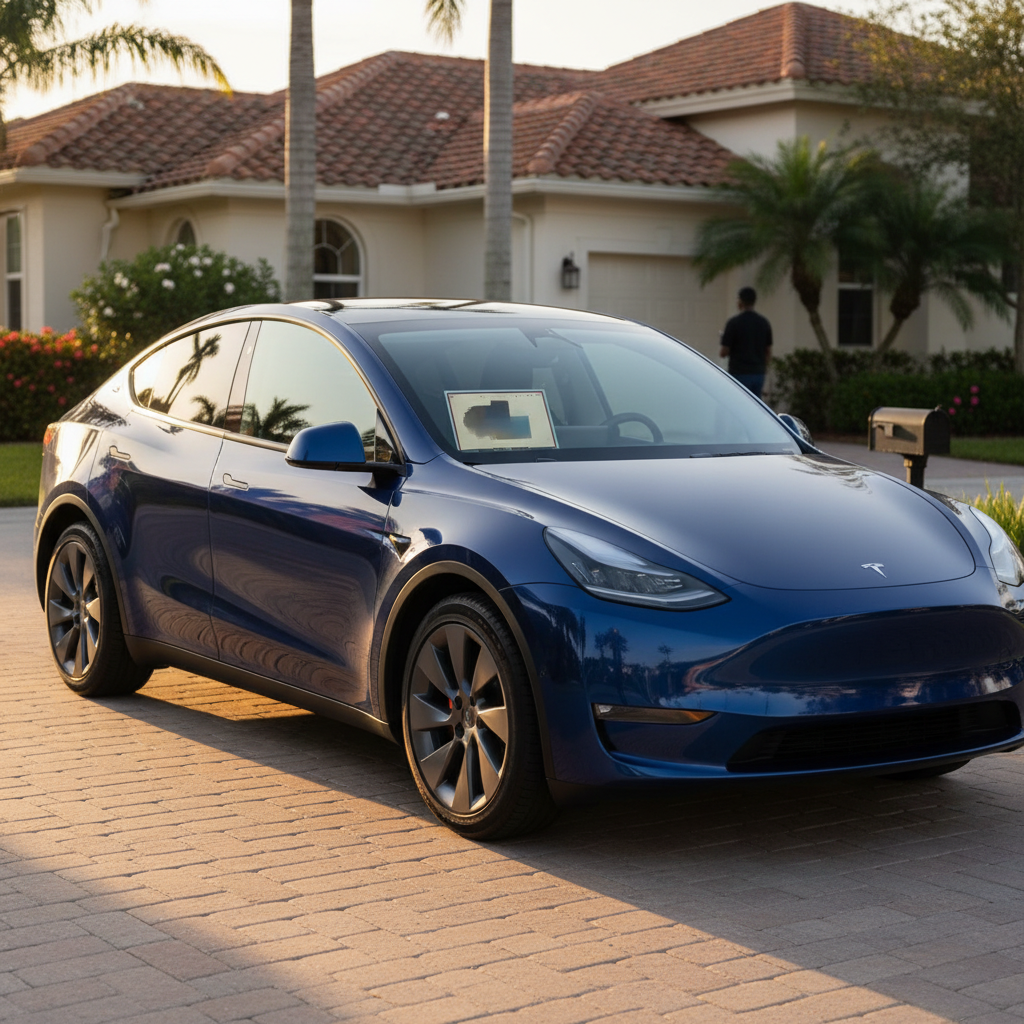
- Newer Model 3 and Model Y Standard Range cars, depending on mileage and region.
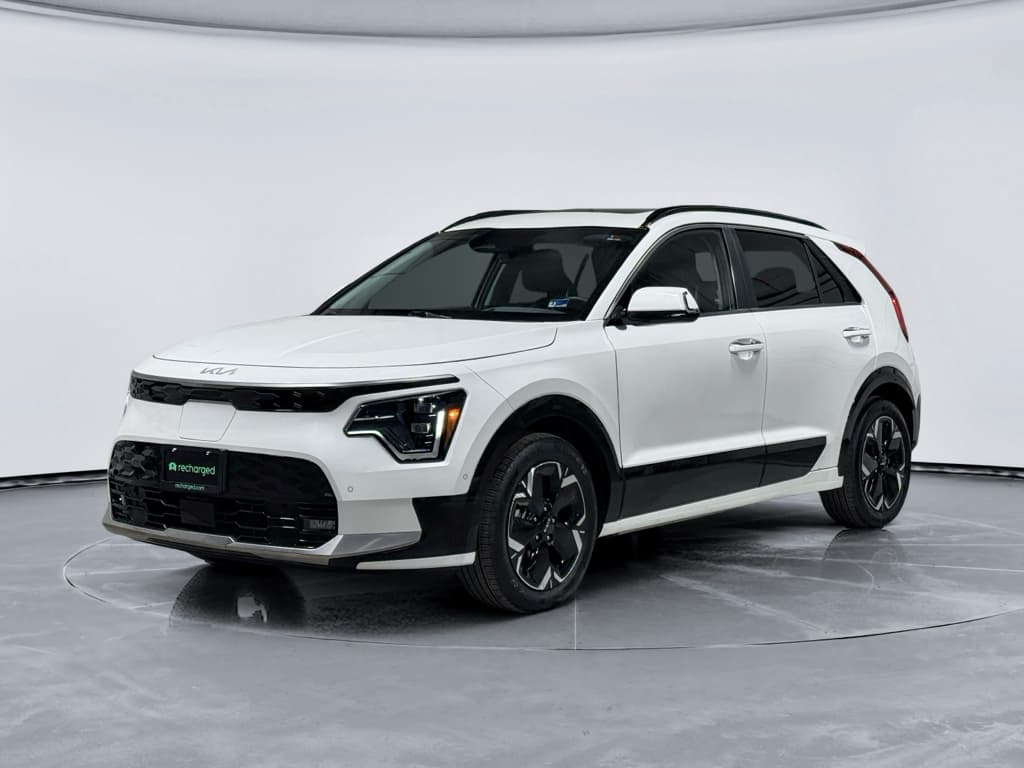
- Well‑equipped Hyundai Kona Electric and Kia Niro EV crossovers with 240–260 miles of range.
- Certified‑pre‑owned (CPO) EVs with extended warranties and detailed inspections.
If you can stretch into the upper‑20s, your choices expand to newer, longer‑range EVs that are easier to live with as an only car.
Best used electric cars under $30K: quick overview
Standout used EVs under $30K
These models consistently deliver strong value, range, and ownership experience when you buy a good example.
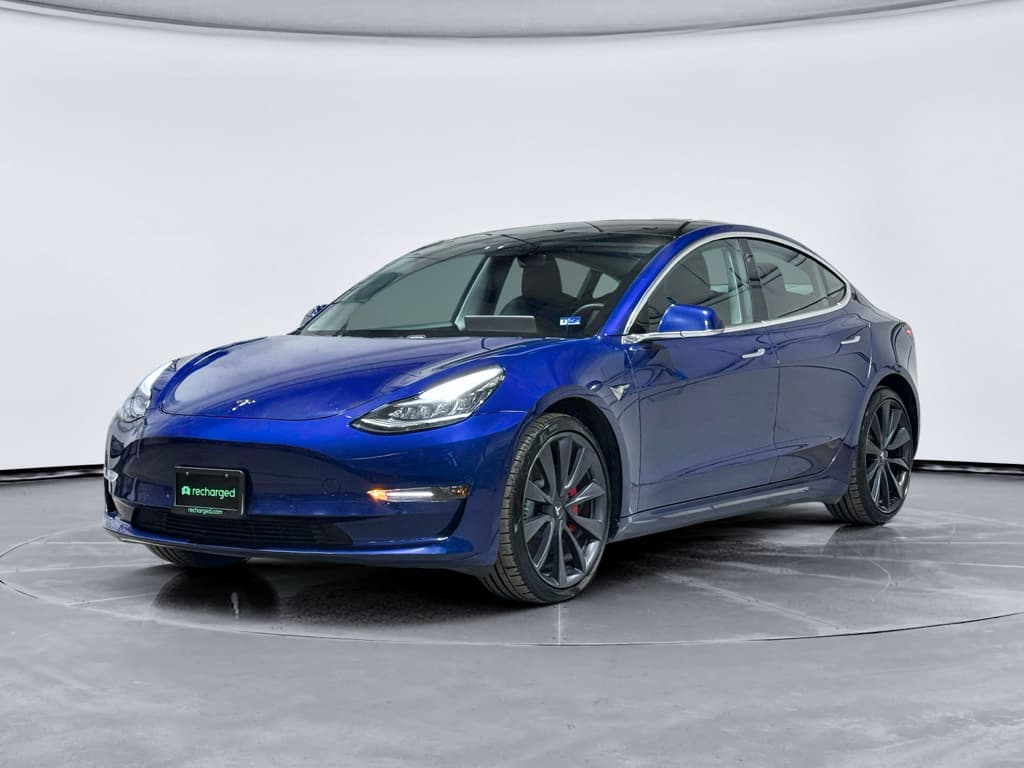
Tesla Model 3 (2018–2021)
The used‑EV benchmark. Great fast‑charging, strong range, huge public‑charging support, and constant software updates.
Priorities: highway range, road‑trip capability, tech.
Chevy Bolt EV / EUV (2019–2023)
Big range for the money in a compact package. Great commuter and second‑car choice, especially post‑battery‑recall cars.
Priorities: value, efficiency, city + suburban duty.
Hyundai Kona Electric & Kia Niro EV
Efficient small crossovers with real‑world highway legs. Often still under long factory warranties.
Priorities: practicality, warranty coverage, comfort.
Price bands vary by region
Used Tesla Model 3 under $30K: still the benchmark
If you’re asking, “What’s the single best used electric car under $30K for all‑around use?”, the honest answer for many U.S. drivers is a well‑bought Tesla Model 3. Early rear‑wheel‑drive Standard Range and Long Range models are now widely available used below the $30,000 mark, especially with 50,000–80,000 miles on the odometer.
Typical used Tesla Model 3 deals under $30K
Approximate 2026 U.S. used‑market patterns for private‑party and dealer sales, assuming clean history and healthy battery.
| Model/Years | Typical Price Band* | EPA Range When New | What It’s Best For |
|---|---|---|---|
| Standard Range / RWD (2018–2020) | ~$20,000–$25,000 | 220–250 mi | Best overall value; strong road‑trip ability if you use DC fast charging wisely. |
| Long Range AWD (2018–2019 high‑miles) | ~$25,000–$30,000 | 310–322 mi | High‑mileage commuters who want maximum highway range and all‑weather traction. |
| Standard Range Plus (2020–2021) | ~$24,000–$29,000 | 250–263 mi | One‑car households and frequent weekend trips where flexibility really matters. |
Always verify actual range and battery health on the specific car you’re buying.
Supercharger access is a game‑changer
- Strong DC fast‑charging speeds, especially on V3 Superchargers.
- Over‑the‑air software updates that keep the car feeling modern.
- Plenty of third‑party support for tires, accessories, and repairs.
- Interior and ride are firmer than some rivals, test‑drive it on your typical roads.
Chevy Bolt EV & EUV: big range, small price
If you care more about day‑to‑day efficiency than brand cachet, the Chevrolet Bolt EV and Bolt EUV might be the hardest‑working used EVs under $30K. Post‑2019 cars deliver about 240–260 miles of EPA range, work brilliantly as commuters or second cars, and can often be found in the mid‑teens to low‑$20,000s depending on mileage and your market.
Bolt EV vs. Bolt EUV: which fits you?
Same powertrain, different missions.
Bolt EV (2019–2023)
- Compact hatchback footprint, easy to park and maneuver.
- EPA range typically 238–259 miles depending on year.
- Often the cheapest way to get 240+ miles of range used.
Great choice for solo drivers or couples who don’t need a lot of rear‑seat space.
Bolt EUV (2022–2023)
- Slightly more rear‑seat legroom and a more SUV‑like shape.
- Similar 245–247 mile EPA range for most trims.
- Available with Super Cruise driver assistance on some models.
Better for small families and Lyft/Uber drivers who care about back‑seat comfort.
Understand the Bolt battery recall history
Hyundai Kona Electric & Kia Niro EV: efficient crossovers
If you like the idea of a small SUV with excellent efficiency, the Hyundai Kona Electric (2019–2023) and Kia Niro EV (2019–2023) are standouts. Many examples now live squarely in the low‑ to mid‑$20,000s, and plenty are still covered by long 8‑ to 10‑year battery warranties.
Hyundai Kona Electric
- EPA range roughly 250–258 miles in most trims.
- Known for very strong efficiency on the highway.
- Cabin is tight in the back seat but fine for kids.
Best for drivers who want range and efficiency above all else and can live with a compact interior.
Kia Niro EV
- Slightly roomier back seat and cargo area.
- EPA range typically 239–253 miles depending on year.
- Kia’s long warranty is a big plus on newer examples.
Great all‑rounder if you want one EV to commute, haul kids, and handle weekend trips.
Why these crossovers are easy to recommend
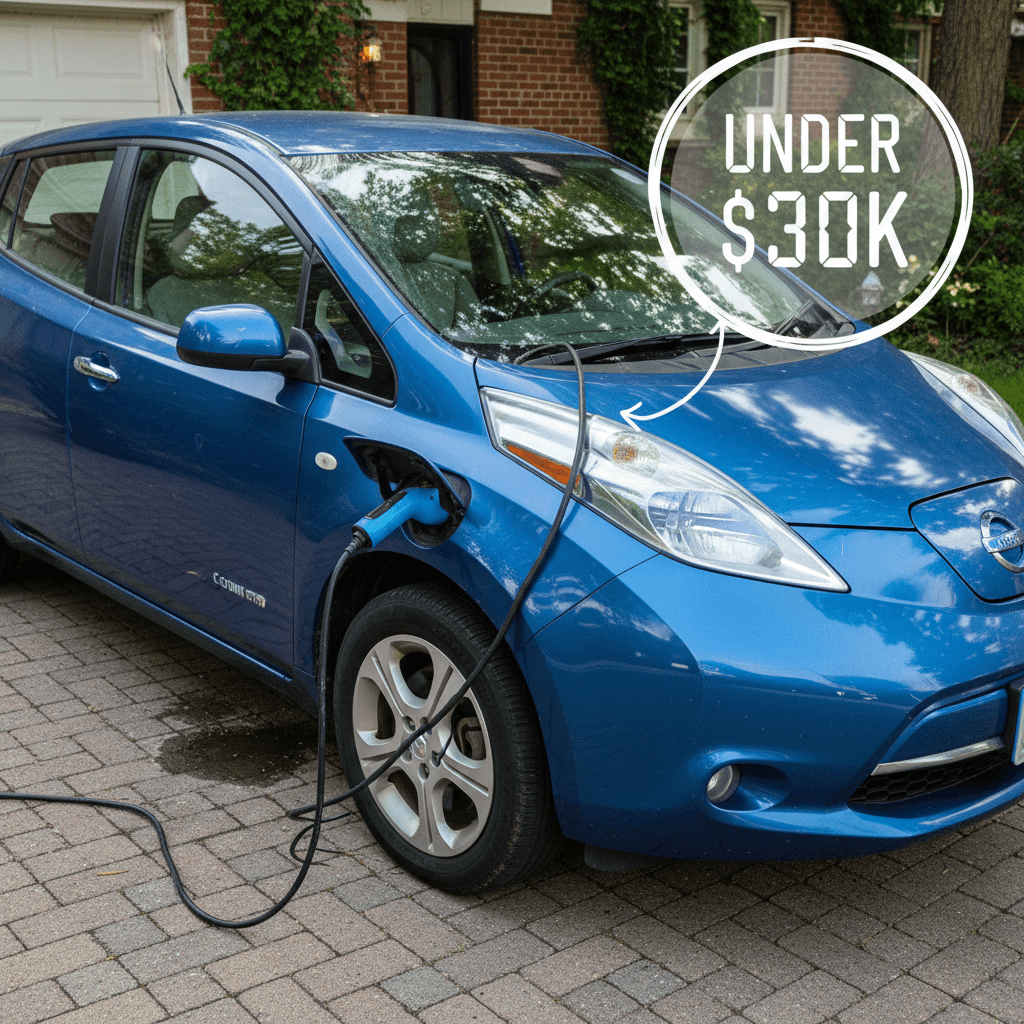
Nissan Leaf: under-$20K hero or highway trap?
Scroll the classifieds in 2026 and you’ll see a ton of Nissan Leaf listings well under $20,000, some under $12,000. For the right driver, that can be a fantastic bargain. For the wrong driver, especially someone who lives near interstates and does long‑distance trips, it can be a frustrating ownership experience.
Is a used Nissan Leaf right for you?
General guidance based on typical U.S. driving patterns and Leaf generations.
| Your Situation | Which Leaf Makes Sense | Why It Can Work | When To Walk Away |
|---|---|---|---|
| Short‑range city commuter (under 40 miles/day) | 2018+ 40 kWh Leaf in good health | Low purchase price and simple ownership if you charge at home. | If the seller can’t demonstrate more than ~120 realistic miles at moderate speeds. |
| Suburban driver with occasional 100–150 mile trips | 2019+ Leaf Plus (62 kWh) with strong battery | Better highway range and quicker DC fast‑charging than early cars. | If rapid‑charging is poor or battery health reports show heavy degradation. |
| Frequent highway road‑tripper | Usually better off with Bolt, Kona, Niro, or Tesla | Those cars handle repeated fast‑charging and motorway speeds more gracefully. | If you need to depend on public DC fast‑charging multiple times a week. |
Battery health varies widely on older Leafs; always verify usable range before purchase.
Beware of badly degraded early Leafs
How to choose the best used electric car for you
Key decisions before you shop
1. Define your real daily range needs
Look at a typical week, not your rarest long trip. Add a healthy buffer, aim for a car whose <strong>realistic highway range</strong> is at least 1.5× your longest regular day.
2. Decide if this will be your only car
If it’s your main family car, lean toward 230+ miles of usable range and DC fast‑charging. If it’s a second car, a shorter‑range EV used mostly around town can be a great deal.
3. Map out your charging options
If you can install Level 2 at home, you have far more flexibility. Apartment dwellers should prioritize EVs that fast‑charge reliably on public networks and offer good efficiency.
4. Set a hard out‑the‑door budget
Think in terms of total out‑the‑door cost, price, taxes, fees, and any needed home‑charging upgrades, not just the advertised listing price.
5. Shortlist 2–3 models that fit
Pick a couple of models you’d be happy to own instead of chasing one “unicorn deal.” This gives you leverage and options when you’re negotiating.
6. Plan how you’ll verify battery health
Don’t rely on a simple dashboard guess. Use a <strong>professional battery‑health report</strong> or a trusted marketplace like Recharged that includes a standardized battery score.
Battery health is everything on a used EV
On a gas car, a weak engine is noisy and obvious. On a used EV, a weak battery is quieter, it just quietly steals range. That’s why, more than trim level or even mileage, battery health is the single most important factor in choosing the best used electric car under $30K.
How to check battery health before you buy
Use multiple signals, not just the dashboard guess‑o‑meter.
1. Range versus EPA rating
Compare the seller’s real‑world highway range (at 65–70 mph) with the car’s original EPA number. A healthy pack should still deliver a large majority of its original rating under similar conditions.
2. Scan data or third‑party tools
Some brands allow battery‑health readings through diagnostic apps. Where that’s not practical, lean on marketplaces or inspection services that publish clear, standardized battery reports.
3. Service & warranty records
Review documentation for battery recalls, software updates, and warranty claims. A documented recall replacement pack can be a major plus for long‑term ownership.
How Recharged helps you de‑risk the battery question
Financing and total cost of ownership under $30K
Price is only one part of the equation. A used EV under $30,000 can cost far less to run than a similarly priced gas car once you factor in fuel, maintenance, and potential incentives. But you still want to structure the deal so you’re not “payment‑buying” a car you’ll outgrow in two years.
Running‑cost advantages
- Electricity vs. gas: In many regions, home charging costs the equivalent of $1–$2 per gallon.
- Less routine maintenance: No oil changes, fewer fluids, and far fewer moving parts.
- Brakes last longer: Regenerative braking dramatically reduces brake‑pad wear.
Over a 5‑year span, those savings can easily add up to thousands of dollars compared with a comparable gas car.
Smart financing moves
- Aim for a loan term that doesn’t outlast the battery warranty.
- Leave room in your budget for a Level 2 home charger if you don’t already have one.
- Consider total interest paid, sometimes a slightly cheaper car with worse terms is actually more expensive.
Recharged offers EV‑friendly financing and trade‑in options, so you can see how a used EV under $30K fits into your broader monthly budget.
Pre‑qualify before you fall in love
FAQ: Best used electric cars under $30K
Frequently asked questions
Bottom line: the best used electric car under $30K
If you want a simple answer, here it is: for most shoppers in 2026, the best used electric car under $30K is a mainstream, 3–5‑year‑old EV with at least ~230 miles of real‑world range, proven fast‑charging, and a verified healthy battery. For many drivers that looks like a used Tesla Model 3, a Chevy Bolt EV/EUV, or a Hyundai Kona Electric/Kia Niro EV, whichever best fits your space needs and budget in your local market.
The good news is that you no longer have to guess. Marketplaces like Recharged combine a Recharged Score battery‑health report, fair‑market pricing, EV‑savvy financing, trade‑in options, and even nationwide delivery. That means you can focus on picking the right model and monthly payment, instead of worrying whether your “deal” will still meet your range needs a few winters from now.