If you own a Chevy Blazer EV, you’re sitting on one of the more talked‑about electric SUVs of the last few years, for better and for worse. Between software recalls, price cuts, and shifting EV demand, deciding the best time to sell a Chevy Blazer EV in 2026 isn’t straightforward. But with the right timing and prep, you can still protect thousands of dollars in value.
Quick answer
Why timing matters for Chevy Blazer EV sellers
Timing always matters when you sell a car, but it matters more with a relatively new EV like the Blazer. You’re dealing with three overlapping forces:
- Fast early depreciation on a new, tech-heavy SUV.
- Brand and reliability reputation formed by early owners, recalls, and software fixes.
- Macro EV market shifts, tax credits, interest rates, and how hot (or cold) EV demand is in your region.
The Blazer EV launched into a tough environment: high borrowing costs, buyers spooked by software headlines, and growing competition from Tesla, Hyundai, Kia, and others. That’s created more aggressive discounting on new units and steeper early depreciation than GM would like. Understanding that backdrop is your starting point for choosing when to exit.
How the Blazer EV’s early issues shape resale value
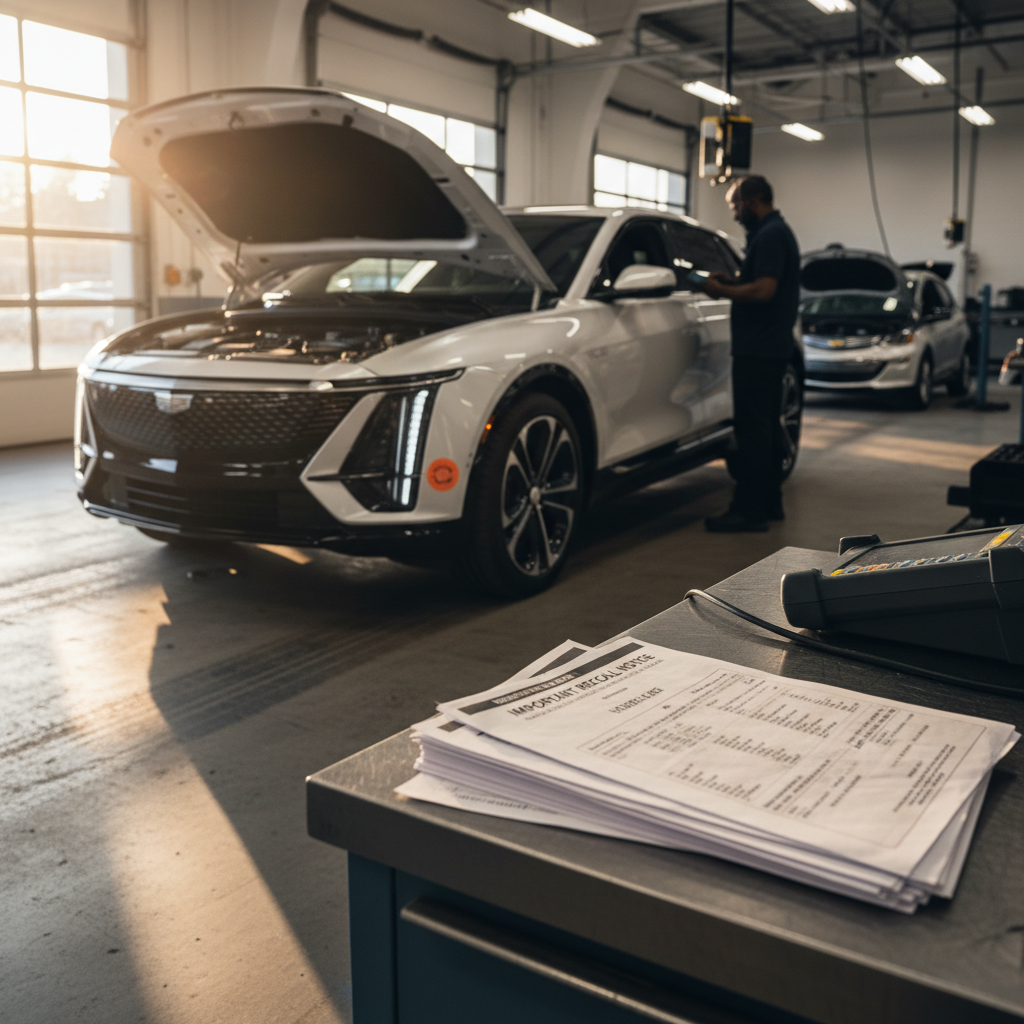
The Blazer EV rollout was bumpy. GM paused sales in late 2023 over software quality issues, then pushed a series of dealer-installed and, later, over‑the‑air updates to stabilize infotainment, charging, and other systems. Owners also saw subsequent programs like the brake system control module update for 2024 Blazer EVs.
Key events that influence Blazer EV resale
Why 2024–2026 history matters to your sale price
Initial stop‑sale & reviews
Software & hardware fixes
Lineup tweaks & positioning
Why this matters when you sell
Depreciation curve: when your Blazer EV loses the most value
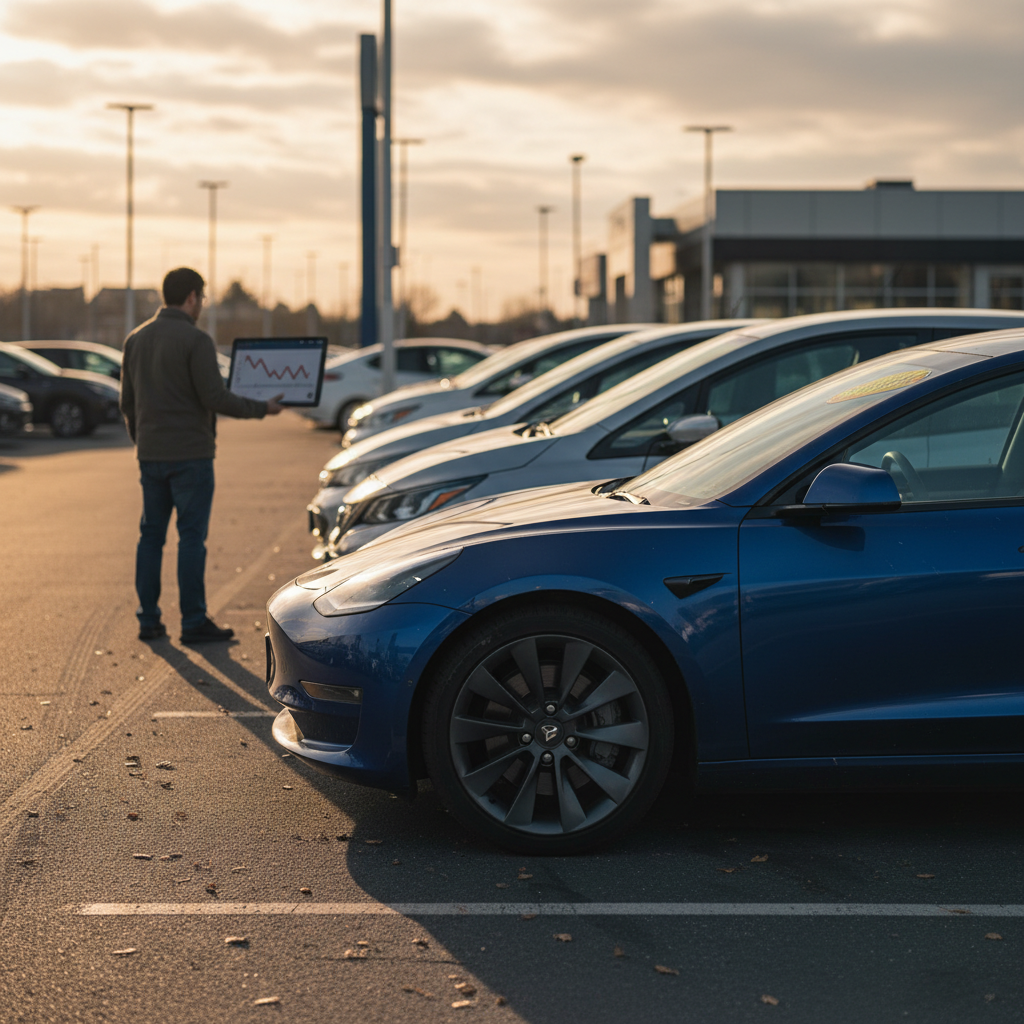
Every EV drops in value fastest in the first few years, but the Blazer EV has been hit especially hard. Third‑party pricing data shows typical examples losing a large chunk of value within the first three model years, putting it toward the high end of depreciation for 2024 SUVs.
Blazer EV depreciation at a glance (illustrative)
Rule of thumb for Blazer EV owners
Calendar timing: best months of the year to sell
Seasonality still matters for EVs. Demand tends to rise when people are thinking about new commutes, better weather, and road trips, not when they’re focused on holidays or shoveling snow.
Best and worst times of year to sell a Blazer EV
Use this as a guide; local demand and weather will still shape your exact timing.
| Time of year | How it affects EV demand | What it means for you |
|---|---|---|
| March–June | Tax refunds, nicer weather, and pre‑summer road‑trip planning put more shoppers in the market. | Often the strongest combination of quick sale and solid pricing. Great time to list or get offers. |
| September–early October | Back‑to‑school commuting, cooler temps, and buyers wanting a newer car before winter. | Good window if you missed spring. Aim to sell before first snow in colder states. |
| Late November–January | Holiday spending, winter storms, and range concerns in cold climates slow EV shopping. | Unless you must, avoid listing then. If you do, price aggressively and emphasize winter tires, range, and charging access. |
| Right after big price cuts or incentives on new Blazers | Chevy/GMC discounts and new incentives pull buyers toward new inventory instead of used. | Expect more price competition. You may want to wait 1–3 months or lean toward trade‑in to offload pricing risk. |
In most U.S. markets, spring and early fall are prime selling seasons for used EVs.
Think 30–60 days ahead
Mileage and age milestones: when to list or trade
Even in an EV world, buyers still use rough mileage and age cut‑offs when deciding what to pay. The Blazer EV is no exception, and warranty coverage amplifies those psychological thresholds.
Key age and mileage checkpoints for a Blazer EV
1. Under 25,000 miles
This is your “nearly new” zone. If your Blazer EV is 1–2 model years old with low miles and a clean history, you’ll command a premium, especially on well‑equipped trims. Consider selling now if you’re unhappy with the vehicle or your needs have changed.
2. Around 36,000 miles
Many bumper‑to‑bumper warranties hover near this mark. As you approach it, some buyers worry about out‑of‑pocket repair risk. If you’re at 25,000–35,000 miles today and thinking of selling within a year, it may pay to do it before you cross this line.
3. 40,000–50,000 miles
This is where many mainstream buyers mentally separate "lightly used" from "well used." For the Blazer EV, 40,000–50,000 miles and 3–5 years of age is often the last window to get strong pricing without big condition or warranty discounts.
4. 60,000+ miles
Past 60,000 miles, you’re mostly competing on price. The good news: modern EV batteries and powertrains can handle this mileage, but expect a smaller buyer pool and more haggling, especially if any cosmetic or interior wear is visible.
Don’t ignore warranty timing
Market events to watch: new models, incentives, and rates
The Blazer EV doesn’t live in a vacuum. It competes with Tesla’s Model Y, Ford’s Mustang Mach‑E, Hyundai and Kia crossovers, and GM’s own Ultium family like the Equinox EV and Cadillac Optiq. What happens to those models, and to new Blazer EV pricing, filters straight into your resale value.
External factors that can move your Blazer EV’s price
Watch these before you decide when to sell
GM & competitor incentives
Interest rates
Headlines: recalls & software campaigns
Use recall and update timing to your advantage
Should you sell now or wait? 2026 owner scenarios
Not every Blazer EV owner is in the same boat. Your build year, mileage, loan or lease position, and tolerance for software quirks all shape the right move. Here’s how to think about 2026 if you’re in the U.S.
Scenario 1: 2024 Blazer EV, 15k–30k miles
You bought early, weathered the software drama, and now have a mostly sorted SUV with plenty of warranty left.
- If you like the vehicle: You’ve already taken heavy early depreciation. Consider holding 2–3 more years and selling before ~50k miles.
- If you’re frustrated: 2026–2027 is a logical time to exit while you can still market it as low‑mileage and fully updated.
Scenario 2: 2024–2025 Blazer EV, 35k–50k miles
You’re nearing the top of the strong‑value mileage band.
- Leaning toward selling? Start getting offers now, especially ahead of spring or early fall demand.
- On the fence? Compare what you owe with realistic offers. If your equity is thin but the vehicle is reliable, an extra year of ownership may be cheaper than switching into another payment at today’s rates.
Scenario 3: High‑mileage commuter, 60k+ miles
At this point, you’re selling more on price than on pristine condition.
- Gather maintenance records and any battery/charging data to reassure buyers.
- Expect slower depreciation going forward, but also a smaller buyer pool.
- Consider a trade‑in or instant‑offer route if you don’t want to deal with private‑party questions about software history.
Scenario 4: You’re upside‑down on a loan
Depreciation plus rate hikes left some owners owing more than the Blazer EV is worth.
- Get a realistic set of offers (dealers, online buyers, and platforms like Recharged).
- If the negative equity is manageable, you may roll it into your next deal, but do the math on total interest cost.
- If the gap is large, driving the SUV longer, while keeping miles reasonable, may be the lesser of two evils.
How Recharged can help you compare paths
Ready to find your next EV?
Browse VehiclesHow condition, software updates, and battery health impact offers
Because the Blazer EV’s story has been so software‑centric, buyers and dealers will scrutinize more than just paint and interior wear. They’ll look at update history, charging performance, and battery health just as closely as tires and dings.
What buyers look for on a used Blazer EV
And how you can improve each before selling
Documented software & campaign history
Battery health & charging behavior
Overall cosmetic & interior condition
Small investments can pay off
Where to sell: dealer trade, private party, or Recharged
Once you’re confident it’s the right time to sell, your next move is choosing how. With a high‑tech EV like the Blazer, the right channel can be the difference between an easy, market‑correct deal and weeks of explaining software updates to skeptical buyers.
Common ways to sell a Chevy Blazer EV
Compare convenience, price potential, and who takes on the risk.
| Option | Pros | Cons | Best for |
|---|---|---|---|
| Dealer trade‑in | Fast, one‑stop transaction; can offset sales tax on your next vehicle in many states. | Usually the lowest raw dollar amount; dealers may be conservative on Blazer EVs with complex histories. | Owners prioritizing convenience, or trading into another GM product with strong incentives. |
| Private‑party sale | Highest price potential if you find the right buyer; you control the listing story and photos. | You handle advertising, test drives, questions about software and recalls, and paperwork. | Experienced sellers in EV‑savvy markets who have time and patience. |
| Instant‑offer services | Quick quotes from home; you can compare several companies’ numbers in days. | Pricing can be opaque; some buyers reduce offers after in‑person inspection. | Owners who want fast resolution and are comfortable shopping offers. |
| Recharged marketplace | EV‑specialist platform with battery‑health diagnostics, transparent pricing data, and nationwide audience. | Not every region or vehicle will qualify for consignment or direct purchase. | Sellers who want EV‑savvy buyers and a data‑driven price based on range, battery health, and demand. |
There’s no one “best” channel, just the one that matches your priorities.
What makes Recharged different
Checklist: prep your Blazer EV for sale
A well‑timed sale still falls flat if the vehicle doesn’t show well. Use this checklist to get your Blazer EV ready in the 2–4 weeks before you list it or shop offers.
Pre‑sale checklist for your Blazer EV
1. Verify software, recall, and campaign status
Confirm that all relevant software updates, customer satisfaction programs (like brake control module updates), and recalls are complete. Print or save service records and, if available, screenshots from your owner app.
2. Pull charging and range history
If you use public DC fast charging or track energy use, gather recent records to show typical range and charging behavior. Buyers worry about battery health; giving them real data builds confidence.
3. Schedule a deep clean
Invest in a professional interior and exterior detail. Clean wheels, de‑cluttered cargo areas, and a spotless infotainment screen go a long way in changing first impressions, online and in person.
4. Fix simple wear items
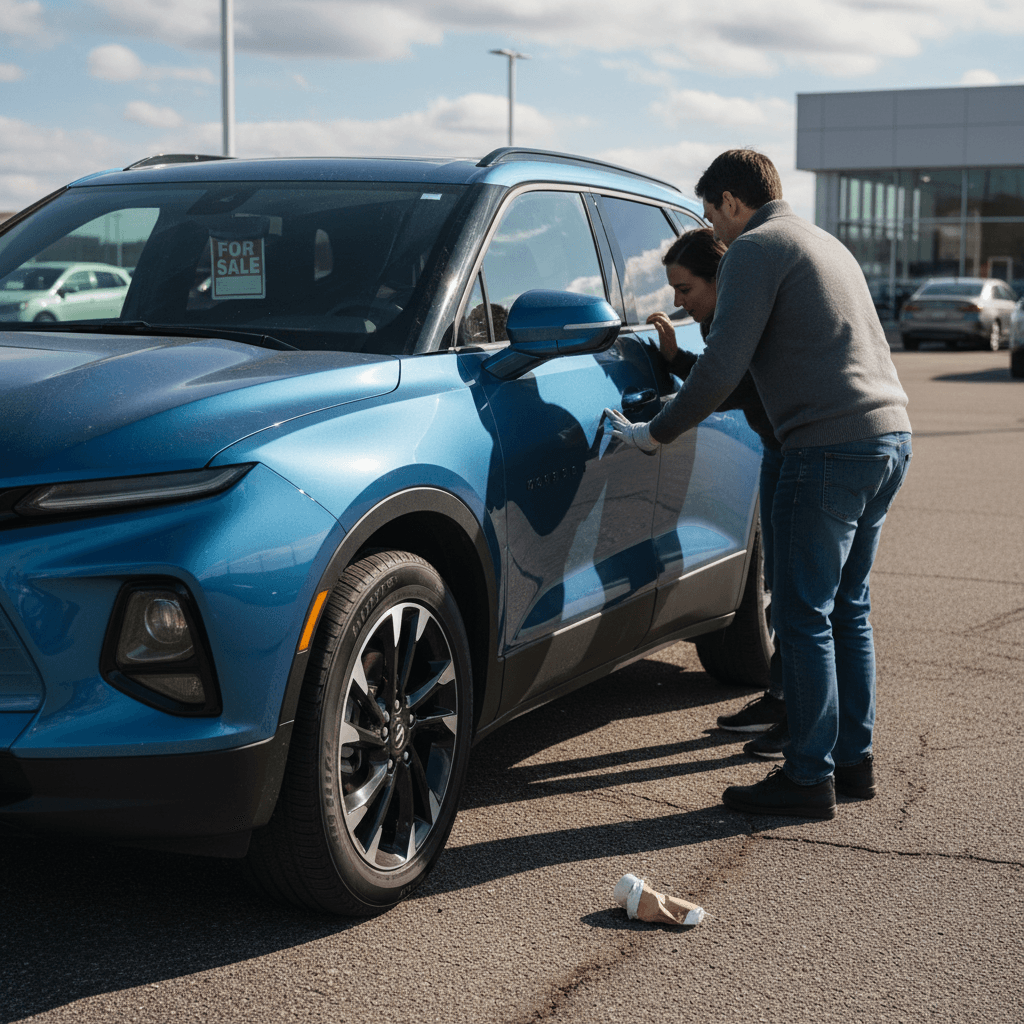
Replace burned‑out bulbs, wiper blades, and torn floor mats. Address obvious curb rash or minor door dings if the cost is reasonable. You don’t need perfection, just the sense that the SUV was cared for.
5. Gather documents and accessories
Collect both keys, charging cable(s), manuals, and any service contracts. Missing items are common, and buyers or dealers will discount their offers to replace them.
6. Get multiple offers
Before you commit, get quotes from at least two dealers, one or two online buyers, and, if you’re EV‑shopping, platforms like <strong>Recharged</strong>. Even if you plan to sell privately, this establishes a realistic floor price.
Chevy Blazer EV selling FAQ
Frequently asked questions about selling a Chevy Blazer EV
Bottom line: best time to sell a Chevy Blazer EV
The best time to sell a Chevy Blazer EV is rarely about a single date on the calendar. Instead, it’s about stacking the odds in your favor: selling in a strong season (spring or early fall), before you cross big mileage and warranty thresholds, and after you’ve taken care of the software and hardware updates that defined the model’s early years.
If your Blazer EV is still within its first 3–5 model years, has fewer than about 50,000 miles, and is fully up to date on campaigns, you’re in a prime window to at least find out what the market will pay. Get multiple offers, compare them against what you owe and what you’d drive next, and remember that platforms like Recharged can bring EV‑specific battery diagnostics, transparent pricing, and nationwide buyers into that decision.
Whether you decide to sell now or hold, the goal is the same: don’t let timing happen to you. With a little planning, the Blazer EV’s complicated launch doesn’t have to turn into a complicated exit.