If you’re eyeing the 2024 Hyundai Kona Electric, you’re probably wondering less about 0–60 times and more about whether it will quietly do its job for years. The 2024 Hyundai Kona Electric’s reliability story is mixed: it improves on some early Kona EV pain points, but owner surveys and expert ratings still flag a few trouble spots you shouldn’t ignore.
Quick reliability snapshot
2024 Hyundai Kona Electric reliability at a glance
What current data says about 2024 Kona Electric
On paper, the 2024 Kona Electric has a lot going for it: competitive range, a long battery warranty, and a track record that’s no longer “first‑year experimental.” But reliability is about what happens after you drive off the lot. Owner feedback and long‑term survey data suggest the 2024 model is **better than the earliest Kona EVs**, yet it still carries some baggage, especially around the charging system, 12‑volt battery, and in‑car tech.
Who the Kona Electric suits best
How major ratings sites view 2024 Kona Electric reliability
Consumer Reports
Consumer Reports currently classifies the 2024 Hyundai Kona Electric as less reliable than the average new car. The biggest red flags are:
- In‑car electronics (infotainment, cameras, sensors)
- EV charging problems (won’t charge at home or certain public stations, incomplete charges)
- EV battery system issues (warnings or malfunctions, not always full failures)
This doesn’t mean every Kona Electric will have these problems, but the model shows more complaints in these areas than top‑tier EVs.
Owner reviews & other sources
On sites like Kelley Blue Book, the 2024 Kona Electric gets a mixed but mostly positive reception. Many owners praise its value, quiet drive, and range, but a significant minority report early electrical or charging glitches.
- KBB owner reliability scores hover in the mid‑3s out of 5.
- About three‑quarters of reviewers say they’d recommend the car, but 1‑star reviews tend to focus on electrical or charging headaches.
Put simply, most owners are happy, but when something does go wrong, it’s often frustrating and sometimes slow to resolve.
Remember: 2024 is a redesign
Most common 2024 Kona Electric reliability issues
Because the 2024 Kona Electric is still relatively new, we don’t yet have a decade of data. But combining owner forums, early surveys, and Hyundai’s own history with the first‑gen Kona EV outlines a clear pattern of what’s most likely to go wrong.
Top trouble spots to watch on a 2024 Kona Electric
Not every car will see these, but these are the patterns showing up earliest.
1. 12‑volt battery issues
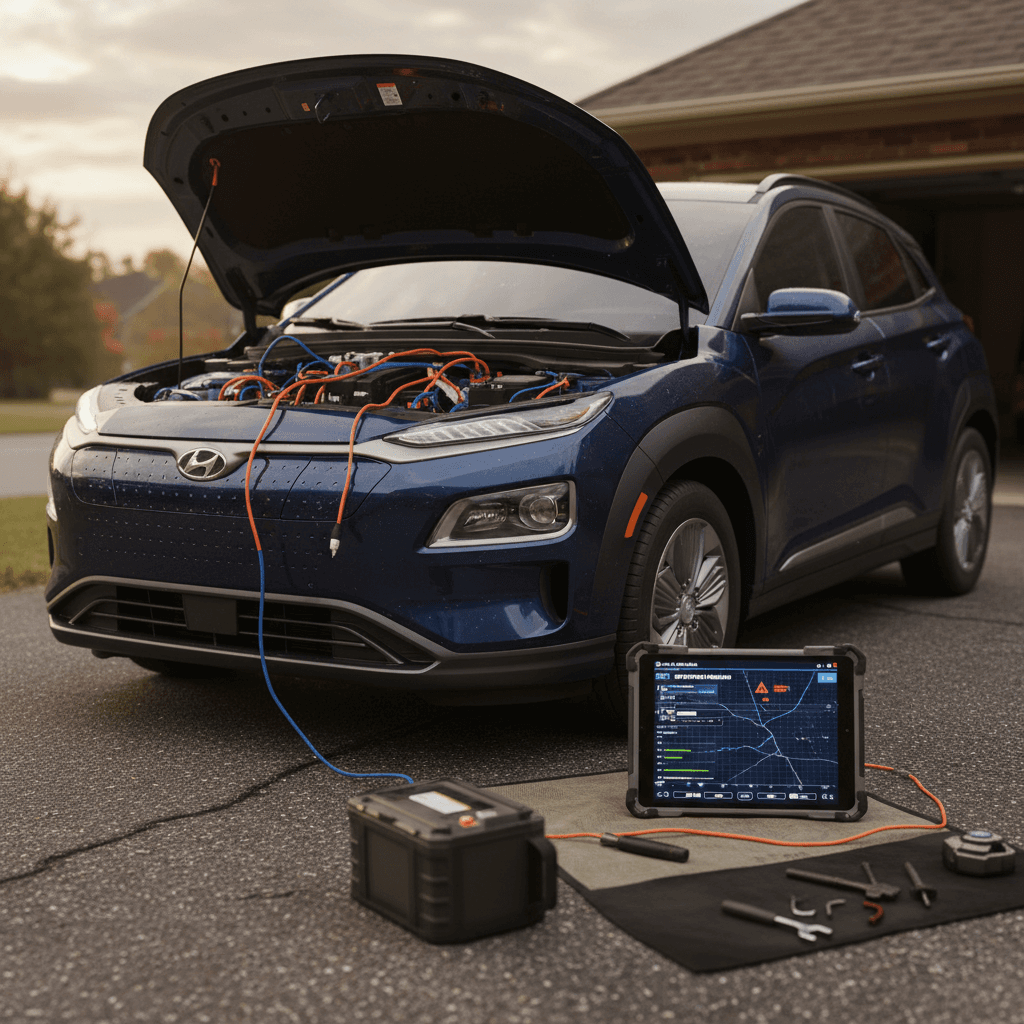
The high‑voltage pack powers the car, but a small 12‑volt battery runs the computers, locks, and contactors. Kona EVs have a history of:
- 12‑volt batteries failing earlier than expected
- Cars going completely dead after sitting for a few days
- Owners needing roadside jumps even with a healthy main pack
On 2024 models, there are already reports of early 12‑volt failures and software updates aimed at improving charging logic.
2. Charging & charge‑port glitches
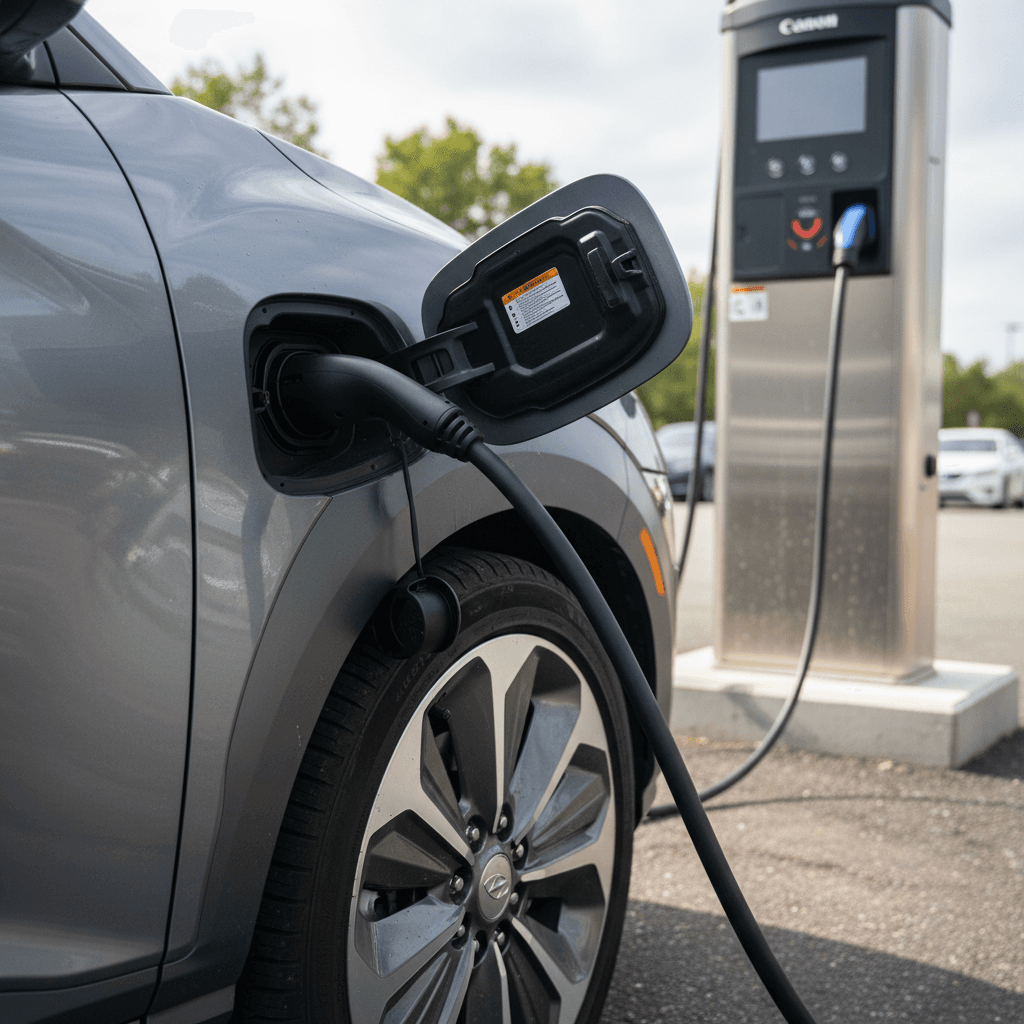
Consumer surveys highlight home and public charging quirks:
- Won’t start charging at certain Level 2 stations
- Stops before reaching the set state of charge
- Charge‑port doors or locks acting up
Often the fix is a software update or replacing a sensor or charge‑port component under warranty, but it can be aggravating if your Kona is your only car.
3. In‑car electronics & infotainment
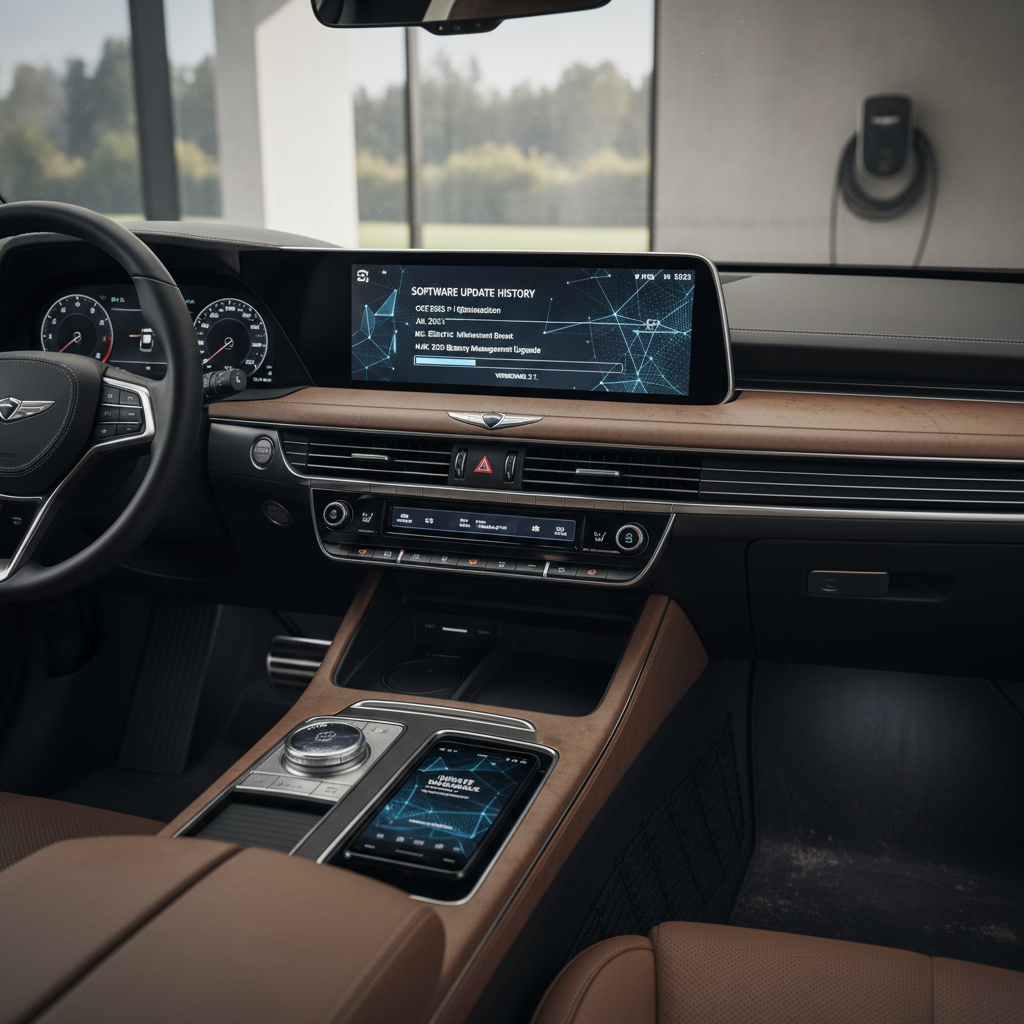
Like many modern cars, the 2024 Kona Electric leans heavily on screens and software. Owners of recent Kona EVs report:
- Freezing or rebooting touchscreens
- Glitchy Bluetooth or smartphone integration
- Occasional backup camera or sensor warnings
These are usually more annoying than dangerous, but they contribute to lower reliability scores.
4. Legacy battery concerns
Earlier Kona Electrics (especially 2019–2020) were affected by a high‑profile traction‑battery recall for fire risk. The 2024’s pack uses updated hardware and software, and we haven’t seen widespread pack failures.
Still, Consumer Reports tags the EV battery system as a potential trouble area, so it’s wise to:
- Check for any battery‑related campaigns or software updates
- Review charge‑rate behavior on DC fast chargers
5. Tire wear & suspension
The Kona Electric is heavier than the gas Kona, and like many EVs, it can be tough on tyres and some suspension parts over time. Common reports on older Konas include:
- Faster‑than‑expected front tire wear
- Clunks or squeaks from suspension components after higher mileage
On a newer 2024, you’re unlikely to see this right away, but it’s something to watch if you’re shopping used or driving high annual mileage.
6. Minor build & trim issues
Scattered owner comments mention items like interior rattles, misaligned body trim, or intermittent window/lock switches. None of this is unique to Hyundai, every brand has these, but they’re part of the overall reliability picture.
What we’re *not* seeing yet
Battery health, range and what to expect over time
Battery health is the heart of any EV’s reliability. The 2024 Kona Electric uses a lithium‑ion pack with an EPA‑rated range of about **200 miles on the SE** and up to **261 miles on SEL and Limited trims**. In the real world, your experience depends heavily on climate and driving style.
- Expect noticeable range loss in cold weather. In freezing temperatures, real‑world range can drop 20–30% or more if you’re running heat and driving at highway speeds.
- Highway driving at 75+ mph will cut deeper into range than city driving. Aerodynamic drag rises quickly with speed, and EVs are no exception.
- Moderate battery degradation over the first 5–8 years is normal. For a well‑cared‑for Kona Electric, many owners report that their usable range stays within a comfortable band for daily driving, even as the car ages.
- Fast‑charging from very low to very high state of charge every day can accelerate wear. Occasional DC fast charging is fine; daily 0–100% fast‑charge cycles are harder on the pack.
How to treat the Kona Electric battery kindly
Warranty coverage: what Hyundai actually covers
One of Hyundai’s strongest selling points has always been its warranty, and the **2024 Hyundai Kona Electric** is no exception. Good warranty coverage doesn’t prevent problems, but it does shape your risk if you’re buying new, or your peace of mind if you’re buying used within the coverage window.
2024 Hyundai Kona Electric U.S. warranty overview
Key warranty coverage items for the 2024 model year. Always confirm exact terms for your vehicle and usage.
| Component | Coverage (time / miles) | Notes |
|---|---|---|
| High-voltage battery | 10 years / 100,000 miles | Covers defects in battery materials or workmanship for most private-use vehicles. |
| Powertrain (EV drive units, etc.) | 10 years / 100,000 miles | Covers electric motor and related components; terms may vary for second owners. |
| New vehicle limited warranty | 5 years / 60,000 miles | Bumper-to-bumper coverage excluding wear items. |
| Anti-perforation (corrosion) | 7 years / unlimited miles | Applies to rust-through of body sheet metal. |
| Roadside assistance | 5 years / unlimited miles | Includes towing in case of breakdown or a dead 12‑volt battery. |
Hyundai’s generous battery and powertrain warranties are a big part of the Kona Electric’s value story.
Read the fine print, especially for used
Maintenance, running costs and recalls
On the plus side, the Kona Electric’s running costs are generally low. No oil changes, no spark plugs, and fewer moving parts than a gasoline SUV. Still, there are a few Kona‑specific items to understand when you’re budgeting for ownership.
Real-world maintenance and cost considerations
Monitor tire wear closely
The Kona Electric’s extra weight and torque can wear tires faster than a gas Kona. Plan on high‑quality EV‑rated tires and alignments at recommended intervals, especially if you drive aggressively or in pothole‑prone areas.
Stay on top of software updates
Hyundai frequently issues software updates to address charging behavior, infotainment issues, and driver‑assist tuning. Make sure your dealer applies the latest updates, or you risk dealing with problems that have already been fixed in newer software.
Keep an eye on the 12‑volt battery
If you see low‑battery warnings, slow wake‑up, or the car randomly going “dead,” get the 12‑volt battery and charging logic checked under warranty. Many Kona EV headaches trace back to that small battery, not the big pack.
Check for outstanding recalls and TSBs
Before buying, or at least once a year, have a Hyundai dealer run your VIN for **recalls and technical service bulletins (TSBs)**. Early‑run cars in a new model year are more likely to have software or component updates available.
Budget for out-of-warranty electronics fixes
Once you’re outside the bumper‑to‑bumper coverage, remember that infotainment screens, sensors, and modules can be pricey. Extended warranties can make sense for high‑mileage drivers who keep cars for the long haul.
What about major recalls?
Should you buy a used 2024 Kona Electric? Key checks
Because Hyundai has already announced a production pause for the Kona Electric before its 2027 return, the 2024 model sits in an interesting spot. Fewer new sales mean a smaller used pool, but also mean you may find attractive deals as leases come due. If you’re considering a used 2024 Kona Electric, a structured inspection is critical.
Five must-do checks on a used 2024 Kona Electric
Walk away if a seller can’t or won’t provide answers here.
1. Verify high-voltage battery health
Ask for a battery health report or diagnostic showing state of health (SOH), rapid‑charging behavior, and any battery-related error codes. You want to see:
- No history of main battery replacement due to damage or fire
- Consistent fast‑charging rates appropriate for the pack
- No persistent high‑voltage error codes
2. Test home and public charging
Don’t just plug it in for 30 seconds. If possible, test the car:
- On a Level 2 home or workplace charger
- On a DC fast charger, watching how it ramps up and holds charge rate
Look for any failure to start charging, unexpected stops, or error messages on the charger or in the car.
3. Check for software currency
Have a Hyundai dealer or EV‑savvy shop confirm the vehicle is on the **latest ECU and BMS software versions**. This can head off many charging and electronics issues that show up in early ownership.
4. Confirm warranty status and recalls
Ask the seller for a VIN printout from a Hyundai dealer that shows:
- Remaining battery and powertrain warranty
- Any open recalls or service campaigns
- Completed recall history
This costs you nothing and dramatically reduces unknowns.
5. Listen and look on the road test
On your test drive, pay attention to:
- Clicks, clunks, or groans from the suspension
- Any whining, grinding, or shuddering from the motor at steady speed
- Rattles from interior trim or the cargo area
None of these automatically disqualify the car, but they can give you leverage on price, or tell you it’s time to keep shopping.
Bonus: Get a third-party EV inspection
An independent inspection that includes **battery diagnostics, scan‑tool checks, and a full road test** is money well spent on an out‑of‑warranty EV. At Recharged, this kind of due diligence is baked into every car we list.
How Recharged can help with a Kona Electric
If you like the 2024 Hyundai Kona Electric on paper but are wary of its mixed reliability reputation, you’re exactly the kind of buyer Recharged is built for. Used EVs introduce new questions, battery health, software history, charging behavior, that traditional used‑car processes don’t always answer well.
Recharged Score battery health diagnostics
Every EV listed on Recharged comes with a Recharged Score Report that includes:
- Objective battery health measurements, not just range guesses
- Charging and fast‑charging behavior
- Error-code scans for the EV systems
- Fair‑market pricing based on condition and battery health
On a model like the Kona Electric, where battery and charging system reliability are the main concerns, this kind of insight is crucial.
EV‑specialist support and flexible ways to buy
Recharged offers:
- EV‑specialist guidance to walk you through Kona Electric pros and cons vs. alternatives
- Financing options tailored to used EVs
- Trade‑in, instant offer, or consignment if you’re moving out of a gas car or a different EV
- Nationwide delivery and a fully digital buying process, plus an in‑person Experience Center in Richmond, VA
The idea is simple: you shouldn’t have to be an EV engineer to buy a reliable used electric SUV.
2024 Hyundai Kona Electric reliability FAQ
Common questions about 2024 Hyundai Kona Electric reliability
Bottom line: is the 2024 Kona Electric a safe bet?
Taken as a whole, the **2024 Hyundai Kona Electric is a competent, efficient small EV with average reliability and an above‑average warranty**. It’s not the indestructible appliance some shoppers hope for, but it’s also not the problem child some early‑generation Kona headlines might lead you to fear. If you go in with clear eyes, aware of the potential for 12‑volt and charging quirks, attentive to software updates, and armed with solid battery diagnostics, the Kona Electric can be a smart, cost‑effective electric SUV.
If you’re shopping used, consider letting Recharged shoulder the technical heavy lifting. With verified battery health through the Recharged Score Report, fair‑market pricing, nationwide delivery, and EV‑specialist support, you can focus on whether a 2024 Kona Electric actually fits your life instead of worrying what might be lurking behind the charge port.