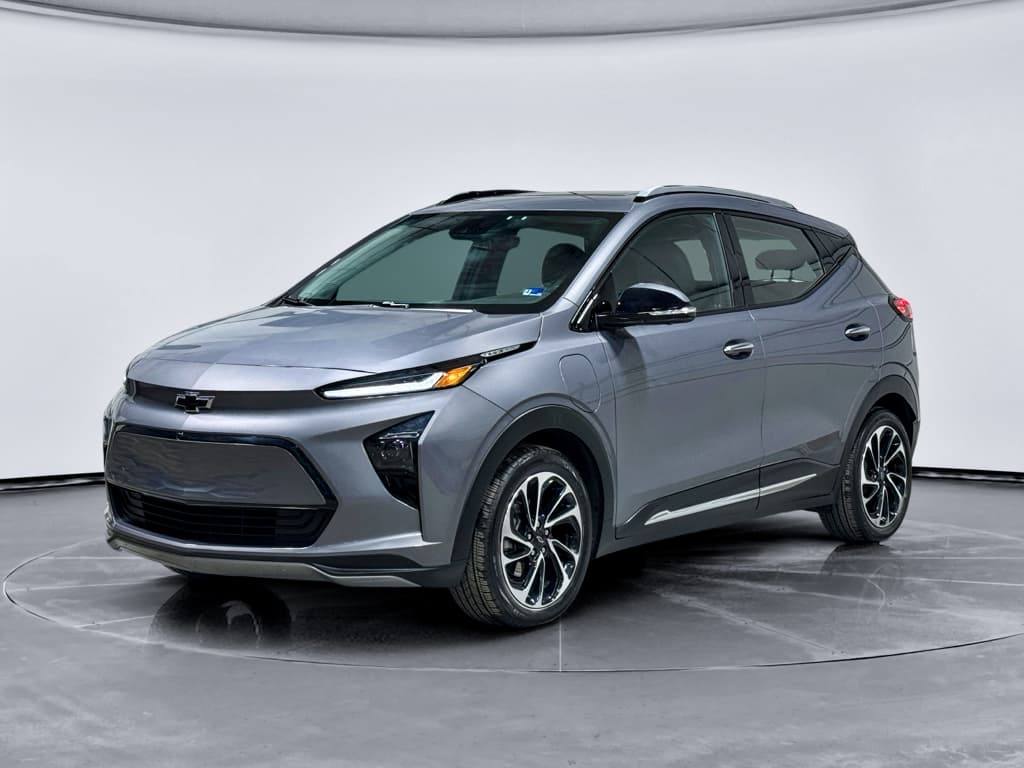
If you own a Chevrolet Silverado EV, you’re sitting on one of the most interesting experiments in the truck market: a full‑size electric workhorse that’s still finding its place in the real world. The question isn’t just what it can do for you today, it’s when to sell your Silverado EV so you don’t leave thousands of dollars on the table.
Quick answer
Why timing matters for Silverado EV sellers
Pickup trucks are famously good at holding value. Traditional Silverado and F‑150 models have lived on best‑resale lists for years, and early pricing data suggests Silverado EVs are following a similar arc, at least for now. But EVs bring extra variables: battery health, fast‑moving tech, and a used‑EV market that whipsaws every time a tax rule changes or Tesla sneezes.
Silverado EV value snapshot (early data)
Those numbers paint a clear picture: the first few years are precious. Depreciation is front‑loaded, but lenders and buyers still see the Silverado EV as fresh tech. The trick is to exit while your truck is still in its honeymoon period, not after it’s become yesterday’s battery chemistry.
EV twist vs. gas trucks
How Silverado EVs depreciate in the real world
Depreciation on the Silverado EV is a tug‑of‑war between two forces. On one side you’ve got classic truck dynamics, business buyers, work fleets, and people who just love big American pickups. On the other, you’ve got EV dynamics: battery anxiety, fast tech turnover, and shifting tax incentives that whiplash demand.
- Years 0–2: Biggest dollar losses, but still premium pricing. Early‑adopter trucks lose value quickly in absolute terms, yet buyers will pay for low miles and the latest software.
- Years 3–5: Depreciation slows in percentage terms. This is often the sweet spot to sell, you’ve used the truck, but it still feels current, and battery degradation is usually modest if it’s been cared for.
- Years 6+: Higher risk zone. Competing EV trucks get cheaper and better, and older packs without a strong health story can be a harder sell unless the price is aggressive.
How to use depreciation to your advantage
Mileage sweet spot for selling your Silverado EV
Trucks live and die by the odometer. For work fleets, analysis often points to a resale sweet spot in the 65,000–80,000‑mile range, where buyers still see a lot of usable life but fleets want to rotate out before big maintenance and downtime kick in. For a Silverado EV that’s doing daily duty, not just weekend runs, that logic still mostly applies, with one extra overlay: battery aging.
Mileage checkpoints for a Silverado EV sale
Under 30,000 miles: premium territory
If your Silverado EV is under about 30k miles, you’re still in the ‘like‑new’ phase. If you’re already thinking of moving on, <strong>you can exit with minimal compromise</strong>, especially if it’s under factory warranty and the battery looks strong.
30,000–60,000 miles: real‑world sweet spot
This is often the best blend of <strong>use you’ve gotten</strong> vs. <strong>value you keep</strong>. Depreciation per mile tends to flatten out, yet many buyers still see the truck as low‑mileage for its age.
60,000–80,000 miles: time to decide
Beyond ~70k miles, some used‑truck shoppers start to flinch, especially on a heavy, high‑torque EV truck where they worry about long‑term battery and drivetrain stress. If your truck is in this band and your use case is changing, <strong>seriously consider listing it</strong> before you cross the next big milestone.
100,000+ miles: value is story‑driven
At six figures on the odometer, the buyer will care less about model year and more about <strong>maintenance records, battery health reports, and how hard the truck’s been worked</strong>. The right documentation can still get you a fair deal, but the market will be thinner.
Avoid this mileage mistake
Best time of year to sell a Chevrolet Silverado EV
Seasonality still matters, even in the EV world. Truck demand follows the rhythms of construction, landscaping, and outdoor recreation. The Silverado EV might be futuristic, but it still hauls lumber and trailers like a truck, which means you want to sell when people are dreaming about work and play, not shoveling snow.
How season affects Silverado EV resale
Use the calendar, not just the odometer
Spring (March–May)
Often the best season to sell a truck. Business owners are ramping up for busy months, and retail buyers are thinking about towing, home projects, and road trips. Your Silverado EV’s range and towing story will resonate most here.
Summer (June–August)
Still a strong time, especially in warmer climates. Buyers planning summer travel or boat/ATV season may be looking for a truck now. Listings often move quickly if they’re well‑priced and clean.
Fall & Winter (September–February)
Deal activity can cool, especially for lifestyle buyers. Late fall can also be noisy as dealers blow out new‑model inventory. If you must sell in this window, condition and pricing matter more to stand out.
Tax calendar still matters, just differently now
Market factors unique to EV trucks
You’re not just selling a truck, you’re selling someone on electric truck life. That means your timing is layered on top of policy changes, charging build‑out, and how spooked or excited people are about EVs this quarter.
1. Incentive whiplash
Between 2024 and late 2025, EV credits were constantly in the headlines. New rules killed some purchase and lease incentives after September 30, 2025, which briefly jolted both new and used EV demand. Going forward, keep an eye on:
- New state or utility rebates that make new trucks cheaper.
- Big manufacturer incentives that drag used prices down.
- News cycles claiming “EVs are dead” or “EVs are back”, both move shopper sentiment.
2. Tech and competitive pressure
Every time Ford, Ram, or Tesla updates their electric truck, or slashes prices, your Silverado EV’s resale value gets re‑scored in shoppers’ heads. The best move is to sell:
- Before a major refresh of your same model hits showrooms.
- Before a direct rival announces a visibly better range or towing rating at a lower price.
- After a strong review cycle or software update that makes your truck more desirable.
Watch the new‑truck window sticker
Battery health: how it impacts when you should sell
For a gas truck, buyers obsess over engine noise and transmission shifts. For a Silverado EV, the first question savvy shoppers ask is, “How’s the battery?” The timing of your sale should lean heavily on how strong a story you can tell about pack health.

How battery health shapes your selling window
Early, with a nearly‑new pack
If you sell within the first 2–3 years, and you can show minimal degradation, you’re selling peace of mind. Buyers will pay a premium to avoid being the guinea pig for long‑term battery wear.
Mid‑life, with proof
In the 3–6‑year range, a verified battery health report becomes more important than model year bragging rights. If you can document state of health, you can comfortably sell later and still get strong money.
Late, with unknown history
Selling a high‑mileage Silverado EV with no pack documentation is when buyers expect discounts. If you’re already in this zone, timing matters less than transparency and price.
How Recharged helps here
Personal timing: signs it’s time to sell
The “best” time on paper doesn’t matter if your life is pulling in a different direction. Some of the strongest sale outcomes happen when owners admit their Silverado EV no longer fits how they live or work, and sell while the truck is still a desirable package for someone else.
- Your range needs changed. Maybe your commute got longer, or you moved somewhere with harsh winters and sparse fast‑charging. If you’re constantly brushing against your comfort range, buyers in milder climates will happily take that problem off your hands.
- Your towing profile shifted. The Silverado EV can tow, but heavy, frequent towing can nick range and resale confidence. If your life now revolves around big trailers, it may be smarter to sell while your use‑case has been gentle.
- You’re eyeing the next generation. If a refresh or new trim promises significantly better range, charging speed, or work features you actually need, selling before that truck floods the market can lock in more value.
- Cash‑flow and tax planning. With federal credits for used EVs gone after September 30, 2025, timing your sale around your own budget cycle (loan payoff, business write‑offs, year‑end planning) matters more now than chasing buyer credits.
Think in total cost, not just sale price
Pricing strategy and prep to maximize your sale
Timing gets you to the right neighborhood; prep and pricing decide which side of the street you land on. Silverado EV buyers are doing spreadsheets, range, towing, charging access, payment. Help them justify your asking price.
Silverado EV selling levers you control
Dial these in before you list
| Lever | Why it matters | What to aim for |
|---|---|---|
| Timing vs. new incentives | New‑truck discounts drag used values down. | List before or just as new incentives hit, not months after. |
| Battery documentation | Removes fear around pack degradation. | Third‑party battery health report or Recharged Score. |
| Mileage & usage story | Buyers will pay more for light‑duty life. | Show mix of highway vs. towing/hauling; service records help. |
| Condition & cosmetics | EV truck buyers expect ‘work’ and ‘tech’ to coexist. | Professional detail, fix obvious cosmetic dings, no warning lights. |
| Pricing vs. comps | You’re competing with Lightning, Rivian, and new‑truck deals. | Price within realistic market range; small under‑market premium for documented battery health. |
You can’t change the market, but you can present your truck as the best‑managed example in that market.
Pre‑sale checklist for your Silverado EV
1. Pull service and charging history
Gather <strong>all maintenance records</strong> and, if possible, data from your charging app. Showing mostly home Level 2 charging and limited frequent DC fast charging can reassure buyers.
2. Get a battery health report
If you sell through Recharged, your Silverado EV gets a <strong>Recharged Score battery diagnostic</strong>. If you sell elsewhere, consider an independent EV inspection to produce something similar.
3. Fix small, obvious issues
Address tire tread, worn wipers, cracked glass, and error lights. These are cheap to fix and expensive in what they do to buyer confidence.
4. Detail inside and out
A truck that smells like a clean office instead of a job site simply sells better. Clean under the tonneau, in the frunk, and any storage bins to show careful ownership.
5. Photograph like a pro
Shoot in daylight, show <strong>full exterior walk‑around</strong>, interior tech, bed condition, frunk, and any accessories (chargers, racks, tonneau). Buyers of EV trucks want to see both utility and tech.
6. Decide your must‑have number
Know your payoff amount, your minimum acceptable offer, and how long you’re willing to wait. That keeps you from making a rushed decision if the first offer is a little low.
How selling your Silverado EV with Recharged works
If you’d rather not decode EV truck market physics on your own, Recharged is built for exactly this moment in the ownership cycle. We specialize in used EVs and EV trucks, so we speak both languages: torque and kilowatt‑hours.
Three ways Recharged can help you sell smarter
Data‑driven pricing
Recharged uses current EV market data, Silverado EV comps, incentives, and local demand, to help you price your truck fairly from day one, instead of guessing and chasing dropping offers.
Recharged Score Report
Every vehicle on Recharged includes a Recharged Score Report with verified battery health and a condition summary. That gives buyers confidence to pay for a well‑cared‑for truck instead of treating every EV like a mystery box.
Flexible ways to sell
You can get an instant offer, consign your Silverado EV to reach more buyers, trade it in toward another EV, and even arrange nationwide delivery. Our EV‑specialist team guides you end‑to‑end, fully online or at our Richmond, VA Experience Center.
Ready to find your next EV?
Browse VehiclesWhen your timing is dialed in
FAQ: best time to sell a Chevrolet Silverado EV
Frequently asked questions
Owning a Chevrolet Silverado EV means you’ve already bet on where trucks are headed. Selling one well is about getting the timing and story right: mileage below the scary thresholds, a season when people actually want trucks, a market not drowning in new‑truck discounts, and a battery health report that calms every rational fear a buyer has. Nail those, and you’re not just unloading a vehicle, you’re passing the torch to the next owner at a price that respects what your truck has done for you so far. When you’re ready, Recharged is built to help you make that transition simple, transparent, and on your terms.