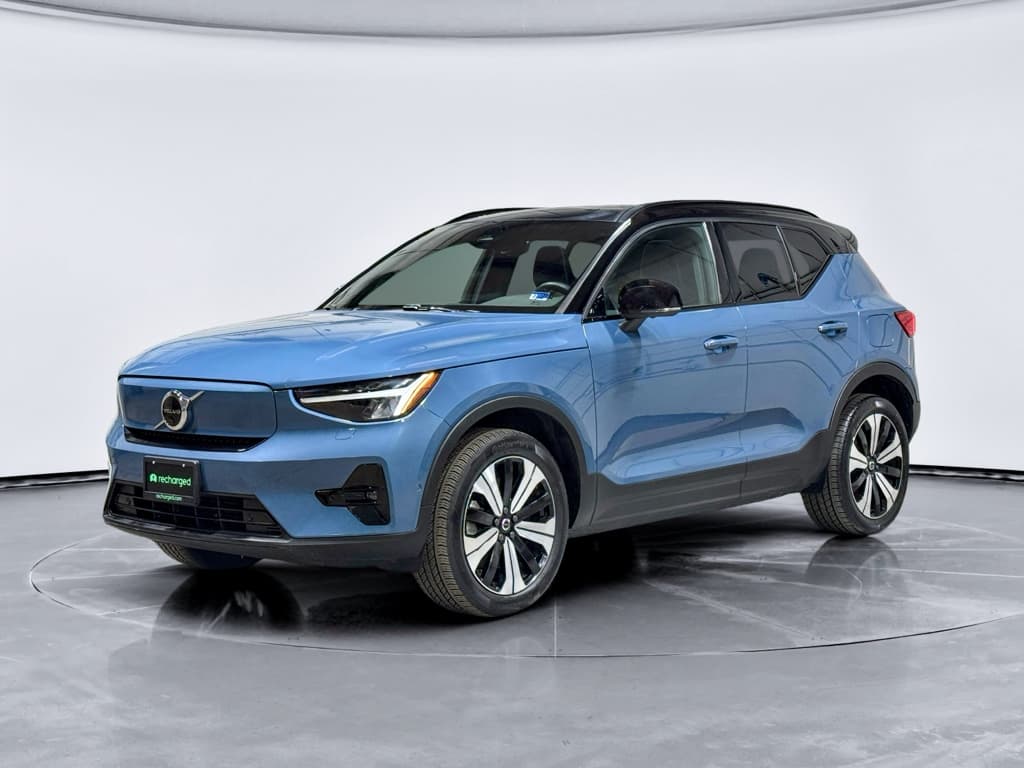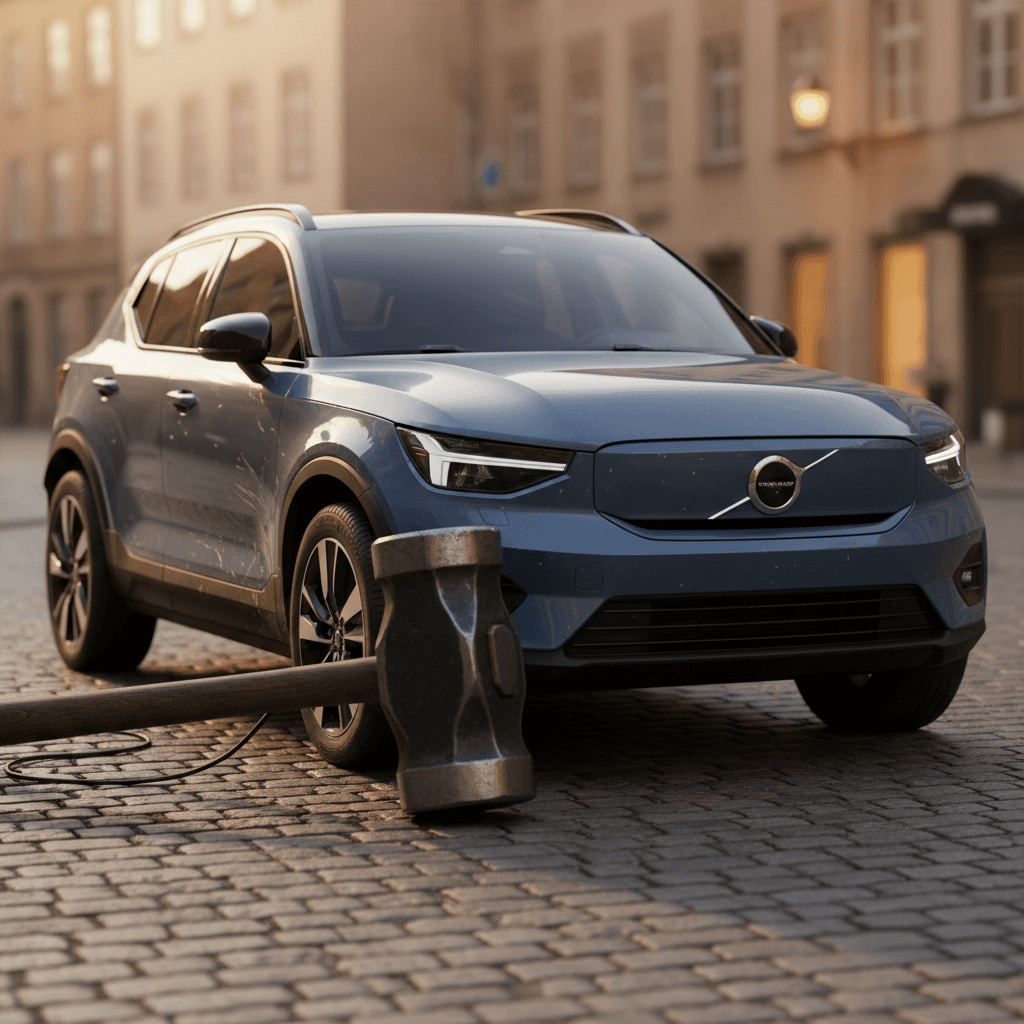
The 2026 Volvo EX30 is Volvo’s smallest, quickest little troublemaker – an electric subcompact SUV that hits 60 mph in about 3.4 seconds in Twin Motor Performance guise and will happily embarrass cars twice its price. As these early EX30s start showing up on the used market, shoppers are asking a simple question with a complicated answer: is a used 2026 Volvo EX30 a brilliant value play, or a beautiful headache?
Quick take: used EX30 in one sentence
Why the 2026 EX30 Matters on the Used Market
2026 Volvo EX30: Numbers That Matter Used
Volvo pitched the EX30 as an entry ticket to its electric future: smaller than an XC40, cheaper than an EX90, but with the sort of design that makes Tesla’s Model Y look like an airport shuttle. On paper, it’s a slam dunk used buy: strong performance, Volvo’s safety halo, and prices already softening from mid‑$40Ks stickers for well‑equipped 2025–2026 cars.
The catch is that early EX30s arrived with exactly the sort of gremlins you get when you stuff an entire car’s worth of controls into a central touchscreen and then ship version 1.0 of the software. OTA updates through 2025 and early 2026 have sanded off some sharp edges, but as a used shopper you need to know which problems are solved, which are tolerable, and which are deal‑breakers for you.
Where Recharged fits in
Powertrain, Range & Charging: What Matters Once It’s Used
2026 EX30 Powertrains You’ll See Used
Same 69 kWh pack, very different personalities.
Single Motor Extended Range (RWD)
272 hp, rear‑wheel drive and EPA range around 260 miles make this the sweet spot for most used buyers.
- Quicker than it needs to be.
- More efficient than the Twin Motor.
- Less drama in bad weather but fine with good tires.
Twin Motor Performance (AWD)
~422 hp, all‑wheel drive, EPA range in the low‑250‑mile band but realistically closer to 160–200 miles at U.S. highway speeds.
- Violently quick launches.
- Higher energy use and more frequent fast‑charging.
EX30 Cross Country
Ruggedized Twin Motor variant with extra ride height and cladding.
- Same basic battery and performance as Twin Motor.
- Slightly worse efficiency thanks to aero and tires.
For used shoppers, the real distinction isn’t horsepower; it’s how far you can get on a charge once the honeymoon phase is over. Independent 75‑mph tests have already shown the Twin Motor EX30 running out of breath around 160 miles before needing a fast‑charge, substantially below its EPA number. The Single Motor Extended Range car does better in real life, especially around town, but this is not a long‑legged road‑tripper like a Model Y Long Range.
Range reality check
On the bright side, the EX30 punches well above its weight in charging. In European testing, Twin Motor cars have hit very competitive DC fast‑charging curves for a 69 kWh pack, and U.S. owners report the car can claw back useful range quickly when preconditioned. In daily life, a 40‑amp Level 2 charger at home turns the EX30 into a plug‑in appliance: park, plug, forget. Just don’t expect miracles from a 120‑volt wall outlet.
On the Road: How a Used EX30 Actually Drives
Urban weapon
The EX30 is happiest where the speed limit signs have double digits. In town, even the Single Motor has effortless punch, and the compact footprint makes it easy to thread through traffic and parking garages. Ride quality is firm but not punishing, more hot‑hatch than soft‑roader.
Steering is Volvo‑typical: light, quick, not chatty. This is not a sports car; it’s a very fast appliance with just enough body control to be interesting.
Highway manners
At 75 mph, the EX30 settles down and feels stable, though some testers have noted more road noise than larger Volvos on coarse pavement. The short wheelbase can make expansion joints feel busy, especially on 20‑inch wheels.
If your used EX30 has Volvo’s Pilot Assist driver‑assist suite, long drives are a lot less tiring. Just remember: Pilot Assist is a solid Level 2 helper, not hands‑off autonomy.
Safety still feels like a Volvo
Cabin, Tech, Space and Ease of Living With It
Inside a Used EX30: The Good, the Odd and the Tight
Nordic design meets smartphone UX – for better and worse.
Design & materials
The EX30’s cabin feels like a Scandinavian hotel lobby rendered at three‑quarter scale: recycled textiles, playful colors, backlit trim. It’s leagues more interesting than the grayscale cockpits in many rivals.
Screen‑first controls
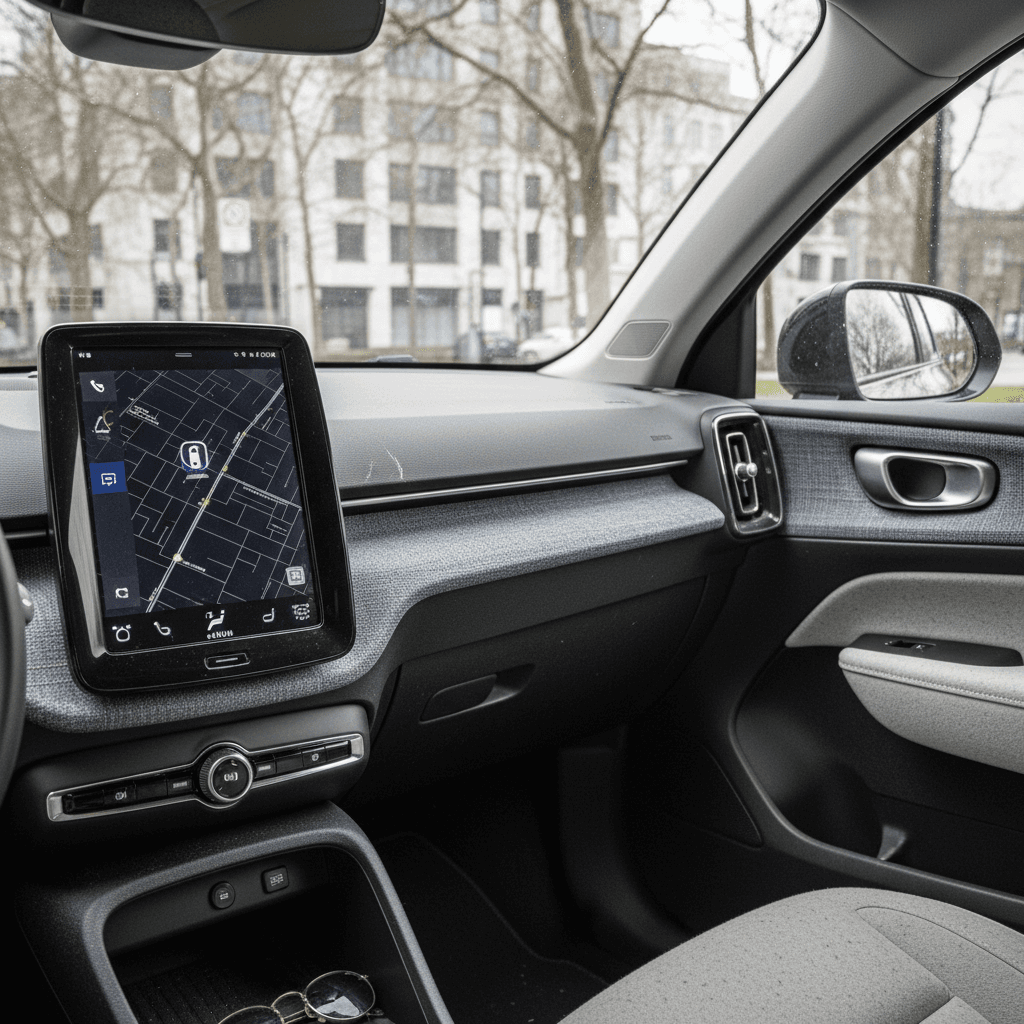
Almost everything – climate, mirrors, driver aids, even the glovebox – lives in the 12.3‑inch portrait touchscreen. It looks clean, but if you hate diving into menus, a used EX30 may drive you mad.
Space & practicality
Front occupants are fine; rear passengers get less legroom and an upright seatback. The cargo area is adequate for city life and Costco runs, but this is closer to a Golf than a family hauler. If you routinely road‑trip with kids and luggage, look elsewhere.
As a used car proposition, the EX30’s interior is one of its biggest selling points and also one of its longest‑term question marks. The sustainable materials look great when new; how well those woven fabrics and textured plastics hold up to toddlers, dogs and sun over 5–7 years is still being written. So far, owner reports suggest wear is acceptable, not tank‑like.
Used‑buyer interior checklist
Reliability, Software Bugs and Recalls on Used EX30s
Let’s deal with the elephant in the minimalist living room: early EX30s were bug‑y. Owners reported infotainment reboots, glitchy app connectivity, intermittent climate control weirdness, parking‑sensor false alarms and unfinished digital‑key features. Volvo has pushed multiple OTA updates across 2024–2026, and many owners say things have improved dramatically – but experiences vary by software version.
Recall and software status matters
- Expect more software annoyances than in a mature platform like a used Tesla Model 3 or Kia EV6.
- Hardware reliability (battery, motors, chassis) has not thrown up systemic disaster stories so far, but long‑term data is still thin – these are young cars.
- Cold‑weather owners have reported heat and range complaints that improved after software updates, but you’ll want to verify on your specific car.
- As with any heavily digital car, a weak 12‑volt battery or spotty cell service can make the EX30 feel haunted. Healthy low‑voltage systems and current software are your friends.
How Recharged’s battery & software checks help
Running Costs and Depreciation
Used EX30 Ownership Snapshot
How a used EX30 typically pencils out versus buying new.
| Item | New 2026 EX30 | Used 2026 EX30 (2–3 yrs old) | What It Means |
|---|---|---|---|
| Purchase price | ~$45,000–$52,000 depending on trim | ~$32,000–$40,000 depending on miles & spec | Early depreciation creates opportunity if you buy used. |
| Energy cost | ~3–4 mi/kWh, typical U.S. rates | Same as new | Efficient enough that electricity is usually cheaper than gas by a wide margin. |
| Maintenance | Low (no oil, fewer moving parts) | Low, but budget for tires & brakes | Subcompact size means cheaper consumables than big SUVs. |
| Incentives | May or may not qualify for new‑EV credits | May qualify for used‑EV tax credit if price and income thresholds are met | Check latest IRS rules; used credits can tilt the math toward pre‑owned. |
Numbers are directional, based on early U.S. market behavior and typical EV energy costs.
The EX30’s small battery is actually an asset on the cost front. There’s less kWh to replace someday, and the car doesn’t carry around the dead weight of a 100‑kWh pack. Energy efficiency is solid for a small SUV, especially in the Single Motor version; the Twin Motor spends more electrons for drama.
Depreciation is where the opportunity lives. Between model‑year churn, rapid EV tech progress and those early software headlines, the EX30 has dropped faster than, say, a gas RAV4. If you’re shopping in 2026, you’re letting the first owner eat the steep part of the curve and stepping into a much more rational value story, if, and only if, the example you pick is a good one.
What to Check Before You Buy a Used 2026 Volvo EX30
Essential Used EX30 Pre‑Purchase Checklist
1. Verify battery health & fast‑charge history
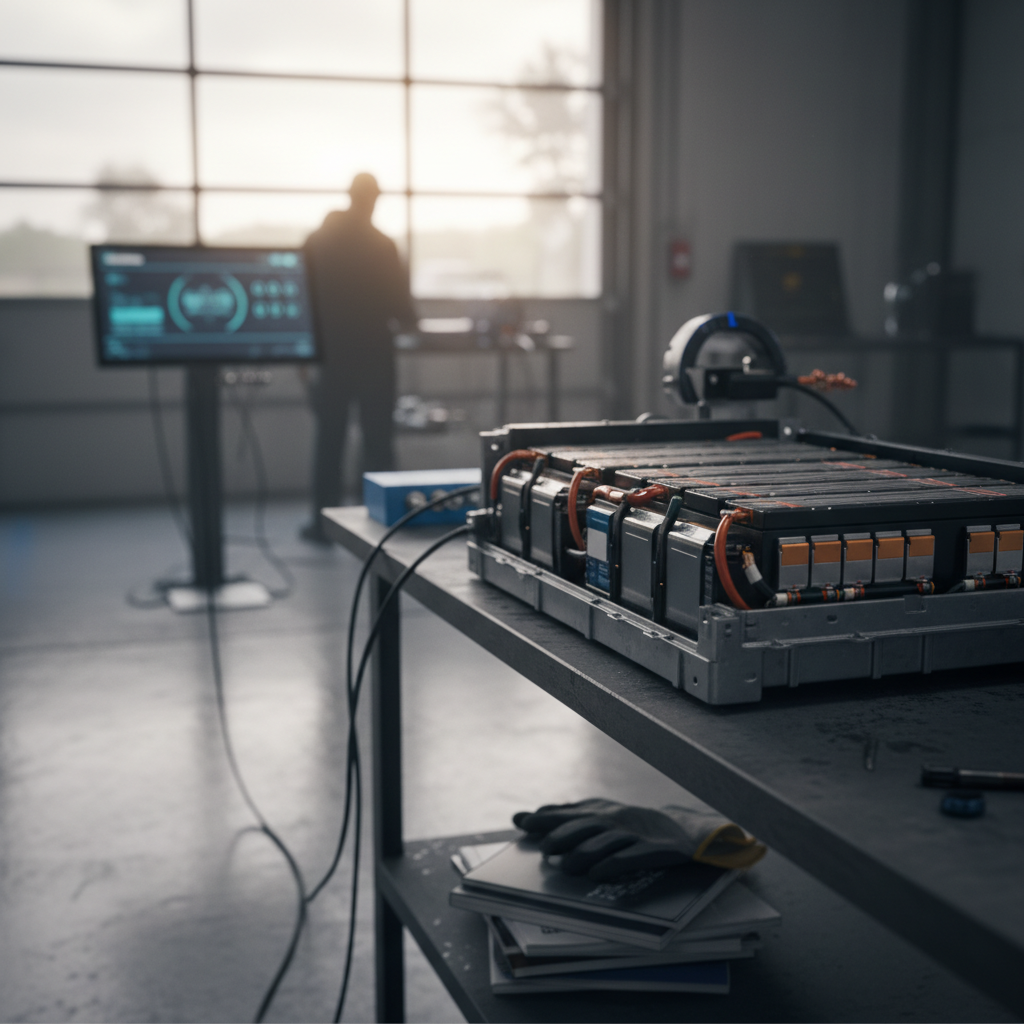
Ask for a battery‑health report and DC‑fast‑charging history. Frequent 200‑kW fast‑charging isn’t automatically bad, but you want to see healthy state‑of‑health numbers and no repeated fast‑charge fault codes. Recharged provides this as part of the Recharged Score.
2. Confirm software version and update history
In the car’s settings, check the software version and confirm with service records that major updates have been applied. Cars stuck on very early software can feel like different, worse products.
3. Test all driver‑assistance features
On a test drive, verify adaptive cruise, lane‑keeping, Pilot Assist, parking sensors, cameras and emergency braking. False alarms or missing functions could signal a simple calibration issue, or a car that’s been hit and repaired poorly.
4. Stress‑test the infotainment
Spend 15–20 minutes living in the UI: Bluetooth pairings, CarPlay or Android Auto (if equipped), climate, seat heaters, drive modes. Watch for freezes, reboots or lag that would wear on you daily.
5. Inspect tires, wheels and suspension
Twin Motor and Cross Country models can be hard on tires. Uneven wear or bent wheels hint at pothole abuse or curb strikes. Listen for clunks over bumps that might indicate worn suspension bushings.
6. Check charge‑port, cables and charging behavior
Inspect the charge port for damage or signs of overheating. Plug into Level 2 and, if possible, a DC fast‑charger to confirm normal speeds and no error messages.
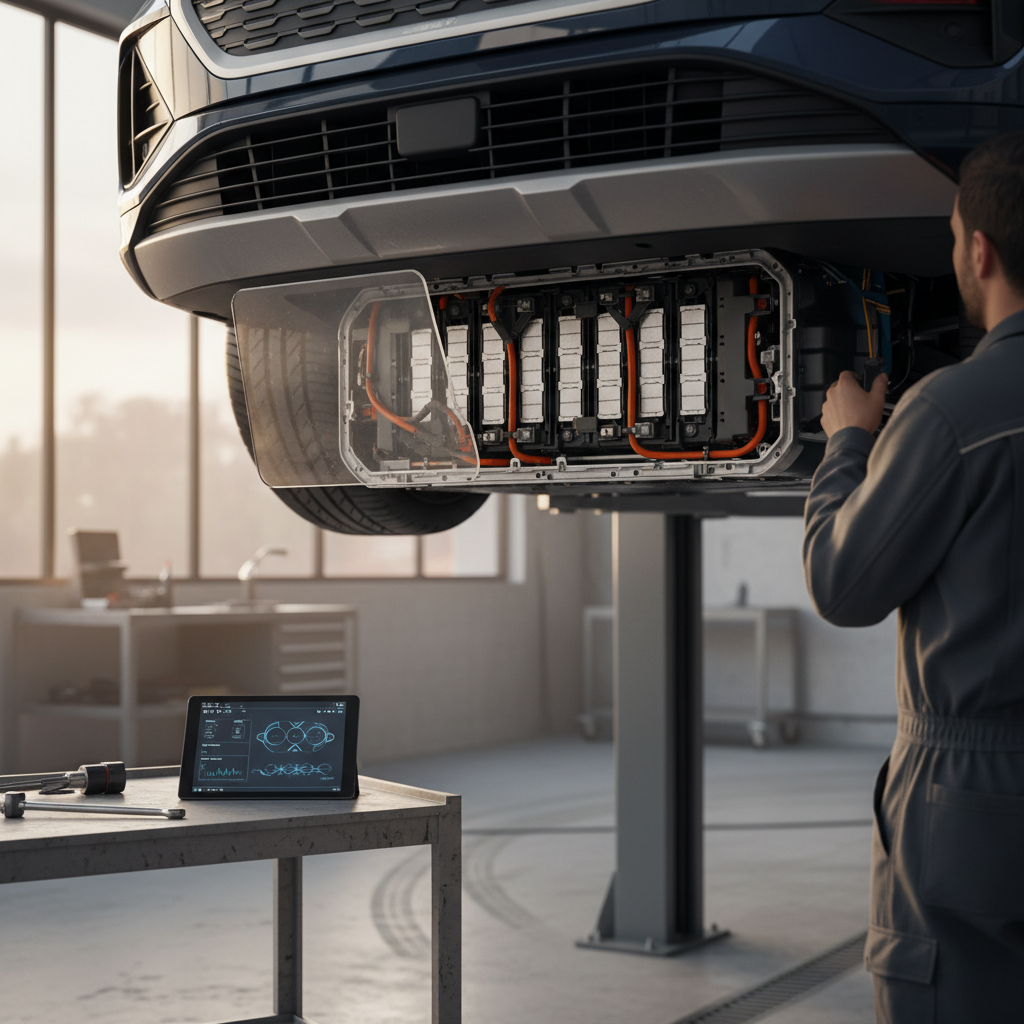
Let someone else crawl under it
How the EX30 Compares to Used Rivals
Used 2026 EX30 vs Common Used EV Rivals
How a used EX30 stacks up to popular small EV crossovers.
| Model | Strengths Used | Weak Points Used | Best For |
|---|---|---|---|
| Volvo EX30 | Wild acceleration (Twin Motor), beautiful cabin, strong safety story, compact size | Software quirks, modest highway range, tighter rear seat | Style‑first buyers, urban dwellers, empty‑nesters |
| Tesla Model Y (RWD/LR) | Excellent charging network, long range, mature software, big cabin | Bland interior, firmer ride, more common on the road | Families, road‑trip fans, one‑car households |
| Hyundai Kona Electric | Good efficiency, straightforward controls, improving availability | Less premium feel, smaller dealer EV expertise in some areas | Budget‑conscious commuters |
| Kia EV6 | Great driving dynamics, strong charging performance, more space | Larger footprint, higher prices even used | Drivers who want a more spacious, sporty EV |
Think of the EX30 as the stylish, slightly tempestuous artist in a room of sensible engineers.
Who a used EX30 fits perfectly
- City and inner‑suburb drivers who rarely exceed 150 miles in a day.
- Singles or couples who prioritize design, safety and quickness over cargo volume.
- Tech‑curious owners who don’t mind software updates and learning a new UI.
Who should probably look elsewhere
- Road‑trip families who routinely cross state lines on weekends.
- Buyers who hate screens and want physical buttons for climate and basic controls.
- Risk‑averse shoppers who want a long, proven reliability record today, not in five years.
Is a Used 2026 Volvo EX30 Right for You?
As a used EV, the 2026 Volvo EX30 is a deeply charming contradiction. It’s tiny but feels substantial, affordable on the used market but quicker than many German performance cars, and draped in sustainable eco‑materials while happily vaporizing tires off the line. You live with a shorter leash on range and a user interface that sometimes thinks it’s a beta phone app, but you also get a car with genuine personality in a segment stuffed with competent wallpaper.
If your life is mostly urban or suburban, you have access to reliable home or workplace charging, and you’re comfortable letting Volvo and over‑the‑air updates finish baking the software, a used EX30, especially a Single Motor Extended Range, can be a fantastic buy. If, on the other hand, you want quiet evolution, not revolution, a used Tesla Model Y or Kia EV6 will treat your blood pressure more gently.
How Recharged can de‑risk a used EX30
Ready to find your next EV?
Browse Vehicles