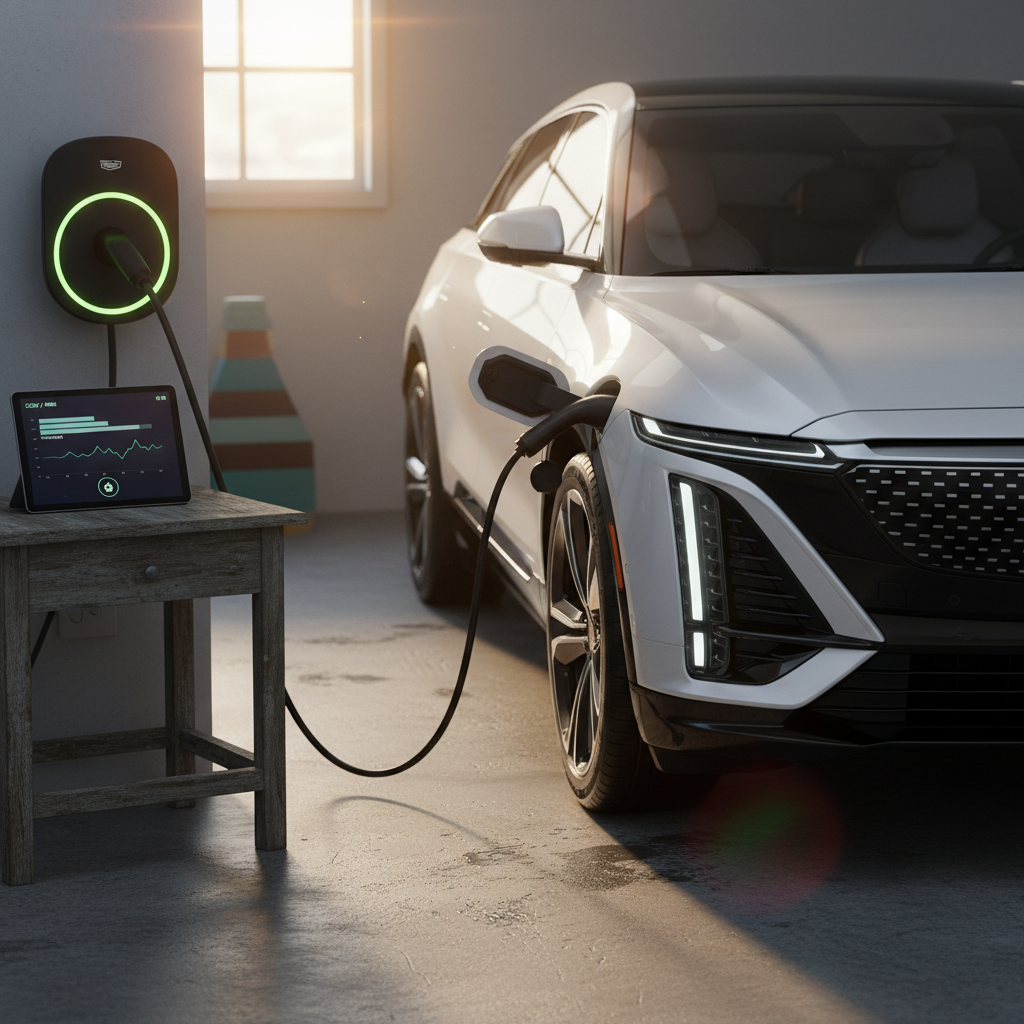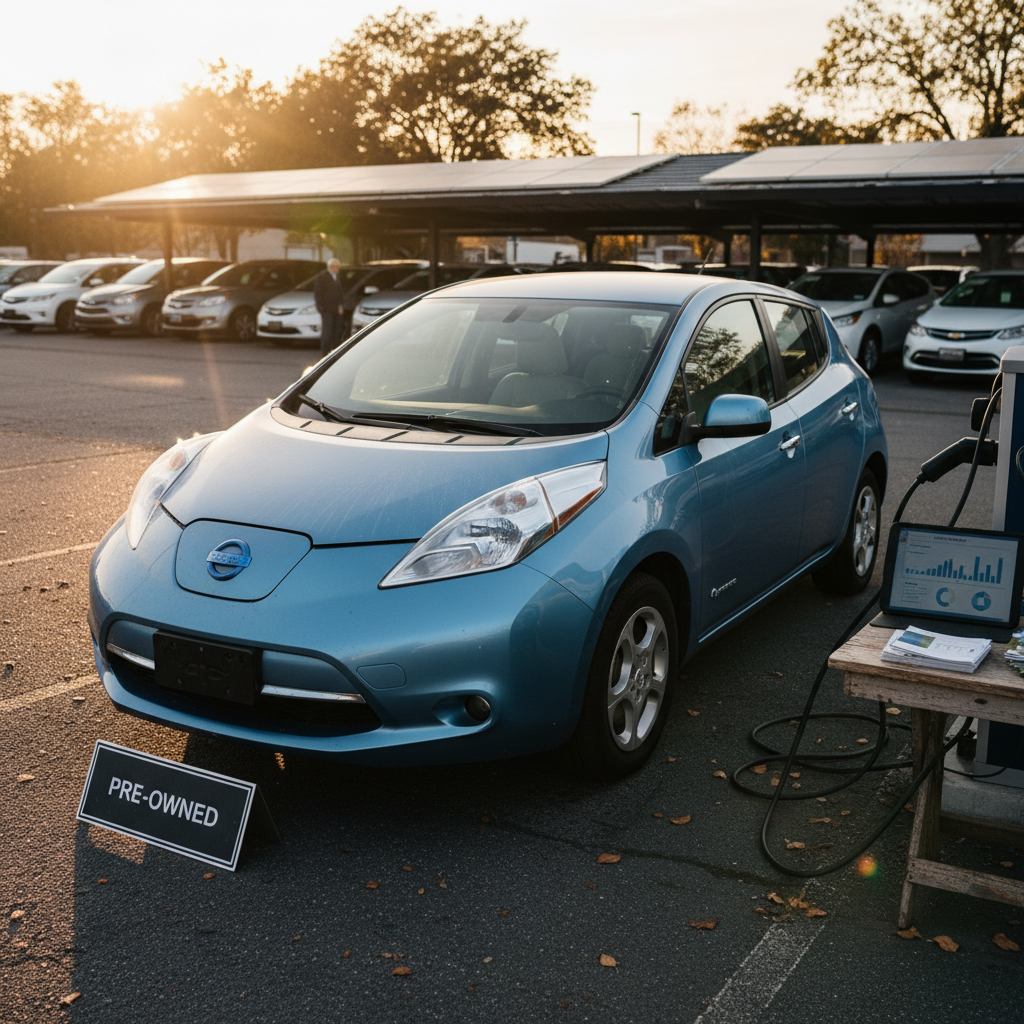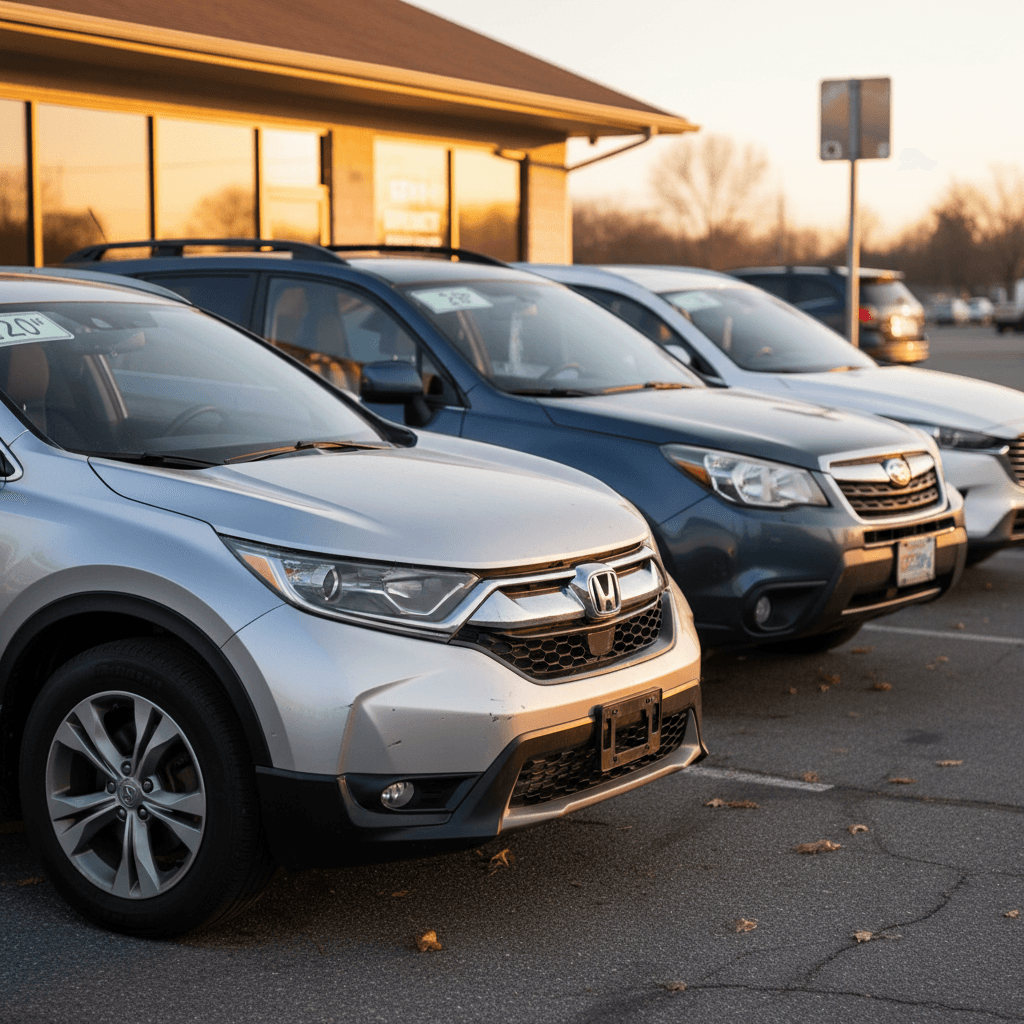
If you’re hunting for the best SUVs under $20K in 2025, you’re shopping right in the sweet spot of the used market. $20,000 can still buy you a safe, comfortable, well-equipped SUV, if you know which models and model years to target, and how to shop smart.
Before You Start Shopping
Why $20K Still Buys a Good SUV in 2025
New SUV prices have marched steadily upward, but depreciation is your best friend. Many compact and midsize SUVs lose 40–50% of their value in five to seven years, which means a vehicle that cost $32,000 new can realistically land in the $15,000–$20,000 range today. That’s where you find the sweet spot: modern safety tech, decent infotainment, and enough life left in the drivetrain to feel confident putting your family in it every day.
The $20K Used SUV Sweet Spot
How We Chose the Best SUVs Under $20K
- Recent third-party rankings of the best used SUVs under $20,000 from major sites like CarGurus, TopSpeed, and Kelley Blue Book.
- Safety scores and crash-test results where available.
- Owner-reported reliability records and known problem areas.
- Availability under or around $20,000 in the U.S. used market in late 2025, assuming average mileage.
- Real-world practicality: cargo room, family friendliness, comfort, and fuel economy.
A Note on Pricing
Best Compact SUVs Under $20K
Compact Picks: City-Friendly and Efficient
These crossovers are easy to park, easy on gas, and widely available below $20,000.
Toyota RAV4 (Gas & Hybrid)
Why it’s a standout: The RAV4 is one of America’s best-selling SUVs for a reason: it’s spacious, efficient, and tough to kill.
- Best years under $20K: Gas models from roughly 2015–2018; Hybrid models around 2016–2017 can sometimes sneak under $20K with higher miles.
- Pros: Excellent reliability record, good resale value, simple controls, strong aftermarket parts support.
- Watch for: Older models may feel noisy and basic inside; higher-mileage Hybrids demand proof of regular maintenance.
Kia Sportage
Why it’s a standout: Often slightly cheaper than a RAV4 or CR‑V, but still comfortable, with a long warranty when new.
- Best years under $20K: 2017–2021, depending on mileage and trim.
- Pros: Good ride, plenty of standard features, intuitive tech on newer models.
- Watch for: Check service records, budget buyers sometimes stretch oil changes; inspect for uneven tire wear.
Subaru Outback
Why it’s a standout: Technically a wagon, but cross-shopped as an SUV. Standard all-wheel drive, big cargo area, and a calm ride.
- Best years under $20K: Many 2015–2019 models fall squarely in budget.
- Pros: Excellent in bad weather, comfortable seats, strong safety scores with EyeSight driver assist on many trims.
- Watch for: CVT transmission fluid should have been changed on schedule; look for signs of oil leaks on older high-mileage cars.
Jeep Renegade
Why it’s a standout: Small footprint with upright, SUV-like styling and available off-road-focused trims.
- Best years under $20K: 2016–2021, especially mid trims with 4x4.
- Pros: Easy to park, distinctive styling, Trailhawk models can tackle light off-roading.
- Watch for: Some years have a mixed reliability reputation, have a trusted mechanic inspect thoroughly and avoid neglected examples.
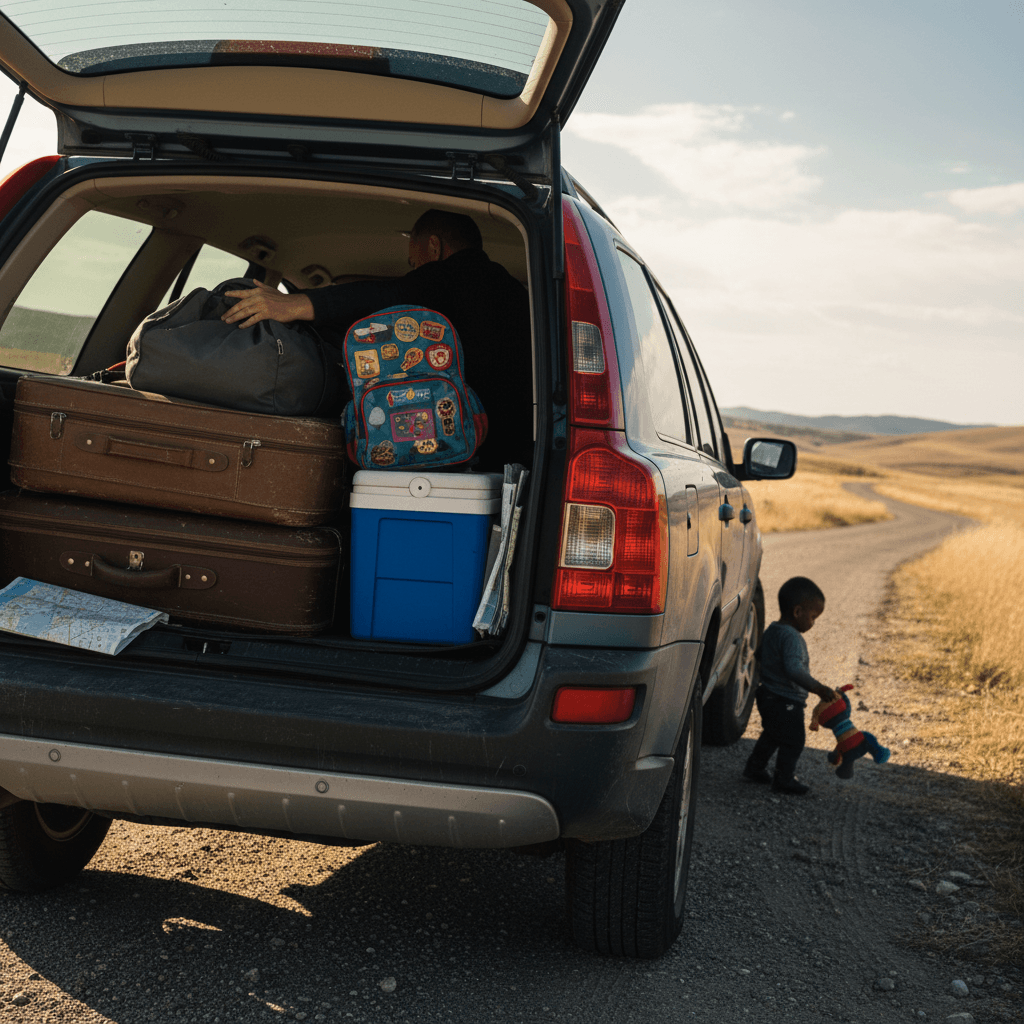
Best Hybrid SUVs Under $20K
If you’re clocking lots of miles, or you just hate watching the fuel gauge move, used hybrid SUVs under $20K are some of the best bargains on the road. You lose a little towing capacity in some cases, but you gain serious fuel savings.
Efficient Used Hybrid SUVs Near or Under $20K
Exact prices vary, but these models regularly appear around the $20K mark depending on year and mileage.
Toyota RAV4 Hybrid
Best for: Drivers who want SUV practicality with excellent fuel economy.
- Typical price under $20K: Earlier RAV4 Hybrid models (around 2016–2018) can be found near $20K, often with higher mileage.
- Why it’s great: Real-world fuel economy in the low-30s mpg, standard all-wheel drive, and a reputation for durability.
- What to check: Service records for the hybrid system and cooling components; be sure all dash warning lights go out after startup.
Kia Niro Hybrid
Best for: Commuters who want almost-hatchback efficiency in a crossover body.
- Typical price under $20K: First-generation Niro Hybrids from around 2018–2022 are increasingly turning up just under $20K.
- Why it’s great: Excellent fuel economy (often high‑40s mpg combined) with the practicality of a small crossover.
- What to check: Battery and hybrid system warranty details, and look for a complete maintenance history, many were used as high-mileage commuters.
Ford Escape Hybrid
Best for: Buyers who want something newer-feeling but still budget-friendly.
- Typical price under $20K: Older-generation Escape Hybrids and earlier years of the current generation can edge close to $20K with mileage.
- Why it’s great: Comfortable ride, user-friendly tech, and competitive fuel economy.
- What to check: Make sure any recall work has been performed and ask for documentation on hybrid system service.
Honda CR-V Hybrid (Stretch Pick)
Best for: Shoppers willing to push budget slightly or accept more miles.
- Typical price under $20K: Some 2020-era CR‑V Hybrids are trending toward the low‑$20Ks; you may find higher-mileage examples around $20K.
- Why it’s great: Comfortable, refined, with strong safety and resale value.
- What to check: Budget for future maintenance and stay on top of fluid changes; consider a pre-purchase inspection from a hybrid specialist.
Hybrid Battery Reality Check
Best All-Wheel-Drive SUVs Under $20K
If you regularly deal with snow, gravel roads, or muddy trailheads, all-wheel drive (AWD) is more than a nice-to-have. Here are solid AWD choices that often land under $20K.
All-Weather Warriors on a Budget
These models balance traction, comfort, and everyday usability.
Subaru Forester
Why it’s a standout: Standard AWD across the board and a tall, airy cabin make the Forester a favorite in snowy states.
- Best years under $20K: Roughly 2014–2019, with plenty of examples on the market.
- Pros: Great visibility, standard AWD, strong crash-test scores.
- Watch for: Some older engines had oil consumption issues, check oil-change history and look for blue smoke at startup.
Toyota RAV4 (AWD)
Why it’s a standout: Choose an AWD-equipped RAV4 and you get a nearly unflappable all-weather daily driver.
- Best years under $20K: Many 2015–2018 AWD models fall into budget.
- Pros: Reliability, good ground clearance, abundant parts and repair knowledge.
- Watch for: Rust in road-salt states and worn suspension components on high-mileage examples.
Ford Edge
Why it’s a standout: A midsize SUV that’s quieter and more comfortable than many compact rivals, with available AWD.
- Best years under $20K: Earlier current-generation models (around 2015–2018) often qualify.
- Pros: Comfortable ride, roomy cabin, strong V6 power options.
- Watch for: Transmission service history and any signs of shuddering or delayed shifts on the test drive.
BMW X3 (Older Luxury Pick)
Why it’s a standout: If you want a more premium feel, an older X3 with xDrive can deliver, but you’ll need to go in with eyes wide open.
- Best years under $20K: Roughly 2013–2017 models with higher mileage.
- Pros: Sharp handling, upscale interior, strong engines.
- Watch for: Maintenance costs, repairs and parts are pricier than mainstream brands. Insist on thorough records.
Best 3-Row Family SUVs Under $20K
Need room for kids, friends, and the soccer team’s gear? A 3-row SUV can make life easier, but you have to be selective under $20K. You’re often looking at older, larger vehicles, so condition and maintenance history matter even more.
Three Rows, Small Budget
These 3-row SUVs often fall under $20K with reasonable mileage.
Chevrolet Traverse
Why it’s a standout: Huge interior, comfortable ride, and enough power for family road trips.
- Best years under $20K: Around 2013–2017 models are common in this price band.
- Pros: Seats up to eight, massive cargo space, strong V6 engine.
- Watch for: Transmission service history and any signs of coolant leaks; take your time on a long test drive.
Dodge Durango
Why it’s a standout: Rear-wheel-drive roots give the Durango a stable, confident feel, and available V6 or V8 power.
- Best years under $20K: Many 2013–2017 models qualify, depending on trim and mileage.
- Pros: Strong towing capability, roomy interior, good highway manners.
- Watch for: Fuel economy, these are thirsty; also look for complete maintenance records, especially on V8s used for towing.
Chevrolet Tahoe (Older, High-Mileage Pick)
Why it’s a standout: If you need maximum space and towing, an older Tahoe delivers truck-based toughness and room for up to nine.
- Best years under $20K: You’re usually looking at older, higher-mileage examples in the 2010–2015 range.
- Pros: Serious towing capability, body-on-frame durability, huge interior.
- Watch for: Rust, suspension wear, and evidence of hard use (fleet, towing, or off-road). Don’t buy without a professional inspection.
Lincoln MKT (Comfort Pick)
Why it’s a standout: Less popular new, which means better used prices for a roomy, comfortable 3-row with a luxury bent.
- Best years under $20K: Many 2013–2018 models show up under $20K.
- Pros: Comfortable seats, quiet ride, good highway cruiser.
- Watch for: Higher repair and maintenance costs than mainstream brands; check that all electronics and power features work.
At-a-Glance Comparison: Top SUVs Under $20K
Snapshot of Standout SUVs Under $20,000
Use this table as a starting point, then refine based on what you actually find in your local market.
| Model | Category | Common Years Under $20K | Typical Strength | Potential Trade-Off |
|---|---|---|---|---|
| Toyota RAV4 (gas) | Compact | 2015–2018 | Rock-solid reliability | Basic interior on lower trims |
| Toyota RAV4 Hybrid | Hybrid compact | 2016–2018 (higher miles) | Excellent mpg, standard AWD | Older examples, may have more miles |
| Kia Sportage | Compact | 2017–2021 | Value packed, comfortable ride | Not as spacious as class leaders |
| Subaru Outback | AWD crossover | 2015–2019 | All-weather capability, roomy cargo | Some engines prone to oil consumption |
| Subaru Forester | AWD compact | 2014–2019 | Standard AWD, great visibility | Base engines feel slow when loaded |
| Chevrolet Traverse | 3-row | 2013–2017 | Huge interior, family-friendly | Thirsty and can be expensive to fix if neglected |
| Dodge Durango | 3-row | 2013–2017 | Towing and highway comfort | Low mpg, must check maintenance |
| Kia Niro Hybrid | Hybrid subcompact | 2018–2022 | Outstanding efficiency, easy to park | Smaller cargo area than larger SUVs |
Pricing and fuel economy are approximate and vary with model year, engine, and condition.
How to Shop Smart for a SUV Under $20K
Used SUV Shopping Checklist (Under $20K)
1. Decide What You Truly Need
List your non-negotiables: seating for five or seven, AWD vs. FWD, towing, fuel economy, and must-have safety features like automatic emergency braking or blind-spot monitoring.
2. Research Real-World Prices
Look at several listing sites to understand what similar SUVs actually sell for in your area. A "deal" only matters if it’s truly below local market value.
3. Prioritize Condition and History
A well-maintained SUV with more miles is often a better bet than a low-mile, poorly serviced one. Ask for maintenance records and a vehicle history report.
4. Get a Pre-Purchase Inspection
Spend a couple hundred dollars with a trusted mechanic to inspect any vehicle you’re serious about. It’s the cheapest insurance you can buy.
5. Test Drive Like You Mean It
Drive on the highway and around town. Pay attention to shifts, noises over bumps, brake feel, and how the engine responds to full throttle.
6. Don’t Skip Safety Tech
If you can, target models with modern driver-assist features. They’re worth paying a bit more for, especially if the SUV will carry family or friends regularly.
Avoid These Red Flags
Financing, Trade-In, and Stretching Your $20K Budget
Make $20K Work Like $25K
If you’re financing, your monthly payment matters more than the sticker price, within reason. A slightly higher price on a newer, safer SUV can still be the smarter deal if it means fewer surprise repairs over the next five years.
- Compare interest rates from your bank, credit union, and online lenders.
- Run the numbers on 48 vs. 60 months; shorter loans cost less in interest.
- Keep room in your budget for insurance, maintenance, and fuel.
Leverage Your Current Vehicle
Your existing car can be a powerful tool when you’re stepping into a used SUV.
- Get an instant offer or trade-in quote from multiple sources before you shop.
- Consider a consignment-style sale if you’re not in a rush and want top dollar.
- In some states, trading in can reduce the taxable portion of your new purchase price.
On Recharged, you can get an instant offer or explore consignment-style selling when you’re moving out of your current EV and into something that fits your life today.
Where Recharged Fits In
Ready to find your next EV?
Browse VehiclesWhen to Consider an EV Instead of a Gas SUV
This is Recharged’s backyard. While this guide focuses on the best SUVs under $20K overall (mostly gas and hybrids), it’s worth asking: should you stretch a little for a used electric SUV instead? In many markets, early-model electric crossovers and hatchbacks are now pushing into or near the $20K range.
- You do most of your driving in town and can charge at home or at work.
- Your fuel and maintenance bills are spiraling and you’re ready for a simpler powertrain.
- You plan to keep the vehicle for several years, so lower running costs really matter.
- You live near solid public charging infrastructure, or you’re comfortable planning around it.
How Recharged Reduces EV Risk
FAQs About the Best SUVs Under $20K
Frequently Asked Questions
Bottom Line: Picking the Best SUV Under $20K for You
A budget of $20,000 doesn’t mean settling for a tired, stripped-down SUV. It means being deliberate. Decide whether you care most about space, efficiency, or all-weather traction, then zero in on the models that do that job best: compact workhorses like the RAV4 and Sportage, efficient hybrids like the RAV4 Hybrid and Kia Niro, or big family haulers like the Traverse and Durango.
From there, the formula is simple: shop widely, check history reports, invest in a pre-purchase inspection, and don’t ignore your gut on how a vehicle feels on the road. And if you’re debating whether a used EV belongs on your shortlist, that’s where Recharged can help you compare gas, hybrid, and electric options side by side, with verified battery health, fair pricing insights, and expert guidance from start to finish.