If you’re searching for the best self driving car in 2026, you’re really asking two questions: which cars come closest to driving themselves today, and which systems you can trust with your family on real roads, not in a demo video. This guide walks through the top options you can actually buy or shop used for in the U.S. right now, and how they differ in capability, cost, and everyday usability.
Key takeaway for 2026
What “self driving” really means in 2026
Automakers love the phrase self driving, but regulators and engineers use a different vocabulary: the SAE levels of automation. For practical shopping in 2026, you’ll mostly see two categories:
- Level 2 / Level 2+ driver assistance: The car can steer, accelerate, and brake in certain conditions, but you are responsible and must supervise. This includes Tesla Autopilot and FSD (Supervised), GM Super Cruise, Ford BlueCruise, BMW Driving Assistant Professional, Hyundai Highway Driving Assist, and many others.
- Level 3 conditional automation: In very specific conditions, the system, not you, is legally responsible for driving, and you can take your eyes off the road. In the U.S. that’s limited mainly to Mercedes-Benz Drive Pilot on certain highways at low speeds, and availability is still narrow.
On top of that, there’s a separate track of robotaxi services like Waymo and Zoox operating in specific cities. Those are interesting for the future of autonomy, but most drivers shopping for a family car or a used EV are looking at Level 2 or 3 systems built into vehicles they own.
Marketing vs reality
Hands-free and ADAS in 2026 at a glance
Quick ranking: best self-driving cars of 2026
Because “best” depends on where and how you drive, I’ll break the best self driving car 2026 field into clear winners by use case. These rankings focus on what’s available or announced for the U.S. in 2026, with an eye toward both new and used buyers:
Best self-driving and hands-free systems in 2026
High-level snapshot of the leading advanced driver-assistance suites you can actually use on U.S. roads.
| Category win (2026) | System | Typical vehicles (EV-focused) | What it does best |
|---|---|---|---|
| Best overall coverage | Tesla FSD (Supervised) | Model 3, Model Y, Model S, Model X | Mixed city + highway automation on almost any marked road, huge OTA-driven improvement curve. |
| Best geofenced hands-free | GM Super Cruise | Cadillac Lyriq, Chevrolet Blazer EV, Silverado EV and others | Rock-solid hands-free on mapped highways with excellent driver monitoring and lane changes. |
| Best mainstream hands-free | Ford BlueCruise | Mustang Mach-E, F-150 Lightning, select Lincoln models | Hands-free in designated “Blue Zones” at a relatively accessible price point. |
| Best legal Level 3 | Mercedes-Benz Drive Pilot | EQE and S-Class/EQS flagships (mostly gas/plug-in) | True eyes-off in narrow traffic scenarios where it’s legally allowed. |
| Best upcoming EV autonomy | Rivian “Universal Hands-Free” & others | R1T/R1S/next-gen, XPeng, Lucid, Hyundai/Kia, BMW, Nissan | Rapidly improving Level 2+ systems with more automatic lane changes and highway competence. |
All of these still require a responsible human driver; capabilities and availability vary by trim and region.
How to use this ranking
Best overall coverage: Tesla FSD (Supervised)
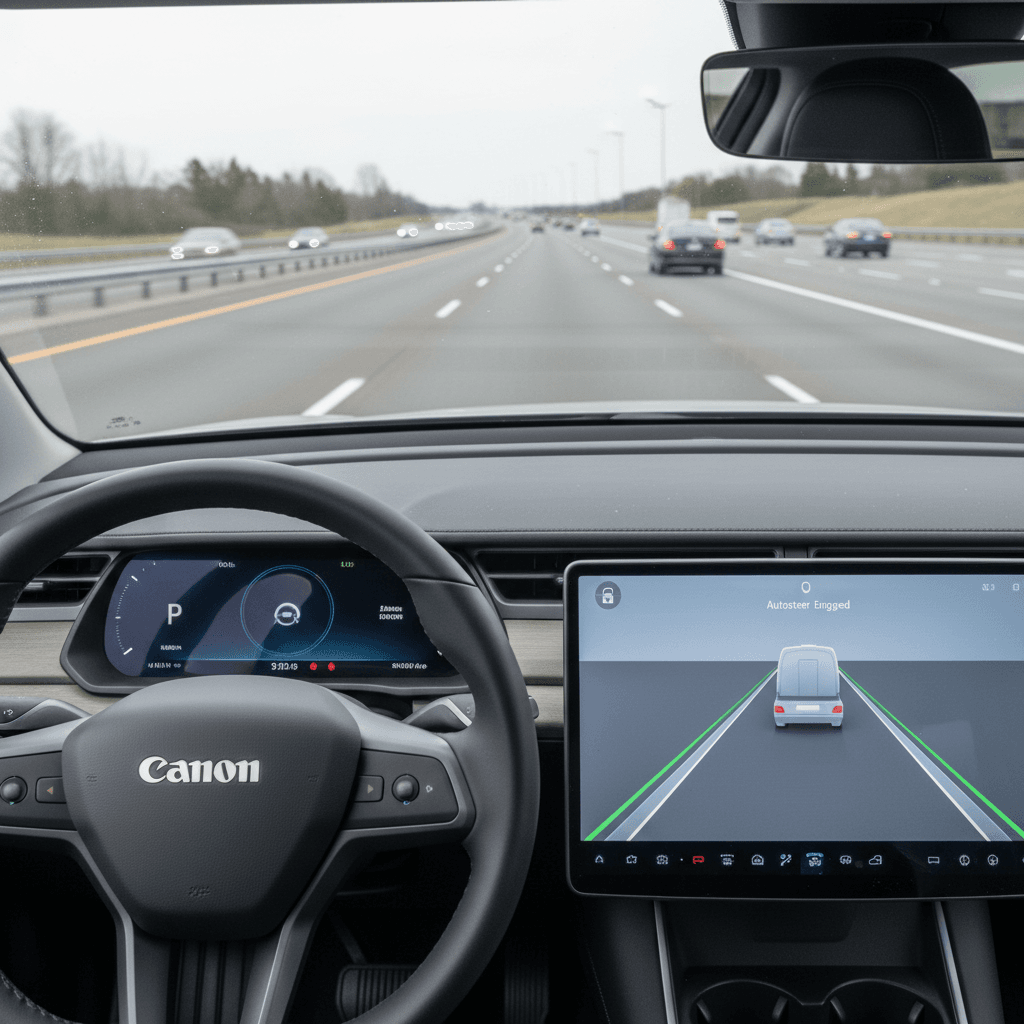
If your definition of the best self driving car 2026 is “the car that can handle the most different situations on its own,” Tesla’s Full Self-Driving (Supervised) is still the benchmark. It’s a Level 2 system, but it can navigate city streets, surface roads, and highways with the same software stack, and it runs on a huge fleet of vehicles that continually feeds data back for improvement.
Tesla FSD (Supervised): strengths and tradeoffs
Great coverage, but not automatically the right answer for everyone.
Where it shines
- Coverage: Works on almost any marked road, not just pre-mapped highways.
- Feature depth: Automatic lane changes, on-ramp to off-ramp navigation, traffic light and stop sign handling.
- OTA evolution: Frequent over‑the‑air updates mean the car you buy today may drive noticeably better in a year.
- Used availability: Plenty of used Model 3 and Model Y vehicles already have FSD capability enabled or transferable subscriptions.
Where it falls short
- Consistency: Superb on some routes, awkward or hesitant on others; still needs frequent supervision.
- Brand risk: Ongoing regulatory scrutiny and changing feature sets can affect how FSD is marketed or enabled regionally.
- Pricing: The up-front FSD package is expensive; subscriptions are more flexible but add to monthly costs.
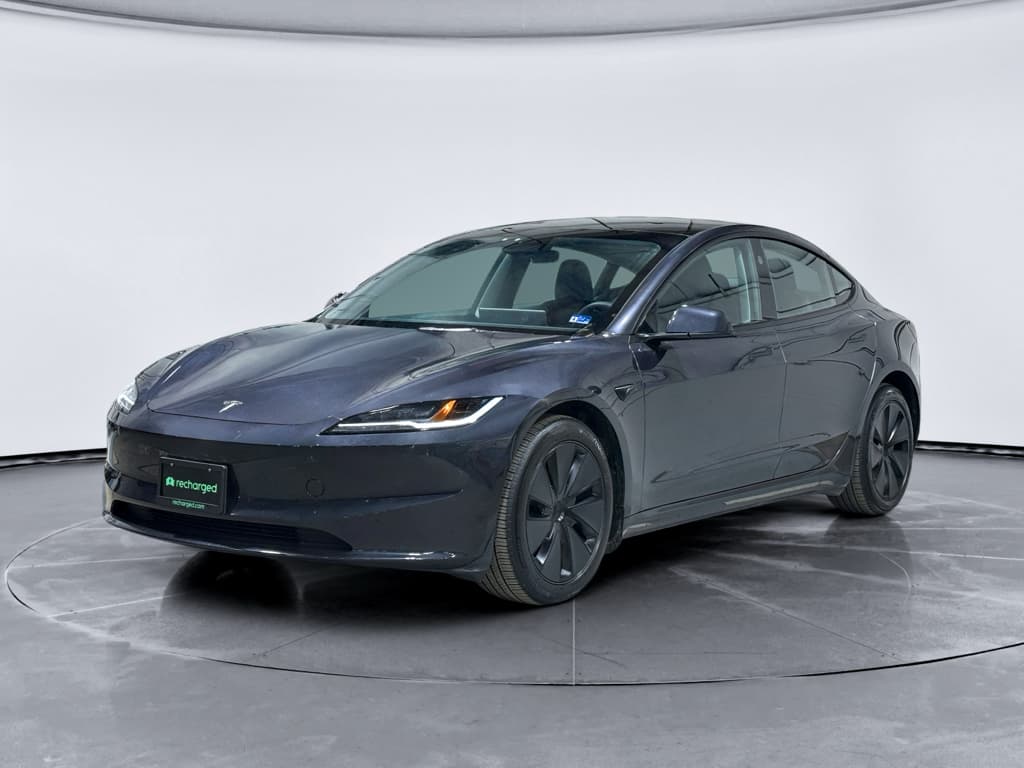
Good Tesla FSD candidates on the used market
Best geofenced hands-free: GM Super Cruise
When the conversation shifts from “most capable everywhere” to “most relaxing on the highway,” GM’s Super Cruise is still the one to beat. It’s a polished Level 2 system that works only on mapped highways, but within that zone it delivers some of the most confidence‑inspiring hands‑free driving you can buy.
Why Super Cruise stands out
- Mapped network: Hundreds of thousands of miles of divided highways are lidar‑mapped, which helps the system stay centered and predict curves and lane merges with uncanny smoothness.
- Excellent driver monitoring: An infrared camera tracks your gaze, so the system knows whether you’re paying attention without nagging you constantly.
- Cross‑brand rollout: Once limited to Cadillacs, Super Cruise is now available on EVs like the Cadillac Lyriq, Chevrolet Blazer EV, and GMC Hummer EV, widening your options, especially in the used market over the next few years.
Ideal owner profile
- Spends lots of time on interstate highways or long‑distance road trips.
- Prefers a system that behaves predictably in its domain rather than trying to handle city traffic.
- Wants clear feedback: the light bar on the steering wheel glows when the system is active, hands‑free, or needs a takeover.
- Is willing to trade some flexibility, no self‑driving on local streets, for more refinement on highways.
Best Super Cruise picks for 2026
Best mainstream hands-free: Ford BlueCruise
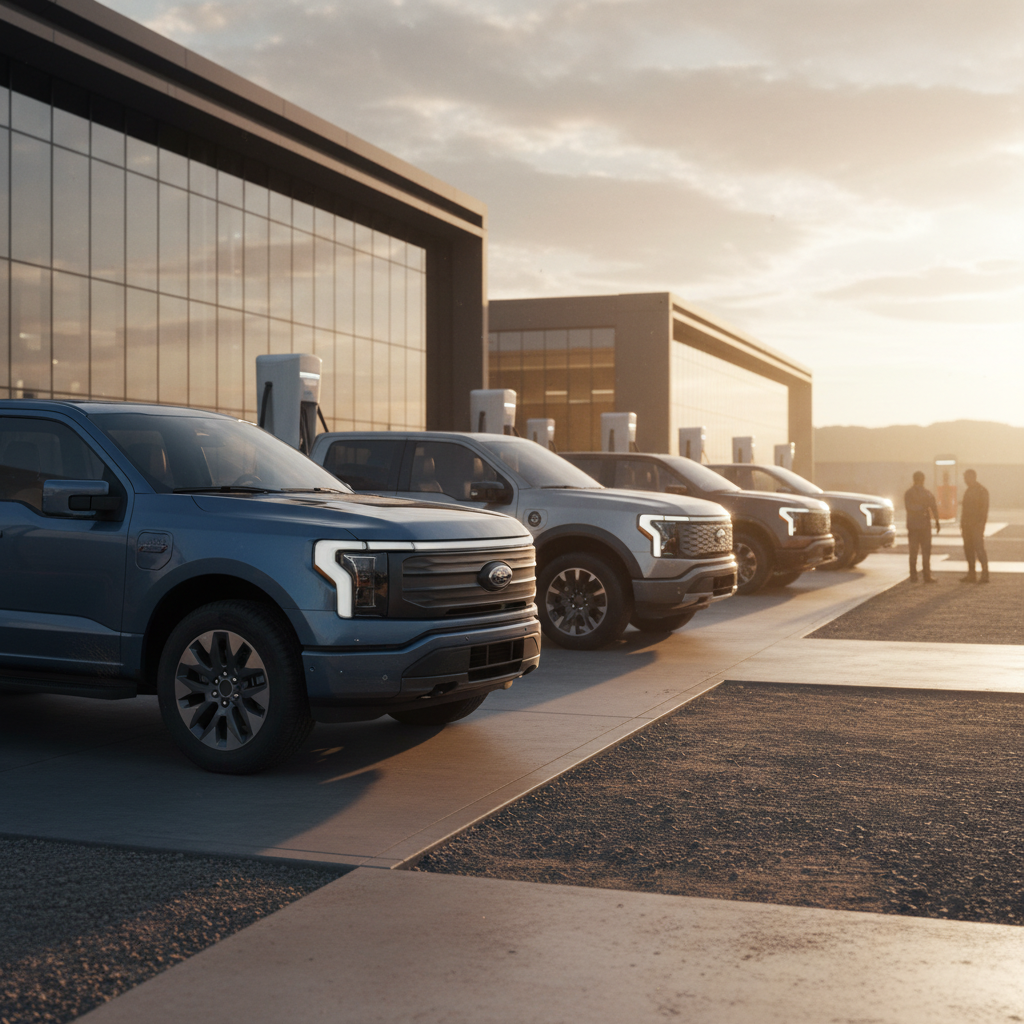
Ford’s BlueCruise (and the Lincoln-branded ActiveGlide) brings hands-free driving to more attainable vehicles, including EVs like the Mustang Mach‑E and F‑150 Lightning. Like Super Cruise, it works in predefined “Blue Zones,” but Ford has pushed hard to democratize the tech.
Ford BlueCruise in the real world
What to know if you’re eyeing a Mach‑E or F‑150 Lightning.
Strengths
- Accessibility: Available on popular EVs and trucks, not just high‑end luxury sedans.
- Subscription model: Many vehicles ship “hardware‑ready,” with BlueCruise enabled via subscription, good news for used buyers if terms remain flexible.
- Highway manners: Versions 1.3 and newer are noticeably smoother in lane changes and lane‑centering than early releases.
Watch‑outs
- Version confusion: BlueCruise 1.0, 1.2, 1.3, and beyond can behave quite differently; always confirm the version on a test drive.
- Zone limits: Like Super Cruise, it’s limited to mapped highways, and disengages when conditions fall outside its comfort zone.
- Safety investigations: Some high‑profile crashes where BlueCruise may have been active underscore that you must stay alert even when the light bar is glowing blue.
Test‑driving BlueCruise on a used EV
Best legal Level 3: Mercedes-Benz Drive Pilot
If you want to be able to say, accurately, that your car can drive itself while you legally look away from the road, if only in narrow situations, your only real option in 2026 is Mercedes‑Benz Drive Pilot. This is a Level 3 system approved in parts of the U.S. and Germany that can assume responsibility in slow‑moving highway traffic under specific conditions.
- Works on certain mapped highways, typically at speeds up to about 40 mph in dense traffic.
- Allows you to divert your gaze to the infotainment screen while engaged; the system, not you, carries the legal liability in its operating domain.
- Currently limited to select Mercedes S‑Class, EQS/EQE, and related models, most of which are expensive and rare on the used market in the U.S.
- Still hands‑off but not everywhere; once traffic speeds up past its limit, it hands control back to you.
Level 3 isn’t magic
Other strong contenders to watch
Beyond the big three headlines, Tesla, GM, and Ford, several other automakers are pushing hard into advanced driver-assistance for 2026 and beyond. Depending on your budget and priorities, these may be the right kind of “self driving” for you:
Notable self-driving and ADAS systems in 2026
Strong performers, especially if you value refinement over raw autonomy claims.
Hyundai / Kia HDA 2
BMW Driving Assistant Pro
Nissan ProPILOT Assist 2.x
What about robotaxis?
Which “best self driving car” is right for you?
Choosing the best self driving car in 2026 is less about chasing the most futuristic demo and more about matching the tech to your habits. Here’s a simple framework you can use before you ever step into a showroom, or start browsing used EV listings online.
Pick your path to the right self-driving system
Highway commuter / road tripper
Prioritize <strong>GM Super Cruise</strong> or <strong>Ford BlueCruise</strong> if your routes are mostly interstate and within their mapped zones.
If you like luxury and long range, target a <strong>Cadillac Lyriq</strong> or <strong>Mercedes EQE/EQS</strong> (with or without Drive Pilot).
If you haul or tow, consider an <strong>F‑150 Lightning</strong> or future GM electric truck with hands‑free highway support.
Mixed city + highway driving
Look at <strong>Tesla Model 3 or Model Y</strong> with FSD (Supervised) if you want one system that works nearly everywhere, and you’re comfortable supervising actively.
Consider premium EVs from <strong>BMW</strong>, <strong>Hyundai/Kia</strong>, and <strong>Genesis</strong> if you prefer more conservative but polished lane‑keeping and adaptive cruise.
If you mostly drive in dense urban traffic, don’t over‑pay for highway‑only hands‑free you’ll rarely use.
Budget-conscious used EV shopper
Focus on solid Level 2 systems even if they’re not hands‑free; a well‑tuned lane‑centering system can reduce fatigue just as much.
Shop 2021–2024 <strong>Hyundai Ioniq 5/6</strong>, <strong>Kia EV6</strong>, and earlier <strong>Tesla</strong> models for a good balance of price, range, and ADAS.
Use a marketplace like <strong>Recharged</strong> that provides a battery health report and clearly lists what driver‑assistance packages the car actually has enabled.
Tech enthusiast / early adopter
Be realistic about beta software; whether it’s Tesla FSD, Lucid’s DreamDrive, or Rivian’s latest, you’re still a test pilot at some level.
Check local laws and insurance implications if you’re counting on hands‑off use; regulators can and do change the rules.
Expect rapid change from 2026–2030, don’t buy more autonomy than you’ll actually use over the next 3–5 years.
Buying used EVs with self-driving tech
On the used market, “self driving” gets even murkier. Trims, option packages, and subscription models all affect what your car can actually do the day you bring it home. Here’s how to protect yourself and still get great tech for less money.
Used EV self-driving checklist
1. Verify hardware vs software
Some vehicles have the physical hardware installed (cameras, radar, driver‑monitoring), but key features are locked behind software options or subscriptions. Ask the seller for a screenshot of the driver assistance menu.
2. Confirm package names, not just buzzwords
“It has Autopilot” or “it has BlueCruise” may not tell the whole story. For Tesla, there’s a big difference between standard Autopilot, Enhanced Autopilot, and FSD (Supervised). For Ford and GM, subscription status matters.
3. Check transferability
Tesla, GM, and others sometimes change whether a self‑driving package can be transferred to a new owner. Read the latest policies and, if possible, get written confirmation from the manufacturer or dealer.
4. Test the system on your real roads
A 10‑minute loop around a dealership isn’t enough. Try highway merges, gentle curves, and imperfect lane markings. Notice how often the system disengages or nags you.
5. Weigh battery health as heavily as autonomy
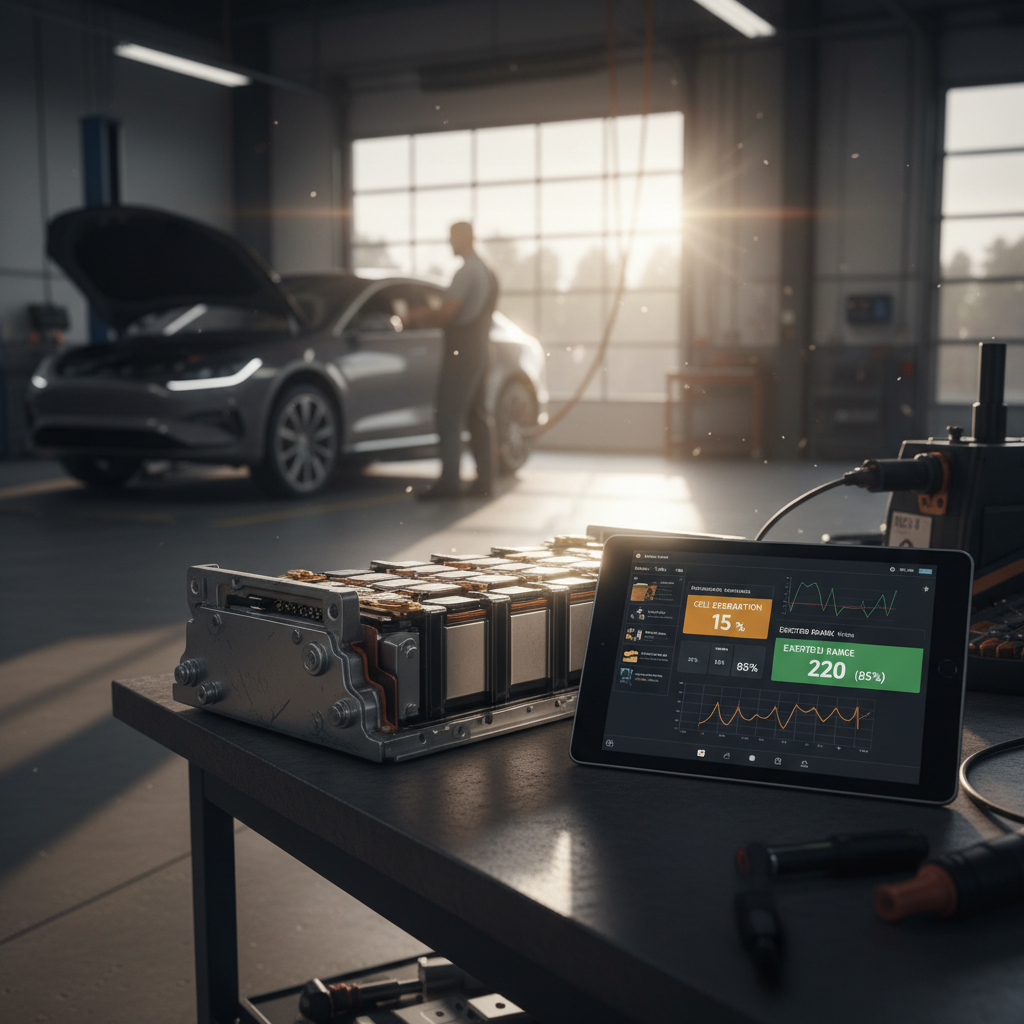
A brilliant self‑driving suite on a battery‑degraded EV isn’t a good deal. At Recharged, every used EV comes with a <strong>Recharged Score Report</strong> that quantifies battery health, range, and fair pricing so you’re not buying tech on top of a tired pack.
6. Budget realistically for subscriptions
Hands‑free features may require monthly fees. When you compare two vehicles, add those recurring costs into your total cost of ownership, just like insurance or charging.
How Recharged helps
Ready to find your next EV?
Browse VehiclesSafety, limitations, and myth-busting
After a few decades in this business, I’ve learned that the most dangerous four words in the car world are “it drives itself now.” The truth in 2026 is encouraging, but still incomplete. Today’s best systems can reduce fatigue and may help avoid some crashes, but they also introduce new failure modes when drivers over‑trust them.
- Driver monitoring is essential: Systems that track your eyes and head position (Super Cruise, BlueCruise, Drive Pilot) are there to protect you, not annoy you. If a car lets you easily defeat its monitoring, that’s a red flag, not a feature.
- Edge cases still break systems: Construction zones, faded or temporary lane markings, unexpected cut‑ins, and bad weather can confuse even the best stack. You need to be ready to take over instantly.
- Crash investigations are evolving: Regulators are still sorting out how to categorize crashes where assistance systems are active. Don’t assume “no news” means “no risk” for any brand.
- Skill atrophies if you never practice: Over‑relying on self‑driving aids can dull your own situational awareness. Use them as helpers, not chauffeurs.
Never do this with any system
FAQ: Best self-driving car 2026
Frequently asked questions about self-driving cars in 2026
Bottom line for 2026 shoppers
In 2026, the best self driving car isn’t the one that makes the boldest promise, it’s the one whose limitations you understand and can live with every day. Tesla’s FSD (Supervised) offers unmatched coverage, GM’s Super Cruise and Ford’s BlueCruise deliver calming hands‑free miles on mapped highways, and Mercedes Drive Pilot points toward a Level 3 future that’s still rolling out slowly. Around them, a wide cast of Hyundai, Kia, BMW, Nissan, Lucid, Rivian and others are quietly turning advanced driver assistance into a normal part of commuting.
If you’re shopping new, match the system to the driving you actually do. If you’re shopping used, be extra careful about which package you’re getting, how it’s enabled, and what it will cost to keep active. Working with an EV‑focused retailer like Recharged, where battery health, range, and tech features are verified up front, can turn a marketing buzzword like “self driving” into a clear, informed decision about the car you’ll be living with for years to come.