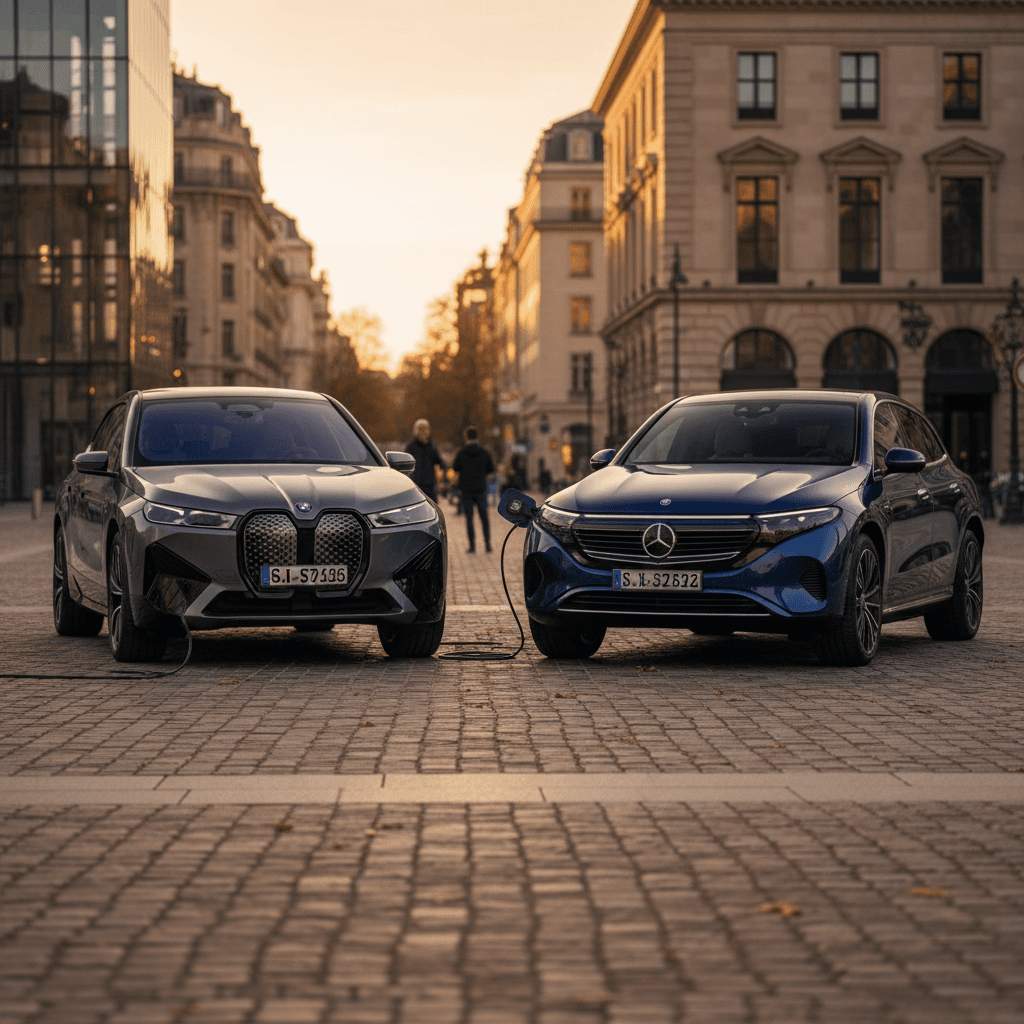
If you’re shopping for the best luxury electric SUV in 2026, you’re spoiled for choice, and maybe a little overwhelmed. Between BMW, Mercedes-Benz, Rivian, Audi, Genesis and Cadillac (with more on the way), spec sheets all look great, but the day-to-day experience can be very different. Let’s cut through the noise and focus on what actually matters when you’re spending $70,000–$100,000 or picking up a smartly priced used one.
What this guide covers
Why luxury electric SUVs are hot in 2026
Luxury electric SUV market snapshot, 2026
Two big forces are driving demand. First, families want the commanding driving position and space of an SUV but are ready to ditch premium fuel, oil changes, and the vibration of a big gas engine. Second, electric platforms happen to suit luxury well: smooth, near-silent powertrains, instant torque, and flat floors make it easier to deliver a calm, upscale experience.
How we ranked the best luxury electric SUVs for 2026
Ranking criteria for luxury electric SUVs
What actually matters when you’re writing the check
Range & performance
We looked for at least one trim with ~280+ miles of EPA range, confident highway performance, and smooth, quiet ride quality. Insane 0–60 times are fun, but composure and refinement matter more day to day.
Comfort & luxury
Cabin design, seats, noise isolation, and material quality all count. A luxury EV should feel noticeably more special inside than a mainstream model, not just add a leather package.
Tech & ownership
Infotainment responsiveness, driver-assist features, charging experience, and software updates can make or break ownership. We favored vehicles that are easy to live with today, and should age gracefully.
- Range and charging practicality for U.S. driving, not just headline numbers.
- Ride quality, seat comfort, and interior execution over spec-sheet horsepower wars.
- Value: how the SUV stacks up versus similarly priced rivals, and how attractive it is as a used buy in 2026 and beyond.
Tip for shoppers
Best luxury electric SUV 2026: Overall winner
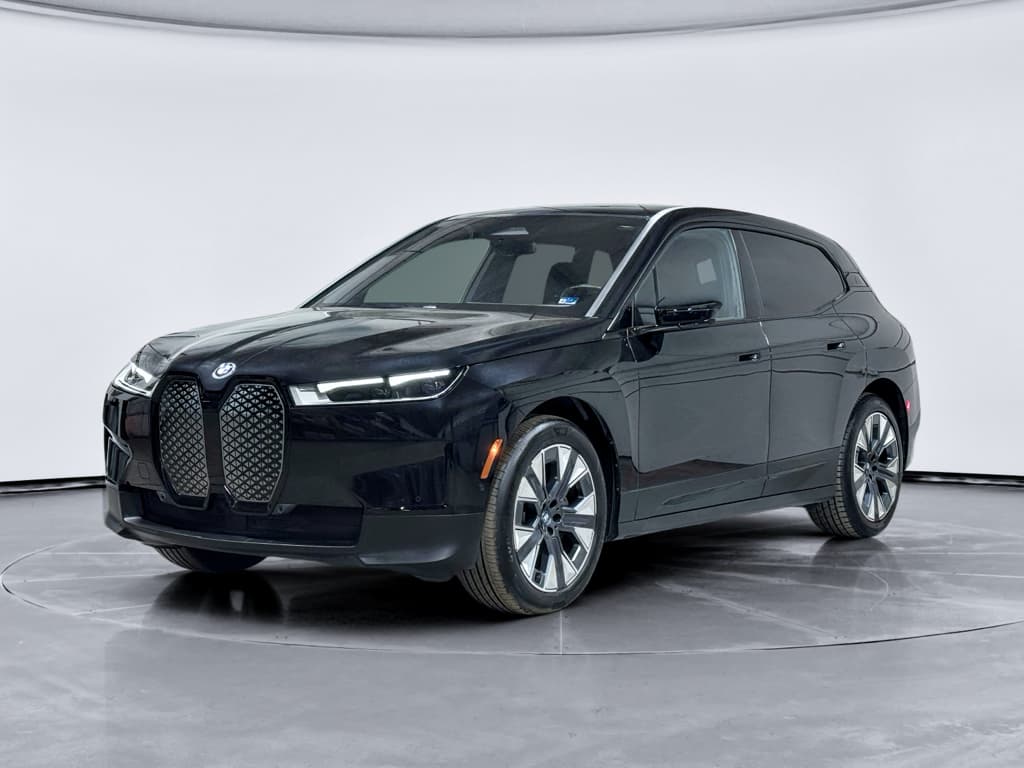
BMW iX: Still the benchmark luxury EV SUV
Why the BMW iX takes the crown
The BMW iX has been on the market a few years now, but for 2025 and 2026 BMW has refined it rather than replaced it, and that’s good news. Real-world testers consistently praise its supple ride, quiet cabin, and long-distance comfort. With up to roughly mid‑300‑mile EPA range in certain 2026 configurations and strong DC fast‑charging, it remains one of the easiest luxury SUVs to live with on road trips.
BMW’s cabin is also a standout. If you can get past the polarizing exterior, you’ll find excellent seats, an airy feel, and a control layout that blends a big curved screen with physical controls better than most rivals.
Pros and cons at a glance
- Pros: Exceptional ride comfort, long range, upscale and quiet cabin, strong performance even in non‑M trims, competitive fast‑charging speeds.
- Cons: Styling is controversial, options can push pricing well into six figures, and BMW’s still-evolving software isn’t as simple as some rivals.
- Best for: Drivers who value quiet luxury over flash and want an EV SUV that simply disappears into the background on a long highway day.
Overall winner: BMW iX
Best luxury electric SUVs 2026 by category
Category winners: Best luxury electric SUVs 2026
Different buyers, different “best” choices
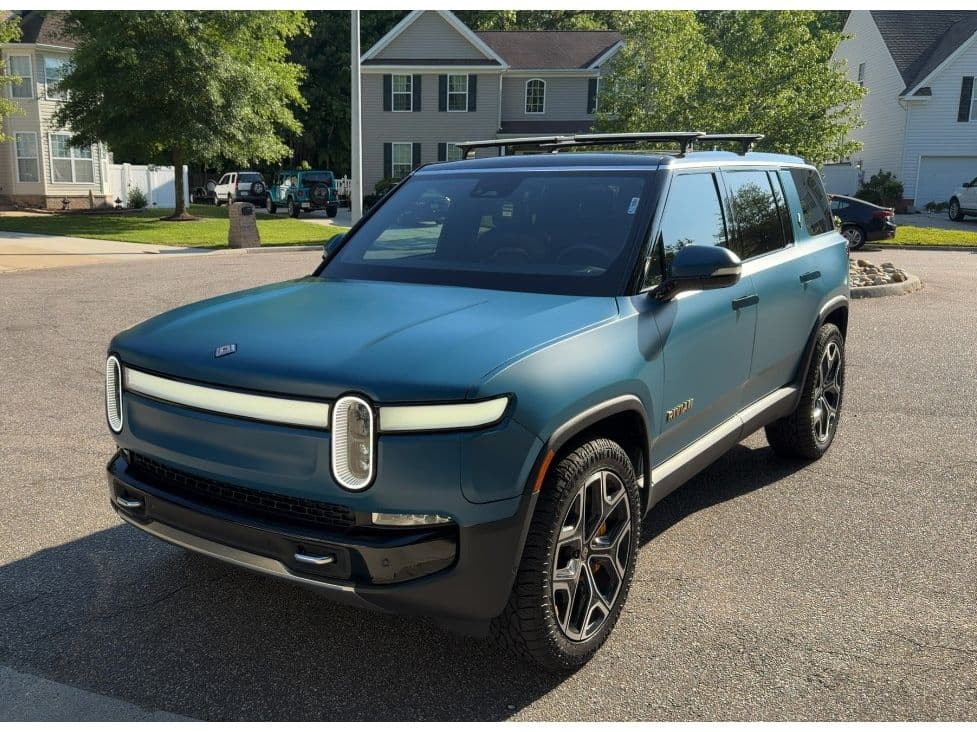
Best 3-row luxury electric SUV: Mercedes-Benz EQS SUV & Rivian R1S
Mercedes-Benz EQS SUV focuses on serene, traditional luxury. It offers three-row seating, a quiet cabin, and the kind of brand cachet some buyers want. Ride is comfortable, though reviews often note that it’s more about isolation than driver engagement.
Rivian R1S takes the opposite tack: still luxurious but adventure‑oriented, with available quad‑motor power, air suspension, and impressive off‑road capability. Newer 2024–2025 battery packs push range up to roughly the low‑400‑mile zone in some specs, making it one of the longest‑range SUVs you can buy.
Best driver’s luxury EV SUV: Audi Q6 e‑tron
The Audi Q6 e‑tron doesn’t chase the biggest numbers, but it nails the “premium Audi” formula in EV form: planted handling, well‑weighted steering, and a beautifully executed interior. EPA range figures land around the 300‑mile neighborhood depending on trim, and 800‑volt architecture supports very fast DC charging.
If you care as much about how your SUV feels on a back road as you do about the spec sheet, the Q6 e‑tron is the sweet spot.
Best compact luxury EV SUV: Genesis Electrified GV70
The Electrified GV70 flies a bit under the radar, but don’t overlook it. It wraps a handsome, understated exterior around one of the nicest interiors in the segment, with plush materials and excellent driving position. It’s more of a two‑row family hauler than a cargo van, but as a daily driver it feels genuinely special.
Range is respectable rather than headline‑grabbing, but ultra‑fast charging and a competitive price tag often undercut German rivals for similar equipment.
Best value luxury EV SUV (new): Cadillac Optiq
The Cadillac Optiq targets the lower end of luxury pricing, with 2026 models expected to start in the low‑$50,000s. That makes it one of the least expensive ways into a true luxury‑badge electric SUV.
You’re not getting three rows or supercar performance, but you do get a modern interior, around 300 miles of range, and a comfortable ride at a price that leaves room in the budget for home charging or a longer road trip.
Chinese luxury EV SUVs
Head-to-head comparison: Key specs & pricing
Luxury electric SUVs 2026: Approximate specs (U.S.)
Representative trims and ballpark numbers based on recent model‑year data. Always check the window sticker for exact EPA ratings and pricing.
| Model | Seats | EPA range (approx) | 0–60 mph (quickest trim) | New MSRP band* | Used pricing sweet spot** |
|---|---|---|---|---|---|
| BMW iX | 2-row | up to mid‑300s | as quick as mid‑3s | $88k–$115k+ | $55k–$80k for 2022–2024 |
| Mercedes-Benz EQS SUV | 3-row | mid‑200s to low‑300s | ~4–5 seconds | $90k–$120k+ (with 2026 price cuts vs. early years) | $55k–$75k for 2023–2024 CPO |
| Rivian R1S | 3-row | up to ~410 miles | low‑3s in performance trims | $75k–$100k+ | High‑$60ks–$80ks for 2022–2024 |
| Audi Q6 e‑tron | 2-row | around 300 miles | ~4 seconds | $70k–$90k (est. depending on trim) | Used data still forming; expect modest discounts after 2–3 years |
| Genesis Electrified GV70 | 2-row | mid‑200s | ~4 seconds | $65k–$75k | High‑$40ks–mid‑$50ks for early years |
| Cadillac Optiq | 2-row | ~300 miles | mid‑5s (est.) | $52k–$60k | Used deals likely under $50k within a couple of years |
Use this as a directional guide, not a substitute for model‑specific research.
About the numbers
New vs. used luxury electric SUVs in 2026
Why used can be the smart move
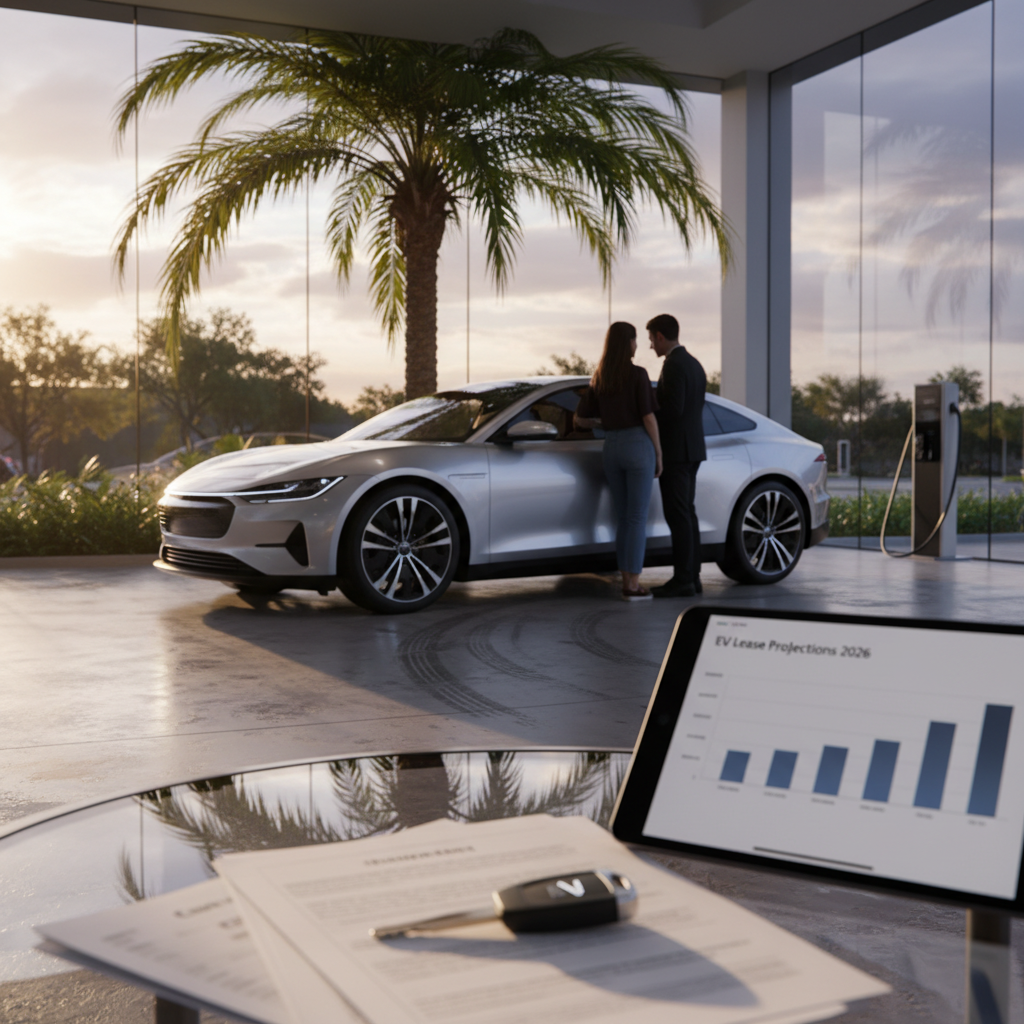
Unlike traditional gas SUVs, many luxury EVs have seen steeper early depreciation. That’s tough for the first owner but a huge opportunity for the second. It’s not unusual to see a two‑year‑old EQS SUV or iX listed $20,000–$30,000 less than its original MSRP, while still offering similar range and features.
Because most luxury EVs are leased or gently driven, mileage is often low, and interiors hold up well. The questions you must answer are about battery health and whether the price truly reflects today’s fast‑moving market.
What Recharged adds to the picture
This is where a platform like Recharged is built to help. Every vehicle on Recharged comes with a Recharged Score Report that includes verified battery health and a fair‑market pricing analysis, so you can see at a glance whether that iX or EQS SUV is a bargain or just looks like one.
Because the purchase process is fully digital, with financing, trade‑in, and nationwide delivery available, you can shop high‑end EVs from your couch instead of flying around the country chasing maybe‑deals.
Checklist: Evaluating a used luxury electric SUV
1. Verify battery health, not just mileage
Two SUVs with identical mileage can have very different battery wear. Look for a <strong>quantified battery health score</strong> (like the Recharged Score) instead of trusting a generic “all good” note from a seller.
2. Compare to current new pricing
Luxury EV MSRPs have shifted quickly, some models have seen big price cuts. Make sure the used asking price reflects <strong>today’s</strong> new‑car deals, not last year’s sticker.
3. Check fast-charging performance
Ask for real‑world charging history or recent tests. A healthy high‑voltage battery should still be able to accept near‑peak charging rates at low state of charge.
4. Inspect software and feature set
Confirm that critical over‑the‑air updates have been applied and that features like adaptive cruise, lane keeping, and parking assist all work as expected.
5. Look for remaining factory warranty
Most luxury EVs carry long battery warranties (often 8 years), but bumper‑to‑bumper coverage may be shorter. Knowing what’s left protects you from expensive surprises.
How to choose the right luxury electric SUV for you
Choose your luxury EV SUV path
Family-hauler with three rows
Focus on <strong>Mercedes EQS SUV</strong> and <strong>Rivian R1S</strong> first; they’re the most established true three‑row options.
Decide whether you value a softer, traditional luxury ride (EQS SUV) or adventure capability and towing (R1S).
Check third‑row and cargo space in person, especially if you use full‑size child seats or a stroller.
Plan your charging strategy for road trips; three‑row SUVs often do the longest family miles.
Two-row comfort commuter
Shortlist <strong>BMW iX</strong>, <strong>Audi Q6 e‑tron</strong>, <strong>Genesis Electrified GV70</strong>, and <strong>Cadillac Optiq</strong>.
If you care about a serene, cocoon‑like ride, bias toward the iX or GV70.
If you want sharper handling and a driver’s feel, start with the Q6 e‑tron.
If budget matters most but you still want a luxury badge, the Optiq is worth a close look.
Performance and style lover
Prioritize higher‑output versions of the <strong>iX</strong>, <strong>R1S</strong>, and <strong>Q6 e‑tron</strong>.
Accept some trade‑off in range and efficiency; wide tires and big power cost energy.
Look beyond straight‑line numbers, braking, steering feel, and body control all affect confidence.
Consider whether a used high‑performance trim makes more sense than a brand‑new base model for the same money.
Value-focused luxury explorer
Shop <strong>1–3‑year‑old examples</strong> of iX, EQS SUV, R1S, and GV70 on marketplaces that show battery health data.
Decide which must‑have features you’re willing to accept in a 1–2‑trim‑down model.
Use fair‑market pricing tools (or a Recharged Score Report) to avoid overpaying for older tech.
Budget for home charging installation if you don’t already have a 240‑volt solution.
Start with your use case, not the badge
Charging, range and real-world ownership
How much range do you really need?
For most U.S. luxury buyers, a realistic target is 250–300+ EPA miles. That provides a comfortable buffer for winter driving, big wheels, and highway speeds without forcing you into the most expensive battery every time.
If you routinely drive 250+ miles in a day, step up to something like a long‑range Rivian R1S or higher‑range iX configuration. Otherwise, don’t overspend on range you’ll rarely use; put the savings into a home charger or a road trip budget.
Fast-charging and public networks
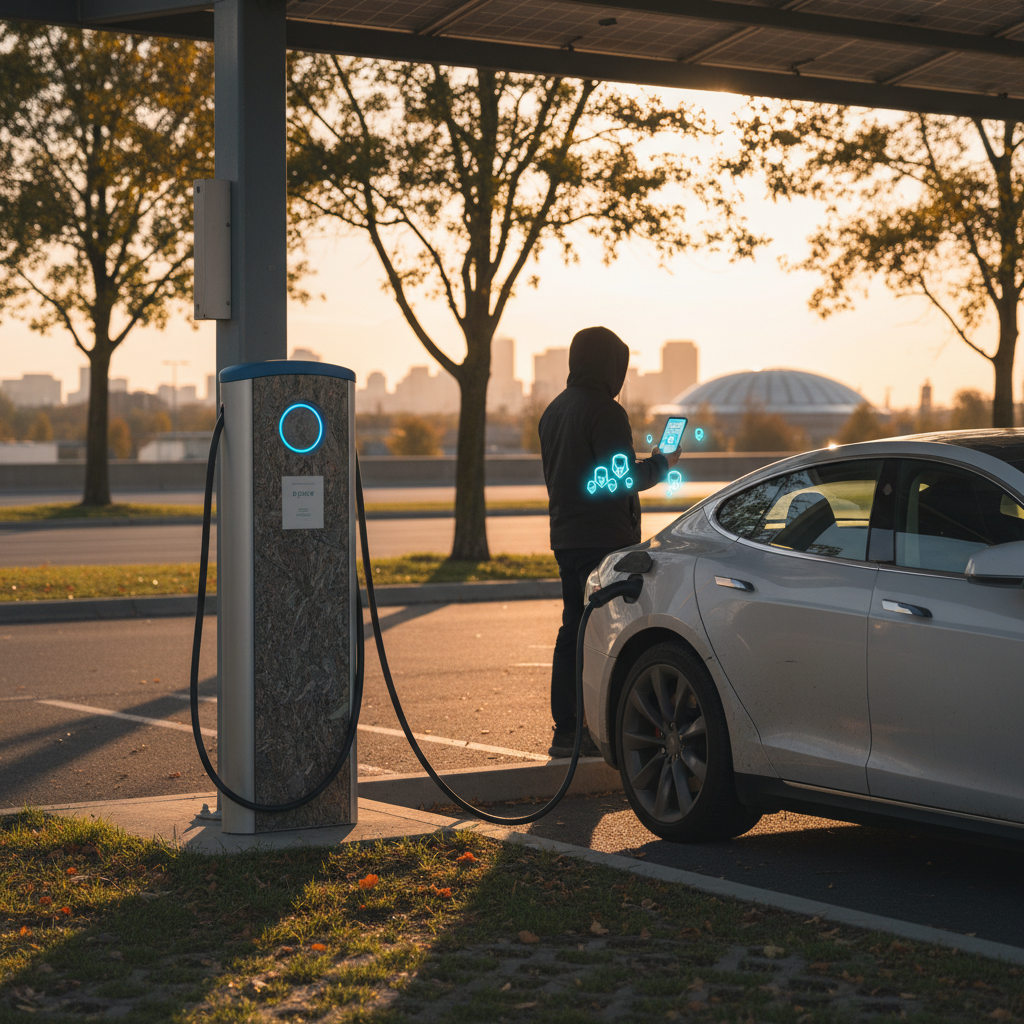
Most of these SUVs can add a large chunk of range, often 150–200 miles, in roughly 30 minutes on a capable DC fast charger, assuming ideal conditions. The details vary, but for luxury use the key question is: does it charge quickly enough that coffee and a restroom stop feel natural, not rushed or dragged out?
Before buying, test your typical routes using apps like PlugShare or your vehicle’s native route planner to see how charging fits into real trips, not just lab charts.
Watch wheel and tire choices
How Recharged helps you buy a luxury EV SUV smarter
Luxury EV shoppers are savvy, but even seasoned buyers can get tripped up by fast‑evolving tech and pricing. Recharged was built specifically to make used EV ownership simple and transparent, which is exactly what you want when you’re eyeing a six‑figure SUV at a five‑figure price.
Why consider Recharged for your luxury EV SUV
Expert guidance, verified battery health, and nationwide reach
Recharged Score battery report
Every vehicle on Recharged includes a Recharged Score Report with verified battery health, so you’re not guessing how that 2023 EQS SUV or 2024 iX has been treated.
Fair-market pricing & trade-in
Pricing is benchmarked against the broader market, and you can trade in your current vehicle or get an instant offer or consignment option to keep things simple.
Financing & delivery
Flexible financing, a fully digital purchase flow, EV‑specialist support, and nationwide delivery mean you can buy that perfect luxury EV SUV without leaving your living room.
Ready to find your next EV?
Browse VehiclesPrefer to see before you buy?
FAQ: Best luxury electric SUVs 2026
Frequently asked questions about 2026 luxury electric SUVs
Bottom line: Which luxury electric SUV is best in 2026?
If you want the best all‑around luxury electric SUV in 2026, the BMW iX is the one to beat. It doesn’t shout the loudest on paper, but it quietly delivers where it counts: comfort, range, and day‑to‑day usability. If you need three rows, split your time between the Mercedes-Benz EQS SUV and Rivian R1S. If you’re value‑driven, don’t ignore the Genesis Electrified GV70 and Cadillac Optiq.
More importantly, think in terms of fit, not hype. Map your real driving patterns, decide how much space you truly need, and then test the short list. For many buyers, the smartest play will be a 1–3‑year‑old luxury EV SUV with a clean battery bill of health and a serious discount from original MSRP. That’s exactly the niche Recharged is built around, pairing verified battery diagnostics, fair‑market pricing, and EV‑savvy guidance so you can enjoy your next luxury SUV for what it is: a quiet, comfortable place to spend your miles, not a source of financial stress.