If you’re chasing every mile of range from your electric car, the best EV tires for range can feel like a magic upgrade. The truth is more nuanced, and more interesting. Tires can absolutely add meaningful range, but only if you understand the trade-offs between rolling resistance, grip, noise and longevity.
EVs make tire choices louder
Why tires matter so much for EV range
On a gas car, only a small slice of your fuel is lost to tire rolling resistance. On an electric vehicle, that slice grows in importance. Studies and tire-maker data show that roughly 10% or more of the energy in an EV can be spent just overcoming rolling resistance, especially at city and mixed speeds. Low rolling resistance (LRR) tires are engineered to reduce that loss, so more of each kWh goes into moving you forward instead of flexing rubber into heat.
How tires influence EV range
How much range can the right EV tires really add?
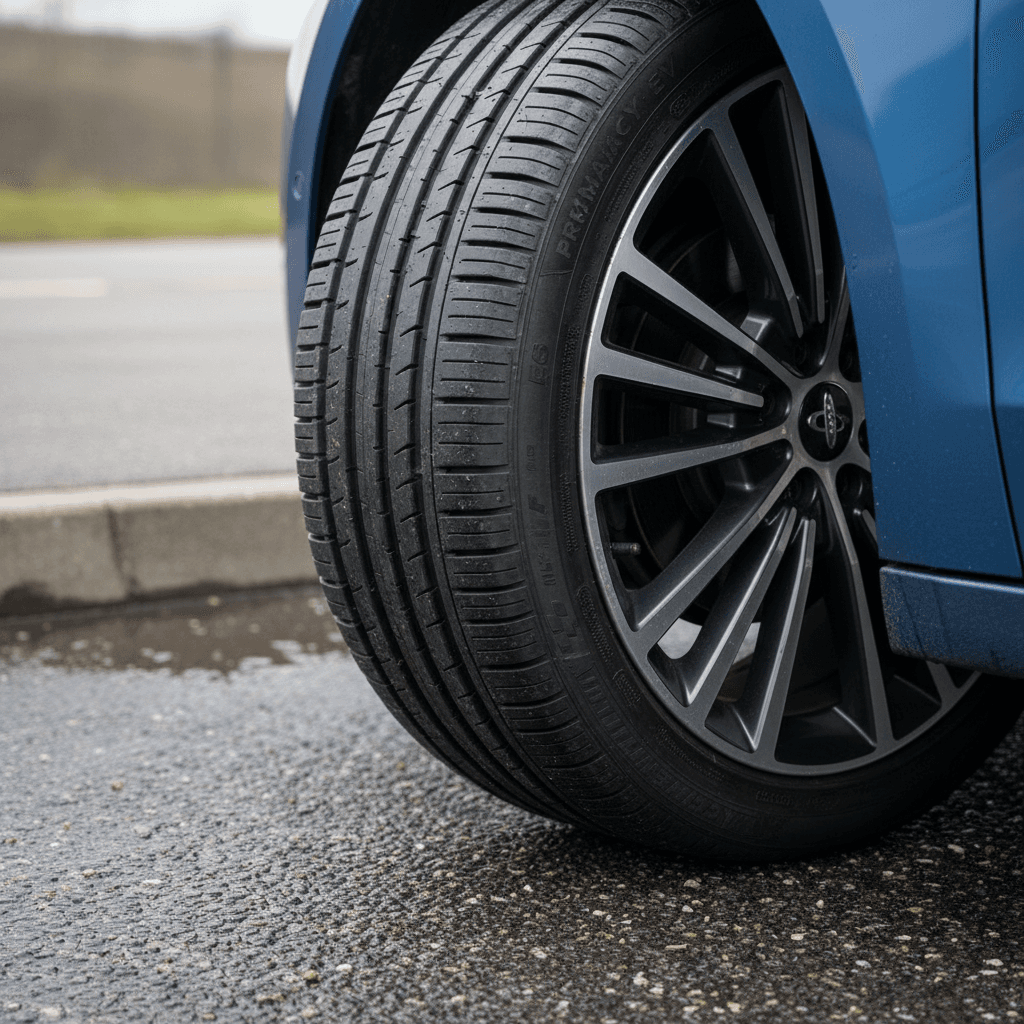
Let’s get specific. Switching to the best EV tires for range won’t suddenly turn a 220‑mile hatchback into a 400‑mile road‑trip monster, but the gains are real. Independent efficiency tests and tire‑review data show that moving from a high‑resistance tire to a top‑tier low rolling resistance model can boost range by 5–12% in typical use, and even more if you’re replacing aggressive performance or off‑road tires.
Example: what tire choice can mean for range
Approximate gains based on moving to efficient EV tires, assuming a 300‑mile EPA range baseline.
| Current Tire Type | Example EV Range Before | Estimated Range After | Approx. Gain |
|---|---|---|---|
| Aggressive performance summer tire | 300 miles | 330–345 miles | +10–15% |
| Generic all-season (non‑EV) | 300 miles | 315–330 miles | +5–10% |
| OEM EV tire, worn in | 300 miles | 303–312 miles | +1–4% |
| Oversized wheels & wide tires | 300 miles | 255–270 miles | –10–15% vs efficient setup |
These are ballpark examples, not promises, your driving style and climate still matter.
Don’t chase range at the expense of safety
Key features of the best EV tires for range
What makes a tire "good for EV range"?
Look beyond marketing names and focus on these fundamentals.
Low rolling resistance compound
EV tires aimed at range use rubber compounds that flex less and recover energy more efficiently. Less flex = less heat = more miles per kWh.
Optimized tread depth & pattern
Deep, chunky tread blocks look tough but waste energy. Range‑focused designs use shallower, carefully shaped tread to reduce squirm while still evacuating water.
EV load rating & construction
EVs are heavy. The best EV tires for range use reinforced constructions and high load indexes to carry that weight without deforming excessively.
Noise-optimized design
Electric cars are quiet, so tire hiss stands out. Many EV tires include foam liners or tuned tread blocks to cut cabin noise while staying efficient.
All-weather balance
Range means nothing if you can’t stop in the rain. Look for strong wet‑braking scores and, in snow regions, winter or all‑weather versions of efficient tires.
Durability and wear life
High torque can chew through tires. The best choices pair solid treadwear warranties with low rolling resistance so you’re not trading range for rapid wear.
Check the EU label (even in the US)
Best EV tire models for range in 2025
There’s no single “best” tire for every EV and climate, but a few models consistently rise to the top when range is the priority. Here are categories and standout examples you’ll see recommended often in 2024–2025 testing and owner reviews. Always check sizing and fitment for your specific vehicle.
1. Efficiency-first all-season EV tires
These are the workhorses: they trade a bit of ultimate grip for maximum miles per charge and low noise, perfect if you mostly drive in moderate climates and value smooth, quiet efficiency.
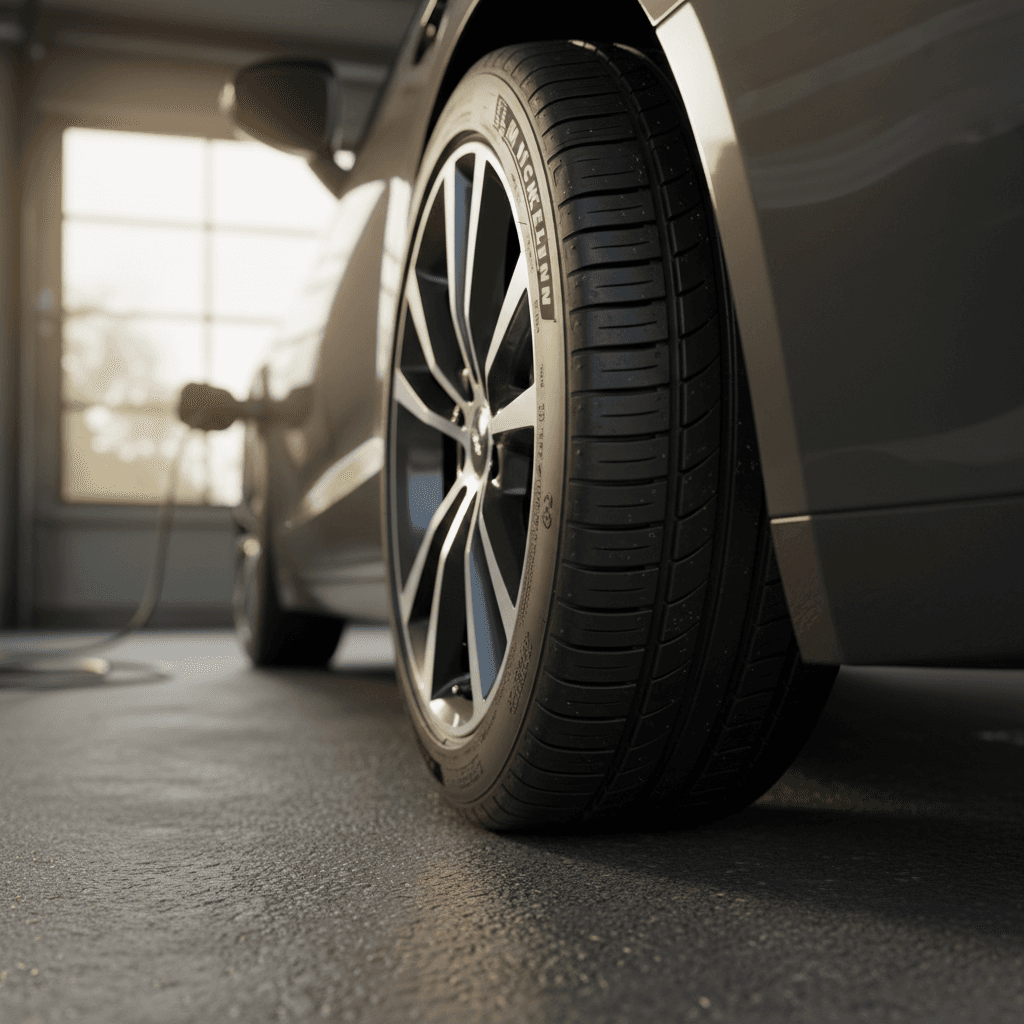
- Michelin e.Primacy – Consistently among the lowest rolling resistance tires in recent tests, with strong dry and wet braking and excellent comfort. A benchmark if range is your top priority.
- Falken e.Ziex – EV-specific, with very low rolling resistance and test results showing significantly longer range than some high-grip competitors, plus good aquaplaning resistance.
- Goodyear ElectricDrive 2 – Designed for EVs with sound-damping tech and sustainable materials. A good balance of efficiency, quietness and everyday traction.
2. Comfort-leaning EV all-seasons
If you’re willing to give up a sliver of range for quieter, cushier highway manners, these are compelling.
- Yokohama ADVAN Sport EV A/S – Tuned for EV-specific weight and torque, focuses on ride comfort and noise while still offering solid efficiency and long tread life.
- Michelin Primacy MXM4 (EV fitments) – Used as OEM on many premium EVs for its blend of low rolling resistance, refined ride and decent all-weather performance.
These still offer good efficiency, but their main mission is to make your EV feel like a luxury car on the highway.
3. Winter tires that respect range
If you live where snow sticks around, you’ll need proper winter rubber, no way around it. Winter tires will always hurt range compared with efficient all‑seasons, but some are friendlier than others.
- Nokian Hakkapeliitta 10 EV – Studded tire built specifically for EVs, combining incredible ice grip with lower rolling resistance and quieter operation than many traditional studded designs.
- Michelin X-Ice Snow – A staple winter tire with strong ice and snow traction and relatively quiet, efficient behavior for the category.
4. When range isn’t everything
If you track your car or simply love sharp handling, you may lean toward performance-oriented EV tires. They’ll sacrifice some range for dry grip and feedback. For many daily drivers, though, a modern efficiency-focused tire still offers more grip than you’ll ever need on public roads, with a measurable range bonus.
Whichever way you lean, make wet braking and hydroplane resistance non‑negotiable. A couple of extra miles of range is never worth longer stopping distances.
Match the tire to your EV
EV-specific tires vs regular tires: what’s the difference?
Most new EVs leave the factory on tires that look fairly ordinary but are actually carefully tuned. An EV‑specific tire has to cope with heavier curb weight, instant torque and near‑silent cabins, all while helping carmakers hit eye‑catching range numbers. Regular all‑season tires can work on an EV, but they’re rarely the best EV tires for range, wear or noise.
How EV-specific tires are tuned
- Reinforced construction to handle battery weight without overheating.
- Optimized compounds that balance low rolling resistance with the high torque loads EVs generate off the line.
- Noise-reduction features like foam liners or tread block sequencing, so your car doesn’t sound like a drum on concrete.
- Aero-friendly sidewalls that work with wheel designs to reduce drag.
Potential downsides vs regular tires
- Some EV tires can wear faster if you drive aggressively, torque is hard on rubber.
- Pursuing ultra‑low rolling resistance can mean longer wet braking if the design isn’t carefully balanced.
- They’re often more expensive than generic all‑seasons.
The best choices have converged on a smart middle ground: meaningful efficiency gains without obvious safety compromises.
Avoid bargain-bin “range savers”
Wheel size, aero wheels and tire width: silent range killers
Tires don’t work alone. Wheel size, aero design and tire width can swing your range by double‑digit percentages even on the same car. Carmakers know this, which is why base wheels are often smaller and more aero than the flashy upgrade packages.
Three choices that quietly change your range
You can’t change battery capacity, but you can choose smarter tires and wheels.
Wheel diameter
Moving from modest 17–18" wheels to big 20–21" options can cost you 10–20% of your rated range in some EVs. Larger wheels usually mean heavier assemblies and less‑efficient tire shapes.
Aero vs open wheels
Pretty, open-spoke wheels churn the air. More closed, aero-style wheels reduce drag and can return surprising range at highway speeds.
Tire width
Wider tires look great and sharpen handling but increase frontal area and rolling resistance. Going a size or two narrower (within OEM spec) can improve efficiency with only a small grip penalty.
Ordering a used EV? Check the wheel package
Maintenance habits that protect your range (whatever tire you run)
Even the best EV tires for range can’t overcome bad habits. Underinflation, misalignment and neglected rotations all quietly burn energy and money. The upside: a few simple routines can protect both your range and your tire budget.
EV tire maintenance checklist for maximum range
1. Check pressure monthly (and before road trips)
EVs are sensitive to tire pressure. Even a few PSI below spec increases rolling resistance and hurts range. Use the pressure on the door jamb, not what’s printed on the sidewall.
2. Adjust for temperature swings
Cold weather drops tire pressure. In fall and winter, check more often so you’re not unintentionally running 5–8 PSI low for months at a time.
3. Rotate tires on schedule
Front tires on many EVs wear faster because of weight distribution and steering loads. Rotating every 5,000–7,500 miles helps maintain even wear and consistent efficiency.
4. Keep alignment in spec
If your car pulls or your steering wheel isn’t straight, you may be scrubbing away range, and tread. A quick alignment can pay for itself in extended tire life and better efficiency.
5. Don’t over-tire your EV
Unless you truly need maximum cornering grip, resist upsizing to wider, stickier tires and huge wheels. Choose the narrowest, most efficient setup that still meets your needs.
6. Watch tread depth
Ironically, worn tires often roll more easily, but once you’re near 2/32" of tread (or 4/32" in heavy rain regions), safety falls off a cliff. Replace on time; range isn’t worth a hydroplane.
How to choose the best EV tires for your needs
Choosing tires for an EV is a balancing act. Range matters, but so do braking distances, winter traction, road noise and how often you’re willing to buy new tires. Use this framework to narrow things down quickly.
Step-by-step EV tire buying guide
1. Start with your priorities
Is your top goal pure range, quiet comfort, all‑weather traction, or maximum performance? Rank your priorities so you know what you’re willing to trade.
2. Confirm size, load and speed ratings
Use your owner’s manual or door‑jamb sticker to get exact specs. EVs often require higher load indexes; don’t downgrade these in search of a deal.
3. Shortlist EV-friendly models
Look for tires explicitly marketed for EVs or with proven low rolling resistance and strong wet‑braking scores. Models like Michelin e.Primacy, Falken e.Ziex and Goodyear ElectricDrive lines are good starting points.
4. Read independent tests, not just marketing
Magazine and tire‑test websites now run EV‑specific tests that measure range, braking, noise and wear. Use those to compare, not just the label on the rack.
5. Factor climate into the decision
Mild climate? An efficient all-season may be ideal. Snowy winters? Plan on a dedicated winter set and accept the range hit for a few months a year.
6. Consider total cost per mile
An efficient tire that lasts 20–30% longer and saves a few percent of energy might be cheaper over 40,000+ miles than a cheaper, thirstier, short‑lived option.
How Recharged can help
Ready to find your next EV?
Browse VehiclesFrequently asked questions about EV tires and range
EV tires & range: your questions, answered
Bringing it all together
The best EV tires for range aren’t just about a clever tread pattern or a green‑leaf logo on the sidewall. They combine low rolling resistance, solid wet and dry grip, reasonable wear life and quiet manners in a package that matches your vehicle and your roads. For many drivers, that means an efficiency‑focused EV all‑season; for others, it’s a carefully chosen winter set or a comfort‑tuned tire that still keeps range in the black.
If you’re already driving an EV, or looking at a used one from a marketplace like Recharged, tires are one of the few levers you control that can measurably change your range without touching the battery. Choose thoughtfully, maintain them well, and you’ll not only stretch every kilowatt‑hour, you’ll also make every mile quieter, safer and more enjoyable.