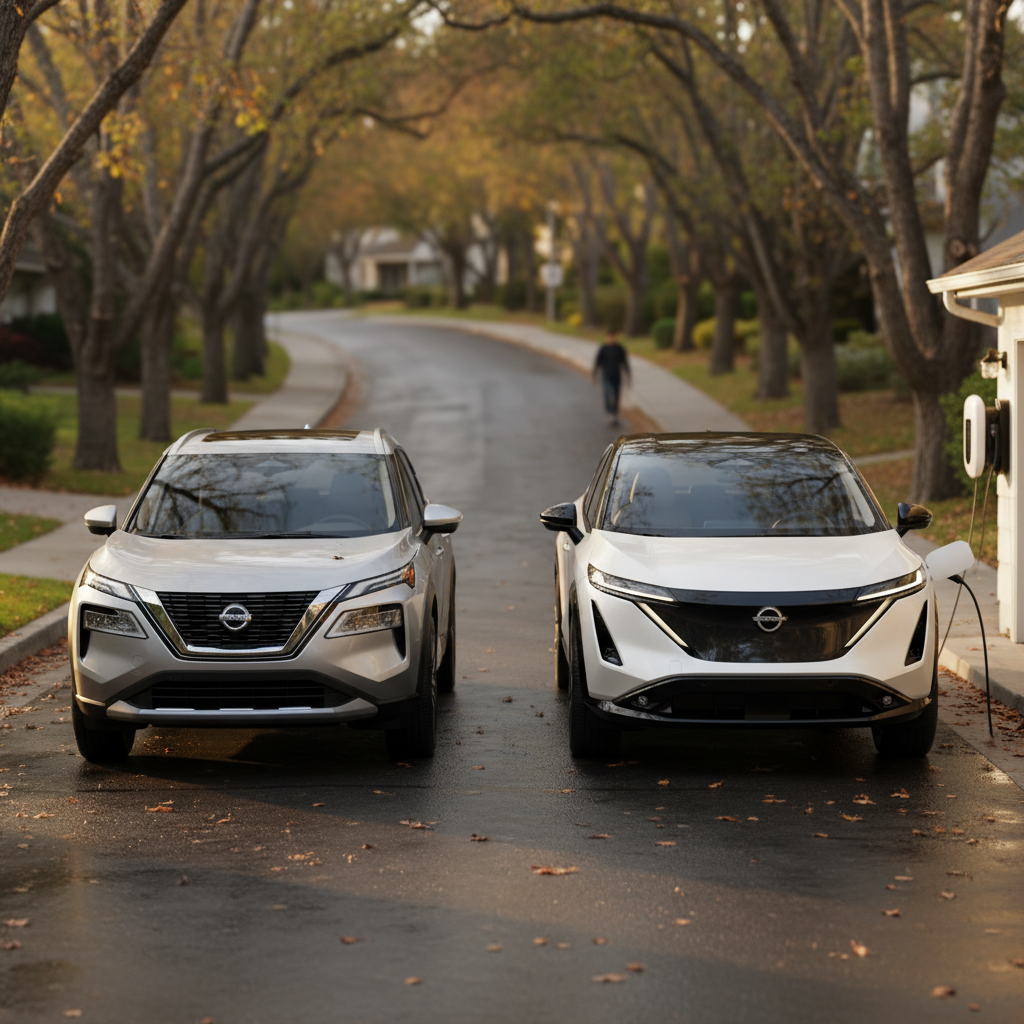
If you’re hunting for the best EV SUV lease deals in late 2025, you’ve probably noticed two things: the ads look great, and the fine print looks… less great. The federal EV tax credit changed on September 30, 2025, but some automakers are still using lease programs to soften the blow, especially on electric SUVs. This guide walks you through the strongest advertised deals right now, how to compare them fairly, and when a used EV SUV might be a smarter move than leasing new.
Context: What changed in 2025
Why EV SUV lease deals look so weird in late 2025
If you feel like EV SUV lease offers are all over the map right now, you’re not wrong. The combination of cooling EV demand, the end of the federal tax credit for many buyers, and a wave of new electric SUVs arriving for 2025–2026 has created a perfect storm of incentives and confusing ads.
EV leasing and incentives snapshot, late 2025
Automakers want you focused on the headline monthly payment. But for electric SUVs especially, the real story is in the effective cost once you factor in money due at signing, miles allowed, and who’s quietly using incentives to move inventory. That’s where savvy shoppers can still find genuine value.
Don’t chase the lowest number blindly
Standout EV SUV lease deals right now
Lease offers change every few weeks, and they’re usually regional. Instead of pretending there’s one universal “best” deal, let’s look at the types of EV SUV leases that tend to offer strong value in November 2025, along with some representative examples from major shopping sites like TrueCar, CarsDirect and Electrek.
Representative EV SUV lease deal patterns in November 2025
Use these as benchmarks when you shop your local offers
Value-focused compact EV SUVs
Who this fits: Commuters and small families who want low payment first, cutting‑edge tech second.
- Examples: Hyundai IONIQ 6 (technically a sedan, often cross-shopped with compact SUVs), Kia Niro EV, VW ID.4.
- Typical ad: ~$260–$320/mo, 36 months, $2,000–$4,000 due at signing, 10k miles/year.
- Strength: Lower effective cost than many gas crossovers once fuel savings are included.
Performance & style EV SUVs
Who this fits: Drivers who care about looks, acceleration, and tech as much as monthly cost.
- Examples: Ford Mustang Mach‑E, Kia EV6, Nissan Ariya.
- Typical ad: ~$300–$420/mo, 24–36 months, $2,000–$5,000 due at signing.
- Strength: Heavier discounts and lease cash than a year ago as brands chase share.
Three-row & luxury EV SUVs
Who this fits: Families and luxury buyers who want space, towing, or premium cabins.
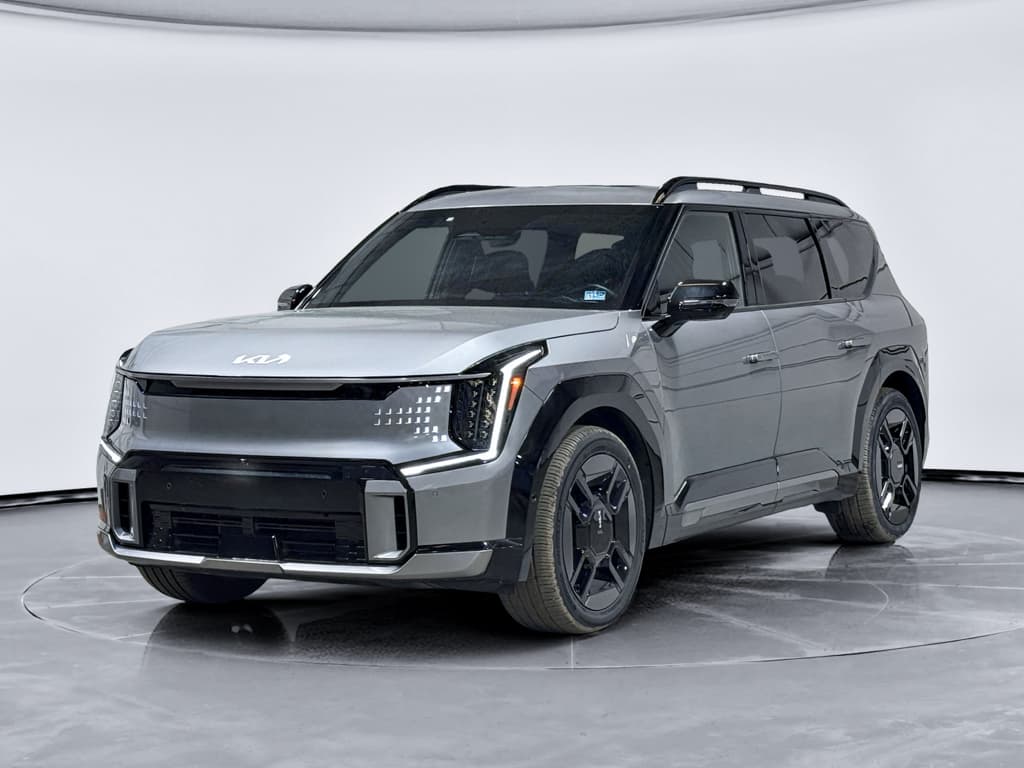
- Examples: Kia EV9, Rivian R1S, Mercedes EQE SUV, Polestar 3.
- Typical ad: ~$500–$800+/mo, 36 months, sometimes with $0 down but high MSRP.
- Strength: Big lease cash or $0 due at signing; strong residuals can keep payments surprisingly reasonable.
Truck & SUV bundles with home charging
Who this fits: First‑time EV households that need a home charger installed.
- Examples: Some Ford F‑150 Lightning and Mustang Mach‑E offers, plus select Hyundai/Kia regional promos.
- Typical ad: Bundled home charger (and sometimes installation) with a 36‑month lease.
- Strength: Avoids a separate $1,000–$2,000 home charging project, lowering your true all‑in cost.
Quick benchmark
Sample EV SUV lease deals compared (illustrative only)
These examples show how different structures affect effective monthly cost, even when the headline payment looks similar.
| Model type | MSRP ballpark | Ad payment | Term / miles | Due at signing | Approx. effective monthly* |
|---|---|---|---|---|---|
| Value compact EV SUV | $42,000 | $269/mo | 36 mo / 10k | $2,000 | ~$325/mo |
| Style/performance EV SUV | $48,000 | $319/mo | 24 mo / 10k | $3,500 | ~$465/mo |
| Three‑row EV SUV | $60,000 | $513/mo | 36 mo / 10k | $2,000 | ~$570/mo |
| Luxury EV SUV with $0 down | $70,000 | $599/mo | 36 mo / 10k | $0 | $599/mo |
Always verify the latest terms in your ZIP code; EV lease offers are highly regional and change frequently.
How we’re using “effective monthly” here
How to compare EV SUV lease offers apples to apples
The secret to finding the best EV SUV lease deals is not memorizing every ad, it’s knowing which levers actually move the total cost. When you strip the marketing language away, there are only a handful of variables that matter.
1. Total cost, not just payment
Start by calculating the effective monthly cost for every quote you get:
- Add: all monthly payments + due at signing (down payment, acquisition fee, dealer fees).
- Divide by the number of months in the term.
This alone can flip your ranking of the “best” deals, especially when one ad hides thousands up front.
2. Term length and mileage
Most EV SUV leases land at 36 months and 10,000–12,000 miles/year. Shorter terms (24 months) tend to have higher payments but can protect you from rapid tech changes; longer terms can look cheap but may outlast the battery warranty.
If you drive 15,000 miles a year, make sure you price that explicitly, don’t bank on paying over‑miles at the end.
- Residual value: Higher residuals (the expected value at lease end) usually mean lower payments. EV SUVs with strong brand loyalty, long range and fast‑charging support often lease better than their sticker price suggests.
- Money factor: This is the lease equivalent of an interest rate. You can ask the dealer for the buy‑rate money factor and whether it’s been marked up.
- Incentives and lease cash: Many of the best electric SUV leases stack brand loyalty bonuses, conquest cash (for switching from another brand), regional rebates, and sometimes the remnants of federal incentive programs flowing through finance arms.
Ask for a lease worksheet
Lease vs buying a used EV SUV
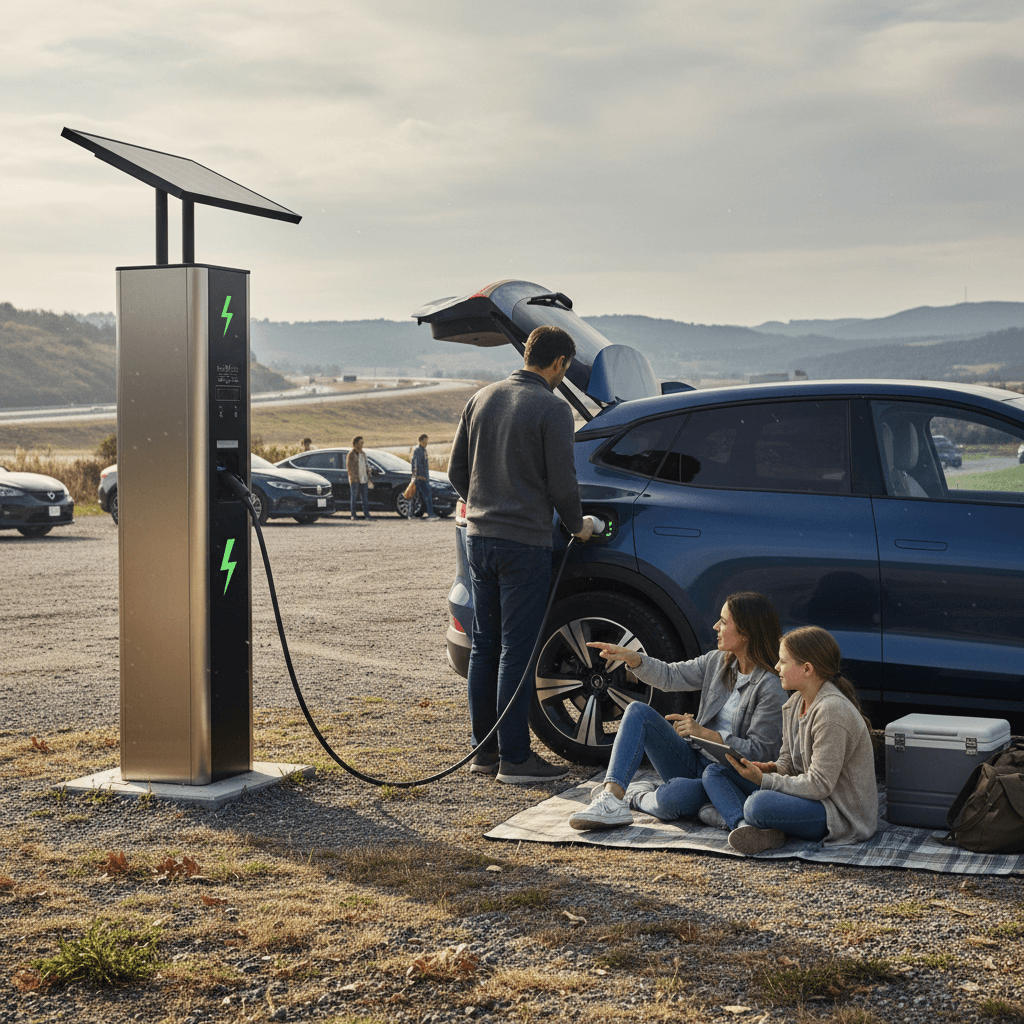
With factory incentives moving around and the federal tax credit now more limited, it’s worth asking a harder question: should you chase the latest new‑car lease, or look at a used EV SUV instead? For many households, especially those budget‑sensitive on monthly payment, the used route is starting to look very compelling.
Why a new EV SUV lease can still make sense
- Low commitment: 24–36 months lets you upgrade as battery tech and charging networks improve.
- Warranty coverage: You’re typically inside both bumper‑to‑bumper and battery warranties for the full term.
- Incentive stacking: Automaker lease cash, loyalty bonuses, and private replacements for the expired federal credit can create unusually low payments on certain models.
If you’re unsure about living with an EV long‑term, leasing is a comfortable trial period.
Why a used EV SUV can beat a lease
- Depreciation already “happened”: Early buyers absorbed the steepest drop, so you’re paying closer to real market value.
- More metal for the money: The monthly payment on a well‑priced, 2–4‑year‑old EV SUV can rival or undercut a new‑car lease, especially if you finance over 60–72 months.
- Unlimited miles: No over‑mileage penalties, which is huge if you road‑trip or have a long commute.
Battery health is the big question with used EVs, which is exactly why third‑party diagnostics matter.
Where Recharged fits in
Ready to find your next EV?
Browse VehiclesHow incentives and tax credits really hit your payment
The rules have shifted enough in 2025 that many shoppers are understandably confused. The key idea is simple: today, most of the benefit that used to come from a federal tax credit is now baked into leases as private incentives and lease cash, and those funds are controlled by automakers and their finance arms, not the IRS.
How EV incentives flow into SUV lease deals
What you see in the ad vs what’s happening behind the scenes
1. Automaker & captive finance
Brands with their own finance arms (Ford Credit, GM Financial, etc.) can choose to pour money into leases on specific EV SUVs to keep payments attractive, especially after the federal tax credit phase‑out.
2. Dealer & regional programs
Dealers layer on regional bonuses, loyalty or conquest cash, and sometimes state or utility incentives. That’s why the same model can lease very differently in California vs the Midwest.
3. Your final lease quote
The quote you see, selling price, money factor, residual, already reflects how much incentive money was applied. Two shoppers with identical credit can see wildly different payments depending on region and timing.
Watch out for disappearing programs
Strategy checklist to get the best EV SUV lease deal
9‑step checklist before you sign an EV SUV lease
1. Set a realistic budget first
Decide your maximum comfortable effective monthly cost, not just headline payment. Include insurance and home charging if you don’t already have it.
2. List 3–4 EV SUVs that fit your life
Think in terms of use case: compact city runabout, family hauler, tow vehicle. Compare range, cargo space, charging speed, and driver‑assist features, not just price.
3. Get quotes from at least three dealers
For each model you’re serious about, get written lease quotes from multiple dealers in your region. The spread on EV SUV leases can easily be $100/month or more for the same vehicle.
4. Calculate the effective monthly cost
Take each quote and calculate: (monthly payment × term + due at signing) ÷ term. Use that number to compare across brands and models.
5. Match term to warranty
Try to keep your lease term inside the basic bumper‑to‑bumper warranty. Many shoppers aim for 36 months or less on EVs to stay within both general and battery coverage timeframes.
6. Right‑size your mileage allowance
If you regularly drive 15,000 miles a year, price a 15k/year lease up front. Over‑miles penalties on EV SUVs can be painful, better to pay for the miles you’ll actually use.
7. Ask about stackable incentives
Check whether there’s loyalty or conquest cash, utility rebates, or home‑charger installation programs that can be rolled into or alongside your lease.
8. Compare against a used EV SUV
Get a payment quote on a comparable used EV SUV, ideally with verified battery health, like a Recharged vehicle, and see how a 60–72 month loan stacks up against a 36‑month lease.
9. Sleep on it
If a dealer says a deal is “today only,” assume it’s not your best deal. EV SUV incentives are volatile, but the market isn’t going to disappear overnight.
Common pitfalls to avoid with EV SUV leases
- Leasing more range than you’ll ever use, and paying for it every month.
- Underestimating how quickly EV tech and charging standards are evolving, locking into a 48‑month lease can feel outdated halfway through.
- Ignoring home charging costs, assuming public fast charging will be cheap and plentiful everywhere you drive.
- Forgetting about disposition fees, excess wear charges, and over‑mileage penalties at return time.
- Assuming that because an EV SUV leases well today, it will have equally strong purchase or residual value later. Leases and resale don’t always move in lock‑step.
Mileage and wear can erase your savings
FAQ: Best EV SUV lease deals
Frequently asked questions about EV SUV lease deals
Bottom line: When leasing an EV SUV makes sense
Leasing a new EV SUV in late 2025 is no longer about chasing a simple $7,500 tax credit, it’s about understanding how brands are using incentives, how quickly the technology is moving, and what kind of risk you’re willing to take. If you want a low‑commitment way to get into an EV with the latest safety and charging tech, a well‑structured 24–36‑month lease on a mainstream EV SUV can still be a smart move. Just be disciplined about comparing effective monthly cost and matching the term to your real‑world mileage and warranty coverage.
If, on the other hand, you care more about total cost over time and freedom from mileage caps, it’s worth putting new‑car lease specials next to concrete numbers on a used EV SUV. With Recharged, you can see verified battery health, transparent pricing, and financing in one place, then decide whether a lease or a used purchase gives you the right mix of flexibility and value for how you actually drive.