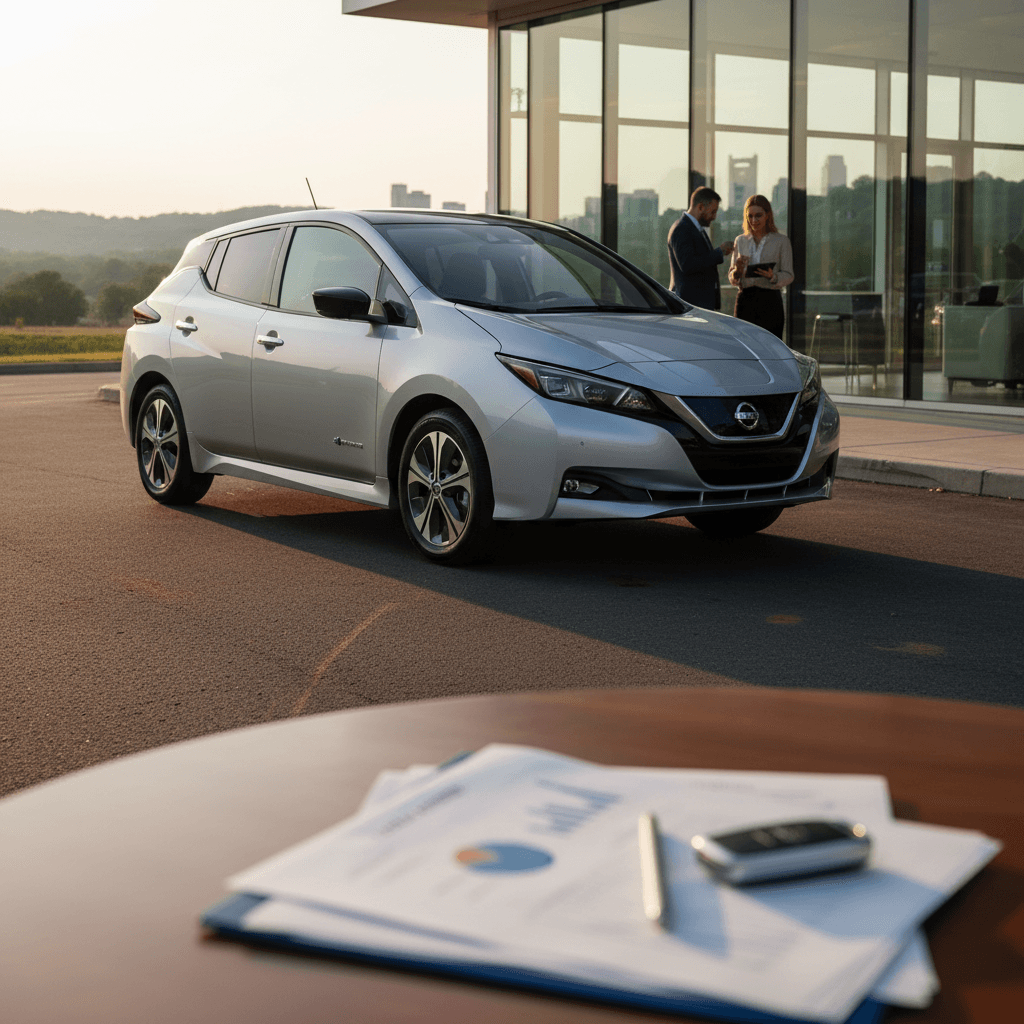
Looking for the best EV lease deals in Tennessee in 2026 can feel like wading through fine print. Ads scream “$259 a month!”, but the real cost depends on incentives, mileage limits, and how fast that EV will likely depreciate. This guide walks you through what’s actually driving those offers in Tennessee right now, which types of electric vehicles tend to lease well, and how to figure out whether a new-vehicle lease or a used EV might make more sense for your budget.
What this guide covers (and what it doesn’t)
Why EV leases look attractive in Tennessee in 2026
EV leasing momentum heading into 2026
EV leasing stayed aggressive through 2025 and into 2026 for a simple reason: automakers are using lease support to move metal. As federal policy has shifted and some purchase tax credits have sunset, brands have leaned on lease cash, loyalty rebates, and low money factors to keep payments attractive. Tennessee drivers benefit from these national programs, plus relatively low electricity costs compared with many coastal markets.
Don’t assume the ad matches your zip code
How EV lease deals work in 2026
Key pieces of any EV lease
- MSRP & selling price: The higher the discount from MSRP, the better your payment.
- Residual value: The predicted value at lease-end. Higher residuals usually mean lower payments.
- Money factor (MF): The interest rate on the lease. Multiply MF by 2,400 for an approximate APR.
- Lease cash & rebates: Automaker incentives applied to leases, sometimes in place of tax credits.
- Fees: Acquisition, doc, and dealer add-ons that sneak into your payment.
What’s changed for 2026 EV leases
- Federal incentives are in flux: Some purchase credits have ended, and lease programs are now the primary way many brands bake in federal support.
- More EV inventory: Slower EV sales in 2025 left extra inventory on lots, pushing brands to sweeten lease terms rather than slash MSRPs.
- Standard NACS ports: Newer EVs with Tesla-style North American Charging Standard ports are more future-proof, which can help residuals and, in turn, lease pricing.
Ask for the MF, residual, and incentives in writing
Best EV lease deal types you’ll see in Tennessee
Four EV lease deal “patterns” to watch for
You’ll see these structures across many brands, from Nissan and Hyundai to Chevy and Kia.
1. Sub-$300 compact EV leases
Think of legacy models like the Nissan Leaf or smaller crossovers during clearance season. Dealers sometimes advertise ultra-low payments with short terms and tight mileage limits. These can be great commuter appliances, but read the fine print on down payment and disposition fees.
2. Mid-$300 to low-$400 mainstream crossovers
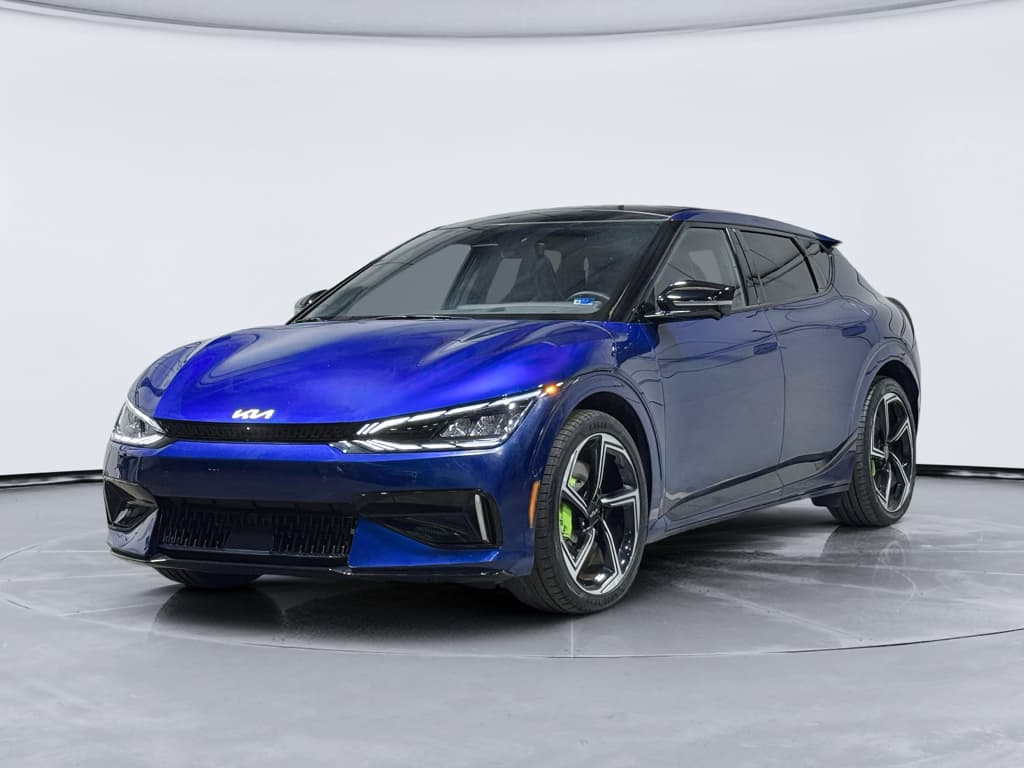
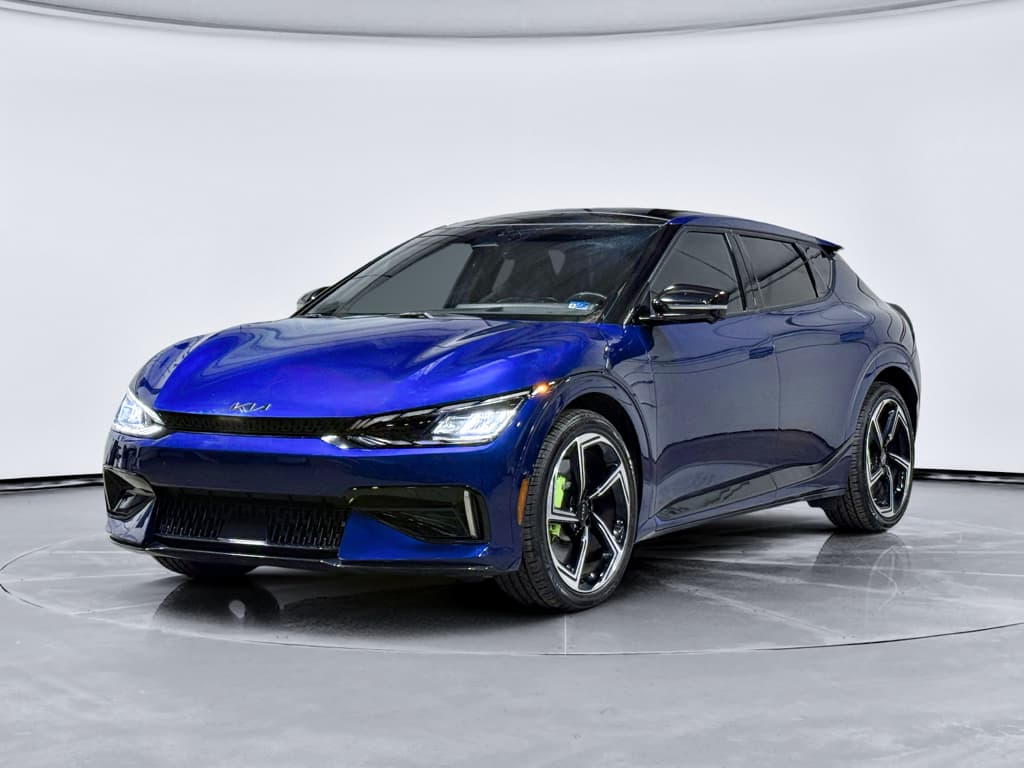
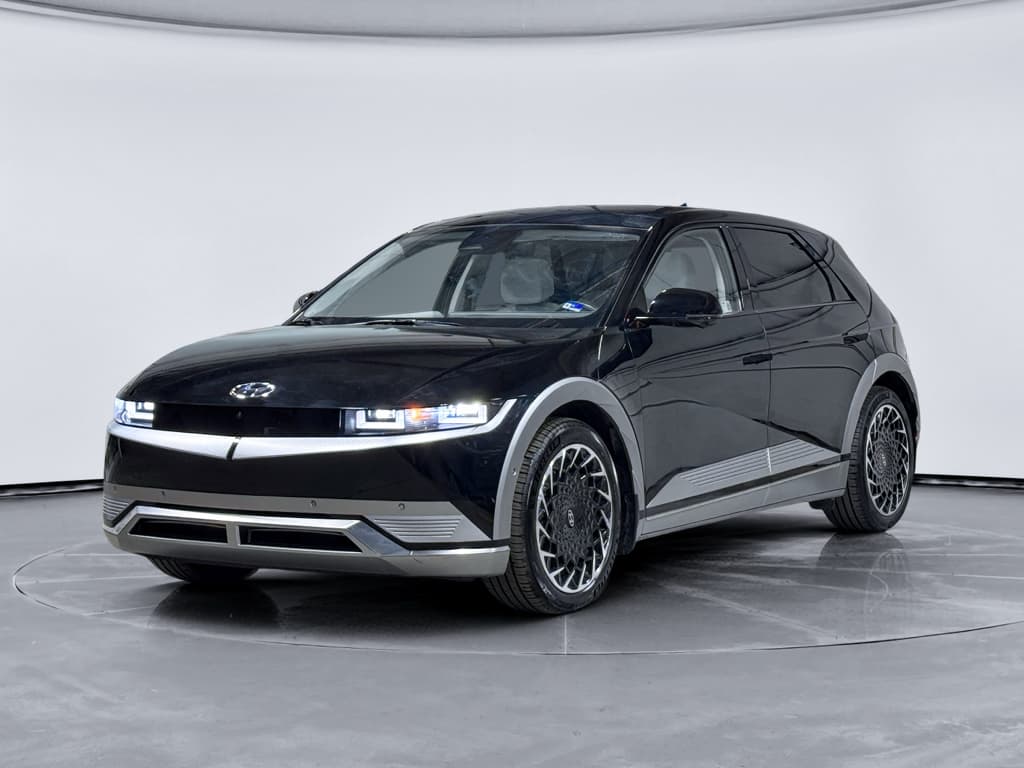
Models like Hyundai Ioniq 5/6, Kia EV6, Chevy Equinox EV, and Subaru Solterra often pencil out in the high-$200s to $300s with money due at signing in national offers. In practice, Tennessee payments often land in the $350–$450 range once you include taxes and realistic mileage.
3. Three-row and premium EV SUVs
Vehicles such as the Kia EV9 or Genesis and BMW EVs can lease more gently than their sticker prices suggest thanks to strong residuals and captive-lender support. You’ll still be well north of $500 a month in most Tennessee quotes, but they may be hundreds less than a comparable loan.
4. “Demo,” leftover, or high-mileage specials
Some Tennessee dealers will stack extra discounts on remaining prior‑model‑year EVs or service-loaner units to clear space. If you’re flexible on color and options, these can undercut the ads, but you need to confirm remaining warranty and whether miles already on the odometer count against your allowance.
Where Tennessee shoppers often see the best value
Model highlights: EVs that tend to lease well
Specific monthly payments change constantly, but certain nameplates regularly show up on national “best EV lease” lists and forum deal roundups. If you’re shopping Tennessee dealers, these models are good starting points for test drives and quotes:
Mainstream EVs that often have strong lease support
Use this as a shopping short list, always verify current programs with dealers in your part of Tennessee.
| Model | Segment | Why it often leases well | Typical shopper use case |
|---|---|---|---|
| Hyundai Ioniq 5 / Ioniq 6 | Compact/midsize crossover & sedan | Consistently strong lease cash and competitive money factors; national offers often near the top of deal lists. | Daily commuters and small families who want modern tech and fast DC charging. |
| Kia EV6 | Sporty crossover | Aggressive lease bonuses and solid residuals, especially on rear‑drive trims. | Drivers who want more performance feel without jumping to luxury brands. |
| Chevrolet Equinox EV | Compact crossover | Volume-focused model with headline lease ads and 0% APR finance in some months. | Households moving from gas crossovers into their first EV. |
| Nissan Leaf | Compact hatchback | Older design but heavily discounted, with some of the lowest advertised payments in recent years. | Budget commuters who can live with shorter range and mostly local driving. |
| Subaru Solterra / Toyota bZ | Compact crossovers | Low-rate lease programs; sometimes used to offset limited tax credit eligibility on purchases. | Shoppers who prioritize all-wheel drive and brand familiarity. |
| Kia EV9 | Three-row SUV | High MSRP but boosted by strong residuals and lease support, keeping payments below similar luxury EV SUVs. | Larger families who need three rows and prefer leasing a fast-changing segment. |
Indicative patterns only; your actual payment will depend on your zip code, credit tier, and dealer discount.
Luxury EVs: payment vs. value
Tennessee-specific factors that shape EV leases
- No state-level EV rebate on leases: Tennessee doesn’t currently offer a broad statewide EV purchase or lease rebate like some coastal states. That makes automaker lease cash and dealer discounts even more important in your math.
- Local utility programs may help with charging, not the lease: Some utilities in the region have offered off‑peak rates or charger rebates. Those won’t lower your payment directly, but they can cut your total cost of ownership.
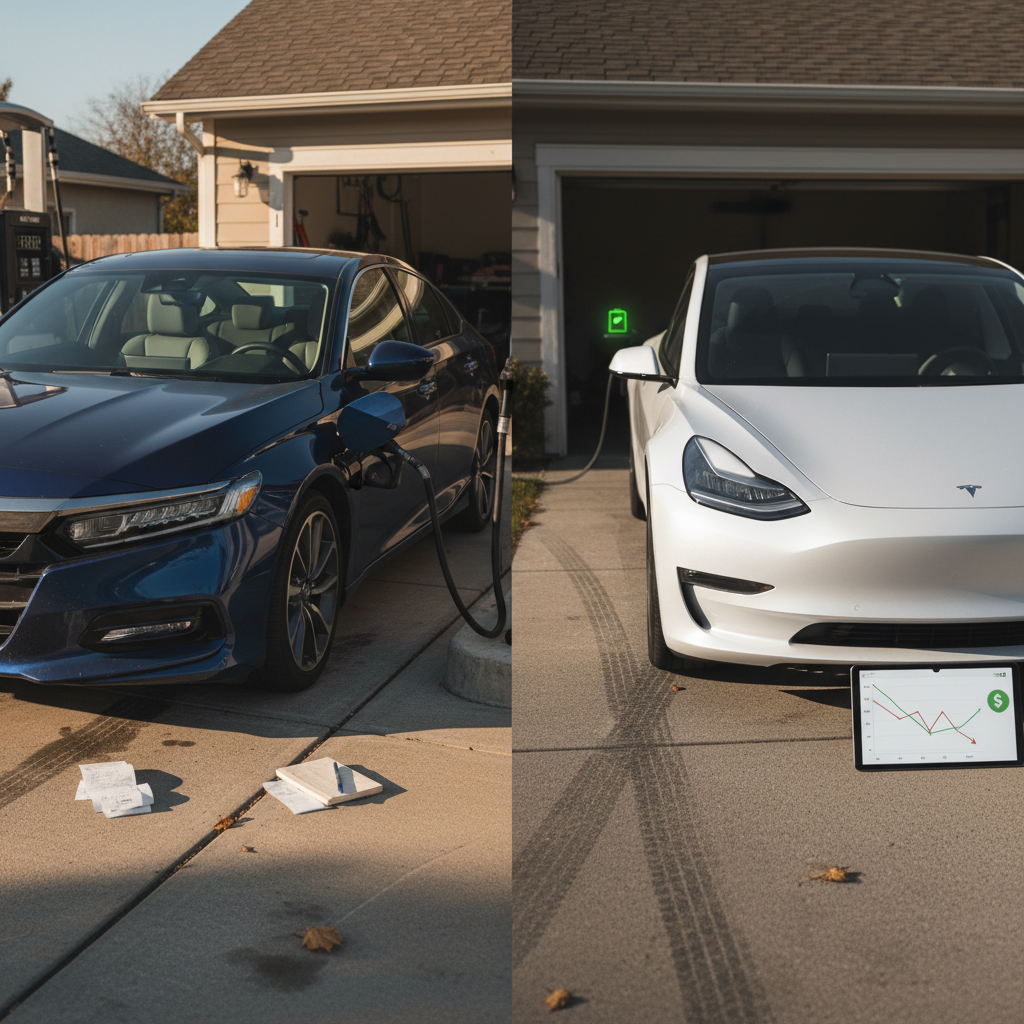
- Lower electricity prices vs. national averages: Tennessee’s relatively affordable power rates make EVs cheaper to run per mile than similar gas crossovers, which can justify a slightly higher lease payment.
- Rural vs. urban differences: Shoppers in Nashville, Knoxville, and Chattanooga typically see more EV inventory and more aggressive lease competition than buyers in rural areas, where selection can be thin and discounts smaller.
Watch dealer add-ons and market adjustments
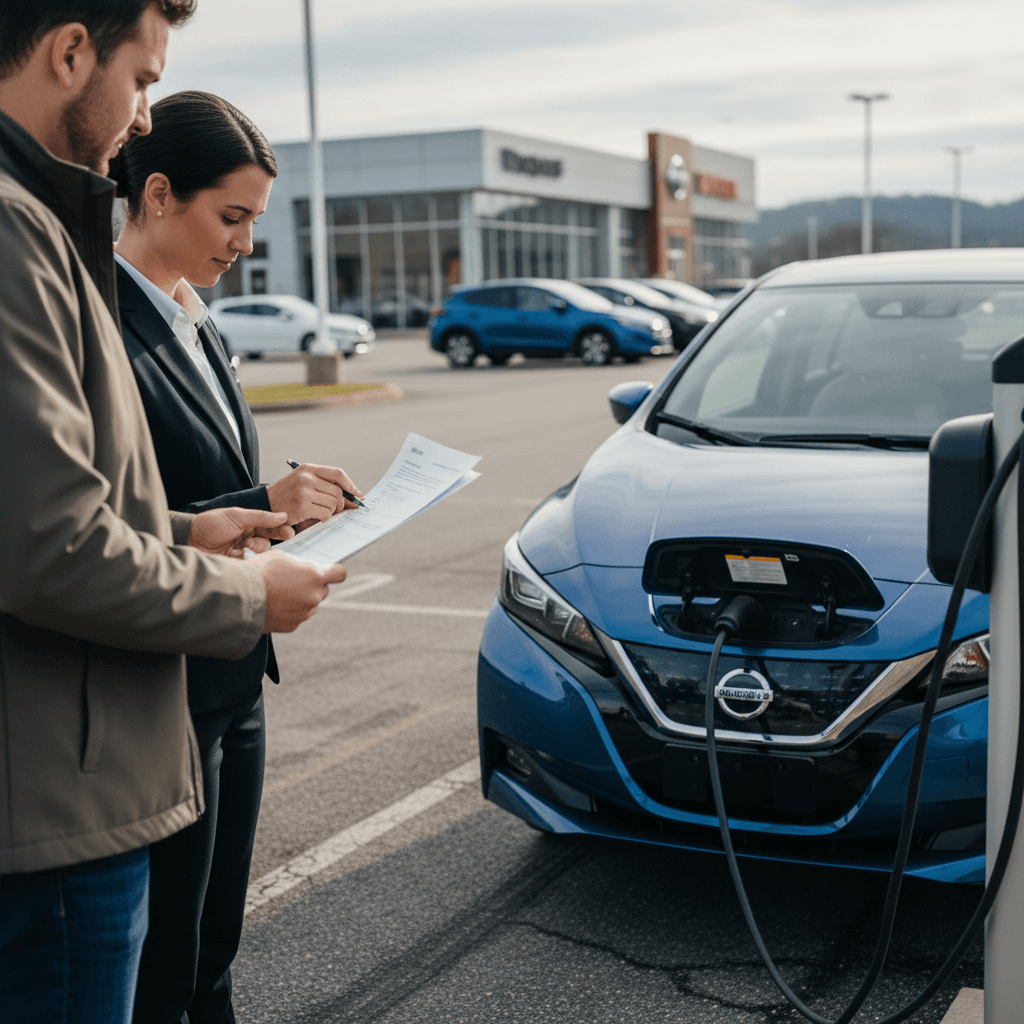
New EV lease vs. used EV purchase in TN
When a new EV lease makes sense
- You want the newest tech and safety features. 2025–2026 EVs add better range, NACS ports, and improved driver-assist.
- You’re unsure about long-term battery life. A 24–36 month lease lets you hand the car back before the warranty expires.
- You write off a portion for business use. Consult a tax professional, but some lessees can expense part of the payment.
- You like switching cars often. Leasing keeps you on the latest generation without worrying about resale value.
When a used EV may be the better play
- You care most about low total cost. A 2‑ to 4‑year‑old EV has already taken its biggest depreciation hit.
- You drive more than 12,000–15,000 miles a year. High mileage can blow up a lease budget. Owning a used EV can be cheaper than paying mileage penalties.
- You’re comfortable keeping a car 5+ years. Stretching ownership across more years spreads out that initial depreciation.
- You want transparency on battery health. A used EV from Recharged comes with a Recharged Score report that verifies battery health and fair pricing, something you don’t get with a typical lease ad.
Run the five-year math, not just the 36-month payment
How to evaluate any EV lease offer
7‑step checklist for judging an EV lease in Tennessee
1. Confirm the actual selling price
Ask for the agreed-upon selling price before incentives. Compare it to online pricing tools and quotes from at least two other Tennessee dealers. A strong discount off MSRP matters just as much as advertised lease cash.
2. Get the MF and residual
Request the money factor and residual in writing. Compare them to trusted forums or lease-calculator tools. If the dealer has marked up the MF over the captive lender’s buy rate, ask them to match the base rate.
3. Separate incentives from discounts
Make sure you know which dollars are <strong>dealer discounts</strong> and which are <strong>factory lease cash or rebates</strong>. Dealers sometimes present automaker support as if they’re giving you a bigger discount than they really are.
4. Look at total due at signing
Zero down doesn’t mean zero at signing. Add up the first payment, acquisition fee, taxes, and any doc or tag fees. Then divide that total by the number of months to see the true monthly cost.
5. Match mileage to reality
If you regularly drive between Memphis, Nashville, and Knoxville, a 10,000‑mile lease probably isn’t enough. Upfront miles are cheaper than overage penalties at the end, especially if you road‑trip your EV.
6. Check lease‑end options and fees
Ask about disposition fees, purchase options, and excess wear charges. If there’s a purchase option you might want to exercise, get that residual value in writing today.
7. Compare to a used EV scenario
Take a similar EV on the used market, say a two‑year‑old Ioniq 5 or Model Y, price it on Recharged, and compare a 60‑month loan or cash purchase against the total cost of the lease. In some Tennessee zip codes, the used option wins decisively.
Negotiating better EV lease terms
Practical ways to improve your EV lease deal
You don’t have to be a pro negotiator, just systematic.
Shop multiple dealers
Request detailed lease quotes by email from at least two or three Tennessee dealers. Use the best offer as leverage with the others. EV programs tend to be national or regional, but dealer discounts vary widely.
Time your deal
End-of-month and end-of-quarter can matter when EV inventory is heavy. That’s when stores are most likely to stretch on discounts or waive add‑ons to hit targets.
Trade-in or sell smart
If you have a gas car or older EV to move, get an instant sale or consignment quote from Recharged alongside dealer trade numbers. A stronger offer on your old vehicle can effectively subsidize your new EV lease.
Say no to junk fees
Politely but firmly decline paint protection, VIN etching, and other non-essential add‑ons. If the dealer insists they’re “required,” ask to see the lease without them and be ready to walk.
Right-size the trim
Lower trims often have the best residuals and lease support. If a top‑spec EV6 GT‑Line blows your budget, check payments on a mid-trim Wind or rear‑drive variant with similar range.
Use a calculator before you visit
Plug the MF, residual, and selling price into an online lease calculator before stepping foot in the showroom. That way you’ll know within a few dollars whether the payment you’re offered lines up with the math.
Red flags in an EV lease quote
FAQs: Best EV lease deals in Tennessee for 2026
Common questions from Tennessee EV shoppers
Bottom line: Should you lease an EV in Tennessee in 2026?
For Tennessee drivers in 2026, the best EV lease deals generally cluster around mainstream crossovers with strong factory support, Hyundai’s Ioniq 5/6, Kia’s EV6 and EV9, and Chevrolet’s Equinox EV, to name a few. Compact models like the Nissan Leaf can deliver rock‑bottom payments if you’re comfortable with shorter range and mostly in‑town use. The key is to look past the headline number, drill into money factor, residual, dealer discount, and total due at signing, and compare the full three‑year cost to a used‑EV purchase.
If you like the idea of always driving the latest tech and want to sidestep long‑term battery worries, a carefully negotiated lease can be a smart way to ease into EV ownership in Tennessee. If you’re more payment‑sensitive and plan to keep a vehicle for years, shopping the used EV inventory with a Recharged Score report, pre‑qualifying for financing, and getting a strong value for your current car through Recharged can beat even the flashiest lease ad. Either way, taking a methodical, numbers‑first approach will do more for your wallet than chasing any single “$299 a month” billboard.