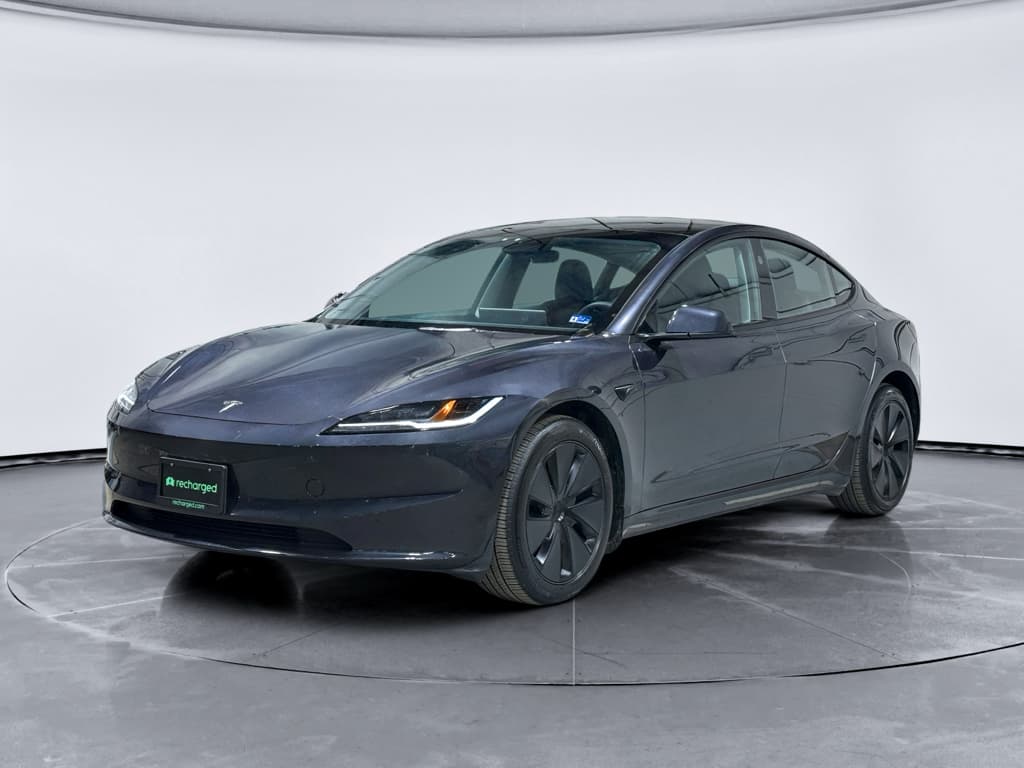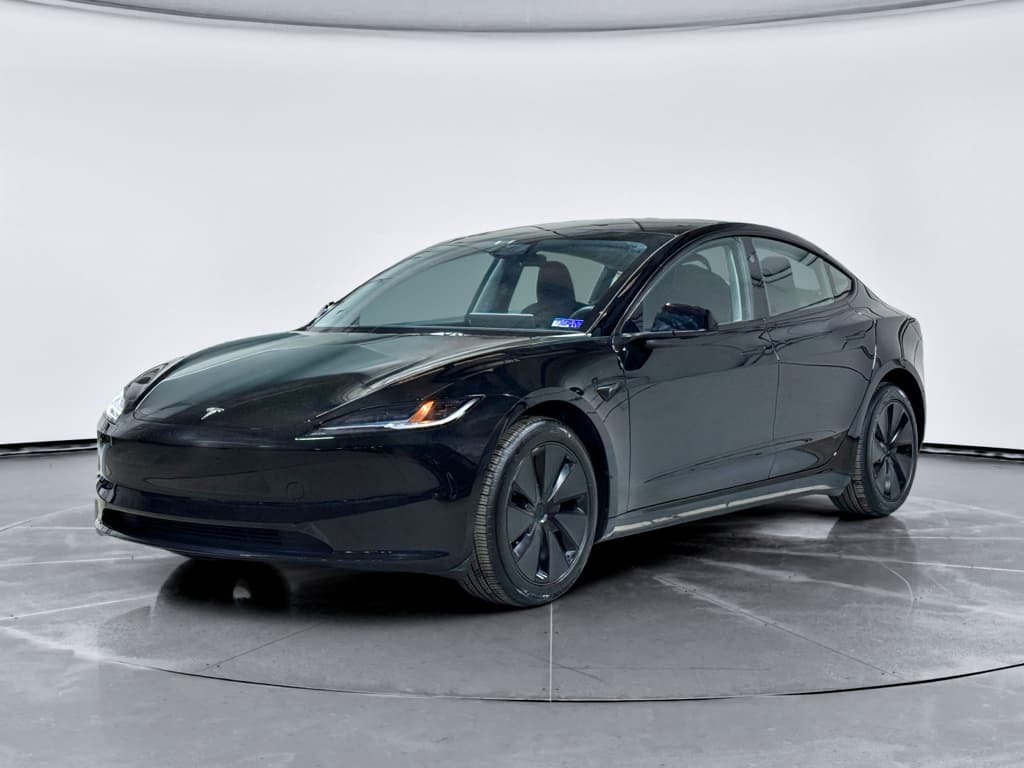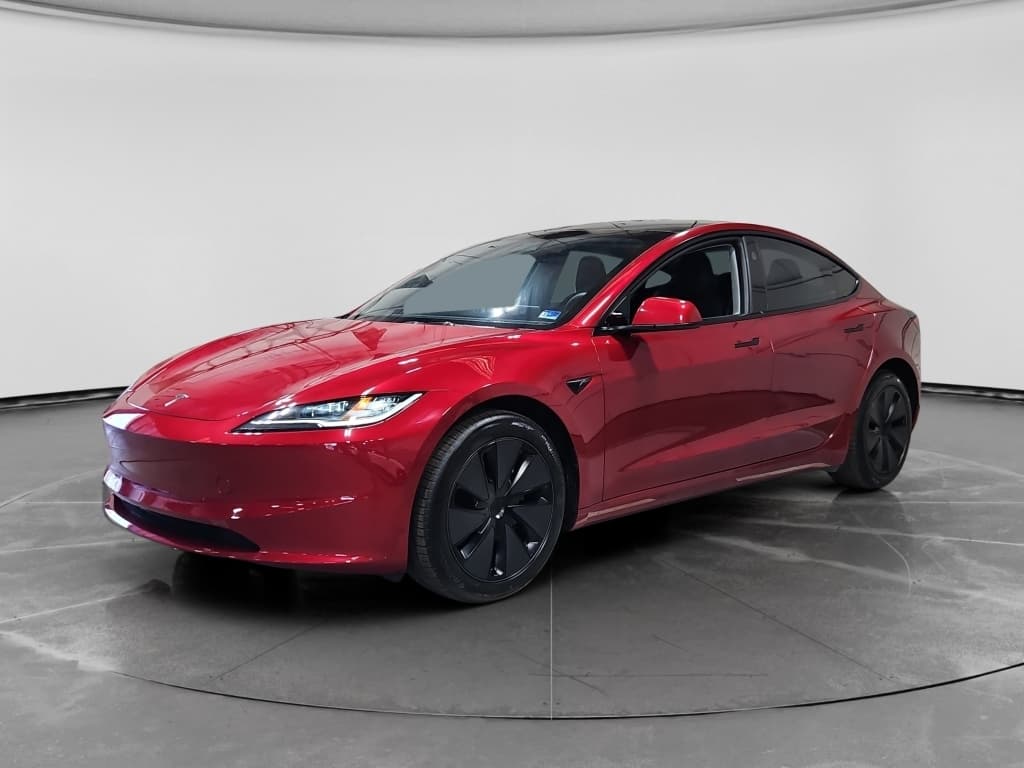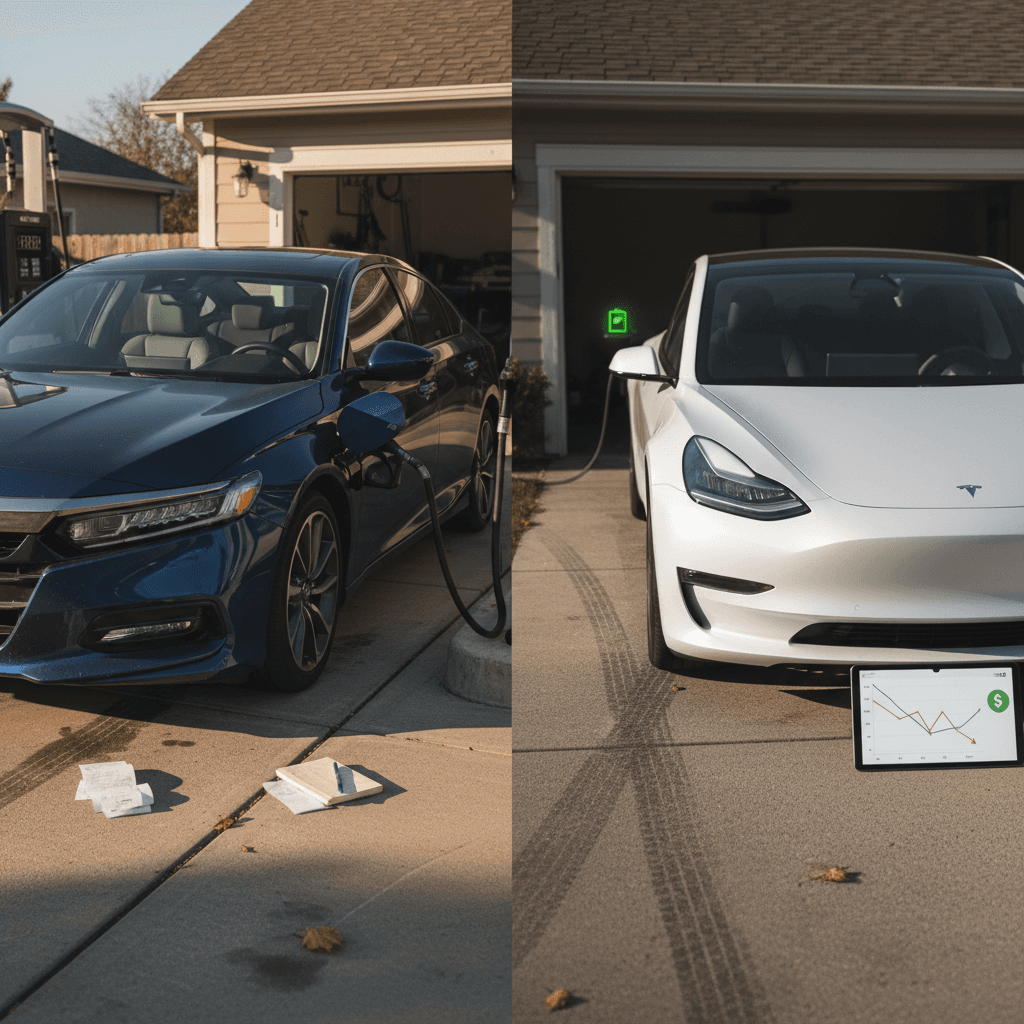
If you’re cross‑shopping a Honda Accord and a Tesla Model 3, you’re really asking one big question: is the EV actually cheaper to own once you add up everything, purchase price, fuel or electricity, maintenance, insurance, depreciation? This article walks through the Honda Accord vs Tesla Model 3 total cost of ownership in plain English, using realistic numbers and U.S. driving patterns.
Short answer
Why compare a Honda Accord and Tesla Model 3?
On paper, the Honda Accord and Tesla Model 3 don’t look like natural rivals. One is the reigning monarch of sensible sedans; the other is Silicon Valley’s electric poster child. But from a family‑budget perspective, they’re exactly the same kind of car: mid‑size, comfortable for four, quiet, safe, and priced, new or used, within shouting distance of each other.
- Both serve as primary family or commuter cars, often racking up 12,000–15,000 miles per year.
- Both can be bought new in the low‑to‑mid $30,000s depending on trim and incentives, or used in the $20,000–$30,000 range.
- Both have strong safety records and mainstream appeal, so resale isn’t an academic question, it’s money back in your pocket.
You’re not choosing between lifestyle accessories. You’re choosing between two different fuel economies for your household budget: one burns gasoline, the other sips electrons. Total cost of ownership (TCO) is where that decision gets interesting.
Key assumptions and baseline specs
To keep the Honda Accord vs Tesla Model 3 total cost of ownership comparison grounded, we’ll use a simple, realistic scenario rather than cherry‑picked extremes. Adjust the dials later for your commute, electricity rate, and how long you tend to keep cars.
Baseline comparison: Accord vs Model 3 (new)
Representative trims and assumptions for our TCO model. Numbers are rounded and should be used as directional, not absolute.
| Item | Honda Accord (Gas) | Tesla Model 3 (RWD) |
|---|---|---|
| MSRP before incentives | $30,000 | $40,000 |
| Effective purchase price (after typical discounts or EV credit) | $29,000 | $37,500 |
| Combined efficiency | 32 mpg gas | 27 kWh/100 mi |
| Annual mileage assumption | 13,500 miles | 13,500 miles |
| Electricity price (home charging) | , | $0.14 per kWh |
| Gas price | $3.75 per gallon | , |
| Ownership horizons modeled | 5 & 10 years | 5 & 10 years |
You can plug in your own prices, fuel costs, and mileage, these are just realistic starting points for a U.S. owner.
These are models, not prophecies
Purchase price, incentives, and financing
Historically, the Accord has had the sticker‑price advantage. The Model 3 often looks like the pricier date before you start splitting the bill. But tax credits, dealer discounts, and interest rates reshuffle the deck.
Up‑front cost: where the money goes on day one
We’ll assume a 60‑month loan with 10% down for both cars.
Honda Accord (gas)
- MSRP example: $30,000
- Discounts/Rebates: −$1,000 typical dealer discount
- Down payment (10%): ~$2,900
- Amount financed: ~$26,100
- Loan term: 60 months at ~6–7% APR (credit‑dependent)
Tesla Model 3 (EV)
- MSRP example: $40,000
- Federal tax credit: up to $7,500 if the specific Model 3 trim and your tax situation qualify
- Effective price after credit: ~$32,500 (simplified assumption)
- Down payment (10% of pre‑credit price): ~$4,000, credit arrives at tax time
- Amount financed: ~$36,000, but net cost over first year is reduced by the credit
How tax credits really behave
If you ignore incentives, the Model 3 looks about $10,000 more expensive. With a full federal tax credit and the real‑world dealer discount on an Accord, the effective gap might shrink closer to $7,500. That’s the hill the Tesla has to climb back through lower operating costs.
Gas vs electricity: what you’ll really spend to drive
Fuel is the most visible running cost, and the area where the EV is shamelessly lopsided. If you drive a normal American commute and can charge mostly at home, the Tesla’s fuel savings are not subtle.
Annual energy cost: Accord vs Model 3 (13,500 miles)
Those numbers assume that most Tesla charging happens at home and you only occasionally use pricier DC fast charging on the road. If you live on Superchargers, your electricity cost per mile rises, though it tends to track gas prices rather than destroy the whole business case.
At what mileage does the EV start pulling away?
Maintenance and repairs over 10 years
The Honda Accord has a well‑earned reputation for going forever on a diet of oil changes and the occasional set of brakes. The Tesla Model 3 shows its work differently: there’s less to service in the first place, no engine, no multi‑speed transmission, no exhaust, no timing belt, no spark plugs.
Honda Accord: The known quantity
- Routine service: oil and filter changes, transmission fluid, spark plugs, belts, coolant, fuel system services.
- Wear items: brakes, tires, suspension components.
- Expected pattern: Very reasonable for the first 5 years; as the car ages, more fluid services and the occasional repair join the party.
Tesla Model 3: Fewer moving parts
- Routine service: essentially tire rotations, cabin air filters, brake fluid checks, occasional coolant service for the battery/drive system.
- Wear items: tires and brakes. Regenerative braking helps pads and rotors last longer.
- Expected pattern: Very low scheduled maintenance costs; out‑of‑warranty repairs can be pricey but are infrequent for most owners.
The EV wild card: battery and high‑voltage repairs
Very rough 10‑year maintenance cost sketch
Illustrative, not guaranteed. Assumes you follow manufacturer schedules but don’t gold‑plate every service at the dealer.
| Item | Honda Accord | Tesla Model 3 |
|---|---|---|
| Routine maintenance (fluids, filters, inspections) over 10 years | $4,000–$5,000 | $1,500–$2,500 |
| Tires & brakes over 10 years | $2,000–$2,500 | $2,000–$2,500 (EV tires can be pricier) |
| Expected unscheduled repairs (out of warranty) | $2,000–$3,000 | $2,000–$4,000 |
| Total 10‑year maintenance + repairs (very rough) | $8,000–$10,500 | $5,500–$9,000 |
Depending on driving style and where you service the car, your numbers may be lower or higher.
Broadly, the Accord and Model 3 land in the same neighborhood on non‑energy running costs. The Tesla’s main advantage is skipping engine‑related service; its disadvantage is that when something complex does fail out of warranty, you don’t fix it with a $250 visit to a corner shop.
Insurance, taxes, and fees
Insurance is where the Model 3’s halo can cost you. In many ZIP codes, Teslas are more expensive to insure than comparable gas sedans thanks to higher repair costs and, frankly, driver demographics. The Accord is the actuarial equivalent of a sensible haircut.
- Expect the Model 3 to run perhaps 10–25% higher on insurance premiums than an Accord with similar drivers, coverage, and garaging, though this varies wildly by state and carrier.
- Registration and property taxes sometimes favor EVs (rebates or lower rates), but in other states you’ll see EV surcharges to make up for lost gas tax revenue.
- If you live in a state with strong EV incentives or HOV lane access, the non‑cash value of time saved can tilt the scales quietly in favor of the Model 3.
Get actual quotes, not vibes
Depreciation and resale value
Depreciation is where the market tells you what your car was really worth. Both the Accord and Model 3 have enjoyed strong resale, but they behave differently over time.
Accord: Slow and steady
- Historically strong resale: Honda’s reputation and mainstream appeal keep residuals respectable.
- Predictable curve: In 5 years, a well‑kept Accord might retain around 45–55% of its original value, depending on mileage and market conditions.
- Less volatility: Gas car values swing with fuel prices, but not as dramatically as tech‑centric EVs swing with incentives and new models.
Model 3: Tech product on wheels
- Early years: Model 3 resale was spectacular, driven by demand and limited supply.
- Recent reality: Tesla price cuts and evolving incentives have pushed used values down more sharply than many owners expected.
- 10‑year view: A well‑cared‑for Model 3 still carries value, especially if the battery has healthy range, but you should expect more volatility over that decade than with an Accord.
Used EV pricing is still finding equilibrium
5‑year and 10‑year total cost of ownership: head-to-head
Let’s put the pieces together. Remember, these are directional figures meant to compare the shape of the costs, not to predict your exact life experience down to the dollar.
Simplified 5‑year and 10‑year TCO comparison (new purchase)
Very rough ballpark totals including purchase, fuel/electricity, routine maintenance, insurance differences, and depreciation.
| Category | Honda Accord – 5 yrs | Tesla Model 3 – 5 yrs | Honda Accord – 10 yrs | Tesla Model 3 – 10 yrs |
|---|---|---|---|---|
| Net purchase cost after incentives/discounts | $29,000 | $32,500–$37,500 | $29,000 | $32,500–$37,500 |
| Fuel / electricity | $7,500–$8,500 | $2,500–$3,500 | $15,000–$18,000 | $5,000–$7,500 |
| Maintenance & repairs | $3,000–$4,000 | $2,000–$3,000 | $8,000–$10,500 | $5,500–$9,000 |
| Insurance delta vs Accord | Baseline | +$1,000–$2,000 | Baseline | +$2,500–$4,000 |
| Net depreciation (cash you "lose" when you sell) | $14,000–$16,000 | $15,000–$19,000 | $22,000–$24,000 | $24,000–$30,000 |
| Very rough TCO (all‑in cost to own & drive) | $53,500–$57,500 | $54,000–$64,000 | $74,000–$81,500 | $69,500–$88,000 |
Assumes mostly home charging for the Model 3, moderate insurance premium difference, and average depreciation. All amounts in today’s dollars.
What the table is really saying
Who should choose which car?
Accord vs Model 3: pick your use case
Think about how you actually live, not how you wish you lived.
Honda Accord is usually better if…
- You drive under 10,000 miles per year and fuel savings don’t stack up fast.
- Your electricity is expensive or you can’t charge at home (apartment with limited options, for example).
- You want rock‑solid predictability in depreciation and repair networks.
- Your insurance quotes on the Tesla are painful.
- You prefer traditional controls and dealership ecosystems.
Tesla Model 3 is usually better if…
- You drive 12,000–20,000 miles per year and can take full advantage of cheap home charging.
- You have access to a garage or reliable Level 2 charging.
- You qualify for meaningful EV tax credits or employer charging perks.
- You value the driving experience, OTA updates, and quiet as much as fuel savings.
- You’re comfortable with a slightly more complex depreciation story in exchange for lower running costs.
How a used Tesla Model 3 changes the math
So far we’ve mostly treated both cars as new. In the real world, the smartest TCO play is often buying a used Model 3 whose first owner has kindly eaten the steepest chunk of depreciation for you.

Why a used Model 3 can be a TCO sweet spot
1. Depreciation has done its job
Buying a 3–6‑year‑old Model 3 trims a huge slice off the original MSRP while preserving plenty of battery life and modern tech.
2. Fuel savings still stack up
You still enjoy the low electricity cost per mile, which matters even more as the up‑front premium shrinks.
3. You can see real battery health
Tools like the <strong>Recharged Score</strong> give you a verified picture of pack health and expected range, so you’re not guessing about degradation.
4. You avoid early‑production unknowns
Later‑build Model 3s often benefit from incremental improvements in build quality and components.
5. You can finance like any other used car
With competitive used‑EV financing, your monthly payment can look very similar to a newer Accord, while your running costs skew EV‑cheap.
Do not skip a battery health check on a used EV
How Recharged fits into your TCO decision
If the Honda Accord vs Tesla Model 3 total cost of ownership debate has nudged you toward an EV, but not blindly, you’re exactly the kind of buyer Recharged was built for. The numbers matter, but so does confidence in the specific car you’re buying.
- Every used EV on Recharged comes with a Recharged Score Report that includes verified battery health, so you know how much real‑world range you’re paying for.
- Our pricing tools benchmark each vehicle against the market to show you if it’s fairly priced, not just attractively photographed.
- You can finance online, get an instant offer or consign your gas car, and arrange nationwide delivery without playing dealership musical chairs.
- If you’re near Richmond, VA, you can visit our Experience Center to test‑drive EVs and talk through running costs with specialists who look at this data every day.
If you want to run your own numbers, our team can help you compare a specific used Model 3 on Recharged against the Accord in your driveway, taking into account your commute, your utility rate, and your local gas prices.
Frequently asked questions: Accord vs Model 3 TCO
Common questions about Honda Accord vs Tesla Model 3 ownership costs
Bottom line: is a Tesla Model 3 cheaper than a Honda Accord?
If cars were only about what you pay at the dealership, the Honda Accord would win this contest and we could all go get coffee. But total cost of ownership tells a more nuanced story. The Tesla Model 3 is a more expensive object that often turns into a comparable, or even cheaper, companion over the long run, provided you drive enough miles and have reasonably priced electricity.
If your life looks like short commutes, limited charging access, high electricity rates, or frequent car swaps, the Accord’s simplicity and lower entry price are hard to beat. If your life looks like real miles, a garage outlet, and a 7–10‑year commitment, a Model 3, especially a smartly bought used one, can quietly undercut the gas bill while delivering a different class of driving experience.
The best move isn’t to assume the EV is cheaper or the gas sedan is safer. It’s to run the numbers with your reality. And if that reality points you toward a used Model 3, Recharged is built to make the EV half of this Honda Accord vs Tesla Model 3 total cost of ownership equation as transparent, and as human, as possible.