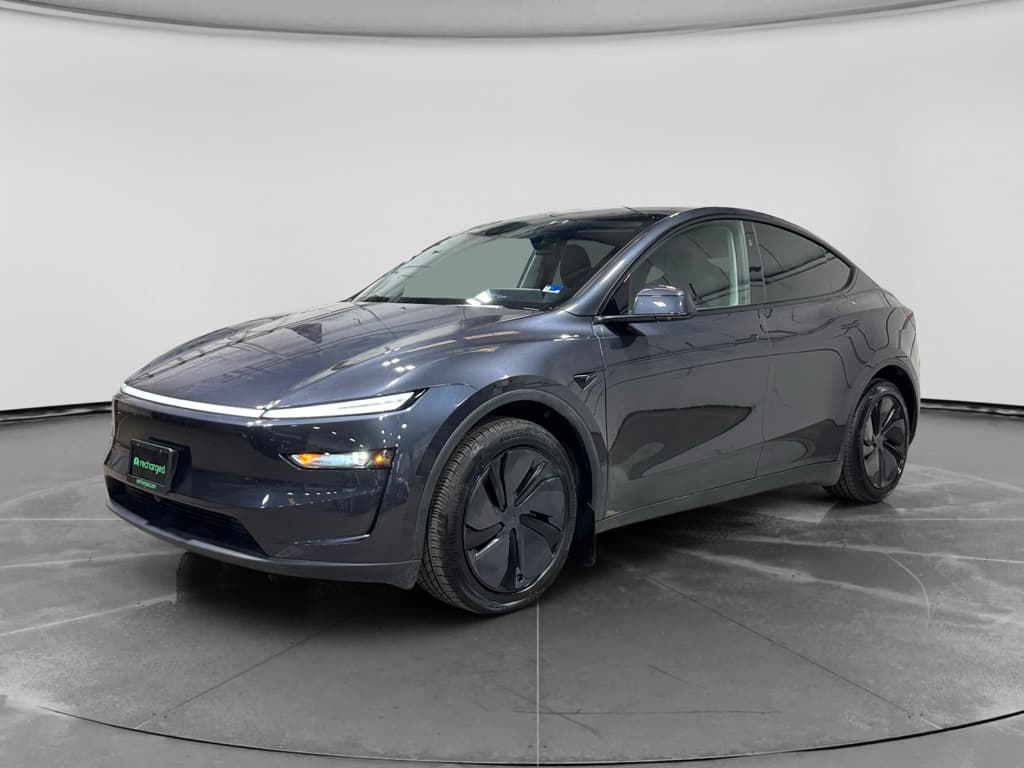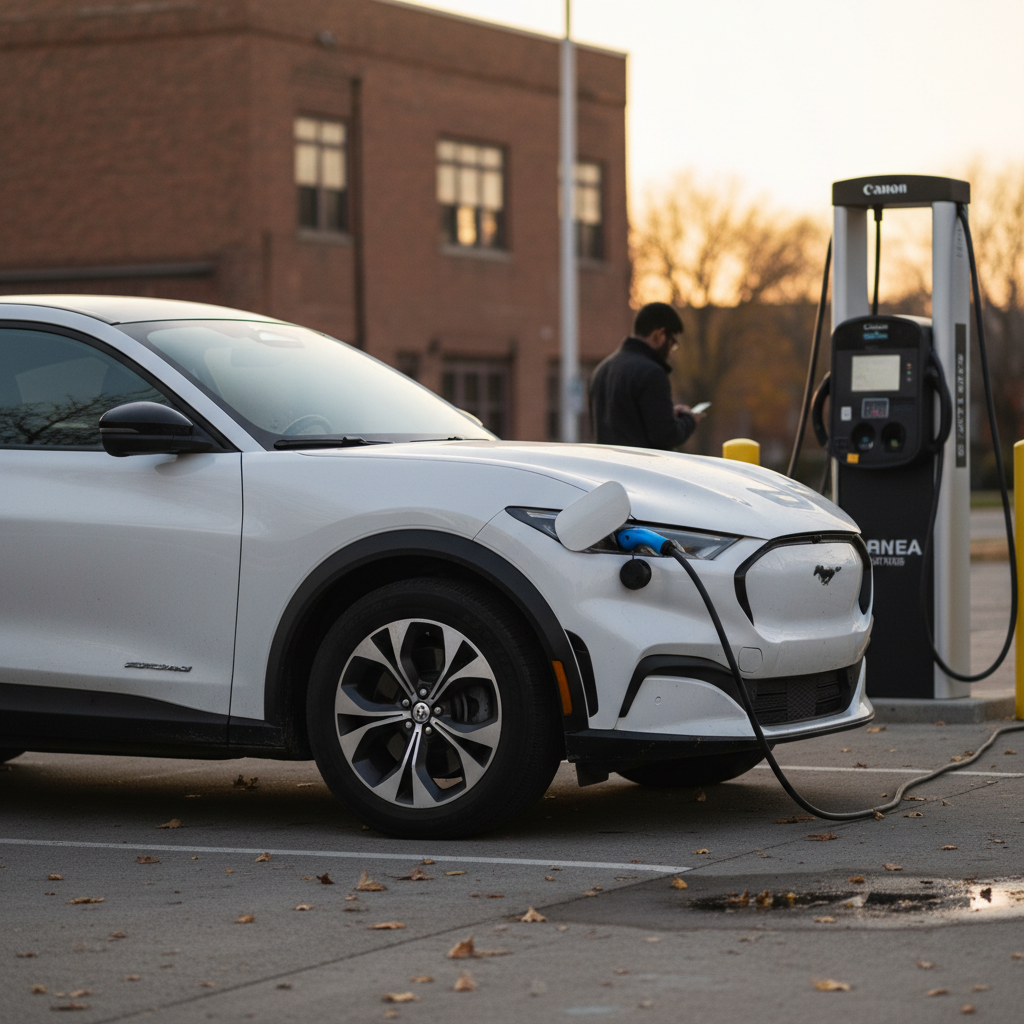
If you’re shopping for the best EV lease deals in North Carolina in 2026, you’ve probably noticed two things: the advertised specials look great in big type, and the fine print can turn a “$299” deal into something very different by the time you’re in the finance office. Let’s walk through what’s actually a good deal in today’s market, and when a used EV might quietly beat the shiniest lease on the lot.
Key context for 2026
Why EV leasing in North Carolina feels different in 2026
North Carolina EV shoppers in early 2026 are dealing with a unique mix of factors. The big federal purchase and lease incentives that once knocked up to $7,500 off the price have expired, new EV prices have come down from the 2022–2023 peak but are still far from cheap, and the state still doesn’t offer its own direct EV purchase rebate. On the other hand, utilities like Duke Energy are rolling out aggressive charging programs and off‑peak rates that can slash your running costs. The result: lease deals look a little weaker than they did a year or two ago, but your total cost of ownership can still be excellent if you stack the right programs and negotiate well.
North Carolina EV leasing snapshot for 2026
How EV lease deals work in plain English
You don’t have to become a finance manager to spot a strong EV lease, but you do need to know which levers matter. Every lease payment is driven by three big numbers: selling price (what you’re really paying for the car), money factor (the interest rate hidden inside the lease), and residual value (what the lender thinks the car will be worth at the end of the term). Automaker “lease cash” or “EV bonus cash” is money the brand quietly throws in to sweeten the deal.
- Negotiate the selling price of the car just like a purchase; a lower price directly lowers your payment.
- Ask for the buy rate money factor from the captive lender (Hyundai Motor Finance, Ford Credit, etc.), and push back if the dealer adds markup.
- Higher residuals mean lower payments, but can make a lease buyout less attractive later.
- Watch the fine print on miles per year, many EV specials are 10,000 miles/year instead of 12,000.
Pro tip: shop the payment, not the ad
What changed with EV tax credits, and why NC leases are higher now
Until September 30, 2025, leasing an EV could tap into a federal clean‑vehicle tax rule that let leasing companies claim up to a $7,500 credit on the car and pass part, or sometimes all, of that value through as lower payments. That “lease loophole” closed after that date, and by early 2026 most new EV leases in North Carolina are priced without any federal subsidy baked in.
North Carolina also still doesn’t offer a statewide EV purchase or lease rebate as of early 2026, though residents can still use the federal Alternative Fuel Vehicle Refueling Property Credit for home chargers through June 30, 2026, and tap into newer Energy Saver NC home energy rebates for some electrical upgrades. That means your monthly payment depends far more on market forces, inventory levels, automaker incentives, and dealer competition, than on tax policy.
Don’t bank on old incentives
Best EV lease deals in North Carolina 2026 by segment
Specific lease specials change every month, and manufacturers can tweak them mid‑quarter. Instead of chasing one fleeting payment, focus on the types of vehicles and brands that consistently show strong EV lease deals in North Carolina. If you’re flexible on color and options, you can often negotiate a local payment close to the national ad.
Where the strongest 2026 EV lease deals usually live
Think in segments, not individual VINs
Compact EV hatchbacks & crossovers
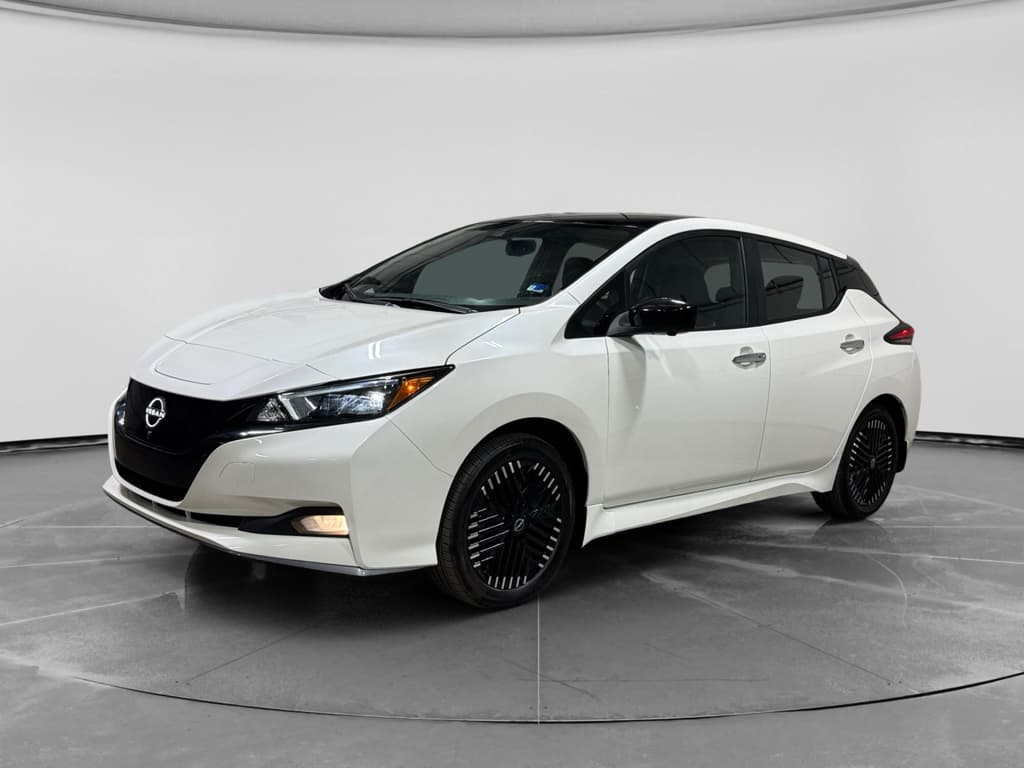
Think Nissan Leaf, Chevy Equinox EV, Kia Niro EV, or Hyundai Kona Electric.
- Often advertised in the $299–$379/month range with several thousand due at signing.
- Best targets if you want a low payment and don’t need a three‑row SUV.
- Look for demo or service‑loaner units with a discount on the selling price.
Mainstream 2‑row electric SUVs
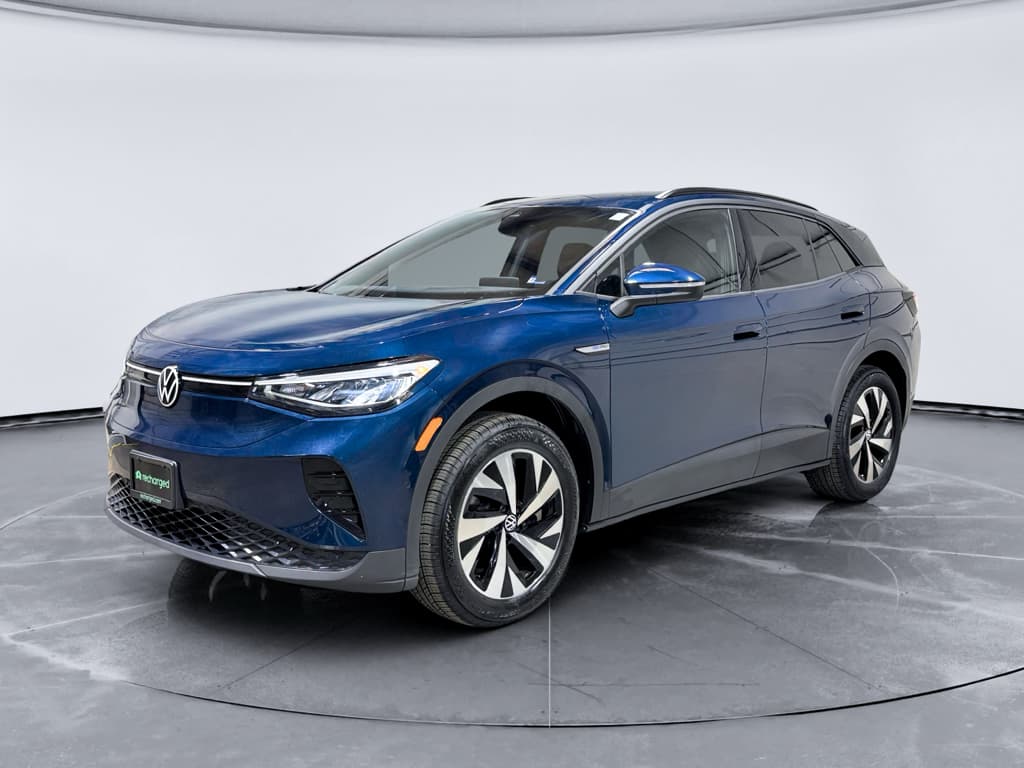
Hyundai IONIQ 5, Kia EV6, Ford Mustang Mach‑E, VW ID.4.
- Sweet‑spot leases for NC families, comfortable, practical, easy to charge at home.
- Well‑negotiated deals often land in the $450–$600/month range with moderate drive‑offs.
- Brands sometimes stack “conquest” rebates if you’re switching from a competitor.
Premium & luxury EVs
Volvo EX30, Mercedes EQB/EQE, BMW i4/iX, Cadillac Lyriq.
- MSRPs are high, but captive lenders sometimes use very low money factors to keep payments competitive.
- Watch for dealer add‑ons and markups that erase any incentive advantage.
- Perfect segment for having several quotes emailed to you before you set foot in a showroom.
Target ranges for strong 36‑month EV leases in NC (early 2026)
These aren’t guaranteed offers, but realistic ballparks when you negotiate hard, keep drive‑offs reasonable, and stack available incentives. All numbers assume 10,000–12,000 miles/year.
| EV segment (example models) | MSRP ballpark | Drive‑off you aim for | Strong payment target |
|---|---|---|---|
| Compact hatch/crossover (Leaf, Kona, Niro EV, Equinox EV) | $32,000–$42,000 | $1,500–$2,500 | $320–$420/month |
| Mainstream 2‑row SUV (IONIQ 5, EV6, Mustang Mach‑E, ID.4) | $45,000–$58,000 | $1,500–$3,000 | $450–$600/month |
| Three‑row / premium SUV (EV9, Lyriq, high‑trim Mach‑E) | $60,000–$80,000+ | $3,000–$5,000 | $700–$1,000+/month |
| Entry luxury sedan/crossover (Volvo EX30, BMW i4, Mercedes EQE) | $50,000–$70,000 | $2,500–$4,000 | $600–$850/month |
Use this chart as a negotiation aim, not a promise, markets move month to month.
What counts as a “best” deal in 2026?

North Carolina programs that can lower your true EV cost
Even if lease payments have crept up, North Carolina offers a different way to save: cheaper charging and help with home infrastructure. These programs don’t show up in your dealer worksheet, but they absolutely affect what your EV really costs to live with.
NC levers to pull after you sign the lease
Focus on electricity, not gasoline
Duke Energy charger programs
For many NC households served by Duke Energy, the utility will:
- Let you lease a Level 2 home charger for a low monthly fee instead of paying for hardware upfront.
- Offer “charger prep” or make‑ready credits that help cover wiring and installation costs in some territories.
- Run time‑of‑use or overnight rate pilots that cut your charging cost in half during certain hours.
If you’re in another utility’s territory, ask about EV‑specific rates or charger rebates, co‑ops and municipals often have their own programs.
Federal home charger tax credit + NC energy rebates
Even though the big federal EV purchase credit is gone in 2026, you can still:
- Claim a federal tax credit worth 30% of eligible home charging equipment and installation costs (capped per property) for chargers placed in service through June 30, 2026.
- Tap into North Carolina’s Energy Saver NC home energy rebates as they roll through the state for panel upgrades, insulation, and other improvements that can make installing a charger easier.
None of this lowers your lease payment, but it can slash the cost of fueling your EV for years.
Watch the EV fees too
Lease vs buy vs used EV in North Carolina
Leasing a new EV
- Pros: Newest tech, full factory warranty, you’re insulated from long‑term battery degradation risk.
- Cons: Payments can be high with no tax credit support, mileage limits, you return the car with no asset at the end.
- Best for: Drivers who like to swap vehicles every 2–3 years and want the latest safety and infotainment.
Financing a new EV
- Pros: No mileage caps, you own the car outright at the end, and you have the option to keep driving long after payments stop.
- Cons: Monthly payments are often higher than leasing, especially with today’s interest rates.
- Best for: Households planning to keep the same car for 7–10 years and spread out the cost.
Buying a used EV
- Pros: Someone else already paid the steepest depreciation, and you can often buy a 2–4‑year‑old EV for what a new lease would cost over three years.
- Cons: You need trustworthy information on battery health and past use.
- Best for: Value‑focused NC shoppers who’d rather own a slightly older EV outright than lease something new on a tight budget.
Where Recharged fits in
Ready to find your next EV?
Browse VehiclesHow to hunt down the best NC EV lease deals, step by step
Step‑by‑step playbook for a strong EV lease in NC
1. Decide your real budget and mileage
Figure out how much you’re comfortable paying monthly with a realistic amount due at signing, many North Carolina households land in the $400–$600 range for an EV. Be honest about your miles; under‑stating mileage to chase a low payment usually backfires at lease‑end.
2. Shortlist 3–5 EVs that fit your life
Pick a few EVs that match your space needs, charging situation, and driving patterns. If you live in an apartment in Raleigh or Charlotte without home charging, favor models with strong public‑charging support and efficient range.
3. Scan national and regional lease ads
Check manufacturer websites and trusted deal aggregators for April 2026 EV offers. Use those as a starting point, not the finish line, and note term length, drive‑offs, and mileage caps.
4. Request detailed quotes from multiple NC dealers
Email sales managers in Raleigh, Charlotte, Greensboro/Winston‑Salem, and even up into Virginia or down into South Carolina. Ask for an itemized lease worksheet showing selling price, money factor, residual, fees, and total due at signing.
5. Negotiate selling price and money factor
Push for a discount off MSRP, especially on in‑stock inventory and previous‑month builds. Ask the dealer to use the lender’s base money factor with no markup; if they won’t, get a competing quote that does.
6. Stack loyalty, conquest, and regional incentives
If you currently own a competing brand, you may qualify for “conquest” cash. If you’re staying within a brand family, loyalty money might be available. Always ask, and have your registration handy to prove eligibility.
7. Run the math against buying or a used EV
Before you sign, compare the total lease cost (payment x months + drive‑off + expected fees) to financing a similar new EV, or owning a used EV from a marketplace like Recharged. Sometimes the smartest move is shifting out of leasing entirely.
Typical 2026 EV lease payments in North Carolina
Lease‑deal roundups in early 2026 show plenty of sub‑$400 EV leases nationally, but when those hit the ground in North Carolina, real‑world numbers can look different. Dealer doc fees, local market demand, and how aggressively a store discounts the car all matter. Here’s how payments tend to shake out for well‑qualified NC lessees with 36‑month terms and modest drive‑offs:
- Entry EVs (Leaf, Kona, Niro EV, Equinox EV): $330–$450/month with $1,500–$2,500 due at signing is a realistic target on a good deal.
- Mid‑size crossovers (IONIQ 5, EV6, Mach‑E, ID.4): $470–$650/month, depending on trim, MSRP, and how much the dealer discounts.
- Premium and three‑row EVs (EV9, Lyriq, Volvo EX90, BMW iX): $750–$1,100+ per month is normal territory, even for strong deals.
- Shorter 24‑month leases: Sometimes advertised, but often more expensive per month, only bite if you really want a shorter commitment.
Beware the fake “sign‑and‑drive”
When leasing an EV in North Carolina still makes sense
With federal tax support gone, leasing isn’t the slam‑dunk it was for many EV shoppers, but it can still be the smartest move for certain North Carolina drivers. The trick is to match the tool to your situation.
Leasing makes the most sense if…
Check yourself against these scenarios
You like new tech on a short cycle
You want predictable, low‑maintenance years
You can write off payments for business
When NOT to lease
FAQs: Best EV lease deals North Carolina 2026
Frequently asked questions about EV leasing in North Carolina
Bottom line on the best EV lease deals in North Carolina for 2026
In 2026, the best EV lease deals in North Carolina don’t come from a magic coupon code or a disappearing tax break. They come from doing a little homework: understanding how leases are built, shopping several dealers, and stacking every NC‑specific advantage you can find, from Duke Energy’s programs to federal home‑charger credits. For some drivers, that will produce a sweet‑spot 36‑month lease on a compact EV or 2‑row SUV. For others, the math may point toward owning a used EV with known battery health and a monthly payment that goes away entirely down the road.
Whichever path you choose, treat this as a long‑term cost‑of‑ownership decision, not just a gorgeous monthly payment in a banner ad. And if you want a side‑by‑side comparison of new‑lease payments versus the cost of a used EV with a verified battery, Recharged’s EV specialists can help you run the numbers, review a Recharged Score report, and decide what’s right for your North Carolina driveway, this year and a few years from now.