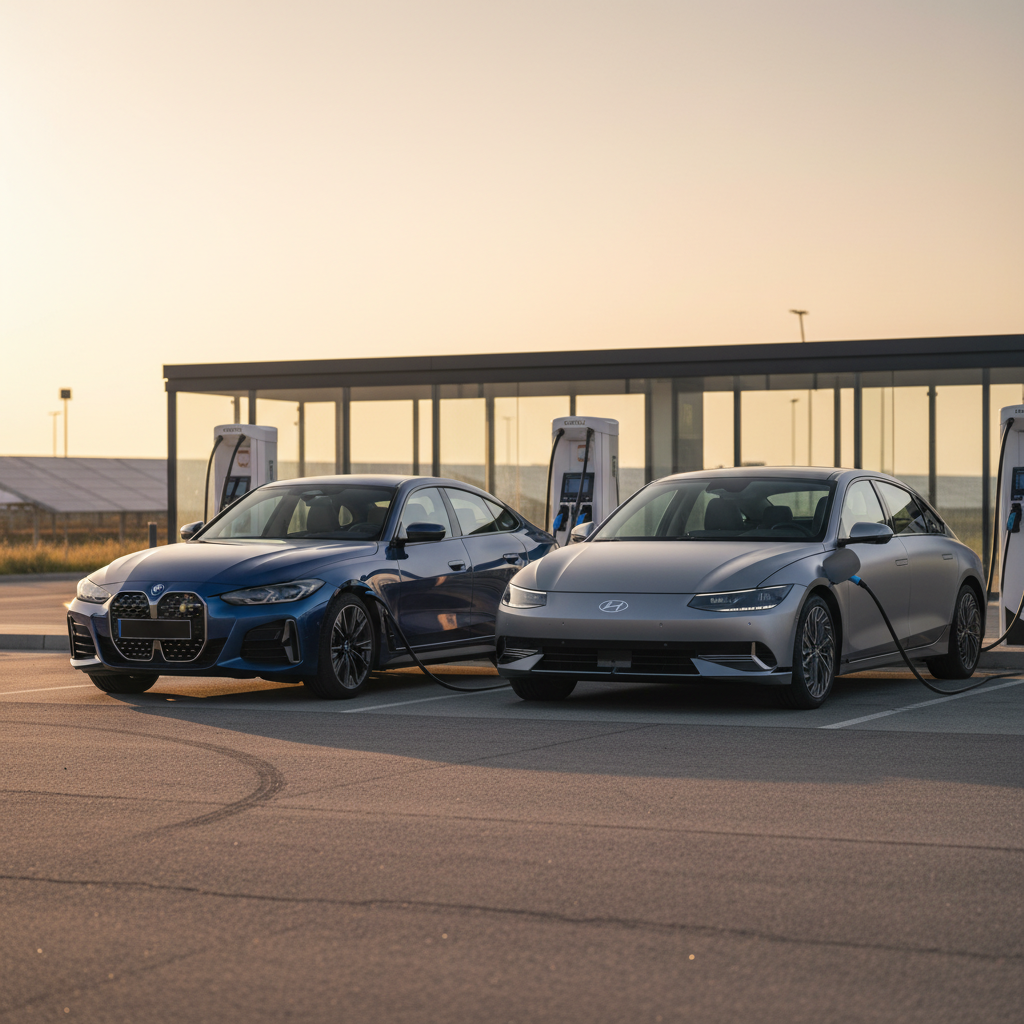
If you’re hunting for the best EV lease deals in Connecticut in 2026, you’ve probably noticed two things: the monthly prices are all over the place, and the fine print reads like a bar exam question. Between the end of the old federal “lease loophole,” shifting state CHEAPR rebates, and aggressive manufacturer lease cash on certain models, it’s easy to overpay, or to miss a genuinely excellent deal.
Quick snapshot: EV leases in Connecticut right now
Why EV leases in Connecticut look different in 2026
Two big structural changes are shaping EV leases in Connecticut for 2026: the slow fade of the federal lease workaround and a recalibrated state rebate landscape. If your cousin walked out of a dealership in 2023 with an EV lease that sounded too good to be true, it probably was underwritten by federal money that no longer exists in the same way.
- Federal lease “loophole” winds down: For several years, lessors could claim the federal EV tax credit on leased vehicles, often even on models that didn’t qualify for a retail purchase credit, and pass some or all of it through as lower payments. New rules phasing in by late 2025 tighten which vehicles qualify and how that value is shared, so not every EV lease in 2026 is backed by the old $7,500 magic trick.
- Connecticut incentives shift but don’t vanish: The state’s CHEAPR program still supports purchases and leases of qualifying EVs through mid‑2026, but standard rebate amounts have been revised and are now more tightly budgeted. Income‑qualified households can still unlock larger Rebate+ amounts on eligible cars.
- Manufacturers step in with lease cash: Automakers hungry to keep EV factories humming have quietly turned the old tax-credit juice into captive-finance programs. That shows up as big ‘lease cash’ on specific trims, especially on mainstream models like Hyundai’s IONIQ 5 and newer three‑row crossovers.
Why national ads can mislead Connecticut shoppers
Connecticut EV market and incentives at a glance, 2026
Connecticut EV incentives in 2026, and which ones help a lease
Before you fall in love with a specific payment, you need to understand which Connecticut incentives actually move the numbers on an EV lease in 2026. The crucial detail: some programs treat leases like purchases, others don’t.
Key Connecticut incentives that can touch an EV lease
What still helps in 2026, and what’s basically nostalgia
CHEAPR Standard Rebate
Connecticut’s CHEAPR program offers a Standard Rebate when you purchase or lease a qualifying new battery‑electric vehicle from a licensed CT dealer, up to a program‑defined MSRP cap.
Standard rebates have been trimmed compared with the early days, but they can still knock roughly $1,000–$3,000 off the capitalized cost of an eligible lease.
CHEAPR Rebate+ for LMI households
Income‑qualified buyers and lessees can layer on Rebate+ New incentives, bringing the total potential support up to about $4,000 on certain EVs.
This is where a so‑so lease becomes genuinely compelling for households that qualify: you’re combining manufacturer lease cash with state money.
Utility & charger rebates
Connecticut utilities have scaled back some of their EV programs heading into 2026, but limited rebates for home Level 2 charging and wiring still exist for certain income tiers.
These don’t directly lower your lease payment, but they cut the total cost of ownership once the car is in your driveway.
How to make CHEAPR work on a lease
Best new EV lease deals in Connecticut for 2026
Lease offers change monthly, but patterns don’t. In early 2026, Connecticut shoppers consistently see the best EV lease economics on mainstream crossovers where the automaker is dangling serious lease cash and the MSRP still fits under CHEAPR limits. Below are categories and model examples to focus on, not fixed quotes, but the kinds of deals worth chasing.
Representative strong EV lease targets in Connecticut, 2026
These examples illustrate the types of EV lease deals that have been especially competitive nationwide and generally translate well into the Connecticut market, assuming similar incentives and CHEAPR eligibility. Always verify current programs with local dealers.
| Segment / Use Case | Model Examples (2025–2026) | Why They Lease Well | What to Aim For in CT* |
|---|---|---|---|
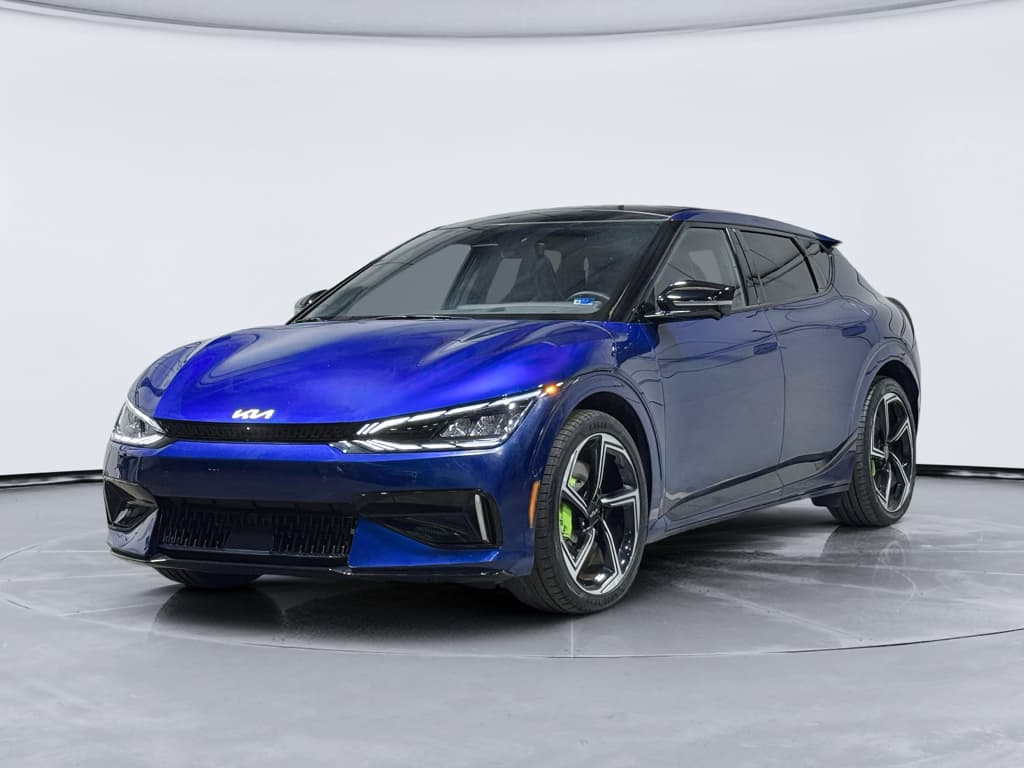
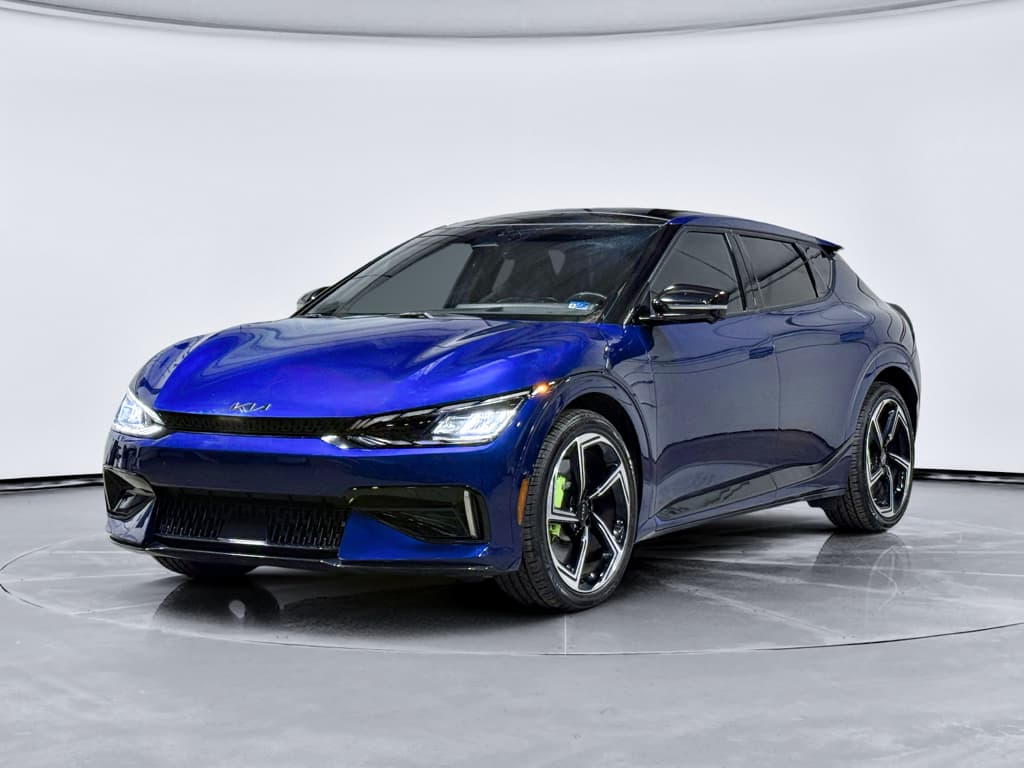
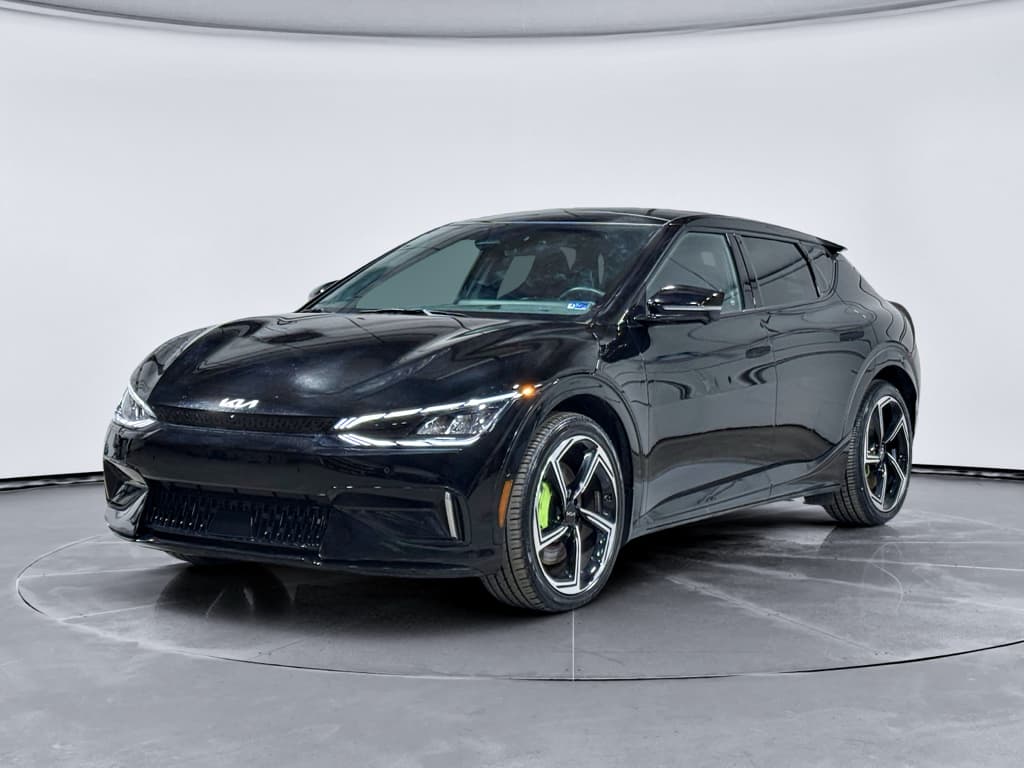
| Compact crossover commuter | Hyundai IONIQ 5, Kia EV6 | Strong manufacturer lease cash, healthy residuals, long range, still under typical CHEAPR MSRP caps in most trims. | Target an effective payment that feels more like a gas Tucson or Sportage, roughly mid‑$300s to low‑$400s with around $3,000–$4,000 due at signing. |
| Family hauler / 3‑row | Kia EV9, Volvo EX90/EX30 (higher trims vary) | Automakers hungry to seed three‑row EVs, often stacking lease cash and loyalty/conquest bonuses. | Expect something closer to a nicely equipped gas Telluride or XC90: high‑$400s to low‑$600s, depending on trim and how much cash you put upfront. |
| Value city runabout | Chevy Equinox EV, Nissan Ariya, VW ID.4 | Heavier incentives where inventory sits; good candidates for CHEAPR pairing and dealer discounting. | If you’re flexible on color and options, you can sometimes land in the low‑$300s effective range on entry trims. |
| Premium badge shopper | Tesla Model 3/Y, Polestar 2, Audi Q4 e‑tron (select trims) | Luxury brands move between subsidized leases and big cash‑purchase rebates month to month. | In 2026, a ‘good’ luxury EV lease is often less about a headline payment and more about a reasonable money factor and transparent residual. Watch the APR and fees. |
Monthly payments assume well‑qualified lessees, 24–36 month terms, and average due‑at‑signing amounts. Numbers are illustrative, not offers.
What about Tesla leases in Connecticut?
How to actually tell if an EV lease deal is good
On an EV, a ‘good deal’ is rarely about the monthly payment in isolation. It’s about the effective cost over the term, compared with both buying the same car and leasing something less subsidized. Fortunately, you don’t need an MBA; you just need to run the numbers the same way every time.
Simple checklist for judging an EV lease in Connecticut
1. Compute your effective monthly cost
Add your total due at signing (including taxes and fees) to all monthly payments, subtract any real cash incentives like CHEAPR that go directly to you, then divide by the number of months. That’s your <strong>effective monthly</strong>, the only number that matters for comparison.
2. Benchmark against a similar gas SUV
Ask yourself: what would a comparable gas crossover lease for? If your IONIQ 5 or EV6 lease is in the same ballpark as a Tucson/ Sportage in Connecticut, you’re winning, especially once you factor in lower fueling and maintenance costs.
3. Inspect the money factor (interest)
A fair EV lease in 2026 should not carry a nosebleed money factor masquerading as a low payment. Ask the dealer for the money factor and convert it to an APR (multiply by 2,400). Anything well north of typical new‑car APRs deserves scrutiny.
4. Watch the mileage allowance
10,000 miles per year is stingy in road‑trippy New England. If you drive more, build extra miles into the contract. Paying for mileage upfront is nearly always cheaper than getting hammered at lease‑end.
5. Understand the buyout number
Some EVs are leasing cheaply because the lessor assumes aggressive residual values that might not survive reality. If you think you’ll want to keep the car, check the buyout price in the contract and compare it to realistic used values for three years out.
When the lease makes more sense
If the automaker is quietly stuffing thousands of dollars of lease cash and what remains of federal incentives into the contract, leasing lets you rent the subsidy without betting on long‑term battery degradation or resale values.
This can be especially attractive on cutting‑edge models or brands with uncertain long‑term support.
When a purchase or used EV wins
If the lease program is thin, high APR, modest incentives, little CHEAPR benefit, you may be better off either purchasing with a competitive loan or skipping new entirely and shopping a used EV with known battery health from a specialist like Recharged.
In those cases, the total 5‑year cost of driving can favor ownership, not leasing.
Lease vs buy vs used EV in Connecticut, 2026
Leasing a shiny new EV is seductive, newest tech, full warranty, and you can punt on the long‑term question of battery degradation. But in Connecticut’s 2026 reality, it’s not always the smartest financial move. You have three distinct paths.
Three paths to driving electric in Connecticut
How the math and peace of mind stack up in 2026
New EV lease
- Best when manufacturer + CHEAPR incentives are aggressive.
- Low commitment; you hand back range anxiety and resale risk in 2–3 years.
- Watch for high money factors and low mileage caps.
Ideal for: drivers who want the latest tech and don’t plan to keep the car beyond warranty.
New EV purchase
- Makes sense when purchase incentives beat lease support.
- You benefit fully if the car ages well and stays desirable.
- Federal purchase credits can be applied at point of sale on qualifying models.
Ideal for: stable households that drive a lot and want long‑term cost control.
Used EV from Recharged
- Lower upfront price, no new‑car depreciation cliff.
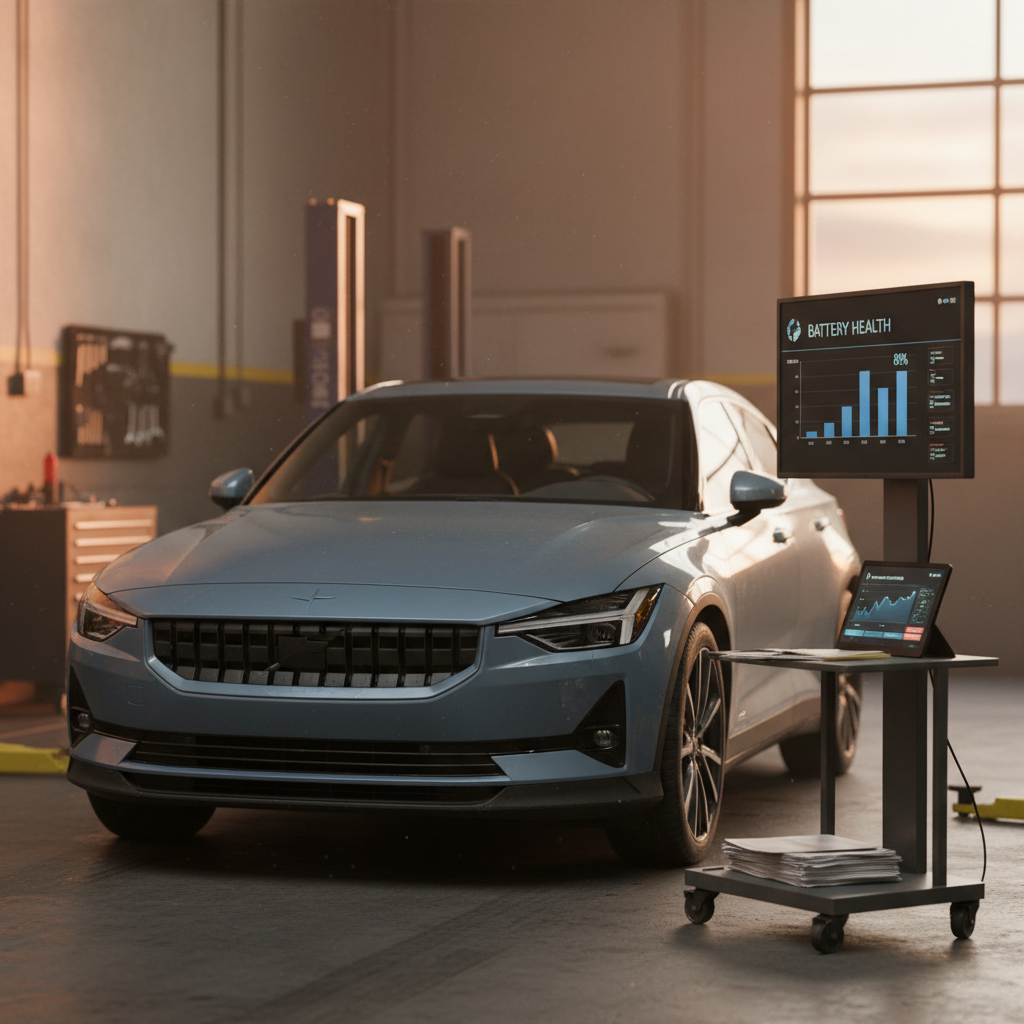
- Every vehicle on Recharged comes with a Recharged Score and verified battery health diagnostics.
- Expert EV‑specialist support, nationwide delivery, and flexible financing.
Ideal for: budget‑conscious drivers who still want transparency on battery health.
Why many CT drivers go used after lease shopping
Ready to find your next EV?
Browse VehiclesHow to shop and negotiate EV leases at Connecticut dealers
Dealers in Connecticut know two things: EV incentives are complicated, and most shoppers don’t have time to read program bulletins. Your job is to be the exception, the well‑briefed customer who can’t be dazzled by a big red payment on the desk calculator.
Step‑by‑step: shopping EV leases in Connecticut
1. Start online with payment builders
Use manufacturer sites and third‑party tools to configure your preferred EV, then save or print the payment breakdown. This gives you a baseline before you introduce trade‑ins, loyalty rebates, or local CHEAPR rules.
2. Email multiple Connecticut dealers
Ask for an <strong>itemized lease quote</strong> on your chosen trim, including MSRP, selling price, incentives, residual, money factor, fees, miles per year, and how any CHEAPR rebate is applied. Make them put everything in writing.
3. Compare selling price, not just payment
Two dealers can show the same monthly with very different selling prices and fees. Push for a <strong>discount off MSRP</strong> before incentives; that discount still matters even if the lease is heavily subsidized.
4. Ask point‑blank about lease cash
Manufacturers often publish internal lease support that never appears on public websites. Ask, "Is there any manufacturer lease cash or bonus cash on this VIN that isn't in your quote yet?" Then wait through the awkward silence.
5. Time your deal to program cycles
Many EV incentives reset monthly or quarterly. If you’re near the end of a program window and inventory is deep, Connecticut dealers may be more willing to squeeze margins to hit bonus targets.
“A good EV lease feels boring on paper. You understand every number, nothing is hidden, and the car quietly saves you money versus a comparable gas model. If the deal feels exciting and mysterious, you’re probably the one being financed.”
Stacking incentives: CHEAPR, utility programs, and dealer cash
The art of the 2026 EV lease in Connecticut is stacking, layering manufacturer lease support, state rebates, and any utility perks into a coherent package. Done right, this is how a $55,000 EV suddenly behaves like a $38,000 crossover on your monthly budget.
- Confirm the EV is CHEAPR‑eligible by MSRP and model year before you start negotiating. A fully loaded trim can quietly push the car over the cap.
- Have the dealer subtract any CHEAPR Standard or Rebate+ amount from the capitalized cost, then recompute the payment. That rebate shouldn’t disappear into doc fees.
- Ask explicitly what manufacturer lease cash or bonus programs are baked into the quote. This is separate from CHEAPR and can be worth thousands on the right model.
- Check whether your utility offers off‑peak charging rates or a one‑time rebate for installing a Level 2 charger at home. That doesn’t change the lease math but does change your total monthly transportation cost.
- If the stack still looks underwhelming, get a purchase quote and compare it against a used EV scenario, for instance, financing a late‑model EV from Recharged with its battery health already verified.
Use Recharged to price‑check "great" leases
Common pitfalls with EV leases in 2026
EV leases have their own booby traps, many of them legacy artifacts from the Wild West phase of electric‑car retail. Connecticut shoppers in 2026 are in better shape than the pioneers, but there are still a few ditches to avoid.
Four mistakes that turn a good EV lease bad
Watch for these especially in high‑pressure end‑of‑month conversations
Overestimating the mileage cap
Dealers love to sell you a low monthly on 7,500 or 10,000 miles per year, knowing full well you commute from New Haven to Hartford every day.
Buy the miles you actually need up front; you don’t want to be paying Connecticut‑taxed overage fees at lease‑end.
Ignoring fees and add‑ons
Window etching, nitrogen in the tires, $1,500 ‘protection’ packages, none of this moves the range figure one digit, but it can quietly add $40–$60 a month.
Politely but firmly decline anything that doesn’t clearly add value to an EV.
Not reading battery + warranty fine print
Most EVs cover the battery for 8 years or more, but you should still know the degenerative thresholds and what’s considered ‘normal.’
If you think you might buy the car at lease‑end, that fine print suddenly matters a great deal.
Assuming every EV lease is subsidized
In 2026, some models are on fire‑sale lease programs; others are effectively full‑boat financing in disguise. Don’t assume “EV” automatically equals “deal.”
Run the same effective‑monthly math on every quote, every time.
The one thing you should never do
FAQ: EV lease deals in Connecticut for 2026
Frequently asked questions
Bottom line: finding the best EV lease deal in Connecticut
In 2026, the best EV lease deals in Connecticut aren’t hiding in some secret spreadsheet. They live at the intersection of three things: a model the automaker is eager to move, a CHEAPR‑friendly MSRP, and a dealer willing to put every number on the table. If you treat lease hunting like a math problem instead of a magic show, you’ll quickly see which offers are actually subsidized and which are just paint‑and‑tape advertising.
If the lease stars align, strong manufacturer support, a healthy CHEAPR rebate, sane money factor, sign the papers, enjoy the silent torque, and let someone else worry about long‑term battery degradation. If they don’t, zoom out. A late‑model used EV with verified battery health from Recharged may deliver the same or better monthly cost with fewer strings and more transparency. Either way, clarity is the real deal you’re after; everything else is just window dressing on the glass.