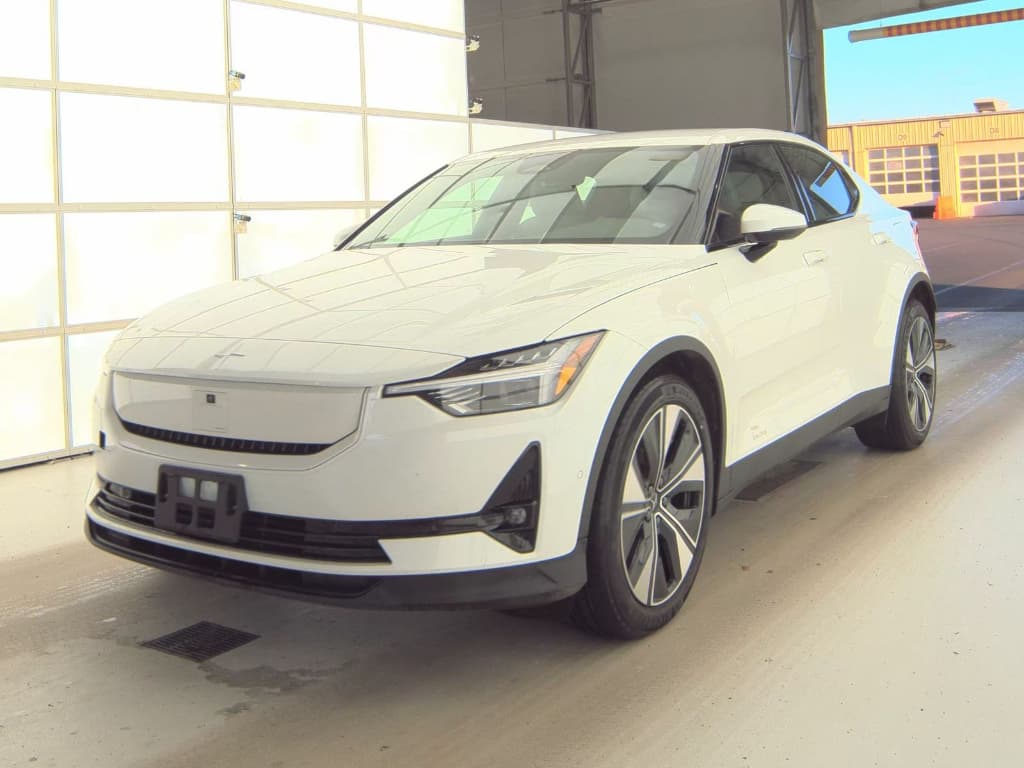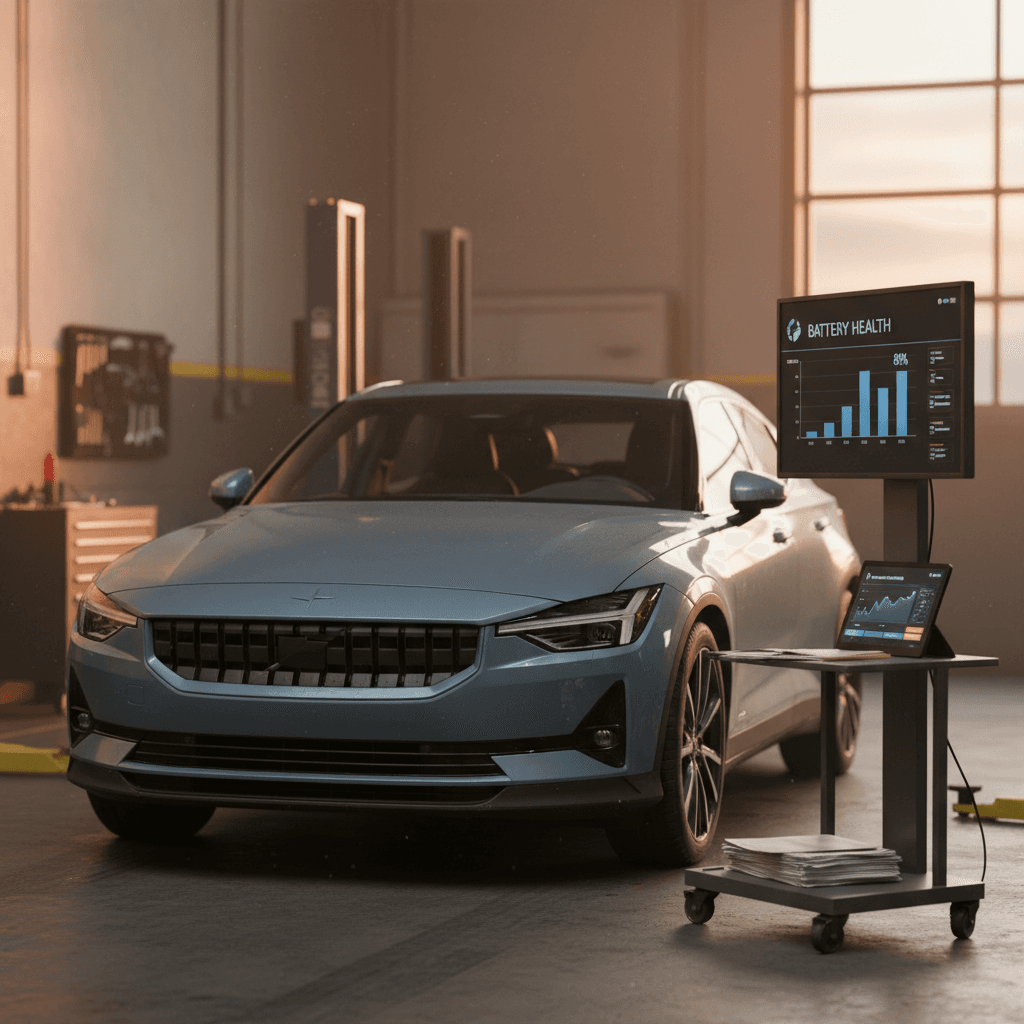
If the Tesla Model 3 is the iPhone of compact EVs, the 2023 Polestar 2 is the beautifully machined Android flagship the design team actually cared about. As a used buy, the 2023 Polestar 2 sits at a fascinating crossroads: deep depreciation, serious real‑world range, and a few very Scandinavian quirks. This review focuses specifically on the 2023 Polestar 2 as a used car, what it’s really like to live with in 2026, what you should pay, and where the bodies (and batteries) are buried.
Who this review is for
Why the 2023 Polestar 2 is such an interesting used EV
- It’s one of the first EVs to run full Google Android Automotive, not CarPlay bolted on top.
- The 2023 model year sits in the sweet spot: more refined than early cars but cheaper than 2024–2025 revisions.
- Depreciation has been… enthusiastic, putting a premium EV into mid‑priced territory.
- It carries Volvo DNA in safety and structure but is still a young brand with growing‑pains service support.
2023 Polestar 2 at a glance (used market view)
New, the 2023 Polestar 2 positioned itself as the cooler, moodier Scandinavian alternative to a Model 3. Used, it’s turned into one of the better value plays in the premium EV space: you’re effectively buying a design object with a Google brain at a Camry‑Hybrid monthly payment. The catch is making sure you get the right battery, the right motor configuration, and a car that hasn’t been used as an unpaid beta‑tester.
Powertrains, range and real-world efficiency
For the U.S. in 2023, the Polestar 2 lineup centered on a 78 kWh gross (about 75 kWh usable) battery and two main powertrains:
2023 Polestar 2 U.S. powertrains
Key specs you’ll care about as a second owner.
| Trim | Drivetrain | Power | EPA Range (est.) | Character |
|---|---|---|---|---|
| Long Range Single Motor | FWD | ≈231 hp | ~270 mi | Best range and efficiency, relaxed performance. |
| Long Range Dual Motor | AWD | ≈408 hp | ~260 mi | Serious shove, small range penalty. |
| Dual Motor w/ Performance Pack | AWD | Up to ~476 hp | ~247–250 mi | Very quick, firm ride, least range. |
EPA figures are for 2023 model year U.S. cars; real‑world range will vary with climate, speed, and wheel choice.
In practice, owners tend to see 200–230 miles of realistic highway range in mixed conditions on dual‑motor cars and a bit more on the single motor, especially on 19‑inch wheels. The Performance Pack’s uprated power and 20‑inch wheels add drama and subtract miles; it’s the one you buy with your heart, not your spreadsheet.
Range tip for used buyers
Charging experience: home and on the road
On paper, the 2023 Polestar 2 can DC fast charge at up to 155 kW, which, properly pre‑conditioned, means a typical 10–80% session in roughly 35–40 minutes under ideal conditions. It’s not a Hyundai Ioniq 5 rocket‑charge, but it’s perfectly acceptable for coffee‑and‑bathroom‑break road tripping.
Living with a 2023 Polestar 2: charging reality
What you can actually expect day to day and on road trips.
At home
A 40–48A Level 2 charger will comfortably refill a mostly empty pack overnight. You’ll wake up with 200+ miles every morning, which is the entire point of EV life.
On the road
The Polestar 2 uses CCS, so it works on most non‑Tesla fast‑charging networks. Apps like PlugShare or ChargePoint are essential for planning in patchy regions.
Tesla access
With the CCS–to–NACS adapter era now in full swing, access to many Superchargers is improving. Always confirm your route stations support CCS or your adapter before you leave.
Charging network caveat
Home charging is where the Polestar 2 shines: quiet, predictable, and drama‑free. If you don’t already have a 240V circuit at home, factor that into your budget. Recharged can help you pair a used 2023 Polestar 2 with a home‑charging setup and financing so you’re not stuck living at public chargers.
Interior, tech and day-to-day comfort
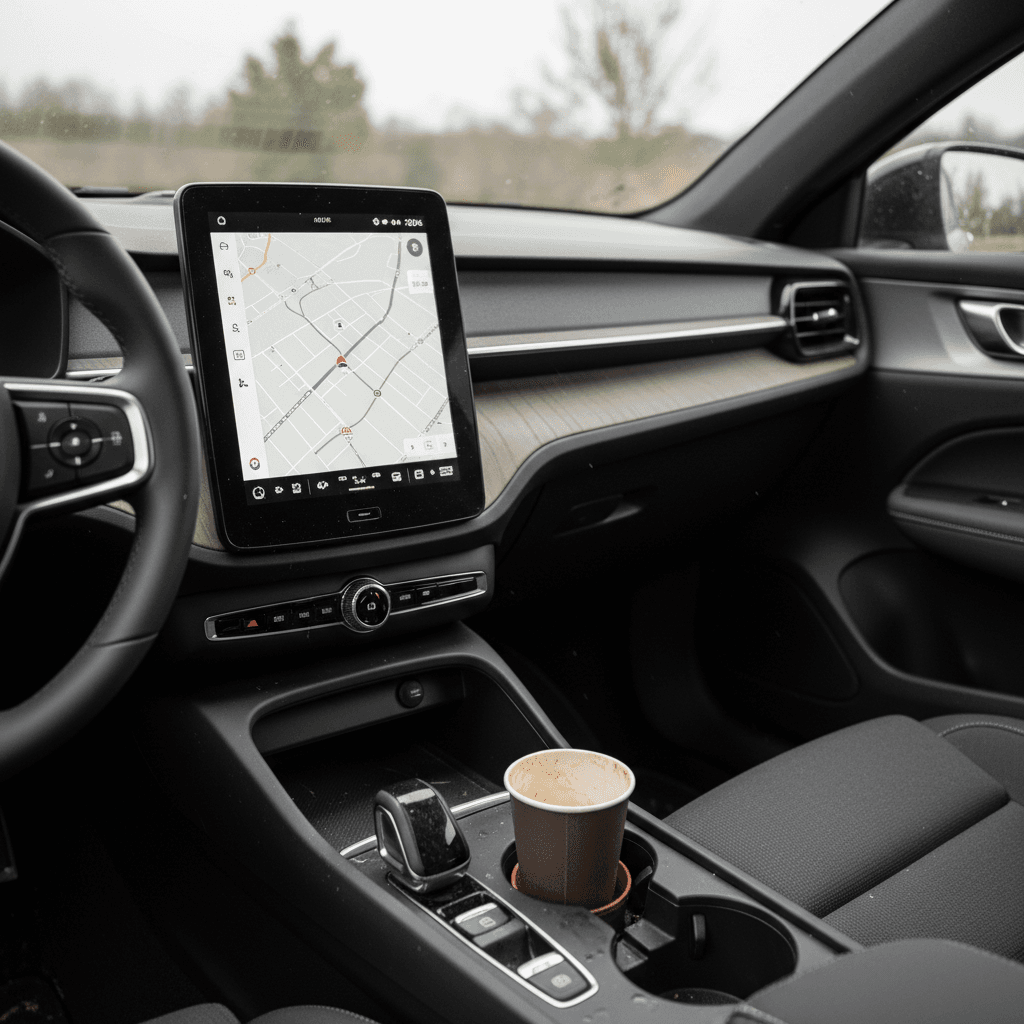
Step inside the 2023 Polestar 2 and you immediately understand the brand’s pitch: Volvo‑level safety bones wrapped in a cleaner, more architectural cabin. It’s less airy than an Ioniq 5, more serious than a Model 3, and almost Audi‑like in its materials if you find a car with the Plus Pack.
What it gets right
- Seats: Typically excellent Volvo‑family ergonomics; long‑drive comfortable.
- Materials: Real metal, thoughtful fabrics, restrained use of piano black.
- Infotainment: Native Google Android Automotive with Google Maps and Assistant baked in feels modern and intuitive.
- HVAC knobs: Still some physical controls, which you’ll appreciate on a bumpy road in winter gloves.
Where it compromises
- Rear space: Tightish back seat for adults compared with some rivals.
- Cargo: More hatchback than SUV, fine for a couple, borderline for a family of four road‑tripping.
- Screen reliance: Many settings buried in menus; tech‑shy drivers may need an adjustment period.
Google-native cabin
How the 2023 Polestar 2 drives
Polestar pitches itself as the performance‑oriented side of the Volvo family, and the 2023 Polestar 2 mostly delivers. The dual‑motor car is the one that feels suitably “Polestar”: instant, almost brusque acceleration, confident all‑wheel drive traction, and a sense of dense, Germanic solidity. The single‑motor car, by contrast, is more about serenity than speed.
Driving character: single motor vs dual motor
Same shell, very different personalities.
Single Motor (FWD)
- 0–60 mph in roughly 7 seconds, quick enough, not thrilling.
- Lighter front end, slightly calmer ride and steering.
- Best choice if you care more about comfort and range than speed.
Dual Motor (AWD) & Performance Pack
- Standard dual motor is properly quick; Performance Pack adds real shove.
- AWD traction is a confidence boon in wet or snowy climates.
- Performance Pack’s Öhlins dampers can feel busy on broken pavement, test drive on your worst local roads.
Dynamic sweet spot
Depreciation and used pricing for the 2023 Polestar 2
Here’s where the 2023 Polestar 2 gets very interesting. Polestar is still a young brand, and the market has priced in that uncertainty. By 2026, 2023 cars are generally trading at a noticeable discount to original MSRP, more so than some mainstream rivals.
2023 Polestar 2 value snapshot (approximate)
Approximate U.S. market values as of early 2026. Exact numbers will vary by mileage, options, and region.
| Condition | Typical mileage | Indicative price range | Notes |
|---|---|---|---|
| Clean used, Single Motor | 20k–35k miles | mid-$20,000s to high-$20,000s | Best entry price, especially without pricey option packs. |
| Clean used, Dual Motor | 20k–35k miles | upper-$20,000s to low-$30,000s | Power and AWD for roughly mainstream‑sedan money. |
| Performance Pack, low miles | <25k miles | low-to-mid $30,000s | Niche buyer; depreciation softens the sting of the original upcharge. |
Think of these as ballpark shopping bands, not quotes, Recharged will always show you current, VIN‑specific market data.
Multiple analyses of Polestar 2 resale show the 2023 model retaining roughly 60–65% of its original MSRP after a few years on the road. That’s not terrible, but it is softer than the best‑in‑class depreciation curves. The upside is entirely yours as a second owner: you’re effectively letting the first owner pay for brand‑risk and early‑cycle anxiety.
Leverage depreciation to your advantage
Reliability, issues and ownership quirks
The 2023 Polestar 2 is built on proven Volvo hardware, but the brand is still maturing its dealer and service footprint. The car itself doesn’t have a reputation for catastrophic mechanical failures; the weak points tend to be software, infotainment, and the occasional component gremlin, plus the inconvenience of needing parts shipped from Europe in some cases.
- Infotainment glitches: frozen screens, laggy apps, occasional Google‑service weirdness that usually resolves with updates or resets.
- 12V and high‑voltage battery‑related warnings: sporadic reports of battery system faults leading to reduced power or a dealer visit.
- Camera and sensor issues: intermittent rear‑camera or driver‑assist alerts, occasionally tied to known campaigns or recalls.
- Parts and service delays: in some regions, owners report longer waits for parts and less Polestar‑savvy service advisors compared with mass‑market brands.
Do not skip a software and recall check
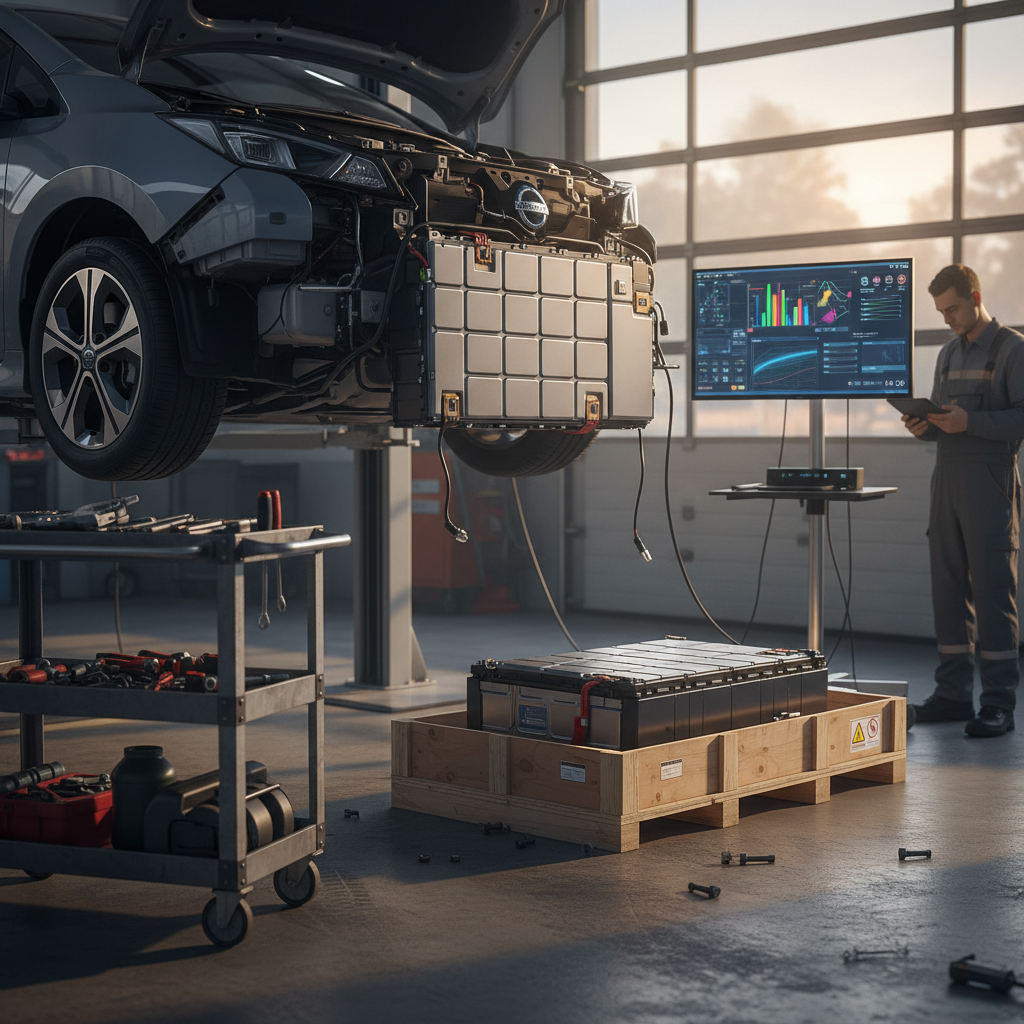
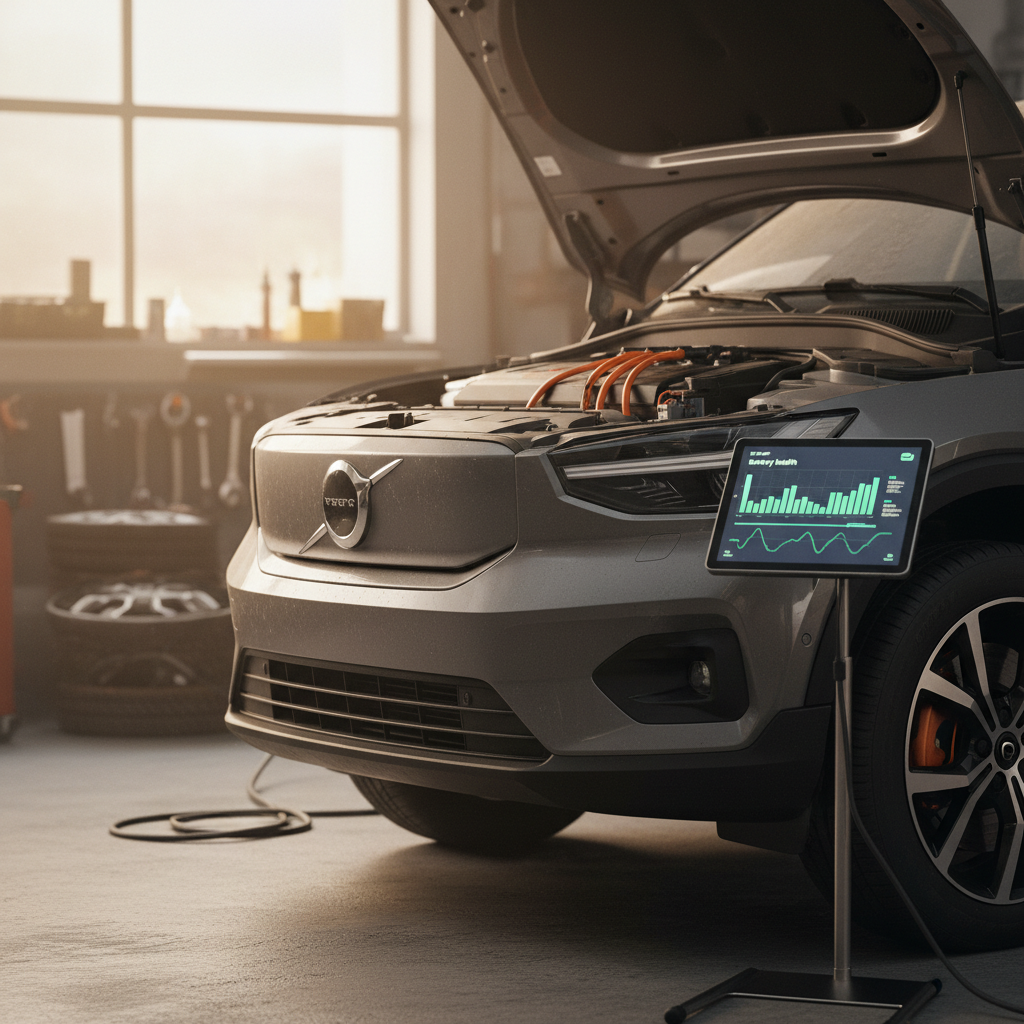
As with any young premium brand, experience varies wildly by region. Some owners report near‑flawless reliability; others describe a laundry list of relatively small but annoying defects. This is where a structured inspection and a third‑party battery health report, like the Recharged Score, are worth their bytes.
Single motor vs dual motor: which 2023 Polestar 2 to buy used?
Choosing between the Long Range Single Motor and Long Range Dual Motor is the single biggest decision you’ll make with a used 2023 Polestar 2. It defines your range, performance, winter confidence, and often price.
How to decide between single and dual motor
1. Be honest about your driving style
If you like a quick pass, on‑ramp squirt, or you’re coming from a performance‑oriented ICE car, the dual motor will feel more in line with your expectations. If you mostly trundle to work and back, the single motor is plenty.
2. Consider your climate
Snowy, hilly, or wet environment? AWD dual motor is the safer, more confidence‑inspiring choice, especially with winter tires. In dry, mild climates, FWD isn’t a liability.
3. Range vs speed trade
Single motor buys you a bit more range and slightly better efficiency. Dual motor shrinks the battery faster when driven hard. Decide whether you value fewer charging stops or more grins per mile.
4. Insurance and tire costs
Dual‑motor and Performance Pack cars can be more expensive to insure and chew through those 20‑inch tires faster. If you’re budget‑sensitive, a single‑motor or non‑Performance dual motor on 19s is a better long‑term play.
5. Resale considerations
Enthusiast buyers often prefer dual‑motor cars, which may help resale, but the market for single‑motor efficiency‑seekers is growing as EVs move mainstream.
Our used‑buyer pick
2023 Polestar 2 vs used Tesla Model 3 and other rivals
If you’re looking at a used 2023 Polestar 2, you’re almost certainly also scrolling past used Tesla Model 3s, Hyundai Ioniq 5s, and Ford Mustang Mach‑Es. Each answers the same brief, compact-ish, five‑door EV, very differently.
How a used 2023 Polestar 2 stacks up
High‑level comparison against typical used‑market alternatives in 2026.
| Model | Strengths | Weak points as a used buy |
|---|---|---|
| Polestar 2 (2023) | Design, cabin quality, Google‑native tech, solid performance. | Smaller service network, some software gremlins, tight rear seat. |
| Tesla Model 3 (2022–2023) | Supercharger access, efficiency, huge network, over‑the‑air updates maturity. | Interior feels cheaper, build consistency still variable, more common on the road. |
| Hyundai Ioniq 5 | Ultra‑fast charging, roomy interior, retro‑cool design. | Bigger footprint, infotainment not as slick as Polestar’s, dealer support varies. |
| Ford Mustang Mach‑E | Comfortable ride, familiar dealer network, practical space. | Charging curve can lag rivals, software still evolving, weight dulls dynamics. |
Exact figures vary by trim and year; focus on character and ownership feel, not the last mile of EPA range.
When the Polestar 2 is the better choice
- You value a high‑quality interior and don’t want a minimalist white box.
- You like the idea of Google Maps and Assistant as native systems.
- You’re okay leaning on home charging and planning road‑trip stops.
When you might prefer something else
- You live deep in Tesla‑country and road‑trip constantly → a used Model 3 is still the path of least resistance.
- You need maximum rear legroom and cargo → Ioniq 5 or Mach‑E will feel more like small SUVs.
- You’re allergic to app glitches and software experiments → stick to brands with longer EV track records.
Buying a used 2023 Polestar 2: checklist
Essential checks before you sign
1. Pull a detailed battery health report
Battery health is the beating heart of any used EV purchase. Ask for objective data on usable capacity and fast‑charge history. On Recharged, every Polestar 2 listing includes a <strong>Recharged Score</strong> with verified battery diagnostics so you’re not buying blind.
2. Verify software version and recall status
Confirm that all safety recalls and major software campaigns have been completed. A car that’s lagging updates can feel buggy and may hide unresolved issues.
3. Inspect tires, wheels and brakes
Performance Pack and 20‑inch wheel cars are more likely to have curb rash and uneven tire wear. Budget for a new set of tires if tread is low, these are not cheap consumables.
4. Test all driver‑assist and camera systems
On a test drive, deliberately engage adaptive cruise, lane‑keeping, 360° cameras and parking sensors. Watch for warning lights, dropouts or odd behaviour.
5. Check charging behavior
If possible, plug into both Level 2 and DC fast chargers during your test. Confirm the car wakes up properly, communicates with the station and charges at expected speeds without throwing alerts.
6. Evaluate service access in your area
Find out where the nearest qualified Polestar or Volvo service center is and talk to them about parts availability and loaner policies. A great car is less fun if every small issue becomes a two‑week parts wait.
7. Review ownership costs and financing
Factor in home‑charging installation, insurance and maintenance. Recharged can bundle financing, trade‑in and nationwide delivery, and we price each car against fair‑market data so you’re not paying new‑car money for used‑car risk.
FAQ: 2023 Polestar 2 questions for used buyers
Frequently asked questions about the 2023 Polestar 2 (used)
Verdict: is a used 2023 Polestar 2 worth it?
The 2023 Polestar 2 is a deeply compelling used EV if you approach it with clear eyes. It’s not the efficiency champion or the charging‑network king, that’s still Tesla’s turf. What it gives you instead is a uniquely tasteful blend of Scandinavian design, Volvo‑inspired safety, and Google‑native tech, wrapped in a driving experience that can be anything from calm and composed to genuinely quick, depending on your chosen motor count.
As a second owner, you benefit from meaningful depreciation and still‑fresh hardware, but you take on some brand‑immaturity risk in software and service. If you can live with that, and you’re willing to do your homework on battery health, recalls and local support, the used 2023 Polestar 2 is one of the more interesting, characterful EVs you can buy in the high‑$20,000s to low‑$30,000s today.
If you’d like to shortcut the guesswork, browsing a 2023 Polestar 2 on Recharged means seeing verified battery diagnostics, fair‑market pricing and expert EV guidance up front, so you can decide with data, not just desire.