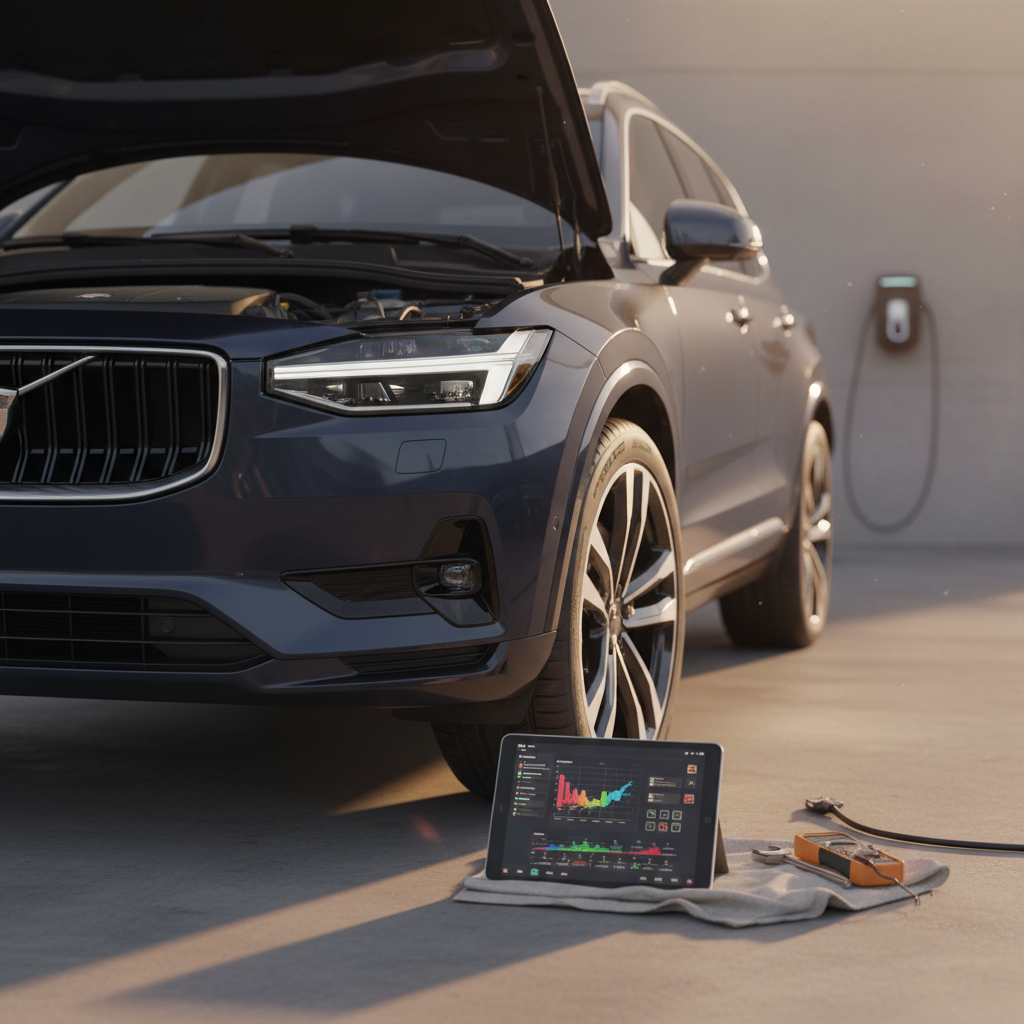
When shoppers ask about the best EV batteries, they usually mean one of three things: which battery lasts the longest, which gives the most range, or which will cause the fewest headaches when they buy a used electric car. The honest answer in 2025 is that no single chemistry wins every category, but some are clearly better fits for certain drivers and budgets.
Key takeaway
Why “best EV battery” isn’t one-size-fits-all
Before you crown any chemistry as having the "best" EV battery, you need to define best for what. A commuter who charges at home and keeps the car for 10 years cares about longevity and low maintenance. A frequent road‑tripper may prioritize long highway range and fast DC charging. A value‑focused buyer might want the lowest cost per mile and a battery that still looks strong when it’s time to resell or trade in.
Three ways to define the “best” EV battery
Range, longevity, and total cost of ownership rarely point to the same chemistry.
Best for range
High energy density batteries, usually nickel‑based NMC or NCA, let automakers pack more kWh into the same space, boosting rated range.
Best for lifespan
Stable chemistries like LFP typically tolerate more charge cycles and frequent fast charging with less degradation, especially if sized correctly.
Best for cost
Cheaper cathode materials and simpler supply chains make LFP packs attractive for lower‑priced EVs without sacrificing everyday usability.
How to think about “best”
EV battery chemistries in 2025: What’s on the road now
Two chemistries dominate the EV market today. Nickel‑based lithium‑ion batteries, typically NMC (nickel‑manganese‑cobalt) or NCA (nickel‑cobalt‑aluminum), remain the default for higher‑range EVs in North America and Europe. They offer strong energy density and performance, which is why you see them in many long‑range crossovers and premium models.
At the same time, lithium‑iron‑phosphate (LFP) has exploded in popularity, especially in China and increasingly in the U.S. Automakers like Tesla, Ford, and GM are either already using LFP in certain trims or publicly planning to, because the chemistry is cheaper, uses no nickel or cobalt, and is exceptionally robust for daily use.
- Nickel‑based (NMC/NCA): Higher energy density, better cold‑weather performance, typically used in long‑range and performance EVs.
- LFP: Lower cost, outstanding cycle life, slightly lower energy density, often used in standard‑range or value‑oriented EVs.
- Others (LMFP, NMC‑rich variants, semi‑solid): Emerging tweaks that trade off cost, stability, and energy density as automakers fine‑tune their lineups.
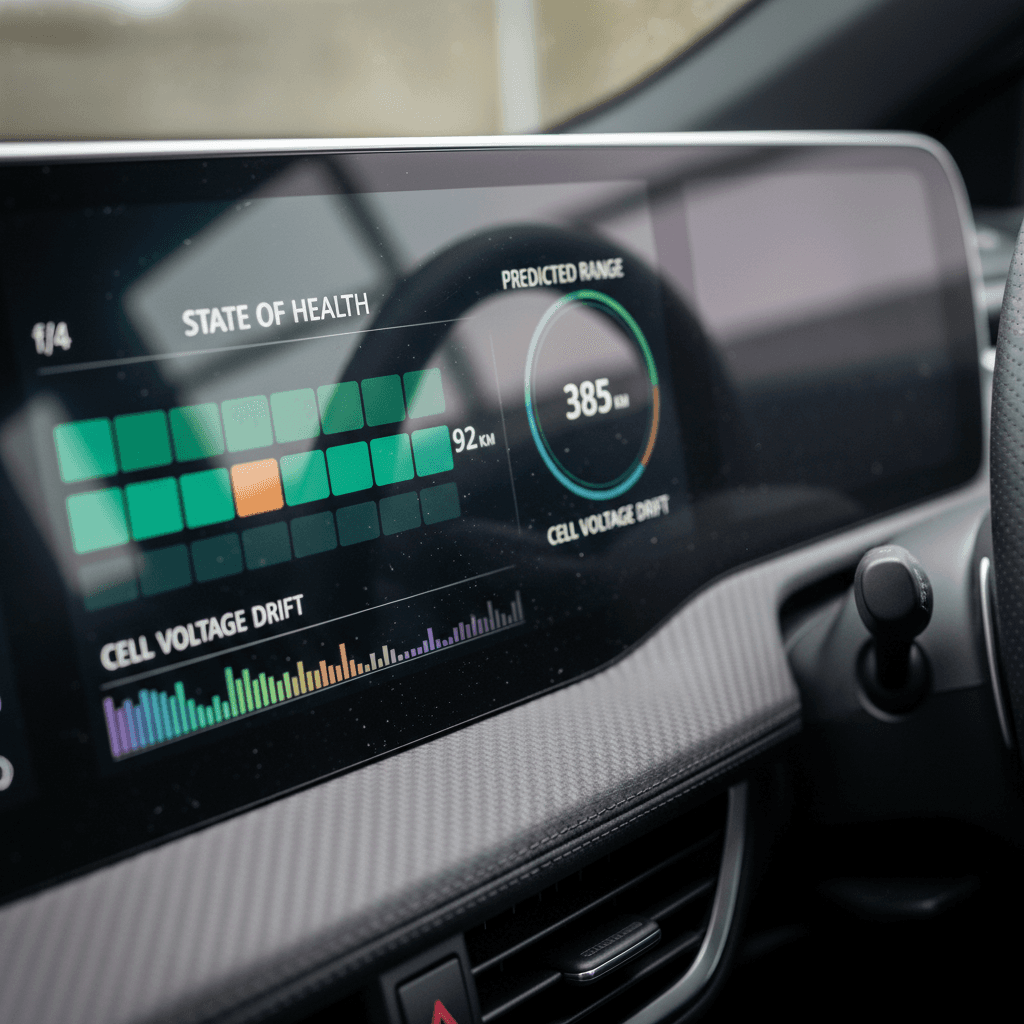
LFP vs NMC: Which EV battery is best for you?
LFP batteries: Durable workhorses
- Pros
- Excellent cycle life, well suited for frequent charging and high mileage.
- Lower risk of thermal runaway and fire compared with some nickel‑rich chemistries.
- Uses abundant iron and phosphate instead of nickel and cobalt.
- Happier living at high state of charge (SoC), which is ideal if you mostly charge at home.
- Cons
- Lower energy density, so automakers either accept shorter range or add more cells (cost/weight).
- More noticeable cold‑weather range penalties vs some nickel‑based packs.
NMC/NCA batteries: Long‑range specialists
- Pros
- Higher energy density means more miles of range per kWh.
- Very strong performance in acceleration‑focused models.
- Better cold‑weather behavior than many LFP packs.
- Cons
- More sensitive to fast charging and consistently high SoC if abused.
- Uses nickel and often cobalt, which can be costlier and raise sourcing concerns.
- Can see more degradation if the pack is undersized for the vehicle’s use case.
Quick comparison: LFP vs NMC/NCA EV batteries
How today’s two main EV battery chemistries stack up on the metrics that matter to most drivers.
| Factor | LFP battery | NMC/NCA battery |
|---|---|---|
| Energy density (range) | Lower – usually shorter range for same pack size | Higher – longer range for same pack size |
| Cost per kWh | Generally lower | Generally higher |
| Cycle life | Very high | High, but more usage‑sensitive |
| Cold‑weather behavior | More range loss in cold | Better cold performance |
| Safety profile | Very strong, thermally stable | Good but more sensitive to abuse |
| Best fit | Daily commuting, city driving, value models | Long‑distance, performance, premium EVs |
In the used market, the overall pack design, thermal management, and how the vehicle was used often matter as much as the chemistry itself.
Where LFP shines in the U.S.
Real‑world battery life and degradation
Battery degradation is where perception and reality have diverged the most. Early on, many shoppers worried they’d be replacing a multi‑thousand‑dollar battery every few years. Real‑world data from long‑term tests and fleet telemetry is painting a different picture: most modern EV packs are aging more slowly than expected under normal use.
What recent studies show about EV battery life
Why real driving can be easier on batteries than lab tests
- Keeping your EV within a moderate SoC window (say 20–80%) for daily use can meaningfully slow degradation.
- Regular fast charging is less damaging than it used to be, but repeated 0–100% DC fast charges will still age most packs faster.
- Heat is the enemy, garaged cars and vehicles with robust liquid cooling usually age more gracefully.
- Bigger packs often degrade more slowly in percentage terms because each mile uses a smaller slice of total capacity.
Future “best” batteries: Solid‑state and next‑gen chemistries
If you’re wondering whether you should wait for a dramatically better battery, the next big headline is solid‑state. In simple terms, these designs replace the liquid electrolyte in today’s lithium‑ion packs with a solid one. Done right, that can improve energy density, safety, and fast‑charging capability all at once.
Major automakers and suppliers are racing to turn prototypes into production cells. Toyota, for example, has publicly targeted the 2027–2028 window for its first solid‑state EVs, while other players, from Nissan to Volkswagen/QuantumScape, are lining up pilot fleets around the same timeframe. Early claims talk about ranges north of 600 miles and 10‑minute fast charges, but those numbers will depend heavily on final pack design and cost.
Don’t hold your purchase for a science project
- Semi‑solid batteries and manganese‑rich chemistries are already appearing in some Chinese‑market models, offering incremental gains in safety and cold‑weather performance.
- Sodium‑ion batteries are also emerging for lower‑cost, short‑range vehicles and stationary storage, but they’re largely absent from the U.S. EV market so far.
- Ongoing improvements in battery management software are squeezing more life and usable range from existing chemistries without dramatic hardware changes.
Best EV batteries by driver type and use case
“Best” battery depends on how you drive
Four common driver profiles, and which battery characteristics matter most.
Urban & suburban commuters
Best fit: LFP or conservative NMC pack with modest range (220–280 miles).
- Daily charging at home or work is easy.
- Longevity and low running cost matter more than maximum range.
- LFP shines here thanks to high cycle life and lower cost.
Frequent highway travelers
Best fit: Higher‑energy NMC/NCA packs offering 280+ miles of real‑world highway range.
- Higher energy density keeps pack size reasonable.
- Better cold‑weather behavior than many LFP options.
- Look for vehicles with strong thermal management and robust fast‑charge curves.
Towing & heavy loads
Best fit: Large, well‑cooled pack, usually nickel‑based today.
- Towing can slash range; starting with more kWh helps.
- Battery cooling is critical; study owner data and long‑term tests.
- A larger pack often degrades more slowly in percentage terms.
Budget buyers & fleets
Best fit: LFP‑equipped models or value‑oriented NMC cars with proven durability.
- LFP lowers upfront cost and can reduce total cost of ownership.
- Standard‑range trims are ideal if routes are predictable.
- For fleets, cell‑to‑pack LFP designs can simplify maintenance.
Match the pack to your pattern
How to assess a used EV’s battery before you buy
For used‑EV shoppers, the “best” battery is often the one that’s proven itself over its first few years and still has plenty of life left. That makes objective battery‑health data more important than the spec sheet your salesperson hands you.
Used EV battery health checklist
1. Ask for a battery health report
Look for an independent or OEM‑level report showing remaining capacity and state of health, not just a dashboard guess. Recharged includes a <strong>Recharged Score battery health report</strong> on every vehicle, so you know what you’re getting before you sign.
2. Check mileage vs. age
A 5‑year‑old EV with 80,000 miles and a healthy pack can be a better bet than a 9‑year‑old car with 40,000 miles but limited software support. Age, mileage, and chemistry all interact, look at the full picture.
3. Review fast‑charging history if available
Heavy DC fast‑charging isn’t automatically bad, but frequent 0–100% fast charges in hot climates can accelerate wear. Some vehicles log this; others require telematics or third‑party diagnostics.
4. Look at warranty status and terms
Most OEMs cover batteries to around 70% capacity over 8–10 years. A car that still has several years of battery warranty remaining offers extra peace of mind.
5. Test real‑world range
If possible, take an extended test drive and watch how quickly the state of charge drops in mixed driving. Compare to the original EPA rating to sanity‑check the reported capacity.
6. Use marketplace tools
Digital‑first retailers like Recharged combine battery diagnostics, pricing data, and expert guidance so you can compare used EVs on more than just odometer and trim level.
How Recharged helps
Ready to find your next EV?
Browse VehiclesEV battery safety, warranties, and replacement cost
EV battery safety and replacement cost are often the last big questions shoppers have. The good news: major fires are rare relative to the total number of EVs on the road, and both LFP and modern nickel‑based packs are engineered with multiple safety layers, thermal management, fuses, and sophisticated software controls.
- Nearly all mainstream automakers offer 8‑year battery warranties; many cover 100,000–150,000 miles and guarantee at least ~70% capacity.
- Pack replacement costs vary widely by model and market, and full replacements are uncommon in the first owner’s tenure.
- Module‑level or partial repairs are becoming more common, which can reduce cost compared with full pack replacement.
- Safety recalls do happen, but manufacturers typically respond with software updates, repair campaigns, or in rare cases pack replacements.
What actually causes most EV battery issues
Frequently asked questions about the best EV batteries
Best EV batteries: Your questions answered
Bottom line: What’s the “best” EV battery today?
In 2025, the “best EV battery” isn’t a single chemistry, it’s the pack that best fits your driving, charging, and ownership timeline. LFP is emerging as a standout for value‑oriented and high‑mileage drivers who prioritize longevity and lower cost per mile. Nickel‑based NMC and NCA packs remain the go‑to option for long‑range and performance‑focused EVs, particularly for drivers who road‑trip often or deal with harsh winters.
What’s changed over the last few years is confidence: real‑world data is showing that modern EV batteries are lasting longer than many shoppers feared, especially when paired with robust cooling systems and sensible charging habits. If you’re shopping the used market, tools like Recharged’s Recharged Score Report give you a clear view of battery health so you can choose the car, and the chemistry, that’s truly best for the way you drive.