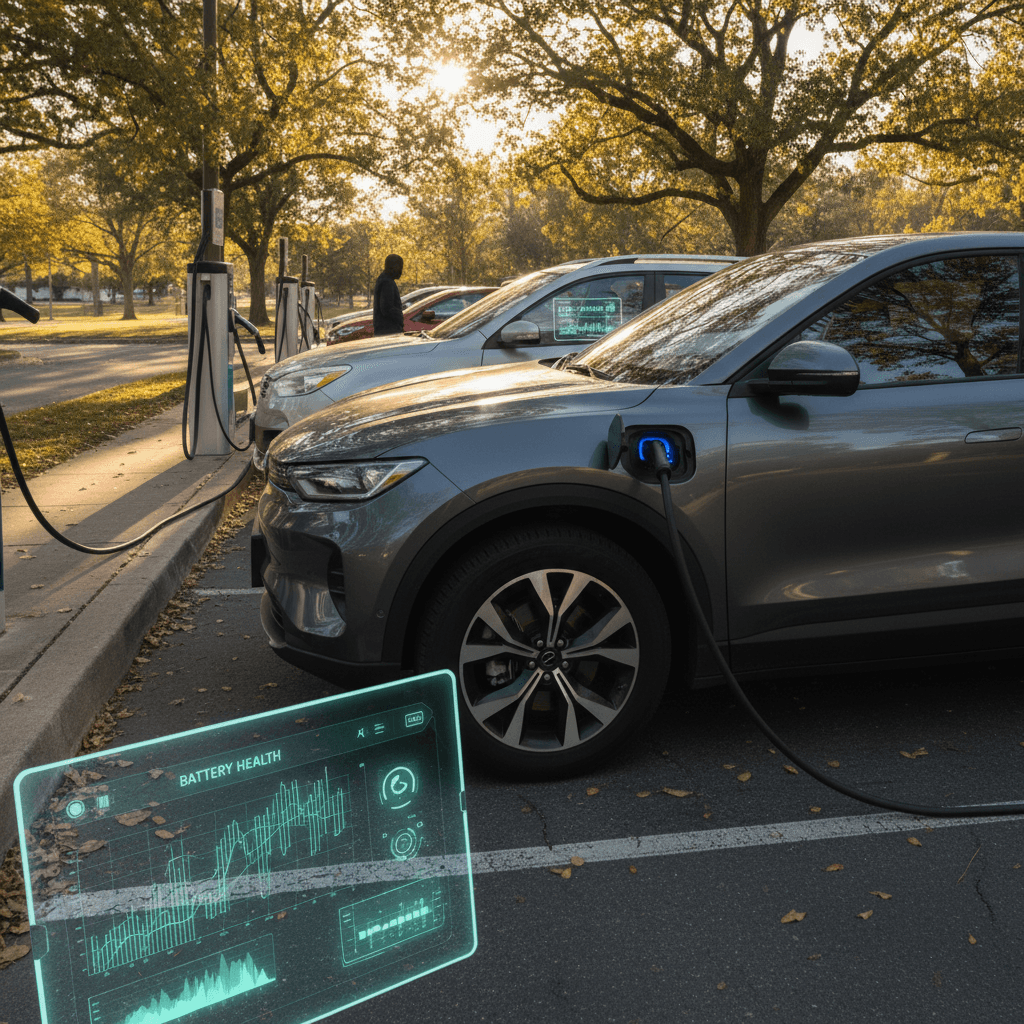
The best electric SUV is not automatically the newest, fastest, or most expensive model. Your answer depends on passenger space, home-charging access, road-trip habits, insurance costs, and the condition of the individual battery. Used models can offer compelling value, but two similar-looking vehicles may have meaningfully different battery histories. Start with this focused comparison, then use a broader used-EV buying guide to evaluate any finalist.
The best choice depends on your use case
The Tesla Model Y is the broad all-around choice, but the Rivian R1S, Kia EV6, Volkswagen ID.4, and Audi e-tron each make more sense for certain drivers. The right shortlist should reflect how you use the vehicle rather than which model wins a single specification. Use the table as a decision map, not an absolute ranking.
Used electric SUV shortlist
Five distinct choices for common electric-SUV priorities.
| Model | Best for | Main strength | Inspect closely |
|---|---|---|---|
| Tesla Model Y | Balanced daily use | Packaging and charging access | Controls and ride condition |
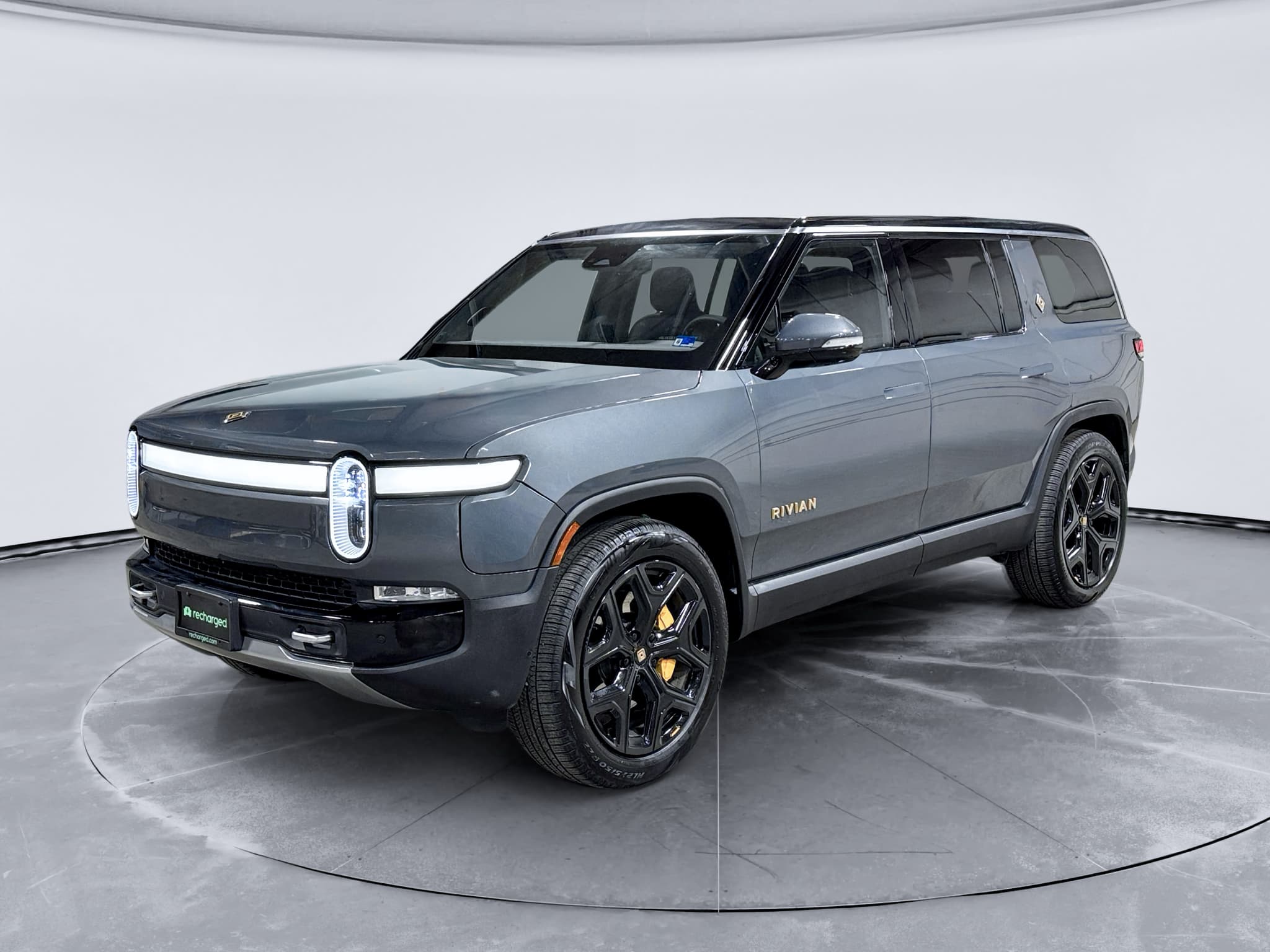
| Rivian R1S | Three-row utility | Space and versatility | Size and tire costs |
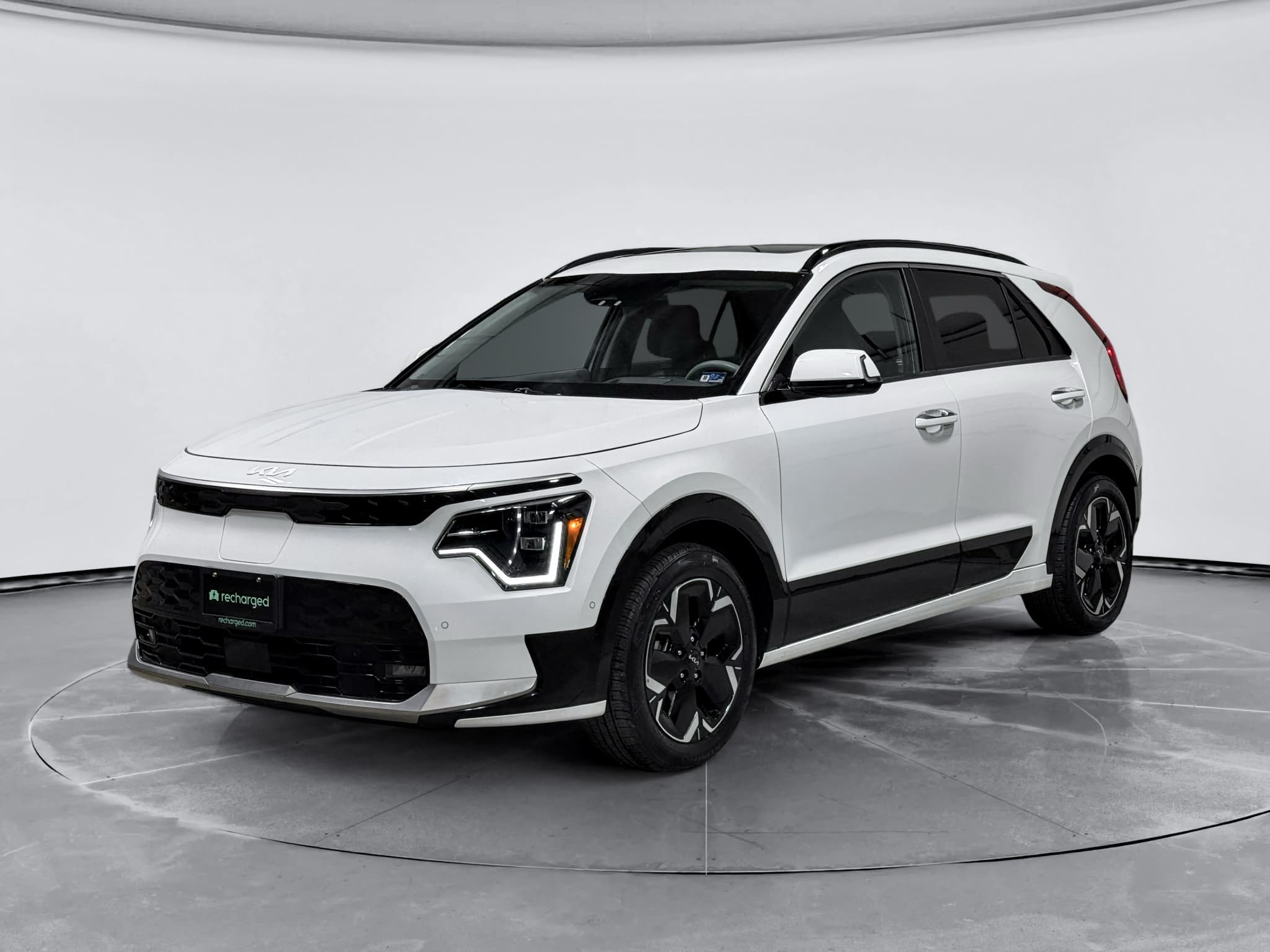
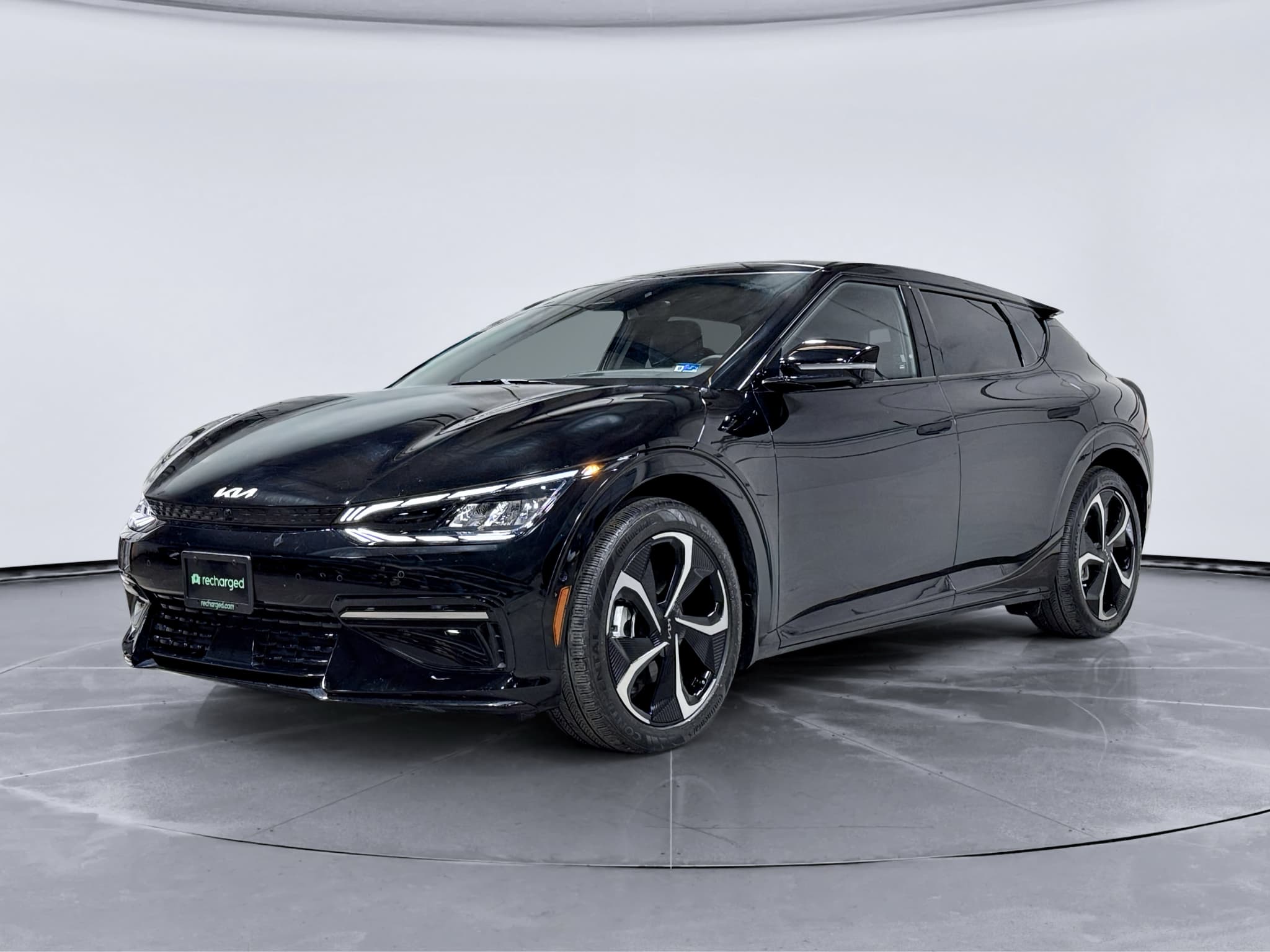
| Kia EV6 | Sporty crossover driving | Road-trip charging | Cargo shape and visibility |
| Volkswagen ID.4 | Comfort-focused commuting | Ride and cabin | Software interface |
| Audi e-tron | Luxury and quietness | Comfort and finish | Efficiency and repair costs |
Model years and equipment vary, so verify features, charging hardware, battery health, and condition on the specific vehicle.
If you want one place to begin, put the Model Y on the list because it covers the needs of many daily drivers without moving into the R1S's larger footprint. Choose the R1S when passenger capacity, flexible cargo space, and adventure-oriented utility are more important than efficiency or maneuverability. The EV6, ID.4, and e-tron are better treated as targeted alternatives: each emphasizes a different mix of driving character, comfort, charging, and luxury.
In one of our team's head-to-head EV exercises, the Rivian R1S kept getting picked over alternatives including the Model X, Audi e-tron, Honda Prologue, and Volvo EX90. That enthusiasm is real, but shoppers still need to account for the R1S's size, ownership costs, and the condition of the individual vehicle.
What Recharged data says about used-EV value
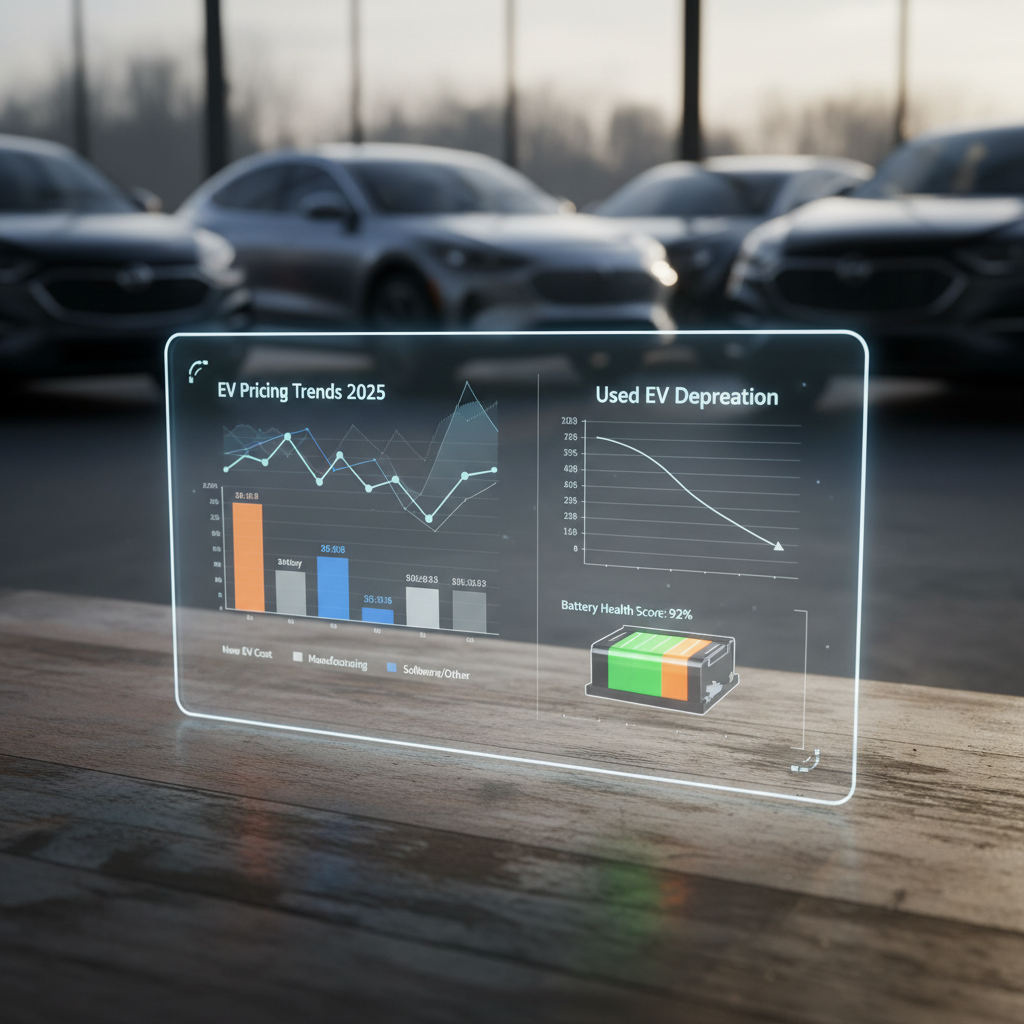
Recharged's own data shows that used EVs can retain strong tested battery capacity, although condition and purchase price vary enough to require vehicle-level verification. Across 2,242 Recharged Score inspections, tested remaining battery capacity averaged 93.9% of original capacity, with a 94.9% median. Median tested real-world range was 268 miles across that fleet, but this is a broad all-EV benchmark rather than a promise for any SUV or model.
Price data also provides a useful market reference without defining what every SUV should cost. Across 1,796 EVs sold by Recharged during the trailing 12 months, the median retail price buyers paid was $27,297 and the average was $29,901. Monthly median retail prices ranged from $23,928 in February to $30,998 in September, but changes in the mix of models sold mean that movement should not be read as appreciation for a particular SUV. The takeaway is straightforward: compare each vehicle with similar models and insist on verified condition rather than relying on a fleet-wide average.
Do not budget around a federal EV tax credit

Recharged data
Used EV battery health
94%
avg remaining capacity
From Recharged battery inspections, not manufacturer estimates.
- Lowest
- 63%
- Median
- 95%
- Highest
- 100%
- Est. range
- 266 mi avg
- Cell balance pass
- 100%
- Quick charges
- 18 avg
- Slow charges
- 65 avg
Average cell imbalance: 7.3 mV
Based on vehicles Recharged tested
Recharged data
Recent EV sold prices
$27,297
median sold price
What buyers actually paid through Recharged, not list price.
- Lowest
- $500
- Average
- $29,901
- Highest
- $129,998
Monthly median sold price
Based on Recharged sales in the last 12 months
Every EV is battery-tested with a Recharged Score. Nationwide delivery.
Battery condition matters more than the badge
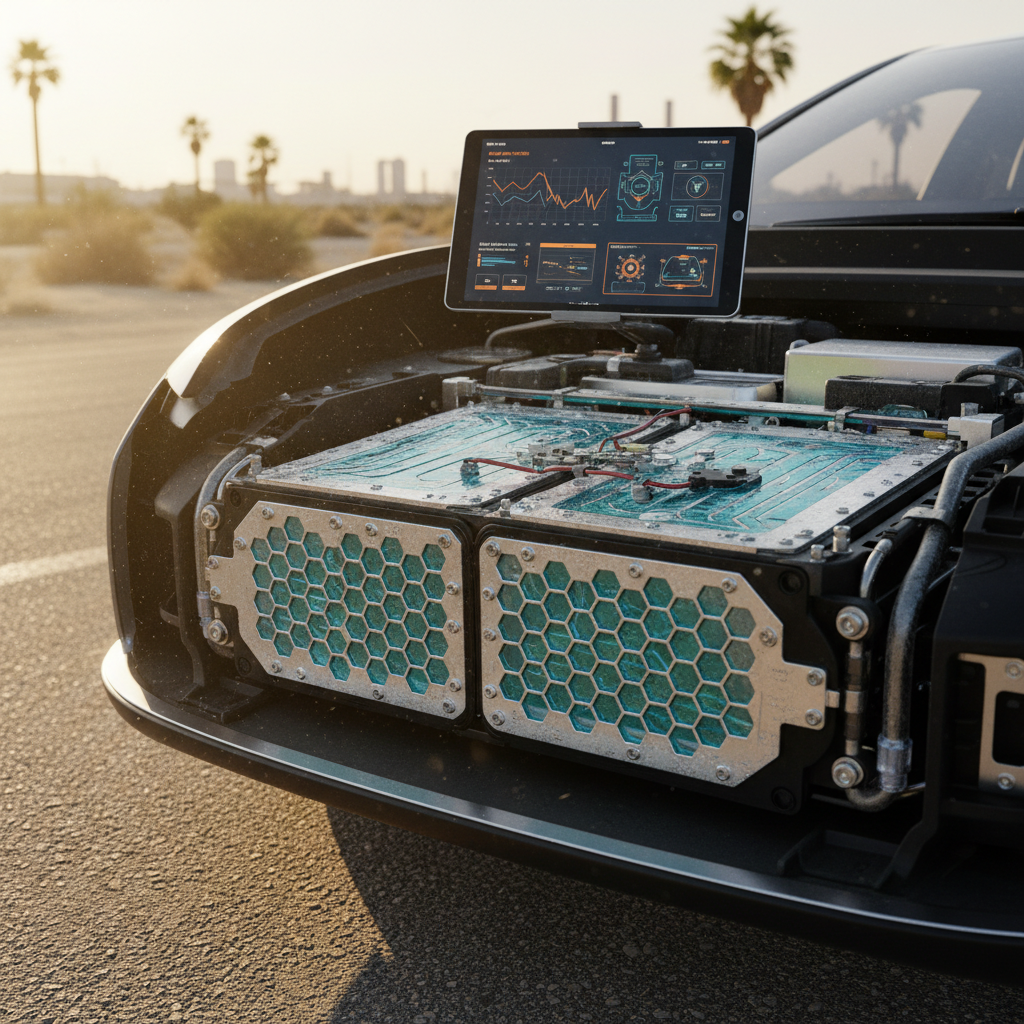
A verified battery report is more useful than mileage alone when you compare used electric SUVs. Remaining capacity describes how much energy the battery can hold relative to when it was new, while tested real-world range estimates how far that specific vehicle can travel under the test conditions. Neither number should be viewed in isolation because weather, speed, tires, elevation, and cabin heating or cooling can affect the range you experience. Learn more about how to check EV battery health before you commit.
What to verify before buying
Battery health
Review tested remaining capacity and estimated real-world range for the individual SUV, not just an online model estimate.
Charging fit
Confirm the charging port, included adapters, route compatibility, and whether you can install 240-volt Level 2 home charging.
Cabin and cargo
Bring child seats, mobility equipment, or representative luggage so you can test the space you actually need.
Tires and underbody
Check tire condition and inspect underneath for impact damage, missing panels, or signs of careless use.
Software and controls
Test the displays, cameras, phone integration, driver-assistance functions, keys, and mobile-app access.
Insurance and financing
Get model-specific quotes before buying because the monthly payment alone does not capture the full ownership cost.
We don't want shoppers guessing about battery condition from the odometer. A Recharged Score inspection tests remaining capacity and estimated real-world range so similar-looking SUVs can be compared using the condition of their actual batteries.
How should you make the final choice?
You should choose the SUV that passes three tests: it fits your routine, it charges conveniently, and its verified condition supports the asking price. Begin by estimating your normal daily driving and less-frequent long trips; the goal is enough usable range with a sensible buffer, not the largest possible battery. If you can charge at home, review this guide to electric-car charging at home; if you rely on public charging, check the stations and compatible plugs along routes you actually use. A test drive should then settle questions about visibility, ride quality, controls, and physical size.
Compare total ownership costs only after you have narrowed the field to vehicles that work for your life. Ask for an insurance quote, inspect tire condition, review financing terms, and find out what warranty coverage remains. If two candidates are close, favor the one with clearer service history, stronger battery diagnostics, and fewer unresolved condition questions. You can also use a range-needs guide to avoid paying for capability you rarely use.
Instant offer, trade-in, or consignment. Pickup available.
Frequently asked questions
The practical verdict
The Model Y is the most sensible first stop for a broadly capable used electric SUV, while the R1S is the stronger specialist for three-row space and utility. The EV6, ID.4, and e-tron deserve consideration when driving character, comfort, charging behavior, or luxury matters more than an all-around formula. Whichever model you prefer, buy the individual vehicle, not its reputation, by verifying battery health, tested range, condition, charging compatibility, and the complete ownership budget.