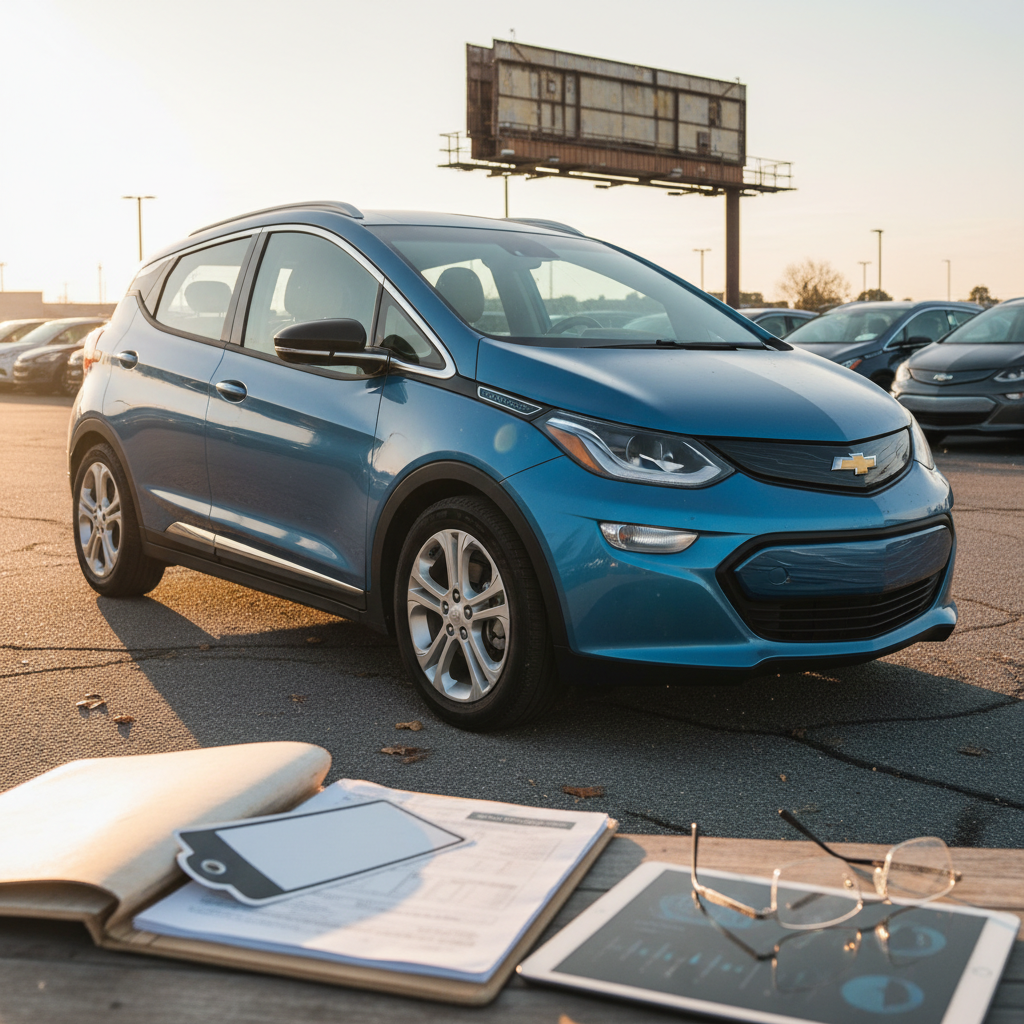
If you care about supporting American manufacturing, or you just want the strongest access to US‑only EV tax credits, looking at the best electric cars made in the USA is a smart place to start. The good news: the list now goes way beyond Tesla. Ford, GM, Rivian, Hyundai–Kia and others all assemble battery‑electric vehicles at US plants, and many of those models are excellent choices whether you’re buying new or shopping the growing used‑EV market.
Quick note on timing
Why American‑made EVs matter in 2026
Building EVs in the United States is about more than patriotism. It affects price, incentives, repair support and long‑term parts availability. US‑assembled EVs are better positioned to qualify for federal tax credits under current rules, and many states layer on extra rebates for vehicles built in North America. At the same time, the manufacturing map is shifting, with more EV and battery plants coming online across the South and Midwest.
The US EV and American‑made boom, by the numbers
Incentives change fast
How we define “best” and “American‑made”
What counts as “American‑made”?
For this guide, we focus on EVs that are assembled at US plants. Many still use global parts (including batteries), but final assembly happens in the United States, what most buyers and tax rules care about.
- Plant location in the US (not Mexico or Canada)
- Regular retail availability for US buyers
- Clear information on where mainstream trims are built
What makes an EV “best”?
“Best” depends on how you drive, but we weighted:
- Range and efficiency per dollar
- Ride, comfort and usability for daily life
- Charging speed and network access
- Reliability and resale, especially on the used market
- Availability, no vaporware or ultra‑low‑volume halo cars only
Tip for shoppers
Top 10 best electric cars made in the USA for 2026
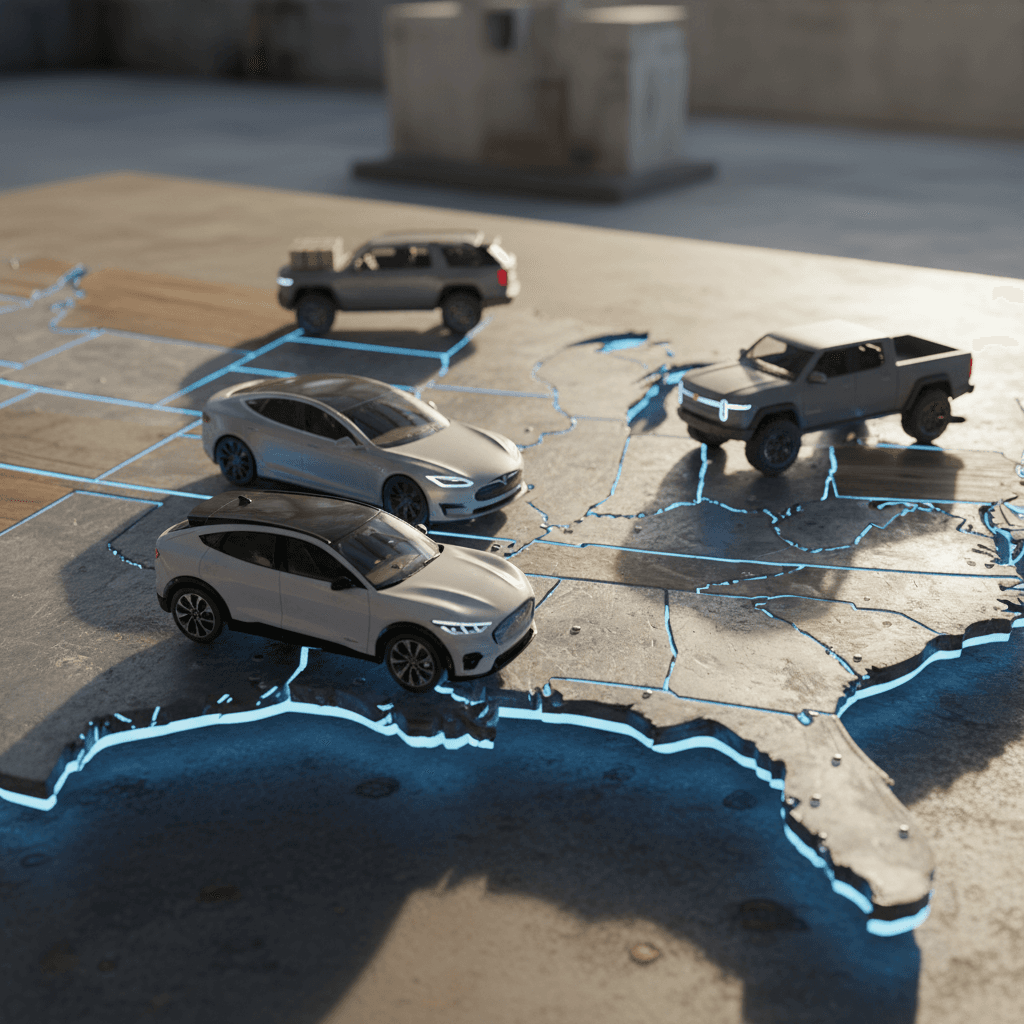
Snapshot: standout EVs assembled in the United States
A high‑level look at ten of the best electric vehicles built at US plants as of the 2026 model year. Ranges are approximate EPA ratings for popular trims.
| Model | Segment | Typical EPA Range | Notable Strength | US Assembly Plant |
|---|---|---|---|---|
| Tesla Model Y | Compact crossover | 260–310 mi | Efficiency, charging network, space | Fremont, CA & Austin, TX |
| Tesla Model 3 | Sedan | 270–340 mi | Range per dollar, driving dynamics | Fremont, CA |
| Ford F‑150 Lightning | Full‑size pickup | 230–320 mi | Towing, work‑truck utility, home‑backup capable | Dearborn, MI |
| Ford Mustang Mach‑E | Compact crossover | 230–320 mi | Fun to drive, tech‑forward cabin | Cuautitlán, MX / select US trims; focus here on US‑built variants where available |
| Chevrolet Blazer EV | Midsize SUV | 250–320 mi | Family‑friendly size, Ultium platform | Ramos Arizpe, MX / Fairfax, KS for new Bolt; Blazer EV US output expected mid‑decade |
| Rivian R1T | Adventure pickup | 270–350 mi | Off‑road ability, camping features | Normal, IL |
| Rivian R1S | Three‑row SUV | 260–340 mi | True three‑row space and capability | Normal, IL |
| Kia EV9 | Three‑row SUV | 260–304 mi | Roomy three‑row layout, value | West Point, GA (US production ramping) |
| Hyundai IONIQ 5 (US‑built) | Compact crossover | 240–320 mi | Fast charging, design | Savannah, GA complex (coming online) |
| Cadillac Lyriq / Escalade IQ | Luxury SUV | 300+ mi (Lyriq), est. ~300 mi (Escalade IQ) | Luxury, quiet ride, tech | Spring Hill, TN (Lyriq), Detroit/Hamtramck, MI (Escalade IQ) |
Always confirm final assembly location and exact range for the specific trim you’re considering, especially on the used market.
About mixed‑plant models
Best USA‑built EVs by driver type
American‑made EV picks for common use cases
Start with how you drive, then match the model, not the other way around.
Best for commuting & families: Tesla Model Y
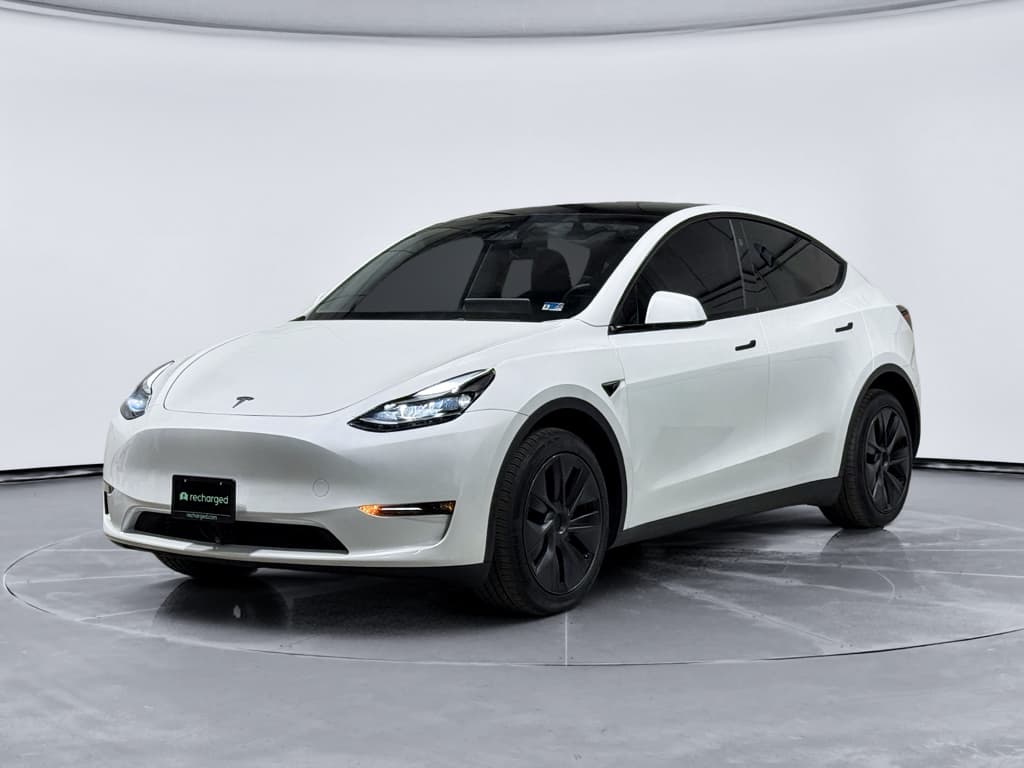
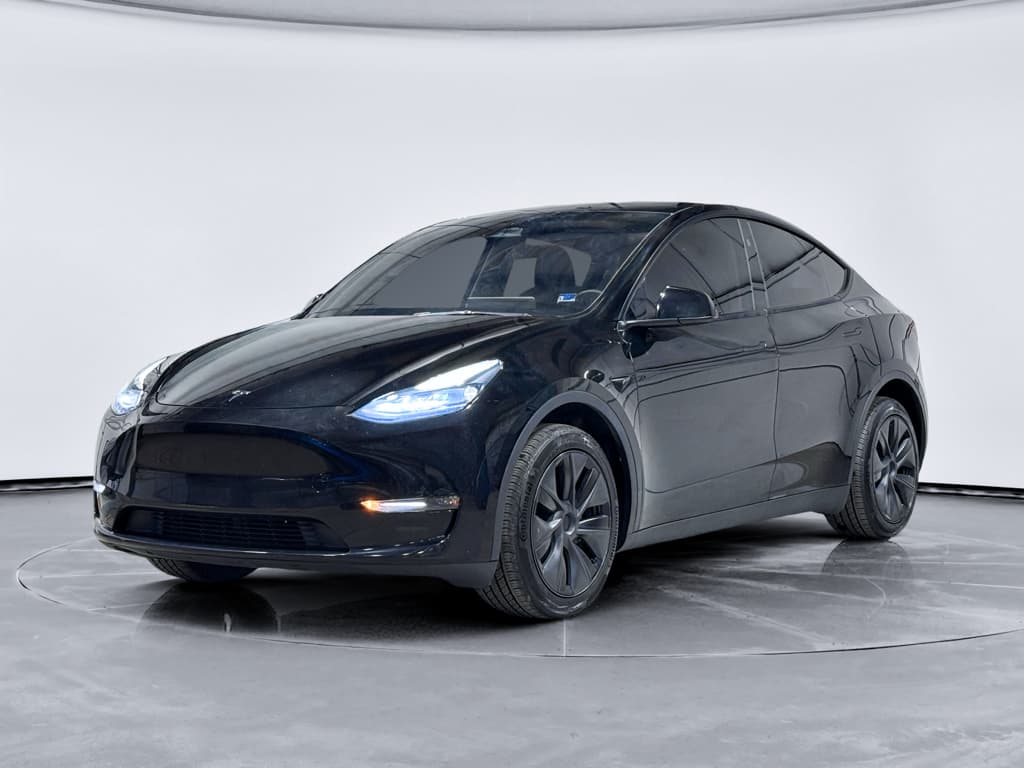
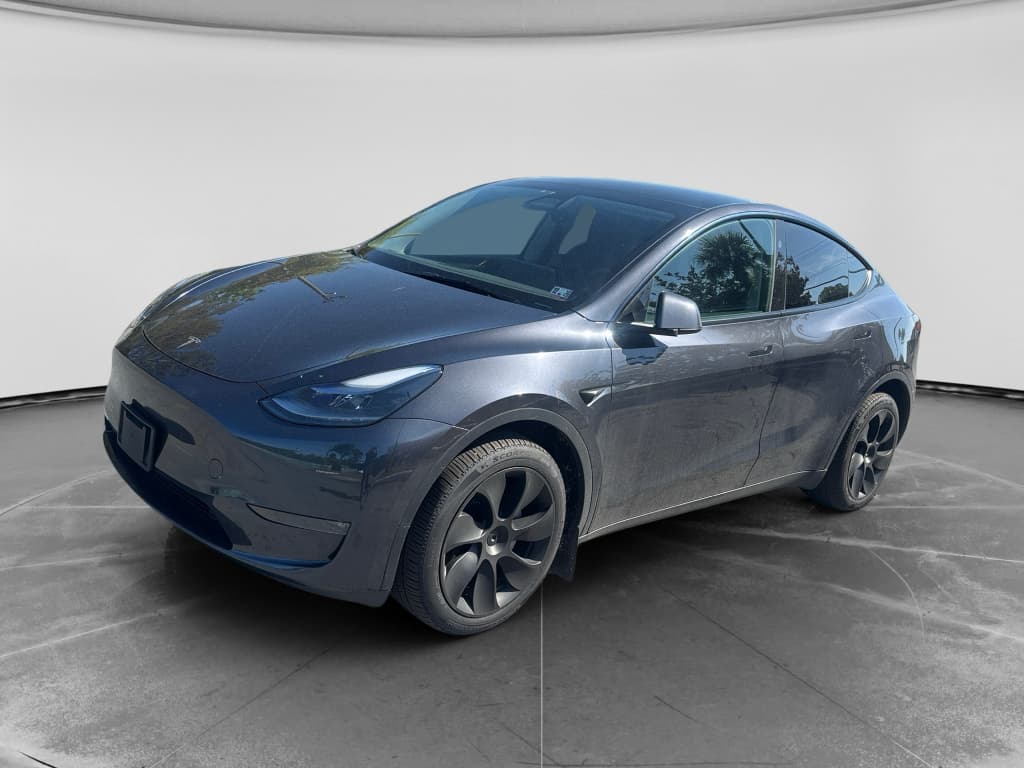
If you want one EV that does nearly everything well, the Tesla Model Y built in Fremont or Austin is still the default answer.
- Strong range, especially in Long Range trims
- Access to the Supercharger network plus growing CCS/NACS options
- Huge hatchback cargo space for strollers, bikes or Costco runs
On the used market, early 2021–2023 Model Ys can be surprisingly affordable, especially with higher mileage.
Best work truck: Ford F‑150 Lightning
Built in Dearborn, the F‑150 Lightning targets buyers who actually use a truck.
- Pro Power Onboard can run tools or a job‑site trailer
- Available bidirectional charging for home backup with proper hardware
- Cab and bed dimensions feel familiar to gas F‑150 owners
Be realistic about range while towing; your effective range can drop sharply with heavy loads.
Best adventure rigs: Rivian R1T & R1S
Rivian’s Normal, Illinois plant builds two of the most outdoors‑oriented EVs on the road.
- High ground clearance and serious off‑road modes
- Innovative storage like the R1T’s gear tunnel
- Plenty of power and range for road trips with planning
Used Rivians are still pricey but depreciating; keep an eye on range options and wheel size, which affect efficiency.
Budget, luxury and family‑hauler standouts
Three more US‑built options worth a close look.
Best value play: used Tesla Model 3
New or used, a US‑built Tesla Model 3 offers strong range and efficiency, often at a lower transaction price than a comparable crossover.
- Great for commuters who don’t need SUV space
- Simple cabin that ages well if maintained
- Strong fast‑charging support across the US
Best luxury: Cadillac Lyriq
Built in Tennessee, the Cadillac Lyriq is one of the most compelling American luxury EVs.
- Quiet, comfortable ride with upscale interior
- Competitive range for the class
- Ultium platform shared with other GM EVs
If you’re shopping used, pay attention to early‑build software updates and feature differences by model year.
Best three‑row: Kia EV9 (US‑built)
The Kia EV9 is one of the first mass‑market three‑row EV SUVs, with US production ramping up in Georgia.
- Comfortable seating for families that outgrew two‑row crossovers
- Strong safety and driver‑assist feature set
- Layouts from budget‑minded to near‑luxury
Why this list leans practical
American EV factories: where these cars are built
From California to Georgia, the American EV map now stretches across the country. Knowing where a model is built can help you confirm tax‑credit eligibility and understand future parts availability. Here’s a simplified view focused on mainstream passenger EVs.
Key US EV assembly plants and their headline models
Not an exhaustive list, but a useful cheat sheet for understanding which popular EVs are built where.
| Plant / Location | Major EVs Assembled | Buyer takeaway |
|---|---|---|
| Tesla Fremont, CA & Austin, TX | Model 3, Model Y and other Tesla EVs | High‑volume American‑made EVs with mature charging ecosystem. |
| Ford Rouge Electric Vehicle Center, Dearborn, MI | F‑150 Lightning | Flagship electric pickup built alongside America’s best‑selling truck line. |
| Rivian Normal, IL | R1T, R1S and commercial vans | Adventure‑oriented consumer EVs plus commercial delivery vans. |
| GM Factory ZERO, Detroit/Hamtramck, MI | GMC Hummer EV, Cadillac Escalade IQ (EV) | Halo trucks and full‑size luxury SUVs on Ultium platform. |
| GM Spring Hill, TN | Cadillac Lyriq | Luxury crossover on Ultium architecture. |
| Hyundai–Kia West Point, GA & Savannah, GA complex | Kia EV9, future Hyundai/Kia EVs | Korea‑based brands with growing American manufacturing footprint. |
| Various Southern & Midwestern plants | Upcoming Chevy Bolt, Nissan, Toyota, BMW, others | Dozens of announced or in‑construction EV and battery plants expanding US content. |
Many plants build multiple products or transition between models over time. Always verify the specific VIN for final assembly details.
Why batteries matter too
Shopping new vs. used American‑made EVs
New US‑built EVs
Buying new can make sense if you:
- Qualify for federal and state incentives that meaningfully cut the MSRP
- Want the latest battery chemistry, software and driver‑assist tech
- Need a configuration that’s rare in the used market (for example, a specific tow rating or interior layout)
The trade‑off is steeper depreciation in the first three years, especially as EV tech and pricing move quickly.
Used US‑built EVs
A growing share of American‑made EVs are returning from three‑year leases, which is reshaping the market.
- Purchase prices are often comparable to similar gas vehicles
- Some buyers can claim a used EV tax credit (up to $4,000) on qualifying cars
- You can see how a specific model has aged in the real world before buying
The catch: you need a clear view of battery health, not just odometer mileage, and you should understand how fast‑charging and climate impact long‑term range.
Watch for early‑build quirks
How Recharged helps with used American‑made EVs
If you’re leaning toward a used, American‑built EV, your biggest questions are usually about battery health, pricing and logistics. That’s where Recharged is built to help.
Buying a used US‑built EV through Recharged
What you get beyond a listing and a Carfax report.
Verified battery health
Every vehicle on Recharged includes a Recharged Score Report with battery diagnostics, so you’re not guessing about degradation on a three‑ or five‑year‑old Tesla, Ford or GM EV.
Transparent pricing & financing
Recharged benchmarks each vehicle against fair market pricing for similar EVs nationwide and offers financing options built for EV buyers, including trade‑ins if you’re coming out of a gas vehicle.
Digital purchase, real delivery
From search to signing, the process is fully digital, with nationwide delivery and EV‑specialist support. If you want to see or test‑drive in person, Recharged also operates an Experience Center in Richmond, VA.
Ready to find your next EV?
Browse VehiclesLeverage Recharged’s experts
Checklist: what to look for in a US‑built EV
Pre‑purchase checklist for American‑made EVs
1. Confirm final assembly in the US
Use the window sticker, VIN decoder or seller documentation to verify that the specific vehicle was assembled at a US plant if that matters for you or for incentives.
2. Verify current tax‑credit rules
Check IRS and state resources for the latest list of qualifying models and income/MSRP caps. Don’t assume that every US‑built EV automatically qualifies for the full $7,500 credit.
3. Review battery health, not just miles
Look for a battery report, like the Recharged Score, that estimates remaining capacity and flags unusual degradation patterns from heavy fast‑charging or extreme climates.
4. Check charging speed and connector
Confirm DC fast‑charge peak rate (kW) and plug type. Many US‑built EVs are shifting to the NACS (Tesla‑style) connector, which can be a plus for long‑distance travel.
5. Match range to your real use case
Calculate your daily miles, climate and towing/roof‑rack needs. A lower‑range trim of an American‑made EV may be plenty and can save thousands upfront.
6. Look at software and support
Ask about over‑the‑air updates, app features and local service options. For newer US‑built EVs, software quality and dealer familiarity can vary by brand and region.
FAQ: best electric cars made in the USA
Frequently asked questions about American‑made EVs
Bottom line on the best electric cars made in the USA
If you’re shopping the best electric cars made in the USA, you’re no longer limited to one brand or one body style. US factories now turn out compact sedans, family crossovers, full‑size pickups and luxury SUVs, with more models on the way and a fast‑growing pool of used vehicles to choose from. Your job is to match the right American‑built EV to your daily driving, budget and charging reality, then verify battery health and incentives on the specific car in front of you.
Whether you end up in a Fremont‑built Tesla, a Dearborn‑built F‑150 Lightning or a Georgia‑built EV9, take your time, compare total ownership costs and lean on tools that make the process transparent. If you’re headed into the used market, Recharged can help you do exactly that, with verified battery diagnostics, fair pricing benchmarks, expert EV support and nationwide delivery so the right American‑made EV can find its way to your driveway, without guesswork.