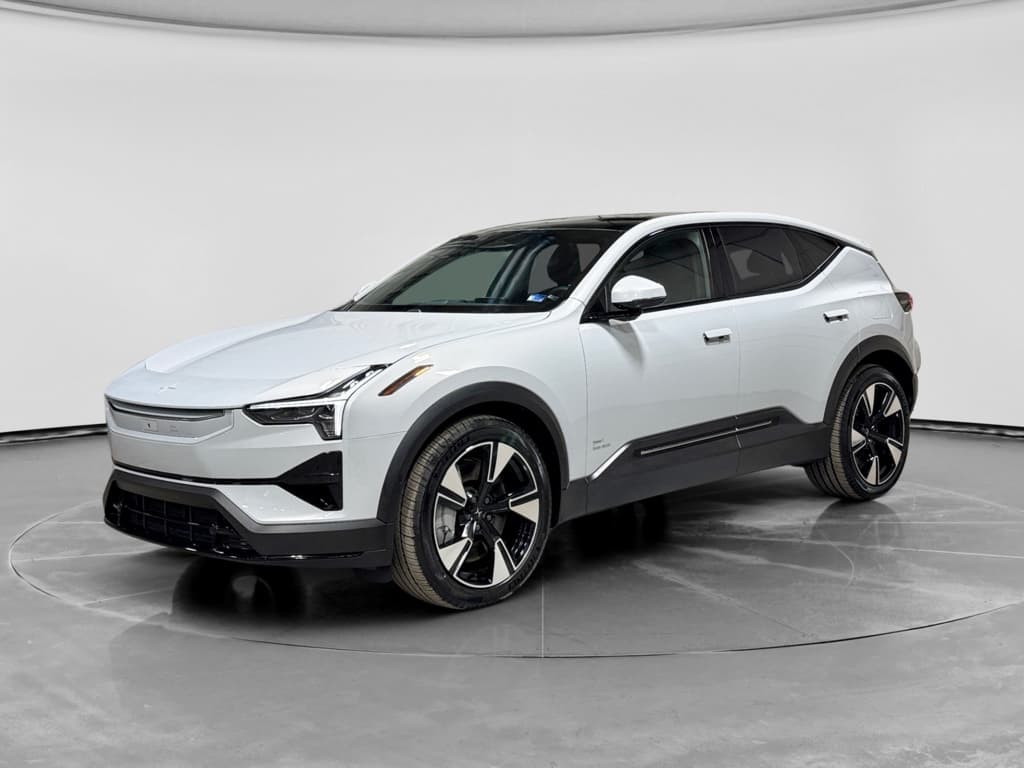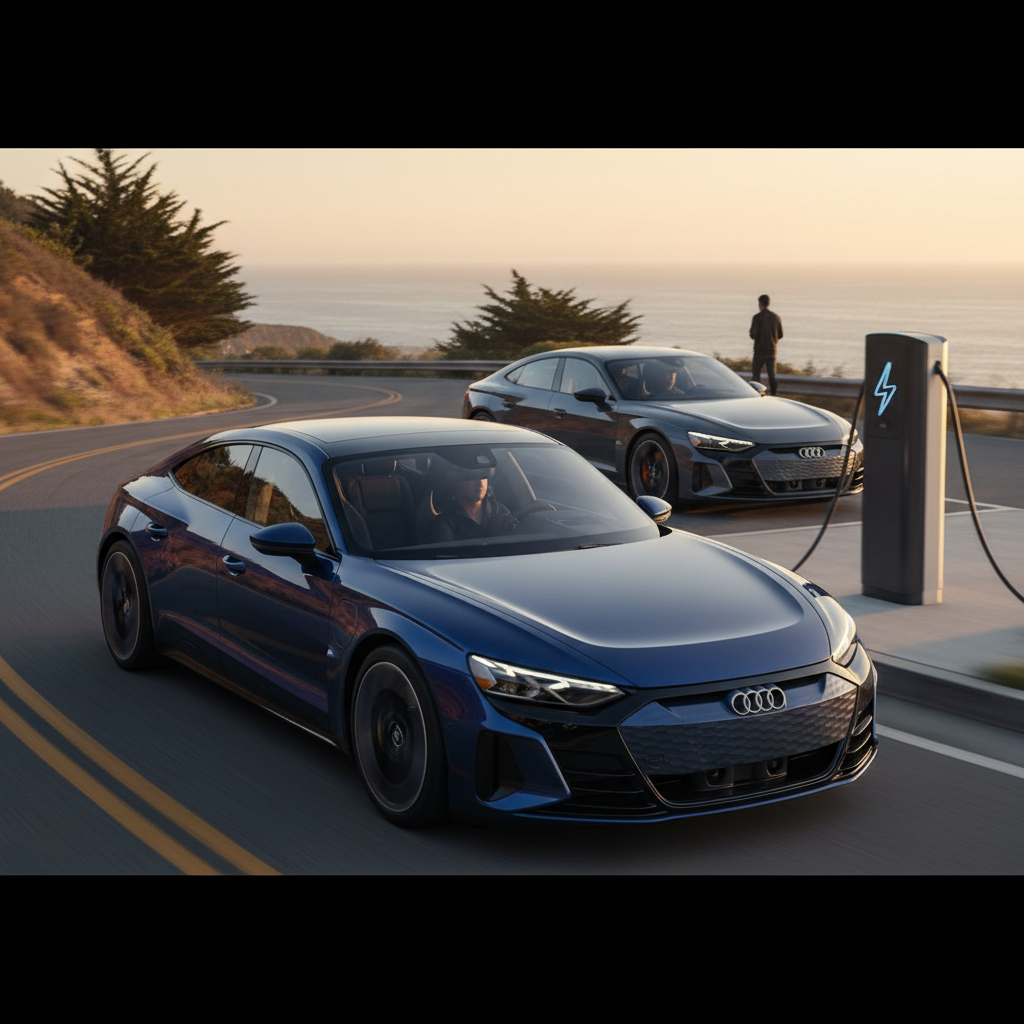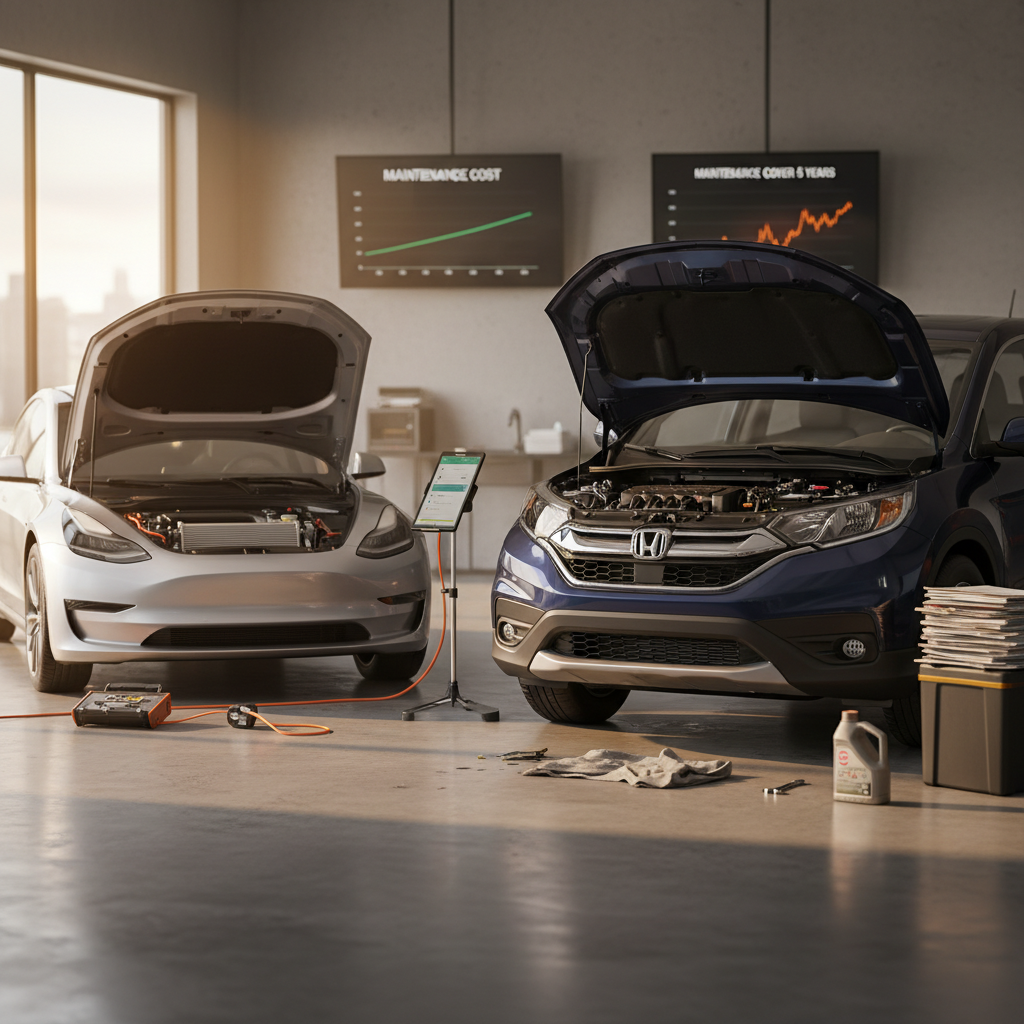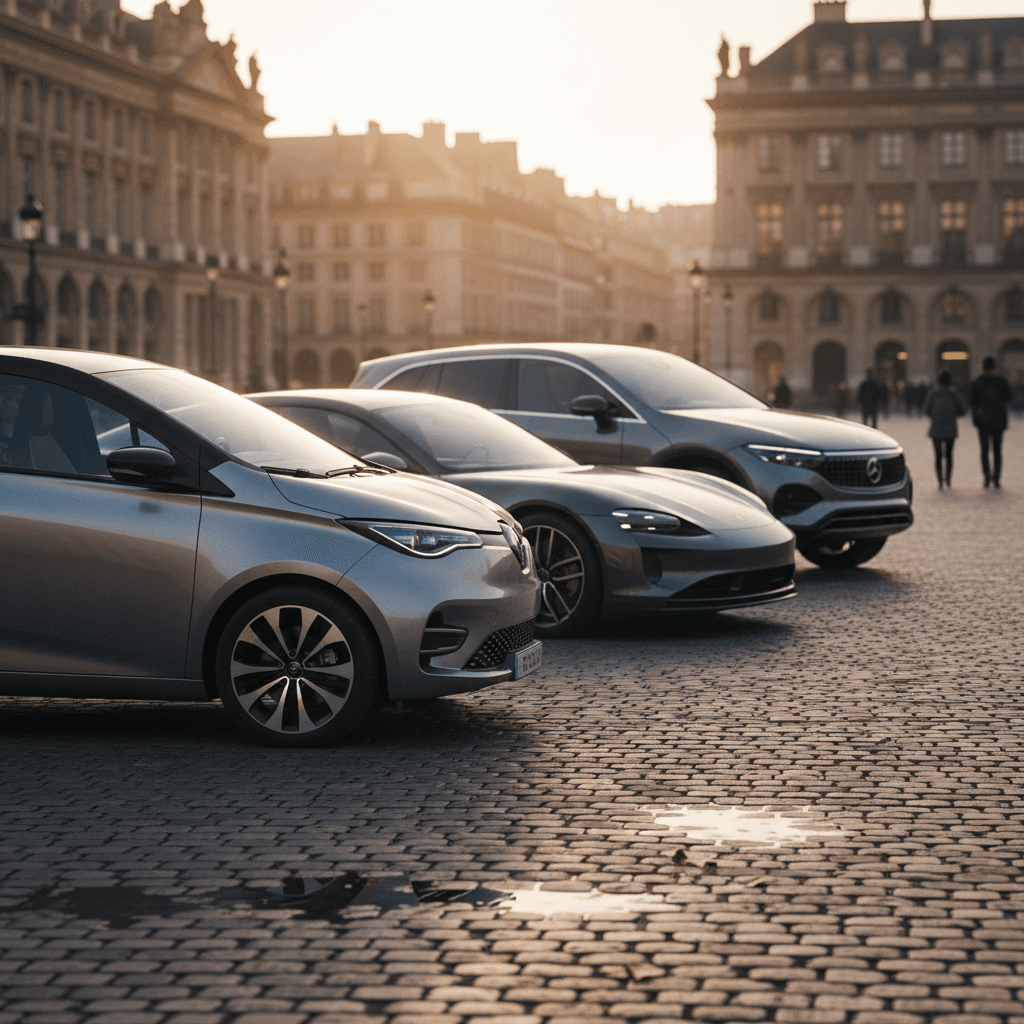
When people talk about the *best electric cars in Europe*, they usually mean what Europeans are buying. But if you care about vehicles that are **actually built in Europe**, because of perceived quality, supply chain ethics, or tariffs, your short list looks a little different. This guide walks through the best electric cars made in Europe today, from affordable city runabouts to luxury grand tourers, and what that means if you’re shopping new or used, especially in the U.S.
“Built in Europe” vs. “Popular in Europe”
Why “made in Europe” matters for EV shoppers
Europe has become one of the **most important EV manufacturing hubs** in the world. Plants in France, Germany, Spain, the Czech Republic, Slovakia, and the Nordic countries now assemble everything from affordable compact EVs to high-end luxury sedans. For you as a shopper, especially on the used market, that can matter in a few ways:
- Perceived build quality and driving feel. European brands have a long history of tuning for ride and handling, and many buyers still associate European-built cars with solid construction and safety.
- Supply chain and sustainability. EU regulations push automakers toward stricter environmental and labor standards, and several brands highlight higher local content and more transparent sourcing for batteries and materials.
- Tariffs and incentives. Where a car is built can affect import duties, eligibility for subsidies, and, in the U.S., how it fits into evolving tax credit rules.
- Resale value. Some European-built EVs hold value better because of brand reputation, safety ratings, and interior quality.
Tip for U.S. buyers
Quick look: best European-made EVs by category
Standout electric cars made in Europe (2026 snapshot)
Models and plants change
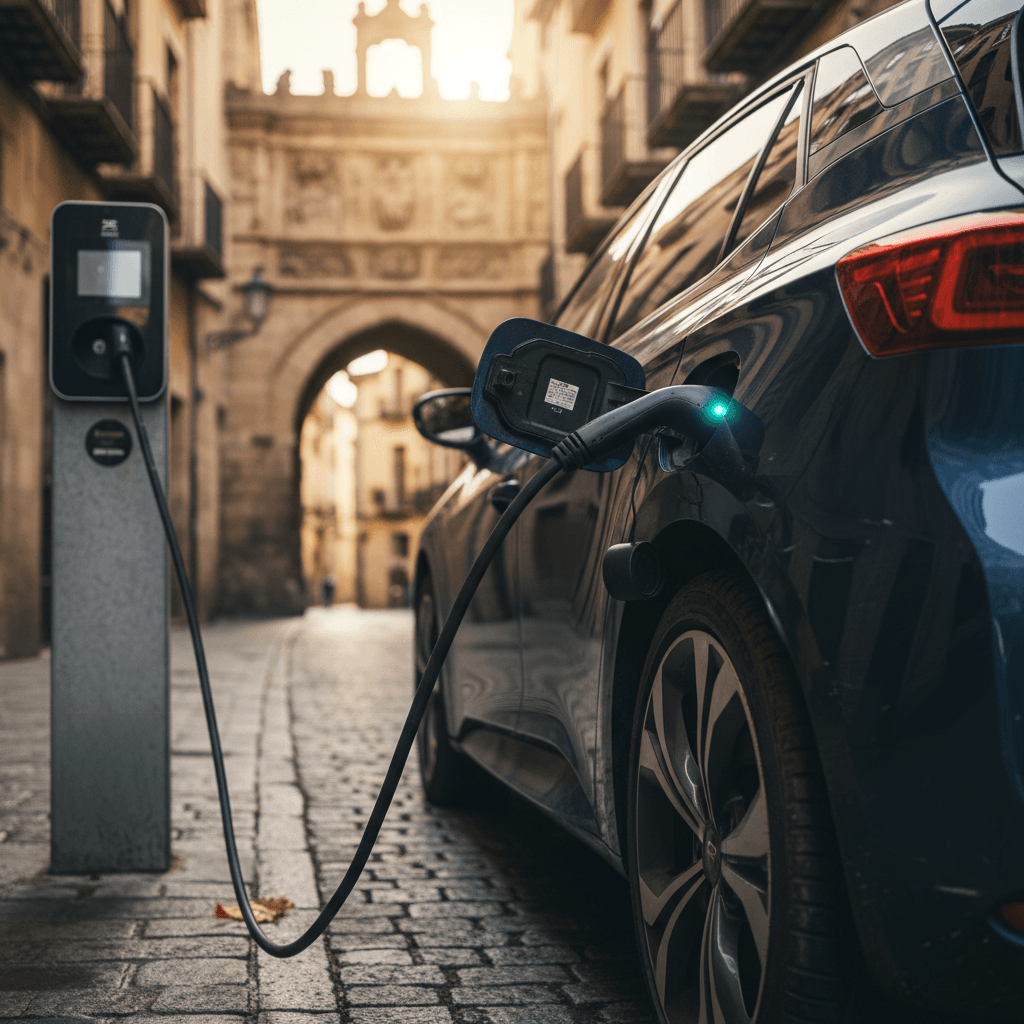
Best European-made electric city cars
If you picture a European EV, you probably imagine a compact hatchback threading through old city streets. European manufacturers excel at **small, efficient electric cars** that still feel grown-up on the highway.
Top European-built city and compact EVs
Great for tight streets, short commutes, and low running costs
Volkswagen ID.3 (Germany)
Built primarily in Zwickau and Dresden, the VW ID.3 is Europe’s answer to the electric Golf.
- Battery: roughly 52–77 kWh packs depending on trim
- Use case: commuters who want a compact car that still feels stable on the Autobahn
- Why it stands out: mature ride quality, good efficiency, broad dealer network
Renault 5 E-Tech (France)
The reborn Renault 5 E-Tech leans hard into retro style, but underneath is a modern small EV built in northern France.
- Target buyer: city dwellers who want charm without giving up real range
- Strengths: compact footprint, competitive pricing in Europe, fun design
- Note: not officially sold in the U.S. as of 2026
Fiat 500e (Italy)
The latest Fiat 500e is assembled in Turin and keeps the 500’s iconic shape.
- Best for: short urban trips and style-conscious drivers
- Pros: tiny exterior, upscale interior in top trims, easy to park anywhere
- Watch for: limited rear-seat and cargo space
Best overall urban pick
Best European-made electric family cars and SUVs
Crossovers and family haulers are where European carmakers have poured serious investment. If you want space for kids, gear, and road trips, but still value European dynamics, these are the standouts built in Europe.
Key European-built family EVs to know
Representative specs and roles; exact figures vary by trim and model year.
| Model | Primary build location (EU) | Type | Why it’s a standout |
|---|---|---|---|
| Renault Scenic E-Tech | France | Compact family crossover | European Car of the Year 2024; strong range and family-friendly interior |
| Škoda Elroq | Czech Republic | Compact SUV | Electric successor to the Karoq with practical packaging and value pricing |
| Volkswagen ID.4 / ID.5 | Germany & Czech Republic | Compact–mid SUV | Bread-and-butter family EVs with broad availability and decent towing in some trims |
| Hyundai Kona Electric (EU-built versions) | Czech Republic | Subcompact SUV | Not European-branded, but some EU-assembled Konas combine efficiency and size perfectly for small families |
| Volvo XC40/C40 Recharge | Belgium | Premium compact SUV | Scandinavian design, strong safety story, now with improved efficiency versus early models |
Always verify detailed specs and equipment on the specific car you’re considering, especially on the used market.
European badge vs. European factory
Renault Scenic E-Tech (France)
The Scenic E-Tech turned heads by winning European Car of the Year 2024, thanks to its mix of range, packaging, and price. Built in France, it’s tailored for European families that value space efficiency over sheer size.
- Big-car usability in a footprint smaller than many U.S. crossovers
- Family-friendly cabin with smart storage and a usable rear bench
- Competitive WLTP range for long European trips
Škoda Elroq (Czech Republic)
The Škoda Elroq replaces the hugely successful Karoq and quickly became one of Škoda’s best-selling EVs in Europe. It’s built in Czechia and slots into that sweet spot of affordability, practicality, and solid equipment.
- Boxy, space-efficient design great for families and dogs
- Typically undercuts German rivals on price for similar space
- Strong dealer network in much of continental Europe
If you’re shopping used in the U.S.
Best premium and performance EVs built in Europe
If you want the quintessential “European” experience, long-legged highway comfort, fast charging, and upscale cabins, there’s no shortage of EVs built in Europe to scratch that itch. These models combine serious performance with European craftsmanship.
Performance EV reality check
How to tell if an EV is actually built in Europe
With global supply chains, badge and body style don’t always tell you where an EV was assembled. A "European" brand might build some trims in China, some in Korea, and others in the EU. If your goal is specifically an EV made in Europe, here’s how to verify it.
Steps to confirm if an EV is built in Europe
1. Decode the VIN
The first few characters of the VIN encode the country and plant of assembly. Many European-built cars start with letters like W (Germany), V (France), T (Czech Republic), but always use a reliable VIN decoder or manufacturer documentation to be sure.
2. Check the door jamb label
Most vehicles have a build label in the driver’s door jamb or B-pillar listing assembly plant and country. This is usually the most straightforward confirmation.
3. Read the window sticker or CoC
For new and some used imports, the Monroney label (U.S.) or Certificate of Conformity (EU) will list the final assembly location. Ask the seller to provide it if it’s not in the car.
4. Ask the dealer or seller to verify
Reputable dealers can pull factory build sheets that show plant codes. On the peer-to-peer market, be skeptical if a seller can’t or won’t document where the car was built.
5. Be careful with mid‑cycle plant changes
Some models, especially high‑volume crossovers, start in one plant and later add another plant in a different country. Don’t assume every ID.4 or every Kona Electric came from the same place.
How Recharged approaches origin and build quality
Shopping used European-built EVs in the U.S.
From an American driveway perspective, the question isn’t just "what are the best electric cars made in Europe," but which ones **actually show up on the U.S. used market** and make sense to own. Plenty of European-built EVs never cross the Atlantic, but several models are realistic options for U.S. shoppers.
European-built EVs you’re most likely to find used in the U.S.
What they’re like to live with stateside
Volkswagen ID.4 (early imports)
Some of the earliest ID.4 units sold in the U.S. were imported from Europe before U.S. production ramped up.
- Pros: comfortable ride, decent efficiency, practical cabin
- Watch for: software update history and any recall work; ask for documentation
Audi e-tron / Q8 e-tron
Built in Brussels, these were among the first long-range European luxury EV SUVs available in the U.S.
- Pros: quiet, solid-feeling, great winter manners
- Consider: modest efficiency; fast-charge curve matters if you road-trip often
Volvo XC40 & C40 Recharge
European-built Volvo EVs combine upright packaging with a Scandi interior and strong safety emphasis.
- Pros: comfortable seats, straightforward controls, good crash performance
- Watch for: range expectations; earlier dual-motor trims are thirsty at highway speeds
BMW i3 and early iX/i5
The quirky BMW i3 was built in Leipzig and remains a cult favorite as a light, efficient city EV. Newer iX and i5 models deliver a traditional luxury experience in electric form.
- Pros: fun to drive, distinctive character
- Watch for: tire and wheel costs, and on newer models, optional feature complexity
Software and support matter
Checklist: what to look for in a used European EV
Whether the car was built in France, Germany, or the U.S., the fundamentals of a good used EV don’t change. European-built models simply add a few wrinkles around support and parts. Use this checklist as a starting point before you sign anything.
Key checks before buying a used European-built EV
1. Independent battery health assessment
Battery condition is the single biggest driver of long-term satisfaction. Ask for a recent health report or use a seller that provides one. Recharged includes a <strong>Recharged Score</strong> and detailed battery diagnostics with every vehicle we sell.
2. Charging standard and adapter needs
Make sure the car’s charging connector (CCS, NACS, Type 2, CHAdeMO on some older imports) works with networks you actually have nearby. Older or non-U.S.-spec cars can require adapters that add cost and complexity.
3. Software update status
Confirm the car is on the latest stable software, especially for early MEB-platform cars (VW group) and first-generation infotainment systems. Check that navigation, charging apps, and driver-assistance features work as advertised.
4. Service history and recalls
Look for documented maintenance, TSBs, and recall work. For luxury European EVs, missing service can be a red flag, especially if high-voltage cooling or DC fast-charging components were neglected.
5. Parts and dealer network
Ask which local dealer or specialist will work on the car, what their hourly rate is, and how common wear parts, brakes, tires, suspension components, are sourced. Niche or low-volume imports can be harder to support.
6. Real-world range vs. your driving pattern
European test cycles (like WLTP) are more optimistic than U.S. EPA ratings. Look for owner-reported real-world range and compare it to your daily needs plus a buffer for winter or degradation.
Where Recharged fits in
Ready to find your next EV?
Browse VehiclesFAQ: best electric cars made in Europe
Common questions about European-built EVs
Bottom line: should you buy a European-made EV?
If you gravitate toward the **best electric cars made in Europe**, you’re probably looking for a particular mix of driving feel, design, and perceived quality. European-built EVs like the VW ID.3, Renault Scenic E-Tech, Škoda Elroq, and Polestar 5 show how far the continent has come, from city runabouts to luxury fastbacks, while mainstream models such as the ID.4, Audi e-tron/Q8 e-tron, and Volvo XC40/C40 Recharge make European EV ownership very realistic in the U.S.
That said, origin should be just one factor in your decision. Battery health, charging compatibility, software support, and total cost of ownership will have a far bigger impact on your daily life. If you’re leaning toward a used European-built EV, working with a specialist like Recharged gives you objective battery diagnostics, transparent pricing, trade‑in options, and EV‑savvy guidance from the first short list to delivery in your driveway.