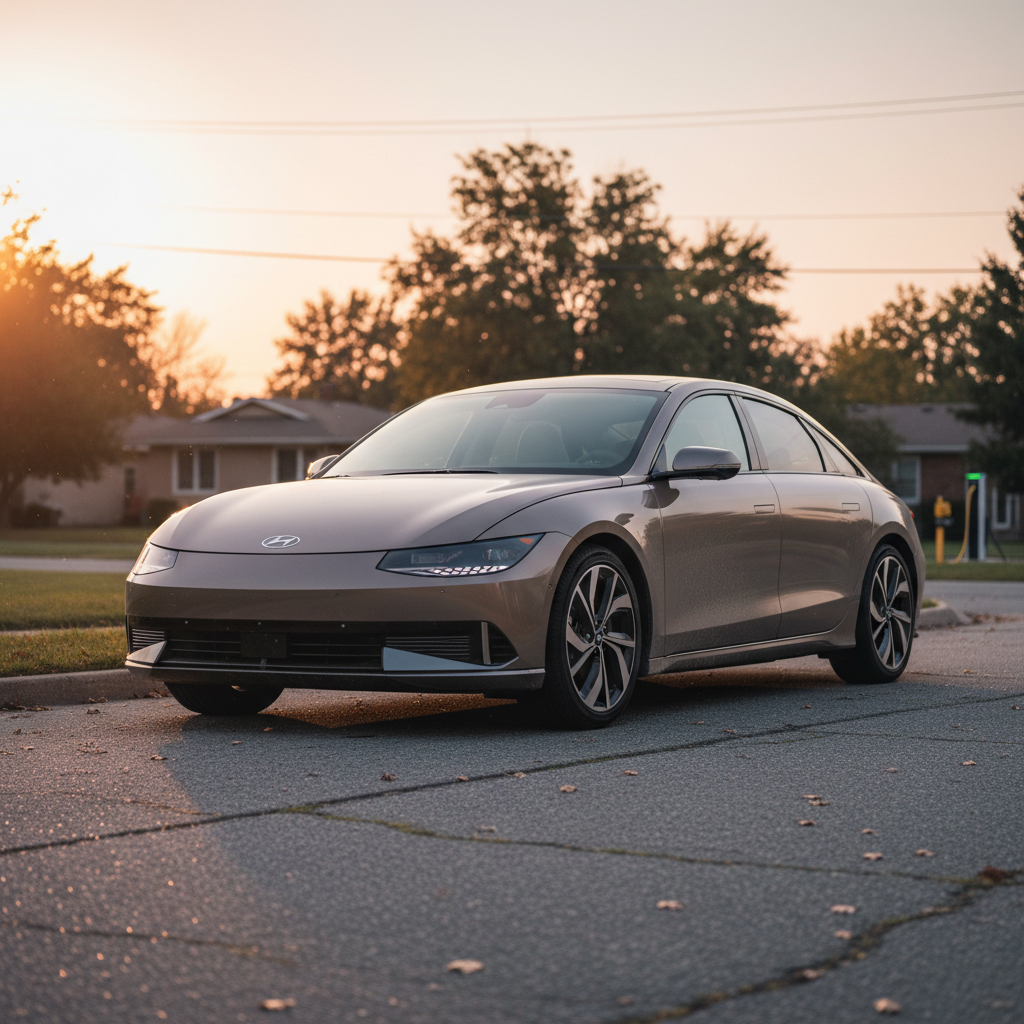
When you run the numbers, a Tesla Model 3 long‑term ownership cost picture can look very different from the sticker price on the window. Between lower “fuel” and maintenance costs, but higher insurance and repair bills, getting the full story over 5–10 years is the only way to know if a Model 3 fits your budget.
EVs win on operating cost, if you keep them
Why Tesla Model 3 long‑term ownership cost matters
If you’re cross‑shopping a Model 3 with a gas sedan or a hybrid, the list price only tells part of the story. The total cost of ownership (TCO) bundles together monthly payment, charging, insurance, maintenance, taxes, and depreciation. That full picture often reveals that a Model 3 can cost about the same, or less, to own than a similarly equipped gas car, especially if you buy used and keep it for at least five years.
- You pay more attention to monthly cash flow than MSRP.
- You drive enough miles that fuel costs matter (10,000+ miles per year).
- You’re debating new vs. used Tesla, or Tesla vs. gas sedan.
- You’re worried about battery life, repairs, and resale value.
Think in total monthly cost, not just the payment
What actually makes up Tesla Model 3 ownership cost?
Long‑term, a Tesla Model 3’s cost of ownership is driven by the same buckets as any vehicle, but the mix looks different from a gas car. Here’s what goes into the equation:
The 6 big pieces of Model 3 ownership cost
Some are higher than a gas car, some are much lower
1. Purchase & financing
Down payment, sales price, interest rate, and term. A used Model 3 often has a lower total cash outlay and slower future depreciation.
2. Charging (your “fuel”)
Electricity at home and on the road. Most owners do the majority of charging at home at Level 2 rates, which are usually far cheaper per mile than gas.
3. Insurance
EVs, and Teslas in particular, can carry higher premiums because of repair complexity and parts pricing, but rates vary widely by state and driver profile.
4. Maintenance & wear items
No oil changes and fewer moving parts, but you’ll still pay for tires, brake fluid, cabin filters, wipers, and alignment.
5. Battery health & repairs
The big wild card people worry about. In practice, most Model 3 packs show moderate degradation, not catastrophic failure, in the first 8–10 years when cared for properly.
6. Depreciation & resale value
The difference between what you pay and what you can sell or trade the car for later. This is where buying used can really shine.
5-year Tesla Model 3 ownership cost: new vs. used
Let’s put some realistic, ballpark numbers on a 5‑year ownership window. These examples use simple, rounded assumptions for a U.S. driver doing about 12,000 miles per year. Actual numbers will vary by state, utility rates, credit profile, and how you drive, but the pattern is what matters.
At-a-glance 5-year Model 3 cost picture (rough ranges)
Scenario A: New Tesla Model 3 (rough example)
- Purchase price: ~$40,000 after destination and typical incentives.
- Financing: 10% down, 72‑month loan at a mid‑single‑digit rate.
- 5‑year depreciation: You might see the car worth roughly half of what you paid, give or take market swings.
- 5‑year total cost: Somewhere in the mid‑$40k to mid‑$50k range all‑in for the average driver.
New makes sense if you want the latest tech, full tax credits, and you plan to keep the car long enough to spread out the initial depreciation hit.
Scenario B: Used Tesla Model 3 (rough example)
- Purchase price: Mid‑to‑high $20,000s for a clean 3–4 year‑old car, depending on trim and miles.
- Financing: Smaller loan, often shorter term, with similar or slightly higher interest depending on lender.
- 5‑year depreciation: Typically slower; a used Model 3 has already taken its steepest value drop.
- 5‑year total cost: Frequently tens of thousands less than buying new, while driving essentially the same platform.
This is where marketplaces like Recharged come in, curated used EVs with verified battery health and fair‑market pricing can reduce your long‑term risk.
These numbers are directional, not promises
Charging costs: how cheap is a Model 3 to “fuel”?
This is where the Tesla Model 3 usually wins big. Electricity is typically much cheaper per mile than gasoline, especially if you charge at home at off‑peak rates.
Estimated “fuel” cost: Tesla Model 3 vs. gas sedan (12,000 miles/year)
Illustrative comparison using simple, round assumptions for a U.S. driver. Actual numbers will vary by local rates and driving style.
| Vehicle | Energy cost per year (approx.) | Monthly average | Key assumptions |
|---|---|---|---|
| Tesla Model 3 (home charging heavy) | $800–$1,200 | $70–$100 | Blended home electricity cost around typical U.S. residential rates, modest DC fast‑charging use. |
| Tesla Model 3 (frequent Supercharging) | $1,200–$1,600 | $100–$135 | Heavier reliance on DC fast charging on road trips and urban travel. |
| Gas sedan (~30 mpg) | $1,800–$2,600+ | $150–$220+ | Regular unleaded around recent U.S. averages, mix of city and highway driving. |
Electricity cost assumes mostly home Level 2 charging and occasional DC fast charging; gasoline cost assumes a mid‑size sedan averaging around 30 mpg.
Lock in low charging costs with home Level 2
Maintenance and repairs: where EVs really save
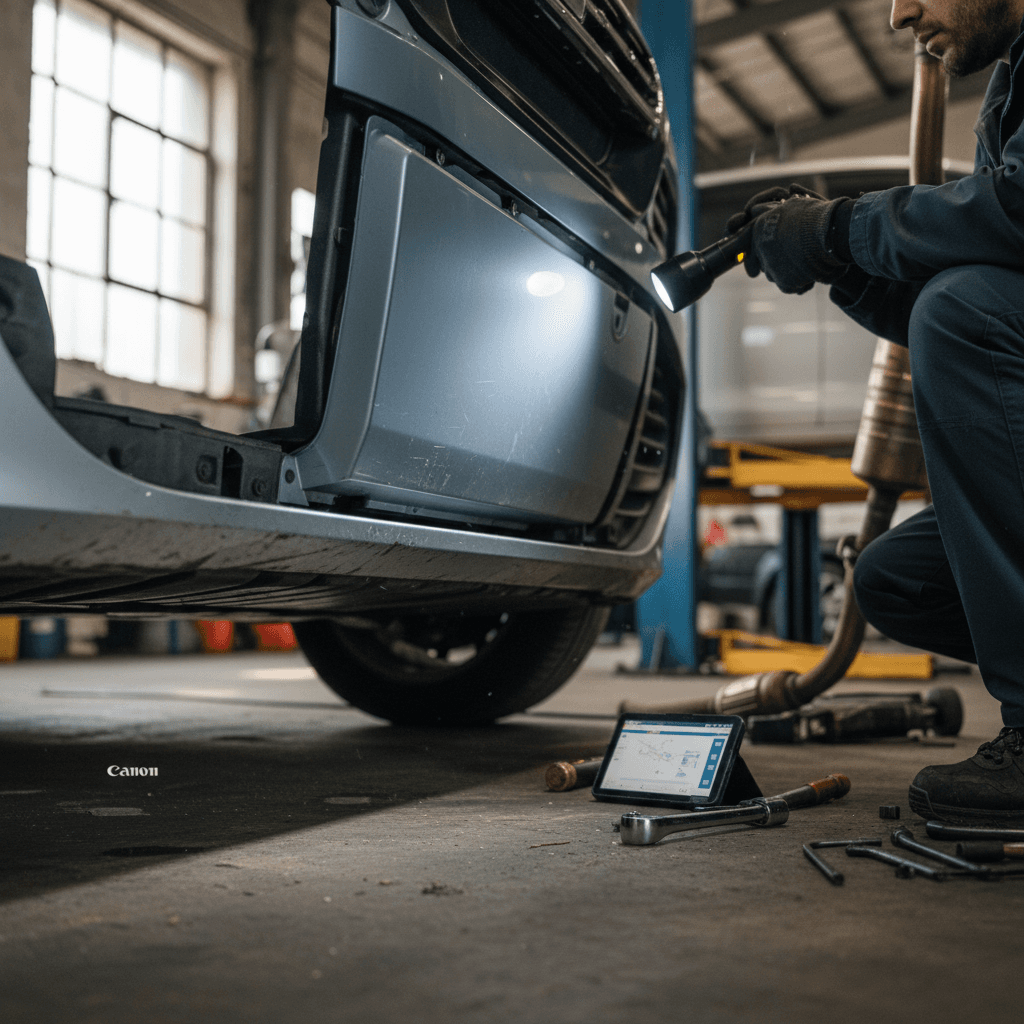
EVs have far fewer moving parts than internal‑combustion vehicles, and the Model 3 leans hard into that advantage. You don’t have oil changes, transmission fluid, spark plugs, or exhaust systems to worry about. But zero maintenance? Not quite.
Typical Tesla Model 3 maintenance and wear items
What you’ll actually pay for over 5–10 years
Tires
The Model 3 is quick and relatively heavy for its size, and EV torque can wear tires faster than a comparable gas sedan. Many owners see 25,000–40,000 miles per set, depending on driving habits.
Alignment & suspension checks
Like any car, potholes and curb hits can knock alignment out of spec, hurting range and tire life. Budget periodic checks, especially in rough‑road regions.
Cabin air filters & HVAC
Tesla recommends replacing cabin filters periodically. Keeping the system clean helps HVAC efficiency and air quality.
Brake fluid & brakes
Regenerative braking means pads and rotors often last far longer than on gas cars, but fluid still needs periodic checks and changes.
Where the savings show up
Battery health, degradation, and replacement risk
When shoppers talk about Tesla Model 3 long‑term ownership cost, battery replacement is usually the elephant in the room. In practice, most owners see gradual capacity loss, not sudden failure, over many years. Real‑world reports from high‑mileage cars often show a modest drop in usable range over the first 5–8 years when the pack is treated well.
- Frequent DC fast charging at very high states of charge.
- Regularly charging to 100% and letting the car sit full for long periods.
- Running the pack very low on a regular basis in extreme heat or cold.
- Ignoring software updates or thermal management issues.
Why battery condition matters most on a used Tesla
Full pack replacement is uncommon in the first decade for most owners, but it’s also not cheap if it happens. That’s why it’s worth paying attention to battery‑care habits, warranty coverage on the specific Model 3 you’re considering, and third‑party diagnostics on a used vehicle.
Insurance, registration, and taxes
Insurance is one of the few categories where a Tesla Model 3 can be more expensive than a mainstream gas sedan. Advanced driver‑assistance hardware, aluminum body panels, and high‑tech interiors can push up repair costs, and insurers price that in.
What drives your Tesla Model 3 insurance cost
Your driving record and credit
Clean record and strong credit can offset some of the EV pricing premium. Multiple violations or recent claims will raise your quote, regardless of EV status.
Your state and ZIP code
Dense urban areas and states with higher medical and repair costs can significantly increase premiums. Some regions also surcharge EVs differently.
Model 3 trim and options
Performance and Long Range trims with larger wheels and more powerful motors can cost more to insure than a base rear‑wheel‑drive model.
Repair network and parts pricing
Tesla’s parts pricing and the availability of certified body shops in your region both factor into what insurers expect to pay out on a claim.
Shop insurance quotes before you sign
Depreciation and resale value of a Model 3
Depreciation, the silent cost in the background, is where timing and trim choices matter. The Model 3 has seen its resale curve shift as new‑EV prices have moved, more EVs hit the road, and Tesla has adjusted pricing multiple times.
How depreciation hits a Tesla Model 3
And what that means for total cost of ownership
Steepest drop in the early years
Like most cars, the Model 3 typically sees its largest percentage drop in the first 3–4 years. That makes those same cars especially appealing on the used market.
Trim and options matter
Performance variants and niche wheel/tire packages can lose value differently than mainstream Long Range or rear‑wheel‑drive trims. Well‑equipped but not over‑optioned cars tend to be easier to resell.
Battery health drives resale
A Model 3 with documented, healthy battery performance and clean history can command a stronger price and sell faster, shrinking your true long‑term cost.
For EV shoppers, the action has shifted to the used market. That’s where depreciation has already done its damage, and where smart buyers can let someone else pay for the steepest part of the curve.
How buying a used Tesla Model 3 changes the math
If you’re thinking in terms of long‑term ownership cost, a used Model 3 is often the sweet spot. You’re stepping into a car that’s already absorbed its fastest depreciation, but you still get Tesla’s software‑driven platform, over‑the‑air updates, and access to the Supercharger network.
Used Model 3 advantages
- Lower upfront cost: Smaller loan and often shorter term.
- Softer future depreciation: The vehicle is closer to its long‑term value floor.
- Known track record: You can see real‑world battery health and reliability data for that generation.
- Similar daily experience: Even a 3–4‑year‑old Model 3 still feels modern compared with most gas cars.
What to watch on a used Model 3
- Battery health and charging history: High DC‑fast‑charge usage or unusual degradation are red flags.
- Accident and repair history: Structural or airbag repairs can impact both safety and resale.
- Feature changes over time: Hardware and option packages have evolved; know what’s on the specific VIN.
- Pricing vs. remaining warranty: Make sure the price reflects any limited remaining factory coverage.
Buying through Recharged means every car comes with a Recharged Score Report, including battery diagnostics, pricing analysis, and EV‑specialist guidance to help you compare options.
Practical ways to lower your Model 3 long-term costs
6 steps to shrink Tesla Model 3 long‑term ownership cost
1. Right‑size your trim and options
Avoid over‑buying performance or cosmetic packages you don’t truly value. A well‑equipped, non‑Performance Model 3 often delivers the best balance of price, insurance cost, and resale value.
2. Prioritize home charging
Set up reliable Level 2 home charging if you can. It lowers your per‑mile energy cost and reduces reliance on pricier DC fast charging.
3. Use smart charging habits
Keep daily charge limits in a healthy range (many owners aim for 70–80%), avoid letting the battery sit full or near‑empty for long periods, and don’t fast‑charge more than you need to on road trips.
4. Protect your tires
Choose quality tires, keep them properly inflated, and maintain alignment. On an EV, good tire management protects both your budget and your range.
5. Shop insurance proactively
Get multiple quotes, including from insurers with EV‑focused programs. Re‑shop your policy annually, rate changes, new discounts, or a cleaner record can bring premiums down over time.
6. Buy with data, not guesswork
On a used Model 3, lean on independent inspections, battery health reports, and fair‑market pricing tools, like the Recharged Score, to avoid overpaying or inheriting hidden issues.
How Recharged can help your long‑term math
Ready to find your next EV?
Browse VehiclesFAQ: Tesla Model 3 long-term ownership cost
Common questions about Tesla Model 3 long‑term costs
Bottom line: Is a Tesla Model 3 worth it long-term?
When you zoom out to 5–10 years, a Tesla Model 3 long‑term ownership cost story looks less like a tech splurge and more like a solid, numbers‑driven choice, especially if you drive enough miles and can charge at home. You’ll likely spend less on “fuel” and routine maintenance than in a similar gas car, while trading that for more sensitivity to depreciation, insurance pricing, and battery health.
Buying used can tilt the equation even further in your favor. A well‑priced, well‑documented used Model 3 lets you sidestep the steepest depreciation and step into EV ownership with much of the risk already surfaced. That’s where Recharged focuses: combining verified battery diagnostics, transparent pricing, EV‑savvy support, and flexible financing so you can pick the car that fits not just your lifestyle, but your long‑term budget.