If your dog goes everywhere with you, the **best electric cars for dogs** aren’t just about range and tech. They’re about low load floors that are easy on aging hips, quiet cabins that keep nervous pups calm, and smart climate features that keep them safe when you step away for a moment. The good news: many modern EVs are *fantastic* dog haulers if you know what to look for.
Dog owners are a huge part of the EV crowd
Why dog-friendly EVs matter
Electric vehicles bring a few natural advantages for dogs compared with gasoline cars. They’re **quieter at low speeds**, which can be less stressful for noise‑sensitive dogs, and the climate control system can usually run off the high‑voltage battery while parked. That means features like **Tesla’s Dog Mode** or similar systems from other brands can keep the cabin at a safe temperature without idling an engine or breaking local anti‑idling rules.
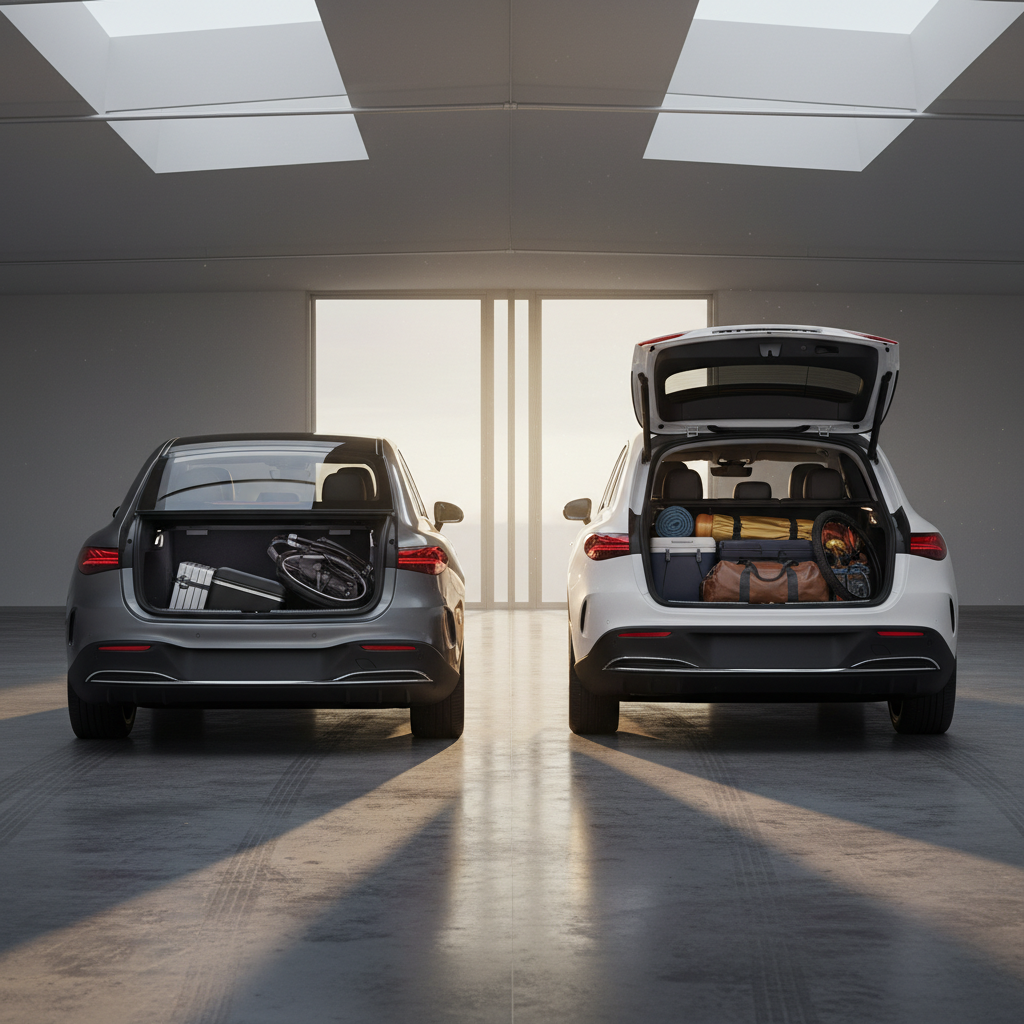
On top of that, many EVs are designed as roomy crossovers with **flat load floors** and **boxy cargo areas**, exactly what you want for crates, dog beds, and big breeds. But not every EV is created equal. Some have sloping rooflines, high cargo sills, or tiny hatches that make life harder for you and your dog. The sections below will help you spot the difference and choose the right match.
Dogs and cars: a quick snapshot
What makes an electric car good for dogs?
Key dog-friendly EV features to prioritize
Space, access, comfort and safety all matter
Spacious, flat cargo area
Low liftover height
Rear vents & pet climate
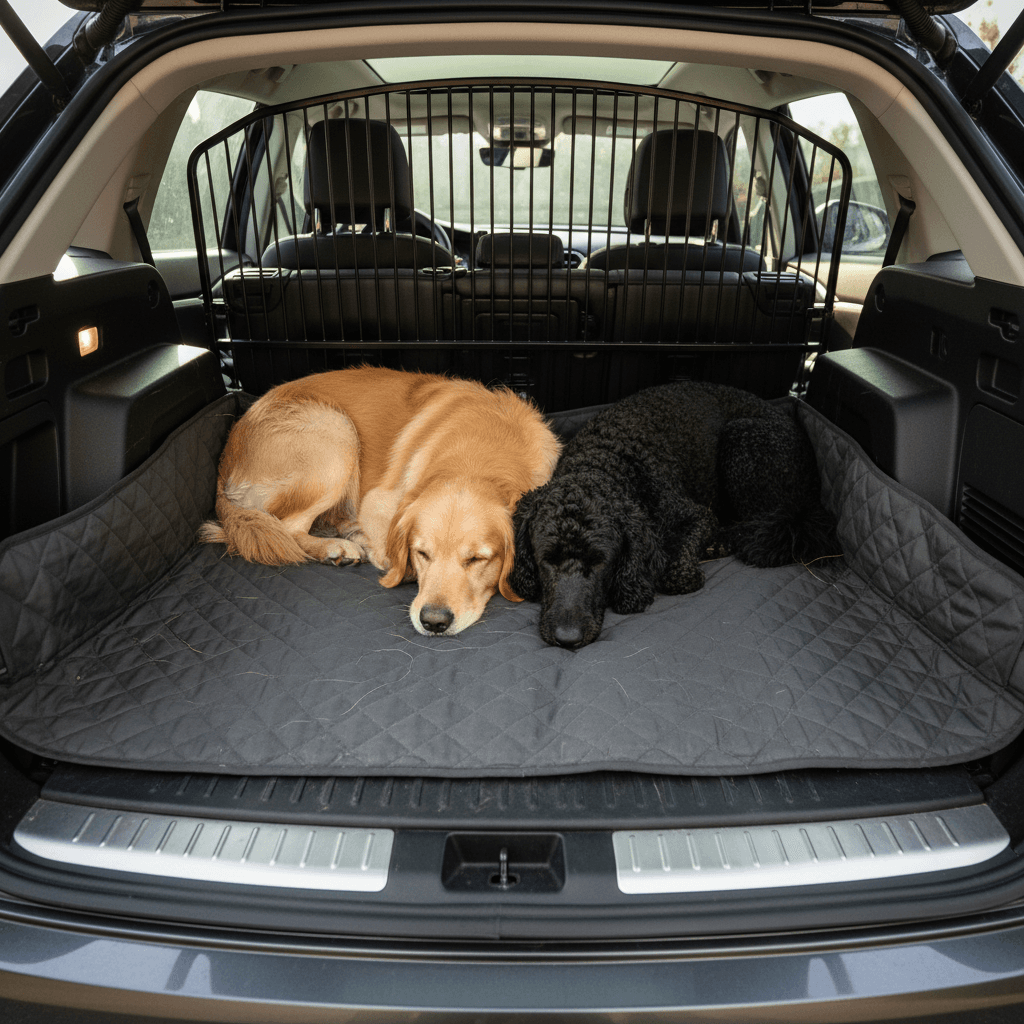
Tie‑downs & barriers
Easy‑clean materials
Range & charging
Quick measuring trick
Best electric SUVs for dogs
For most dog owners, a compact or midsize **electric SUV** hits the sweet spot: easy entry, generous cargo space, and all‑weather traction for trips to the trailhead. Here are some of the best options to put on your shortlist if you’re shopping new or used in the U.S. market.
Dog-friendly electric SUVs to consider
These EVs combine generous cargo space, easy access and useful pet‑focused tech. Specs are approximate and may vary by trim and model year.
| Model | Why it’s great for dogs | Cargo space (rear seats up)* | Notable pet-friendly touches |
|---|---|---|---|
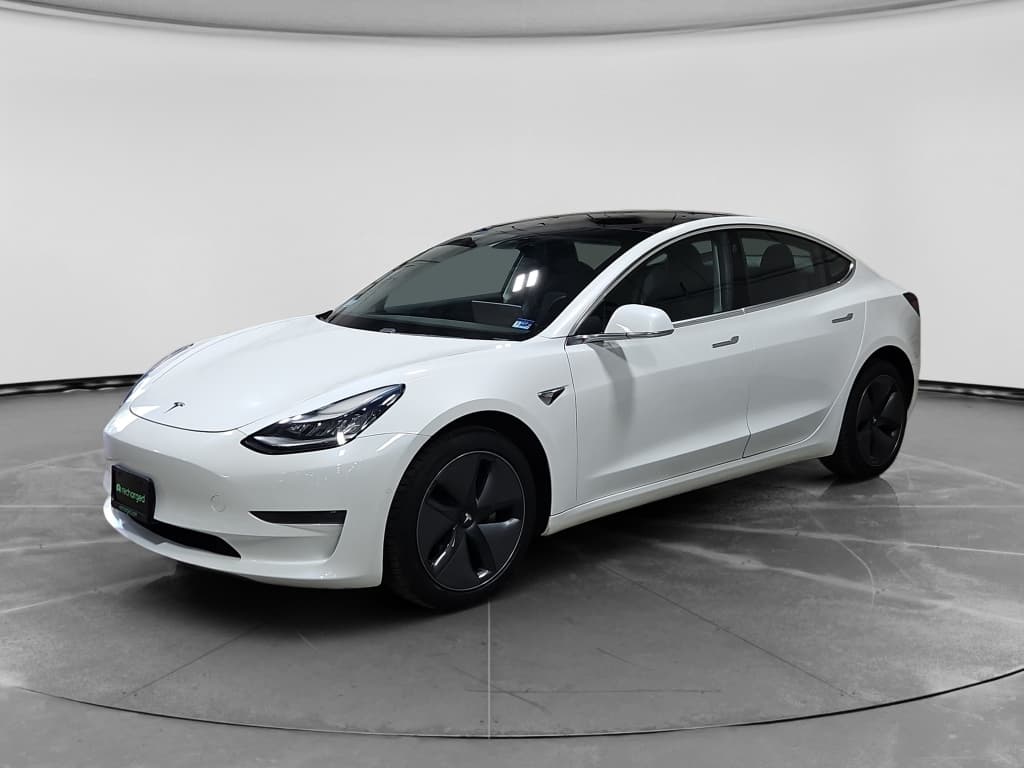
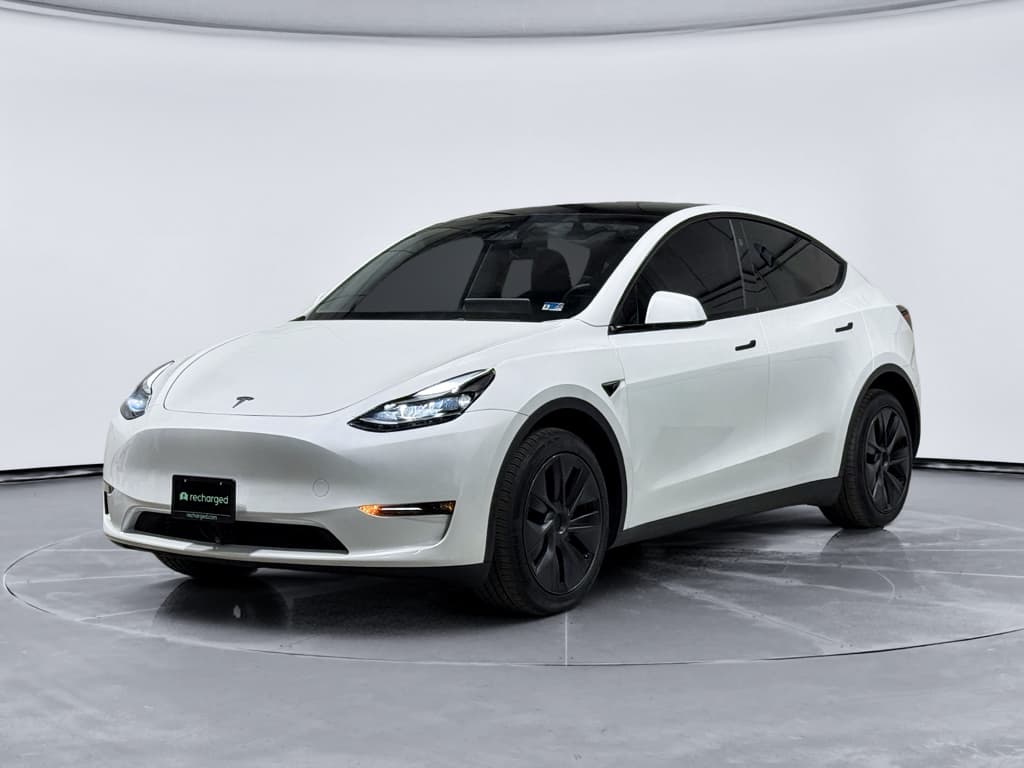
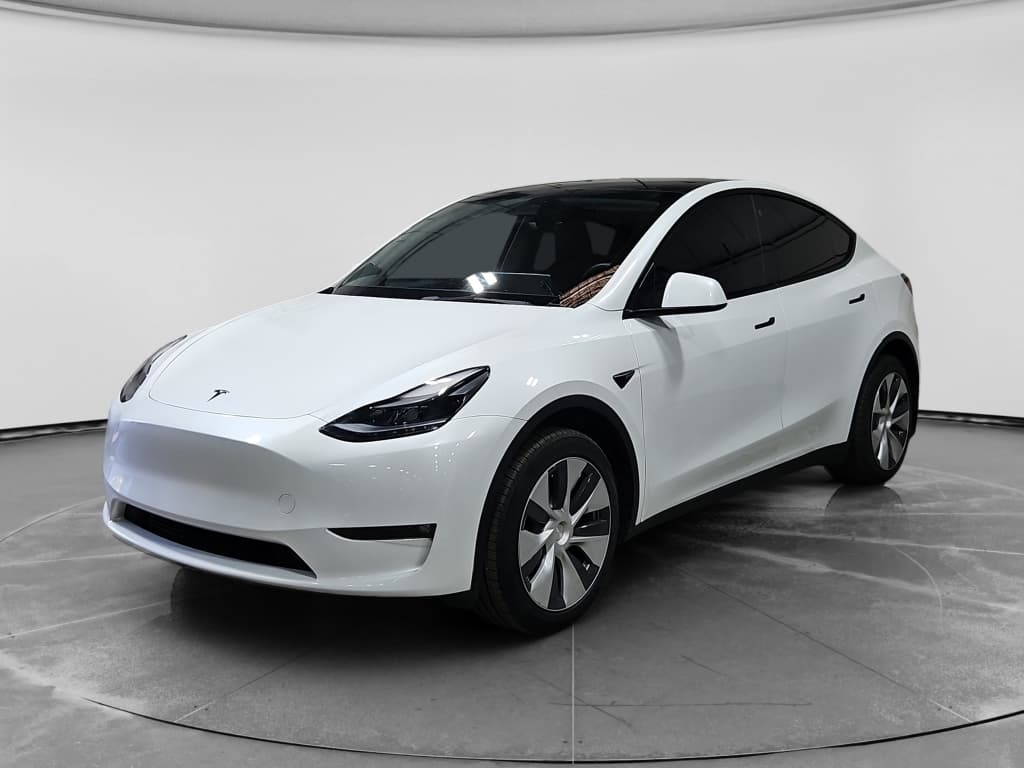
| Tesla Model Y | Huge, square cargo area and dedicated Dog Mode make it one of the most popular EVs for dog owners. | ~30 cu ft | Dog Mode climate feature, giant hatch opening, optional third row folds flat for extra space. |
| Hyundai IONIQ 5 | Boxy profile and long wheelbase translate into a surprisingly roomy rear seat and cargo area for medium and large dogs. | ~27 cu ft | Low, wide liftover; sliding rear seats; available vehicle‑to‑load power for camping gear. |
| Volkswagen ID.4 | Tall roof and upright tailgate make it easy to fit crates and pet barriers; well‑tuned ride keeps dogs comfortable. | ~30 cu ft | Available hands‑free tailgate; plenty of cargo tie‑downs; optional rubber cargo mat. |
| Ford Mustang Mach‑E | Sporty yet practical, with a flat load floor and optional AWD for year‑round dog adventures. | ~29 cu ft | Frunk storage for muddy leashes and towels; available panoramic roof brightens the cabin. |
| Kia EV9 / Hyundai IONIQ 7 (3‑row) | If you have multiple large dogs plus kids, these three‑row EVs offer van‑like space with electric efficiency. | 35+ cu ft | Fold‑flat rear rows, low floor for big dogs, available rear climate controls and USB ports near the cargo area. |
Always verify exact dimensions and features for the specific model year you’re considering.
Watch the slope of the rear glass
Best compact EVs and hatchbacks for dogs
If you live in a city or simply prefer a smaller vehicle, a compact electric hatchback can still work beautifully for one or two small‑to‑medium dogs. The key is a **tall roofline** and **versatile hatch** rather than a low, sloping fastback.
Compact EVs that punch above their size for dogs
Great if you want dog space without a big SUV
Chevy Bolt EV / EUV (used only)
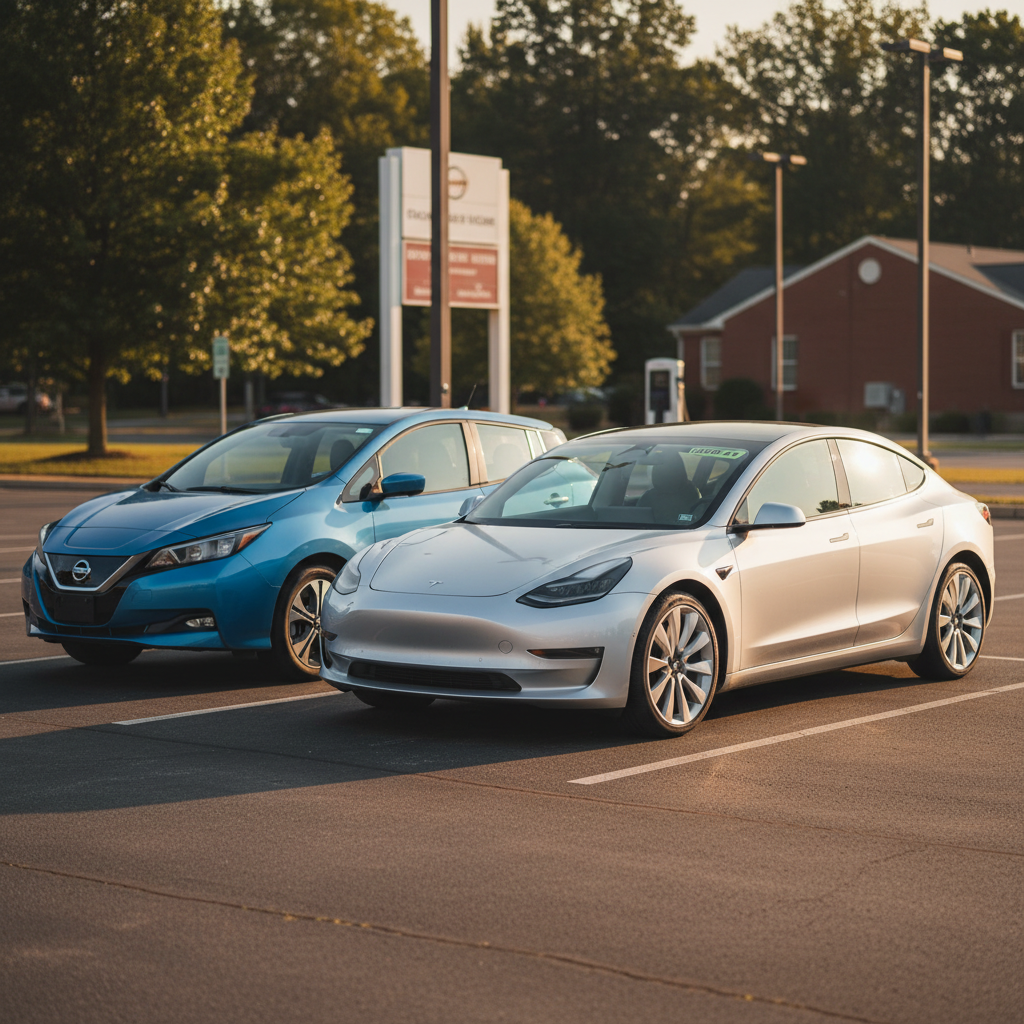
Nissan LEAF (2nd generation)
Hyundai Kona Electric & Kia Niro EV
European options (if you’re shopping abroad)
Don’t fear “too much” space
“Dog Mode” and pet climate features in EVs
Climate control is where electric cars truly shine for dog owners. Because the HVAC system runs off the high‑voltage battery, many EVs let you hold cabin temperature while parked, without idling an engine or creating fumes.
- Tesla Dog Mode: Keeps the cabin at a set temperature while parked and displays a large on‑screen message telling passers‑by that your dog is safe and the A/C or heat is on.
- “Camp” or “Stay” modes in other brands: Some EVs from Hyundai, Kia, Rivian and others offer camping or stay modes that keep climate active while you’re inside the vehicle or nearby.
- Remote climate via app: Even if there’s no dedicated dog mode, many EVs let you start cabin pre‑conditioning from a phone app, handy if you’re headed back to a hot car after a hike.
- Rear vents and sunshades: Rear air vents, tinted glass and built‑in sunshades reduce hot spots in the cargo area where dogs typically ride.
Important safety reminder
Safety tips for driving with dogs in an EV
EVs often have strong acceleration and quiet cabins, which is great for humans but can encourage dogs to roam if they’re not properly secured. A few simple habits will go a long way toward keeping every ride safe and stress‑free.
Essential EV dog safety checklist
Use a harness or crate, not a loose leash
A crash‑tested harness clipped to a rear seatbelt, or a secured crate in the cargo area, is far safer than a dog riding loose. It also keeps them from unexpectedly jumping toward the driver during hard acceleration or braking.
Position dogs behind the second row
In most EVs, the safest place for dogs is the rear seat or cargo area behind a barrier, not in the front seat. Airbags and short dash‑to‑seat distances can seriously injure unrestrained pets in a collision.
Take advantage of flat EV floors
Use the typically flat rear footwell and cargo floor to stabilize crates and beds. Add non‑slip mats or rubber liners so nothing slides when you tap into that instant EV torque.
Secure cargo along with pets
Charging cables, water jugs and folding chairs can all become projectiles in a crash. Use tie‑downs and storage bins so your dog doesn’t share space with loose gear.
Mind your range with extra weight
Large dogs, crates and roof boxes add weight and aerodynamic drag, which can trim range. Build in more buffer than usual on long trips, especially in winter.
Plan water, shade and breaks
Quiet EV cabins can hide early signs of stress. Schedule regular stops for water and bathroom breaks, and use shaded parking plus remote climate control to manage extreme heat or cold.
Why a used EV can be perfect for dog owners
If you’re willing to buy used, dog ownership can actually make the math even more compelling. Your next “dog car” is going to see hair, mud, and the occasional paw‑print on the door card. Paying new‑car money for that privilege often doesn’t make sense, especially when **used electric SUVs and hatchbacks are now widely available at significant discounts compared with their original MSRP**.
Why used EVs pair so well with dogs
- Lower purchase price: You can step up to a larger, more dog‑friendly model (like a used Model Y or ID.4) for the price of a smaller new EV.
- Less stress about wear and tear: Light scratches on plastic or a bit of fur in the cargo area feel less painful on a pre‑loved vehicle.
- Proven real‑world range: You can read owner reports and independent tests to see how a particular EV handles road trips, weather and loaded cargo.
How Recharged helps de‑risk a used EV
Because battery health is the heart of any used EV purchase, every vehicle at Recharged comes with a detailed Recharged Score Report that verifies:
- Measured battery health and estimated remaining capacity
- Fair market pricing based on condition and mileage
- Charging performance and any fault codes
You can shop entirely online, explore financing, trade‑in your existing vehicle, and even arrange nationwide delivery, so upgrading to a more dog‑friendly EV is as low‑stress as possible.
Think like a landlord
How to test-drive an EV with your dog
You wouldn’t rent a new apartment for your dog without letting them sniff around first. The same logic applies to a dog‑hauling EV. A structured test drive, ideally with your dog along, will reveal more than any spec sheet.
Dog‑friendly EV test‑drive game plan
1. Fold seats and measure the space
Start by folding the rear seats into their most dog‑friendly position. Measure length, width and height under the hatch, then compare to your current crate or bed size.
2. Check the liftover and ramp options
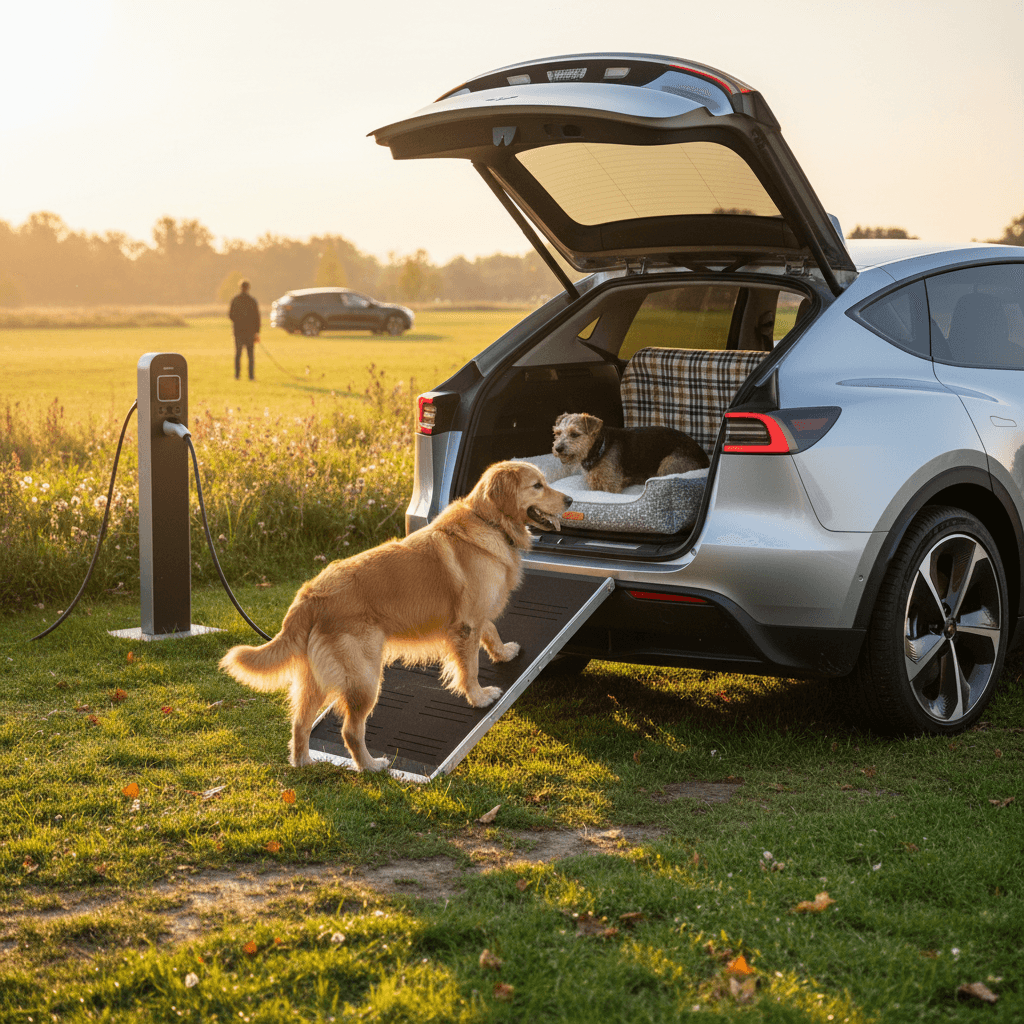
Have your dog step in and out a few times. If they hesitate or struggle, imagine doing that multiple times a day. For senior dogs, test how a portable ramp fits against the bumper.
3. Sit where your dog will sit
Climb into the cargo area yourself (carefully) to check headroom, ventilation and window height. Is there enough airflow from rear vents? Will sun be beating directly onto a dark‑colored dog?
4. Practice securing a crate or harness
Locate cargo tie‑downs and test how a crate or harness attaches. Make sure there’s a sturdy anchor point that doesn’t require awkward routing around sharp edges or delicate trim.
5. Test climate controls and pet modes
Experiment with rear climate, window shades and any pet or camp modes. Can you easily adjust temperature from the rear seats? How many taps does it take to activate a pet‑safe setting?
6. Drive the way you really drive
On the road portion, include a highway merge and a bumpy side street. Listen and feel for how the suspension handles with extra weight in the back, your dog will appreciate a composed, not harsh, ride.
A dog‑friendly EV isn’t just about cubic feet on a spec sheet. It’s about how easy it is to live with every single day, loading, cleaning, and keeping your best friend safe and comfortable.
FAQs: best electric cars for dogs
Frequently asked questions about dog-friendly EVs
The right dog‑friendly EV will make every errand, trailhead run and road trip easier, for both you and your four‑legged co‑pilot. Focus less on abstract cargo numbers and more on how the space actually works: the height of the hatch, the flatness of the floor, the position of vents and tie‑downs, and how your dog moves in and out. If you’re ready to upgrade, a well‑chosen **used electric SUV or hatchback** with verified battery health can deliver years of quiet, low‑maintenance travel, muddy paws and all.