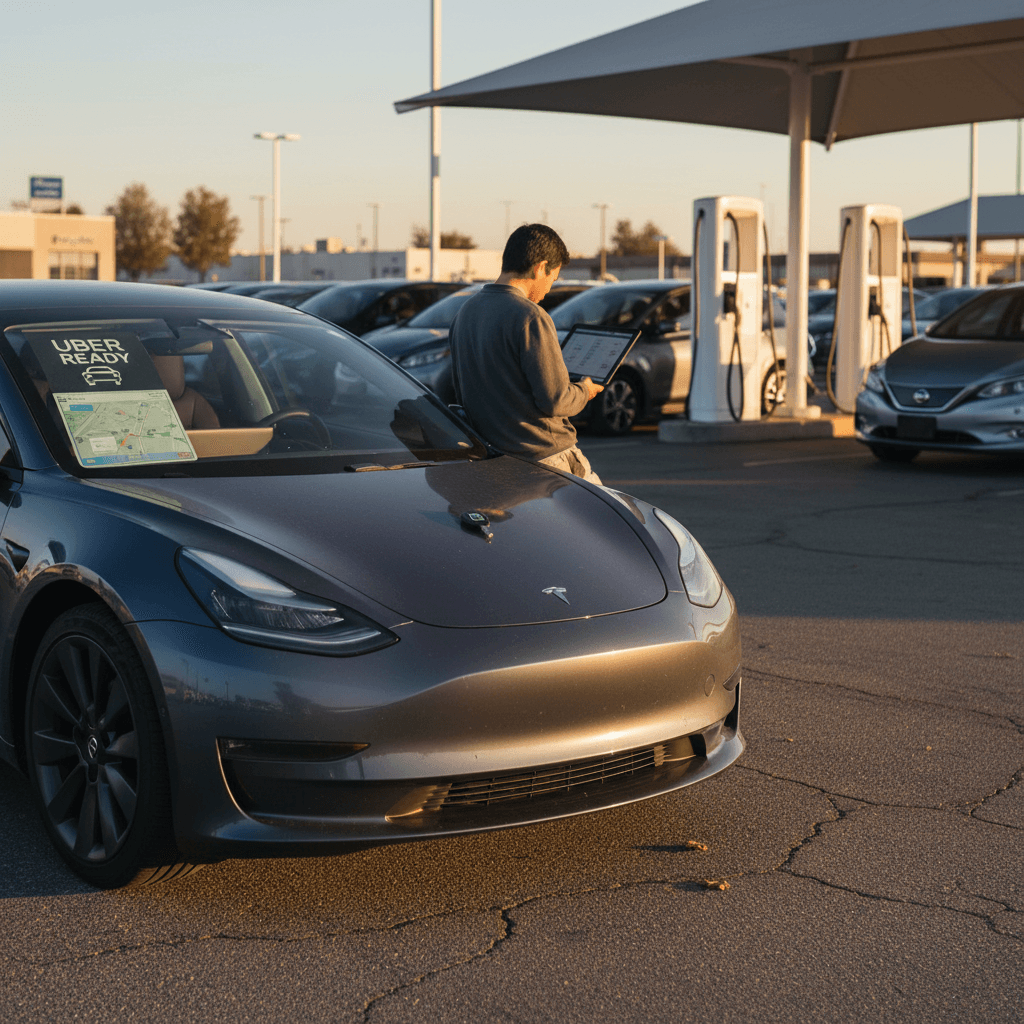
An Uber car is a workplace, so the best choice isn’t necessarily the EV with the longest feature list. You need a car that qualifies for the service you plan to offer, has enough tested range for your shifts, fits passengers and luggage, and can recharge without wrecking your schedule. A clean battery report and a realistic charging plan matter more than cosmetic options.
Why the Model 3 is the strongest all-around pick
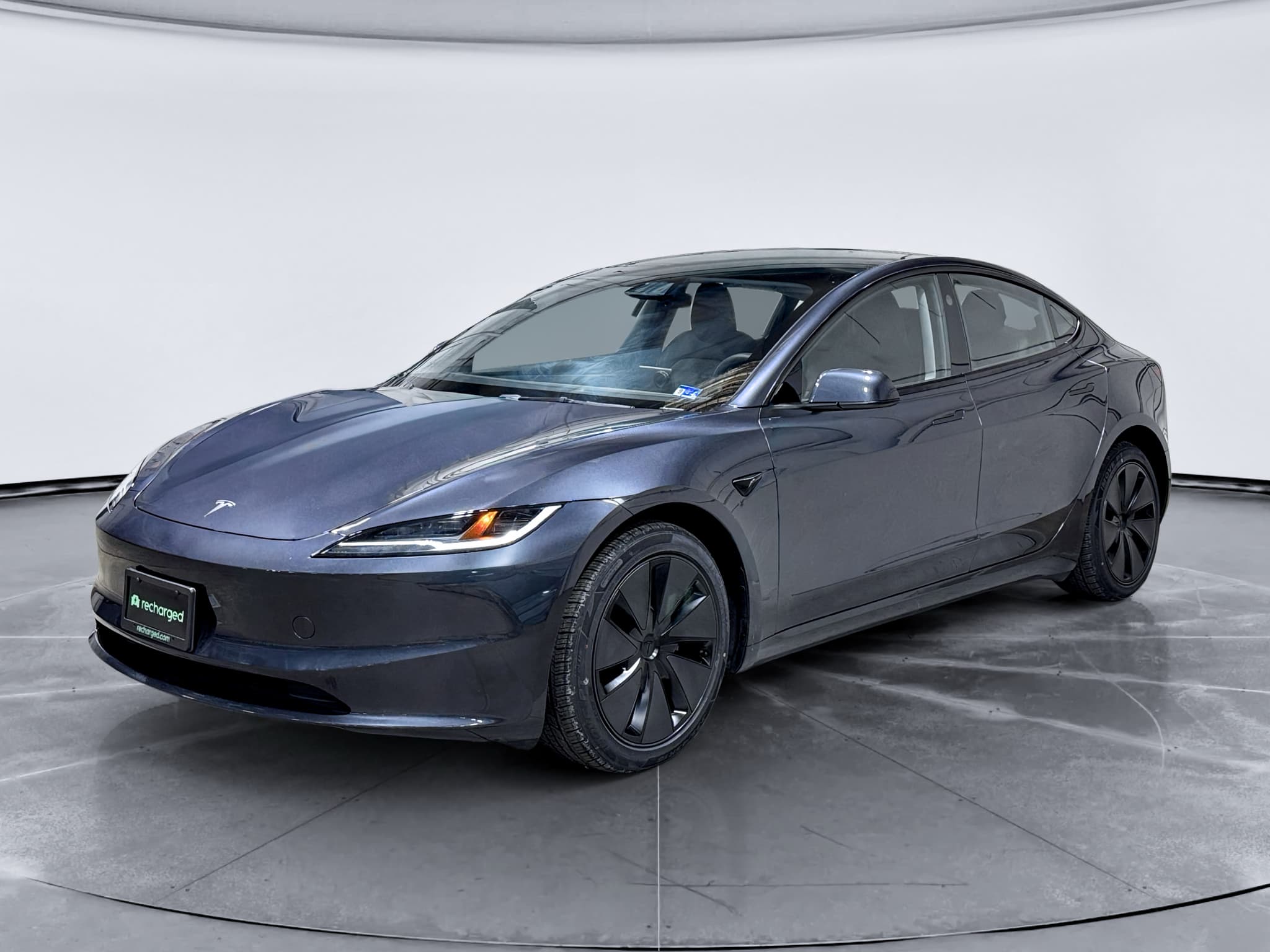
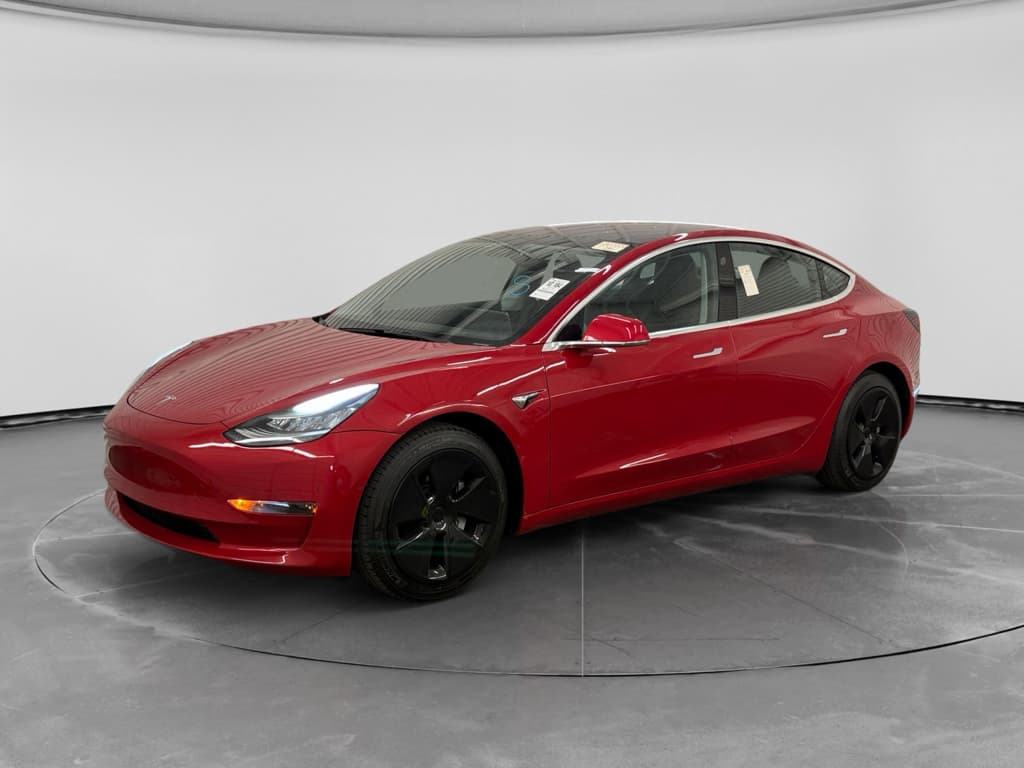
The used Tesla Model 3 is the most sensible default for many Uber drivers because it packages passenger space, an established charging experience, and a familiar sedan format into one work-ready vehicle. Recharged team members also repeatedly favored the Model 3 over the Volkswagen ID.4 and Kia EV6 in an internal EV comparison reel, although personal preference isn’t a substitute for inspecting the actual car. Before buying, confirm that the model year and exact vehicle qualify for your local Uber service and that its tested range covers your shift with a useful reserve.
The Model 3 is not automatically the cheapest car to operate, and it isn’t ideal for every route. Airport drivers may prefer the added cargo flexibility of a crossover, while drivers without dependable charging may find that even a good EV creates too much downtime. Compare the actual purchase price, insurance quote, tire condition, battery report, and charging access rather than buying on reputation alone.
Which other used EVs should Uber drivers consider?
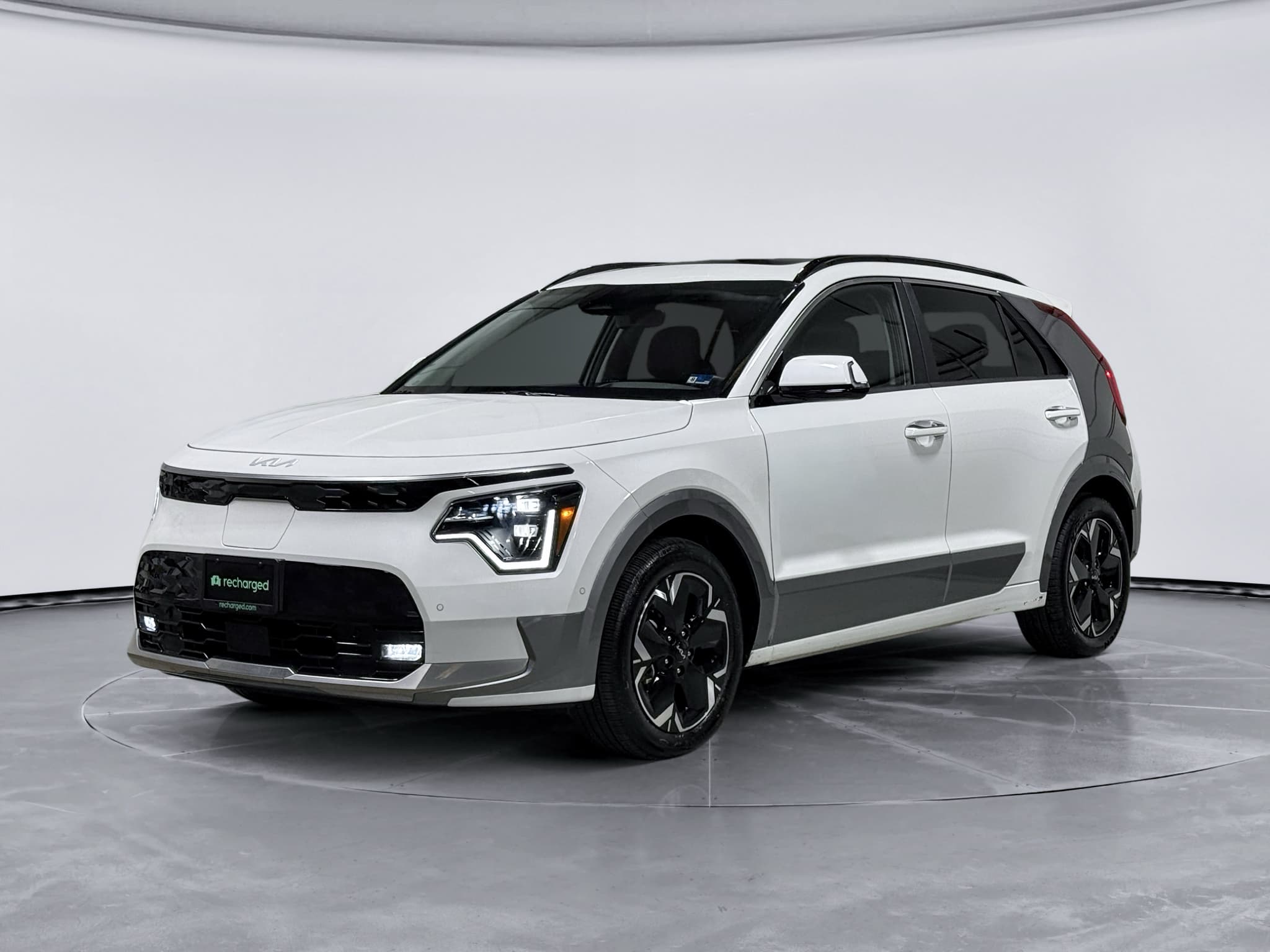
The practical shortlist includes the Tesla Model 3, Tesla Model Y, Kia EV6, and Volkswagen ID.4, with the best choice depending on your passengers, luggage load, and charging routine. These are broad model-level recommendations rather than endorsements of every used example. A well-inspected car with the right price and battery condition is a better tool than a more fashionable model with hidden wear.
Used EV shortlist for rideshare work
Compare the job each model is best suited to before checking the specific car’s eligibility and condition.
| Model | Best for | Key advantage | Watch closely |
|---|---|---|---|
| Tesla Model 3 | Best all-around | Work-friendly sedan format | Ride, battery report |
| Tesla Model Y | Airport and luggage trips | Flexible cargo area | Price, tires, insurance |
| Kia EV6 | Charging-heavy shifts | Fast-charge-focused design | Local charger access |
| Volkswagen ID.4 | Passenger comfort | Relaxed crossover layout | Software, charging check |
Availability, approval rules, equipment, and condition vary by vehicle and market.
Confirm Uber eligibility before paying
What Recharged battery data says
Recharged’s verified diagnostics show why a battery report should be central to your decision. Across 2,242 Recharged Score inspections, median tested remaining capacity was 94.9% of original capacity, average tested remaining capacity was 93.9%, and median tested real-world range was 268 miles. Those are fleet-wide results across inspected used EVs, not a promise about a Model 3, or any individual car.
Current Recharged listings also show how widely used-EV asking prices can vary. Across 417 live listings in the snapshot, the median asking price was $30,997, with prices running from $12,996 to $146,998 across the broader EV fleet. The takeaway is simple: set a work-car budget first, then compare vehicles in that range by verified battery condition rather than assuming a low asking price is automatically a bargain.
When the EV is your workplace, battery condition matters more than a shiny option package. Start with tested remaining capacity and tested range, then decide whether the cabin and charging routine fit the way you actually drive.
Recharged data
Used EV battery health
94%
avg remaining capacity
From Recharged battery inspections, not manufacturer estimates.
- Lowest
- 63%
- Median
- 95%
- Highest
- 100%
- Est. range
- 266 mi avg
- Cell balance pass
- 100%
- Quick charges
- 18 avg
- Slow charges
- 65 avg
Average cell imbalance: 7.3 mV
Based on vehicles Recharged tested
Recharged data
Used EV prices at Recharged
$30,997
median list price
Current list prices for matching inventory at Recharged.
- Lowest
- $12,996
- Average
- $34,803
- Highest
- $146,998
Average Recharged Score on these listings
4.8 / 5
Range
3.7 – 5.0
Based on available listings
Every EV is battery-tested with a Recharged Score. Nationwide delivery.
What should you check before buying?
You should verify eligibility, battery condition, charging performance, wear items, and insurance cost before committing to a rideshare EV. High annual mileage magnifies small problems: weak climate control becomes a daily passenger complaint, damaged wheels consume tires, and inconvenient charging steals working hours. Use a structured inspection rather than treating a clean test drive as proof that the car is ready for commercial use.
Pre-purchase checklist for an Uber EV
Confirm the exact vehicle
Check the model year, body style, title status, seating, and vehicle-specific eligibility with Uber in your market.
Review verified battery health
Compare tested remaining capacity and real-world range with the distance you expect to drive during a normal shift.
Test both charging methods
Verify normal charging and compatible DC fast charging; inspect the port, cable connection, and charging behavior.
Inspect tires and wheels
Look for uneven wear, sidewall damage, bent wheels, and mismatched tires that could create an early expense.
Check the working cabin
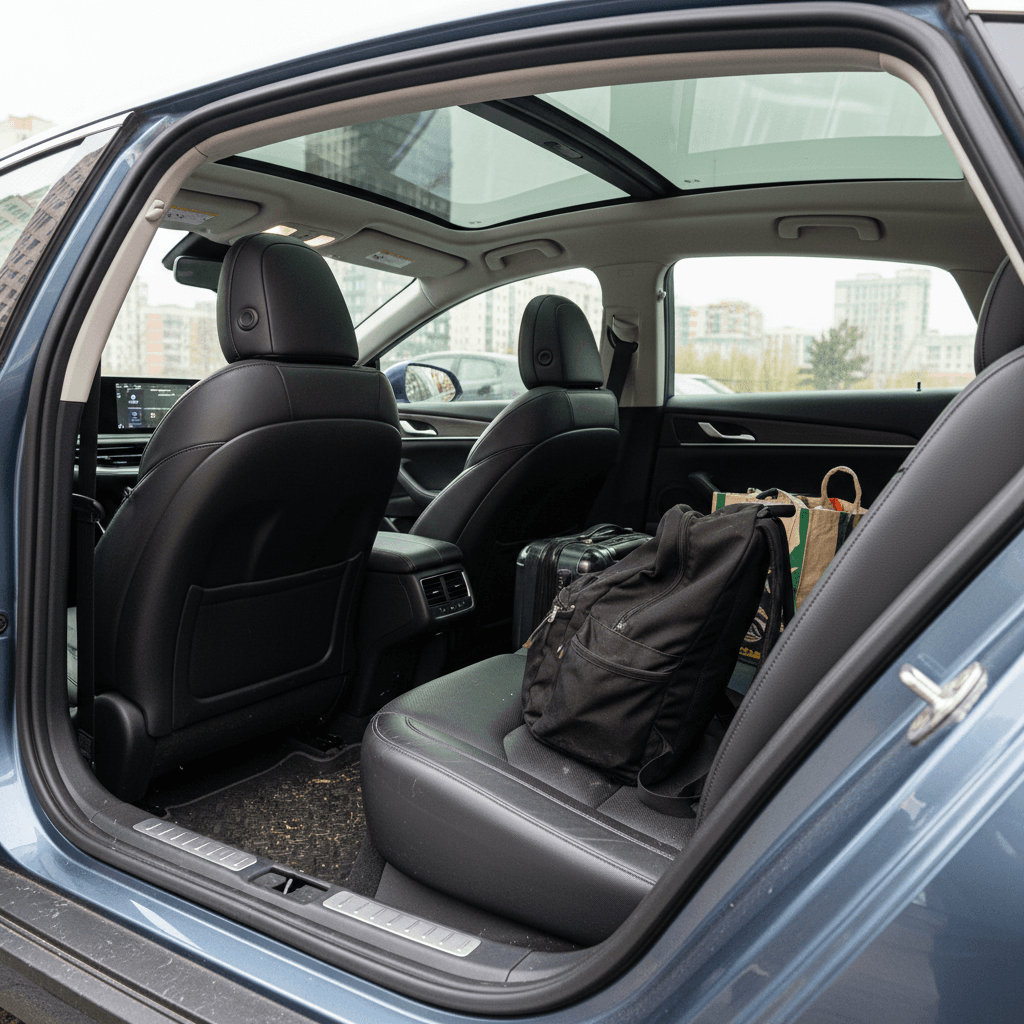
Test climate control, rear-seat comfort, seat belts, doors, charging ports, cameras, and the cargo area.
Price insurance first
Get a quote based on the exact vehicle and disclose rideshare use so the comparison reflects your real coverage needs.
A used-EV battery-health report gives you information a visual inspection cannot. You should also follow a broader used electric car buying checklist and budget for any immediate tire, wheel, suspension, or cabin repairs. If the seller cannot document the battery’s condition, price that uncertainty into your decision, or choose another car.
Your charging routine determines the economics
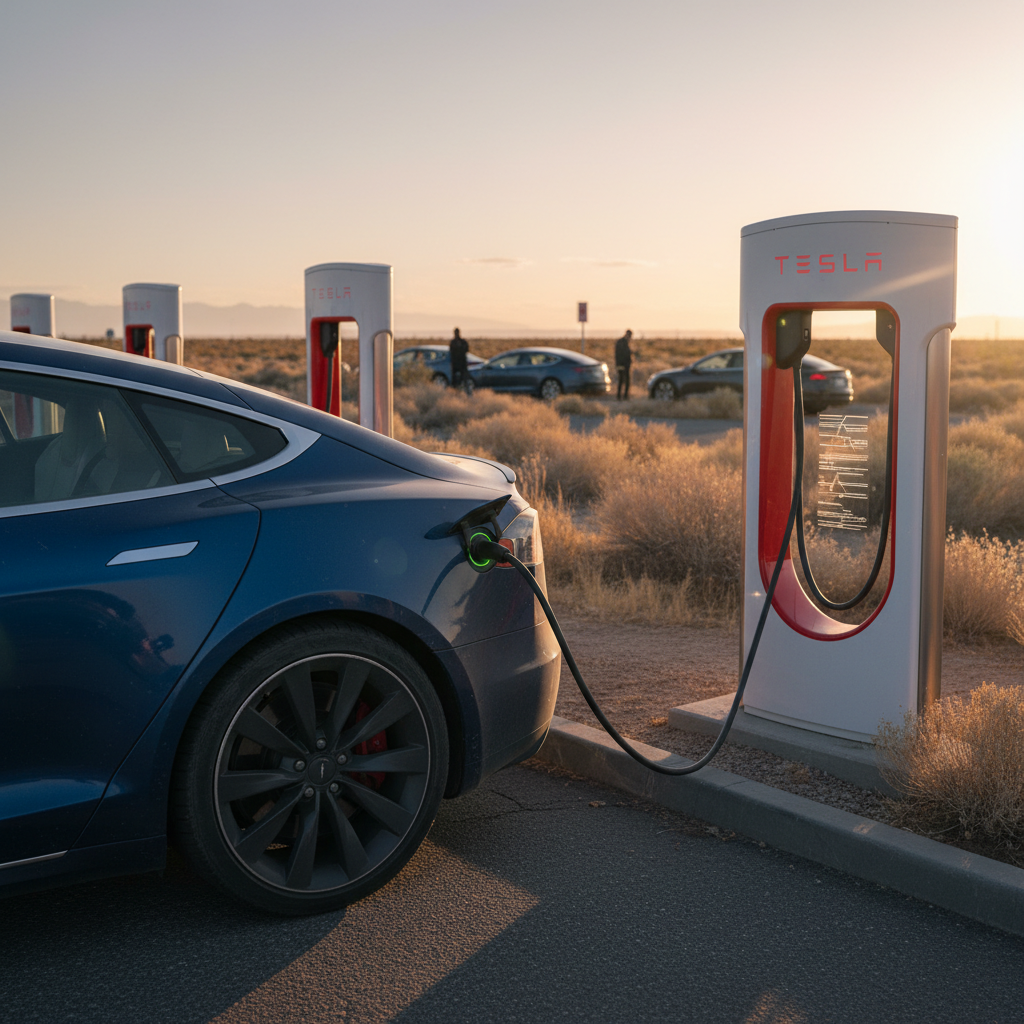
Your best ownership case usually starts with dependable overnight charging, not repeated emergency stops during a shift. Level 2 charging means a 240-volt setup that typically replenishes an EV while it sits for several hours; for a rideshare driver, that can turn parked time into charging time. If you rely on public charging, map compatible stations near your working area and consider queues, detours, charging speed, and the time when demand is highest.
Calculate cost per working day rather than focusing only on the monthly payment. Include financing, insurance, charging, tires, cleaning, planned maintenance, and time spent away from passengers. An EV home-charging plan and a review of electric-car maintenance costs will give you a more realistic comparison with your current vehicle.
Don’t budget around an expired federal credit
Instant offer, trade-in, or consignment. Pickup available.
Frequently asked questions
The Model 3 is the default, not an automatic yes
A used Tesla Model 3 is the best starting point for most Uber drivers, but the right answer is the specific eligible car with verified battery health and a charging plan that protects your working hours. Choose the Model Y when cargo flexibility justifies it, or consider the EV6 and ID.4 when their cabin and charging characteristics better suit your routine. Shop the condition report, total operating cost, and job fit, not merely the badge.