If you’re shopping for the best electric car for a suburban family in 2026, you’re trying to solve several problems at once: school runs, Costco hauls, weekend tournaments, and the occasional road trip, without burning a gallon of gas. The good news: by 2026 there are finally enough family-friendly EVs that you can be picky about space, range, safety tech, and price.
Quick take
How to think about the “best” family EV in 2026
Ask five suburban families what the “best” electric car is and you’ll get five answers. Some prioritize maximum range; others care more about an airy cabin, crash-test scores, or monthly payment. Rather than chasing a single winner, it’s smarter to match vehicles to use cases: two-row crossovers for young families, three-row SUVs for big crews, and value-focused used EVs for budget-conscious buyers.
Why 2026 is a turning point for family EVs
Key features suburban families should prioritize
What actually matters for suburban life
Four buckets to evaluate every candidate against
Space & practicality
- Comfortable rear seats for growing kids
- Cargo room for strollers, sports gear, warehouse-club runs
- Easy car-seat access (LATCH placement, door opening size)
Range & efficiency
- At least 230–250 miles of EPA range for two-row family use
- Longer if you road-trip regularly
- Heat‑pump and efficiency help in cold climates
Charging fit
- Level 2 home charging capability
- Fast‑charge speeds for road trips
- Connector type (NACS vs. CCS) and network access
Safety & tech
- Strong crash ratings and active safety suite
- Rear‑seat reminders, blind‑spot monitoring, 360° cameras
- Kid‑friendly cabin tech that’s not distracting
Start with your driveway
Best overall electric car for suburban families in 2026
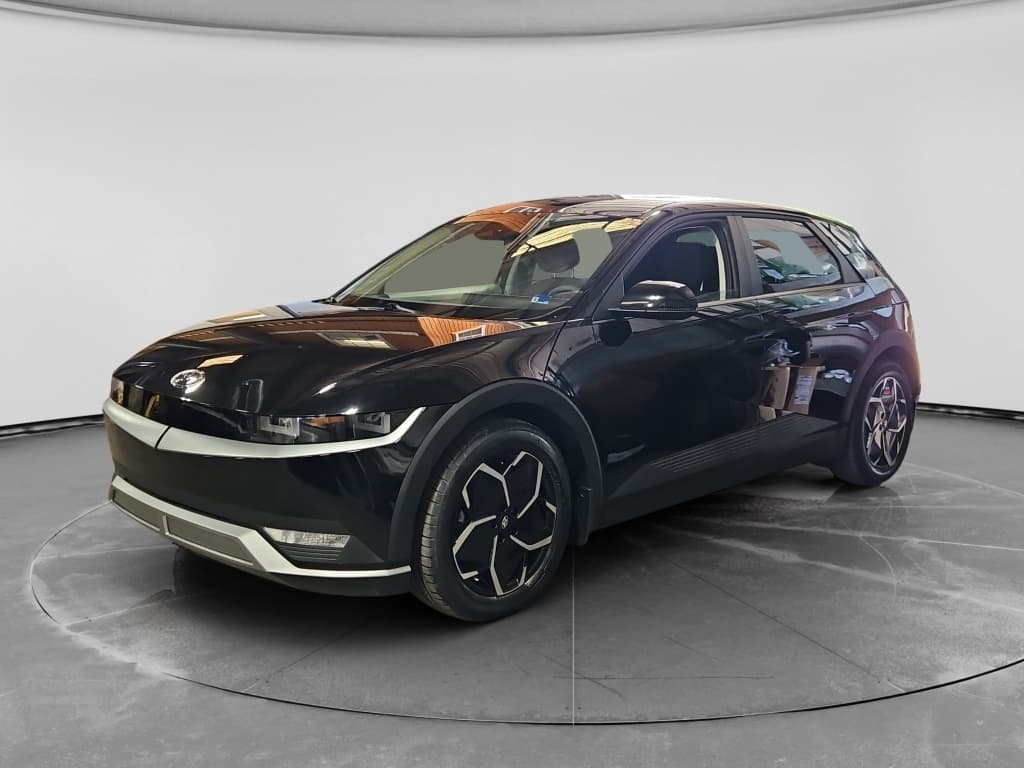
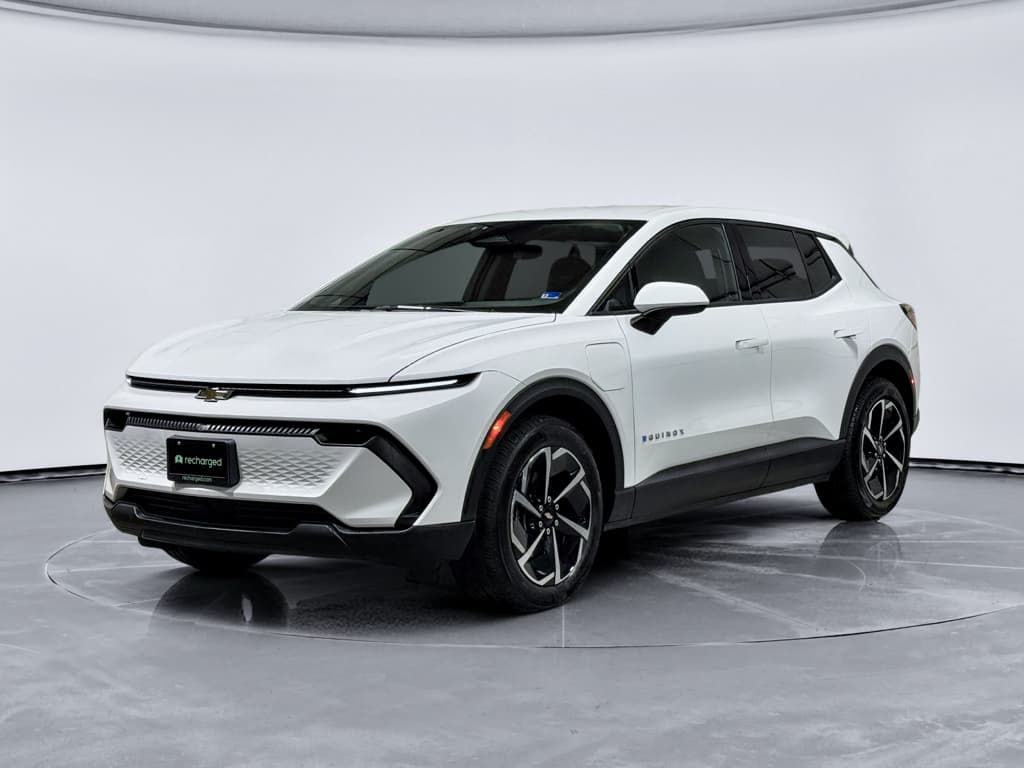
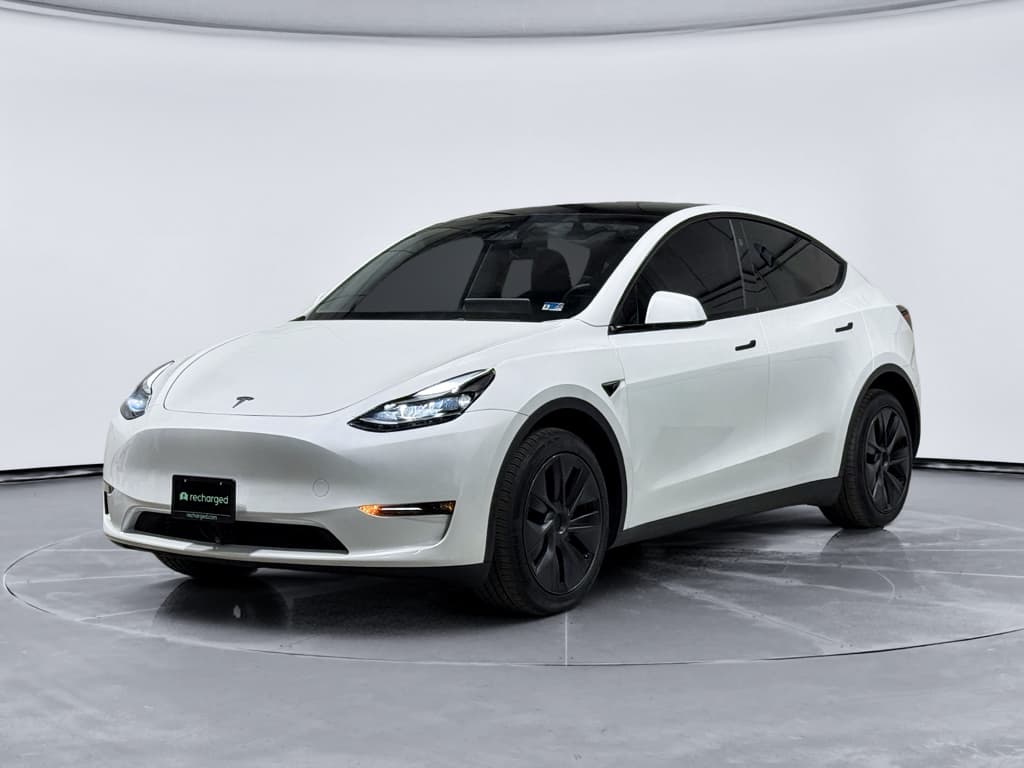
For a typical U.S. suburban family, two adults, one or two kids, garage or driveway parking, and occasional road trips, the strongest all‑around bet in 2026 remains a compact or midsize electric SUV with two or two‑plus rows. The ongoing benchmark is the Tesla Model Y, but Hyundai’s Ioniq lineup and GM’s new Ultium‑based crossovers (notably the Chevrolet Equinox EV) have turned this into a true contest.
Top two-row electric SUVs for suburban families (2026 snapshot)
Approximate specs for popular 2026 family EVs. Always confirm exact figures for the trim you’re considering.
| Model | Rows / Seats | Approx. EPA Range | Notable Strengths | Typical Weak Spots |
|---|---|---|---|---|
| Tesla Model Y | 2 / 5 (+optional small 3rd row) | 260–330 mi | Supercharger access, efficiency, strong software, good cargo space | Sparse physical controls; 3rd row small and best for kids only |
| Hyundai Ioniq 5 | 2 / 5 | 260–300 mi | Spacious cabin, ultra‑fast charging on E-GMP platform, high safety scores | No true 3rd row; some trims in short supply in certain regions |
| Kia EV5 / EV6 | 2 / 5 | 250–300 mi | Sporty to drive, family‑friendly interior, solid value | Less cargo space than boxier rivals; brand still building charging partnerships in U.S. |
| Chevrolet Equinox EV | 2 / 5 | 280–320 mi | Family‑friendly SUV shape, competitive price, strong tech suite | Real‑world availability still ramping up in some states |
| Volkswagen ID.4 | 2 / 5 | 250–290 mi | Comfortable ride, usable cargo hold, strong warranty support | Infotainment has a learning curve; charging speed merely decent |
Range and pricing estimates are for reference only and can vary by configuration and region.
Best all-around pick for many suburbs
Best three-row electric SUV for big suburban families
If you’re hauling three kids plus their friends, or you need to replace a traditional three-row gasoline SUV, you finally have credible electric options in 2026. They’re not cheap, but they’re practical in ways early EVs simply weren’t.
Three-row electric SUVs suburban families should know
From value-focused to full luxury
Kia EV9
Best all-around three-row EV for families. The EV9 packs a true three-row layout, competitive pricing for the segment, and E‑GMP fast‑charging tech. For many families jumping from a Telluride or Highlander, this is the first EV that actually fits their life.
Premium options
Luxury buyers have choices like the Mercedes‑Benz EQS SUV, Volvo EX90, and high‑end American entries. These bring top‑tier cabins, advanced driver assistance, and long‑range packs, at luxury‑SUV price tags.
What to watch
- Real‑world third‑row legroom and headroom
- Cargo volume behind the third row (strollers, groceries)
- Fast‑charge speed and road‑trip charging network access
Three-row trade-offs
Best budget-friendly family EVs: New and used
Not every suburban family wants a $60,000+ electric SUV. The most interesting story in 2026 may actually be at the lower end of the market, where new compact crossovers and deeply depreciated used EVs are competing for the same buyers.
Budget-conscious family EV options (U.S. market, 2026)
Examples of models that often show up at attractive price points for suburban families. Used prices vary by mileage and condition.
| Model | New / Used | Typical Transaction Price | Why Families Like It |
|---|---|---|---|
| Chevrolet Equinox EV | New | Around mid-$30,000s before incentives | Mainstream SUV look and feel, strong tech, competitive range for the money. |
| Hyundai Kona Electric (prior gen) | Used | Often low-to-mid $20,000s | Small but practical, good efficiency, strong reliability record in many markets. |
| Chevrolet Bolt EUV | Used | High teens to low $20,000s | Affordable entry into EV family life, workable back seat for younger kids, big depreciation working in buyers’ favor. |
| Volkswagen ID.4 (earlier model years) | Used | Mid-$20,000s and up | Comfortable ride, usable cargo room, plenty of examples coming off lease. |
| Hyundai Ioniq 5 / Kia EV6 (early builds) | Used | High-$20,000s to mid-$30,000s | Top-tier charging tech and family‑friendly cabins at a discount vs. new. |
Used pricing ranges are rough real‑world asking prices as of early 2026, not guarantees.
Budget EVs: don’t skip battery health
Range and charging: What suburban families really need
Suburban life is often predictable: school, work, activities, repeat. That plays to EV strengths. For many households with home charging, a 230–260‑mile EV feels no more limiting day‑to‑day than a 400‑mile gas tank. The pain points usually show up on holidays and long weekends.
Daily suburban driving
- Most U.S. commuters travel well under 40 miles per weekday.
- Even with errands and activities, 80–100 miles in a day is common but manageable for any modern EV.
- With a 240‑volt home charger, you simply plug in at night and wake up to a full “tank.”
In this world, anything over about 230 miles of EPA range is usually comfortable, and 260+ starts to feel abundant.
Weekend trips and holidays
- Road trips expose differences in fast‑charging speed and network quality.
- Look for 150 kW+ peak DC fast‑charge capability if you travel a lot.
- Consider which network you’ll rely on (Tesla Supercharger, growing NACS networks, legacy CCS).
If you’re mostly staying within a few hours of home, don’t overpay for range you rarely use. Trip planning and good charging stops matter as much as battery size.
Charging readiness checklist for suburban families
1. Confirm your parking situation
Do you have a garage or dedicated driveway spot where you can install a Level 2 charger or 240‑volt outlet? Shared or street parking complicates EV ownership more than any spec sheet.
2. Check your panel capacity
A licensed electrician can tell you if your electrical panel can support a 40‑ or 50‑amp EV circuit. Upgrades add cost but may future‑proof your home.
3. Think through your weekly miles
Add up school runs, work, sports, and errands for a typical week, and a busy week. Use that to decide if a 250‑mile EV is enough or if you’d feel better with 300+.
4. Map nearby fast chargers
Even with home charging, it’s worth knowing where the nearest DC fast chargers are, along with reliability reputations and connector types.
5. Understand connector changes
Many automakers are switching to the Tesla‑style NACS plug in the U.S. Make sure any EV you’re considering has a clear path to use the best networks in your region, whether via built‑in ports or adapters.
Safety tech and kid-friendly features to look for
Most late‑model EVs score well in lab tests, but suburban parents live in the real world: crowded school pickup lines, distracted drivers, and teen learners behind the wheel. The right safety tech stack can make a real difference.
- Crash-test performance: Look for top scores from IIHS and NHTSA where available, especially in small‑overlap and side‑impact tests.
- Standard driver assistance: Automatic emergency braking, blind‑spot monitoring, rear cross‑traffic alert and lane‑keeping assistance should be table stakes in 2026.
- Rear-seat reminders and door alerts: These systems reduce the risk of leaving a child or pet in the vehicle and can warn if a car is approaching from behind as kids exit.
- 360° or at least rear cameras: Helpful in tight school lots and when reversing over toys or bikes left in the driveway.
- Teen driving modes: Some brands let you limit speed or stereo volume when a younger driver borrows the car, a quiet but useful perk for peace of mind.
Car-seat reality check
Used vs. new family EVs: Where the value is right now
From a reporter’s perspective, one of the most striking 2026 trends is how sharply some early EVs have depreciated. That has created a two‑tier family market: buyers who want the very latest safety and charging tech, and those willing to trade a generation of software for thousands of dollars in savings.
Why a used family EV can make sense
- Lower upfront cost: Cars like the Chevrolet Bolt EUV, VW ID.4, and earlier Hyundai/Kia crossovers often sell for 30–40% less than their original sticker prices.
- Still plenty of range: Even older packs often deliver 180–230 miles, enough for many suburban routines.
- Faster path to ownership: You may find a used EV on the lot today instead of waiting for a new‑car order.
When a new EV may be worth it
- Latest safety and driver assist: 2025–2026 models tend to bundle more advanced collision‑avoidance tech and better camera systems.
- Charging access: Newer EVs are more likely to support NACS and faster DC charge rates out of the box.
- Warranty coverage: Full new‑car warranties, including 8‑year battery coverage from many brands, reduce risk for first‑time EV households.
How to compare battery health on used EVs
How Recharged helps suburban families buy smarter
If you’re looking at used family EVs, transparency is everything. Recharged was built around that idea. Every vehicle on the platform includes a Recharged Score Report that combines battery health data, pricing analysis and condition details so you’re not guessing about the most expensive component in the car.
- Battery health you can actually see: Recharged uses diagnostics to show remaining capacity and flag unusual degradation, giving you a clearer view than a generic dashboard bar graph.
- Fair-market pricing: The platform benchmarks each vehicle against the wider market, so you can tell if that family‑spec EV is priced reasonably for its age, mileage and battery health.
- EV-specialist guidance: Recharged’s team can walk you through trade‑offs between, say, a used Ioniq 5 and a newer Equinox EV, or help you decide whether you really need three rows.
- Flexible ways to sell or trade: If you’re moving out of a gasoline SUV, Recharged offers trade‑in, instant offer or consignment options, plus nationwide delivery on your next EV.
- Digital-first experience: Most of the process, from browsing to financing, happens online, with an Experience Center in Richmond, VA if you prefer seeing vehicles in person.
FAQ: Best electric car for suburban families in 2026
Frequently asked questions
Bottom line: Choosing your family’s EV in 2026
There is no single best electric car for suburban families in 2026, but there are clear patterns. Two‑row crossovers like the Model Y, Ioniq 5, EV6 and Equinox EV hit the sweet spot for many households, while three‑row SUVs like the Kia EV9 finally give larger families a path out of gasoline. Underneath it all, the same fundamentals apply: honest range, reliable charging, strong safety tech and an interior that fits your kids and their gear.
If you’re shopping the used market, the stakes are higher, but so are the savings. A transparent look at battery health and pricing can turn a confusing EV lot into a manageable set of trade‑offs. That’s where services like Recharged come in, pairing verified battery diagnostics with EV‑specialist support so you can focus on the real question: which electric car will make your family’s suburban life easier, not harder, for the next decade.