Road-tripping in an EV used to be a trust exercise in Google Maps, your bladder, and the whims of public charging. In 2026, it’s different. The best electric cars for road trippers now combine 300‑plus miles of real highway range with 18–25 minute fast charges and navigation that treats charging stops like just another coffee break.
Context for 2026
Why EVs finally make sense for road trippers in 2026
EV road‑trip reality check in 2026
The secret sauce for road‑tripping isn’t just a big battery. It’s the ecosystem: fast, reliable DC charging, cars that precondition the pack on the way to a charger, and navigation that plans charging stops around your meals instead of forcing you to picnic behind a warehouse at 2 a.m. By 2026, Tesla’s Supercharger network is partially opened to other brands, Hyundai and GM are shipping native NACS ports, and the non‑Tesla networks have grown up. If you pick the right car, a 1,000‑mile loop becomes routine rather than heroic.
What actually makes a great road-trip EV?
Core ingredients of the best electric cars for road trippers
Range matters, but it’s only half the story
Honest highway range
Ignore marketing range theater and focus on real interstate numbers. For comfortable spacing between stops, you want at least 230–250 miles at 70–75 mph with some weather buffer.
Fast, repeatable DC charging
The best road‑trip EVs can add 150–200 miles in roughly 20 minutes on a capable fast charger, and they can do it more than once a day without dramatic tapering.
Charging ecosystem & nav
Native access to a dense network (Tesla Supercharger or a strong CCS/NACS mix) plus smart navigation that plans and adjusts stops in real time makes or breaks the trip.
Comfort & noise
Four hours in a seat reveals sins a test drive never will. Look for good lumbar support, quiet cabins, and stable highway manners.
Cargo & flexibility
Road‑trippers pack like they’re fleeing the country. A true road‑trip EV swallows luggage, coolers, and outdoor gear, and still leaves room to see out the back.
Thermal management
Stable range in winter, and repeatable fast‑charge speeds in summer, come from serious battery thermal management, not wishful thinking.
How to read range numbers
Quick picks: Best electric cars for road trippers in 2026
Best electric cars for road trippers 2026 – at a glance
Headline picks based on range, charging, comfort, and real‑world usability for American road trips.
| Model | Why it’s great for road trips | Est. real highway range | Fast‑charge highlight | Best for |
|---|---|---|---|---|
| Tesla Model Y Long Range | Supercharger access, great efficiency, painless trip planning | ~260–280 mi | Adds ~170–190 mi in ~20–25 min on V3/V4 Superchargers | All‑around family road‑trip SUV |
| Hyundai Ioniq 6 Long Range RWD | Wildly efficient aero sedan, ultra‑fast 800V charging | ~260–280 mi | 10–80% in ~18 min on a 350 kW charger | Solo/interstate mile‑eater |
| Lucid Air Pure / Touring | King of range, luxury‑car comfort, very fast DC charging | ~320–360 mi | Up to ~300 kW DC peak; huge miles per stop | Luxury cross‑country cruiser |
| Rivian R1S Large/Max pack | Three‑row, off‑road‑ready, strong DC charging and software | ~260–320 mi (pack‑dependent) | Competitive DC curve; designed for adventure routes | Families and adventure travel |
| Used Tesla Model 3/Y Long Range | Affordable on used market, mature Supercharger ecosystem | ~230–280 mi (condition‑dependent) | Still among the most consistent public‑charging experiences | Budget‑minded road trippers |
Approximate real‑world highway ranges assume moderate weather and 70–75 mph cruising.
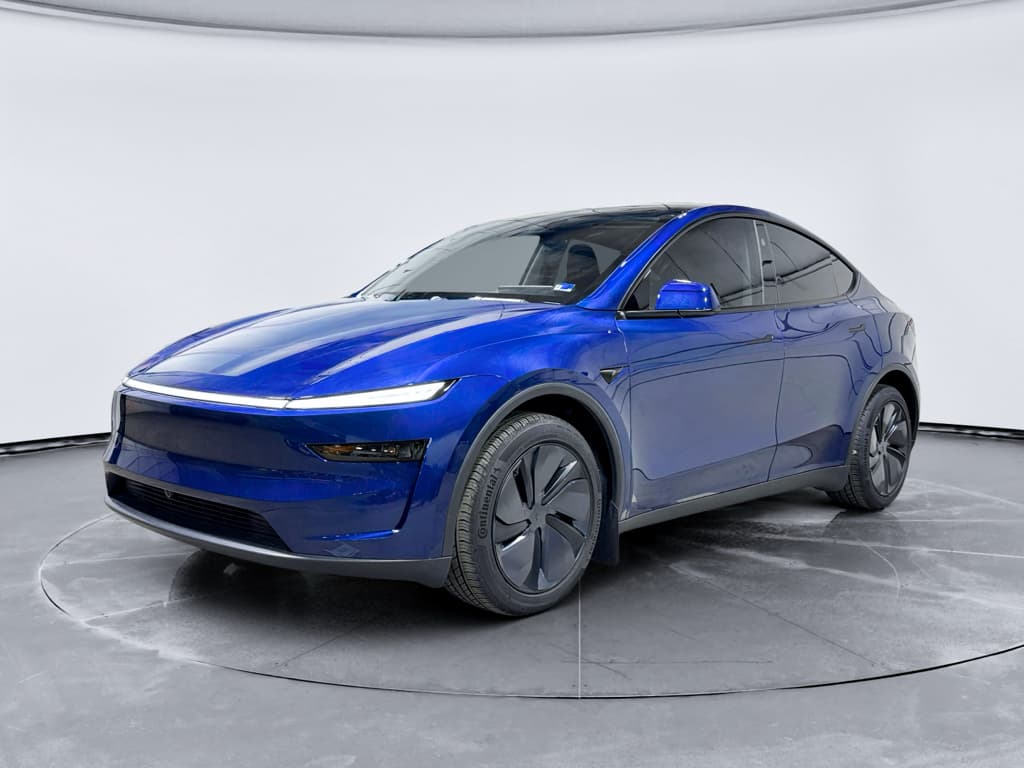
Best all-around road-trip EV: Tesla Model Y
Tesla’s Model Y remains the default answer to the question “What’s the best electric car for road trippers in 2026?” not because it’s perfect, but because it’s integrated. The car, the software, and the Supercharger network behave as one system, and that matters more at hour eight on I‑80 than any spec sheet bragging rights.
Why Model Y works so well on the road
- Supercharger access: Still the most dense, reliable fast‑charging network across the U.S., especially off the coasts.
- Smart trip planning: Built‑in nav plans stops automatically, preconditions the battery for fast charging, and gives realistic arrival SOC estimates.
- Honest efficiency: Real‑world highway range that tracks close to projections, even with family and luggage aboard.
- Packaged for people: Crossover ride height, big hatch, frunk, and folding rear seats make it easy to live with.
Where the shine dulls a bit
- Ride and noise: On 20‑inch wheels, the ride can be fidgety and road noise high over long distances.
- Interior feel: Minimalist cabin looks modern but can feel stark next to newer luxury EVs.
- Service footprint: Tesla’s service experience is very location‑dependent, good to understand in advance if you’re buying used.
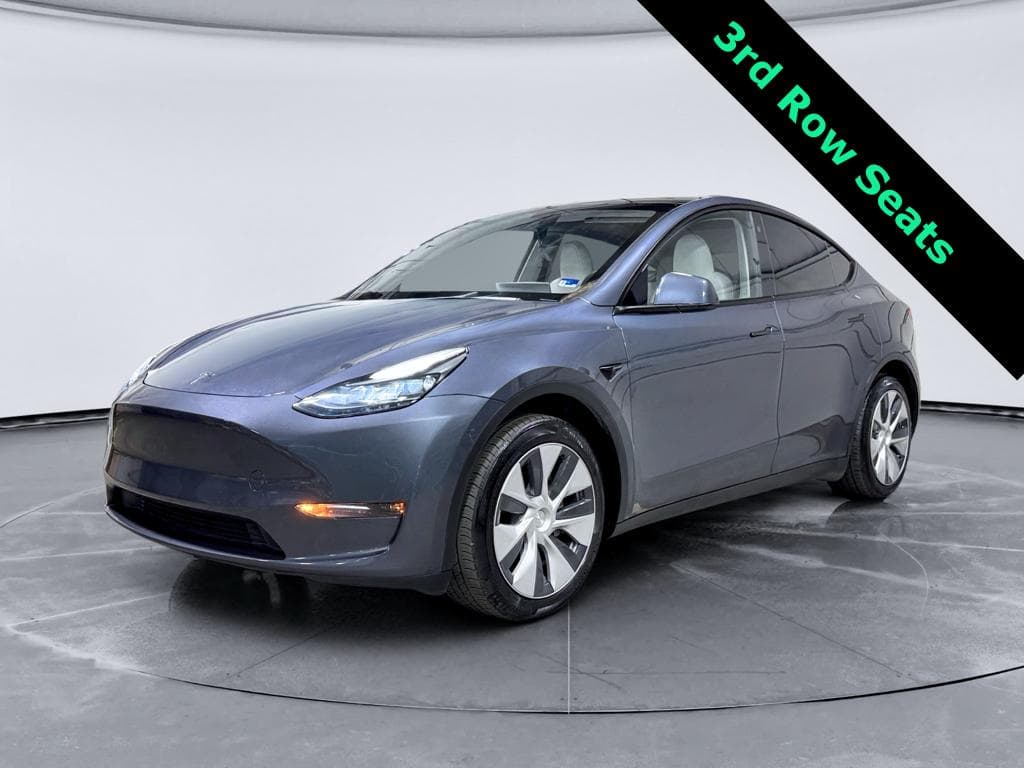
Used Model Y: a sweet spot for road trippers
Ready to find your next EV?
Browse VehiclesBest efficiency hero: Hyundai Ioniq 6
If the Model Y is the default crossover, the Hyundai Ioniq 6 is the connoisseur’s highway tool: a low, slippery sedan that turns electrons into miles with a sort of quiet fanaticism. In Long Range rear‑drive form, it matches or beats most rivals for real‑world highway range while carrying a smaller battery, then crushes the coffee‑stop sprint with 800‑volt fast‑charging hardware.
- Long Range rear‑drive versions deliver EPA ratings in the low‑to‑mid‑300‑mile range; in mixed independent testing they routinely return ~260 miles or more at highway speeds.
- Hyundai’s 800V architecture lets the Ioniq 6 go from roughly 10–80% in around 18 minutes on a strong 350 kW DC fast charger, excellent when you’re trying to stack miles in a day.
- Standard driver‑assist features (adaptive cruise, lane‑centering) are well‑tuned for relaxed interstate cruising.
- The cabin is quieter and more polished than the price suggests, which matters after the third state line.
Sedan realities
Best luxury distance cruiser: Lucid Air
If you want to turn the North American interstate network into your private test track, the Lucid Air is the answer. It’s the modern equivalent of a great German autobahn sedan, only quieter, cleaner, and capable of out‑legging almost anything on sale. In higher‑range trims, you’re looking at EPA ratings cresting 400 miles and realistic highway ranges in the 320–360‑mile window.
Why the Lucid Air is a road warrior
Overkill? Absolutely. That’s the point.
Serious highway legs
Even with a conservative planning buffer, the Air lets you comfortably stretch stints past 250–280 miles, which means fewer stops and more scenery.
Very fast DC charging
Peak DC rates around 300 kW and a friendly charging curve mean that when you do stop, you’re back on the road as soon as you’re done with the restroom and espresso.
Cabin built for hours
Excellent seats, low wind noise, and confident high‑speed manners combine to make thousand‑mile days possible without ibuprofen sponsorship.
Who should actually buy a Lucid for road trips?
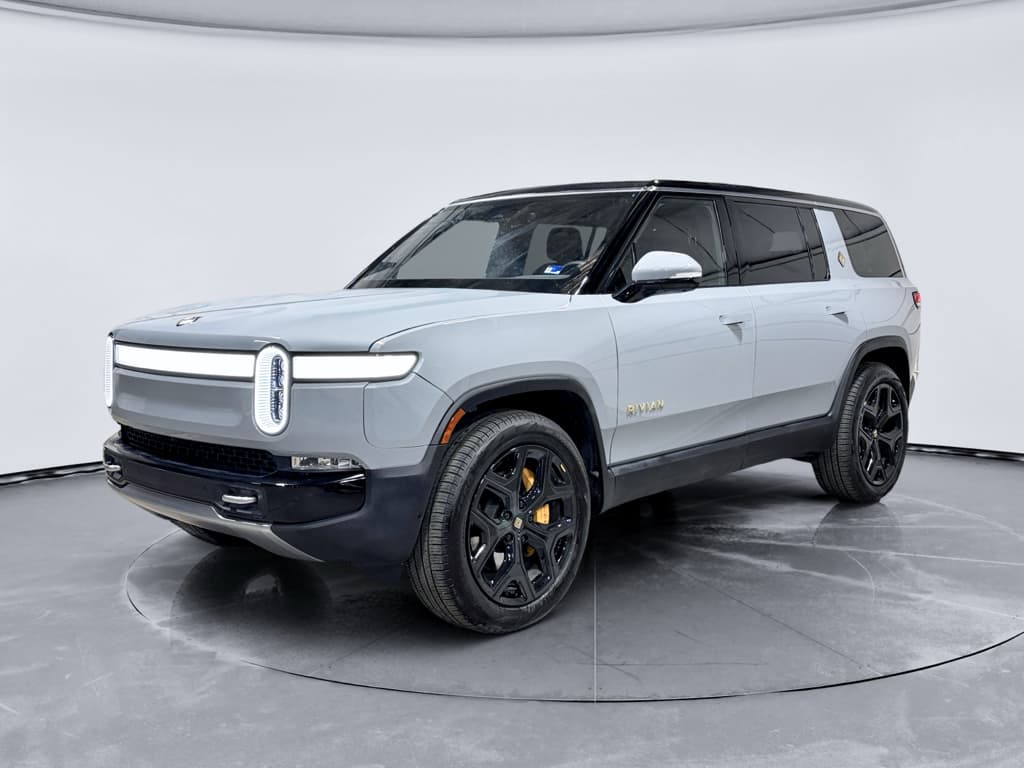
Best adventure-family hauler: Rivian R1S
For the family that thinks a road trip isn’t complete until someone is muddy, bitten by insects, or both, the Rivian R1S is the pick. It’s a three‑row electric SUV with real off‑road chops, a thoughtful adventure‑oriented interior, and software built around long‑distance travel.
- Available Large and Max battery packs give you roughly mid‑200‑ to low‑300‑mile real‑world highway range, depending on configuration and tires.
- Rivian’s DC fast‑charging speeds are competitive, and the company is steadily building out its Adventure Network along popular outdoor corridors.
- The upright seating position, big glass area, and abundant storage make it feel like the spiritual EV successor to the old body‑on‑frame SUV, minus the 12 mpg fuel stops.
- Driver‑assist tech and route planning continue to mature, making multi‑day road trips more relaxed than early reviews suggested.
Aero is still physics
Budget & used: Best road‑trip EVs under $40K
You don’t need a six‑figure spaceship to have a great electric road‑trip car. In 2026, the sweet spot is often used long‑range EVs that have already taken their depreciation hit but still carry plenty of usable range.
Great used EVs for road trips under roughly $40K
Approximate real‑world ranges assume a healthy battery and typical highway use.
| Model (used) | Why it works | Typical highway range (real‑world) | Notes for shoppers |
|---|---|---|---|
| Tesla Model 3 Long Range | High efficiency sedan with Supercharger access, great software | ~240–270 mi | Check wheel size (18s are more efficient), and look for battery health documentation. |
| Tesla Model Y Long Range | Family‑friendly cargo, same charging advantages as Model 3 | ~240–270 mi | Great one‑car solution; 19‑inch wheels help preserve comfort and range. |
| Hyundai Ioniq 5 Long Range | Spacious cabin, very fast 800V charging, now with NACS access on newer model years | ~220–250 mi | Later cars with native NACS ports simplify Supercharger use; verify free‑charging promos. |
| Kia EV6 Long Range | Sportier cousin to Ioniq 5 with similar fast‑charging performance | ~220–250 mi | Long trips benefit from the 77+ kWh battery; check tire choice for efficiency. |
| Chevy Bolt EUV (as a budget outlier) | Not a long‑range monster, but a cheap, efficient compact for shorter regional trips | ~180–200 mi | Best for folks whose "road trip" is a 200‑mile weekend, not a 900‑mile cannonball. |
Pricing will vary by mileage, spec, and incentives; think of these as directional picks rather than hard caps.
Why used EVs are road‑trip sleepers
How to shop for a used road-trip EV that won’t strand you
Used EV buying checklist for road trippers
1. Start with real highway range, not the brochure
Look for tested or measured highway range numbers at typical U.S. speeds. A car rated at 330 miles EPA might be a 250–270‑mile car at 75 mph with luggage and climate control. That’s still good, you just need to plan around it.
2. Get objective battery health data
Battery state‑of‑health (SOH) is the bedrock of road‑trip confidence. A seller saying “it seems fine” is not data. At Recharged, every car gets a Recharged Score Report with independent battery diagnostics, so you can see how much capacity remains and how that translates into range.
3. Study the charging curve, not just peak kW
Two EVs can both claim 250+ kW peaks, but if one only holds that speed for 90 seconds, your stop will be much longer. Look for road tests or data that show how quickly the car goes from 10–80% and how it behaves on back‑to‑back fast charges.
4. Check network access and adapters
In 2026, NACS access is gold. Make sure your EV either has a native NACS port or a manufacturer‑approved adapter and software support for Tesla Superchargers. Ask explicitly what’s included with the car.
5. Sit in it like it’s hour five
On a test drive, spend time in the seats, fiddle with lumbar, and pay attention to road and wind noise. A slightly less efficient but more comfortable car may be the better road‑trip partner.
6. Think about cargo and people, not just kWh
If it’s you and a duffel bag, a sedan is fine. If it’s two kids, a dog, and camping gear, prioritize hatchbacks, wagons, and SUVs with a square cargo area and fold‑flat seats.
Don’t overbuy battery for ego
Road-trip charging strategy in an EV
Once you’re in the right car, the art of the EV road trip is learning to surf the charging curve instead of fighting it. The fastest way cross‑country is usually not “charge to 100% and disappear,” it’s a rhythm of shorter, faster stops in the juicy middle of the battery’s state‑of‑charge window.
Smarter charging patterns
- Live between ~10–70% when possible: Most EVs charge fastest in this band. Arrive low, leave when the curve starts to slow.
- Plan stops around meals, not fear: Let the nav route you through chargers near food and restrooms. A 25‑minute lunch stop at 40% is better than a 55‑minute slog to 95%.
- Precondition the battery: Use your car’s built‑in navigation to a DC charger so it can warm or cool the pack before arrival. This can slice several minutes off each stop.
How often you should stop
- Think in 2–3‑hour chunks: For most long‑range EVs, that’s a natural rhythm of 150–220 miles between stops.
- Don’t fear low single digits: Trust the trip planner, but give yourself a small buffer until you’re used to the car’s behavior.
- Use multiple apps: In unfamiliar regions, cross‑check your car’s planner with apps like PlugShare or Chargeway to avoid out‑of‑service stations.
Old gas-station habits die hard
EV road-trip checklist
Pre‑trip prep for a smooth EV road adventure
Confirm your real range window
Take a full‑day shakedown drive before the big trip. Note what consumption you get at your usual highway speeds and climate settings, then back into a realistic range number with 10–20% in reserve.
Update software and maps
Make sure your EV’s software, navigation maps, and charging‑network integrations are up to date. This is especially important if your car recently gained NACS/Supercharger support via an over‑the‑air update.
Load your charging apps and accounts
Set up accounts and payment methods for at least two major networks your car can use. Download their apps and log in before you’re standing at a charger with no cell service.
Pack the right cables and adapters
Bring your included home/Level 1 cable, any manufacturer‑approved adapters, and a compact extension cord for rare motel‑outlet scenarios. Store it all in one labeled bag.
Plan a "Plan B" for each long leg
On your longest stretches between chargers, identify at least one backup stop on the map. You’ll rarely need it, but it makes ignoring the low‑battery gong much easier.
Check tires and load limits
EVs are heavy. Verify tire pressures (including the spare, if equipped) and make sure your fully loaded family + cargo stay under the vehicle’s rated payload.
FAQ: Best electric car for road trippers 2026
Frequently asked questions about EV road trips in 2026
Bottom line: Picking your 2026 road-trip EV
The best electric car for road trippers in 2026 is the one that aligns with how you actually move through the world, not just the one that wins a range drag race on YouTube. For many, that’s a Tesla Model Y or a Hyundai Ioniq 6. For others it’s a used Model 3, a Rivian R1S packed with camping gear, or a Lucid Air aimed squarely at the far side of the map.
Start with honest highway range, then layer on charging speed, network access, comfort, and space. If you’re shopping used, insist on hard data about battery health and real‑world range rather than taking the seller’s word for it. That’s exactly what Recharged’s Recharged Score Report is for: turning unknowns into numbers so you can choose an EV that will still be a willing co‑conspirator at mile 700.
When you match the right EV to your kind of road trip and plan around the charging curve instead of fighting it, the car fades into the background, which is the highest compliment you can pay any road‑trip machine. At that point, it’s just you, the people you like enough to be trapped in a cabin with, and a country that suddenly feels much smaller than it used to.