If you’re driving Uber, Lyft, or another rideshare platform in 2026, the right electric car can turn long hours on the road into steady profit. The best electric car for rideshare drivers in 2026 isn’t just about the lowest payment or the biggest battery, it’s about the mix of range, comfort, reliability, and running costs that works in your real life and your market.
Before you start shopping
Why rideshare drivers are going electric in 2026
At 30,000 or more miles a year, small differences in energy cost per mile, tire wear, and depreciation become huge. A gas sedan that averages 28 mpg at $3.75 per gallon is burning about 13 cents of fuel per mile before you touch insurance or maintenance. An efficient EV on a fair residential rate or night‑time plan can often cut that in half, or better. That’s why many serious drivers are either switching to EVs or planning their next car around one.
Check platform bonuses for EVs
How to choose the best electric car for rideshare
A great rideshare EV is not necessarily the flashiest or newest thing on the lot. It’s the one that delivers predictable earnings with minimal downtime. Here are the core criteria you should weigh before you get attached to any specific model name.
Don’t chase performance you won’t use
Top picks: best electric cars for rideshare drivers in 2026
Let’s get to specific cars. The list below focuses on models you can realistically buy or finance in 2026, often on the used market, where depreciation does some of the work for you. The sweet spot for most full‑time drivers is a 2–4‑year‑old EV with solid battery health and good service history.
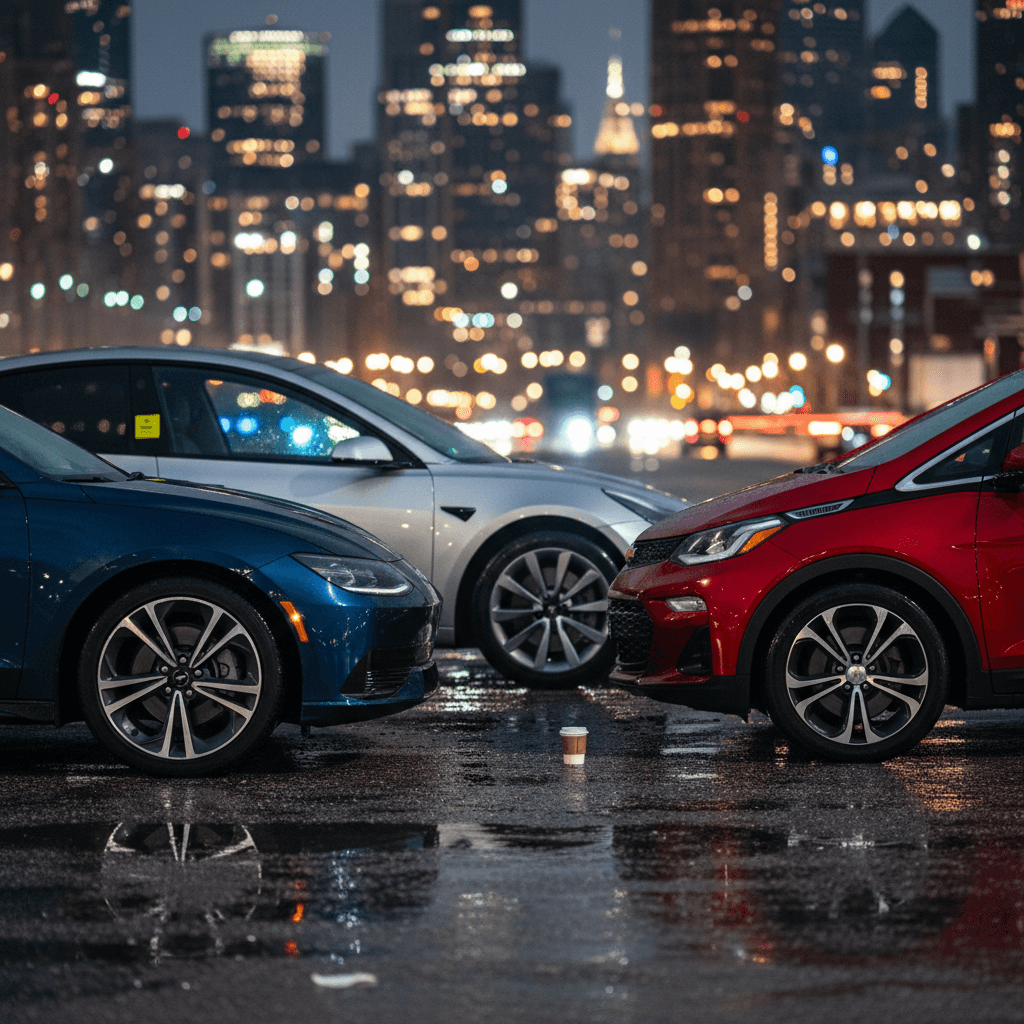
1. Hyundai Ioniq 6: Efficiency champ for full-time urban drivers
If I had to circle one modern EV that’s almost purpose‑built for end‑to‑end rideshare work, it would be the Hyundai Ioniq 6. Hyundai leaned hard into aerodynamics and efficiency, and it shows. Long‑range rear‑drive trims can realistically deliver 250–300 miles of mixed driving on a charge when driven sensibly, which is a big deal when your paycheck depends on staying online instead of parked at a charger.
- Strong real‑world efficiency, owners frequently report 3.5–4.0 mi/kWh in mixed driving, which keeps energy costs low.
- Long‑range trims with usable battery capacity in the mid‑70 kWh range, enough for a long shift between charges in many markets.
- Comfortable ride, quiet cabin, and good driver-assistance tech that takes the edge off long freeway stretches.
- Plenty of rear-seat space for everyday trips; trunk is adequate for airport bags, though not SUV‑huge.
- Hyundai’s long battery warranty is a plus when you’re piling on miles.
Best Ioniq 6 trims for rideshare
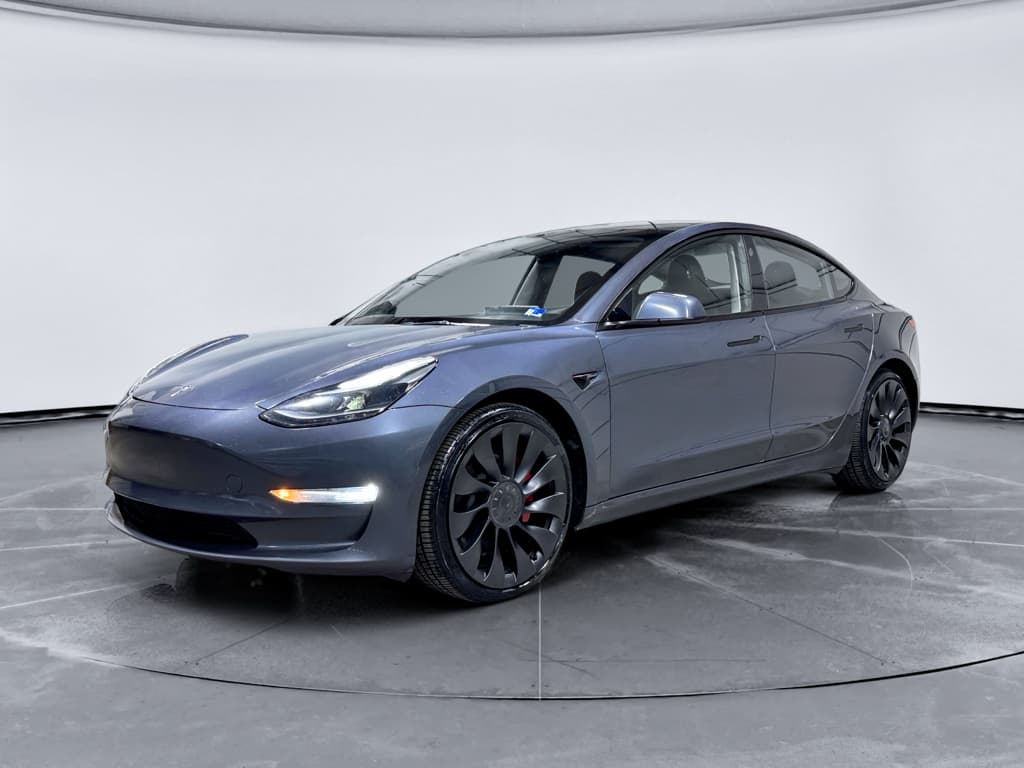
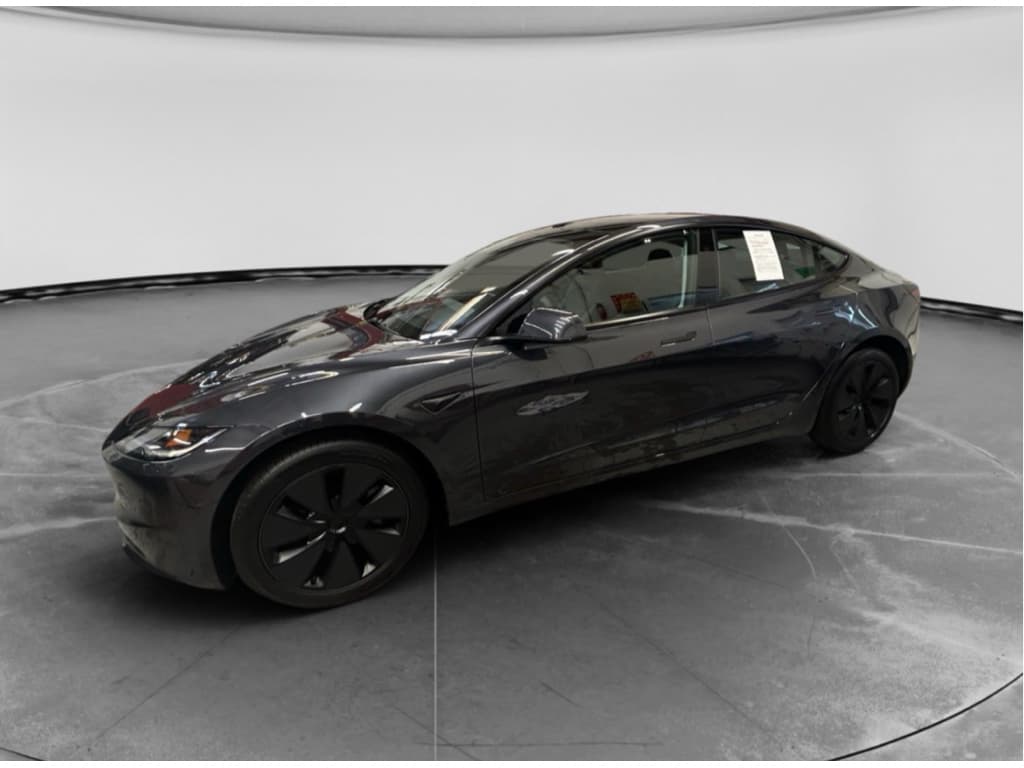
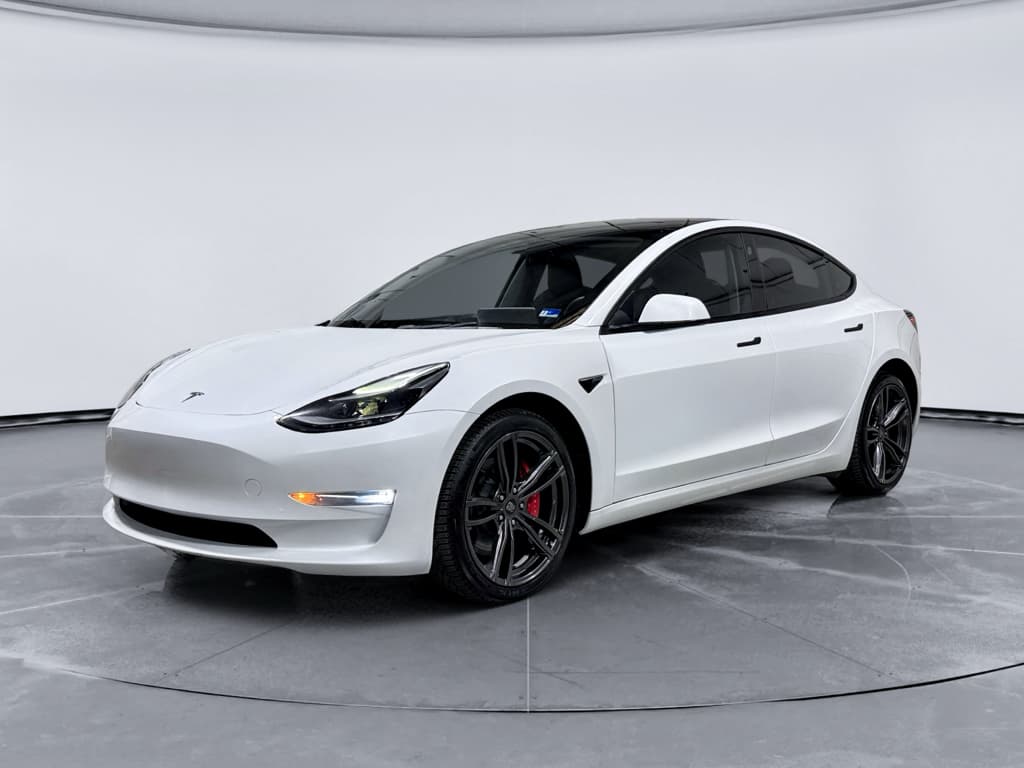
2. Tesla Model 3: Strong network, great software, watch the miles
The Tesla Model 3 is wildly popular with rideshare drivers for a reason: strong efficiency, a huge fast‑charging network, and software that makes navigation and energy planning simple. Used examples are widely available in 2026 at far lower prices than new, thanks to heavy early depreciation, which is good news for cash flow but something to respect if you plan to drive 40,000 miles a year.
- Good real‑world efficiency and a dense Supercharger network make airport and long‑distance trips low‑stress.
- Over‑the‑air software and excellent in‑car navigation reduce friction during busy shifts.
- Plenty of used inventory from multiple model years, often at attractive prices compared with new EVs.
- Cabin is a bit tighter than Ioniq 6 in back, but acceptable for most city rides.
- Depreciation accelerates with very high mileage, treat the car as a work tool, not a collectible.
Be honest about long-term miles
3. Chevrolet Bolt EV / Bolt EUV (first generation): Budget hero for part-time drivers
If you’re a part‑time driver, or you work primarily in dense urban cores with easy access to public DC fast chargers, a well‑priced used Chevrolet Bolt EV or Bolt EUV can be a smart entry point. They’re compact, efficient, and often significantly cheaper than newer long‑range sedans, especially after the 2020–2022 battery recall campaigns.
- Typically lower purchase price than larger sedans, which keeps payments in check.
- Compact size makes city driving and tight pickups easy.
- Real‑world range is more limited than Ioniq 6 or long‑range Teslas, so best for drivers who can charge more often.
- Rear seat and cargo space are fine for most city trips, but tight for full airport runs with multiple large bags.
- Great training ground if this is your first EV for work and you want to learn charging patterns before upgrading.
Do your homework on Bolt batteries
4. Tesla Model Y, Hyundai Ioniq 5, and similar crossovers: Great for XL and airport-heavy markets
If your market rewards larger vehicles with UberXL or Lyft XL rates, or you live in an area where airport trips dominate, a compact electric crossover can make sense. Think Tesla Model Y, Hyundai Ioniq 5, Kia EV6, and similar vehicles. They trade a bit of efficiency for extra cargo and passenger room, but that can pay for itself if your local platform mix leans heavily toward larger‑vehicle categories.
- More headroom and cargo space than sedans, which passengers with luggage appreciate.
- Eligible for higher‑pay XL or Comfort categories in many markets, increasing revenue per mile.
- Slightly higher energy costs than the most slippery sedans, but still far lower than comparable gas SUVs.
- Often more expensive to buy than sedans; make sure the higher revenue offsets the higher payment and energy/tire costs.
Who should choose an EV crossover?
Comparison table: best EVs for rideshare
Use this table as a starting point, not the final word. Real‑world numbers will vary with climate, driving style, wheel size, and how much you depend on DC fast charging.
New vs. used EV for rideshare work
Pros of buying new
- Full warranty on the car and battery, which can be comforting when you’re adding miles fast.
- Latest cabin tech and safety features, which can help reduce fatigue and keep passengers happy.
- Potential access to manufacturer financing offers, but watch the fine print and total interest paid.
Pros of buying used
- Depreciation hit already taken, which can massively lower your total cost per mile.
- More choice at a given monthly budget, especially for vehicles like Tesla Model 3 and Ioniq 6 that hold up well.
- Real-world track record: you can see how the model ages and what owners are actually experiencing.
Where used EVs shine for rideshare
The key with any used EV is to remove as much uncertainty as possible around the battery. That’s where tools like the Recharged Score Report come in: by measuring real battery capacity, you get a clearer picture of how much range you’ll actually have on the job, and how many years of hard service the car has left before range becomes limiting.
Budgeting and total cost per mile
When you switch to an EV for rideshare, don’t just ask, “Can I afford the payment?” Ask, “What is my cost per mile?” That’s the number that will decide whether your switch to electric feels like a raise, or a headache.
Simple framework to estimate EV cost per mile
1. Estimate annual miles
Look at your app history and decide how many miles you realistically drive for work each year, plus personal miles. Full‑time drivers often land between 30,000 and 45,000 miles total.
2. Calculate annual loan or lease cost
Multiply your monthly payment (including taxes/fees) by 12. Divide that by your annual miles to get a payment cost per mile.
3. Estimate energy cost per mile
Take your expected efficiency (for example, 3.5 mi/kWh) and your typical electricity rate. If you pay $0.15/kWh and average 3.5 mi/kWh, you’re at about 4–5 cents per mile for energy.
4. Add maintenance and tires
EVs still need tires, cabin filters, brake service, and the occasional alignment. A realistic working number for a rideshare sedan is 2–4 cents per mile for these items.
5. Include depreciation
This is the tricky part. Look at pricing for similar‑age, similar‑mileage cars now and forecast where your EV might land in 3–5 years. Divide the expected value loss by total miles you’ll drive to get depreciation per mile.
6. Don’t forget insurance and fees
Insurance for full‑time rideshare work can be higher, and some platforms or cities have extra fees. Spread these across your expected miles too.
Target benchmarks to aim for
Charging strategy for full-time rideshare drivers
Your charging plan is just as important as which EV you choose. A great car with a bad charging setup can still cost you money in downtime and frustration. Start by being brutally honest about where you live, where you park, and what charging infrastructure you actually have access to.
Three common charging setups, and what to buy for each
Match your EV choice to the way you’ll keep it charged
Home Level 2 charging
Best case for full-time drivers. Install a 240‑volt Level 2 charger where you park overnight. You’ll start each day near full and rarely need DC fast charging except on long days.
Ideal cars: Ioniq 6, Model 3, Bolt, Model Y, Ioniq 5/EV6.
Reliable public DC fast charging
If you can’t charge at home but have predictable access to reliable fast chargers near your usual zones, prioritize EVs with strong DC charging curves and good thermal management.
Ideal cars: Model 3/Model Y (Supercharger), Ioniq 5/EV6, Ioniq 6.
Mixed or uncertain charging
If your charging options are unpredictable, avoid EVs with small batteries. A larger pack gives you margin when chargers are busy or out of service.
Ideal cars: Long‑range sedans and crossovers rather than smaller‑pack compacts.
Protect your time, not just your wallet
Protecting battery health when you drive all day
High‑mileage work is not automatically bad for an EV battery, but it does magnify any bad habits. The good news: you don’t need to baby the car, you just need a few consistent routines.
Why independent battery checks matter
How Recharged can help rideshare drivers
If you’re serious about using an EV as a money‑making tool, the last thing you want is a surprise. That’s where Recharged comes in. We’re focused on making used EV ownership, especially for working drivers, more transparent and less stressful.
- Every vehicle on Recharged includes a Recharged Score Report with verified battery health, real‑world range insight, and fair‑market pricing analysis.
- You can shop used EVs entirely online, get expert EV‑specialist support, and have the car delivered nationwide, or visit our Experience Center in Richmond, VA if you prefer seeing it in person first.
- If you already own a gas car or older EV, you can use Recharged for trade‑in, instant offer, or consignment, which can simplify the jump into a better rideshare platform vehicle.
- Financing options are built for EV buyers, and you can pre‑qualify without affecting your credit, which is useful when you’re still comparing different payment and range scenarios.
Turn the numbers into a plan
Ready to find your next EV?
Browse VehiclesFAQ: best electric car for rideshare drivers 2026
The best electric car for rideshare drivers in 2026 is ultimately the one that keeps you on the road, in comfort, at a predictable cost per mile. For some, that will be an ultra‑efficient sedan like the Hyundai Ioniq 6. For others, a used Tesla Model 3 with Supercharger access or a roomy Model Y that unlocks XL trips will be the right tool. Whatever you pick, treat it as a business decision: run the numbers, verify the battery, and match the car to the way you actually work. If you’d like help turning those numbers into a clear plan, Recharged’s EV specialists and battery health reports are there to make that decision simpler and more transparent.