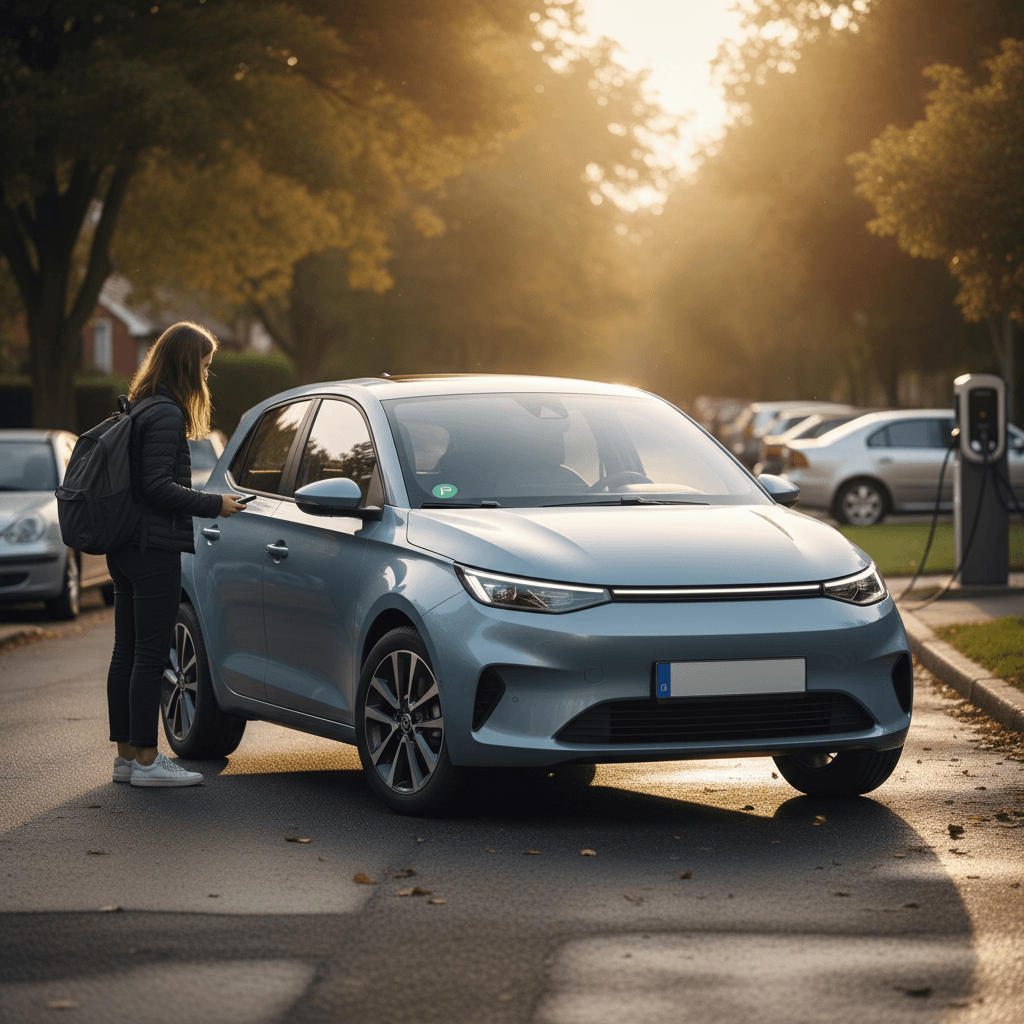
Looking for the best electric car for new drivers in 2026, whether that’s a teen’s first car, a student commuter, or an adult getting their first set of keys? You’re smart to be picky. The right EV can make learning to drive less stressful, safer, and cheaper to own, while the wrong one can saddle a new driver with high insurance, tricky handling, or an intimidating tech overload.
Who this guide is for
Why new drivers are smart to start with an electric car
Why an EV makes sense as a first car
Compared with gas cars, electric vehicles are easier to live with day to day. Instant torque at low speeds makes them responsive around town, one-pedal driving reduces fatigue in traffic, and quiet cabins help new drivers focus. Plus, many EVs aimed at mainstream buyers pack in standard safety tech that was optional or unavailable just a few years ago.
Think local, not just long‑range
What makes an electric car great for new drivers?
8 things that matter more than 0–60 for first-time drivers
Use these criteria as your short list before you fall in love with a design or badge.
1. Top-tier safety
2. Predictable handling
3. Moderate power
4. Real-world range
5. Simple charging
6. Intuitive tech
7. Comfort & space
8. Insurance & cost
You’ll notice what’s missing from that list: maximum performance. For a new driver, the “fastest” electric car is rarely the “best.” Instead, you want calm responses, great outward visibility, and safety tech that steps in when their attention slips. That’s where many mainstream EVs, especially compact hatchbacks and small SUVs, shine.
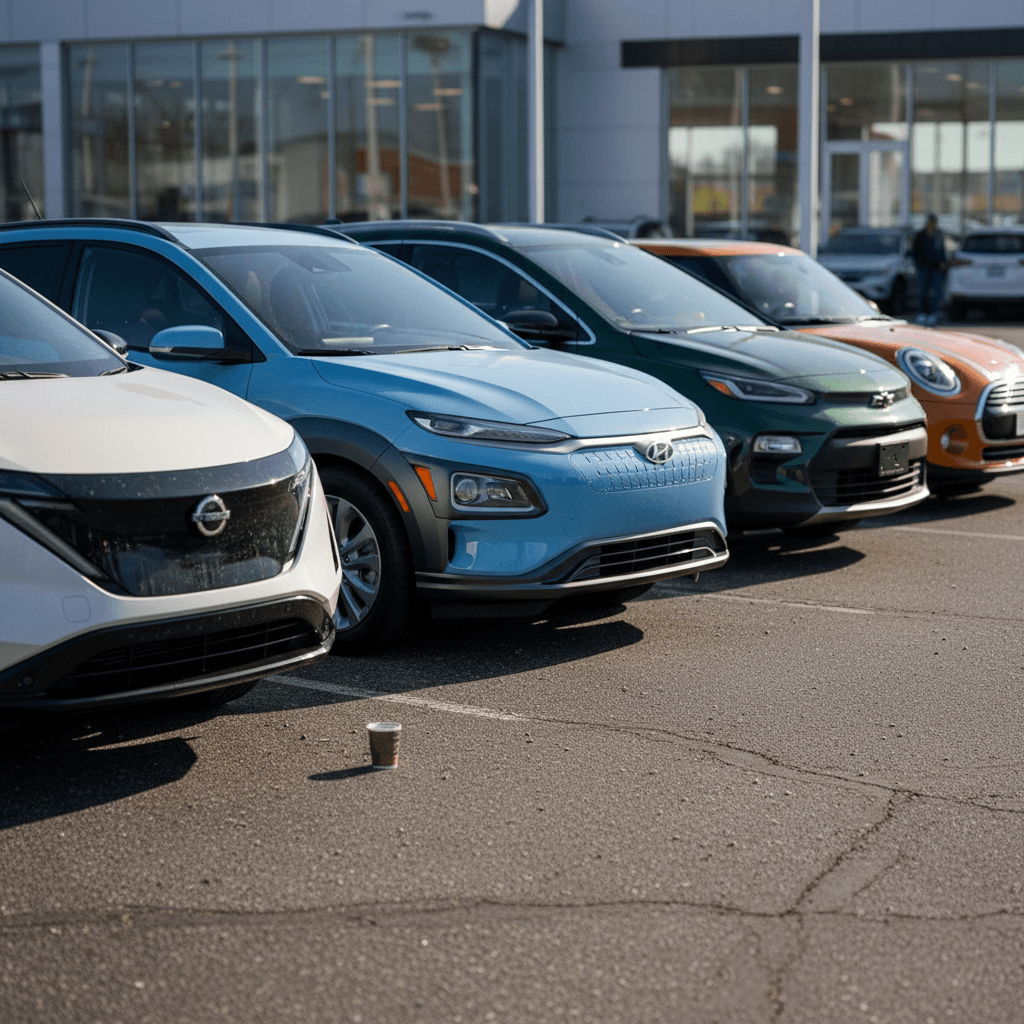
Best new electric cars for new drivers in 2026
If you’re shopping new in 2026, you’ll see dozens of EVs marketed as “fun” or “high performance.” For new drivers, we’re looking instead at mainstream, safer, and easier-to-insure models. Availability may vary by region, but these stand out as strong first-car candidates in the U.S. market.
Standout new EVs for first-time drivers (2026)
Approximate pricing is for well-equipped but non-performance trims before incentives. Always confirm current pricing and local incentives.
| Model | Vehicle type | Why it’s good for new drivers | Approx. price (USD) | Best as |
|---|---|---|---|---|
| Hyundai Ioniq 5 | Compact SUV | Calm, stable ride, excellent safety tech, easy-to-use infotainment; widely praised as a friendly first EV | Mid-$40,000s new | Primary family car a teen also drives |
| Hyundai Ioniq 6 (base) | Midsize sedan | Long range, strong safety ratings, composed handling; conservative power in base single‑motor trims | High-$30,000s to low-$40,000s | High-mileage commuter for a new grad |
| Chevrolet Equinox EV | Compact SUV | Value-focused SUV with good range, modern safety tech, and straightforward controls; priced for mainstream buyers | Mid-$30,000s (projected) | Budget-conscious first family EV |
| Nissan Ariya (entry trims) | Compact SUV | Relaxed ride, intuitive controls, and strong safety features; not a performance EV, which is a plus for learners | Low-$40,000s | Comfortable, confidence-building daily driver |
| Kia EV3 / EV4 (when available) | Compact SUV | Designed as more affordable EV crossovers with modern safety suites; right-sized for students and young pros | Low-to-mid-$30,000s (expected) | First new EV for budget-minded buyers |
| Volkswagen ID.4 (updated) | Compact SUV | Spacious, solid-feeling, with a comfortable ride and a more intuitive interface after recent updates | Mid-$40,000s | Shared household EV for multiple new drivers |
All of these are available with robust driver-assistance suites and solid safety records or early test scores as of 2026.
Be careful with performance trims
If you want cutting-edge safety and tech, buying new in 2026 is appealing, but it’s rarely the cheapest way to put a new driver in an EV. For that, the used market is your friend, especially when you can see independent battery health data through tools like the Recharged Score Report on used EVs.
Best used electric cars for new drivers
For many families, the truly best electric car for a new driver in 2026 is a safe, well-maintained used EV that’s already taken its big depreciation hit. You can often buy more safety and tech for the money by shopping 2–5 years old instead of brand‑new.
Used EVs that make excellent first cars
Exact model years and specs vary, always confirm safety ratings and equipment on the specific vehicle you’re considering.
Hyundai Kona Electric (2019–2024)
Chevy Bolt EV & Bolt EUV (2019–2025)
Nissan Leaf (2nd gen, 2018+)
Kia Niro EV (2019+)
Volkswagen ID.4 (early years)
Subaru Solterra & Toyota bZ4X
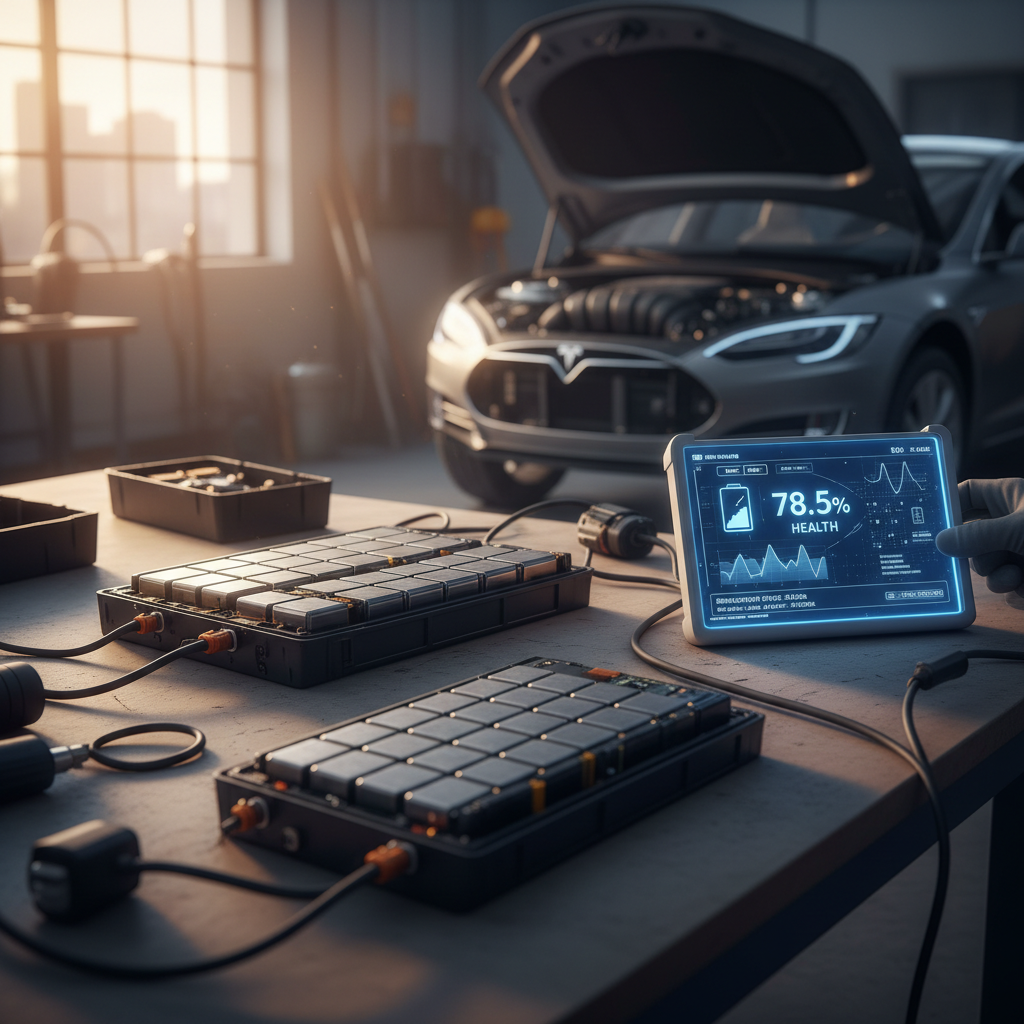
Why battery health matters more on a used EV
Safety tech and driver assistance to prioritize
Modern EVs often come loaded with driver-assistance features. For a new driver, these aren’t toys, they’re a crucial safety net. But more tech also means more beeps, buzzes, and settings. Focus on a core set of proven safety features that are easy to understand.
Safety and driver-assist features worth paying for
Automatic emergency braking with pedestrian detection
This can warn the driver and even brake automatically if they don’t react in time. It’s especially valuable in city and suburban driving where distractions and unexpected crossings are common.
Blind-spot monitoring and rear cross-traffic alert
New drivers often struggle with spatial awareness. Alerts in the mirrors and warnings when backing out of parking spaces can prevent low‑speed but expensive and scary collisions.
Lane-keeping assist that’s not overbearing
A gentle nudge to keep the car centered is helpful; aggressive steering can rattle a new driver’s confidence. During a test drive, make sure the system feels natural, not bossy.
Adaptive cruise control for highway driving
On longer drives, adaptive cruise that automatically adjusts to traffic helps reduce fatigue and keeps speed in check, both useful for inexperienced drivers.
High-quality headlights and automatic high beams
Seeing and being seen at night is critical. Bright, well‑aimed headlights and automatic high beams reduce the chance of a new driver ‘overdriving’ their lights.
Teen/valet modes and speed alerts
Some EVs let you set maximum speed, radio volume, or geo‑fences. These tools can reinforce safe habits for teens and provide peace of mind for parents.
Don’t let driver aids replace real instruction
Costs, insurance, and financing for first-time EV buyers
For new drivers, especially teens and students, monthly cost matters as much as sticker price. EVs can save money on fuel and maintenance, but insurance and financing can catch families off guard.
Where EVs save you money
- Fuel: Charging at home, especially on off‑peak electric rates, typically beats gasoline on a cost‑per‑mile basis.
- Maintenance: No oil changes, fewer fluids, and less brake wear thanks to regenerative braking.
- Longevity: Many EVs hold up well mechanically; the big variable is battery health, which you can assess on a used EV with tools like the Recharged Score.
Where costs can surprise you
- Insurance: New drivers plus newer EVs can equal higher premiums, especially on high‑power or luxury models.
- Repair costs: Bodywork and electronic repairs on late‑model EVs can be pricey; high safety scores can still mean expensive sensors and bumpers.
- Financing: First‑time buyers may face limited credit history. Working with an EV‑savvy retailer like Recharged can simplify pre‑qualification and approvals.
How Recharged can help
Ready to find your next EV?
Browse VehiclesHow to test-drive an EV when you’re a new driver
Test-driving with an inexperienced driver in the seat can feel tense. A simple plan helps everyone focus. Treat the drive as a chance to see if the car forgives beginner mistakes and feels easy to control, not just whether it feels “cool.”
Step-by-step test-drive plan for first-time drivers
1. Start with a controls walk‑through
Before moving, review gear selector, parking brake, turn signals, wipers, hazard lights, mirrors, and basic screen functions. Make sure the new driver can find volume, defrost, and defog without hunting through menus.
2. Begin in a quiet lot or neighborhood
Let the driver get a feel for accelerator sensitivity, regenerative braking, and steering at low speeds. Try a few gentle stops and one‑pedal driving if available.
3. Practice parking and low-speed maneuvers
Have them pull into and back out of a few spaces. Check how visibility, cameras, and parking sensors work in the real world.
4. Add a short stretch of faster roads
Once they’re comfortable, try a brief stint at 45–55 mph. Pay attention to wind and road noise, lane-keeping assist behavior, and how the car tracks straight.
5. Let the new driver rate comfort and stress level
Ask them to be honest: Did they feel overwhelmed or calm? Could they predict how the car would react? That gut check often matters more than any spec sheet.
6. Review what you liked, and what you didn’t
Right after the drive, take notes together. Compare multiple cars back‑to‑back the same day if possible while impressions are fresh.
Common mistakes new drivers make with EVs
- Chasing the flashiest or quickest EV instead of the safest and easiest to control.
- Ignoring insurance quotes until after choosing a model and trim.
- Underestimating how much range they really need, or overbuying range they’ll never use.
- Relying too heavily on lane-keeping and adaptive cruise rather than building core skills.
- Skipping a professional inspection and battery health check on a used EV.
- Not planning where and how they’ll charge, especially in apartments or shared housing.
Don’t forget the charging plan
FAQ: Best electric car for new drivers 2026
Frequently asked questions about first EVs for new drivers
Bottom line: How to pick the right EV for a new driver
When you strip away the marketing hype, the best electric car for a new driver in 2026 is simple: a calm, predictable EV with excellent safety scores, intuitive controls, moderate power, and a monthly cost you can live with. That might be a brand‑new compact SUV like a Hyundai Ioniq 5 or Chevrolet Equinox EV, or a carefully chosen used EV like a Chevy Bolt, Hyundai Kona Electric, Kia Niro EV, or Nissan Leaf with documented battery health.
Start by deciding how and where the car will be used, then make a short list of models that fit your budget and charging reality. Test-drive with the new driver in the lead seat, pay close attention to how the car behaves at low speeds and in traffic, and don’t be afraid to walk away from anything that feels twitchy, confusing, or too powerful.
If you’d like extra help, Recharged specializes in used EVs with transparent battery diagnostics, fair pricing, and expert guidance. Whether you’re trading in, buying outright, or exploring financing for a first car, having an EV-focused partner in your corner can make the leap into electric driving smoother, for both you and your new driver.