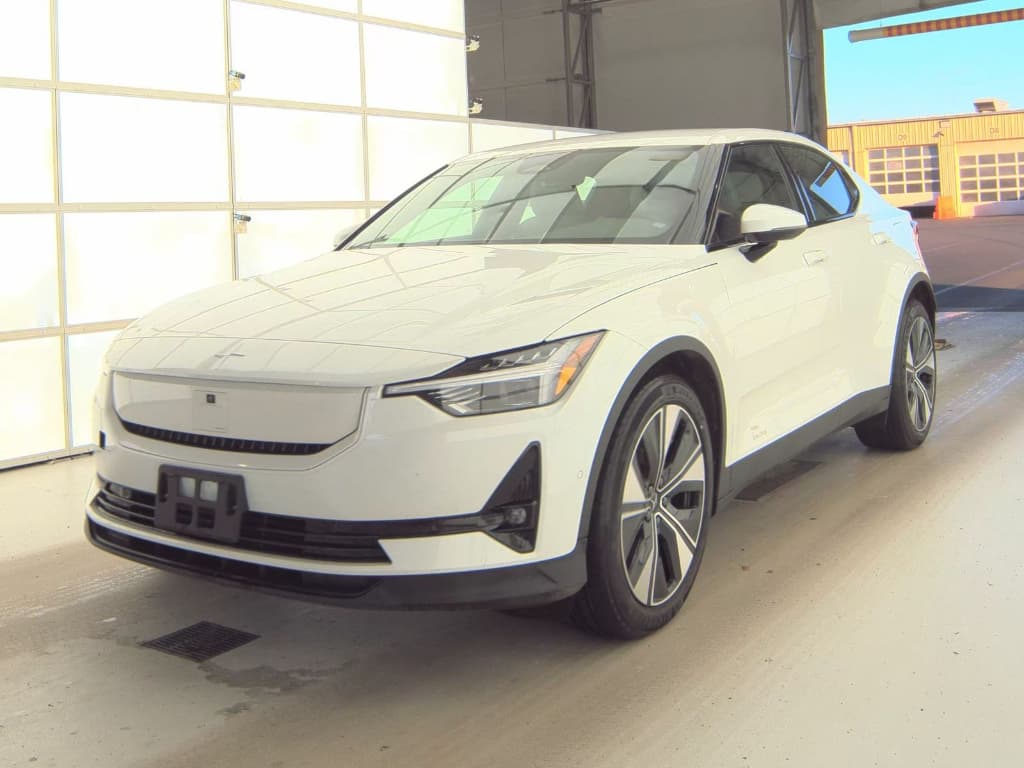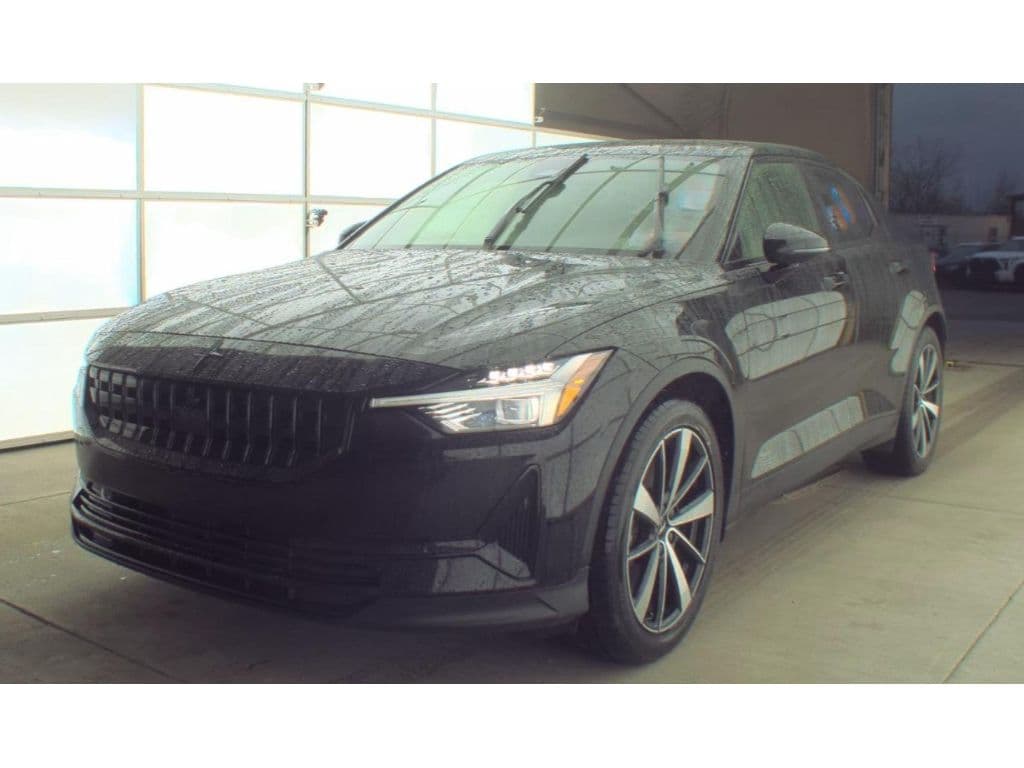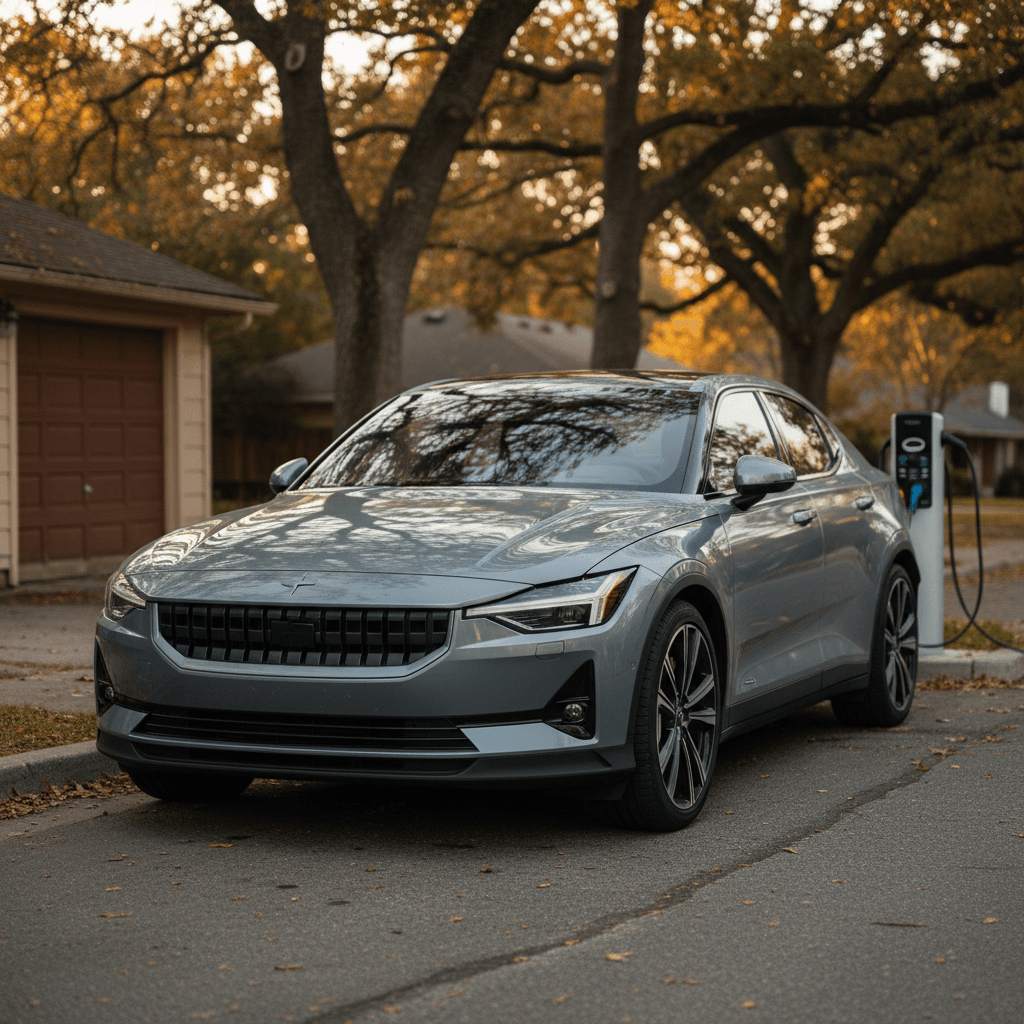
If you’re looking for something cooler and more understated than a Tesla Model 3, the 2024 Polestar 2 is probably already on your shortlist. This Swedish-designed electric fastback pairs clean styling with a Google-powered infotainment system, serious performance, and, on paper, very competitive range. But how does it really stack up in 2026, especially if you’re considering a used 2024 Polestar 2 rather than a brand-new EV?
Quick Take
2024 Polestar 2: Key Numbers
2024 Polestar 2 at a Glance
Highlights
- Understated Scandinavian design inside and out
- Rear-wheel-drive single-motor model finally feels like a proper driver’s car
- Competitive EPA range (up to 320 miles) and 205 kW DC fast charging on single-motor cars
- Google-based infotainment with native Maps, Assistant, and Play Store
- Strong safety kit and over-the-air software updates
Drawbacks
- Real-world highway range trails the EPA numbers, especially at 70–80 mph
- Tight rear seat and small trunk opening compared with some crossovers
- Dual-motor fast charging tops out around 155 kW
- Brand is still niche in the U.S., which can affect service access and resale
- Rear camera recall and software gremlins are worth checking on a used car
What’s New for the 2024 Polestar 2?
The 2024 model year is more than a mid-cycle refresh; it fundamentally reshapes how the Polestar 2 drives and how far it goes. The biggest change is that the single-motor version switches from front-wheel drive to rear-wheel drive, paired with a larger battery pack. That one decision transforms the car from a slightly nose-heavy efficiency play into something that feels much more like a proper premium EV sport sedan.
- New 82 kWh (usable ~79 kWh) battery for single-motor cars, boosting EPA range up to 320 miles with 19-inch wheels.
- Single-motor now rear-wheel drive with output around 295 hp and a 0–60 mph time of about 5.9 seconds.
- Dual-motor cars retain a ~75 kWh LG battery but gain a more efficient rear-biased torque split and a slight range bump to about 276 miles in EPA testing.
- DC fast-charging peak power increases for single-motor models to roughly 205 kW (10–80% in roughly 28 minutes in ideal conditions).
- More driver-assistance and comfort features become standard or are bundled into Plus/Pilot/Performance packs rather than standalone options.
Model-Year vs Calendar-Year
Powertrain and Performance: Quietly Quick
Even in its most sensible spec, the 2024 Polestar 2 is not slow. The rear-drive single-motor version makes roughly 295 horsepower, and independent testing has put 0–60 mph at about 5.9 seconds. In the real world, that feels more than adequate; the instant torque and rear-drive balance give it a calm but confident character that’s more grown-up than a lot of shouty performance EVs.
2024 Polestar 2 Powertrain Options
All versions are quick enough; how much power you need depends on your roads and your restraint.
Single Motor RWD
- ~295 hp, rear-wheel drive
- 0–60 mph in about 5.9 seconds
- Best efficiency and range (up to 320 miles EPA)
- Feels lighter and more playful than the old FWD version
Dual Motor AWD
- ~416 hp standard, with up to ~469 hp in Performance Pack form
- 0–60 mph roughly in the low-4s with Performance Pack
- Front motor can decouple in cruising for efficiency
- More traction and punch, but slightly less range
Real-World Character
- Strong midrange surge for highway passing
- Precise steering and composed body control
- Optional Öhlins dampers give real enthusiast appeal, but are overkill for most buyers
Ride and Wheel Size
Range, Battery, and Charging: Strong on Paper, Mixed in Practice
On the spec sheet, the 2024 Polestar 2 looks like it belongs right near the top of the compact EV class. The rear-drive single-motor car’s 320‑mile EPA rating with 19-inch wheels is competitive with long-range versions of the Tesla Model 3 and Hyundai Ioniq 6. Dual-motor versions with 19-inch wheels come in around 276 miles. That’s a respectable bump over earlier Polestar 2s, and the larger battery plus improved motor efficiency are real upgrades.
2024 Polestar 2 Range and Charging Overview
EPA figures and headline charging specs for the main 2024 Polestar 2 configurations. Real-world results will vary with speed, temperature, and wheel choice.
| Configuration | Drive | EPA Range (19" wheels) | EPA Range (20" wheels) | Battery (usable) | Max DC Fast Charge | Onboard AC (Level 2) |
|---|---|---|---|---|---|---|
| Single Motor Long Range | RWD | ~320 mi | ~307 mi | ~79 kWh | 205 kW | 11 kW |
| Dual Motor Long Range | AWD | ~276 mi | ~260 mi | ~75 kWh | 155 kW | 11 kW |
| Dual Motor Performance Pack | AWD | ~247 mi | Similar | ~75 kWh | 155 kW | 11 kW |
Range drops with bigger wheels and higher speeds; the single-motor car gets the best numbers.
Highway Range Reality Check
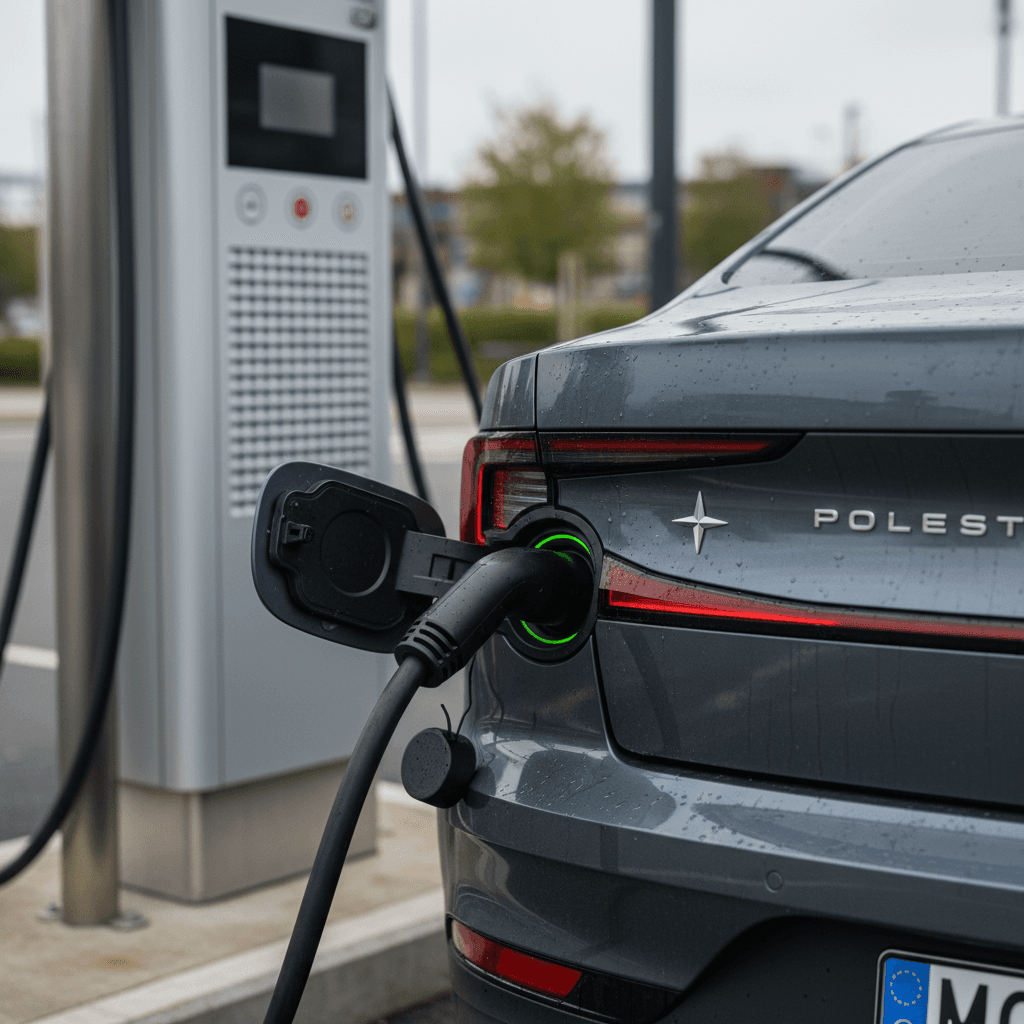
Charging performance is more competitive. Single-motor cars that use the larger CATL battery pack can peak around 205 kW on a DC fast charger, bringing the pack from roughly 10% to 80% in the high‑20‑minute range under ideal conditions. Dual-motor cars max out closer to 155 kW and take a few minutes longer for the same charging window. All models support up to 11 kW Level 2 AC charging, which means a full overnight charge on a typical 48‑amp home charger.
Home Charging Strategy
Interior, Tech, and Usability: Scandinavian, With Some Quirks
From behind the wheel, the 2024 Polestar 2 feels like a bridge between the analog Volvos of old and the touch-first EV future. The driving position is excellent, materials are generally solid, and the cabin’s minimalist design will appeal if you’re tired of glossy black plastic and overdone ambient lighting. It’s not quite Audi-level in its execution, but it gets closer than many legacy-brand EVs.
Living With the 2024 Polestar 2
Where it shines and where daily-life compromises show up.
Infotainment
- 11.2‑inch portrait touchscreen runs Google’s Android Automotive OS.
- Native Google Maps, Assistant, and access to apps like Spotify and YouTube Music.
- Snappy enough, with over‑the‑air updates improving features over time.
Space & Practicality
- Front seats are comfortable with good adjustment.
- Rear seat legroom and headroom are tight for tall adults.
- Liftback design helps, but trunk opening is smaller than a true hatch or SUV.
Materials & Sustainability
- Vegan upholstery options and recycled interior materials available.
- Fit and finish generally solid; some hard plastics in lower areas.
- Panoramic glass roof brightens a relatively dark cabin design.
Infotainment and Connectivity
Safety, Reliability, and Recalls
Structurally, the Polestar 2 has performed well in crash testing, and its safety story is consistent with its Volvo DNA: lots of airbags, strong occupant protection, and a suite of advanced driver-assistance systems (ADAS). Depending on package, you’ll find adaptive cruise, lane-keeping assist, blind-spot monitoring, cross-traffic alert, and 360‑degree cameras.
Rear Camera Recall to Check
Beyond that, reliability data for the Polestar 2 is still maturing. Software bugs, including occasional infotainment reboots, charging-station communication issues, and sporadic warning lights, are more common talking points than mechanical failures. As with any relatively young EV brand, the bigger question is service access: depending on where you live in the U.S., the nearest Polestar or Volvo service point may be a long drive away.
Service Location Reality
Ownership Costs and Used-Market Reality
New, the 2024 Polestar 2 was priced squarely in premium territory. But by early 2026, depreciation has done what it always does to niche luxury sedans, only faster for EVs. Wholesale guides show 2024 Polestar 2 wholesale values dipping into the low‑$20,000s, with projected retail in the mid‑$20,000s to low‑$30,000s depending on trim and mileage. That makes it substantially cheaper than a new long-range Model 3 or Ioniq 6, even if those cars qualify for more incentives.
Cost and Value Snapshot
On the running-cost side, electricity will almost always undercut gasoline on a per‑mile basis, especially if you can charge overnight at home. Insurance can be a touch higher than a comparable gas Volvo sedan, largely due to repair complexity and parts pricing. The bigger variable is resale value: because Polestar has already moved on to newer models like the Polestar 4 and is no longer building the 2 for the U.S., expect values to behave more like a discontinued Audi or Volvo wagon than a mass‑market Tesla.
Where Recharged Helps
Ready to find your next EV?
Browse VehiclesWho the 2024 Polestar 2 Fits Best
The 2024 Polestar 2 isn’t trying to be all things to all people. It’s not an SUV, it’s not the longest-range EV you can buy, and it’s not the cheapest to repair if something goes wrong. Where it does shine is as a compact, premium-feeling EV for drivers who care more about steering feel and design than about having a giant back seat.
Is the 2024 Polestar 2 a Good Fit for You?
Great Choice If…
You want a stylish, compact EV that feels more special than a mainstream crossover.
You do most of your driving in the city or suburbs with occasional highway trips.
You can install, or already have, a Level 2 home charger.
You live within reasonable distance of a Polestar or Volvo service center.
You’re hunting for a used EV in the mid‑$20,000s to low‑$30,000s that still feels genuinely premium.
Think Twice If…
You routinely carry tall adults in the back seat or need a family-size cargo area.
You rely heavily on fragmented public DC fast charging and need every last mile of highway range.
Your nearest Polestar or Volvo service point is several hours away.
You’re highly sensitive to residual value and plan to sell again in just a couple of years.
How the 2024 Polestar 2 Compares to Rivals
The compact EV space tightened up fast around the 2024 Polestar 2. Tesla, Hyundai, Kia, and others have all iterated quickly. The Polestar doesn’t blow any of them away in raw numbers, but its design and driving experience give it a distinctive niche.
2024 Polestar 2 vs Key Competitors
High-level comparison to some of the most common alternatives shoppers cross-shop with the Polestar 2.
| Model | Body Type | Max EPA Range | Drivetrain | Character | Where Polestar 2 Wins |
|---|---|---|---|---|---|
| 2024 Polestar 2 | Compact liftback | Up to ~320 mi | RWD or AWD | Calm, solid, Scandinavian | Design, Google infotainment, premium feel at used prices |
| Tesla Model 3 (RWD/LR) | Compact sedan | ~272–333 mi | RWD or AWD | Very efficient, Supercharger access | Interior quality feel, uniqueness, brand anonymity |
| Hyundai Ioniq 6 | Streamlined sedan | Up to ~361 mi | RWD or AWD | Ultra-efficient, aero-focused | More distinctive but less polarizing design, Volvo-adjacent safety vibe |
| Kia EV6 | Sporty crossover | Up to ~310 mi | RWD or AWD | Punchy, hatch-like | More sedan-like feel, cleaner interior design |
| Volvo XC40/C40 Recharge | Compact SUV | ~254–273 mi | AWD | Taller, more practical | Lower roofline and more engaging drive vs SUV-like siblings |
Exact specs vary by trim; this is a directional snapshot for typical long-range variants.
Cross-Shopping Strategy
Used 2024 Polestar 2 Buyer Checklist
Shopping a used EV is less about paint chips and more about software, battery health, and compatibility with your daily life. Here’s a focused checklist for the 2024 Polestar 2.
Key Checks Before You Buy a 2024 Polestar 2
1. Verify Battery Health and Warranty
Ask for a recent battery-health report or range log. A Recharged Score Report will show remaining warranty (the 8‑year/100,000‑mile battery coverage) and any unusual degradation patterns compared with similar cars.
2. Confirm Rear Camera Recall Completion
Check service records or ask the seller to provide documentation that the rearview camera recall was done. On your test drive, shift repeatedly into reverse and confirm the camera feed is consistent.
3. Test DC and AC Charging Behavior
Even if you can’t hit a 205 kW fast charger on a test drive, at least plug into a Level 2 station to verify the car starts charging promptly, maintains a stable rate, and doesn’t show error messages.
4. Inspect Tires, Wheels, and Suspension
Performance Pack cars on 20‑inch wheels are more likely to have curb rash and suspension wear. Listen for clunks, feel for vibrations at highway speed, and budget for tires, EVs are heavy and hard on rubber.
5. Evaluate Infotainment Responsiveness
Cold-boot the system, pair your phone, run navigation, and stream audio. Any persistent lag, freezing, or reboots could need a software update, or in rare cases, hardware attention.
6. Check Service History and Nearest Service Point
Look for regular software and maintenance visits. Then, confirm where you’d actually take the car for service. If that location is hours away, factor the inconvenience into your decision or pricing expectations.
2024 Polestar 2 FAQ
Frequently Asked Questions About the 2024 Polestar 2
Bottom Line: Is the 2024 Polestar 2 Worth It Today?
Viewed new, the 2024 Polestar 2 was an interesting but niche alternative to the usual suspects. Viewed as a used EV in 2026, it suddenly looks a lot more compelling. You’re getting a handsome, solidly built, Google-native electric fastback with enough performance to stay interesting, genuine premium ambiance, and pricing that undercuts many newer rivals.
The trade-offs are clear: rear-seat space is limited, highway range is good rather than great, fast-charging performance is only truly competitive on the single-motor car, and service access is still more limited than with mainstream brands. But if those compromises fit your life, a well-specified 2024 Polestar 2 can be one of the more satisfying ways into premium EV ownership.
If you’re ready to explore real cars rather than just spec sheets, browse Polestar 2 listings on Recharged. Every vehicle includes a Recharged Score battery-health report, fair-market pricing, and EV-specialist support, from comparing trims to arranging financing, trade‑in, or nationwide delivery, so you can decide with full confidence whether this Scandinavian EV belongs in your driveway.